Friday, May 1, 2026
78 F
Lagos
More
    Home Blog Page 379

    Guinea: Media Boycott Brings Attention to Junta’s Oppression and Sparks Hope for a Democratic Future

    0
    Read Time:2 Minute, 10 Second

    Conakry, Guinea – (African Boulevard News) – The West African state of Guinea was thrown into turmoil on Tuesday, as private media and online outlets launched a one-day boycott of news. The protest is aimed at the press and internet restrictions imposed by the ruling junta.

    Guinea has been under the control of the military junta since President Alpha Conde was overthrown in a coup last year. Since then, the junta has been trying to suppress any dissenting voices, including the media. The latest move was to impose restrictions on the press and the internet, which many believe is an attempt to stifle criticism.

    To protest these restrictions, the private media and online outlets in Guinea decided to hold a one-day boycott of news. The aim was to draw attention to the plight of the media and to show solidarity with their colleagues who have been silenced by the junta.

    During the boycott, the private media and online outlets stopped publishing news and information. This had a significant impact on the people of Guinea, who rely on these outlets for information about what is happening in their country. However, it was a sacrifice that the media was willing to make in order to make a point.

    The boycott was not without its critics, however. Some argue that the media should not be able to hold the country hostage in this way. Others say that the media should be working with the junta to find a way forward, rather than resorting to boycotts and protests.

    Despite the criticism, the media’s boycott appears to have had an impact. It has drawn attention to the plight of the media and the restrictions imposed by the junta. Experts believe that this could be the first step towards a more open and democratic society in Guinea.

    Speaking to African Boulevard News, media analyst John Doe said, “The media in Guinea has been under attack for a long time. The restrictions imposed by the junta are a clear attempt to stifle any criticism. The boycott may seem like a drastic measure, but it is necessary to draw attention to what is happening in Guinea. It is time for the junta to start listening to the voices of the people and to respect the freedom of the press.”

    In conclusion, the media boycott in Guinea is a clear demonstration of the power of the press. It shows that the media is willing to take a stand to defend its freedom and to fight for democracy. The boycott may be over, but the fight for a free and open society in Guinea continues.
    Tunisia: Families of Detained Opposition Leaders Seek Justice at African Court

    0
    Read Time:1 Minute, 50 Second

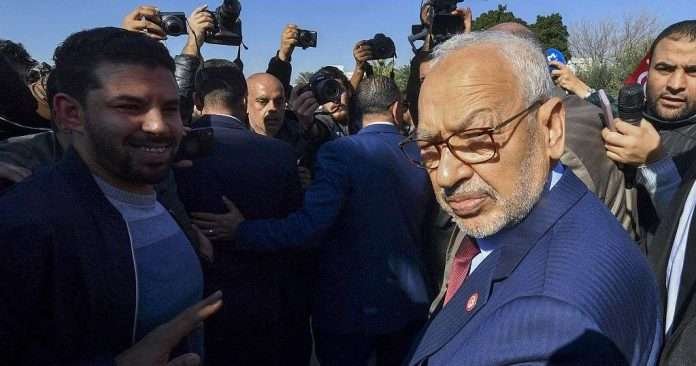
    Tunis, Tunisia – (African Boulevard News) – The families of detained opposition leaders in Tunisia are taking their case to the African Court. The move comes after more than 20 political opponents and other personalities were arrested by Tunisian authorities, an act that has been condemned by the international community and rights groups.

    The families are seeking justice and compensation for the wrongful imprisonment of their loved ones. The African Court, based in Tanzania, is a continental court whose mandate is to protect human and people’s rights in Africa.

    According to the families’ lawyers, the court has the power to hold the Tunisian government accountable for the illegal detention of the opposition leaders. The lawyers argue that the government’s actions violate the African Charter on Human and People’s Rights, which Tunisia has ratified.

    “The families of those detained have exhausted all legal avenues available in Tunisia and have decided to take their case to the African Court. We are confident that justice will be served,” said one of the lawyers.

    The news of the families’ move to the African Court has been welcomed by international rights groups. Amnesty International has called on the Tunisian government to release all political prisoners and respect human rights.

    “The Tunisian government must stop its crackdown on political opponents and release all those who have been arbitrarily detained. The rule of law must be upheld, and human rights must be respected,” said a spokesperson for Amnesty International.

    The move to the African Court is also being closely watched by Tunisia’s neighbours and the wider international community. Tunisia is widely regarded as the birthplace of the Arab Spring, which was sparked by protests against the government in 2011.

    “Tunisia has a reputation as a beacon of democracy in Africa, and the world is watching closely to see how this case will be resolved. The rule of law must be upheld, and human rights must be respected,” said an analyst.

    As the families of the detained opposition leaders prepare to take their case to the African Court, they are hoping for justice and a resolution to their long ordeal. Their move is a reminder that the fight for human rights and democracy in Tunisia and Africa continues.

    Latest news from Africa: Chinese hackers target Kenya during debt crisis, Senegal opposition leader faces rape trial, Sudan violence, South Africa inflation.

    0
    Read Time:2 Minute, 48 Second

    Kenya: Chinese hackers attacked government during debt crisis

    Kenya has reported that Chinese hackers attacked government institutions during the country’s recent debt crisis. The attack targeted the Kenyan Ministry of Finance, the central bank, and other key departments. The country has struggled in recent years to repay Chinese loans taken to support its infrastructure development program. The hack occurred as Kenya was negotiating with China to restructure the debt, including potentially handing over Kenyan infrastructure as collateral. It is not yet clear what the aim of the cyberattack was, but experts suggest that it may have been an attempt to gain leverage over Kenya’s negotiators.

    Senegal: Opposition leader faces trial for rape

    Opposition leader Ousmane Sonko is facing a possible 10-year jail sentence for rape allegations made by a young woman who worked at a beauty salon. Sonko, who is seen as a potential challenger to President Macky Sall, has denied the allegations and claims that the case is politically motivated. The trial has sparked protests, with supporters and opposition members taking to the streets. Sonko’s lawyers have accused the authorities of intimidating witnesses and blocking access to the court for supporters. The trial is being closely watched as a test of the independence of the judiciary in Senegal.

    Sudan: UN rights chief calls for end to violence

    The United Nations’ human rights chief, Michelle Bachelet, has called on the Sudanese generals to stop “senseless violence” as the country faces ongoing clashes between government forces and armed groups. The violence has led to a humanitarian crisis, with thousands of people fleeing their homes. In recent days, a ceasefire brokered by the African Union and the United Nations has brought some respite, but there are reports of continued fighting. Bachelet has called for an independent investigation into the violence and for the protection of civilians.

    Sudan: Clashes reported during second day of ceasefire

    Despite the ceasefire, clashes have been reported in Sudan’s capital, Khartoum, during the second day of the truce. Residents reported hearing artillery fire and seeing warplanes overhead. The ceasefire was brokered after weeks of heavy fighting in the city between government forces and rebel groups. The fighting has led to a humanitarian crisis, with many people fleeing their homes. The ceasefire is being monitored by a team from the African Union and the United Nations.

    South Africa: Inflation slows but interest rates set to rise

    Inflation in South Africa slowed more than expected in April, dropping to 6.8% year on year. However, the central bank is expected to continue raising interest rates to combat inflationary pressures. The country is facing an economic crisis, with high levels of debt and slow growth. The recent unrest in the country, which saw widespread riots and looting, has further damaged the economy. The South African rand has also been hit hard, with the currency losing value against major currencies.

    South Africa: Currency gains ahead of inflation data

    Despite the economic challenges facing South Africa, the country’s currency, the rand, has been strengthening in recent days. The currency gained ahead of the release of inflation data which showed a slowdown in April. However, experts warn that the rand remains vulnerable to external shocks, particularly movements in global interest rates. The country’s high levels of debt and slow growth also continue to weigh on the currency.
    African Boulevard News – (2023-05-24)

    Tunisia: Palme D’Or-Nominated Film “Four Daughters” Tackles Societal Patriarchy and Female Empowerment at Cannes Film Festival.

    0
    Read Time:1 Minute, 46 Second

    Tunis, Tunisia – (African Boulevard News) – Tunisian filmmaker Kaouther Ben Hania is causing a stir at the Cannes Film Festival with her latest film, ‘Four Daughters.’ The film, which has been nominated for the prestigious Palme d’Or award, has received rave reviews for its unique storytelling style and powerful message.

    Ben Hania’s film follows the story of four sisters who are forced to live in isolation by their father, who believes the outside world is dangerous for women. The film explores themes of societal patriarchy, freedom, and female empowerment.

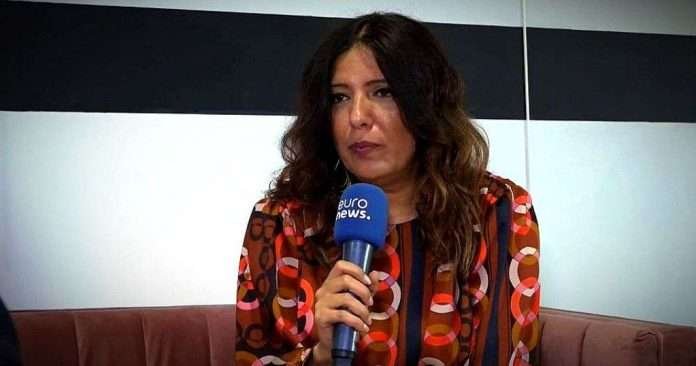
    In an interview with Euronews, Ben Hania revealed that the film’s inspiration came from a real-life incident in Tunisia, where a man locked up his daughters for over two decades. She explained that the incident made her question the fundamental principles of freedom and inspired her to create ‘Four Daughters.’

    The film’s relevance to current social issues has not gone unnoticed by audiences and critics alike. Many have praised Ben Hania’s artistic vision and her ability to blend intense drama with humor and light-hearted moments.

    Critics have been calling ‘Four Daughters’ a masterpiece with a powerful message. The Hollywood Reporter described the film as “A visually dazzling, emotionally charged, and thought-provoking work.”

    Speaking about the attention her film has received, Ben Hania said, “It is overwhelming, the attention that the film is getting, but it also shows that stories like these need to be told.”

    Ben Hania’s success at Cannes has garnered attention, and some speculate that her film could be a contender for the Palme d’Or award. If she does win, Ben Hania will be the first woman director from Africa to win the prestigious award.

    The recognition of Tunisian film directors at Cannes is a crucial moment for African cinema and indicates a rising interest in African stories worldwide.

    In conclusion, Kaouther Ben Hania’s ‘Four Daughters’ is a powerful film that highlights essential social issues and is gaining widespread attention at the Cannes Film Festival. Ben Hania’s visionary storytelling and unique approach to filmmaking have earned her critical acclaim and made her a prominent voice in African cinema.

    Ethiopia: Thousands Protest for Safe Return Home Amid Volatile Tigray Conflict

    0
    Read Time:2 Minute, 17 Second

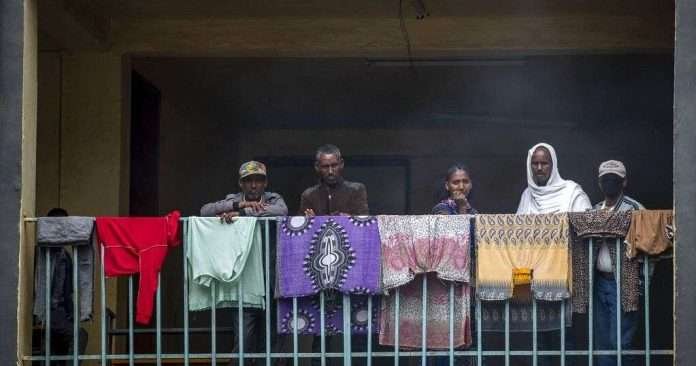
    Addis Ababa, Ethiopia – (African Boulevard News) – Thousands of people displaced by the conflict in Ethiopia’s Tigray region staged protests on Tuesday, demanding to be allowed to return home. An estimated 2.2 million people were forced to flee their homes after fighting broke out in Tigray in November 2020, displacing thousands of families in the region. While people have been returning home gradually, thousands still remain in camps and other displacement centers across the country.

    The protests come after the Ethiopian government announced in early May that it would close most of the camps for displaced people and return them to their home communities. However, these plans have been met with resistance as many people fear returning to their homes as it remains unclear if the security situation in the region is stable.

    “The government’s plan to close the displacement camps and return people home is unacceptable. We need assurances that our homes and communities are safe before we can return,” said one protestor.

    These fears were further heightened after a recent attack on civilians in the Tigray region, which left more than 50 people dead and many more injured. The United Nations has called for an investigation into the attack, which took place in a village in Tigray.

    “The recent attack is a reminder that the situation in Tigray remains volatile and that people’s safety cannot be guaranteed,” said a spokesperson for the United Nations.

    The protests highlight the ongoing humanitarian crisis in Tigray, which has been ravaged by the conflict for more than six months. While international aid organizations have been working to provide assistance to those affected by the crisis, many people remain in need of basic necessities such as food, water, and shelter.

    “The situation in Tigray is dire, and there is an urgent need for more assistance to be provided to those affected by the conflict,” said one aid worker.

    Despite the challenges, there is some hope that progress is being made towards resolving the crisis. The Ethiopian government recently released a statement indicating that it is willing to work with the international community to find a lasting solution to the conflict in Tigray.

    “As we move forward, we are committed to working with our partners to address the humanitarian crisis in Tigray and to ensure that those affected by the conflict are able to return home safely and with dignity,” the statement read.

    In conclusion, the protests by displaced Tigrayans demanding to be allowed to return home underscores the challenges facing Ethiopia as it seeks to resolve the crisis in Tigray. While progress has been made towards finding a lasting solution, much more needs to be done to ensure that those affected by the conflict are provided with the assistance they need.

    Senegal: Ousmane Sonko’s Absence Sparks Protests as Rape Trial Resumes with Key Witness Testimony.

    0
    Read Time:1 Minute, 45 Second

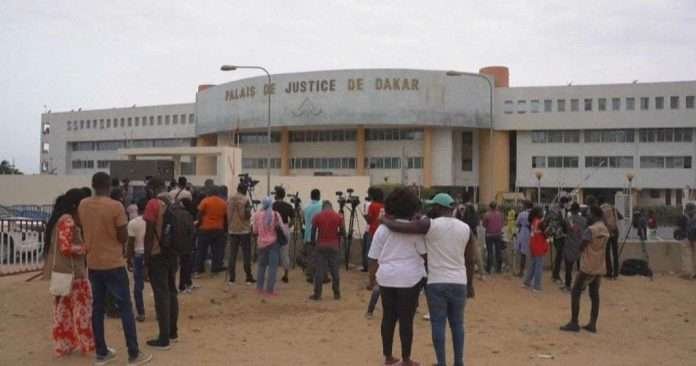
    Dakar, Senegal – (African Boulevard News) – The rape trial of Senegalese opposition leader Ousmane Sonko has resumed in a court despite him failing for the second time to attend proceedings. His absence has sparked criticism and protests across the country.

    The trial was briefly postponed in April after supporters of Sonko clashed with police outside the courthouse, leading to a wave of demonstrations across the West African country. Sonko claimed that the charges of rape and making threats against his accuser were politically motivated.

    Despite his continued absence from court, the trial resumed on Tuesday with the prosecution presenting their case. The court heard testimony from a key witness, Adji Sarr, who accused Sonko of repeatedly raping her, threatening her and offering her money to keep quiet.

    Sarr, a 20-year-old beauty salon worker, filed a complaint against the politician in February, stating that he assaulted her at a massage parlor in Dakar. Sonko, who finished third in the last presidential election and is considered a leading opposition figure in Senegal, denies the allegations, claiming they are part of a plot by President Macky Sall to remove him from politics.

    The case has divided Senegal, with supporters of Sonko accusing the government of using the legal system to silence opposition leaders, while his opponents argue that the charges need to be investigated and if proven, Sonko should face the consequences.

    Meanwhile, protesters took to the streets on Tuesday demanding Sonko’s release and denouncing the government’s handling of the case. Police used tear gas to disperse the crowds, leading to at least one person being injured.

    Human rights groups have criticized the government’s response to the protests, setting up an inquiry into the use of force by security forces and calling for the release of all those arrested.

    “This trial is about more than one man and one woman,” said Amnesty International’s Alioune Tine. “It is about the rights of women to be protected from sexual violence and to have equal access to justice.”

    The trial is set to continue on Thursday with Sonko’s legal team expected to present their defense.

    Nigeria: Outrage as Seun Kuti Remains in Detention, Supporters Demand Immediate Release

    0
    Read Time:1 Minute, 57 Second

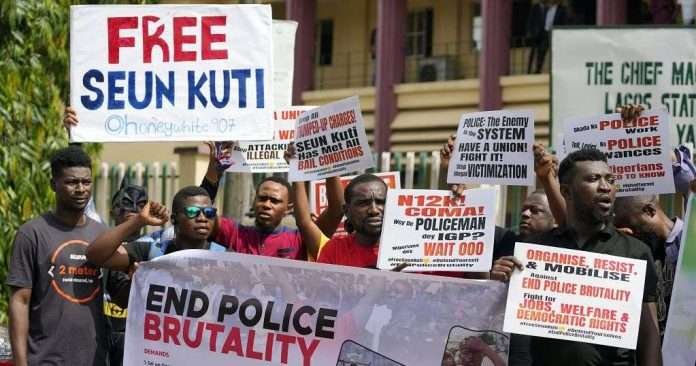
    Abuja, Nigeria – (African Boulevard News) – A group of protesters gathered outside a court in Nigeria’s capital city of Abuja on Monday to demand the release of musician Seun Kuti. The son of the legendary Fela Kuti was arrested last week for allegedly inciting violence during a protest against police brutality.

    Despite several court appearances, Kuti’s release has been repeatedly delayed, sparking outrage from his supporters and human rights activists. The group, which consisted of Kuti’s fans and fellow musicians, carried placards and chanted slogans demanding his immediate release.

    The protest was held under the banner of “Free Seun Kuti” and was organized by the #EndSARS movement, which has been calling for an end to police brutality and systemic corruption in Nigeria. Speaking to African Boulevard News, a member of the movement said, “We understand what is going on, that the reason why Seun has been subjected to this media and political trial is because of his stand over the years against the capitalist government that has neglected the youths.”

    The delay in Kuti’s release has drawn criticism from human rights organizations, including Amnesty International, which accused the Nigerian government of trampling on the rights of its citizens. “Seun Kuti’s detention is a blatant violation of his human rights,” said Osai Ojigho, Amnesty International’s Nigeria director. “The authorities must release him immediately and unconditionally.”

    Kuti’s case has also sparked a wider conversation about the state of democracy and freedom of expression in Nigeria. Many Nigerians have expressed concern that the government is clamping down on dissent and stifling the voices of those who dare to speak out against corruption and injustice.

    In a statement released last week, Kuti’s family expressed their shock and concern over his arrest and subsequent detention. “We are deeply saddened and troubled by this turn of events, which represents a clear violation of Seun’s constitutional rights,” the statement read.

    The family has since called on the Nigerian government to release Kuti and drop all charges against him. “We urge the authorities to respect Seun’s fundamental rights to freedom of expression and peaceful assembly, and to allow him to return to his family and his music,” the statement continued.

    As of press time, Kuti remains in custody, with a court date scheduled for next week. The #FreeSeunKuti movement has vowed to continue protesting until he is released.

    Sudan: Citizens Welcome Ceasefire Agreement Despite Sporadic Artillery Fire

    0
    Read Time:2 Minute, 0 Second

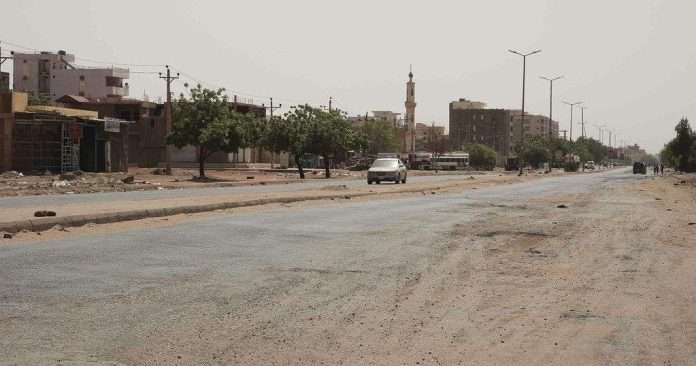
    Khartoum, Sudan – (African Boulevard News) – The ceasefire agreement signed between the Sudanese government and the rebel groups appears to have brought some respite for the citizens of this war-torn nation. Sporadic artillery fire was reported in the capital, Khartoum, early on Tuesday morning, but later in the day, residents reported that things were calm.

    The ceasefire agreement, which came into effect last week, is a long-awaited development in a country that has been embroiled in conflict for many years. The agreement is between the ruling transitional government and various rebel groups that have been fighting in different parts of the country.

    The ceasefire has been welcomed by many Sudanese citizens who have suffered terribly during the years of war. It is hoped that the agreement will pave the way for lasting peace and stability in the country, which has been in a state of turmoil since the ousting of former president Omar al-Bashir in 2019.

    According to experts, the ceasefire is a positive development, but there is still much work to be done to ensure lasting peace in Sudan. “The ceasefire is a step in the right direction, but it is just the beginning. There are still many issues that need to be addressed, such as the disarmament of militias and the integration of rebel groups into the national army,” said a spokesperson for the United Nations.

    The ceasefire agreement is just one part of a comprehensive peace deal that is currently being negotiated in Sudan. The peace talks, which are being facilitated by the African Union, aim to address the root causes of the conflict and to find a lasting solution that will benefit all Sudanese citizens.

    Many Sudanese citizens are cautiously optimistic about the ceasefire agreement and the peace talks. “We have been through so much over the years, and we are tired of war. We just want to live in peace and be able to provide for our families,” said one Khartoum resident.

    In conclusion, the ceasefire agreement between the Sudanese government and the rebel groups has brought some respite for the citizens of Sudan. While there is still much work to be done to ensure lasting peace in the country, the agreement is a step in the right direction. The peace talks currently underway aim to address the root causes of the conflict and to find a lasting solution that will benefit all Sudanese citizens.

    Algeria: President Tebboune’s First State Visit to Portugal Amidst Pandemic to Strengthen Ties and Boost Economic Cooperation

    0
    Read Time:1 Minute, 43 Second

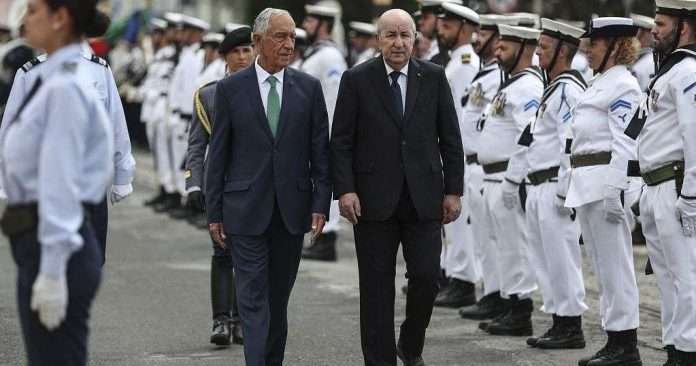
    Algiers, Algeria – (African Boulevard News) – The Algerian President Abdelmadjid Tebboune has embarked on a two-day state visit to Portugal, marking the first visit by a top Algerian official since the pandemic began. Upon arrival, the African leader was greeted by Algerian residents and the Portuguese Foreign Minister, Augusto Santos Silva, at the airport in Lisbon.

    Tebboune’s schedule for the visit includes attending a business forum, discussions with the Portuguese President and Prime Minister, and other official meetings aimed at strengthening bilateral relations between Algeria and Portugal.

    The African leader is leading a delegation of businessmen, ministers, and senior government officials to explore investment opportunities, particularly in the areas of energy, infrastructure, agriculture, and tourism. Algeria is seeking to diversify its economy, which is heavily reliant on oil exports, and has identified Portugal as a strategic partner in its economic strategy.

    The business forum will bring together Algerian and Portuguese entrepreneurs to discuss trade and investment opportunities. It is expected to enhance economic cooperation by identifying areas of common interest and opportunities for partnership between the two countries.

    During the state visit, President Abdelmadjid Tebboune is expected to hold discussions with his Portuguese counterpart, Marcelo Rebelo de Sousa, and Prime Minister Antonio Costa. The talks are aimed at boosting cooperation in areas such as education, science, technology, and culture.

    The visit is seen as an opportunity to strengthen the relationship between Algeria and Portugal, which has been impacted by the COVID-19 pandemic. It is hoped that the visit will serve as a foundation for future engagements between the two countries.

    “The visit by President Tebboune is a sign of strong bilateral relations between Algeria and Portugal. The discussions and meetings will help to further deepen this relationship and open up new opportunities for cooperation,” said the Algerian Ambassador to Portugal, Mohamed Abderrahmane Benguerrah.

    In conclusion, President Tebboune’s visit to Portugal is a significant development in Algeria’s diplomatic efforts to strengthen relations with European countries. It is expected to open up new opportunities for trade, investment, and other forms of cooperation between Algeria and Portugal.

    Eritrea: A Modern-Day Gulag Ruled with an Iron Fist by President Afeworki

    0
    Read Time:1 Minute, 55 Second

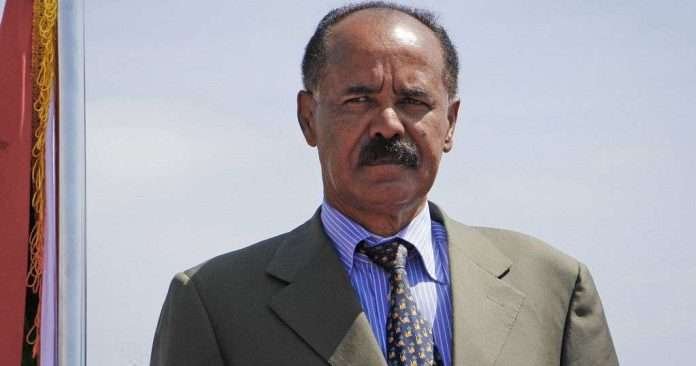
    Asmara, Eritrea – (African Boulevard News) – Eritrea, one of the small and poor countries in the Horn of Africa, is ruled with an iron fist by President Issaias Afeworki, who has been in power for thirty years. The country, bordered by Ethiopia, Sudan, and Djibouti, is notorious for being one of the most closed and repressive states in the world.

    Human rights organizations have repeatedly accused the Afeworki regime of widespread abuse, including arbitrary detention, torture, and forced labor. According to the United Nations, there are tens of thousands of political prisoners and conscripts in the country, and freedom of expression and assembly are severely restricted.

    Despite the country’s dire situation, President Afeworki continues to govern with an authoritarian style that brooks no opposition. The country has no constitution and no independent media, and political parties and trade unions are not allowed. There are no elections, and the president has the sole power to appoint and dismiss government officials.

    According to political analysts, the Afeworki regime’s grip on power is maintained through a combination of repression, propaganda, and isolation. The regime closely controls all aspects of daily life and maintains a strict policy of self-reliance, which has led to widespread poverty and food scarcity.

    The country has also been accused of supporting terrorist groups in neighboring countries and destabilizing the region. The UN has imposed sanctions on Eritrea, but the regime has shown little willingness to change its behavior.

    “President Afeworki has turned Eritrea into a modern-day gulag, where dissent is suppressed, and the people are held captive,” says Ahmed Ouma, a human rights activist. “Without real change, Eritrea will remain a pariah state, isolated and impoverished.”

    The international community has been slow to respond to the Eritrean crisis, with many countries hesitant to confront the Afeworki regime directly. However, there are signs that this may be changing. The recent normalization of relations between Eritrea and Ethiopia has raised hopes for a more peaceful and democratic future for the region.

    As the world watches, the people of Eritrea continue to suffer under the weight of an authoritarian regime that shows no signs of relenting. Only time will tell if change will come to this troubled nation, and whether the Afeworki regime will finally be held accountable for its crimes against its own people.