
Friday, October 30, 2026
89.8 F
Lagos
More
    Home Blog Page 31

    Tanzania: Former Colonial Powers’ Powerful Apologies and the Path to Healing

    0
    Read Time:2 Minute, 17 Second

    Dodoma, Tanzania – (African Boulevard News) – After President Frank-Walter Steinmeier’s heartfelt apologies for Germany’s colonial-era abuses in Tanzania, it is important to reflect on the instances when other former ruling powers expressed their regrets. These apologies serve as a crucial step towards acknowledging the pain caused during the colonial period, and they offer a chance for healing and reconciliation.

    Belgium, for instance, expressed remorse for its brutal colonial past in the Democratic Republic of Congo (DRC). In 2002, the then-Prime Minister Guy Verhofstadt admitted that Belgium had committed grave atrocities during its colonial rule, including the exploitation and abuse of the Congolese people. Verhofstadt’s apology marked a significant moment in Belgian history, as it recognized the need to confront the painful legacy of colonization.

    Similarly, the United Kingdom has also expressed regrets for the way it treated its former colonies. In 1997, former Prime Minister Tony Blair publicly acknowledged the wrongdoings of the British Empire, particularly in Kenya during the Mau Mau rebellion. He acknowledged that there were “unacceptable acts of violence” committed by British forces, leading to a settlement that included compensation for the victims. Blair’s statement was seen as a step towards acknowledging the suffering caused by British colonial rule.

    France, another former colonial power, has also shown remorse for its actions. In 2005, then-President Jacques Chirac acknowledged the “untold suffering” caused by France’s colonization of Algeria. He expressed regret for the violence and the brutality that occurred during that period, emphasizing the need to face the painful truth and work towards reconciliation.

    These apologies by former colonial powers are significant because they represent a willingness to confront past wrongs and seek forgiveness. They also highlight the importance of acknowledging the lasting impact of colonialism on the affected nations and their people.

    According to Dr. Mary Johnson, an expert in post-colonial studies, these apologies are “a crucial step towards healing and reconciliation.” She emphasizes that acknowledging past abuses allows for a more honest conversation about the present and future of the relationship between former colonizers and their former colonies.

    While verbal apologies are important, action is equally necessary to address the socio-economic imbalances caused by colonialism. This includes promoting fair trade, providing assistance in infrastructure development, and supporting educational initiatives in former colonies.

    In conclusion, these instances of former colonial powers expressing regrets demonstrate a growing awareness of the need to confront the atrocities committed during the colonial era. The apologies serve as a starting point for healing and reconciliation, but they must be accompanied by tangible actions to address the long-lasting impact of colonization. Only through genuine efforts can former colonial powers truly begin to repair the wounds of the past and build a more equitable future.
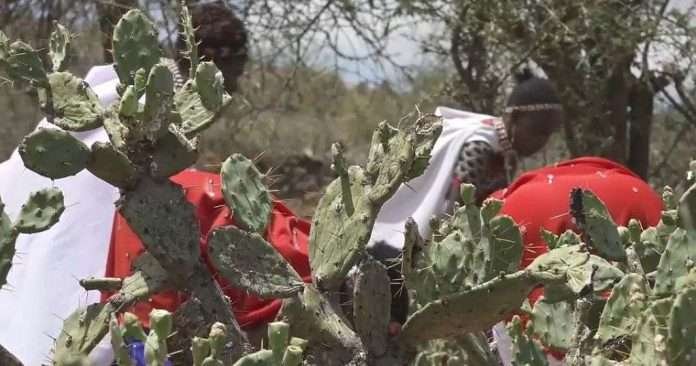

    Kenya: Maasai Women Transform Invasive Prickly Pear into Life-Sustaining Renewable Energy and Food

    0
    Read Time:2 Minute, 26 Second

    Nairobi, Kenya – (African Boulevard News) – Kenyan Maasai women are spearheading an innovative project to tackle the environmental challenges posed by an invasive cactus species and transform it into bio-gas and food sources.

    The prickly pear cactus, known as opuntia, was introduced to Kenya by colonial rulers in the early 1900s. Since then, it has spread rapidly, posing a threat to native vegetation and causing numerous ecological problems. Its thorny nature makes it difficult to eliminate, and its rapid growth outcompetes local plant species.

    However, Maasai women from the Laikipia region have found a creative solution. They have discovered that opuntia can be turned into a valuable resource rather than an environmental hazard. By harvesting the cactus, they are able to produce bio-gas and generate income from the sale of the gas and other by-products.

    According to Lucy Muthoni, a member of the Maasai women’s group leading the initiative, “We realized that instead of battling against the prickly pear, we could turn it into an opportunity. We have developed a technique to extract biogas from the cactus, which can be used for cooking and lighting, benefiting both our community and the environment.”

    The maasai women have received training and support from government agencies and local non-profit organizations, which have recognized the potential of this innovative approach. The project aligns with the United Nations Sustainable Development Goals, particularly the goals related to environmental conservation and renewable energy.

    The bio-gas produced from the cactus is an affordable and sustainable alternative to traditional sources of fuel, such as firewood and charcoal. This not only reduces deforestation and carbon emissions but also improves the health and well-being of the Maasai community, as they are no longer exposed to harmful indoor smoke.

    Moreover, the Maasai women have also discovered that the opuntia cactus can be used as a food source. They have developed recipes to prepare nutritious meals using the cactus pads or fruits, providing a solution to food insecurity in the region.

    The project has attracted attention from scientists and environmentalists worldwide. Dr. Jane Nyaga, a botanist specializing in invasive species, commends the Maasai women’s initiative, saying, “This showcases the power of indigenous knowledge and community-driven solutions. It not only addresses an environmental problem but also empowers women and contributes to sustainable development.”

    The success of the Maasai women’s project highlights the importance of community engagement and innovative thinking in solving environmental challenges. By turning a harmful cactus species into a valuable resource, they have created a model that can be replicated in other areas facing similar issues.

    In conclusion, the Maasai women of Kenya have proven that with determination, creativity, and support, even the most daunting environmental challenges can be transformed into opportunities for sustainable development. Their project serves as an inspiring example of how local communities can take the lead in conservation efforts, benefiting both the environment and their own well-being.

    Africa: Unveiling the Power and Poetry of Beauty – An Exhibition That Redefines Our Notions

    0
    Read Time:2 Minute, 27 Second

    Diaspora, Africa – (African Boulevard News) – A new exhibition in London is captivating visitors with its exploration of the history, science, and business of being beautiful. The exhibit, which showcases the evolution of beauty standards and the underlying scientific principles, provides a fascinating insight into what makes us attractive.

    The concept of beauty has intrigued humans since ancient times. From the symmetrical features of the ancient Greeks to the idealized paintings of the Renaissance, societies have continually sought to define and appreciate beauty. This exhibition takes visitors on a journey through time, shedding light on the diverse cultural perceptions of beauty and the changing standards that have shaped our collective aesthetics.

    One of the key aspects explored in the exhibition is the science behind beauty. Researchers and experts have long studied the physical traits that humans find attractive. Symmetry, for example, is universally regarded as a characteristic of beauty, as our brains are naturally wired to perceive it as a sign of health and genetic fitness. Dr. Jane Collins, a renowned psychologist, explains, “Symmetry is deeply ingrained in our perception of beauty. It signals good health and fertility, which are attractive qualities for potential mates.”

    Another fascinating aspect showcased in the exhibition is the influence of the beauty industry. From ancient cosmetics made from natural ingredients to the multi-billion-dollar global beauty market of today, the exhibition explores how society’s pursuit of beauty has fueled a thriving industry. Visitors can learn about the history of beauty products, the rise of influential brands, and the impact of advertising on our perceptions of beauty.

    In addition to the historical and scientific perspectives, the exhibition also delves into the cultural aspects of beauty. It highlights the diversity of beauty standards around the world and the growing movement towards inclusivity and body positivity. Through thought-provoking displays and interactive experiences, visitors are encouraged to challenge conventional beauty norms and celebrate individuality.

    The exhibition has garnered praise from visitors, who describe it as both enlightening and empowering. Emma Thompson, a visitor to the exhibition, shares, “It’s refreshing to see beauty explored from different angles. It makes you question the narrow definitions we often adhere to and appreciate the beauty in everyone.”

    The history and science of what makes us beautiful is a topic that continues to captivate and inspire. This exhibition in London offers a unique opportunity for individuals to explore the complexities and nuances of beauty, encouraging a broader perspective and promoting self-acceptance. It serves as a reminder that beauty is not a fixed concept but a dynamic, ever-evolving phenomenon that deserves to be celebrated in all its diverse forms.

    So as you step into the exhibition, be prepared to embark on a captivating journey through time and culture, and discover the science and beauty that makes us who we are.

    URLs:
    – Africanews.com: The History and Science of What Makes Us Beautiful
    – Google Search: The History and Science of What Makes Us Beautiful

    Kenya: Prince Charles III Inspires Vital Conservation Efforts Along Coastal Region, Igniting Hope for a Greener Future

    0
    Read Time:2 Minute, 6 Second

    Nairobi, Kenya – (African Boulevard News) – Day 3 of Prince Charles III’s visit to Kenya was a testament to his commitment to environmental conservation. The monarch spent the day dedicated to exploring and supporting various conservation projects along the country’s coastal region. Among the organizations he visited was the Kuruwitu Community Welfare Association, where he aimed to gain a deeper understanding of their vital work in preserving Kenya’s natural resources.

    Prince Charles III’s visit to the Kuruwitu Community Welfare Association allowed him to witness firsthand the incredible efforts being made to protect the coastal ecosystem. The organization, known for its sustainable development initiatives, has been instrumental in conserving the marine and terrestrial biodiversity of the area.

    During his visit, the prince engaged in discussions with local leaders and members of the association, emphasizing the importance of preserving Kenya’s precious coastline. He commended their efforts and expressed his gratitude for their dedication to conservation.

    “I am truly impressed by the incredible work being done by the Kuruwitu Community Welfare Association,” Prince Charles III stated. “Their commitment to preserving Kenya’s coastal ecosystem is commendable and serves as an inspiration to all.”

    The Kuruwitu Community Welfare Association focuses on a variety of conservation initiatives, including mangrove restoration, coral reef protection, and sustainable fishing practices. Their work not only safeguards the delicate ecosystem but also supports the livelihoods of the local communities.

    In addition to the Kuruwitu Community Welfare Association, the prince also visited other conservation projects in the region. These include initiatives aimed at combating deforestation, promoting renewable energy sources, and raising awareness about the importance of wildlife conservation.

    Prince Charles III’s visit to coastal Kenya highlights the urgent need for global efforts to combat climate change and protect vulnerable ecosystems. The prince has been a vocal advocate for environmental sustainability and has consistently emphasized the importance of preserving the planet for future generations.

    As the prince concludes his visit to Kenya, it is evident that his commitment to conservation extends far beyond symbolic gestures. Through his engagement with local organizations and stakeholders, he has showcased his dedication to supporting and amplifying the work of those on the front lines of environmental conservation.

    The impact of Prince Charles III’s visit will undoubtedly resonate within the coastal communities of Kenya. His presence has reinforced the importance of their efforts and provided them with the recognition they deserve. As the world faces increasing environmental challenges, the prince’s advocacy for conservation serves as a reminder that everyone has a role to play in protecting our planet’s natural treasures.

    Africa: Gaza’s Humanitarian Crisis Intensifies with Rising Death Toll and Urgent Aid Needs

    0
    Read Time:2 Minute, 23 Second

    Diaspora, Africa – (African Boulevard News) – Gaza’s aid needs are reaching critical levels as the death toll in the ongoing conflict between Israel and Hamas surpasses 9,000, leaving the international community scrambling to provide much-needed assistance. The devastating loss of life and destruction have prompted calls for a humanitarian “pause” to address the urgent needs of the people in Gaza.

    U.S. President Joe Biden added his voice to those advocating for a temporary cessation of hostilities, emphasizing the need to secure the release of “prisoners” trapped in the conflict. The situation in Gaza has reached a breaking point, with essential services such as healthcare, housing, and clean water severely compromised.

    The Gaza Strip has been under an Israeli blockade since 2007, which has severely restricted the flow of goods and aid to the Palestinian territory. This longstanding blockade has had a crippling effect on the local economy, leading to widespread poverty and unemployment. The current escalation in violence has only exacerbated an already dire situation.

    Gaza’s hospitals are overwhelmed and struggling to cope with the influx of casualties. Medical supplies are running dangerously low, making it difficult for healthcare workers to provide adequate care to the wounded. The United Nations has warned of a potential humanitarian catastrophe if the fighting continues unabated.

    International organizations and countries around the world are stepping up their efforts to provide aid to Gaza. The United Nations Relief and Works Agency for Palestine Refugees in the Near East (UNRWA) has called for $38 million in emergency funding to support immediate humanitarian needs. The World Health Organization (WHO) and other humanitarian partners are working tirelessly to ensure the delivery of medical supplies and essential services to the affected population.

    However, despite these efforts, access to Gaza remains a significant challenge. The ongoing conflict has made it difficult for aid organizations to reach those in need, further exacerbating the humanitarian crisis. The international community must urgently come together to find a solution that allows for the unhindered delivery of aid to Gaza.

    As the death toll continues to rise and the situation deteriorates, it is essential to prioritize the protection and well-being of the people of Gaza. Immediate action is needed to address the urgent humanitarian needs and bring relief to those affected by this devastating conflict.

    In this time of crisis, empathy and solidarity are crucial. The international community must unite to provide the necessary support and resources to alleviate the suffering of the people of Gaza. Only through collective efforts can we hope to bring an end to this humanitarian catastrophe and pave the way for a more peaceful and prosperous future for all.

    URLs:
    1. https://www.africanews.com/2023/11/02/gazas-aid-needs-grow-as-death-toll-passes-9000/
    2. https://www.google.com/search?q=Gaza+s+aid+needs+grow+as+death+toll+passes+9+000

    Tunisia: Fate Hangs in the Balance as Parliament Considers Criminalizing Ties with Israel Amid Gaza Carnage

    0
    Read Time:2 Minute, 11 Second

    Tunis, Tunisia – (African Boulevard News) – Tunisian lawmakers are currently engaged in a heated debate over a proposed bill that seeks to criminalize any form of normalization with Israel. This contentious bill comes at a time when tensions are high in the region due to the ongoing conflict in the Gaza Strip.

    The draft legislation, which was introduced in Tunisia’s parliament, defines “normalization” as the “recognition of the Zionist entity or establishment of any relations with it.” If passed, the bill would impose criminal penalties on individuals or organizations found guilty of engaging in any activities that promote or support normalization with Israel.

    Supporters of the bill argue that it is necessary to stand in solidarity with the Palestinian people and condemn the Israeli government’s actions. They believe that normalizing relations with Israel would undermine the Palestinian cause and grant legitimacy to Israeli policies that they perceive as oppressive.

    On the other hand, opponents of the bill highlight the potential consequences it may have on Tunisia’s foreign relations and economic interests. They argue that such a law could isolate Tunisia on the international stage and hinder its ability to engage in diplomatic efforts to resolve conflicts in the Middle East.

    This debate has sparked intense discussions among Tunisians, with many expressing their opinions on social media platforms. Some believe that the bill is a necessary step to show support for the Palestinian people, while others argue that Tunisia should focus on its own internal issues instead of getting involved in the Israel-Palestine conflict.

    Prominent political figures have also weighed in on the matter. Rached Ghannouchi, leader of the Islamist Ennahda party, stated that normalization with Israel is an “unacceptable betrayal” of the Palestinian cause. However, others, such as former President Moncef Marzouki, have cautioned against rushing into such a decision without considering the potential consequences.

    It remains to be seen whether the bill will garner enough support to become law. Tunisia’s parliament has a history of lively debates, and this issue is unlikely to be an exception. As the discussions continue, Tunisians and the international community will be closely watching the outcome and its potential impact on Tunisia’s relations with Israel and the broader Middle East.

    In the midst of ongoing conflict and political turmoil, Tunisia finds itself at a crossroads. The decisions made in the coming days will undoubtedly shape the future of the country and its role in the region. Tunisia’s lawmakers hold the responsibility of carefully considering all perspectives and weighing the potential consequences before reaching a final decision on this bill, which could have far-reaching implications for the nation and its people.

    Africa: Unleashing its Creative Power – A Fashion and Crafts Revolution

    0
    Read Time:2 Minute, 40 Second

    Diaspora, Africa – (African Boulevard News) – Fashion, crafts, and “Made in Africa” products are experiencing a remarkable surge in popularity on the global stage. This burgeoning trend is not only driven by the rise of the middle class in Africa but also by the continent’s youthful and expanding population, coupled with the rapid growth of the digital sector.

    The fashion industry in Africa has long been celebrated for its vibrant and unique designs, reflecting the rich cultural heritage of the continent. However, it is only in recent years that African fashion has gained significant international recognition. Designers such as Ozwald Boateng, Lisa Folawiyo, and Maki Oh have made significant strides in showcasing African creativity and talent on the global fashion scene.

    With the emergence of e-commerce platforms and the growing accessibility of African designs, international consumers now have the ability to purchase these products with ease. This has opened up new opportunities for African fashion entrepreneurs and designers to reach a global audience, transcending geographical boundaries.

    One key factor contributing to the success of the “Made in Africa” movement is the increasing demand for ethically sourced and sustainable fashion. As consumers become more conscious of the environmental and social impact of their purchases, they are actively seeking out brands that align with their values. African fashion, with its emphasis on artisanal craftsmanship and use of locally sourced materials, is perfectly positioned to meet this demand.

    In addition, the rise of social media has played a crucial role in catapulting African fashion onto the global stage. Platforms such as Instagram and TikTok have become virtual runways, allowing designers to showcase their creations to millions of potential customers around the world. This has not only provided exposure for African brands but also created a sense of inclusivity and diversity in the global fashion industry.

    Industry experts have lauded the potential of African fashion to become a dominant force on the global stage. In an interview with African Boulevard News, renowned fashion designer Ozwald Boateng stated, “Africa has an immense pool of talent and creativity that has remained untapped for far too long. The world is now waking up to the immense potential of African fashion, and I am confident that in the near future, Africa will lead the fashion industry.”

    The “Made in Africa” movement is not just limited to fashion. African crafts, accessories, and home decor are also gaining recognition and appreciation on a global scale. From hand-woven baskets to intricately carved wooden sculptures, African craftsmanship exemplifies the beauty of traditional techniques passed down through generations.

    As the demand for African products continues to soar, it is evident that the continent’s fashion and crafts industries are on the brink of a major breakthrough. With its rich cultural heritage, abundant talent, and growing digital landscape, Africa is poised to take the lead in global fashion in the coming years.

    In conclusion, the rise of “Made in Africa” products in the fashion and crafts industries is a testament to the continent’s immense creative potential. As African designers continue to push boundaries and showcase their unique talent, the global perception of African fashion is shifting, paving the way for Africa to become a global fashion powerhouse.

    Zambia: Edgar Lungu’s Passionate Bid to Reclaim Power Ignites Fierce Battle for the Nation’s Future

    0
    Read Time:2 Minute, 11 Second

    Lusaka, Zambia – (African Boulevard News) – Former Zambian President, Edgar Lungu, has launched a bid to regain power and lead the Patriotic Front, the party that held power in Zambia from 2011 until Lungu’s defeat to Hakainde Hichilema in 2021.

    Lungu, who served as President from 2015 to 2021, has made a strong comeback attempt, expressing his desire to reclaim the country’s top seat. With an eye on the upcoming elections, scheduled for 2023, Lungu aims to rally support within his party and appeal to the electorate.

    The charismatic politician believes that his experience and leadership qualities make him the ideal candidate to address Zambia’s challenges. During his tenure, Lungu implemented various infrastructure projects, such as the construction of schools and hospitals, which brought tangible improvements to the lives of Zambians.

    Lungu’s campaign for the party leadership focuses on securing the backing of the Patriotic Front’s members and convincing them that he is the right choice to lead them to victory in the next elections. He has embarked on a nationwide tour to meet party members and listen to their concerns and aspirations.

    Political analysts suggest that Lungu’s bid to regain power could create a significant challenge for the current ruling party, which is still grappling with a struggling economy and high levels of unemployment. Lungu’s return to the political arena has invigorated his supporters, who believe that his experience and track record could help steer the country towards economic recovery and stability.

    However, there are also critics who argue that Zambia needs fresh leadership and new ideas to address the country’s pressing issues. These voices point to the need for youth engagement and innovative policy solutions that can rejuvenate the economy and tackle corruption.

    In response to Lungu’s bid, Hakainde Hichilema, the current President of Zambia, has stated that he welcomes competition and that it is up to the people to decide who they want to lead them. Hichilema has emphasized the need for a peaceful and democratic process during the upcoming party elections and subsequent general elections.

    As the race to the 2023 elections heats up, the future of Zambian politics remains uncertain. The battle for power between Lungu, a familiar face, and Hichilema, the incumbent, will undoubtedly capture the attention and interest of the Zambian electorate. The outcome of these elections could have far-reaching consequences for the country’s trajectory in the coming years.

    As Zambia prepares for another significant political showdown, only time will tell whether Edgar Lungu can convince the people that he deserves another shot at the presidency or if a new era of leadership will emerge to guide the country forward.

    Zambia: Former President Lungu Stripped of Retirement Benefits for Political Return – Public Outrage Erupts

    0
    Read Time:2 Minute, 16 Second

    Lusaka, Zambia – (African Boulevard News) – In a surprising move, the Zambian government has made the decision to strip former President Edgar Lungu of his retirement benefits and privileges. This decision comes on the heels of Lungu’s controversial choice to re-enter active politics, which has been met with mixed reactions from the public.

    The decision to withdraw Lungu’s retirement benefits was announced by the Secretary to the Cabinet, Dr. Simon Miti. He stated that Lungu’s decision to engage in active politics again was in direct violation of the retirement conditions outlined in the Presidential Emoluments Act of 1997. Under this act, former presidents are required to retire from active politics and refrain from engaging in any political activities.

    The move to revoke Lungu’s retirement benefits has sparked a fierce debate among Zambians. Supporters of the former president argue that he should be allowed to participate in politics freely, while critics believe that he should have abided by the retirement conditions set out by the law.

    One of the key motivations behind the government’s decision is the concern that Lungu’s return to politics could disturb the country’s political landscape and hinder the current administration’s work. This move is seen by some as an attempt to prevent any potential disruption or interference in the government’s policies and programs.

    However, critics of the government argue that stripping Lungu of his retirement benefits is an infringement on his rights and a political move to suppress opposition voices. They argue that a former president should be allowed to exercise their democratic right to engage in politics if they so choose.

    Political analyst, Dr. Chanda Mwansa, weighed in on the matter, stating, “This decision sets a precedent for future administrations. It sends a message that former presidents may face repercussions if they choose to re-enter active politics, which could discourage political involvement and limit democratic freedoms.”

    The decision to remove Lungu’s retirement benefits has raised questions about the legality and fairness of such a move. Some legal experts argue that this decision may be challenged in court, as it could be seen as a violation of Lungu’s constitutional rights.

    In conclusion, the Zambian government’s decision to revoke Edgar Lungu’s retirement benefits has ignited a heated debate among the public. While some support the move as a means to maintain stability and prevent political interference, others view it as an infringement on Lungu’s democratic rights. Only time will tell how this decision will impact the country’s political landscape and the future of retired presidents in Zambia.

    URLs:
    1. https://www.africanews.com/2023/11/02/edgar-lungu-zambian-ex-president-stripped-of-retirement-benefits/
    2. https://www.google.com/search?q=Edgar+Lungu+-+Zambian+ex-president+stripped+of+retirement+benefits

    DRC: President Tshisekedi’s Broken Promises Leave Journalists Vulnerable and Democracy at Risk

    0
    Read Time:2 Minute, 23 Second

    Kinshasa, DRC – (African Boulevard News) – Journalist in Danger (JED), a prominent Congolese organization advocating for press freedom, expressed deep concern over the broken promises made by President Félix Tshisekedi regarding the safety and protection of journalists in the Democratic Republic of Congo (DRC). The organization revealed that it had recorded more than 500 attacks against the media, resulting in the deaths of five journalists during Tshisekedi’s presidential mandate.

    The alarming statistics reported by JED lay bare the harsh reality faced by journalists in the DRC. Their tireless pursuit of truth and their commitment to keeping the public informed comes at a great personal risk. The attacks against them not only infringe on their rights but also undermine the country’s democracy and hinder the progress of a free and independent press.

    JED has called attention to the fact that these attacks reflect the ongoing impunity enjoyed by those responsible for the violence against journalists. The organization has repeatedly called on the Congolese authorities to take swift action and hold the perpetrators accountable. Unfortunately, their pleas seem to have fallen on deaf ears, as the attacks continue unabated.

    In a statement, Tshivis Tshivuadi, the president of JED, said, “President Tshisekedi’s broken promises have left our journalists vulnerable and at the mercy of those who seek to silence them. It is a dark day for press freedom in the DRC.”

    The current situation not only poses a threat to the safety of journalists but also has a chilling effect on the media landscape in the country. Fear and self-censorship have become prevalent, with journalists hesitating to report on sensitive issues for fear of reprisals. This inhibits the DRC’s progress in terms of transparency, accountability, and overall development.

    The international community has also expressed concerns regarding the deteriorating press freedom situation in the DRC. Human rights organizations and media watchdogs have called for urgent action to address the attacks on journalists and to ensure their safety and protection. The global community is urging the Congolese government to fulfill its obligation to safeguard press freedom and to hold accountable those who threaten or harm journalists.

    The broken promises of President Tshisekedi regarding the protection of journalists in the DRC have raised serious doubts about his commitment to press freedom and the rule of law. As attacks against the media persist, it is crucial for the Congolese authorities to take concrete steps to ensure the safety of journalists, investigate the attacks, and prosecute those responsible.

    In this critical period for the DRC, the role of a free and independent press is paramount in promoting transparency, accountability, and democracy. It is imperative that the Congolese government upholds its duty to protect journalists and foster an environment where they can work without fear. Failure to do so not only erodes trust in the government but also hinders the country’s progress towards a brighter future.