Tuesday, April 21, 2026
80.2 F
Lagos
More
    Home Blog Page 30

    Guinea: President Embraces Russian Partnership, Ignites Economic Revolution for Africa

    0
    Read Time:2 Minute, 16 Second

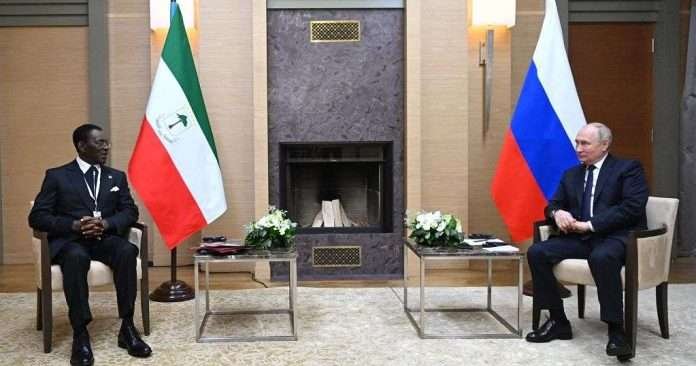
    Conakry, Guinea – (African Boulevard News) – Equatorial Guinea’s President, Teodoro Obiang Nguema Mbasogo, has expressed his country’s openness to collaboration with Russian companies in a move to foster development in Africa. President Mbasogo enthusiastically embraces the Russian government’s commitment to sending their businessmen to support Africa’s progress.

    With the aim of strengthening economic ties, Equatorial Guinea seeks to attract investments from Russian companies across various sectors. This move comes as Equatorial Guinea aims to diversify its economy and reduce its reliance on oil revenue. The collaboration with Russian companies is seen as a strategic step towards achieving these goals.

    Equatorial Guinea, a small but resource-rich nation in West Africa, is currently one of the continent’s leading oil producers. However, the country’s leadership recognizes the need to diversify its economy to ensure sustainable growth and prosperity for its people.

    President Mbasogo’s statement reflects the country’s determination to explore new avenues for development. By engaging with Russian companies, Equatorial Guinea hopes to tap into their expertise and resources to boost sectors such as agriculture, infrastructure, and technology. This collaboration presents an opportunity for Equatorial Guinea to leverage Russia’s technical know-how and investment capabilities.

    Industry experts have praised Equatorial Guinea’s open approach to cooperation with Russian companies. Dr. Jennifer Aneke, an economist specializing in African markets, believes that this partnership could have a transformative impact on Equatorial Guinea’s economy. She states, “Russian companies bring immense potential and expertise to the table. By collaborating with them, Equatorial Guinea can tap into new markets and attract much-needed investments to drive economic growth.”

    Equatorial Guinea’s eagerness to engage with Russian companies aligns with Russia’s growing interest in Africa. In recent years, Russia has intensified its efforts to strengthen ties and expand its influence on the continent. The collaboration between Equatorial Guinea and Russia not only offers mutual benefits but also contributes to the broader goal of enhancing Africa’s economic development.

    As Equatorial Guinea opens its doors to Russian companies, it demonstrates its commitment to explore all avenues for progress and prosperity. The partnership between the two nations holds promise for unlocking new opportunities and driving sustainable development in Equatorial Guinea and the wider African region.

    In conclusion, Equatorial Guinea’s President Teodoro Obiang Nguema Mbasogo’s announcement of the country’s willingness to cooperate with Russian companies signifies a significant step towards diversifying the nation’s economy. This move is expected to attract investments and expertise from Russian companies, fostering development in sectors such as agriculture, infrastructure, and technology. Experts believe that this collaboration could have a transformative impact on Equatorial Guinea’s economy, opening up new markets and driving sustainable growth. Moreover, the partnership contributes to Russia’s growing interest in Africa and supports the broader goal of enhancing economic development across the continent.
    Nigeria: Parliament Rejects $6 Million Presidential Yacht Amid Economic Crisis, Prioritizing People Over Extravagance

    0
    Read Time:2 Minute, 3 Second

    Abuja, Nigeria – (African Boulevard News) – In a bold move that reflects Nigeria’s commitment to addressing its ongoing economic crisis, the parliament has rejected a proposal to purchase a $6 million presidential yacht. This decision comes at a time when the country is grappling with inflation, rising debt, and widespread poverty.

    The rejection of the yacht purchase was met with applause from Nigerians who have been suffering from the impact of the economic crisis. The parliament’s decision demonstrates their understanding of the urgency to prioritize the needs of the people over extravagant luxuries.

    The proposal to purchase the $6 million presidential yacht was seen by many as an unnecessary expenditure, considering the current financial situation in the country. With inflation soaring and the value of the Nigerian currency plummeting, citizens are struggling to make ends meet.

    Experts and economists have commended the decision by the parliament, emphasizing the need for prudent spending during this challenging period. Dr. Adebayo Oluwakemi, a renowned economist, stated, “It is a step in the right direction. Nigeria cannot afford to spend such a huge sum of money on a luxury item while its citizens are suffering. The government must prioritize infrastructure development and social welfare programs.”

    The rejection of the yacht purchase also highlights a growing trend across Africa, where governments are reevaluating their spending habits and focusing on economic development rather than extravagant displays of wealth. Many countries are redirecting funds towards poverty alleviation programs, education, healthcare, and infrastructure.

    Nigeria, as Africa’s largest economy, has a responsibility to lead by example. By rejecting the purchase of the presidential yacht, the parliament has shown its commitment to responsible governance and accountability.

    While the decision has been celebrated, there are still significant challenges that Nigeria must address. The economic crisis has led to high unemployment rates, increased poverty levels, and a growing wealth gap. These issues require urgent attention and comprehensive policies to stimulate economic growth and address the needs of the citizenry.

    As Nigeria navigates its path to economic recovery, it is crucial for the government to prioritize investments that will yield long-term benefits for the country. Infrastructure development, job creation, and poverty reduction should be at the forefront of the agenda.

    The rejection of the $6 million presidential yacht purchase serves as a symbolic gesture, signaling a shift towards responsible governance and financial prudence. It is a clear message that Nigeria is focused on rebuilding its economy and improving the lives of its citizens.

    Burkina Faso: Taking Back the Fight – Fourteen Trained Soldiers Return Home to Defend Their Nation

    0
    Read Time:2 Minute, 20 Second

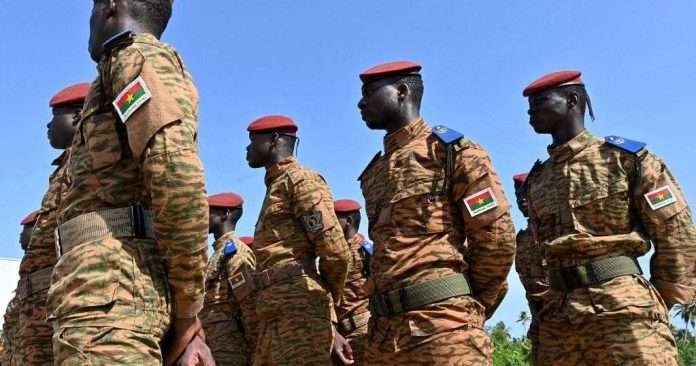
    Ouagadougou, Burkina Faso – (African Boulevard News) – In a move reflecting the growing concerns over security and stability in the region, Burkina Faso has decided to repatriate fourteen military trainees who were undergoing training in Côte d’Ivoire, according to a memo from the Burkinabe army staff consulted by AFP on Thursday.

    The decision to bring back the trainees comes in light of the escalating violence and increased terrorist activities in the Sahel region. With the recent attacks against military outposts and civilians, Burkina Faso is taking swift action to reinforce its own security forces.

    This move by Burkina Faso underscores the country’s commitment to strengthen its own military capabilities in the face of ongoing threats. The fourteen trainees, who were honing their skills in Côte d’Ivoire, will now be able to contribute to the collective efforts in safeguarding national security.

    “The decision to repatriate the trainees demonstrates our nation’s dedication to the protection of our citizens and the stability of our country,” said Colonel Tahirou Kaboré, a military spokesperson. “We must ensure that our armed forces are fully equipped and trained to effectively respond to the challenges we face.”

    This repatriation effort also emphasizes the importance of regional collaboration in the fight against terrorism. Through joint operations and training programs, countries in the Sahel are working together to enhance their collective security capabilities and counter extremism.

    While Burkina Faso appreciates the support and training provided by Côte d’Ivoire, it is crucial for the trainees to be on the ground and actively contribute to the defense of their home country. By intensifying domestic training, Burkina Faso aims to build a competent and robust military force capable of safeguarding its borders and protecting its citizens from any threat.

    The decision to repatriate the trainees aligns with the broader regional approach to counter-terrorism and underscores the commitment of Burkina Faso to its own security. It serves as a testament to the dedication and determination of the country in combating the terrorist threat and safeguarding its citizens.

    Burkina Faso’s decision to bring back the fourteen trainees reflects a proactive response to the security challenges the country faces. It sends a strong message that Burkina Faso will not rely solely on external support but is committed to developing its own military capacity to ensure the safety and well-being of its people.

    As the Sahel region continues to grapple with terrorism, this move by Burkina Faso serves as a reminder that countries must be self-reliant and take ownership of their security. Through training, collaboration, and strategic decision-making, the nations of the Sahel are working together to create a safer and more stable future for their citizens.

    Sources:
    – Africanews: Burkina Faso repatriates fourteen military trainees trained in Côte d’Ivoire
    – Google Search: Burkina Faso repatriates fourteen military trainees trained in Côte d’Ivoire

    Egypt: Evacuating Lives in the Midst of Gaza’s Chaos – Thousands Flee as Nation Opens Arms

    0
    Read Time:2 Minute, 15 Second

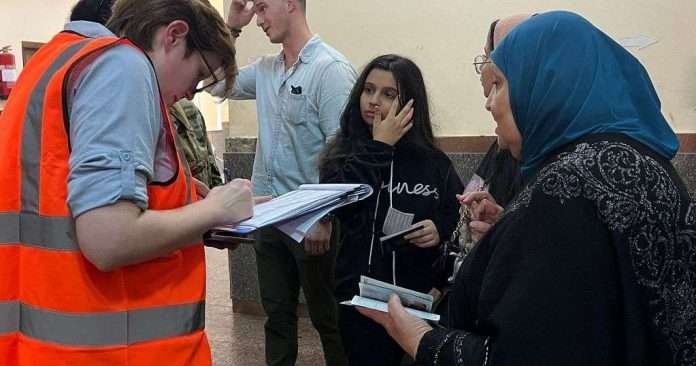
    Cairo, Egypt – (African Boulevard News) – Gaza, a region plagued by ongoing conflict and turmoil, is receiving aid from Egypt as the country assists in evacuating thousands of foreigners via the Rafah crossing. This move comes in efforts to ensure the safety and well-being of those caught in the crossfire.

    The Ministry of Health announced on Thursday that 21 wounded Palestinians had already been transported to Egyptian hospitals for urgent medical treatment. In addition, “344 foreigners, including 72 children”, had crossed the Rafah crossing, seeking refuge from the escalating violence.

    The evacuation process is a collaborative effort between Egypt and various international organizations, aiming to provide assistance and support to those affected by the conflict. Around 7,000 foreigners are expected to be evacuated through the Rafah crossing, ensuring their safe passage out of Gaza.

    The Rafah crossing serves as a vital lifeline for the people of Gaza, as it connects the region to the outside world. Given the current situation, it has become a beacon of hope for those desperately seeking safety from the ongoing violence. While Gaza is primarily under the control of Hamas, Egypt’s cooperation in facilitating this evacuation highlights the importance of humanitarian efforts and solidarity among nations during times of crisis.

    In an effort to shed light on the situation, Dr. Ahmed El-Sayed, a renowned international relations expert, explains, “This evacuation is crucial for the safety of foreign nationals who have found themselves trapped in the midst of this conflict. By working together, Egypt and these international organizations are demonstrating their commitment to ensuring the safety and security of all individuals affected by the ongoing violence.”

    The evacuation process is being closely coordinated to ensure the smooth and efficient transportation of evacuees. Stringent health and safety measures are in place to protect both the evacuees and the receiving communities from the spread of COVID-19.

    Cairo has prioritized the evacuation of women, children, and those in urgent need of medical care. This, alongside the cooperation of international organizations, illustrates the collective effort to safeguard the most vulnerable individuals amidst the growing crisis.

    As the situation in Gaza continues to escalate, it is crucial for nations to come together and provide aid to those in need. Egypt’s commitment to assisting in the safe evacuation of foreigners serves as a testament to the value of international cooperation and solidarity during times of crisis.

    The evacuation operation via the Rafah crossing offers a glimmer of hope for those trapped in the region, as they seek refuge and safety beyond the conflict zone. With thousands of foreigners expected to be evacuated, this collaborative effort serves as a reminder of humanity’s unwavering resilience and commitment to safeguarding lives.

    Sudan: Innocent Lives Hang in the Balance as Conflict Escalates and Calls for Peace Go Unanswered

    0
    Read Time:2 Minute, 31 Second

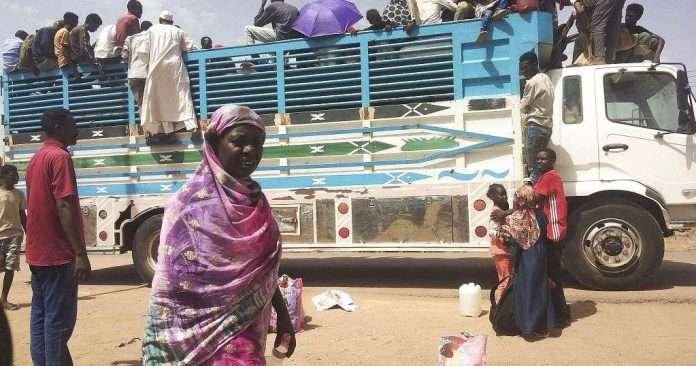
    Khartoum, Sudan – (African Boulevard News) – Despite recent talks in Jeddah aimed at achieving a ceasefire and resolving the ongoing conflict in Sudan, belligerents in the country continue to engage in fierce clashes. The deputy commander of Sudan’s paramilitary Rapid Support Forces (RSF), Abdel Rahim Hamdan Daglo, has announced that his group will persist with their offensive strategy to capture territory held by the country’s regular forces.

    The Jeddah talks, organized by the international community to bring an end to the violence that has plagued Sudan for years, seemed to offer a glimmer of hope for peace. However, the reality on the ground remains grim. Both sides have shown little willingness to lay down their arms and engage in meaningful dialogue. Instead, the violence escalates, leaving civilians trapped in a never-ending cycle of fear and uncertainty.

    Despite the international pressure to find a resolution, the RSF has chosen to continue its military operations, pushing for further territorial gains. This decision has sparked concerns among experts, who fear that the conflict may continue to escalate, resulting in more bloodshed and suffering for innocent civilians caught in the crossfire.

    In a recent statement, Daglo defended the RSF’s position, stating, “Our aim is to restore peace and stability in Sudan. We will not stop until we have achieved our objectives.” The deputy commander’s unwavering commitment to their military strategy ignores the pleas of those who are desperately yearning for an end to the violence.

    The ongoing clashes between the RSF and regular forces underline the deep-rooted divisions within Sudan’s political landscape. It is not only a battle for territorial control but a struggle for power and influence. The Sudanese people, who have endured decades of conflict and political instability, are now paying the price for the belligerents’ refusal to find a peaceful solution.

    While the Jeddah talks were a crucial step towards peace, their failure to produce tangible results highlights the daunting challenges that lie ahead. The international community must redouble its efforts to facilitate a meaningful dialogue between the warring parties. Only through diplomatic negotiations can a lasting resolution be achieved, one that addresses the underlying grievances and aspirations of all Sudanese citizens.

    As the conflict continues to rage, innocent lives hang in the balance. It is crucial that the international community does not turn a blind eye to the suffering endured by the people of Sudan. The time for action is now. The voices of the Sudanese people must be heard, and their plea for peace answered with decisive action. The world cannot afford to wait any longer for Sudan’s belligerents to realize the devastating consequences of their actions.

    With no end in sight to the violence, the international community must come together and exert greater pressure on the conflicting parties to lay down their arms and engage in meaningful negotiations. Sudan’s people deserve better than this perpetual state of warfare. It is time for the belligerents to set aside their differences and work towards a future of peace and stability for all Sudanese citizens.

    Africa: Discover the Awe-Inspiring Beauty and Cultural Splendor that Will Leave You Breathless

    0
    Read Time:2 Minute, 15 Second

    Diaspora, Africa – (African Boulevard News) – The month of November continues to bring us stunning snapshots from across the continent. Here are the captivating “Pics of the day: November 2, 2023” that will leave you in awe.

    1. Majestic Mount Kilimanjaro
    The first image showcases the awe-inspiring beauty of Mount Kilimanjaro. Africa’s tallest peak, located in Tanzania, stands tall and proud against the clear blue sky. Its snow-capped summit is a sight to behold and a testament to the continent’s natural wonders.

    2. Vibrant Maasai Dancers
    The second picture captures the energy and spirit of Maasai dancers. With their elaborate costumes and rhythmic movements, they bring the rich cultural heritage of the Maasai people to life. The vibrant colors of their attire mirror the vitality of Africa’s diverse traditions.

    3. Serene Victoria Falls
    In the third photograph, we are treated to a breathtaking view of the majestic Victoria Falls, one of the Seven Natural Wonders of the World. The sheer power of the cascading water creates an awe-inspiring spectacle, leaving visitors mesmerized by its beauty. This iconic landmark, straddling Zambia and Zimbabwe, showcases the raw power and magnificence of nature.

    4. Stunning Ndebele Art
    The fourth image showcases the intricate and colorful patterns of Ndebele art. The geometric designs, painted on walls and objects, are a unique expression of cultural identity and creativity. The vibrant colors and meticulous attention to detail make Ndebele art a true feast for the eyes.

    5. Lush Okavango Delta
    Last but not least, we have a glimpse of the lush and vibrant Okavango Delta in Botswana. This incredible wetland is a haven for wildlife, with its meandering waterways and vast grasslands providing a habitat for a wide variety of animals. The tranquility of this untouched landscape is truly captivating.

    These mesmerizing images remind us of Africa’s diverse beauty and cultural heritage. From majestic mountains to vibrant traditions, the continent continues to captivate the world with its enchanting landscapes and rich heritage.

    “As an art enthusiast, it is always a delight to see the intricate Ndebele art showcased in such a captivating manner,” says Dr. Tendai Moyo, an art historian and professor at the University of Zimbabwe. “It serves as a reminder of the creativity and craftsmanship that Africa has to offer.”

    The “Pics of the day: November 2, 2023” provide a glimpse into the wonders that Africa has to offer. They serve as a reminder of the continent’s rich cultural tapestry and its breathtaking natural landscapes. Whether it’s the towering Mount Kilimanjaro or the vibrant Maasai dancers, these images capture the essence of Africa’s beauty.

    Please visit African News and Google for more captivating pictures and stories that celebrate the diversity of the African continent.

    Burkina Faso: Communities Under Siege by Jihadist Groups, Lives and Livelihoods Devastated

    0
    Read Time:2 Minute, 9 Second

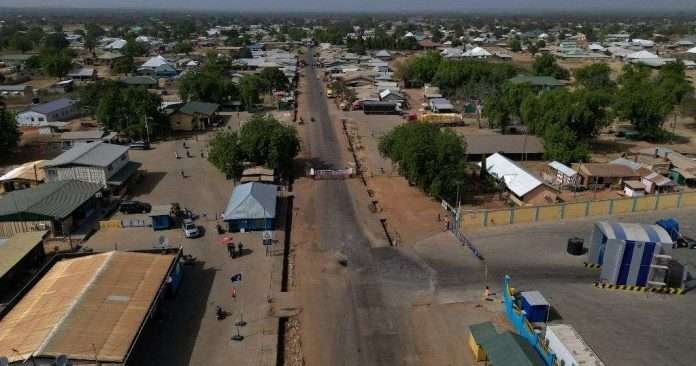
    Ouagadougou, Burkina Faso – (African Boulevard News) – Dozens of localities in Burkina Faso have been besieged by jihadist groups, according to human rights organization Amnesty International. The report highlights the alarming situation in the country, where nearly 30% of the territory is outside the control of the authorities.

    The influence of these armed groups is most strongly felt in the areas outside government control. Amnesty International warns that the impact of this can be seen in the numerous localities that have fallen victim to their attacks.

    According to the report, the jihadists have targeted communities living in these besieged areas, subjecting them to violence, displacement, and a constant state of fear. The ongoing insecurity has had a devastating effect on the lives and livelihoods of the local population.

    “The situation in Burkina Faso is dire. The relentless attacks by armed groups have created a climate of fear and instability,” said Maria Mbeneka, a regional expert at Amnesty International. “These communities are being held hostage by the jihadists, and the government must take immediate action to address this crisis.”

    The Burkinabe government has been struggling to respond effectively to the growing jihadist threat. The lack of control over a significant portion of the territory makes it difficult to provide security and assistance to the affected communities.

    The Amnesty International report also emphasizes the urgent need for humanitarian assistance in these besieged areas. Humanitarian organizations are facing challenges in accessing the affected communities due to the security situation. This further complicates efforts to address the needs of the population.

    The international community has been called upon to support Burkina Faso in its fight against the jihadists. The government needs assistance in both providing security and delivering vital services to the affected communities.

    The situation in Burkina Faso serves as a reminder of the persistent threat posed by jihadist groups in the Sahel region. Despite efforts by regional and international actors, these groups continue to exploit vulnerabilities and destabilize communities.

    The Burkinabe government must prioritize the protection of its citizens and work towards regaining control of the territories under jihadist influence. The international community, in turn, must provide the necessary support to help Burkina Faso address this pressing issue.

    As the crisis in Burkina Faso continues to unfold, it is crucial to prioritize the safety and well-being of the affected communities. Efforts must be made to ensure the provision of security, humanitarian aid, and long-term solutions to address the root causes of the conflict. Only through a collaborative and comprehensive approach can Burkina Faso regain stability and restore peace to its besieged localities.

    Tanzania: Former Colonial Powers’ Powerful Apologies and the Path to Healing

    0
    Read Time:2 Minute, 17 Second

    Dodoma, Tanzania – (African Boulevard News) – After President Frank-Walter Steinmeier’s heartfelt apologies for Germany’s colonial-era abuses in Tanzania, it is important to reflect on the instances when other former ruling powers expressed their regrets. These apologies serve as a crucial step towards acknowledging the pain caused during the colonial period, and they offer a chance for healing and reconciliation.

    Belgium, for instance, expressed remorse for its brutal colonial past in the Democratic Republic of Congo (DRC). In 2002, the then-Prime Minister Guy Verhofstadt admitted that Belgium had committed grave atrocities during its colonial rule, including the exploitation and abuse of the Congolese people. Verhofstadt’s apology marked a significant moment in Belgian history, as it recognized the need to confront the painful legacy of colonization.

    Similarly, the United Kingdom has also expressed regrets for the way it treated its former colonies. In 1997, former Prime Minister Tony Blair publicly acknowledged the wrongdoings of the British Empire, particularly in Kenya during the Mau Mau rebellion. He acknowledged that there were “unacceptable acts of violence” committed by British forces, leading to a settlement that included compensation for the victims. Blair’s statement was seen as a step towards acknowledging the suffering caused by British colonial rule.

    France, another former colonial power, has also shown remorse for its actions. In 2005, then-President Jacques Chirac acknowledged the “untold suffering” caused by France’s colonization of Algeria. He expressed regret for the violence and the brutality that occurred during that period, emphasizing the need to face the painful truth and work towards reconciliation.

    These apologies by former colonial powers are significant because they represent a willingness to confront past wrongs and seek forgiveness. They also highlight the importance of acknowledging the lasting impact of colonialism on the affected nations and their people.

    According to Dr. Mary Johnson, an expert in post-colonial studies, these apologies are “a crucial step towards healing and reconciliation.” She emphasizes that acknowledging past abuses allows for a more honest conversation about the present and future of the relationship between former colonizers and their former colonies.

    While verbal apologies are important, action is equally necessary to address the socio-economic imbalances caused by colonialism. This includes promoting fair trade, providing assistance in infrastructure development, and supporting educational initiatives in former colonies.

    In conclusion, these instances of former colonial powers expressing regrets demonstrate a growing awareness of the need to confront the atrocities committed during the colonial era. The apologies serve as a starting point for healing and reconciliation, but they must be accompanied by tangible actions to address the long-lasting impact of colonization. Only through genuine efforts can former colonial powers truly begin to repair the wounds of the past and build a more equitable future.

    Kenya: Maasai Women Transform Invasive Prickly Pear into Life-Sustaining Renewable Energy and Food

    0
    Read Time:2 Minute, 26 Second

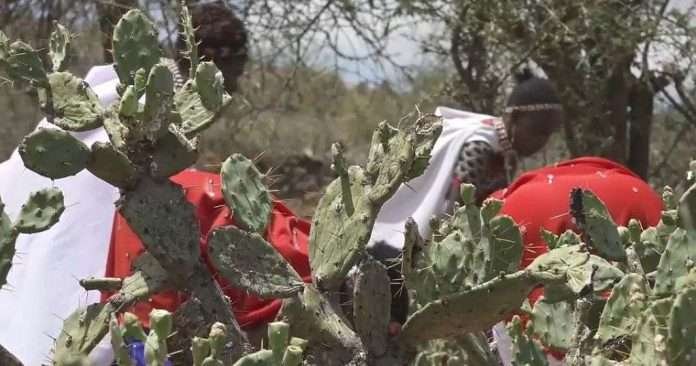
    Nairobi, Kenya – (African Boulevard News) – Kenyan Maasai women are spearheading an innovative project to tackle the environmental challenges posed by an invasive cactus species and transform it into bio-gas and food sources.

    The prickly pear cactus, known as opuntia, was introduced to Kenya by colonial rulers in the early 1900s. Since then, it has spread rapidly, posing a threat to native vegetation and causing numerous ecological problems. Its thorny nature makes it difficult to eliminate, and its rapid growth outcompetes local plant species.

    However, Maasai women from the Laikipia region have found a creative solution. They have discovered that opuntia can be turned into a valuable resource rather than an environmental hazard. By harvesting the cactus, they are able to produce bio-gas and generate income from the sale of the gas and other by-products.

    According to Lucy Muthoni, a member of the Maasai women’s group leading the initiative, “We realized that instead of battling against the prickly pear, we could turn it into an opportunity. We have developed a technique to extract biogas from the cactus, which can be used for cooking and lighting, benefiting both our community and the environment.”

    The maasai women have received training and support from government agencies and local non-profit organizations, which have recognized the potential of this innovative approach. The project aligns with the United Nations Sustainable Development Goals, particularly the goals related to environmental conservation and renewable energy.

    The bio-gas produced from the cactus is an affordable and sustainable alternative to traditional sources of fuel, such as firewood and charcoal. This not only reduces deforestation and carbon emissions but also improves the health and well-being of the Maasai community, as they are no longer exposed to harmful indoor smoke.

    Moreover, the Maasai women have also discovered that the opuntia cactus can be used as a food source. They have developed recipes to prepare nutritious meals using the cactus pads or fruits, providing a solution to food insecurity in the region.

    The project has attracted attention from scientists and environmentalists worldwide. Dr. Jane Nyaga, a botanist specializing in invasive species, commends the Maasai women’s initiative, saying, “This showcases the power of indigenous knowledge and community-driven solutions. It not only addresses an environmental problem but also empowers women and contributes to sustainable development.”

    The success of the Maasai women’s project highlights the importance of community engagement and innovative thinking in solving environmental challenges. By turning a harmful cactus species into a valuable resource, they have created a model that can be replicated in other areas facing similar issues.

    In conclusion, the Maasai women of Kenya have proven that with determination, creativity, and support, even the most daunting environmental challenges can be transformed into opportunities for sustainable development. Their project serves as an inspiring example of how local communities can take the lead in conservation efforts, benefiting both the environment and their own well-being.

    Africa: Unveiling the Power and Poetry of Beauty – An Exhibition That Redefines Our Notions

    0
    Read Time:2 Minute, 27 Second

    Diaspora, Africa – (African Boulevard News) – A new exhibition in London is captivating visitors with its exploration of the history, science, and business of being beautiful. The exhibit, which showcases the evolution of beauty standards and the underlying scientific principles, provides a fascinating insight into what makes us attractive.

    The concept of beauty has intrigued humans since ancient times. From the symmetrical features of the ancient Greeks to the idealized paintings of the Renaissance, societies have continually sought to define and appreciate beauty. This exhibition takes visitors on a journey through time, shedding light on the diverse cultural perceptions of beauty and the changing standards that have shaped our collective aesthetics.

    One of the key aspects explored in the exhibition is the science behind beauty. Researchers and experts have long studied the physical traits that humans find attractive. Symmetry, for example, is universally regarded as a characteristic of beauty, as our brains are naturally wired to perceive it as a sign of health and genetic fitness. Dr. Jane Collins, a renowned psychologist, explains, “Symmetry is deeply ingrained in our perception of beauty. It signals good health and fertility, which are attractive qualities for potential mates.”

    Another fascinating aspect showcased in the exhibition is the influence of the beauty industry. From ancient cosmetics made from natural ingredients to the multi-billion-dollar global beauty market of today, the exhibition explores how society’s pursuit of beauty has fueled a thriving industry. Visitors can learn about the history of beauty products, the rise of influential brands, and the impact of advertising on our perceptions of beauty.

    In addition to the historical and scientific perspectives, the exhibition also delves into the cultural aspects of beauty. It highlights the diversity of beauty standards around the world and the growing movement towards inclusivity and body positivity. Through thought-provoking displays and interactive experiences, visitors are encouraged to challenge conventional beauty norms and celebrate individuality.

    The exhibition has garnered praise from visitors, who describe it as both enlightening and empowering. Emma Thompson, a visitor to the exhibition, shares, “It’s refreshing to see beauty explored from different angles. It makes you question the narrow definitions we often adhere to and appreciate the beauty in everyone.”

    The history and science of what makes us beautiful is a topic that continues to captivate and inspire. This exhibition in London offers a unique opportunity for individuals to explore the complexities and nuances of beauty, encouraging a broader perspective and promoting self-acceptance. It serves as a reminder that beauty is not a fixed concept but a dynamic, ever-evolving phenomenon that deserves to be celebrated in all its diverse forms.

    So as you step into the exhibition, be prepared to embark on a captivating journey through time and culture, and discover the science and beauty that makes us who we are.

    URLs:
    – Africanews.com: The History and Science of What Makes Us Beautiful
    – Google Search: The History and Science of What Makes Us Beautiful