Tuesday, May 5, 2026
91 F
Lagos
More
    Home Blog Page 271

    Niger: Devastating Jihadist Attack Leaves 17 Soldiers Dead, 20 Injured – A Glimpse Into the Fight Against Terrorism in the Sahel

    0
    Read Time:2 Minute, 3 Second

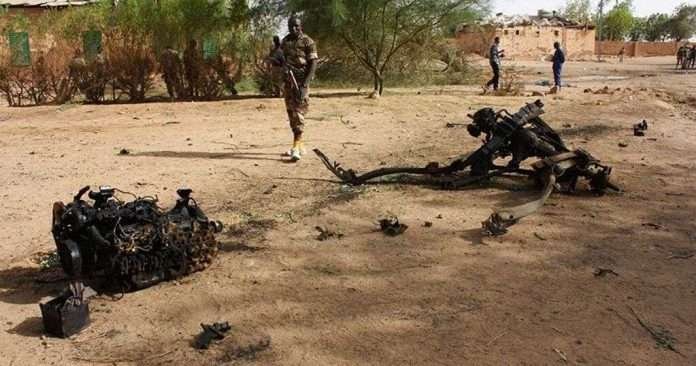
    Niamey, Niger – (African Boulevard News) – Tragedy struck the Nigerien army on Tuesday as at least 17 soldiers lost their lives and another 20 sustained injuries in a devastating attack near the country’s border with Mali. The assault, suspected to be the handiwork of jihadists, has sent shockwaves through the region’s security forces.

    According to the defense ministry in Niamey, the attack occurred in a remote area close to the Niger-Mali border. The soldiers were ambushed by heavily armed militants, resulting in a fierce gun battle. The exact details of the incident, including the number of attackers involved, remain unclear.

    The loss of these brave soldiers is a stark reminder of the constant threat posed by terrorism to the Sahel region. Niger has been grappling with instability and violence inflicted by various extremist groups, including Boko Haram and the Islamic State in the Greater Sahara.

    The attack near the Mali border highlights the porous nature of the region, allowing armed groups to launch deadly strikes and evade capture. It calls for a renewed and robust effort to enhance cross-border cooperation and intelligence sharing between Niger and its neighboring countries, particularly Mali.

    The government in Niger has declared three days of mourning to honor the fallen soldiers. The country’s President, Mohamed Bazoum, expressed his condolences to the families of the victims and vowed to bring the perpetrators to justice. He emphasized the need for increased resources and international support to combat terrorism effectively.

    Moussa Boureima, a security analyst based in Niamey, commented, “This attack once again underscores the need for closer collaboration between Sahelian nations to address the root causes of terrorism. It is essential to address the underlying socio-economic grievances that fuel extremism, as military solutions alone cannot guarantee lasting peace.”

    The United Nations and other international partners have condemned the attack and reiterated their commitment to supporting Niger in its fight against terrorism. Regional organizations such as the G5 Sahel, comprising Burkina Faso, Chad, Mali, Mauritania, and Niger, have been working together to combat the scourge of violence and extremism in the region.

    The loss of these brave soldiers is a painful reminder of the sacrifices made in the fight against terror. It should serve as a catalyst for renewed efforts to strengthen regional security, enhance intelligence cooperation, and tackle the root causes of extremism. Niger, along with its Sahelian neighbors, must continue to march forward in unity to secure a peaceful and prosperous future for its citizens.
    Zimbabwe: Opposition Party Members Arrested in Shocking Pre-Election Crackdown

    0
    Read Time:2 Minute, 11 Second

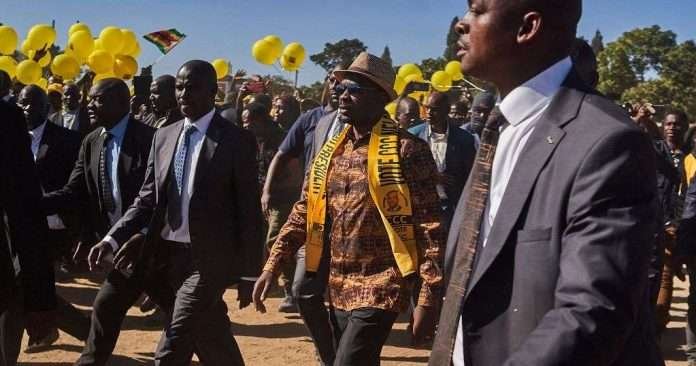
    Harare, Zimbabwe – (African Boulevard News) – In a crackdown on the opposition party, police in Zimbabwe have arrested 40 members for allegedly blocking traffic and creating chaos during a campaign event. The arrests come just a week before the country’s highly anticipated national elections.

    According to police reports, the members of the leading opposition party were taken into custody for disrupting order and causing public disturbance. The incident occurred during a campaign rally on Tuesday, where tensions were already running high in the lead up to the crucial vote.

    The arrests have sparked outrage among opposition supporters, who believe that this is an attempt by the ruling party to stifle dissent and deter opposition campaigning efforts. Critics argue that the charges of blocking traffic and disorderly conduct are politically motivated and designed to weaken the opposition’s chances in the upcoming elections.

    While the ruling party has yet to comment on the arrests, human rights organizations have condemned the move, calling it a violation of freedom of speech and assembly. The crackdown raises concerns about the fairness and transparency of the electoral process in Zimbabwe.

    Political analyst, Dr. Jane Moyo, expressed her concerns about the timing of the arrests. “It is disheartening to see opposition members being arrested just days before the elections. This raises questions about the level playing field and the credibility of the electoral process,” she said.

    The opposition party’s presidential candidate, John Makoni, addressed his supporters after the arrests, vowing to continue their fight for a fair and democratic Zimbabwe. “We will not be deterred by such tactics. This is a critical moment for our country, and we will not allow intimidation to silence us,” he declared.

    The incident has further heightened tensions in Zimbabwe, where there have been growing concerns about electoral violence and the abuse of state resources during the campaign period. International observers have called for a peaceful and transparent election process, urging all parties to respect the rule of law and ensure a level playing field for all candidates.

    As the countdown to the national elections continues, the arrests of opposition members have cast a shadow of doubt over the credibility of the upcoming vote. It remains to be seen how this incident will impact the political landscape of Zimbabwe and whether it will have any bearing on the outcome of the elections.

    The arrests serve as a reminder of the challenges facing Zimbabwe as it strives for a more democratic and inclusive society. The international community will be closely watching the developments in the country, hoping for a peaceful and fair electoral process that reflects the will of the people.

    Niger’s Prime Minister Seeks Hope and Regional Support in Chad Amidst Escalating Crisis – Will Diplomatic Efforts Bring Peace?

    0
    Read Time:2 Minute, 23 Second

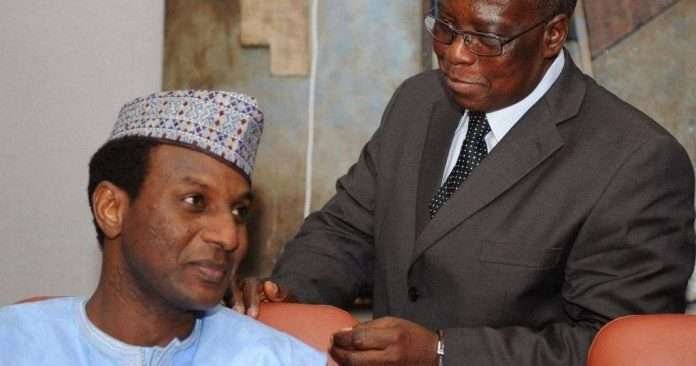
    Niamey, Niger – (African Boulevard News) – Niger’s newly-appointed civilian Prime Minister, Ali Mahaman Lamine Zeine, embarked on a significant diplomatic mission to Chad as tensions continue to escalate in the region. The visit comes amidst calls from global powers, including the United States and Russia, for a peaceful resolution to the crisis.

    Ali Mahaman Lamine Zeine’s visit to Chad is aimed at strengthening bilateral relations between the two neighboring countries and seeking support in the face of the political turmoil currently gripping Niger. The Chadian government confirmed that the Prime Minister’s trip is part of a “working visit” to discuss crucial security and diplomatic matters.

    As the civilian representative appointed by the military following the ousting of President Mohamed Bazoum on July 26, Ali Mahaman Lamine Zeine’s presence in Chad signifies the collaborative efforts between the two nations to address the ongoing crisis.

    The international community has been closely monitoring the situation in Niger, with the United States and Russia urging a diplomatic resolution. Both global powers have stressed the importance of dialogue and political stability in the region.

    Experts believe that the visit by Niger’s prime minister strengthens Niger’s position as it seeks support and solidarity from its regional counterparts. The trip also demonstrates the commitment of the Nigerien government to resolving the crisis through peaceful means.

    Ali Mahaman Lamine Zeine’s visit to Chad is expected to focus on important security issues, such as the fight against terrorism, border security, and joint initiatives to bring stability to the region. The discussions will also explore potential avenues for economic cooperation and trade between the two countries.

    The visit holds significant implications for both Niger and Chad, as they face similar security challenges, including the threat of extremist groups such as Boko Haram and the Islamic State in West Africa Province (ISWAP). Cooperation and coordination between the two nations are vital to combat these shared security concerns effectively.

    While the crisis in Niger continues to unfold, the diplomatic efforts by the newly-appointed prime minister could provide a glimmer of hope for peace and stability. The visit also sends a strong message that Niger is committed to resolving its internal issues through peaceful means and regional cooperation.

    As Niger’s military-appointed Prime Minister engages in discussions with Chad’s leaders, the international community anticipates the outcome of these meetings and hopes for a positive step towards resolving the crisis. The visit signals Niger’s commitment to finding a diplomatic solution, aligning with the calls from global powers for a peaceful resolution to the ongoing political turmoil.

    In the face of mounting challenges, Niger’s Prime Minister’s visit to Chad serves as a reminder that diplomatic avenues are being explored to restore stability in the region. The international community remains hopeful that collaboration and dialogue will pave the way for a peaceful resolution to the crisis in Niger.

    Sources:
    – Africanews.com
    – Google Search

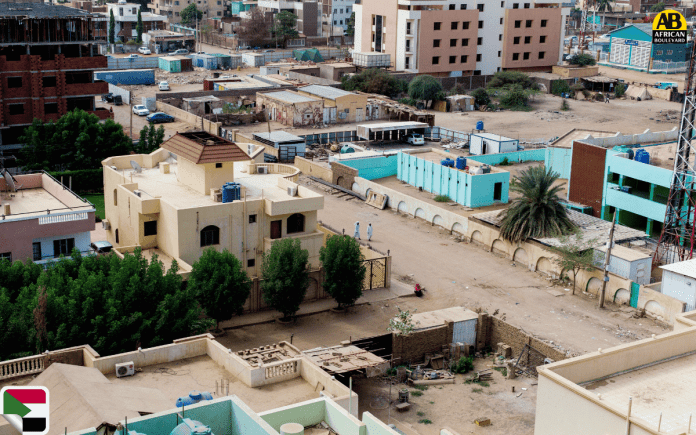
    Sudanese Politicians and Rebels Forge New Path Towards Peace and Justice Amidst Conflict Chaos

    0
    Read Time:2 Minute, 23 Second

    Khartoum, Sudan – (African Boulevard News) – Sudanese politicians and former rebels gathered in Addis Ababa on 14 and 15 August in an effort to establish a third voice in the ongoing conflict between Hemeti’s Rapid Support Forces (RSF) and al-Burhan’s Sudanese Armed Forces (SAF). The talks aimed to pave the way for a unified front in Sudan’s civil unrest.

    The meeting in the Ethiopian capital brought together a handful of key figures from various political groups and rebel factions. Their goal was to find common ground and explore possibilities for collaboration in order to counterbalance the power dynamics within the country’s military.

    With Hemeti’s RSF and al-Burhan’s SAF dominating the conflict landscape, the need for an alternative force has become increasingly apparent. The RSF, a paramilitary group that emerged from the Janjaweed militia, has been accused of numerous human rights abuses. Meanwhile, the SAF, as the main military institution, holds considerable power and influence over the country.

    The meeting in Addis Ababa signals a promising development in Sudan’s quest for peace and stability. By attempting to establish a third front, these politicians and former rebels hope to address the grievances of the Sudanese people and bring about a more inclusive and democratic system.

    One of the participants in the talks, Ahmed Abdelrahman, a leading member of the Sudanese Congress Party, emphasized the significance of the gathering. He stated, “We are here to show that there is an alternative to the RSF and SAF. Our aim is to unite Sudanese voices against oppression and establish a civil front that represents the aspirations of the people.”

    The civil front being discussed would aim to bridge the gap between various opposition groups and civil society organizations. By working together, these entities could potentially challenge the dominance of the established military powers and advocate for a peaceful and democratic transition in Sudan.

    International observers have welcomed this initiative as a positive step towards a more inclusive political landscape in Sudan. They believe that a united front could provide a platform for negotiations, dialogue, and reconciliation among all parties involved in the conflict.

    While the Addis Ababa meeting does not immediately resolve the complex issues at hand, it serves as a starting point for discussions and collaboration. The participants hope that their efforts will inspire broader support from the Sudanese people, regional actors, and the international community.

    As Sudan continues to navigate its path towards stability, the establishment of a civil front presents a glimmer of hope for a peaceful resolution to the ongoing conflict. It is a testament to the determination and resilience of the Sudanese people who seek a brighter future for their country.

    In the midst of uncertainty, the talks in Addis Ababa provide a glimpse of potential progress, and a reminder that change is possible when diverse voices come together in pursuit of a common goal.

    Niger’s Economic Lifeline Hangs in the Balance as Coup Threatens Vital Crude Oil Export Pipeline

    0
    Read Time:2 Minute, 21 Second

    Niamey, Niger – (African Boulevard News) – In a shocking turn of events, a recent coup in Niger may have serious consequences for the Agadem crude oil exportation pipeline, which was set to commence operations this October. The uncertain political climate in the country has raised concerns about the future of this vital infrastructure project.

    The Agadem crude oil export pipeline is a significant development for Niger’s economy, aiming to boost the country’s oil production and export capabilities. However, the recent coup threatens to disrupt this ambitious initiative, potentially dealing a severe blow to Niger’s exportation prospects.

    One of the key concerns is the stability of the region where the pipeline is located. The coup has plunged Niger into a state of turmoil, with political tensions running high. This situation creates an unfavorable environment for the successful operation of the Agadem exportation pipeline.

    Experts and stakeholders in the oil and gas industry have expressed their worries about the potential dire consequences this coup could have on the pipeline project. They highlight the immediate need for stability and a conducive political environment to ensure the pipeline’s smooth functioning.

    Paul Smith, an analyst specializing in African energy markets, warned, “The success of the Agadem exportation pipeline heavily depends on a stable political environment. Any disruption caused by the coup could not only delay the project but also deter potential investors and impact Niger’s reputation in the international market.”

    The Agadem exportation pipeline has been long-awaited, with its completion set to significantly increase the country’s oil production capacity. The pipeline is expected to transport crude oil from the Agadem oilfield to the Atlantic coast for exportation. This project has the potential to boost Niger’s economy and attract foreign investment, providing much-needed resources for development.

    However, the recent events have cast a shadow of doubt over the future of the pipeline. The unstable political situation in Niger has raised concerns among investors and industry experts, who fear the project may face significant delays or even cancellation.

    The West African country had been counting on the Agadem exportation pipeline to bring about economic growth and alleviate poverty. With the coup throwing a wrench into these plans, the nation’s prospects hang in the balance.

    It is crucial for Niger’s leaders to swiftly restore stability and create a conducive environment for the successful operation of the pipeline. The future of the Agadem project, and by extension, the country’s economic growth, hinges on the resolution of the political crisis.

    While the immediate impact of the coup on the pipeline remains uncertain, the overarching concern is that it may lead to significant setbacks and hinder Niger’s oil exportation ambitions. As the country navigates through this turbulent period, the fate of the Agadem crude oil export pipeline remains uncertain, leaving many anxiously awaiting a resolution that will determine Niger’s economic trajectory.

    Africa’s Transformative Billion-Dollar Investment Set to Reshape Congo’s Future

    0
    Read Time:2 Minute, 31 Second

    Diaspora, Africa – (African Boulevard News) – In what could be a game-changing development for the Democratic Republic of Congo (DRC), American fund Lilium Capital is reportedly preparing to make a billion-dollar investment in the country. The investment will be made in partnership with Afreximbank and Ecobank, two leading financial institutions in Africa.

    The details of the investment are currently being finalized, but it is expected to have a significant impact on the Congolese economy and infrastructure development. The investment comes at a crucial time for the country, as it seeks to recover from years of conflict and build a more sustainable and prosperous future.

    According to a report by Africa Intelligence, Lilium Capital’s investment in Congo aims to support various sectors, including mining, agriculture, and renewable energy. This is a testament to the potential and opportunities that the country offers to foreign investors.

    The DRC is rich in natural resources, with vast reserves of minerals such as cobalt, copper, and diamonds. However, the country has faced challenges in harnessing its resources for the benefit of its people. The investment from Lilium Capital and its partners could help unlock the potential of these resources and contribute to the socio-economic development of the country.

    In recent years, there has been a growing interest from international investors in the DRC. This is due to the country’s strategic location, abundance of natural resources, and the government’s efforts to improve the business environment and attract foreign direct investment.

    Speaking about the investment, a spokesperson from Lilium Capital said, “We see great potential in the Democratic Republic of Congo. The country has immense natural resources and a young and dynamic workforce. We believe that our investment will not only generate significant returns but also contribute to the sustainable development of the country.”

    The partnership with Afreximbank and Ecobank further highlights the importance of collaboration between local and international financial institutions in driving economic growth and development in Africa.

    The investment from Lilium Capital is expected to create job opportunities, enhance infrastructure, and stimulate economic growth in the DRC. It is a testament to the confidence that international investors have in the country’s potential and future prospects.

    As the details of the investment are finalized, stakeholders and the Congolese people eagerly await the positive impact it will have on their lives and the development of their country. The investment from Lilium Capital and its partners could be a turning point for the DRC, opening up new opportunities and paving the way for a brighter future.

    In conclusion, the billion-dollar investment from American fund Lilium Capital, in collaboration with Afreximbank and Ecobank, is poised to transform the Democratic Republic of Congo. The investment will support key sectors, generate employment, and contribute to the sustainable development of the country. The partnership demonstrates the growing interest and confidence of international investors in the potential of the Congolese economy. As the investment takes shape, the people of Congo eagerly await the positive changes it will bring to their lives and their country.

    Libya’s Siddiq Haftar Sets Sights on Presidency, Promises Economic Revitalization and Stability

    0
    Read Time:2 Minute, 22 Second

    Tripoli, Libya – (African Boulevard News) – The eldest member of the Haftar family, Siddiq Haftar, has been making waves in Libyan politics with his recent efforts to polish his presidential profile. Unlike his father, General Khalifa Haftar, Siddiq prefers tailored shirts and conferences on the economy to uniforms and military parades.

    As the political climate in Libya remains uncertain, Siddiq Haftar is leveraging his media presence to position himself as a viable candidate for the top office. With the upcoming presidential elections in December 2023, he is keen on presenting himself as a fresh face with a focus on economic development and stability.

    Haftar’s recent appearances at high-profile events and conferences have garnered attention, allowing him to showcase his knowledge and expertise on economic matters. By positioning himself as a credible candidate with a strong understanding of the country’s financial challenges, he hopes to resonate with the Libyan population.

    In an interview with African Intelligence, a source close to Siddiq Haftar revealed, “He believes that Libya needs a leader who can navigate the complex economic landscape and attract foreign investments to bolster the nation’s growth. He wants to move away from the traditional military image associated with his family and showcase his abilities to address the pressing issues faced by Libya.”

    Haftar’s push to enhance his presidential profile is also evident in his increased engagement with the media. He has been actively participating in interviews and discussions, where he shares his vision for the country’s future and outlines his plans for economic revitalization. These efforts aim to present him as a candidate capable of steering Libya towards stability and prosperity, making him an attractive choice for voters seeking a fresh approach.

    Despite his focus on economic matters, Siddiq Haftar has not distanced himself entirely from his family’s military background. By maintaining a delicate balance between showcasing his economic acumen and emphasizing the need for security, he aims to appeal to a wider range of voters who are looking for leadership capable of addressing multiple aspects of the country’s challenges.

    As the December 2023 presidential elections draw closer, Siddiq Haftar’s attempt to polish his presidential profile is gaining momentum. While it remains to be seen how successful his efforts will be, his focus on economic development and stability sets him apart from other contenders. If he manages to maintain his media presence and effectively communicate his vision to the Libyan people, Siddiq Haftar may emerge as a strong presidential candidate with a fresh perspective on Libya’s future.

    In this critical period for the nation, Siddiq Haftar’s polished profile could be what Libya needs to navigate its way out of the current political and economic unrest. With the election just a few months away, all eyes are on Haftar as he continues to refine his strategy, hoping to capture the attention and trust of the Libyan people.

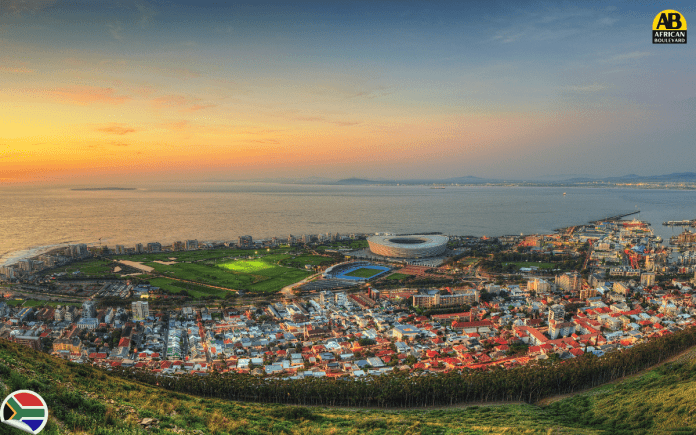
    South Africa Seeks Vital Funds to Resurrect Gas Refinery, Attracting Global Powerhouses for Energy Renaissance

    0
    Read Time:2 Minute, 16 Second

    Pretoria, South Africa – (African Boulevard News) – The South African government is determined to find a solution to relaunch the Mossel Bay gas refinery, as PetroSA seeks funds for the ambitious project. While the possibility of partnering with TotalEnergies has not been ruled out, other options from international players such as Russian, Chinese, and Azerbaijani firms are also being considered.

    With the aim of reviving the troubled gas refinery, PetroSA is actively seeking financial support to breathe new life into this crucial piece of infrastructure. The company, which is owned by the South African government, is exploring various avenues to secure the necessary funds for the relaunch.

    The Mossel Bay gas refinery, located in the Western Cape province, had faced numerous challenges, leading to its closure in 2020. However, the South African government is keen to see it operational again, as it holds immense potential in meeting the country’s energy demands and promoting economic growth.

    While the possibility of partnering with TotalEnergies, a global energy giant, is still on the table, the South African government is also open to considering other options. Russian, Chinese, and Azerbaijani firms have expressed interest in participating in the relaunch of the Mossel Bay gas refinery, bringing their expertise and financial resources to the table.

    “The South African government understands the significance of the Mossel Bay gas refinery and the potential it holds for the country’s energy sector,” said an industry expert. “By attracting international investment and expertise, PetroSA aims to ensure a successful relaunch that benefits both the local economy and the energy landscape of South Africa.”

    The search for funding is a crucial step in the relaunch process. The government is actively engaging with potential investors and exploring various financing options to secure the necessary funds for the project. This includes discussions with major players in the energy industry, financial institutions, and international partners.

    The Mossel Bay gas refinery has the capacity to process vast amounts of natural gas and produce valuable products such as petrol, diesel, and other petrochemicals. Its revitalization would not only contribute to meeting South Africa’s energy demands but would also create job opportunities and attract foreign investment.

    As the South African government continues its efforts to revive the Mossel Bay gas refinery, industry analysts are optimistic about the potential outcomes. The involvement of international players brings added expertise and resources to the project, increasing the likelihood of a successful relaunch.

    The relaunch of the Mossel Bay gas refinery is a significant undertaking, with far-reaching implications for South Africa’s energy sector and economic growth. By securing the necessary funds and partnering with global players, PetroSA aims to reestablish the refinery as a crucial hub and ensure a sustainable energy future for the country.

    “Niger in Crisis: AU Divided over Response to Coup, Democracy Hangs in the Balance”

    0
    Read Time:2 Minute, 20 Second

    Niamey, Niger – (African Boulevard News) – In the face of a growing number of coups in West Africa, the African Union (AU) is grappling with the appropriate response to the recent coup in Niger. The AU Peace and Security Council, chaired by Burundi, is divided over whether to intervene militarily or pursue diplomatic measures to address the crisis.

    The recent coup in Niger has alarmed regional and international bodies, given the fragile state of democracy in the region. The AU, through its Peace and Security Council, has been discussing how best to respond to the situation. However, internal divisions within the Council have hindered progress towards a unified response.

    The current coup in Niger, led by Colonel Dodo Boureima, has sparked debate among AU member states regarding the best approach to address the crisis. Some countries argue that military intervention is necessary to restore democracy and stability, while others advocate for political dialogue and non-interference.

    AU Peace and Security Council’s discussions have underscored the complexity of the situation in Niger and the differing views among member states. While some countries believe that military intervention could lead to further instability, others argue that it is essential to prevent a precedent that could embolden other coup plotters in the region.

    According to an AU official who spoke on condition of anonymity, “The situation in Niger is delicate, and we must take into account the unique circumstances and dynamics at play. It is crucial for the AU to find a unified approach that balances the need for stability with respect for Niger’s sovereignty.”

    The division within the Council reflects a broader debate within the international community on how to respond to coups in Africa. Critics argue that military interventions often lead to prolonged conflicts and socio-economic challenges, while others maintain that they are necessary to protect democratic values and human rights.

    The AU’s internal divisions over the Niger coup highlight the challenge of reaching a consensus on the appropriate response to political crises in the region. As the discussions continue, it remains to be seen whether the AU will be able to overcome its differences and present a united front.

    In the meantime, the people of Niger are anxiously watching the developments and hoping for a swift resolution to the crisis. The AU and its member states must act in the best interest of the Nigerien people and work towards a solution that ensures the country’s stability and the preservation of democratic institutions.

    As the AU Peace and Security Council grapples with the Niger coup, the eyes of the international community are on West Africa, where the fragile democracy of the region hangs in the balance. The outcome of this debate will have far-reaching implications for the future of democracy and stability in Africa as a whole.

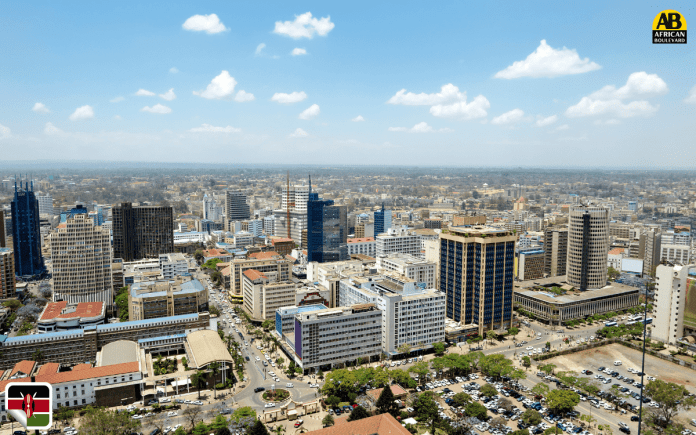
    Kenya’s Trade Minister Faces Controversial Crisis: Will President Ruto Protect the Country’s Investor Appeal?

    0
    Read Time:2 Minute, 31 Second

    Nairobi, Kenya – (African Boulevard News) – Kenya’s Trade Minister Moses Kuria is finding himself increasingly challenged within the government, as several members of President William Ruto’s entourage express concerns that his controversies may damage the country’s investor appeal.

    Kuria, a long-time ally of Ruto, has been stirring up controversies with his outspoken comments and actions. His confrontational approach to governance has put him at odds with fellow government officials and raised eyebrows among investors, who fear the negative impact on Kenya’s business environment.

    The trade minister’s rhetoric has become increasingly divisive, leading to tensions within the government. Some insiders believe that Kuria’s actions are overshadowing the government’s efforts to attract foreign direct investment and undermine the president’s agenda.

    According to sources close to the president, Ruto remains cautious regarding his ally’s controversial behavior. While Ruto has yet to publicly criticize Kuria, it is clear that members of his entourage have expressed concerns about the potential consequences of the trade minister’s actions.

    The mounting challenges faced by Kuria within the government have caught the attention of political analysts and industry experts alike. They highlight the importance of maintaining stability and unity within the ruling party to attract investment and promote economic growth.

    “This kind of internal conflict and controversy sends a negative signal to investors. It erodes confidence in the government’s ability to create an enabling business environment,” said John Mwangi, an economist at a leading think tank.

    Kuria’s controversial statements have also drawn criticism from opposition leaders and civil society organizations. They argue that his divisive rhetoric undermines the country’s social cohesion and national unity.

    As the trade minister’s controversies continue to make headlines, it remains to be seen how President Ruto will address the situation. Will he distance himself from Kuria and seek to restore stability within the government, or will he continue to back his ally, risking further damage to Kenya’s investor appeal?

    In a highly competitive global economy, investor confidence is crucial for a country’s economic growth and development. Kenya, with its growing economy and strategic location, cannot afford to have its trade minister become a liability.

    As the challenges facing Moses Kuria in the government persist, stakeholders will be closely watching the president’s response and the impact it may have on Kenya’s standing in the eyes of the international community.

    Nairobi, Kenya – (African Boulevard News) – Kenya’s Trade Minister Moses Kuria is facing increasing challenges within the government, as concerns mount over the impact of his controversial actions on the country’s investor appeal. Several members of President William Ruto’s entourage fear that Kuria’s divisive rhetoric may overshadow the government’s efforts to attract foreign direct investment. As tensions rise within the ruling party, experts emphasize the importance of maintaining stability and unity to promote economic growth. Opposition leaders and civil society organizations have also criticized Kuria’s divisive statements, arguing that they undermine national unity. President Ruto’s response to the situation will be closely watched as Kenya strives to maintain its position as an attractive investment destination in a competitive global economy.