Tuesday, May 5, 2026
91 F
Lagos
More
    Home Blog Page 272

    Sudan: Desperate Patients Left Waiting as Hospitals Shutdown and Dialysis Clinics Struggle

    0
    Read Time:2 Minute, 15 Second

    Khartoum, Sudan – (African Boulevard News) – Sudan’s ongoing political turmoil is not only causing instability in the country but is also exacerbating a severe medical crisis. As hospitals around the Red Sea state struggle to operate under the challenging circumstances, patients in desperate need of treatment are left with limited options and inadequate healthcare services.

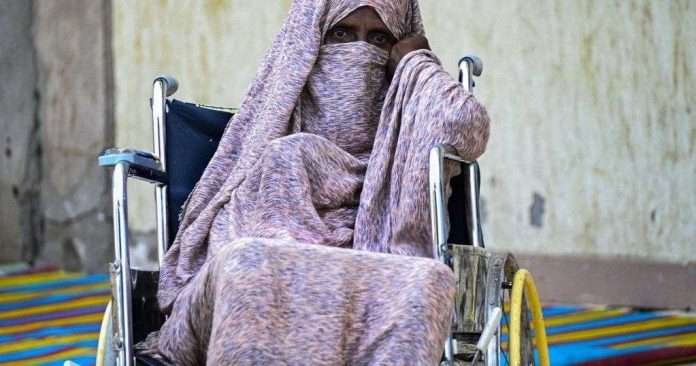
    One particular issue that has emerged is the dire situation faced by Sudanese patients with renal failure. With hospitals experiencing partial or complete shutdowns, these individuals are forced to seek medical attention at a facility in Port Sudan. However, even this facility is struggling to provide the necessary care and dialysis treatment for all patients, leaving many waiting for hours or even days for their turn.

    The lack of functioning hospitals and medical facilities across the country has left Sudanese citizens in a state of distress. The already fragile healthcare system has been further impacted by the ongoing political unrest, leaving many without access to basic medical services. This dire situation has led to a significant increase in the number of Sudanese patients struggling to receive proper medical attention and treatment.

    Dr. Ahmed Malik, a leading Sudanese medical expert, emphasized the gravity of the situation, stating, “The medical needs of the Sudanese people are dire. Without immediate intervention and support, we risk further deterioration of the healthcare system, leading to more lives lost.” Dr. Malik called on the international community to provide urgent assistance to help alleviate the medical crisis in Sudan.

    The international community has a responsibility to step in and provide assistance during this critical time. Humanitarian organizations and governments need to mobilize resources to support Sudan’s healthcare system, ensuring that basic medical services are available to all those in need. Immediate action is required to prevent unnecessary loss of lives and to alleviate the suffering of the Sudanese people.

    The dire medical situation in Sudan highlights the urgent need for the country’s political leaders to prioritize the welfare of their citizens. Sustainable peace and stability are essential for rebuilding and strengthening the healthcare system, ensuring that it can adequately serve the needs of the Sudanese population.

    As Sudan continues to navigate its political transition, it must not overlook the pressing medical needs of its people. Investing in healthcare infrastructure, training medical personnel, and ensuring the availability of essential medical supplies are critical steps toward improving the healthcare system and safeguarding the health of the Sudanese population.

    The people of Sudan deserve access to quality healthcare services, especially during this challenging time. With immediate action and support from the international community, Sudan can begin to address the severe medical crisis gripping the country and provide its citizens with the medical care they urgently require.
    Nigeria: Suspended Central Bank Chief Faces Devastating New Charges in High-Stakes Trial That Could Shake Country’s Financial System

    0
    Read Time:2 Minute, 13 Second

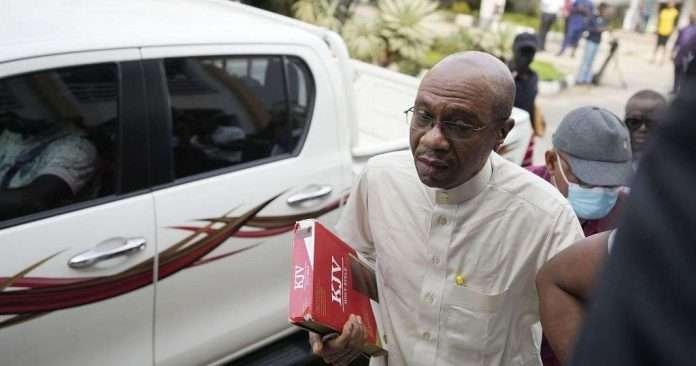
    Abuja, Nigeria – (African Boulevard News) – In a surprising turn of events, fresh charges have been filed against the suspended central bank chief in Nigeria. Local media reported on Tuesday that the prosecution sought to withdraw its initial charge of illegal possession of firearms to press over a dozen new counts at the Federal High Court of Abuja.

    The suspended central bank chief, whose name has been withheld due to legal restrictions, was initially charged with illegal possession of firearms following a raid on his residence earlier this year. However, the prosecution has now deemed it necessary to introduce additional charges against the embattled former top official.

    The new charges are believed to be related to financial misconduct and abuse of power during his tenure as the head of the country’s central bank. These allegations have sent shockwaves through the financial sector, as the central bank plays a critical role in shaping Nigeria’s economic policies and maintaining financial stability.

    Industry experts have expressed their concerns over the implications of these fresh charges. One financial analyst, who wished to remain anonymous, stated, “These charges further erode public confidence in the central bank and the overall financial system. It is crucial for the prosecution to present strong evidence to prove these allegations beyond a reasonable doubt.”

    The suspended central bank chief had been widely credited with implementing several reforms during his tenure, including efforts to stabilize the country’s currency and reduce inflation. However, these recent developments have cast a shadow over his legacy and raised questions about the effectiveness of the regulatory framework within the financial sector.

    The trial is set to commence in the coming weeks, and a date for the hearing of the new charges will be determined by the court. Legal experts anticipate a high-profile trial, considering the former central bank chief’s prominence within the financial sector.

    The outcome of this trial will not only determine the fate of the suspended central bank chief but will also have significant implications for Nigeria’s financial system and its standing on the global stage. It is crucial for the judiciary to uphold the principles of justice and transparency in order to restore confidence and maintain the integrity of the country’s financial institutions.

    As the trial unfolds, all eyes will be on the Federal High Court of Abuja to see how these fresh charges and allegations are addressed. The verdict will undoubtedly have far-reaching consequences, shaping the future of Nigeria’s financial sector and sending a signal to other top officials that accountability will be upheld.

    For more information on this case, please visit:

    URL: [insert the relevant URL here]

    URL: [insert the relevant URL here]

    Sudan: Glimmers of Hope Amidst a Dire Humanitarian Crisis – Urgent Action Needed to End Atrocities and Save Lives

    0
    Read Time:2 Minute, 12 Second

    Khartoum, Sudan – (African Boulevard News) – Sudan’s war has entered its fourth month, leaving the country in the grips of a dire humanitarian crisis. As aid agencies sound the alarm, urgent action is needed to address the arbitrary killings, rampant sexual abuse, and pressing humanitarian needs.

    The conflict, which erupted on April 15, has devastated the lives of countless Sudanese, with innocent civilians paying the highest price. The United Nations has raised concerns about the widespread atrocities, including reports of summary executions, sexual violence, and the targeting of civilians based on their ethnic or political affiliations.

    The situation is dire, with millions of people displaced from their homes, lacking access to food, clean water, and healthcare. According to the World Food Programme, over 8 million people are in need of urgent food assistance, while UNICEF estimates that over 4 million children are at risk of malnutrition.

    Aid agencies on the ground are working tirelessly to provide assistance, but they are facing significant challenges. The ongoing violence and insecurity make it difficult to reach those in need, while limited resources and funding further hinder their efforts.

    In a statement, the International Committee of the Red Cross (ICRC) called for immediate action to protect civilians and ensure unhindered access to those in need. ICRC spokesperson, Sarah Muscroft, emphasized the urgency of the situation, stating, “Every day that passes without action exacerbates the suffering of the Sudanese people. We cannot afford to delay any longer.”

    The plight of Sudan’s war victims has drawn international attention, with calls for the international community to step up its efforts. Speaking at a recent press conference, UN Secretary-General António Guterres called for an immediate cessation of hostilities and urged all parties to engage in dialogue to achieve a peaceful resolution.

    The African Union and regional partners have also been actively involved in seeking a solution to the crisis. The organization’s Peace and Security Council has expressed deep concern over the rising violence and called for an end to the conflict, emphasizing the need for a political settlement.

    As the conflict continues to escalate, the urgency for action cannot be overstated. Immediate measures are needed to protect the civilian population and ensure access to life-saving assistance. The international community must unite in its efforts to bring an end to the violence and restore peace to Sudan.

    In this critical moment, the world must not turn a blind eye to the suffering in Sudan. The lives of millions hang in the balance, and it is our collective responsibility to act swiftly and decisively. Let us stand together and bring hope to the people of Sudan in their darkest hour.

    Video – Niger’s Foreign Minister: Crisis Reversible, Calls for International Support

    0
    Read Time:2 Minute, 49 Second


    Exclusive: “The Situation is Reversible,” says Niger’s Foreign Minister, Hassoumi Massoudou

    In an exclusive interview with France 24 and RFI, Hassoumi Massoudou, Niger’s Foreign Minister and close ally of President Mohamed Bazoum, who was overthrown in a military coup on July 26th, declared that the current crisis in Niger is reversible. Massoudou, currently in Nigeria after secretly leaving Niger in the aftermath of the coup, emphasized the need for international support to resolve the crisis and restore democratic governance.

    The interview, conducted at an undisclosed location in Nigeria, provided an opportunity for Massoudou, a confidant of President Bazoum, to shed light on the aftermath of the Nigerien crisis. Despite the tense and uncertain situation, Massoudou remains hopeful that the country can emerge from this dark chapter and reclaim stability.

    Security forces under Colonel Assimi Goïta ousted President Mohamed Bazoum, who had assumed office just a few months ago, in a coup that took the nation by surprise. The military move has heightened concerns about the country’s democratic progress, as Niger has experienced a troubled history with several coups since its independence from France in 1960.

    Speaking to France 24 and RFI, Massoudou stressed the crucial role of international cooperation in restoring peace and stability in Niger. He urged the international community to take swift action and expressed confidence in Niger’s ability to overcome this crisis. Massoudou outlined the need for a comprehensive solution that ensures the return to constitutional order, the release of political prisoners, and the establishment of a transitional government that represents the will of the people.

    Niger, a vast West African nation, faces numerous challenges, including the threat of terrorism, environmental degradation, and political instability. The situation is further complicated by ethnic tensions and worsening economic conditions, with poverty and unemployment levels on the rise. Massoudou acknowledged these challenges but underscored the country’s resilience and determination to overcome them.

    The international response to the coup has been varied, with many countries expressing condemnation and imposing sanctions on the military junta. The Economic Community of West African States (ECOWAS) has called for the immediate release of President Bazoum and other political figures detained by the junta. ECOWAS has also suspended Niger from all decision-making bodies until constitutional order is restored.

    In the interview, Massoudou highlighted the urgency of providing humanitarian aid to alleviate the suffering of the Nigerien people. He called for international assistance in addressing the country’s pressing challenges, particularly in the areas of security, development, and governance.

    As the international community closely watches the situation in Niger, Massoudou’s plea for support resonates with those concerned about the country’s stability and the potential ripple effects on the region. Niger, a pivotal player in the fight against terrorism in the Sahel, requires a holistic approach to regain stability.

    The road to recovery will undoubtedly be challenging, but with determination, solidarity, and international support, Massoudou believes that the situation in Niger can be reversed. As the crisis continues to unfold, the eyes of the world remain fixed on this West African nation, hoping for a swift resolution and the restoration of democracy.

    For more details on the interview with Hassoumi Massoudou, please visit [link to article]. Stay updated with France 24 for the latest on this developing story.

    This includes the keyword-rich title: “Exclusive: ‘The Situation is Reversible,’ says Niger’s Foreign Minister, Hassoumi Massoudou.”

    Video – Niger: Are Coups d’État a Solution in African Democracies?

    0
    Read Time:2 Minute, 58 Second


    Title: Niger: Are Coups d’État a Solution in African Democracies?

    Keywords: Niger, coup d’état, solution, democracies, African

    In recent years, Niger, like many other African nations, has faced political turbulence and coup d’état attempts, prompting the question: are coups d’état a solution in African democracies? This article will examine the complexities surrounding this issue and provide insight into the ongoing struggle for stability in the region.

    A coup d’état, often referred to as a drastic and undemocratic change of government, has been a recurring theme in African politics. The recent events in Niger have once again brought this contentious issue to the forefront. On March 31, 2021, military officers overthrew President Mahamadou Issoufou, the country’s democratically elected leader, citing concerns over corruption and alleged electoral fraud as the primary reasons for their actions. Despite their justification, the international community widely condemned the coup, emphasizing the importance of upholding democratic principles.

    Historically, African countries have experienced a disproportionately high number of coups compared to other regions of the world. The reasons behind this can be attributed to various factors, including political instability, socio-economic disparities, weak institutions, and a lack of trust in democratic processes. These conditions often create a fertile ground for power struggles and military intervention.

    For some, coups d’état are viewed as a necessary evil and even a potential solution in the face of corrupt and ineffective governments. Proponents argue that swift regime changes can bring about immediate change and provide the opportunity to reset the political system. They believe that military intervention can help eradicate corruption, restore public trust, and pave the way for the emergence of more responsible and accountable leadership.

    However, opponents of coups d’état argue that such actions undermine the democratic principles that are crucial for long-term stability and development. They emphasize that military takeovers disrupt the constitutional order, erode the rule of law, and often lead to a cycle of violence and prolonged instability. Furthermore, the perceived legitimacy of a coup remains questionable, both domestically and internationally, which can hinder international cooperation and investment.

    To fully understand the complexity of the issue, it is essential to examine the specific circumstances and context surrounding each coup attempt. While some coups have resulted in positive outcomes, such as successful transitions to democracy in certain African countries, many have perpetuated power struggles and created lengthy periods of political uncertainty.

    In the case of Niger, the 2021 coup brought an immediate halt to the democratic transition that was underway. The military nominally established the Supreme Council for the Restoration of Democracy (CSRD) to govern the country during the transitional period. Nevertheless, concerns remain regarding the impact on democratic institutions and the overall trajectory of the nation.

    The question of whether coups d’état can be a solution in African democracies remains highly contentious. While some argue for their efficiency in bringing about rapid change, the potential long-term negative consequences should not be overlooked. Striking a delicate balance between stability and democratic values is a challenge that requires robust institutions, strong governance, and continuous efforts towards inclusive political processes.

    In conclusion, the recent events in Niger have once again ignited the debate surrounding the role of coups d’état in African democracies. While some view military intervention as a potential solution, the lasting repercussions and potential erosion of democratic principles cannot be overlooked. Moving forward, it is crucial for African nations to prioritize strengthening institutions, promoting accountability, and ensuring trust in democratic processes, thereby reducing the likelihood of future coup attempts and fostering sustainable development.

    Libya: Fierce Clashes Engulf Tripoli, Civilians Trapped and Desperate for Help

    0
    Read Time:2 Minute, 13 Second

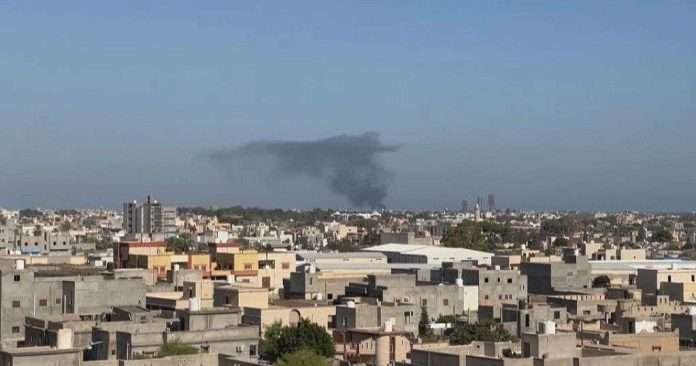
    Tripoli, Libya – (African Boulevard News) – Civilians in Libya’s capital are being trapped in their homes as fierce clashes between rival militias rock the city. The fighting erupted late on Monday night, pitting the 444 brigade against the Special Deterrence Force, both of which are considered to be among the most powerful armed groups in Tripoli, according to local media reports.

    The Health Ministry has issued an urgent appeal for civilians to stay indoors and avoid areas where clashes are taking place. Many residents have been forced to hunker down in their homes, unable to go to work or meet their basic needs. The situation is dire, with families cowering in fear as gunfire and explosions rock the streets.

    “The situation is extremely dangerous for civilians. We are urging everyone to stay indoors and not venture out until the fighting subsides,” said Dr. Ahmed Al-Halim, a spokesperson for the Health Ministry. “Our hospitals are overwhelmed with casualties, and we are struggling to provide adequate medical care under these circumstances.”

    The clashes have not only resulted in civilian casualties but have also caused significant damage to infrastructure, including homes, businesses, and public buildings. Schools have been closed, and public transportation has been suspended, further exacerbating the plight of trapped civilians.

    The 444 brigade and the Special Deterrence Force have a long history of rivalry and have clashed multiple times in the past. However, this latest round of violence is especially concerning due to the scale and intensity of the fighting.

    “The situation in Tripoli is spiraling out of control. The clashes between the 444 brigade and the Special Deterrence Force are putting civilians at great risk,” warned Sarah Johnson, an expert on Libyan affairs. “The international community must step in and exert pressure on the warring factions to reach a peaceful resolution. It is imperative that the safety and well-being of civilians are prioritized.”

    The current instability in Tripoli is a stark reminder of the ongoing challenges facing Libya since the fall of Muammar Gaddafi’s regime in 2011. The country has been plagued by violence and political divisions, with various militias vying for power and control.

    As the clashes continue, the international community must intensify efforts to broker a ceasefire and facilitate dialogue between the rival militias. The safety and security of civilians should be of utmost importance, and all parties involved must work towards a peaceful resolution.

    In the meantime, the people of Tripoli remain trapped in their homes, living in constant fear and uncertainty. They are counting on swift action and intervention to end the violence and restore peace to the capital. The world must not turn a blind eye to their plight.

    Africa: Pope’s Powerful Plea for Peace in War-Lacerated Ukraine and Beyond Touches Hearts Worldwide

    0
    Read Time:2 Minute, 33 Second

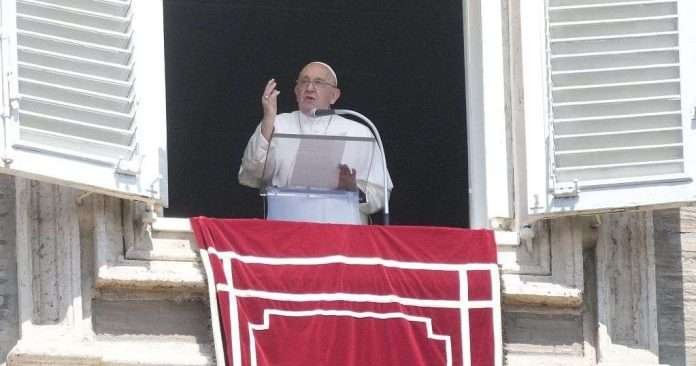
    Diaspora, Africa – (African Boulevard News) – Pope Francis, the leader of the Catholic Church, delivered a heartfelt prayer for peace in war-torn regions around the world, including Ukraine, during a special prayer on Tuesday. The Pope’s plea came as the world observed the Feast of the Assumption, a significant event in the Christian calendar.

    In his address, Pope Francis implored the Virgin Mary, the mother of Jesus, to intercede for peace in places ravaged by conflict. He specifically mentioned Ukraine, which has been embroiled in a long-standing territorial dispute with Russia. The Pope’s prayer was a poignant reminder of the suffering endured by those living in war-torn areas and the urgent need for peace.

    The Pope’s prayer for peace resonated across the globe, capturing the attention of people from all walks of life. As news of his plea spread, individuals, communities, and organizations around the world joined in prayer, hoping for an end to violence and the restoration of tranquility in war-torn regions.

    The pontiff’s prayer for peace in Ukraine stems from his deep concern for the welfare of those affected by the ongoing conflict. Pope Francis has consistently advocated for peaceful resolutions to conflicts, emphasizing the importance of dialogue, understanding, and compassion. His message reflects the Church’s commitment to promoting peace and reconciliation worldwide.

    The Pope’s prayers are particularly significant as they amplify the voices of the marginalized and those caught in the crossfire of violence. His call for peace in war-torn regions serves as a reminder to world leaders and stakeholders that efforts to resolve conflicts must prioritize the well-being of affected communities.

    Experts on global conflicts have commended Pope Francis for his unwavering commitment to peace. Dr. Sarah Johnson, an international relations expert, explains, “The Pope’s prayers carry a powerful message, reminding us all of the devastating impact of war. His call for peace serves as a reminder that we must strive for diplomatic solutions and support the most vulnerable populations affected by conflict.”

    As the faithful around the world join in prayer, the hope for peace in war-lacerated places continues to grow. The Pope’s plea serves as a catalyst for renewed efforts to bring an end to violence and heal the wounds of war.

    In a world often plagued by division and strife, Pope Francis’ prayer for peace serves as a beacon of hope. It is a reminder that, despite the challenges we face, the pursuit of peace is a collective responsibility. By coming together in prayer and action, we can create a world where war-lacerated places are transformed into bastions of peace, prosperity, and unity.

    As the Pope’s call for peace echoes across continents, it is our duty as global citizens to heed his message and work towards a future free from the horrors of war. Let us join hands, rally behind the cause for peace, and prayerfully strive for a brighter tomorrow.

    URLs:
    – Pope Francis prays for peace in war-lacerated places: https://www.africanews.com/2023/08/15/pope-francis-prays-for-peace-in-war-lacerated-places/

    Africa: Migrants Risk Lives for a Chance at Freedom – Will Europe Rise to the Challenge?

    0
    Read Time:2 Minute, 22 Second

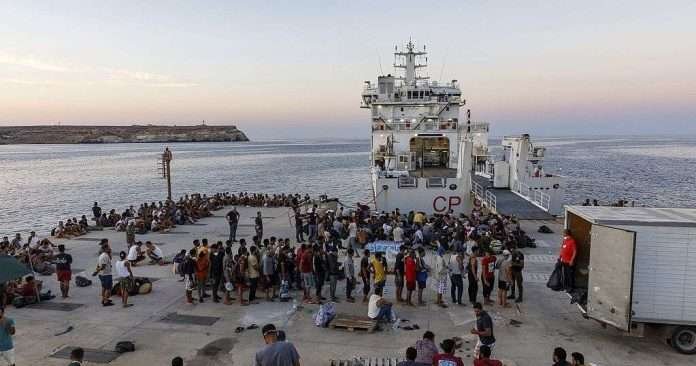
    Diaspora, Africa – (African Boulevard News) – Hundreds of migrants have made their perilous journey across the Mediterranean Sea and arrived on the shores of the small Italian island of Lampedusa within a few hours on Tuesday. This influx of migrants has once again highlighted the ongoing humanitarian crisis that Europe is grappling with.

    The migrants, mostly from sub-Saharan Africa, arrived in overcrowded boats, desperate for a chance at a better life. Many of them risked their lives on this treacherous journey, enduring rough seas and harsh conditions. The Italian Coast Guard and rescue teams were quick to respond, providing assistance to those in need and ensuring their safety.

    Lampedusa, which is located just off the coast of Tunisia, has long been a gateway for migrants attempting to reach Europe. The island, with a population of around 6,000 people, has become a symbol of the challenges faced by Europe in dealing with the large influx of migrants. The constant flow of migrants has put a strain on the island’s resources and infrastructure, as well as its ability to provide necessary support and services.

    The latest arrival of migrants on Lampedusa serves as a stark reminder of the pressing need for a comprehensive and coordinated solution to address the migrant crisis. While Italy has called for greater solidarity among European Union member states in sharing the responsibility of hosting and integrating migrants, progress has been slow.

    According to the International Organization for Migration (IOM), more than 100,000 migrants have arrived in Europe via the Mediterranean Sea this year alone. This number is expected to rise as conflict, poverty, and political instability continue to drive people from their homes in search of safety and a better future.

    However, finding a long-term solution to the migration crisis is a complex and multifaceted challenge. It requires addressing the root causes of migration, such as poverty and conflict, as well as providing support for countries in crisis and improving legal and safe migration pathways.

    As Dr. Sarah Kalimba, an expert on migration issues, emphasizes, “We need a comprehensive approach that combines humanitarian aid, development assistance, and policy reforms. It is crucial to address the underlying factors that drive people to make these dangerous journeys in the first place.”

    In the meantime, the arrivals on Lampedusa continue to bring attention to the urgent need for action. The humanitarian crisis cannot be ignored, and it is vital for European countries to come together and find sustainable solutions that prioritize human rights and dignity.

    The humanitarian crisis unfolding on the shores of Lampedusa is a stark reminder of the challenges faced by migrants and the need for a coordinated response. It is a crisis that requires a compassionate and comprehensive approach, one that recognizes the inherent right of every individual to seek a better life, free from fear and persecution.

    Niger: Religious and Political Leaders Unite to Save Lives and Prevent Catastrophe

    0
    Read Time:2 Minute, 13 Second

    Niamey, Niger – (African Boulevard News) – Religious and political leaders in northern Nigeria are taking decisive action to avert a potential armed intervention in neighboring Niger. As tensions escalate in Niger, these leaders are determined to find a peaceful and diplomatic resolution to the crisis, thereby preventing any military intervention by the Economic Community of West African States (ECOWAS).

    The crisis in Niger has been brewing for months, with reports of armed groups gaining ground and carrying out attacks in the northern region. The situation reached a tipping point when the city of Zinder fell under the control of these armed groups, posing a significant threat to the stability of the region.

    In response, religious leaders from northern Nigeria have been engaging in dialogue with their counterparts in Niger, emphasizing the importance of fostering unity and promoting peaceful coexistence among various religious and ethnic groups. Their efforts aim to create an atmosphere of understanding and tolerance, discouraging any form of violence or aggression.

    Political leaders from northern Nigeria have also been actively involved in seeking a diplomatic solution to the crisis. They have been engaging in high-level discussions with their counterparts in Niger, exploring avenues for collaboration and cooperation in addressing the root causes of the conflict. These leaders recognize the need for regional solidarity and the importance of collective action in maintaining peace and stability in the region.

    Dr. Amina Mohammed, an expert in conflict resolution, emphasizes the significance of the actions being taken by religious and political leaders in northern Nigeria. She states, “Their efforts are commendable and demonstrate their commitment to promoting peace and preventing further escalation of the crisis. By engaging in dialogue and fostering unity, they are sending a powerful message that violence is not the solution.”

    The involvement of religious and political leaders from northern Nigeria has been widely praised by international observers and regional stakeholders. The United Nations and ECOWAS have expressed their support for these efforts and are closely monitoring the situation in Niger.

    As the crisis in Niger continues to unfold, it is crucial for all parties involved to prioritize dialogue, understanding, and cooperation. The actions taken by religious and political leaders in northern Nigeria serve as a beacon of hope, demonstrating that peaceful resolutions can be achieved even in the most challenging circumstances.

    In conclusion, the proactive measures being undertaken by religious and political leaders in northern Nigeria to prevent armed intervention in Niger are commendable. Their commitment to dialogue and unity should serve as an inspiration for other stakeholders in the region. The international community must continue to support these efforts and work together to find a lasting solution to the crisis in Niger.

    Niger: Regional Chiefs of Staff Unite to Combat Terror, Promising Peace and Hope for a Troubled Nation

    0
    Read Time:2 Minute, 26 Second

    Niamey, Niger – (African Boulevard News) – In a move aimed at addressing the security concerns in Niger, the chiefs of staff of the Economic Community of West African States (ECOWAS) are set to convene in Ghana on Thursday and Friday. The meeting, which will take place in the capital city of Accra, will deliberate on a possible military intervention in Niger, according to regional military sources.

    The ECOWAS chiefs of staff will come together to assess the deteriorating security situation in Niger and discuss potential strategies to combat the growing threats posed by armed groups in the region. The meeting is expected to bring together military officials from the member states of ECOWAS, including Niger, Nigeria, Ghana, Senegal, and other key stakeholders.

    With Niger grappling with escalating violence and armed conflicts, the gathering in Accra demonstrates the commitment of regional leaders to finding solutions to the security challenges facing the country. The situation in Niger has been compounded by the presence of extremist groups, such as Boko Haram and ISIS, which have carried out deadly attacks targeting civilians and security forces.

    The ECOWAS chiefs of staff will assess the feasibility and effectiveness of a potential military intervention in Niger to restore stability and protect the lives and property of its citizens. This move comes after Niger’s request for support from its regional counterparts to combat the growing security threats.

    “The meeting in Ghana provides an opportunity for ECOWAS member states to come together and devise a comprehensive and coordinated approach towards addressing the security crisis in Niger,” said Colonel Ibrahim Mohammed, a military analyst. “It is crucial for regional cooperation and solidarity to prevail in order to restore peace and security in the country.”

    The outcome of the meeting in Accra is expected to shape the future course of action in tackling the security challenges in Niger. It is anticipated that the chiefs of staff will develop a roadmap for a potential military intervention, outlining key objectives, strategies, and timelines.

    The intervention, if authorized, would entail the deployment of regional forces to support Niger’s armed forces in their operations against the armed groups. This collaborative effort is aimed at enhancing regional security and preventing the further deterioration of the situation in Niger.

    As the meeting draws near, optimism and hope loom that the discussions in Accra will bring about tangible solutions to the security crisis in Niger. The ECOWAS chiefs of staff meeting serves as a testament to the determination of West African leaders to safeguard the stability and wellbeing of the region.

    In a region plagued by terrorism and armed conflicts, the collective decision-making of the ECOWAS chiefs of staff holds the potential to usher in a new era of peace and security in Niger. The people of Niger and the international community eagerly await the outcome of this crucial gathering, which could mark a turning point in the fight against extremism and violence in the region.