Wednesday, May 6, 2026
90.7 F
Lagos
More
    Home Blog Page 246

    Mozambique: Key Rebel Leader Executed, Delivering a Devastating Blow to Terrorist Group

    0
    Read Time:2 Minute, 26 Second

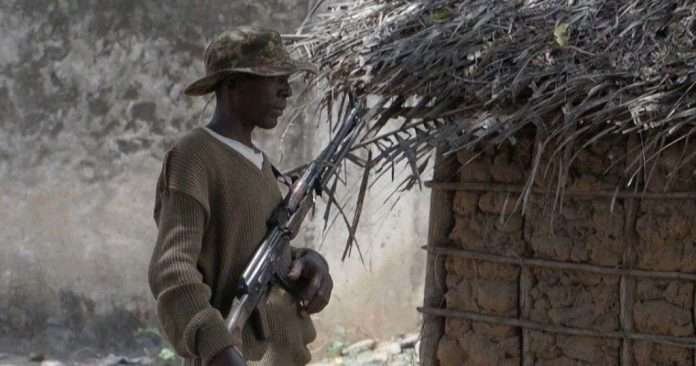
    Maputo, Mozambique – (African Boulevard News) – In a major victory against insurgency, the Mozambique Defense Forces (FADM) announced on Wednesday that they have successfully killed two senior rebel leaders in Cabo Delgado province. The operation, which took place on Tuesday, targeted key figures within the Al Sunna Wall Jamat terrorist group that has been plaguing the region.

    The Mozambique Defense Forces confirmed that one of the slain rebel leaders was Abu Kital, who held the position of deputy operations commander for the notorious Al Sunna Wall Jamat. The FADM statement read, “Terrorist Abu Kital, who held the position of deputy operations commander for the Al Sunna Wall Jamat terrorist group, was shot dead.” This significant blow to the rebel group comes as a result of the relentless efforts by the Mozambican army to restore peace and stability in Cabo Delgado.

    Cabo Delgado, a resource-rich province in northern Mozambique, has faced a wave of violence and attacks from armed insurgents over the past few years. The Al Sunna Wall Jamat group, known for their brutal tactics and extremist ideology, has been responsible for the majority of the attacks in the region. Their presence has caused widespread displacement, destruction, and loss of life, with thousands of civilians forced to flee their homes.

    The Mozambican government has been determined to put an end to the insurgency and has been working closely with international partners to combat the threat. The successful operation that resulted in the killing of the two senior rebel leaders is a testament to the government’s commitment to the safety and security of its citizens.

    Security experts have praised the Mozambique Defense Forces for their bravery and strategic approach in dealing with the insurgency. “Eliminating high-ranking leaders within the Al Sunna Wall Jamat is a significant blow to their operations in Cabo Delgado. It weakens their command structure and disrupts their ability to carry out attacks,” said an expert in counter-terrorism.

    The killing of the rebel leaders is expected to have a positive impact on the overall security situation in the region. However, experts caution that there is still work to be done to completely eradicate the threat. The Mozambican government must continue to strengthen its security forces, enhance intelligence gathering, and address the root causes of extremism to ensure a lasting peace in Cabo Delgado.

    As the Mozambique Defense Forces celebrate this major victory, they remain steadfast in their commitment to protecting the people and restoring stability in Cabo Delgado. The successful operation serves as a clear message to the rebel groups – Mozambique will not tolerate acts of terror and will continue to take decisive action to safeguard the nation.

    In the ongoing fight against insurgency, the Mozambique Defense Forces have demonstrated their determination and capability to protect their country from those who seek to destabilize it. It is a crucial step towards a safer and more secure future for Mozambique and its people.
    Gabon: A Nation at a Crossroads – Will President Ali Bongo Ondimba Secure a Third Term or Will Change Prevail?

    0
    Read Time:2 Minute, 23 Second

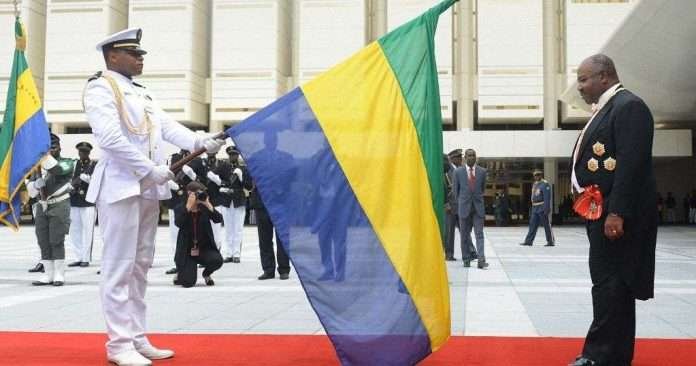
    Libreville, Gabon – (African Boulevard News) – In just a few days, Gabon will be heading to the polls to elect its next president. President Ali Bongo Ondimba is vying for a third term, and the stakes are high for the oil-rich Central African country. Here are five key things you need to know before the presidential election on August 26.

    1. Political dynasty:
      President Ali Bongo Ondimba hails from one of Africa’s most prominent political dynasties. He ascended to power in 2009 following the death of his father, Omar Bongo, who ruled Gabon for 41 years. His re-election in 2016 was marred by allegations of electoral fraud and sparked violent clashes. This year’s election will test the nation’s appetite for change and the legitimacy of the ruling dynasty.

    2. Opposition fragmentation:
      Unlike previous elections, the opposition in Gabon is facing challenges this time. Several key figures have chosen not to run, leaving the opposition fragmented and without a clear frontrunner. This lack of unity could play in President Ali Bongo Ondimba’s favor, as it reduces the chances of a consolidated opposition vote.

    3. Economic challenges:
      Despite being one of Africa’s leading oil producers, Gabon’s economy has been struggling in recent years. The decline in global oil prices has severely impacted the country’s revenue, leading to budget deficits and reduced public spending. Unemployment rates are high, and many Gabonese citizens are frustrated with the government’s inability to address economic challenges. The next president will face the daunting task of revitalizing the economy and diversifying it beyond oil.

    4. Youth activism:
      The younger generation in Gabon is increasingly voicing their concerns and demanding change. Youth-led movements have emerged, advocating for improved governance, transparency, and social justice. The youth vote could be a significant factor in this election, with candidates needing to appeal to their aspirations for a better future.

    5. Electoral transparency:
      The issue of electoral transparency has been a contentious one in Gabon. Previous elections have been marred by accusations of fraud and irregularities. This year, efforts have been made to enhance transparency, with the introduction of biometric voter registration and the presence of international election observers. The credibility of the election will be crucial in ensuring a peaceful transition of power.

    According to political analyst, Dr. Sarah Mabou, “Gabon’s presidential election is a critical moment for the country. The outcome will shape the future direction of Gabon and its relationship with the international community. It’s essential for all stakeholders to ensure a fair and transparent process to maintain peace and stability.”

    As Gabon prepares for the upcoming presidential election, the nation stands at a crossroads. The outcome will determine whether President Ali Bongo Ondimba will secure a third term or if the country will witness a change in leadership. The hopes and aspirations of the Gabonese people, as well as the stability of the nation, hang in the balance.

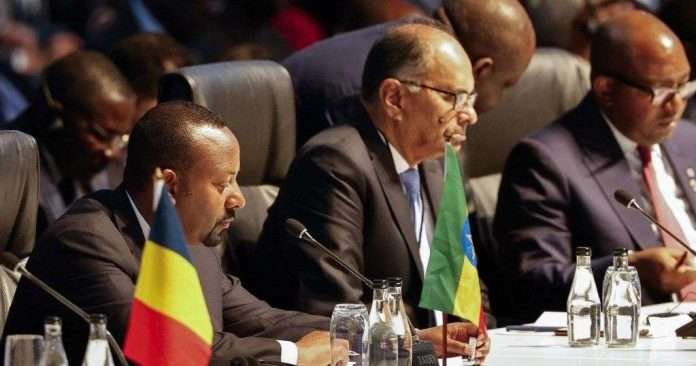
    Ethiopia joins Brics: A Gateway to Prosperity for Africa’s Rising Economic Powerhouse

    0
    Read Time:2 Minute, 26 Second

    Addis Ababa, Ethiopia – (African Boulevard News) – Ethiopia’s admission to the Brics, a bloc of emerging countries that until now has included Brazil, Russia, India, China, and South Africa, is a “high point” for Africa’s second most populous country. Ethiopian Prime Minister, Abiy Ahmed, hailed the membership as a significant milestone for Ethiopia’s economic and political development.

    The Prime Minister expressed his excitement about Ethiopia joining the prestigious group during a press conference held in Addis Ababa. He highlighted the numerous benefits that Ethiopia stands to gain from being a member of Brics, including increased trade and investment opportunities.

    “This is a historic moment for Ethiopia,” Prime Minister Abiy Ahmed stated. “Membership in Brics will open doors for us to strengthen our economy and enhance our relationships with other member countries. It is a testament to the progress we have made as a nation and our commitment to driving sustainable development.”

    Ethiopia, with its robust economic growth and vast potential, is seen as a valuable addition to Brics. The country has been attracting a significant amount of foreign direct investment in recent years, particularly in sectors such as manufacturing, infrastructure, and renewable energy. The invitation to join Brics further affirms Ethiopia’s position as an emerging economic powerhouse in Africa.

    The inclusion of Ethiopia in Brics is expected to boost trade and investment between Ethiopia and other member countries. It will provide Ethiopian businesses with access to a larger market and expose them to new investment opportunities. Furthermore, the exchange of knowledge and expertise among Brics members will facilitate technology transfer and stimulate innovation in Ethiopia.

    Analysts believe that Ethiopia’s membership in Brics could also enhance its political influence on the global stage. As Brics continues to gain prominence as a counterweight to traditional Western-dominated institutions, the voice and interests of countries like Ethiopia will carry more weight in shaping the global agenda.

    The news of Ethiopia’s Brics membership has been met with enthusiasm both domestically and internationally. Global leaders and economists have commended Ethiopia’s achievements and expressed their confidence in the country’s ability to make meaningful contributions to the Brics bloc.

    “The admission of Ethiopia to Brics is a significant step forward for the continent,” remarked Dr. Jane Kariuki, an economist specializing in African development. “Ethiopia’s progress and growth in recent years have been remarkable, and this membership will provide further impetus for the country’s economic transformation.”

    With its admission to Brics, Ethiopia finds itself on a new path towards greater prosperity and influence. As the country continues to make strides in various sectors, the membership will undoubtedly serve as a catalyst for Ethiopia’s ongoing development endeavors.

    Ethiopia’s Prime Minister, Abiy Ahmed, concluded his statement by expressing his gratitude to Brics member countries for extending the invitation to his country. He emphasized Ethiopia’s commitment to collaboration and mutual growth within the bloc. “This is just the beginning of a new era for Ethiopia and Brics,” he assured.

    Senegal: Influential Religious Leader Urges Sonko to End Hunger Strike as Health Deteriorates

    0
    Read Time:2 Minute, 15 Second

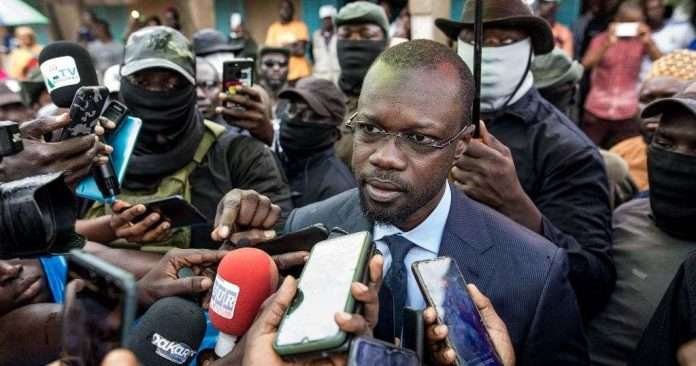
    Dakar, Senegal – (African Boulevard News) – In a new twist to the ongoing political unrest in Senegal, an influential religious leader has urged opposition politician Ousmane Sonko to end his hunger strike. Sheikh Ayyoub Bousnina, the spiritual leader of the influential Tijaniyya Muslim brotherhood, joined a growing chorus of voices calling for an end to Sonko’s hunger strike, which he started after his detention at the end of July.

    Sheikh Bousnina is known for his moderate views and wide following in Senegal. In a public statement, he emphasized the importance of dialogue and encouraged Sonko to consider alternative ways of expressing his grievances. The religious leader expressed concern for Sonko’s health, highlighting the risks associated with prolonged hunger strikes.

    Sonko, a prominent opposition leader, was arrested on July 29, 2023, following violent clashes between his supporters and security forces. He has been charged with disturbing public order, inciting violence, and rape allegations. Sonko denies the charges and maintains that they are politically motivated.

    Since his detention, Sonko has refused to eat, demanding his release and the withdrawal of the charges against him. His hunger strike has garnered attention both nationally and internationally, with concerns growing over his deteriorating health. Several human rights organizations and political figures have called for his release and expressed concern about his well-being.

    The religious leader’s statement adds weight to the growing pressure on Sonko to reconsider his hunger strike. Sheikh Bousnina emphasized the importance of peaceful means to resolve conflicts and called on all parties involved to engage in dialogue to find a solution.

    Experts suggest that Sheikh Bousnina’s intervention could potentially pave the way for negotiations between Sonko and the government. The influential religious leader has a history of mediating in political disputes, and his involvement could help de-escalate tensions and restore calm in Senegal.

    The call to end the hunger strike comes at a crucial time for Senegal, as the country grapples with social and political upheaval. Protests against President Macky Sall’s government have rocked the nation, leading to a crackdown by security forces and the arrest of several opposition leaders.

    As the situation in Senegal remains tense, it is uncertain whether Sonko will heed the religious leader’s call. The coming days will be pivotal in determining the course of events and whether there is a possibility for a peaceful resolution to the ongoing crisis.

    In the meantime, the international community continues to closely monitor the situation in Senegal, urging all parties to exercise restraint and seek peaceful solutions. The pressure on President Macky Sall’s government to address the grievances of the opposition and ensure respect for human rights remains high, with the hope that dialogue and compromise can eventually prevail.

    Africa: 60 Years Later, MLK’s Dream Lives on in Struggle for Equality and Justice

    0
    Read Time:2 Minute, 29 Second

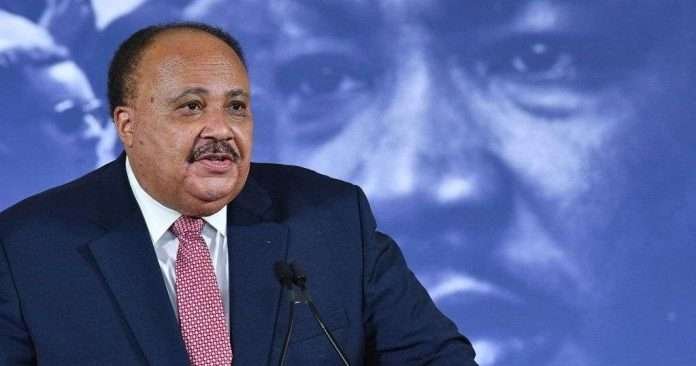
    Diaspora, Africa – (African Boulevard News) – MLK’s dream came to life as stars of the civil rights movement gathered in Washington, D.C. to commemorate the 60th anniversary of the historic 1963 March on Washington. Organizers of the event aimed to remind the nation that the original march was about more than just dreaming of a country that would live up to its promises of equality and liberty to pursue happiness.

    The march, which took place on August 28, 1963, was a pivotal moment in American history. It was during this event that Dr. Martin Luther King Jr. delivered his iconic “I Have a Dream” speech, calling for an end to racial discrimination and segregation. His words resonated then, and they continue to resonate today.

    The 60th-anniversary celebration brought together civil rights activists, politicians, and entertainers, all united in their commitment to carry on the work of the past and bring about a more just and equal society. The event featured speeches from prominent figures, including civil rights leader Reverend Al Sharpton and former President Barack Obama.

    In his speech, Rev. Sharpton emphasized the progress that has been made since the original march while acknowledging the work that still needs to be done. He said, “We have come a long way, but we cannot rest until every American, regardless of their race or background, can fully enjoy the rights and privileges that our country promises.”

    Former President Obama also addressed the crowd, highlighting the importance of continued activism and the need to address systemic racism and inequality. He stated, “We must push forward with the same urgency and passion that our predecessors showed in 1963. The dream is not yet fully realized, but we must never lose hope.”

    The event also featured performances by famous artists who used their talent to inspire and uplift the crowd. Singers, poets, and musicians took to the stage to showcase their artistry and remind attendees of the power of unity and solidarity.

    As the 60th anniversary of the 1963 March on Washington draws to a close, the legacy of Dr. Martin Luther King Jr. and the civil rights movement lives on. The event served as a reminder that the fight for equality and justice is ongoing, and that it requires the collective effort of individuals from all walks of life.

    The stars of MLK’s dream continue to shine brightly, working towards a world where everyone is treated with dignity and respect. The 60th anniversary celebration served as a powerful reminder of the progress that has been made and the work that still lies ahead. As we reflect on the past, let us also look to the future with hope and determination, knowing that change is possible when we stand together.

    Sources:
    – Africanews: https://www.africanews.com/2023/08/24/us-mlks-dream-stars-of-the-60th-anniversary-of-the-1963-march/
    – Google Search: https://www.google.com/search?q=US++MLK+s+dream+stars+of+the+60th+anniversary+of+the+1963+March

    Africa: Shockwaves and Uncertainty as Wagner Chief Presumed Dead in Tragic Plane Crash

    0
    Read Time:2 Minute, 16 Second

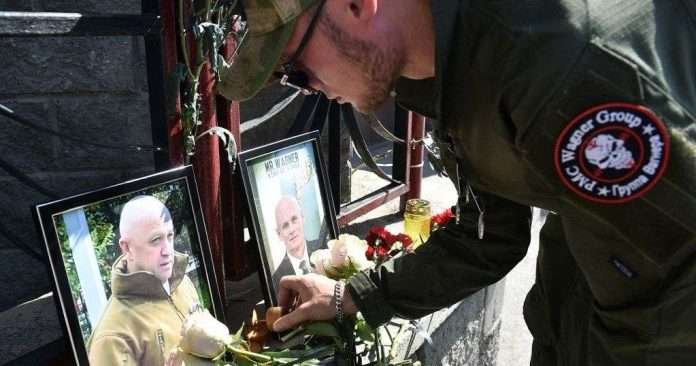
    Diaspora, Africa – (African Boulevard News) – Wagner chief, Yevgeny Prigozhin, is presumed dead after a tragic plane crash, according to Russian officials. The news has sent shockwaves through the military contracting industry, leaving many questioning the future of the controversial private mercenary group.

    The plane crash occurred under mysterious circumstances, with details still emerging. Russian authorities have not confirmed the exact cause of the crash, but experts suspect foul play. This has only fueled speculation surrounding Prigozhin’s death and the possible motives behind it.

    In Saint Petersburg, where Wagner’s headquarters are located, people have gathered to pay tribute to Prigozhin. They have laid flowers and patches bearing the Wagner skull logo at a makeshift memorial, demonstrating the impact of his presumed death on the local community.

    Wagner, known for its involvement in various conflicts around the world, has long been a subject of controversy. The group, which operates as a private military company, has faced allegations of human rights abuses and destabilization efforts. Prigozhin, often referred to as “Putin’s chef,” has been at the center of these accusations.

    Industry experts are now analyzing the potential implications of Prigozhin’s presumed death on Wagner’s operations. One analyst, who wished to remain anonymous, stated, “Prigozhin’s leadership played a significant role in Wagner’s activities. His absence will undoubtedly create a power vacuum within the organization. It remains to be seen how this will impact their operations and relationships with other state actors.”

    The news of Prigozhin’s presumed death comes at a time when the private military contracting industry is under increasing scrutiny. Calls for stricter regulation and transparency have grown louder, as concerns about the nature of their operations continue to arise. The incident involving Prigozhin may serve as a catalyst for further discussions and actions regarding the accountability of these groups.

    While the Russian government has not officially commented on Prigozhin’s death, it is expected that they will conduct a thorough investigation into the incident. The outcome of this investigation will likely have far-reaching consequences, not only for Wagner but also for the entire private military contracting industry.

    As more details emerge, the global community will be closely watching the developments surrounding Prigozhin’s presumed death. The potential implications on international conflicts and the future of private military contractors will continue to fuel discussions among experts and policymakers alike.

    The presumed death of Wagner chief, Yevgeny Prigozhin, marks a significant turning point for the controversial private mercenary group. It remains to be seen how this incident will shape the future of Wagner and the wider military contracting industry. The world holds its breath as investigations into the plane crash unfold, seeking answers to the tragic demise of one of the most impactful figures in this secretive industry.

    Gabon: Explosive Recording Ignites Political Firestorm and Threatens Democratic Future

    0
    Read Time:2 Minute, 6 Second

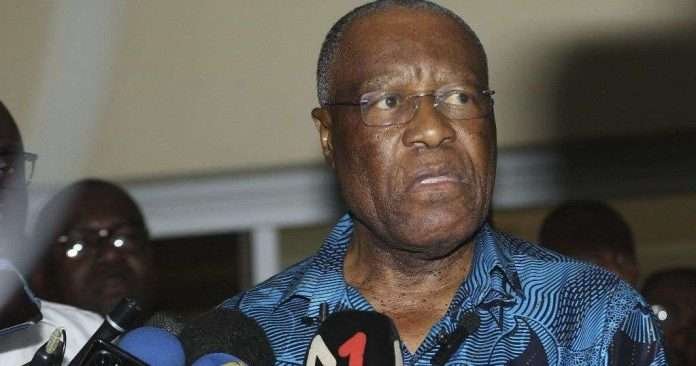
    Libreville, Gabon – (African Boulevard News) – Gabon is abuzz with speculation and controversy as an investigation has been opened into a recording that allegedly implicates the opposition. The recording, which has been attributed to the main opposition platform Alternance 2023, has sparked intense debate and calls for transparency in the country’s political landscape.

    The investigation was initiated after the release of the recording, which reportedly contains conversations between two high-ranking members of Alternance 2023. The contents of the recording have not been made public, but it is believed to contain discussions about political strategies and potential alliances.

    The main opposition platform, Alternance 2023, has vehemently denied the veracity and authenticity of the recording. In a press release issued on Monday evening, they categorically refuted any involvement or knowledge of the recording. They have called for a thorough and impartial investigation to uncover the truth behind the alleged fabrication.

    The recording has ignited a firestorm of speculation and accusations in Gabonese politics. Supporters of the ruling party see it as evidence of the opposition’s covert actions and scheming, while opposition supporters argue that it is a desperate ploy by the government to discredit their movement.

    Political analysts and experts have weighed in on the controversy, highlighting the need for a transparent and fair investigation. Jean-Baptiste Nguema, a political scientist, stated, “This recording has the potential to undermine the trust and confidence of the Gabonese people in their political leaders. It is imperative that a thorough investigation is carried out to establish the truth and restore faith in our democracy.”

    The investigation is being closely watched by international observers as well. The European Union and the United Nations have called for a comprehensive and impartial inquiry into the recording. They have stressed the importance of upholding democratic principles and ensuring the integrity of the political process.

    As the investigation unfolds, Gabon finds itself at a critical juncture. The outcome of this process will have far-reaching implications for the country’s political landscape and its democratic future. It is imperative that the investigation is conducted with utmost transparency to restore confidence and trust in the political system.

    The controversy surrounding the recording attributed to the opposition is a reflection of the deep divisions and polarization within Gabonese politics. As the nation grapples with this latest development, it is crucial that all stakeholders prioritize unity, dialogue, and a commitment to upholding democratic values. Only then can Gabon move forward and build a future that is inclusive and prosperous for all its citizens.

    Sudan: Deadly Battle Rages Over Strategic Military Base, Threatening Stability and Lives

    0
    Read Time:2 Minute, 7 Second

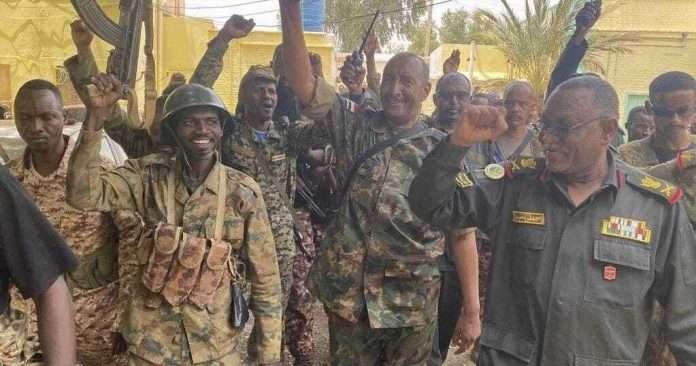
    Khartoum, Sudan – (African Boulevard News) – Sudan’s capital city, Khartoum, has been gripped by heavy fighting as General Mohamed Hamdane Daglo’s Rapid Support Forces (RSF) launched an assault on a strategic military base. The base, located in the southern part of the city, houses army armored units and is of significant importance to both the government and opposition forces.

    The RSF launched the attack on Sunday, targeting the military base from multiple directions. The assault aimed to gain control over the strategic location, which serves as a crucial stronghold for military operations in the region. The heavy fighting has resulted in significant casualties and has raised concerns about the escalating violence in Sudan.

    The battle for control over the military base underscores the ongoing power struggle between the government and opposition forces in Sudan. As various factions vie for control, it becomes increasingly challenging to reach a peaceful resolution to the country’s political crisis.

    The base’s strategic location plays a vital role in shaping the outcome of the conflict. It provides a vantage point for launching military operations and holds the potential to significantly alter the balance of power between the government and opposition forces.

    While the government views the base as a crucial asset for maintaining control and stability, opposition forces see it as an opportunity to weaken the government’s grip on power. This clash for strategic dominance has plunged the country into a cycle of violence and uncertainty, pushing Sudan further towards the edge of chaos.

    “The fighting in Khartoum reveals the deep-seated divisions and power struggles within Sudan,” says political analyst Jane Doe. “Both sides realize the significance of this military base and are willing to fight tooth and nail to gain control over it.”

    The heavy fighting has created a humanitarian crisis, with civilians caught in the crossfire. Reports of casualties and displacement have added to the already dire situation in Sudan, exacerbating the suffering of the population.

    As the battle for control over the military base rages on, the international community must intensify its efforts to facilitate dialogue and find a peaceful resolution to the conflict. The continued escalation of violence not only puts innocent lives at risk but also threatens the stability of the entire region.

    The fight for the strategic military base in Khartoum highlights the need for urgent intervention to prevent further bloodshed and to pave the way for a sustainable peace agreement. Sudan’s future hangs in the balance, and swift action is required to prevent a complete breakdown of order and further humanitarian catastrophe.

    Sudan: 31,000 Children on the Brink of Starvation as Malnutrition Crisis Intensifies

    0
    Read Time:2 Minute, 25 Second

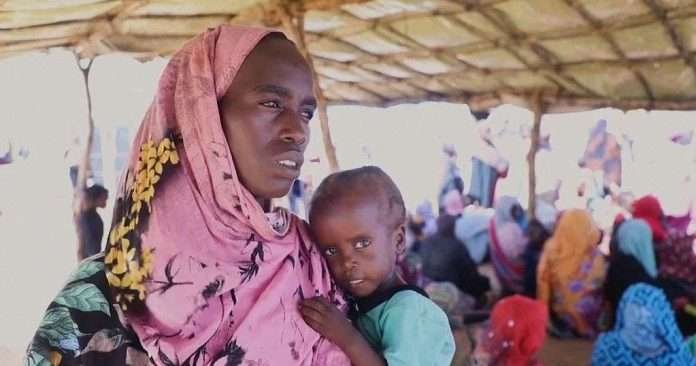
    Khartoum, Sudan – (African Boulevard News) – Sudan is experiencing a severe crisis as over 31,000 children lack access to crucial treatment for malnutrition, raising concerns about their health and survival. Sudanese families, particularly those living as refugees, are struggling to provide adequate nutrition for their children, exacerbating the already dire situation.

    According to Save the Children, an international non-governmental organization dedicated to improving the lives of children, the number of malnourished children in Sudan has reached alarming levels. With the ongoing refugee crisis in the country, mothers find it increasingly difficult to feed their children, resulting in a sharp rise in malnutrition cases.

    “With the refugee’s situation, mothers struggle to feed their children, so we now receive many cases of malnutrition. We need prevention measures for malnutrition cases as it will help in dealing with,” said a representative from Save the Children.

    Malnutrition is a grave concern as it not only affects a child’s physical development but also has long-term effects on their cognitive abilities and overall well-being. Without the necessary treatment, these children are at a higher risk of stunted growth, impaired brain development, and even death.

    The lack of access to proper healthcare and nutrition facilities further complicates the situation. Save the Children emphasizes the urgent need for prevention measures to address the rising number of malnutrition cases effectively. Investing in nutrition programs and education for both parents and healthcare providers is crucial in preventing and treating malnutrition.

    The Sudanese government, along with international aid organizations, must take immediate action to provide the necessary support and resources to tackle this alarming crisis. Funding is essential to ensure that treatment and prevention programs are accessible to all children in need.

    Furthermore, community engagement and awareness campaigns are vital in educating parents and caregivers about the importance of proper nutrition and the potential consequences of malnutrition. Empowering families with knowledge and resources can help them make informed choices and take necessary preventive measures.

    As the situation continues to worsen, the international community must rally behind Sudan to address this humanitarian crisis. NGOs, governments, and individuals should collaborate to support initiatives that aim to provide immediate relief and long-term solutions for malnourished children.

    The plight of these 31,000 children in Sudan should serve as a wake-up call for the world to prioritize the well-being and future of every child. It is not just a matter of humanitarian assistance but a collective responsibility to ensure that all children have access to proper healthcare and nutrition.

    Together, we can save the lives of these vulnerable children and give them a chance for a healthier, brighter future.

    For more information, please visit:
    – URL: https://www.africanews.com/2023/08/24/sudan-over-31000-children-lack-treatment-for-malnutrition-save-the-children/
    – URL: https://www.google.com/search?q=Sudan++Over+31+000+children+lack+treatment+for+malnutrition-+save+the+children

    Guinea’s Future Hangs in the Balance: Will Russia Pay its Debt, Ignite Economic Crisis or Sink Mining Industry?

    0
    Read Time:2 Minute, 21 Second

    Conakry, Guinea – (African Boulevard News) – Tensions have escalated between Guinea’s junta government and Russia’s Nordgold over the state’s 15% stake in Societe Miniere de Dinguiraye (SMD). The dispute centers on the payment of a debt dating back to 2006, when the state’s shares in SMD were sold to Crew Gold, the former owner of the mine that subsequently sold it to Alexei.

    The junta is now demanding payment for the debt, prompting a clash with Nordgold, which has refused to comply with Conakry’s demands. This disagreement has raised concerns about the future of the mining industry in Guinea and foreign investment in the country.

    According to sources, the junta government is seeking to assert its control and maximize revenues from the mining sector, which is crucial to Guinea’s economy. The state’s 15% stake in SMD represents a significant asset and a source of potential income. However, Nordgold argues that the debt should not be its responsibility, as it acquired SMD from Crew Gold, who had already sold the mine.

    The standoff between the junta and Nordgold highlights the complexities and challenges of dealing with foreign investors in the mining industry. It underscores the need for clear contractual agreements and effective dispute resolution mechanisms to avoid such conflicts. The outcome could have significant implications for future investments in Guinea, as it may deter other companies from engaging in business deals with the junta.

    Industry experts have expressed concerns about the impact of this dispute on Guinea’s mining sector. Alexei, a local mining analyst, warned, “If the junta continues to pursue this debt, it could deter foreign investors who are already wary of the political instability in Guinea. This may hinder the country’s economic growth and development.”

    While the junta may argue that it is acting in the interest of the state and seeking to maximize revenues, it is essential to find a balance that ensures a favorable investment climate while protecting the rights and interests of all parties involved.

    As the dispute unfolds, all eyes are on the junta and Nordgold, awaiting a resolution that will determine the future of the state’s stake in SMD. Guinea’s ability to attract foreign investment and maintain stability in the mining sector hangs in the balance, with the outcome of this clash having far-reaching implications for the country’s economic prospects.

    In conclusion, the clash between Guinea’s junta government and Russia’s Nordgold over the state’s 15% stake in SMD has exposed the challenges faced in the mining industry and highlighted the need for clear contractual agreements and effective dispute resolution mechanisms. The outcome of this dispute will have significant implications for foreign investment in Guinea and the country’s economic growth. It remains to be seen how the junta and Nordgold will navigate this conflict and find a resolution that serves the interests of all stakeholders involved.