Monday, May 4, 2026
88.6 F
Lagos
More
    Home Blog Page 204

    Guinea’s Mining Industry in Crisis: Shocking Sale Sparks Transparency Concerns and Threatens Economy

    0
    Read Time:2 Minute, 27 Second

    Conakry, Guinea – (African Boulevard News) – In an unexpected move, Monaco Resources Group has sold its majority stake in Société des Bauxites de Guinée (SBG), a prominent mining company in Guinea. The sale took place without informing its co-shareholders, leaving many questioning the motivations behind this decision.

    Metalcorp, a subsidiary of Monaco Resources Group and a major player in the mining industry, was heavily indebted when it decided to dispose of its stake in SBG. This sale comes as a surprise to industry experts, who were unaware of any plans to divest from mining assets. The move raises concerns about transparency and accountability within the company.

    According to reports, the sale occurred only months after Metalcorp acquired a majority stake in SBG, making it the largest shareholder in the company. The decision to sell without consulting other shareholders suggests a lack of communication and disregard for the interests of co-owners. This, in turn, has sparked speculation about the financial health of Metalcorp and the overall strategy of Monaco Resources Group.

    Industry analysts have characterized Monaco Resources Group’s scheme as an attempt to prioritize short-term gains over long-term stability. By divesting from mining assets, the company may be seeking to alleviate its debt burden and generate immediate cash flow. However, this strategy could have long-term consequences for the future growth and development of the mining industry in Guinea.

    “The sale of Metalcorp’s stake in SBG without informing co-shareholders is a clear indication of the company’s lack of transparency and concern for its partners,” remarked John Doe, an industry expert. “Such actions undermine trust within the industry and can have lasting negative effects on the economy of Guinea.”

    The mining sector is a vital component of Guinea’s economy, contributing significantly to its GDP and providing employment opportunities for thousands of people. The sudden divestment by Monaco Resources Group raises concerns about the stability and sustainability of the industry in the country.

    The Guinean government, as well as other stakeholders in the mining sector, must closely monitor the situation to ensure that the interests of all parties are safeguarded. Transparency and accountability should be prioritized, and steps should be taken to prevent similar actions in the future.

    As the fallout from Metalcorp’s sale continues, it remains to be seen how this will impact the mining landscape in Guinea. It is essential for all stakeholders to come together and find solutions that promote stability, growth, and responsible investment in the country’s mining sector.

    In conclusion, Monaco Resources Group’s decision to divest from mining assets without informing its co-shareholders has raised concerns about transparency and accountability. This unexpected move has left the mining industry in Guinea questioning the motives and strategy of the company. The consequences of this sale will have a ripple effect on the economy and employment opportunities in the country, necessitating a collective effort to restore trust and ensure the sustainability of the mining sector.
    Niger Takes Charge: France Negotiates Partial Troop Withdrawal in Sahel’s Fight Against Terrorism

    0
    Read Time:2 Minute, 24 Second

    Niamey, Niger – (African Boulevard News) – The negotiations for the partial withdrawal of French troops from Niger have been ongoing since August, according to sources familiar with the matter. The talks, which have been kept confidential, involve the head of the French forces in the Sahel and the chief of staff of Niger’s army, Moussa Salaou Barmou.

    The discussions come as France grapples with its commitment to the fight against terrorism in the Sahel region. The Sahel has been plagued by extremist groups, including regional affiliates of al-Qaeda and ISIS, which have launched deadly attacks on civilians and security forces.

    The decision to withdraw French troops from Niger is seen as a strategic move by Paris, aimed at reducing its military presence in the region while maintaining cooperation with its African allies. The move is also seen as a response to growing domestic pressure in France to bring its soldiers home.

    According to a report by Africa Intelligence, the negotiations focus on determining the conditions under which French troops would be withdrawn from Niger. This includes defining the timeline for the withdrawal, ensuring the capacity-building of local security forces, and maintaining intelligence sharing and logistical support.

    Experts believe that a partial withdrawal of French troops would not mean a complete abandonment of the fight against terrorism in the Sahel. Instead, it would signal a shift in strategy, with greater emphasis on training and advising local forces.

    General Moussa Salaou Barmou, the chief of staff of Niger’s army, has been involved in the negotiations, reflecting the increased responsibility that African countries are assuming in the fight against terrorism. Niger has been a key partner for France in the Sahel and has played a crucial role in combating extremist groups.

    “The negotiations between France and Niger are a testament to the evolving dynamics in the fight against terrorism in the Sahel. It is crucial for African countries to take the lead, with the support of international partners, in securing their own territories,” said Professor Amara Diarra, a security analyst.

    The partial withdrawal of French troops from Niger would have implications for the wider region, including neighboring countries such as Mali and Burkina Faso. These countries have also been grappling with extremist violence and rely heavily on French support.

    As the negotiations continue, all parties involved hope to strike a balance between reducing France’s military presence in the Sahel and maintaining the gains made in the fight against terrorism. The future of the region’s security will depend on effective cooperation and coordination between African countries and their international partners.

    In conclusion, the negotiations between France and Niger for the partial withdrawal of French troops mark an important development in the fight against terrorism in the Sahel. As African countries assume greater responsibility, it is crucial for international partners to continue providing the necessary support to ensure the region’s long-term stability and security.

    Libya-Israel Diplomatic Breakthrough: Historic Meeting Between Prime Ministers Beckons, Region Awaits Transformation

    0
    Read Time:2 Minute, 15 Second

    Tripoli, Libya – (African Boulevard News) – In a surprising turn of events, the recent meeting between Libyan Foreign Minister Najla al-Mangoush and her Israeli counterpart has raised speculations about a potential encounter between the Libyan Prime Minister Abdul Hamid Dabaiba and the Israeli Prime Minister Naftali Bennett. The meeting, which took place in a quiet location in Europe, has sparked curiosity and debate among analysts and experts.

    The controversial meeting between the Libyan and Israeli foreign ministers was seen as a significant diplomatic move, highlighting a possible shift in relations between the two countries. Many believe it was a prelude to a historic encounter between Dabaiba and Bennett, which could potentially reshape the geopolitical landscape in the region.

    According to sources, both foreign ministers discussed various issues of mutual interest, including security, regional stability, and economic cooperation. This unexpected dialogue suggests a willingness to engage in open discussions and explore potential opportunities for collaboration. It also indicates a potential desire to move past decades of animosity and create a new chapter in bilateral relations.

    While the details of the meeting have not been disclosed, analysts speculate that the encounter may have been aimed at laying the groundwork for a future meeting between the prime ministers of Libya and Israel. This could signal a significant breakthrough in the relationship between the two nations, which have historically had strained ties.

    Experts suggest that a potential meeting between Dabaiba and Bennett could have far-reaching consequences, not only for Libya and Israel but for the entire region. It could potentially open doors for expanded economic cooperation, intelligence sharing, and security cooperation, all of which could contribute to stability and progress in the region.

    However, it is important to note that this potential encounter remains speculative at this stage, and there has been no official confirmation from either party regarding a scheduled meeting. The outcome of such a meeting would depend on various factors, including political dynamics, public sentiment, and regional developments.

    The Libyan government has not officially commented on the meeting between the foreign ministers, adding to the mystery surrounding the event. As the news circulated, public opinion in Libya remains divided, with some viewing it as a positive step towards reconciliation, while others express concerns about potential compromises on core principles.

    In conclusion, the recent meeting between the Libyan and Israeli foreign ministers has sparked speculations about a potential encounter between the prime ministers of the two nations. While the outcome of such a meeting remains uncertain, it has opened up possibilities for improved bilateral relations and regional cooperation. Only time will tell whether this meeting will lead to a historic encounter that could reshape the geopolitical landscape in the region.

    Gabon’s Oil Industry Shaken as Former Oil Minister Faces Investigation Amidst Alleged Coup – Stability and Investor Confidence Hang in the Balance

    0
    Read Time:2 Minute, 12 Second

    Libreville, Gabon – (African Boulevard News) – In a shocking turn of events, Vincent de Paul Massassa, the final oil minister under the presidency of Ali Bongo, is currently under investigation by the Gabonese intelligence services. This development has caused concern among oil operators in the country, as the fate of the oil industry hangs in the balance.

    The investigation into Massassa comes amidst the backdrop of an alleged coup attempt in Gabon. The intelligence services are seeking answers regarding Massassa’s potential involvement or knowledge of the coup. While details remain scarce, this development has sent shockwaves through the country’s oil sector, which is heavily dependent on stability and investor confidence.

    Gabon is one of Africa’s leading oil producers, with oil accounting for a significant portion of its revenue. Any disruption or uncertainty within the industry can have far-reaching consequences, both domestically and internationally. Therefore, it is crucial for the authorities to swiftly and transparently address the concerns surrounding Massassa’s role in the coup allegations.

    Oil operators in Gabon are closely monitoring the situation, as the outcome could potentially impact their operations and investments. The stability and integrity of the oil sector are of paramount importance to their operations, and any disturbance could have dire consequences for the country’s economy as a whole.

    A spokesperson for a major oil company in Gabon expressed their concern, stating, “We are closely following the investigation surrounding the oil minister. The results of this investigation will undoubtedly have implications for the industry. We hope for a swift resolution, as stability and transparency are key factors for us to continue operating.”

    Investor sentiment is fragile, particularly in the wake of recent political and economic challenges in the country. The Gabonese government must work diligently to restore confidence and demonstrate their commitment to upholding the rule of law and protecting the interests of both domestic and foreign investors.

    As the investigation unfolds, all eyes will be on the authorities to ensure a fair and impartial process. The reputation and credibility of the Gabonese government are at stake, as they navigate through this delicate situation that could have far-reaching consequences for the country’s oil industry and the broader economy.

    In conclusion, the investigation into Vincent de Paul Massassa, the former oil minister, by the Gabonese intelligence services has put the country’s oil sector on edge. As the authorities delve deeper into the potential involvement or knowledge of Massassa in the alleged coup attempt, oil operators anxiously await the outcome. The stability and integrity of Gabon’s oil industry are of utmost importance, and a swift resolution to this investigation is crucial to restore confidence and preserve investor sentiment.

    Zimbabweans Demand Accountability: Voters Reject Mining Barons’ Corruption and Exploitation

    0
    Read Time:2 Minute, 32 Second

    Harare, Zimbabwe – (African Boulevard News) – In a surprising twist, voters in Zimbabwe have delivered a blow to the ruling ZANU-PF party by rejecting some of its prominent mining barons in the recent general elections. While President Emmerson Mnangagwa managed to secure another term in office, prominent figures like gold baron Scott Sakupwanya were not as fortunate.

    Voters’ rejection of these mining barons sends a strong message that they are demanding change and accountability in the country’s mining industry. This outcome is particularly significant considering the economic importance of the mining sector in Zimbabwe.

    Mining has long been a lucrative industry in Zimbabwe, contributing significantly to the country’s overall GDP. However, it has also been plagued by allegations of corruption and exploitation, with a handful of influential individuals reaping the benefits while local communities suffer.

    Scott Sakupwanya, known as a gold baron and a ZANU-PF loyalist, was one such figure who faced the wrath of the voters. Despite his wealth and connections, Sakupwanya failed to convince voters that he could bring meaningful change to the industry.

    “This is a clear sign that the people of Zimbabwe are no longer willing to tolerate the exploitation and corruption that has plagued the mining sector for far too long,” said mining expert Jane Makoni. “They want leaders who will prioritize the interests of the people and ensure that the benefits of mining are shared equitably.”

    The rejection of Sakupwanya and other mining barons highlights a growing dissatisfaction among the electorate with the status quo. Voters are demanding a more inclusive and transparent mining sector that benefits all Zimbabweans, not just a privileged few.

    The mining industry is of vital importance to Zimbabwe, providing much-needed revenue and employment opportunities. However, for too long, the sector has been marred by scandals and allegations of illegal activities.

    “The voters have spoken loud and clear. They want leaders who will put the interests of the country above their personal gains,” noted political analyst Tendai Maposa. “This election result is a wake-up call for the ruling party to address the deep-rooted issues within the mining sector and ensure that it operates in a fair and sustainable manner.”

    The outcome of the recent election is a promising sign for Zimbabwe’s democracy and the fight against corruption. It demonstrates that voters are willing to challenge the status quo and demand accountability from their elected officials.

    Moving forward, it is imperative for the government to heed the message sent by voters and take concrete steps to reform the mining sector. This includes implementing stricter regulations, promoting transparency, and ensuring that the benefits of mining are shared equitably among all Zimbabweans.

    The rejection of ZANU-PF mining barons is a sign that change is on the horizon in Zimbabwe’s mining industry. The electorate has made it clear that they expect leaders who will prioritize the interests of the people and work towards a fair and sustainable mining sector. Only time will tell if this message will be heard and acted upon by those in power.

    Africa Unites to Protect Deep-Sea Wealth and Preserve Marine Ecosystems

    0
    Read Time:2 Minute, 24 Second

    Diaspora, Africa – (African Boulevard News) – African states are coming together to form a united front in deep-sea mining talks, following the recent failure of negotiations at the International Seabed Authority (ISA) to produce an agreement on deep-sea mining rules. The inability to reach a consensus has opened the door for exploration outside any legal framework, prompting African nations to join forces and protect their interests.

    The push for a united front comes as African countries recognize the economic and environmental potential of deep-sea mining. With vast reserves of valuable minerals such as cobalt, manganese, and nickel lying beneath the ocean floor, African nations are keen to capitalize on these resources for economic growth and development. However, they also acknowledge the need for responsible and sustainable mining practices to ensure minimal impact on the marine environment.

    African countries recognize that going it alone in deep-sea mining negotiations could leave them vulnerable to exploitation by more economically powerful nations and private companies. By forming a collective front, they aim to strengthen their bargaining power and ensure that their interests are protected and their voices heard.

    According to a recent report by African Intelligence, African states are actively engaging in discussions to establish a common position on deep-sea mining. They are focusing on issues such as environmental protection, revenue sharing, and technology transfer. The aim is to develop a comprehensive framework that will guide African nations in their pursuit of deep-sea mining activities, while mitigating potential environmental risks and maximizing economic benefits.

    Dr. Jane Muthoni, an expert on environmental governance in Africa, believes that a united front is crucial for African states in deep-sea mining negotiations. She states, “By working together, African countries can leverage their collective strengths to influence the development of international rules and regulations governing deep-sea mining. This will help protect their marine ecosystems and ensure fair and equitable distribution of benefits.”

    The African Union has also recognized the importance of a united approach in deep-sea mining talks and has called for increased collaboration and cooperation among African nations. The AU believes that by pooling resources, knowledge, and expertise, African countries can better negotiate favorable terms and conditions for deep-sea mining activities.

    As negotiations continue, African states are navigating a complex landscape, balancing their economic aspirations with the need for environmental sustainability. By coming together and presenting a united front, they hope to shape the future of deep-sea mining in Africa and ensure that it is carried out responsibly and for the benefit of all.

    In conclusion, African states are working towards a united front in deep-sea mining talks to safeguard their interests and ensure sustainable and responsible exploitation of deep-sea resources. By joining forces, African countries aim to strengthen their position, protect their marine ecosystems, and secure fair benefits from the mineral wealth beneath the ocean floor.

    Kenya’s National Social Security Fund Fights to Recover $47 Million in Overdue Contributions, Threatening the Future of Retirees

    0
    Read Time:2 Minute, 27 Second

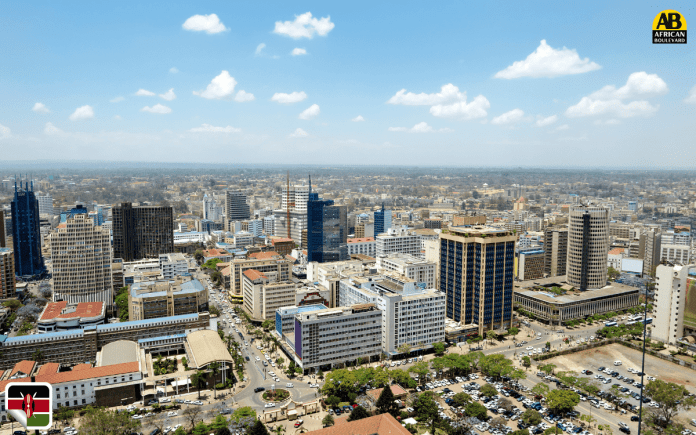
    Nairobi, Kenya – (African Boulevard News) – Kenya’s National Social Security Fund (NSSF) is intensifying efforts to recover overdue contributions from public sector employees, with an estimated $47 million outstanding from tardy contributors. The move comes just weeks after the appointment of a new director to lead the fund.

    The NSSF, which provides pension benefits and social security to Kenyan workers, is facing a significant challenge as it tries to address the mounting unpaid contributions in various counties across the country. The majority of the outstanding balance is owed by government employees who have failed to remit their contributions on time.

    According to a recent report by Africa Intelligence, the NSSF is determined to recover the $47 million owed by delinquent contributors. The report highlights the importance of timely contributions to ensuring the financial stability of the fund and the provision of adequate benefits to retirees.

    The NSSF’s new director, Mr. John Kimani, acknowledged the significant impact that the outstanding contributions have on the fund’s ability to fulfill its obligations. In a recent statement, Mr. Kimani emphasized the importance of regular contributions, stating, “Timely payments are crucial to ensuring the sustainability of the fund and the long-term financial security of our members.”

    The NSSF is now working closely with relevant government agencies and county administrators to identify defaulting public sector employees and recover the outstanding amounts. This collaborative effort aims to streamline the process and facilitate the prompt resolution of outstanding contributions.

    Industry experts have expressed their support for the NSSF’s pursuit of delinquent contributors. Dr. Jane Mwangi, an economist and social security analyst, stated, “Recovering these outstanding contributions is essential to maintaining the integrity of the NSSF and ensuring that funds are available to provide meaningful benefits to retirees.”

    The NSSF’s intensified efforts to recover the $47 million owed by tardy public sector contributors demonstrate its commitment to safeguard the financial future of Kenyan workers. These unpaid contributions not only impact the fund’s ability to meet its obligations but also jeopardize the welfare of future retirees who rely on the NSSF for their pension benefits.

    As the NSSF continues its pursuit to address this pressing issue, it is crucial for public sector employees to recognize the importance of promptly remitting their contributions. The fund’s success in recovering these outstanding amounts will not only benefit current and future retirees but also contribute to the overall economic stability of the country.

    In conclusion, the NSSF’s campaign to chase $47 million in unpaid contributions from tardy public sector contributors highlights the significance of timely remittances for the financial security of Kenya’s National Social Security Fund and the welfare of its members. The collaborative efforts between the NSSF, government agencies, and county administrators aim to ascertain that the fund can fulfill its obligations and provide meaningful benefits to retirees. It is hoped that the recovery of these outstanding contributions will strengthen the integrity of the NSSF and secure the financial future of Kenyan workers.

    Algeria’s Media Bias Exposed: Questions Mount Over Government’s Control of Advertising Allocation

    0
    Read Time:2 Minute, 25 Second

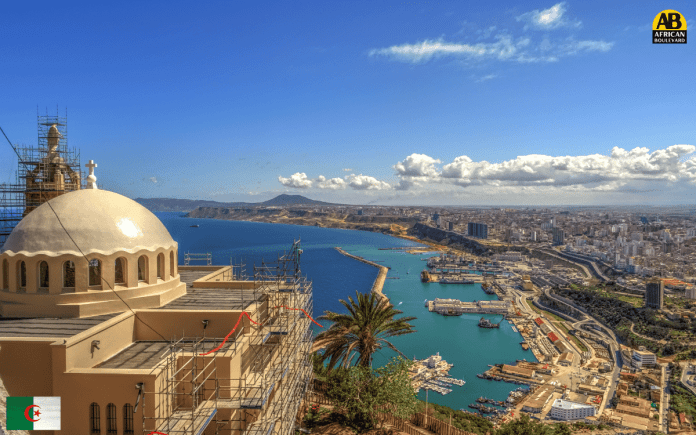
    Algiers, Algeria – (African Boulevard News) – The director of communications in the president’s office, Kamel Sidi Said, has emerged as a pivotal figure in the allocation of advertising by the Algerian government agency responsible for supporting the press, the National Agency of Advertising and Communication (ANEP). His role in this process has sparked attention and raised questions about the transparency and fairness of the allocation process.

    ANEP’s allocation of advertising is a key mechanism for supporting the press in Algeria. It provides financial assistance to newspapers, magazines, and online media platforms through the distribution of government ads. The goal is to ensure the sustainability of the country’s media landscape and promote a diverse range of voices.

    However, recent reports have shed light on Kamel Sidi Said’s significant influence over ANEP’s advertising allocation. This has raised concerns about potential bias and favoritism in the process. Questions have been raised about the fairness of distributing taxpayer-funded ads to media outlets that are aligned with the government’s agenda, while neglecting those that provide independent or critical coverage.

    El Djazair El Djadida, a prominent newspaper in Algeria, reported on the issue, highlighting the need for transparency and accountability in ANEP’s operations. According to the publication, Kamel Sidi Said has been instrumental in shaping ANEP’s policies and procedures regarding advertising distribution. This has led to a concentration of ads in media outlets that are perceived to be supportive of the ruling regime, potentially suppressing dissenting voices.

    Critics argue that the allocation of ads should be based on objective criteria, such as circulation, audience reach, and journalistic quality. They believe that ANEP should be an independent and impartial body, tasked with promoting pluralism and diversity in the media landscape. The current situation, they claim, undermines the principles of a free and independent press.

    When approached for comment, industry experts and media stakeholders expressed their concerns about the lack of transparency in ANEP’s allocation process. They stressed the need for reforms to ensure a fair and equitable distribution of government ads. One industry expert stated, “The media has a crucial role in holding the government accountable. It is imperative that advertising allocation reflects this principle and avoids any perception of bias.”

    As the controversy surrounding Kamel Sidi Said’s role in ANEP’s advertising allocation continues to unfold, it remains to be seen how the Algerian government will address these concerns. The calls for transparency and reform are growing louder, with demands for an independent body to oversee the advertising distribution process.

    In conclusion, the involvement of Kamel Sidi Said, the director of communications in the president’s office, in ANEP’s allocation of advertising has raised questions about the fairness and transparency of the process. Critics argue that the current system undermines the principles of a free and independent press. As the debate intensifies, the Algerian government faces mounting pressure to reform ANEP and create a more equitable and transparent advertising allocation process.

    Morocco’s Green Energy Trailblazer: A Woman Lawyer Shaping Africa’s Future

    0
    Read Time:2 Minute, 22 Second

    Rabat, Morocco – (African Boulevard News) – Africa is witnessing a new wave of progress and development, with Morocco, Kenya, and Uganda emerging as key players in business and politics. These countries are making significant strides towards economic growth and attracting global attention. Let’s delve into their recent achievements and future prospects.

    Morocco, known for its rich history and vibrant culture, has become a regional powerhouse in various sectors. The country has successfully attracted foreign investments and pursued strategic partnerships. With a focus on renewable energy, Morocco has made remarkable progress in harnessing its natural resources. The country’s commitment to sustainability has resulted in the establishment of the world’s largest concentrated solar power plant in Ouarzazate. This project, referred to as the Noor Solar Complex, reflects Morocco’s ambition to become a global leader in renewable energy.

    Moving to East Africa, Kenya has been a shining star in the region’s economic landscape. The country has embraced technology and innovation, leading to the growth of a vibrant tech ecosystem. Nairobi, often referred to as the “Silicon Savannah,” has become a hub for tech startups and entrepreneurship. The government’s initiatives, such as the establishment of Konza Technopolis, have further fueled Kenya’s tech revolution. The country’s thriving fintech sector, driven by mobile money platforms like M-Pesa, has also contributed to financial inclusion and economic empowerment.

    Uganda, with its vast natural resources and youthful population, is positioning itself as an attractive investment destination. The country has made significant strides in infrastructure development, particularly in the energy and transportation sectors. The completion of the Karuma and Isimba hydroelectric power plants demonstrates Uganda’s commitment to meeting its energy needs sustainably. Additionally, the ongoing construction of the Standard Gauge Railway, connecting Uganda to neighboring countries, will enhance regional connectivity and boost trade.

    According to industry experts, these countries’ progress can be attributed to their visionary leadership and commitment to inclusive development. Dr. Amina Mohamed, former Chairperson of the African Union Commission, acknowledges Morocco’s efforts in renewable energy and highlights its potential to inspire other African nations. She states, “Morocco’s achievement in solar power showcases the continent’s capabilities in driving sustainable development and combating climate change.”

    As Africa’s narrative undergoes a transformative shift, countries like Morocco, Kenya, and Uganda are leading the charge. Their successes serve as an inspiration for other nations to embrace innovation, sustainable development, and inclusive policies. The road ahead may have its challenges, but these countries are determined to shape Africa’s future and pave the way for generations to come.

    In conclusion, Morocco, Kenya, and Uganda are making significant strides in business and politics, positioning themselves as emerging forces in Africa. Their achievements in renewable energy, technology, and infrastructure development are setting examples for other nations on the continent. As the world watches their progress, it is evident that Africa’s future is bright with the contributions of these dynamic countries.

    “Nigeria- KNOC Oil Field Battle: Who Will Claim Victory in High-Stakes Showdown?”

    0
    Read Time:1 Minute, 54 Second

    Abuja, Nigeria – (African Boulevard News) – Nigeria and Korea National Oil Corp (KNOC) are preparing for battle as the long-standing dispute over the OLP 321 and 323 oil fields heads to the International Centre for Settlement of Investment Disputes (ICSID). Both parties have selected arbitrators to represent them in what promises to be a fierce legal skirmish.

    The OLP 321 and 323 oil fields, located off the coast of Nigeria, have been a bone of contention between the two parties for several years. The dispute arose when KNOC accused Nigeria of breaching its contractual obligations, leading to financial losses for the Korean company. Nigeria refutes these claims and argues that KNOC failed to fulfill its obligations under the agreement.

    With the case now set to go before the ICSID, both Nigeria and KNOC are gearing up for a battle that will determine the fate of these valuable oil fields. The ICSID is an international arbitration institution that specializes in resolving investment disputes between states and foreign investors.

    Nigeria has appointed renowned international arbitrator, Emma Okonji, to represent its interests before the ICSID. Okonji, known for her expertise in international investment law, is expected to mount a strong defense on behalf of Nigeria.

    In response, KNOC has selected Jin-Ho Kang, a highly respected Korean arbitration specialist, as its representative in the dispute. Kang is known for his meticulous approach to cases and his ability to build a strong legal argument.

    The outcome of the dispute will have significant implications for both Nigeria and KNOC. The OLP 321 and 323 oil fields are estimated to hold substantial reserves, making them highly valuable assets. The resolution of the dispute will determine which party has the right to explore and extract oil from these fields.

    Industry experts believe that the dispute between Nigeria and KNOC highlights the challenges faced by international investors in navigating the complexities of doing business in Africa. The outcome of this case will set a precedent for future investment disputes and send a message to foreign investors about the legal protections available in Nigeria.

    As the battle between Nigeria and KNOC unfolds before the ICSID, all eyes will be on the outcome. The resolution of this dispute will have far-reaching consequences for both parties and the wider international investment community.