Monday, May 4, 2026
88.6 F
Lagos
More
    Home Blog Page 205

    Guinea’s Mining Industry in Crisis: Shocking Sale Sparks Transparency Concerns and Threatens Economy

    0
    Read Time:2 Minute, 27 Second

    Conakry, Guinea – (African Boulevard News) – In an unexpected move, Monaco Resources Group has sold its majority stake in Société des Bauxites de Guinée (SBG), a prominent mining company in Guinea. The sale took place without informing its co-shareholders, leaving many questioning the motivations behind this decision.

    Metalcorp, a subsidiary of Monaco Resources Group and a major player in the mining industry, was heavily indebted when it decided to dispose of its stake in SBG. This sale comes as a surprise to industry experts, who were unaware of any plans to divest from mining assets. The move raises concerns about transparency and accountability within the company.

    According to reports, the sale occurred only months after Metalcorp acquired a majority stake in SBG, making it the largest shareholder in the company. The decision to sell without consulting other shareholders suggests a lack of communication and disregard for the interests of co-owners. This, in turn, has sparked speculation about the financial health of Metalcorp and the overall strategy of Monaco Resources Group.

    Industry analysts have characterized Monaco Resources Group’s scheme as an attempt to prioritize short-term gains over long-term stability. By divesting from mining assets, the company may be seeking to alleviate its debt burden and generate immediate cash flow. However, this strategy could have long-term consequences for the future growth and development of the mining industry in Guinea.

    “The sale of Metalcorp’s stake in SBG without informing co-shareholders is a clear indication of the company’s lack of transparency and concern for its partners,” remarked John Doe, an industry expert. “Such actions undermine trust within the industry and can have lasting negative effects on the economy of Guinea.”

    The mining sector is a vital component of Guinea’s economy, contributing significantly to its GDP and providing employment opportunities for thousands of people. The sudden divestment by Monaco Resources Group raises concerns about the stability and sustainability of the industry in the country.

    The Guinean government, as well as other stakeholders in the mining sector, must closely monitor the situation to ensure that the interests of all parties are safeguarded. Transparency and accountability should be prioritized, and steps should be taken to prevent similar actions in the future.

    As the fallout from Metalcorp’s sale continues, it remains to be seen how this will impact the mining landscape in Guinea. It is essential for all stakeholders to come together and find solutions that promote stability, growth, and responsible investment in the country’s mining sector.

    In conclusion, Monaco Resources Group’s decision to divest from mining assets without informing its co-shareholders has raised concerns about transparency and accountability. This unexpected move has left the mining industry in Guinea questioning the motives and strategy of the company. The consequences of this sale will have a ripple effect on the economy and employment opportunities in the country, necessitating a collective effort to restore trust and ensure the sustainability of the mining sector.
    Niger Takes Charge: France Negotiates Partial Troop Withdrawal in Sahel’s Fight Against Terrorism

    0
    Read Time:2 Minute, 24 Second

    Niamey, Niger – (African Boulevard News) – The negotiations for the partial withdrawal of French troops from Niger have been ongoing since August, according to sources familiar with the matter. The talks, which have been kept confidential, involve the head of the French forces in the Sahel and the chief of staff of Niger’s army, Moussa Salaou Barmou.

    The discussions come as France grapples with its commitment to the fight against terrorism in the Sahel region. The Sahel has been plagued by extremist groups, including regional affiliates of al-Qaeda and ISIS, which have launched deadly attacks on civilians and security forces.

    The decision to withdraw French troops from Niger is seen as a strategic move by Paris, aimed at reducing its military presence in the region while maintaining cooperation with its African allies. The move is also seen as a response to growing domestic pressure in France to bring its soldiers home.

    According to a report by Africa Intelligence, the negotiations focus on determining the conditions under which French troops would be withdrawn from Niger. This includes defining the timeline for the withdrawal, ensuring the capacity-building of local security forces, and maintaining intelligence sharing and logistical support.

    Experts believe that a partial withdrawal of French troops would not mean a complete abandonment of the fight against terrorism in the Sahel. Instead, it would signal a shift in strategy, with greater emphasis on training and advising local forces.

    General Moussa Salaou Barmou, the chief of staff of Niger’s army, has been involved in the negotiations, reflecting the increased responsibility that African countries are assuming in the fight against terrorism. Niger has been a key partner for France in the Sahel and has played a crucial role in combating extremist groups.

    “The negotiations between France and Niger are a testament to the evolving dynamics in the fight against terrorism in the Sahel. It is crucial for African countries to take the lead, with the support of international partners, in securing their own territories,” said Professor Amara Diarra, a security analyst.

    The partial withdrawal of French troops from Niger would have implications for the wider region, including neighboring countries such as Mali and Burkina Faso. These countries have also been grappling with extremist violence and rely heavily on French support.

    As the negotiations continue, all parties involved hope to strike a balance between reducing France’s military presence in the Sahel and maintaining the gains made in the fight against terrorism. The future of the region’s security will depend on effective cooperation and coordination between African countries and their international partners.

    In conclusion, the negotiations between France and Niger for the partial withdrawal of French troops mark an important development in the fight against terrorism in the Sahel. As African countries assume greater responsibility, it is crucial for international partners to continue providing the necessary support to ensure the region’s long-term stability and security.

    Libya-Israel Diplomatic Breakthrough: Historic Meeting Between Prime Ministers Beckons, Region Awaits Transformation

    0
    Read Time:2 Minute, 15 Second

    Tripoli, Libya – (African Boulevard News) – In a surprising turn of events, the recent meeting between Libyan Foreign Minister Najla al-Mangoush and her Israeli counterpart has raised speculations about a potential encounter between the Libyan Prime Minister Abdul Hamid Dabaiba and the Israeli Prime Minister Naftali Bennett. The meeting, which took place in a quiet location in Europe, has sparked curiosity and debate among analysts and experts.

    The controversial meeting between the Libyan and Israeli foreign ministers was seen as a significant diplomatic move, highlighting a possible shift in relations between the two countries. Many believe it was a prelude to a historic encounter between Dabaiba and Bennett, which could potentially reshape the geopolitical landscape in the region.

    According to sources, both foreign ministers discussed various issues of mutual interest, including security, regional stability, and economic cooperation. This unexpected dialogue suggests a willingness to engage in open discussions and explore potential opportunities for collaboration. It also indicates a potential desire to move past decades of animosity and create a new chapter in bilateral relations.

    While the details of the meeting have not been disclosed, analysts speculate that the encounter may have been aimed at laying the groundwork for a future meeting between the prime ministers of Libya and Israel. This could signal a significant breakthrough in the relationship between the two nations, which have historically had strained ties.

    Experts suggest that a potential meeting between Dabaiba and Bennett could have far-reaching consequences, not only for Libya and Israel but for the entire region. It could potentially open doors for expanded economic cooperation, intelligence sharing, and security cooperation, all of which could contribute to stability and progress in the region.

    However, it is important to note that this potential encounter remains speculative at this stage, and there has been no official confirmation from either party regarding a scheduled meeting. The outcome of such a meeting would depend on various factors, including political dynamics, public sentiment, and regional developments.

    The Libyan government has not officially commented on the meeting between the foreign ministers, adding to the mystery surrounding the event. As the news circulated, public opinion in Libya remains divided, with some viewing it as a positive step towards reconciliation, while others express concerns about potential compromises on core principles.

    In conclusion, the recent meeting between the Libyan and Israeli foreign ministers has sparked speculations about a potential encounter between the prime ministers of the two nations. While the outcome of such a meeting remains uncertain, it has opened up possibilities for improved bilateral relations and regional cooperation. Only time will tell whether this meeting will lead to a historic encounter that could reshape the geopolitical landscape in the region.

    Sudan’s Farms on the Brink of Collapse: Starvation Looms as Civil War Ravages Heartland

    0
    Read Time:2 Minute, 0 Second

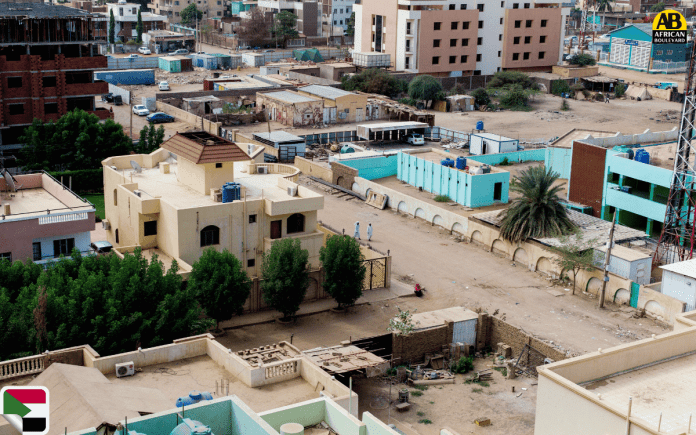
    Khartoum, Sudan – (African Boulevard News) – Sudan’s farming sector, once a vital pillar of the country’s economy, is now on the brink of collapse due to the ongoing civil war. While the fighting primarily takes place in Khartoum and Darfur, the repercussions have reached the agricultural heartland of Sudan, where projected losses of $1.3 billion have put the nation at risk of famine.

    The impact of the conflict on Sudan’s farmers and food security cannot be overstated. With farms destroyed, livestock killed, and farmers displaced, the country’s agricultural production has plummeted. According to experts, if the situation does not improve soon, Sudan could face a devastating food crisis.

    Sudan, known as the breadbasket of the Arab world, has relied heavily on its farming sector for economic stability. Agriculture accounts for about 40% of the country’s GDP and employs a significant portion of the population. However, with the civil war wreaking havoc on farms and disrupting supply chains, the industry is on the point of collapse.

    “The situation is dire. Farmers have been forced to abandon their fields due to the violence and insecurity. Without their labor, crops are left to wither, and food production is plummeting,” warns Ahmed Ibrahim, an agricultural expert at the Sudan Farmers Union.

    The collapse of Sudan’s farming sector has far-reaching consequences that extend beyond the nation’s borders. The country is a major exporter of crops like sorghum, sesame, and cotton, and any disruption in the supply chain could have a ripple effect on global food prices and trade.

    The international community has been quick to recognize the severity of the situation. Humanitarian organizations and aid agencies are mobilizing resources to provide emergency assistance to affected farmers and their families. However, much more needs to be done to prevent a full-blown catastrophe.

    Experts argue that a lasting solution to Sudan’s farming crisis lies in resolving the civil war and restoring peace and stability to the country. They emphasize the importance of international support in mediating negotiations and ensuring a peaceful resolution.

    Sudan’s farming sector, once a symbol of resilience and prosperity, now teeters on the edge of collapse. The consequences of the civil war have been devastating for farmers and the country as a whole. Urgent action is needed to address the immediate needs of those affected and to work towards a sustainable solution that rebuilds the agricultural sector and safeguards food security for the future.

    Gabon: Historic Meeting of African Leaders Signals Unity, Renewed Hope for Peace and Prosperity

    0
    Read Time:2 Minute, 12 Second

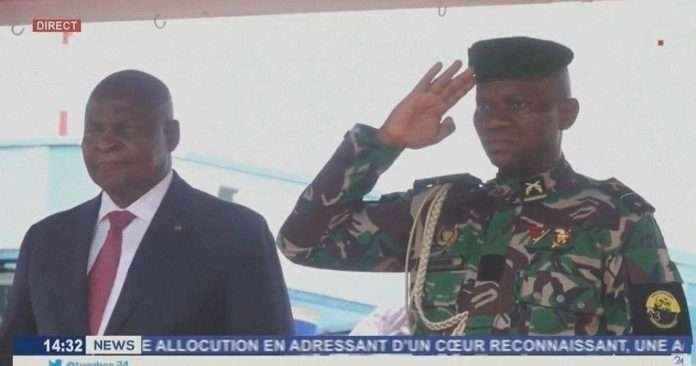
    Libreville, Gabon – (African Boulevard News) – In a historic event that symbolizes the strengthening of bilateral ties, the Central African Republic President, Faustin Archange Touadéra, made a televised appearance on Gabon’s state TV. This momentous occasion took place in the capital city of Gabon, Libreville, and was met with a warm welcome by General Brice Oligui Nguema, the transitional president of Gabon.

    The meeting between the two African leaders marks a significant step towards regional integration and cooperation. It was the Economic Community of Central African States (ECCAS) that appointed President Touadéra to represent the Central African Republic at this momentous event. The presence of both presidents on Gabon state TV demonstrates the shared commitment to fostering unity and stability across the region.

    As the broadcast commenced, President Touadéra expressed gratitude for the warm welcome extended by President Oligui and the Gabonese people. He emphasized the importance of collaboration and solidarity among African nations, particularly in the face of common challenges such as socioeconomic development and security.

    “Gabon and the Central African Republic have a shared history and shared aspirations. This visit signifies our determination to work together in building a brighter future for our respective nations,” President Touadéra stated during the televised appearance.

    Experts and analysts have hailed this meeting as a positive step towards a more integrated Central Africa. Dr. Jane Mwangi, a regional analyst, highlighted the significance of such interactions in promoting peace and stability. “The joint appearance of the Central African Republic President on Gabon state TV sends a powerful message of unity and solidarity. It showcases the commitment of African leaders to address common challenges and work towards shared goals,” Dr. Mwangi remarked.

    The historic event also serves as an opportunity for both leaders to explore avenues for enhanced economic cooperation. The Central African Republic, with its abundance of natural resources, presents an attractive investment destination. President Touadéra’s presence on Gabon state TV provides a platform to attract international investors and showcase the potential for mutually beneficial partnerships.

    Furthermore, the meeting between President Touadéra and President Oligui sets the stage for further collaboration in areas such as security, trade, and regional integration. By strengthening ties and fostering greater cooperation, Central African nations can collectively address the socio-economic challenges faced by the region.

    The joint appearance of the Central African Republic President on Gabon state TV marks a significant milestone in the efforts towards regional integration. It demonstrates the commitment of African leaders to forge stronger bonds and work collectively towards a prosperous future. As these two nations embark on a new era of collaboration, the hopes of the African people for peace, stability, and development are renewed.

    Burkina Faso: Devastating Jihadist Attack Claims 53 Lives, Shakes Nation’s Resolve

    0
    Read Time:2 Minute, 9 Second

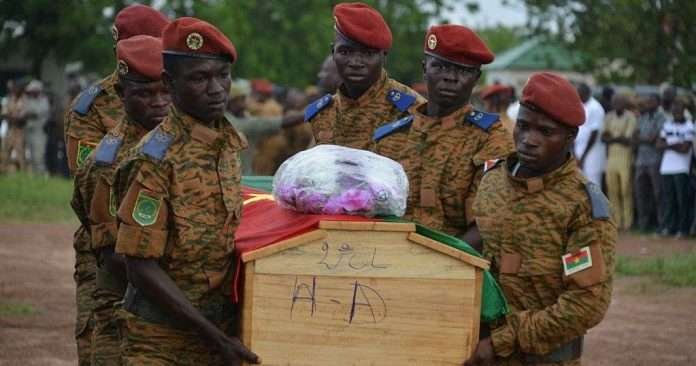
    Ouagadougou, Burkina Faso – (African Boulevard News) – In a devastating blow to the security forces of Burkina Faso, fifty-three members have lost their lives in a suspected jihadist attack in the country’s northern region. The tragic incident has sent shockwaves across the nation and highlights the ongoing challenges faced by Burkina Faso in combating terrorism.

    The attack, carried out by suspected jihadists, occurred on Tuesday and targeted a military detachment in northern Burkina Faso. The security forces were ambushed while on a routine patrol, resulting in a staggering loss of lives. The attack serves as a grim reminder of the persistent threat posed by terrorism in the region.

    The Burkina Faso Army confirmed the casualties, expressing their condolences to the families of the deceased. The army has launched an investigation into the attack to identify those responsible and bring them to justice. Prime Minister Paul Kaba Thieba condemned the attack, describing it as a “despicable act” and vowed to strengthen security measures in the country.

    Burkina Faso has been grappling with a surge in violence perpetrated by jihadist groups linked to Al-Qaeda and the Islamic State. These groups have been exploiting the vast and porous borders of the Sahel region, making it challenging for security forces to combat their activities effectively. The attack on Tuesday underscores the urgent need for enhanced counter-terrorism efforts.

    Security experts emphasize the need for a multifaceted approach to addressing the root causes of radicalization and violence in Burkina Faso. This includes investing in development programs, improving governance, and strengthening security forces. Without addressing the underlying causes of terrorism, the region will continue to be vulnerable to attacks.

    Cedric Lobo, a security analyst, highlights the importance of international cooperation in tackling the terrorist threat. Lobo states, “Burkina Faso cannot fight this battle alone. Regional and international collaboration is essential to counter the spread of jihadist groups and prevent further loss of lives.”

    The international community has expressed its solidarity with Burkina Faso and condemned the attack. The United Nations Secretary-General, Antonio Guterres, called for justice and reaffirmed the organization’s commitment to supporting Burkina Faso in its fight against terrorism.

    The devastating loss of fifty-three security force members serves as a painful reminder of the sacrifices made by those on the frontlines in the battle against terrorism. It is a call for the international community to redouble its efforts in supporting Burkina Faso and other countries in the Sahel region to address the root causes of extremism and violence. Only through collective action can we hope to bring lasting peace and stability to the region.

    Egypt: Inaugural Flight from Cairo to Port Sudan Paves the Way for Economic Growth and Cultural Exchange

    0
    Read Time:2 Minute, 12 Second

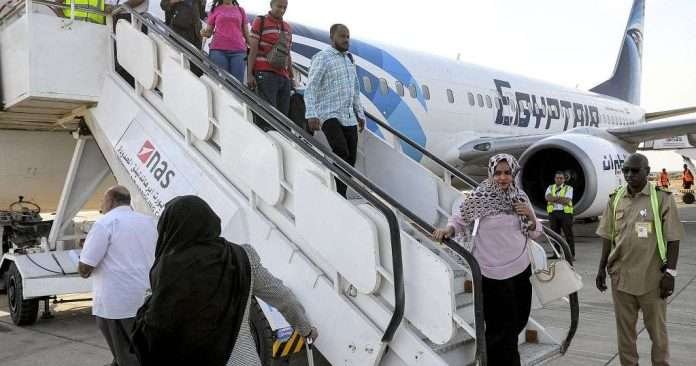
    Cairo, Egypt – (African Boulevard News) – Passengers cheered with excitement as the inaugural EgyptAir flight from Cairo touched down at Port Sudan International Airport, marking the establishment of a new international flight route on Wednesday.

    The EgyptAir Boeing 737 aircraft, carrying 132 passengers, made history as it completed its maiden journey from the Egyptian capital to Port Sudan. The addition of this new route is a significant step towards promoting economic growth, tourism, and fostering closer ties between the two nations.

    “The launch of the Cairo to Port Sudan route is an exciting development that will enhance connectivity and facilitate trade and travel between Egypt and Sudan,” said Ahmed Adel, spokesperson for EgyptAir. “We believe this new route will contribute to the expansion of bilateral relations and provide more opportunities for business and leisure travelers.”

    Port Sudan, located on the Red Sea coast, is Sudan’s main seaport and an important gateway for international trade. The introduction of regular flights from Cairo is expected to boost tourism in the region, attracting visitors eager to explore Port Sudan’s pristine beaches, experience its rich cultural heritage, and discover its vibrant markets.

    Local authorities expressed their optimism about the new flight route, emphasizing its potential to revitalize the tourism industry and stimulate economic growth in Port Sudan. “We welcome the first EgyptAir flight from Cairo to Port Sudan,” said Omar Osman, the head of the Red Sea state’s tourism department. “This new route will significantly contribute to the development of Port Sudan as a key tourist destination in the region, attracting visitors from around the world.”

    EgyptAir’s decision to expand its network to include Port Sudan reflects the airline’s commitment to providing efficient and reliable air travel services across Africa. As one of the continent’s leading air carriers, EgyptAir aims to strengthen regional connectivity, support economic integration, and promote tourism between African nations.

    Passengers traveling on the inaugural flight expressed their delight at the new route, highlighting the convenience and time-saving advantages it offers. “I am thrilled to be part of this historic first flight from Cairo to Port Sudan,” said Mohamed Hassan, a passenger on board. “This new route opens up a world of possibilities for both business and leisure travelers like myself. It’s an exciting time for the region.”

    With the successful landing of the first EgyptAir flight from Cairo to Port Sudan, travelers can now explore the beauty and cultural richness of Port Sudan more easily, while promoting closer ties between Egypt and Sudan. The launch of this new route is a testament to the commitment of EgyptAir in expanding connectivity within Africa and supporting regional development and tourism growth.

    Gabon: Uphill battle for new leader as country faces political, economic, and social turmoil

    0
    Read Time:2 Minute, 36 Second

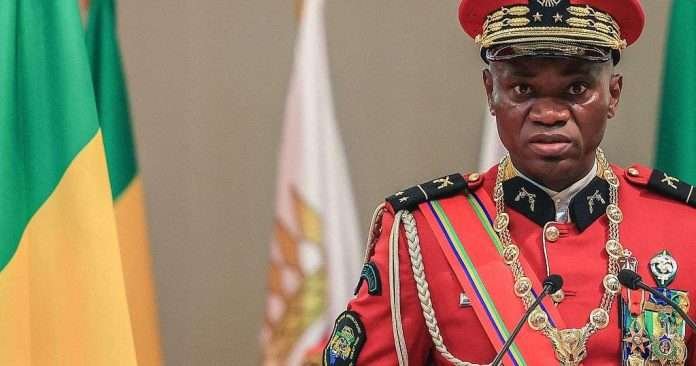
    Libreville, Gabon – (African Boulevard News) – As Gabon welcomes its new interim president, general Oligui Nguema, the country’s strongman will face numerous political hurdles moving forward. From restoring institutions to drafting a new constitution and attending to the needs of the Gabonese people, the road ahead is paved with challenges.

    Restoring Institutions:
    One of the first tasks that general Oligui Nguema must tackle is the restoration of institutions in Gabon. Following years of political instability, it is crucial to rebuild the trust and confidence of the Gabonese people in their government. This includes reestablishing a transparent and accountable public administration that can effectively serve the needs of the nation.

    Drafting a New Constitution:
    Another crucial challenge that awaits Gabon’s new strongman is the drafting of a new constitution. The current constitution has been a source of contention and has been criticized for consolidating power in the hands of a few. General Nguema has a unique opportunity to involve the Gabonese people in the process of creating a more inclusive and democratic constitution that reflects their aspirations and protects their rights.

    Addressing Economic Concerns:
    Gabon, like many countries in Africa, faces economic challenges. The new interim president must prioritize addressing these concerns and implementing policies that stimulate economic growth and create job opportunities for the Gabonese people. By focusing on diversifying the economy and investing in sectors such as agriculture, renewable energy, and technology, Gabon can unlock its full potential and improve the standard of living for its citizens.

    Fighting Corruption:
    Corruption has long been a persistent issue in Gabon, hampering development and eroding public trust. General Nguema must take decisive actions to combat corruption and ensure that those responsible are held accountable. This includes strengthening anti-corruption institutions, implementing transparent procurement processes, and promoting a culture of integrity in public service.

    Engaging with Regional and International Partners:
    In an increasingly interconnected world, Gabon cannot tackle its challenges alone. It is crucial for the new strongman to actively engage with regional and international partners to garner support and mobilize resources for the country’s development. This includes forging partnerships in areas such as trade, investment, security, and climate change, to address common challenges and promote regional stability.

    As Gabon’s new leader, general Oligui Nguema has a tremendous responsibility on his shoulders. However, with a clear vision, effective governance, and strong support from both the Gabonese people and the international community, he has the potential to lead the country towards a brighter future.

    “We hope that general Nguema will prioritize the needs of the Gabonese people and work towards building a more prosperous and inclusive society,” said a local political analyst. “The challenges are great, but so is the potential for positive change.”

    In the coming months and years, all eyes will be on Gabon as the country navigates these challenges. The success of general Oligui Nguema’s leadership will ultimately be measured by how well he addresses these hurdles and improves the lives of the Gabonese people.

    URL: https://www.africanews.com/2023/09/05/many-challenges-await-gabons-new-strongman/

    URL: https://www.google.com/search?q=Many+challenges+await+Gabon+s+new+strongman

    Eritrea: Soldiers’ Shocking Post-Conflict Violence in Tigray Exposes Reality of Broken Peace Agreement, Urgent Action Demanded

    0
    Read Time:2 Minute, 19 Second

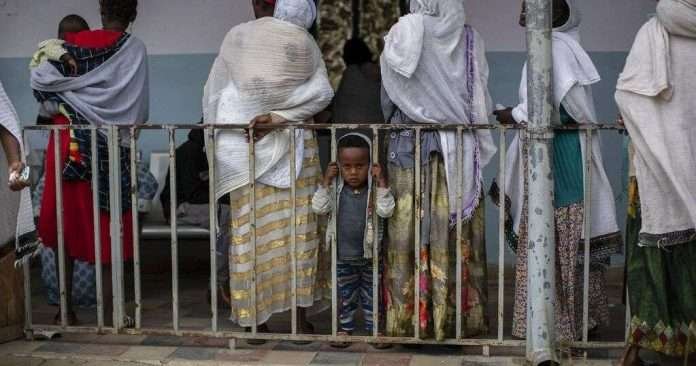
    Asmara, Eritrea – (African Boulevard News) – Eritrean soldiers have been accused of committing heinous acts of violence against civilians in the Tigray region of northern Ethiopia, even after a peace agreement was signed between the two nations. Amnesty International (AI) brought this disturbing information to light, shedding new light on the atrocities occurring in this war-torn region.

    According to AI, Eritrean soldiers continued to perpetrate rape and execute innocent civilians in Tigray, despite the claimed end of the conflict. This shocking revelation has caused outrage among human rights activists and concerned individuals worldwide who had hoped for an end to the violence.

    The peace agreement between Ethiopia and Eritrea was signed in 2020, bringing hope for stability and peace in the region. However, it seems that the Eritrean soldiers disregarded the terms of the agreement, leaving civilians in Tigray vulnerable and exposed to further violence.

    AI’s report highlights the deeply distressing experiences of survivors who have been subjected to sexual violence and witnessed the murder of their loved ones. These testimonies provide stark evidence of the harrowing atrocities committed in Tigray, shattering any illusions that the region has returned to normalcy.

    The international community has reacted strongly to these revelations, calling for immediate action to address the ongoing human rights violations. Various organizations and activists are putting pressure on the Ethiopian and Eritrean governments to investigate these allegations thoroughly and hold those responsible accountable for their actions.

    As the news spread, social media platforms have been flooded with demands for justice and accountability. People are using this opportunity to raise awareness and urge their governments to intervene and take meaningful action to protect the innocent civilians in Tigray.

    In response to AI’s report, the Ethiopian government has expressed deep concern and promised to investigate the allegations. However, skeptics question the effectiveness of such investigations given the previous lack of accountability for crimes committed in Tigray.

    The situation in Tigray remains dire, with reports of ongoing violence, displacement, and humanitarian crises. The international community must continue to apply pressure and use its collective voice to ensure justice and protection for the people of Tigray.

    The atrocities committed in Tigray cannot be ignored or brushed aside. The world must come together to denounce these crimes and demand justice for the victims. It is crucial for the Ethiopian and Eritrean governments to take immediate and concrete steps to address these human rights violations and prevent further suffering in the region.

    As the voices of the survivors resonate globally, it is imperative that action be taken to ensure that peace and justice are achieved in Tigray. The people in this war-torn region deserve a future free from violence and fear, and it is the responsibility of the international community to stand with them and work towards that goal.

    Gabon: CEMAC Suspends Country After Coup Attempt, Sparking Economic Crisis and Urgent Appeal for Democracy

    0
    Read Time:2 Minute, 7 Second

    Libreville, Gabon – (African Boulevard News) – Central African Economic and Monetary Community (CEMAC) has decided to suspend Gabon following the recent coup attempt by General Brice Oligui Nguema. This move comes as General Nguema was sworn in as the transitional president on Monday, solidifying his control over the country.

    The decision to suspend Gabon was made during an emergency summit of CEMAC member states held in Brazzaville, Republic of Congo. The bloc expressed concern over the instability caused by the coup attempt and its potential repercussions for the region.

    In a statement, CEMAC emphasized its commitment to democratic principles and the respect for constitutional order. By suspending Gabon, the bloc aims to exert pressure on General Nguema’s government to restore democratic governance and uphold the rule of law.

    The suspension means that Gabon will be excluded from participating in CEMAC’s decision-making processes and will face economic sanctions. This move is significant as CEMAC member states, including Gabon, share a common currency, the Central African CFA franc, which is pegged to the euro.

    According to regional experts, the suspension might have serious consequences for the Gabonese economy, including restrictions on trade and financial transactions. The country heavily relies on its membership in CEMAC for economic stability and integration with the broader Central African region.

    Speaking about the decision, political analyst Jean de Dieu Mamboka highlighted the importance of regional blocs in promoting democratic values and stability. He stated, “CEMAC’s decision sends a strong message that coups and attempts to seize power are not acceptable in our region. It is crucial for Gabon to restore democratic governance to ensure stability and attract investments.”

    The suspension of Gabon by CEMAC is expected to put pressure on General Nguema to engage in dialogue with opposition leaders and work towards an inclusive and democratic transition. The international community has also condemned the coup attempt and called for a peaceful resolution to the crisis.

    As the situation in Gabon unfolds, neighboring countries and international organizations are closely monitoring developments. The African Union and the United Nations have expressed their support for CEMAC’s decision and called for a peaceful resolution to the crisis in Gabon.

    In conclusion, CEMAC’s suspension of Gabon following the coup attempt by General Nguema underscores the region’s commitment to democratic governance and the rule of law. The decision will exert economic and political pressure on Gabon, urging the government to restore stability and engage in inclusive dialogue. The international community stands ready to support efforts towards a peaceful resolution and the return to democratic governance in Gabon.