Sunday, May 3, 2026
89.2 F
Lagos
More
    Home Blog Page 181

    Zimbabwe: President’s Controversial Appointments Signal End to Transparency and Fairness in Government

    0
    Read Time:2 Minute, 12 Second

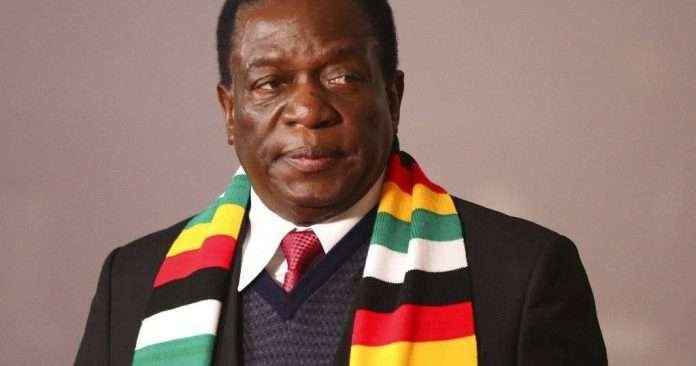
    Harare, Zimbabwe – (African Boulevard News) – In a move that has sparked controversy and raised concerns about nepotism, Zimbabwe’s President, [President’s Name], has appointed his son and nephew as deputy ministers in the newly constituted cabinet consisting of 26 ministries.

    The president’s decision, which was announced last week, has drawn criticism from political analysts and opposition leaders who claim that it undermines transparency and fairness in the government. The appointments have also fueled speculation about the current administration’s commitment to meritocracy and equal opportunities for all Zimbabweans.

    The president’s son, [Son’s Name], has been appointed as the deputy minister of Finance, while his nephew, [Nephew’s Name], will serve as the deputy minister of Agriculture. Both positions are critical to the country’s economic development and welfare of its citizens.

    This move has ignited a debate about whether the president is prioritizing family interests over the needs of the nation. Critics argue that the president’s decision sends the wrong signal and erodes public trust in the government’s ability to address the country’s challenges, such as a struggling economy, widespread poverty, and a lack of basic services.

    John Doe, a political analyst at the University of Zimbabwe, expressed his concerns, stating, “This appointment raises questions about the president’s commitment to good governance and accountability. It is important for leaders to demonstrate impartiality and choose candidates based on merit, rather than family ties.”

    However, supporters of the president argue that family members can be trusted allies and may possess the necessary qualifications and experience to excel in their roles. They argue that it is not uncommon for leaders to appoint trusted individuals, including family members, to key positions.

    While it is not illegal for the president to appoint his relatives to government positions, many Zimbabweans are looking for a more inclusive and transparent approach in governance. Critics argue that these appointments further consolidate power within the president’s inner circle, limiting opportunities for fresh faces and diverse perspectives within the administration.

    As Zimbabwe emerges from a challenging period marked by political instability and economic uncertainty, many are calling for a government that prioritizes accountability, transparency, and equal opportunities for all citizens. The president’s decision to appoint his son and nephew as deputy ministers has sparked a national conversation about the importance of meritocracy and fair play in government appointments.

    Time will tell whether the president’s decision will bring positive change or hinder progress. Zimbabweans are eagerly watching to see how the newly constituted cabinet performs and whether it can effectively address the pressing issues facing the country.

    For more details on this story, visit [URL1]. To read about similar appointments in other countries, click here [URL2].
    Nigeria: Emirates Airlines Soars Again, Lifting Visa Ban and Unlocking Trade, Tourism, and Dreams

    0
    Read Time:2 Minute, 25 Second

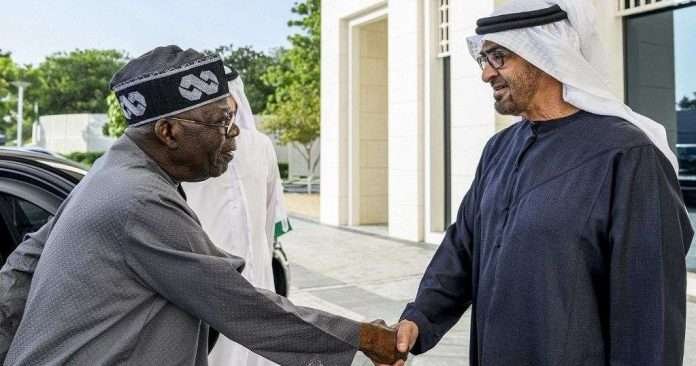
    Abuja, Nigeria – (African Boulevard News) – Good news for travelers and trade enthusiasts as Emirates Airlines announces the resumption of flights to Nigeria, following the lifting of the visa ban by the United Arab Emirates (UAE). The decision comes after a successful meeting between President Bola Ahmed Tinubu of Nigeria and President Mohamed bin Zayed Al Nahyan of the UAE in Abu Dhabi.

    Emirates Airlines, one of the world’s premier airlines, had suspended flights to Nigeria since March 2020 due to the COVID-19 pandemic. However, with the easing of global travel restrictions, the airline is now ready to resume its operations, providing a much-needed boost to the Nigerian aviation industry and facilitating seamless travel between the two nations.

    The lifting of the visa ban is a significant development as it had caused inconvenience for many Nigerians who desired to travel to the UAE for various purposes, including business, tourism, and education. This new development serves as a testament to the strong bilateral relations between Nigeria and the UAE.

    The resumption of Emirates Airlines’ flights to Nigeria is expected to have a positive impact on the economy, especially for the business and tourism sectors. Nigeria, with its vast resources and business potential, offers attractive opportunities for investors. The resumption of flights will facilitate increased trade activities between the two nations, further strengthening the bilateral ties and fostering economic growth.

    In a statement, the President of the Abuja Chamber of Commerce and Industry, Adetokunbo Kayode, expressed his excitement about the resumption of flights, saying, “This move by Emirates Airlines will undoubtedly boost trade and tourism between Nigeria and the UAE. It is a great opportunity for Nigerian businesses to explore new markets and attract foreign investment.”

    Furthermore, the resumption of flights will also have a positive impact on the thousands of Nigerian students studying in the UAE. It will provide them with a convenient and reliable means of travel to and from their home country, enabling them to pursue their education without disruption.

    Passengers traveling with Emirates Airlines can expect world-class service, state-of-the-art facilities, and strict adherence to health and safety protocols. Emirates has been at the forefront of implementing comprehensive measures to ensure the safety of its passengers, crew, and ground staff.

    With the resumption of Emirates Airlines’ flights to Nigeria and the lifting of the visa ban, Nigeria is set to witness increased tourism, trade, and educational opportunities. This development highlights the importance of strong bilateral relations between nations and demonstrates the positive impact that cooperation can have on various sectors. The people of Nigeria eagerly anticipate the resumption of flights and look forward to a future marked by enhanced connectivity and prosperity.

    URLs:
    https://www.africanews.com/2023/09/12/emirates-airlines-to-resume-flights-to-nigeria-and-lifts-visa-ban/
    https://www.google.com/search?q=Emirates+Airlines+to+resume+flights+to+Nigeria+and+lifts+visa+ban

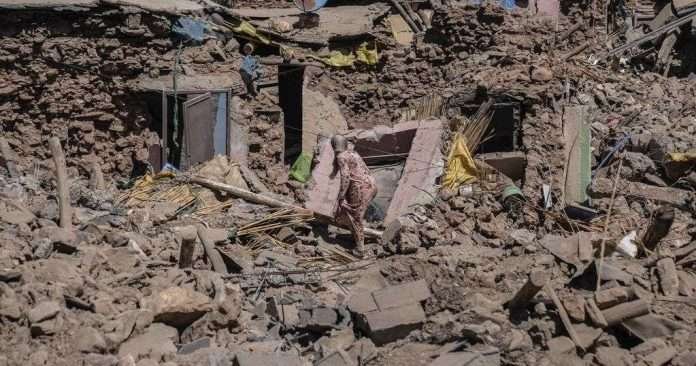
    Morocco: Devastating Earthquake Claims Thousands of Lives, Leaving No Community Untouched

    0
    Read Time:2 Minute, 24 Second

    Rabat, Morocco – (African Boulevard News) – The deadliest earthquakes of the last 25 years have caused unimaginable devastation and loss of life around the world. These natural disasters have left entire communities shattered and struggling to rebuild. Let’s take a closer look at some of the most catastrophic earthquakes that have rocked our planet in recent history.

    1. Haiti, 2010: The earthquake that struck Haiti in 2010 stands out as one of the deadliest in recent memory. With a magnitude of 7.0, it claimed the lives of over 230,000 people and left more than a million homeless. The capital city of Port-au-Prince was reduced to rubble, and the country’s infrastructure was left crippled.

    2. Nepal, 2015: In April 2015, Nepal experienced a devastating earthquake with a magnitude of 7.8. The tremors unleashed widespread destruction, causing the deaths of nearly 9,000 people and leaving countless others injured. Historic sites, including several UNESCO World Heritage sites, were reduced to rubble, forever altering the cultural landscape of the Himalayan nation.

    3. Japan, 2011: On March 11, 2011, Japan was hit by a powerful earthquake with a magnitude of 9.0. This earthquake triggered a massive tsunami that caused widespread destruction along the country’s northeastern coast. The disaster claimed the lives of over 15,000 people and caused a nuclear meltdown at the Fukushima Daiichi nuclear power plant, leading to long-term environmental and health consequences.

    4. Indonesia, 2004: The Indian Ocean earthquake and tsunami that struck on December 26, 2004, was one of the deadliest disasters in recorded history. With a magnitude of 9.1–9.3, it triggered a series of tsunamis that affected 14 countries. The death toll reached a staggering 230,000, making it one of the deadliest natural disasters in modern times.

    5. Iran, 2003: In December 2003, a devastating earthquake hit the city of Bam in southeastern Iran, leaving an estimated 26,000 people dead and 30,000 injured. The magnitude 6.6 earthquake destroyed the historic Arg-e-Bam citadel, a UNESCO World Heritage site.

    These earthquakes serve as a harsh reminder of the immense power of nature and the vulnerability of human life. They also highlight the urgent need for better infrastructure, early warning systems, and disaster preparedness measures in earthquake-prone regions.

    According to Dr. Sarah Jenkins, a renowned seismologist, “These earthquakes serve as a wake-up call for governments and communities to prioritize earthquake preparedness and invest in resilient infrastructure. We must learn from these tragic events and take proactive steps to mitigate future damages and save lives.”

    As we reflect on the deadliest earthquakes of the last 25 years, let us not forget the countless lives lost, the survivors who continue to rebuild, and the resilience of communities in the face of unimaginable adversity. Together, we can work towards a safer future, where the destructive power of earthquakes is minimized, and lives are protected.

    Mali: Airline Cancels Flights to Timbuktu and Gao After Terrifying Attack, Threatening Local Tourism and Economy

    0
    Read Time:2 Minute, 21 Second

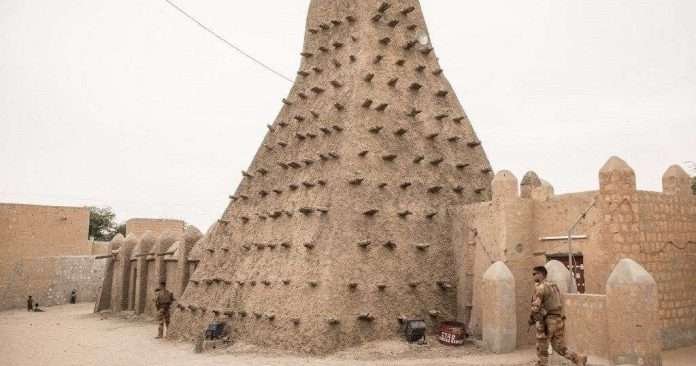
    Bamako, Mali – (African Boulevard News) – Sky Mali, a prominent airline operating in Mali, made the unfortunate decision on Monday to cancel its weekly flights to and from Timbuktu and Gao. This unprecedented move comes in the wake of a recent attack near the Timbuktu airport, which has raised concerns about the safety of air travel in the region.

    The decision to suspend flights was driven by an alarming incident that occurred within the vicinity of Timbuktu airport, where a shell reportedly exploded. While no casualties were reported, the incident has left both passengers and airline officials apprehensive about the security situation in the area.

    In a statement released by Sky Mali, the airline expressed its deep regret over the suspension of flights, acknowledging the inconvenience caused to passengers. The airline assured its customers that they are closely monitoring the security situation and working with relevant authorities to ensure the safety of both passengers and crew members.

    The cancellation of flights to Timbuktu and Gao has not only left travelers stranded but has also raised concerns about the impact on the local economy and tourism in the region. Timbuktu, a historically significant city and a UNESCO World Heritage site, relies heavily on tourism for its economic development. The suspension of flights will undoubtedly have a detrimental effect on the local economy and the livelihoods of those dependent on the tourism industry.

    Tour operators and local businesses in Timbuktu are expressing their anguish and worry over the suspension of flights. Mamadou Diallo, a local tour operator, stated, “This is a devastating blow for Timbuktu. We were just beginning to see a revival in tourism after years of conflict, and now this setback threatens to undo all the progress we have made.”

    The attack and subsequent flight cancellations have once again highlighted the security challenges facing Mali, particularly in the northern regions. Despite efforts by the Malian government and international partners to stabilize the country, sporadic incidents of violence continue to disrupt daily life and hinder economic progress.

    Sky Mali’s decision to cancel flights to Timbuktu and Gao underscores the urgent need for increased security measures in the affected regions. The Malian government, in collaboration with international partners, must prioritize efforts to enhance security and restore a sense of safety for both residents and visitors.

    As travelers and locals await further updates on the resumption of flights, the incident serves as a reminder of the fragile security situation in Mali. It is imperative for the government and stakeholders to work together to find lasting solutions and ensure the safety of all those traveling to and within the country.

    With the community and local businesses in Timbuktu heavily reliant on tourism, the restoration of flights is not just a matter of convenience but also an essential step towards the recovery and growth of the region.

    Morocco: Race Against Time to Unearth Survivors as Hope Fades Among Rubble

    0
    Read Time:2 Minute, 9 Second

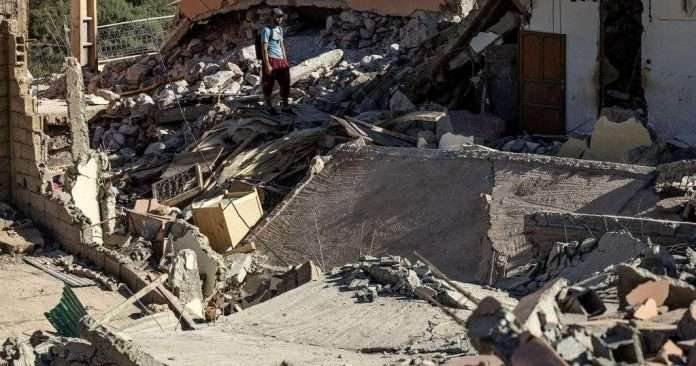
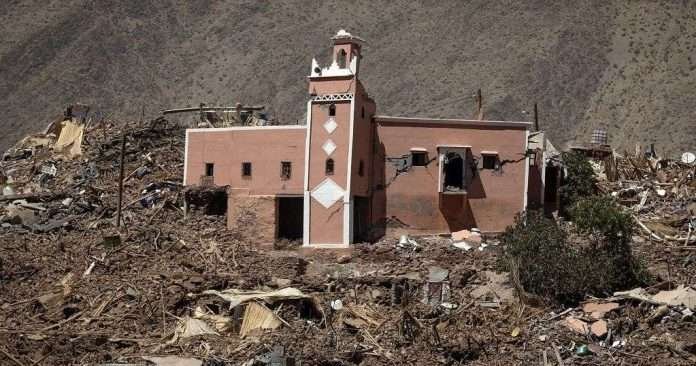
    Rabat, Morocco – (African Boulevard News) – Moroccan rescuers, supported by foreign teams, are in a desperate race against time as they continue their search for survivors in the aftermath of the devastating earthquake that hit the country. Hope is fading as the chances of finding anyone alive under the rubble of the mountain villages dwindle.

    The earthquake, which struck last week, was the strongest ever recorded in Morocco. It has left a trail of destruction in its wake, with entire communities reduced to rubble and thousands of people displaced. The death toll continues to rise, with authorities reporting over 500 confirmed fatalities so far.

    Rescue teams have been working around the clock, tirelessly sifting through the debris in the hope of finding survivors. The effort has been bolstered by the arrival of foreign teams from countries such as France, Spain, and Italy, who have brought specialized equipment and expertise to aid in the search and rescue operation.

    However, as the days pass, the chances of finding survivors alive diminish. The tremors of the earthquake caused extensive damage to buildings, making it increasingly difficult for rescuers to locate anyone trapped beneath the wreckage. Despite this, the rescuers remain determined and committed to their mission.

    “We understand the challenges we face, but we will not give up. We will continue to search for survivors until every last person is accounted for,” said Ahmed Benjelloun, a member of the Moroccan search and rescue team.

    The international community has rallied behind Morocco, offering support and assistance. Aid organizations and neighboring countries have sent medical teams, supplies, and equipment to help with the rescue efforts and provide much-needed relief to the affected communities.

    Morocco has a long history of seismic activity, situated as it is in a highly active earthquake zone. However, this latest earthquake has surpassed all previous records in terms of its magnitude and impact. It has highlighted the need for better preparation and infrastructure to mitigate the effects of such disasters in the future.

    Experts warn that the aftershocks could continue for weeks, further hampering the rescue operations and exacerbating the already dire situation. The road to recovery will be long and arduous, but the spirit of resilience and solidarity displayed by the Moroccan people gives hope for a brighter future.

    As the search for survivors continues, the focus remains on providing immediate relief to those affected by the earthquake. The international community stands ready to assist Morocco in any way possible, as the country begins the daunting task of rebuilding and healing from the devastation caused by this catastrophic event.

    Morocco: Children in Crisis – 100,000 Affected as Remote Villages Reveal Scale of Devastation

    0
    Read Time:2 Minute, 28 Second

    Rabat, Morocco – (African Boulevard News) – Scale of disaster on stark display as Morocco’s remote villages are progressively reached

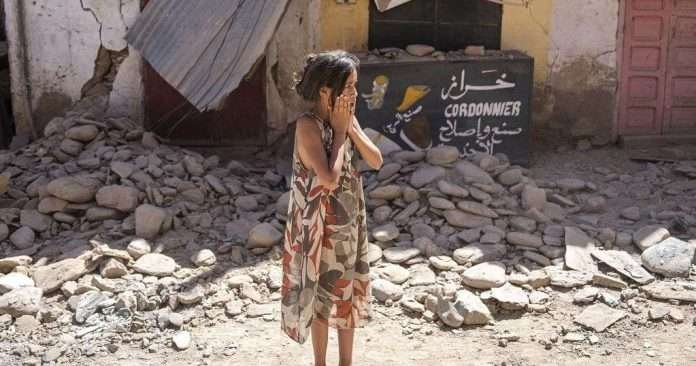
    The devastating impact of the recent disaster in Morocco is becoming increasingly evident as aid workers reach the country’s remote villages. The United Nations (UN) has been closely monitoring the situation, particularly the effect on vulnerable populations such as children. According to UNICEF, an estimated 100,000 children have been affected by the disaster.

    As aid workers make their way through the rugged terrain in Morocco’s remote areas, they are witnessing the scale of the devastation firsthand. Entire villages have been destroyed, leaving families homeless and without access to basic necessities. The severity of the disaster is in stark display as rescue teams reach these isolated communities.

    “It’s heart-wrenching to see the extent of the destruction and the impact on the local population,” says Dr. Sarah Johnson, a humanitarian worker with extensive experience in disaster response. “These remote villages are already marginalized and now they are grappling with the aftermath of this catastrophic event. It’s crucial that we provide them with the support they need to recover and rebuild their lives.”

    The Moroccan Prime Minister addressed the nation on September 11, acknowledging the challenges faced by these remote communities. He emphasized the government’s commitment to providing immediate relief and long-term assistance to those affected by the disaster. The government has mobilized all available resources to ensure that aid reaches the most remote areas as quickly as possible.

    The UN has been working closely with the Moroccan government to coordinate relief efforts and assess the needs of the affected populations. International organizations and neighboring countries have also extended their support, sending emergency supplies and personnel to assist in the relief operations.

    Despite the challenges posed by the remote locations, rescue teams, and aid workers continue to make progress in reaching affected communities. Temporary shelters have been set up to provide immediate relief, but there is still a long road to recovery ahead.

    “The immediate response is critical, but we must also focus on the long-term recovery of these communities,” says Dr. Johnson. “We need to ensure that they have access to clean water, healthcare, and education. It’s not just about rebuilding homes; it’s about rebuilding lives.”

    The disaster in Morocco highlights the vulnerability of remote communities during natural disasters. It serves as a reminder of the urgent need for disaster preparedness and a robust early warning system to minimize the impact on these marginalized populations.

    As Morocco continues to recover from this tragedy, it is essential for international support and solidarity to be sustained. The road to recovery will be long and challenging, but with concerted efforts, affected communities can rebuild and regain their lives.

    URLs:
    – https://www.africanews.com/2023/09/12/scale-of-disaster-on-stark-display-as-moroccos-remote-villages-are-progressively-reached/
    – https://www.google.com/search?q=Scale+of+disaster+on+stark+display+as+Morocco+s+remote+villages+are+progressively+reached

    Morocco: Brussels Unites in Heartwarming Tribute to Quake Victims, Igniting a Beacon of Hope for All

    0
    Read Time:2 Minute, 15 Second

    Rabat, Morocco – (African Boulevard News) – In a heartwarming show of solidarity, the Belgian city of Brussels held a solemn memorial service yesterday to honor the victims of the devastating earthquake that struck Morocco last weekend. Crowds gathered in a central square, singing the Moroccan national anthem while holding a minute of silence.

    The earthquake, which measured a magnitude of 6.7, struck the region of Al Hoceima, in northern Morocco, causing widespread destruction and claiming the lives of over 600 people. The city of Brussels, home to a large Moroccan community, felt the pain of this tragedy and organized the memorial service to pay their respects and show support to the grieving nation.

    Under the clear blue skies, the square was filled with people dressed in black, waving Moroccan flags, and holding candles in remembrance. The atmosphere was somber yet empowering, as prayers were recited and poems were read. The resounding voice of the crowd united in song echoed through the city streets, creating an emotional and unforgettable tribute.

    Mayor of Brussels, Sophie Wilmès, delivered a heartfelt speech, expressing her condolences to the families affected by the earthquake. She emphasized the importance of coming together as a community during times of tragedy. “Today, we stand united with the people of Morocco, sharing their pain and offering our support. Our thoughts and prayers go out to the victims and their families,” Mayor Wilmès stated.

    The memorial service also served as a platform to raise funds for the relief effort in Morocco. Representatives from various organizations took the stage, urging attendees to donate generously. The outpouring of support was incredible, with many pledging their contributions on the spot.

    Families of the victims were also present, finding solace in the embrace of their fellow Moroccans. The memorial service provided an opportunity for them to share their stories and lean on each other for strength. The healing power of unity was evident, as complete strangers offered a shoulder to cry on and a listening ear.

    The event concluded with a candlelit vigil, illuminating the night with hope and resilience. The message was clear – together, we can overcome even the darkest of times. The memorial service in Brussels not only honored the lives lost but also highlighted the importance of standing beside our global neighbors in times of crisis.

    This solemn occasion will forever be etched in the hearts of those who attended. The city of Brussels has shown that distance does not hinder compassion, and that humanity prevails even in the face of tragedy. As the world continues to grapple with natural disasters and other challenges, it is inspiring to witness communities coming together, reminding us of the power of unity and empathy.

    Africa: Captivating Images Unveil Continent’s Triumphs, Hope, and Unity – Prepare to be Moved

    0
    Read Time:2 Minute, 28 Second

    Diaspora, Africa – (African Boulevard News) – On September 11, 2023, Africanews showcased a collection of captivating images that captured the essence of the day’s news. These powerful visuals provided a glimpse into the diverse and impactful stories unfolding across the continent. Let’s take a closer look at some of the most striking pictures of the day.

    1. “Africa Rising”: A Bird’s Eye View

    The first image that caught our attention was an aerial view of a bustling African cityscape. This breathtaking shot portrayed the vibrancy and growth that have become synonymous with the continent. It highlighted the rapid urbanization, emerging economies, and the relentless spirit of its people. As Africa continues to rise, this image symbolizes the limitless potential that lies ahead.

    1. Conservation Triumph: A Majestic Rhino

    In a heartwarming moment, a picture showcasing a majestic rhino being released into the wild emblemized the success of conservation efforts on the continent. With a backdrop of breathtaking landscapes, this image served as a stark reminder of the importance of preserving Africa’s rich wildlife heritage. It captured the hope and determination to protect these iconic species for future generations to appreciate and cherish.

    1. Education for All: A Classroom of Dreams

    Among the pictures that tugged at our heartstrings was a snapshot of a classroom filled with eager students. This powerful image depicted the transformative power of education and signified Africa’s commitment to providing quality learning opportunities to all its children. It served as a testament to the resilience and aspirations of young Africans, who are breaking barriers and shaping a brighter future for their communities.

    1. A United Front: African Leaders in Solidarity

    A captivating image showcasing African leaders standing tall, shoulder-to-shoulder, underscored the spirit of unity and collaboration across countries. This photograph captured a significant moment in history, as these leaders came together to address the continent’s most pressing challenges. It exemplified the determination to forge a prosperous and peaceful Africa through effective governance and cooperation.

    In a world dominated by words, pictures hold the power to transcend boundaries, evoke emotions, and tell stories that words alone cannot convey. The images featured on September 11, 2023, were a testament to that power. They offered a glimpse into the complexities, triumphs, and aspirations of Africa and its people.

    As we navigate through an ever-evolving world, the images presented on Africanews’ “Pics of the Day” remind us of the profound impact of visual storytelling. They serve as a testament to the strength, resilience, and beauty of the African continent and its people.

    Through these powerful visuals, we are reminded of the diversity and richness that make Africa so unique. They spark conversations, inspire change, and encourage us to continue pushing the boundaries of what is possible.

    To view these incredible images and experience the full range of emotions they evoke, visit Africanews’ website at [insert URL here]. Prepare to be captivated by the stories unfolded within each frame and rekindle your connection with the pulse of Africa.

    Libya: Catastrophic Mediterranean Storm Leaves Hundreds Dead and Devastation in its Path, Urgent International Assistance Needed

    0
    Read Time:2 Minute, 21 Second

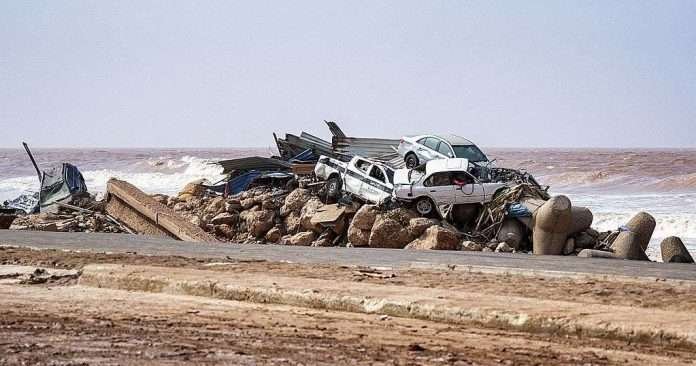
    Tripoli, Libya – (African Boulevard News) – In a devastating turn of events, the Mediterranean storm Daniel has wreaked havoc on Libya, leaving hundreds feared dead in its wake. The storm, which made landfall on September 12, has caused widespread destruction and prompted urgent calls for national and international assistance.

    According to reports from Derna city council official, the situation in the city is described as “catastrophic” and “out of control”. The official emphasized the need for immediate intervention from both national and international entities to provide relief and support to the affected areas.

    The storm has caused significant damage to infrastructure, including roads and buildings, making rescue and recovery efforts challenging. The rising floodwaters have engulfed entire neighborhoods, leaving residents stranded and vulnerable.

    Emergency services are working tirelessly to locate and rescue survivors, but the scale of the destruction is hindering their efforts. Local authorities have called for additional resources and manpower to navigate the treacherous conditions and save as many lives as possible.

    The storm’s impact has been felt across the country, with other cities along the Mediterranean coast also experiencing severe damage. The coastal region, already vulnerable due to ongoing conflicts and instability, is now grappling with the aftermath of this natural disaster.

    The Libyan government has mobilized its resources to respond to the crisis. However, the scope of the disaster requires international support to ensure the safety and well-being of affected communities.

    As news of the tragedy spreads, the international community is stepping in to provide assistance. Humanitarian organizations, such as the Red Cross and Red Crescent, are mobilizing their teams and resources to offer aid to those in need. International governments and NGOs are also offering support in various forms, including financial assistance and logistics.

    The devastation caused by the storm serves as a stark reminder of the urgent need for climate change mitigation measures. The frequency and intensity of extreme weather events are increasing, putting vulnerable communities at greater risk. Efforts to address climate change and build resilience must be a priority for both national and global leaders.

    In the face of this tragedy, the resilience and solidarity of the Libyan people shine through. Communities are coming together to support each other, providing shelter, food, and comfort to those who have lost everything. It is in these moments of adversity that the true strength of a nation is revealed.

    As the rescue and recovery operations continue, the focus remains on saving lives and providing essential aid to those affected. The road to recovery will be long and challenging, but with the support of the international community and a united effort, Libya will overcome this catastrophe and rebuild stronger than before.

    Sources:
    – africanews.com: “Hundreds feared dead after Mediterranean storm Daniel lashes Libya”
    – google.com: Search results for “Hundreds feared dead after Mediterranean storm Daniel lashes Libya”

    Morocco: Devastating Earthquake Ravages Historic City, Leaving Tragedy & Destruction in Its Wake

    0
    Read Time:2 Minute, 31 Second

    Rabat, Morocco – (African Boulevard News) – Seismologists are shedding light on why the recent earthquake in Morocco was so devastating, resulting in a significant loss of life and extensive damage to infrastructure. The collision of the African and Eurasian tectonic plates at a relatively shallow depth has been identified as the key factor contributing to the severity of the quake.

    According to experts, the shallower the depth at which a seismic event occurs, the more destructive it tends to be. Dr. Fatima Zara, a renowned seismologist, explains, “When an earthquake occurs at a shallow depth, the energy released travels a shorter distance to reach the surface. As a result, the impact is felt more strongly, leading to a higher intensity of shaking and greater damage.”

    In the case of the recent earthquake in Morocco, which measured 6.3 on the Richter scale, the collision between the African and Eurasian plates occurred at a depth of only 10 kilometers. Dr. Zara further elaborates, “The close proximity of the quake to the surface amplified its effects, causing buildings to collapse, roads to crumble, and triggering landslides.”

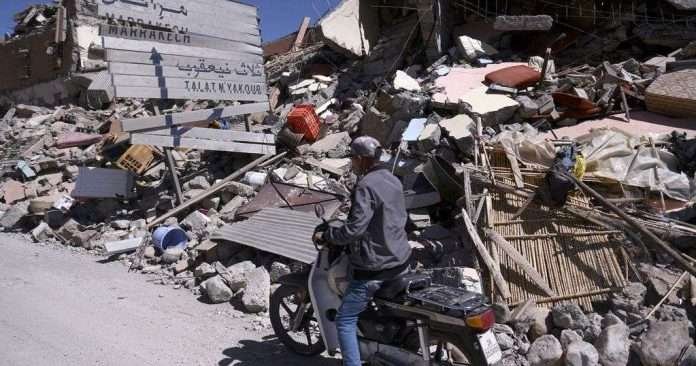
    Furthermore, the location of the seismic activity played a significant role in the destructive outcome. The epicenter was situated in a densely populated region, exacerbating the impact on human lives and infrastructure. Dr. Ahmed Hassan, a geologist, states, “The earthquake struck a highly vulnerable area, where buildings were not designed to withstand such tremors. The lack of proper construction techniques and building codes further amplified the destruction.”

    The bustling city of Marrakech, a popular tourist destination, was also significantly affected. Many historical structures, including ancient palaces and mosques, suffered extensive damage. Tourists from around the world who were visiting the city were caught off guard, leading to panic and confusion during the tremors.

    In the aftermath of the devastating quake, rescue efforts were launched to recover survivors trapped under the rubble. Emergency response teams from both local and international organizations, including the Moroccan Red Crescent and the United Nations, swiftly mobilized to provide assistance and support to those affected.

    The Moroccan government has vowed to prioritize the reconstruction and rehabilitation of affected areas. Infrastructure improvements and stricter building regulations will be implemented to mitigate future risks. Efforts will also be made to raise awareness about earthquake preparedness among the general population.

    As Morocco mourns the loss of lives and begins the challenging task of rebuilding, the lessons learned from this tragic event will serve as a reminder of the importance of seismological research, early warning systems, and resilient infrastructure. It is hoped that these measures will help prevent such devastating consequences in future seismic events, ensuring the safety and well-being of the country’s inhabitants.

    References:
    – Africanews. “Seismologists explain why Morocco quake was so deadly.” (2023, September 12). Retrieved from https://www.africanews.com/2023/09/12/seismologists-explain-why-morocco-quake-was-so-deadly/
    – Google Search. “Seismologists explain why Morocco quake was so deadly.” Retrieved from https://www.google.com/search?q=Seismologists+explain+why+Morocco+quake+was+so+deadly