Sunday, May 3, 2026
89.2 F
Lagos
More
    Home Blog Page 180

    Libya: Devastating Floods Leave Country in Despair, Desperate Search for Missing Continues

    0
    Read Time:2 Minute, 5 Second

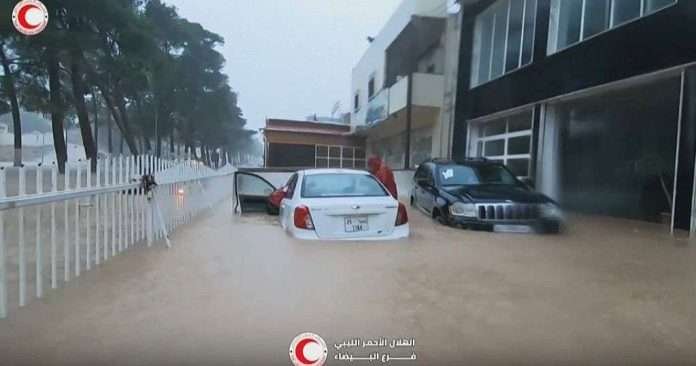
    Tripoli, Libya – (African Boulevard News) – The recent floods in Libya have caused significant damage, leaving the country in a state of shock and despair. As the search continues for the missing individuals swept away by the strong currents, the devastation caused by the floods is becoming increasingly apparent.

    According to reports, a number of dams and buildings have collapsed, and both private and public establishments have been severely damaged. The scope of destruction is so immense that it is difficult to put into words, as described by Khalifa Haftar, the military commander who has been actively involved in addressing the aftermath of the floods.

    “The damage is huge, hard to describe,” Haftar expressed, highlighting the scale of the disaster. The floods have wreaked havoc on the infrastructure, leaving roads impassable and communities isolated. The immediate focus now is on rescue and recovery efforts and providing assistance to those affected.

    Local authorities and humanitarian organizations are working tirelessly to locate the missing individuals and provide support to those who have been displaced. The floods have caused widespread displacement, leaving many families without shelter or access to basic necessities.

    “Many people have lost their homes and belongings. The situation is dire,” noted a representative from a local humanitarian organization. “We are doing everything we can to assist those affected and provide them with emergency relief.”

    The floods have also had a significant impact on the agricultural sector, which is crucial for the country’s economy. Farms and crops have been destroyed, leading to concerns about food security and the livelihoods of farmers.

    International aid is being mobilized to support Libya in this time of crisis. The United Nations and various NGOs have pledged their support and are working closely with local authorities to coordinate relief efforts.

    However, challenges remain as access to affected areas is limited, making it difficult to provide immediate assistance to those in need. The ongoing conflict in the region has also hampered the response, further complicating the recovery process.

    As the search for missing individuals continues and efforts to rebuild and recover are underway, the people of Libya remain resilient. Despite the immense challenges they face, the unity and determination of the Libyan people are evident.

    In the face of these devastating floods, Libya needs all the support it can get. The international community must come together to provide assistance and resources to help the country recover from this natural disaster. Only through collaborative efforts can Libya begin to rebuild and restore hope for its people.
    Egypt: Controversial Ban on Face Veil in Schools Ignites Battle for Religious Freedom

    0
    Read Time:2 Minute, 16 Second

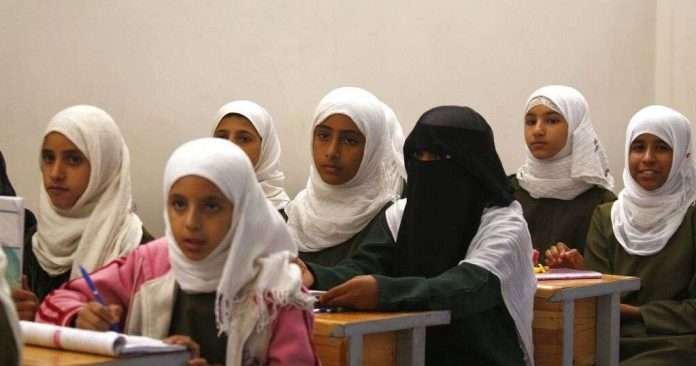
    Cairo, Egypt – (African Boulevard News) – Egypt’s recent ban on the face veil in schools has stirred up a heated debate among citizens and religious scholars. The government newspaper Akhbar al-Youm published a new decree on school uniforms, which prohibits primary and secondary school pupils from “covering their faces.” While the decision is aimed at promoting integration and identification, it has sparked a contentious discussion surrounding religious freedom and personal choice.

    The ban, which was announced on Monday, has drawn both support and criticism from various sectors of society. Proponents argue that the move is necessary for national security and social cohesion. They believe that the face veil can hinder communication, impede identification, and potentially pose a security threat in schools.

    However, opponents of the ban argue that it violates religious freedom and infringes on individual rights. They contend that wearing the face veil is a personal choice and an expression of religious devotion for many Muslim women. They argue that such a ban not only marginalizes a specific religious group but also goes against the principles of inclusivity and tolerance.

    “It is essential to strike a balance between individual rights and societal norms. While security concerns are valid, it is important not to undermine the religious freedoms and personal choices of individuals,” said Dr. Fatima Hassan, a sociologist at Cairo University.

    This ban has also reignited the broader debate surrounding the role of religion in Egyptian society. Egypt, which is predominantly Muslim, has seen increased secularization in recent years, with the government taking steps to curb religious extremism and promote a more moderate form of Islam.

    The ban on the face veil in schools could be seen as part of this broader effort to establish a more secular and inclusive educational system. It follows previous measures such as the regulation of mosque sermons and the removal of ultra-conservative religious books from school curricula.

    However, critics argue that such measures risk alienating devout Muslims and may contribute to further polarization within society. They argue that promoting religious tolerance and understanding is key to achieving harmonious coexistence.

    While the ban on the face veil in schools has sparked intense debate, it remains to be seen how it will be implemented and enforced. As the issue continues to generate discussion, it is clear that finding a balance between national security, religious freedom, and individual rights remains a complex challenge for Egyptian society.

    As Egypt grapples with this contentious issue, it is crucial to foster open dialogue and engage all stakeholders to ensure that decisions made are inclusive, respectful, and reflect the diverse religious and cultural fabric of the nation. Only through such collaborative efforts can Egypt move forward and address the concerns of all its citizens.

    Mali: Ex-rebels declare “state of war” with junta, risking renewed bloodshed and collapse of peace

    0
    Read Time:2 Minute, 27 Second

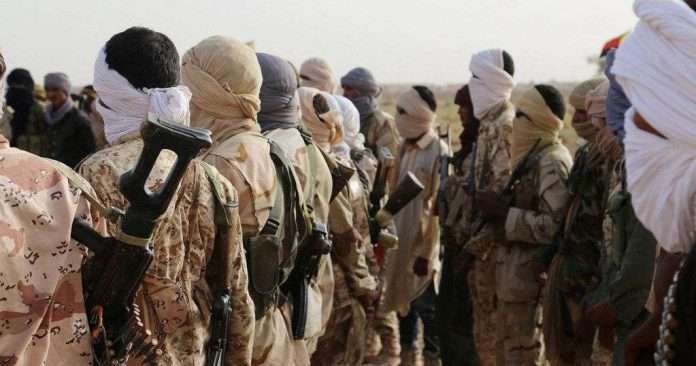
    Bamako, Mali – (African Boulevard News) – In a press release received by AFP and shared on various social networks, the ex-rebels of northern Mali announced on Monday that they consider themselves to be “in times of war” with the current junta in power in Bamako.

    The Coordination of Movements of Azawad (CMA), an alliance of armed groups that signed a peace agreement with the Malian government in 2015, expressed their concerns and frustrations. They accused the junta of failing to implement the provisions of the peace accord, which was intended to bring stability and reconciliation to the war-torn region.

    “We are in a situation of war with the junta,” said Almou Ag Mohamed, a leading member of the CMA. “Instead of implementing the peace agreement, they are stalling and backtracking. This is a direct violation of our trust.”

    The CMA’s statement comes amid rising tensions in Mali following a military coup in August that removed President Ibrahim Boubacar Keita from power. The junta, known as the National Committee for the Salvation of the People (CNSP), has since assumed control of the country and promised to hold elections within a reasonable timeframe.

    However, the CMA accuses the junta of sidelining their demands and prioritizing their own interests. They claim that the junta’s actions have only exacerbated the already fragile security situation in northern Mali, where several armed groups continue to operate despite the peace agreement.

    “We expected the junta to bring stability and address the root causes of the conflict,” said Ag Mohamed. “Instead, they are engaging in power struggles and ignoring our concerns. This is pushing us further into a state of war.”

    The CMA’s statement has raised concerns among international observers, who fear that the escalating tensions between the ex-rebels and the junta could lead to a renewed wave of violence and instability in Mali. The United Nations peacekeeping mission in Mali (MINUSMA) has called for calm and urged all parties to prioritize dialogue and peaceful negotiations.

    “Mali cannot afford another cycle of conflict and bloodshed,” said a spokesperson for MINUSMA. “We call on all parties to engage in meaningful dialogue and work towards finding a peaceful resolution to the current crisis.”

    As the political deadlock and security challenges persist in Mali, the fate of the peace agreement hangs in the balance. The ex-rebels of the CMA remain committed to their cause and are prepared to defend their interests, even if it means resorting to armed conflict.

    The junta and the CMA must find a way to bridge their differences and work towards a comprehensive and inclusive peace process that addresses the root causes of the conflict. Failure to do so could have dire consequences for the already fragile peace in Mali and the wider Sahel region. It is crucial for both sides to prioritize dialogue and find a common ground for the sake of the Malian people and the future stability of the country.

    DRC: Outrage and Protests Over Arrest of Journalist Spark Global Fight for Press Freedom

    0
    Read Time:2 Minute, 9 Second

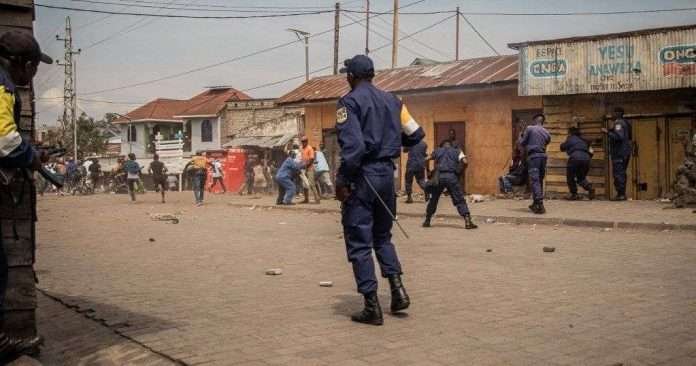
    Kinshasa, DRC – (African Boulevard News) – Protests erupted in the Democratic Republic of Congo (DRC) just three days after the arrest of prominent journalist Stanis Bujakera. Bujakera is accused of “spreading false rumors and disseminating false information” for an article published by Jeune Afrique that implicates military intelligence in the assassination of former government official, Simon Bwala.

    The arrest of Bujakera has sparked outrage among journalists and citizens alike, who see it as an attack on press freedom in the country. Demonstrators took to the streets of Kinshasa, carrying signs that read “Free Stanis” and “We Demand Press Freedom”.

    According to eyewitnesses, the protests quickly turned violent when security forces started using tear gas and batons to disperse the crowds. Several people were injured, and there have been reports of arrests.

    Bujakera is a well-respected journalist known for his investigative reporting on government corruption and human rights abuses. His arrest has drawn international condemnation, with organizations such as Amnesty International and Reporters Without Borders calling for his immediate release.

    In a statement, Jean-Marc Kabund, the leader of the Union for Democracy and Social Progress (UDPS) party, said, “The arrest of Stanis Bujakera is a clear violation of press freedom and an attempt to silence critical voices in our country.”

    The DRC has a long history of suppressing press freedom, with journalists often facing harassment, intimidation, and even violence for their reporting. This latest incident has only highlighted the ongoing challenges faced by journalists in the country.

    The international community has also expressed concern over the deteriorating press freedom situation in the DRC. In a tweet, the United Nations Human Rights Office called for an “end to the harassment and intimidation of journalists and the protection of their right to report freely.”

    The arrest of Stanis Bujakera comes at a time when the DRC is preparing for a crucial presidential election. The country is already facing significant political and social tensions, and this incident has further fueled the discontent among the population.

    As the protests continue and the calls for Bujakera’s release grow louder, it remains to be seen how the government will respond. However, one thing is clear – the arrest of one journalist has ignited a larger fight for press freedom in the DRC.

    The international community, human rights organizations, and journalists around the world are closely watching the situation, hoping for a resolution that upholds and respects the fundamental principles of press freedom.

    With the eyes of the world on the DRC, the fate of Stanis Bujakera and the state of press freedom in the country hang in the balance.

    Madagascar: Incumbent President Defies Critics, Vows to Secure Second Term in Must-Win Election

    0
    Read Time:2 Minute, 19 Second

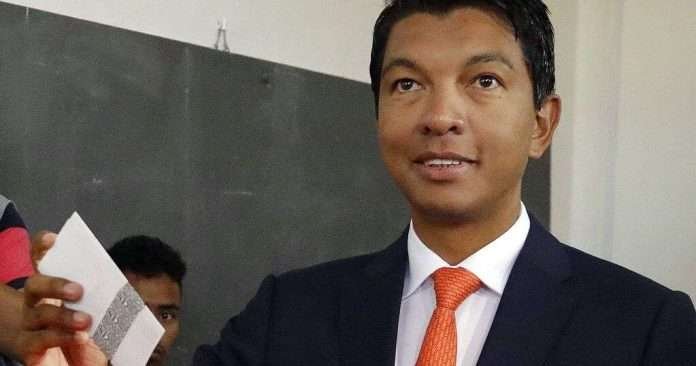
    Antananarivo, Madagascar – (African Boulevard News) – In a surprising turn of events, the Malagasy electoral commission announced on Monday that the incumbent President of Madagascar, Andry Rajoelina, will be running for re-election in the upcoming presidential race. This comes as a relief to Rajoelina, who has faced numerous obstacles and controversies over the past few months.

    The controversy surrounding Rajoelina’s candidacy originated from a constitutional provision that limited the president to only two terms in office. However, Rajoelina’s supporters argue that his first term, which began in 2019 after winning a special election, should not be counted as a full term. The electoral commission agreed with this interpretation, allowing Rajoelina to proceed with his bid for a second term.

    Critics of Rajoelina’s candidacy argue that it undermines the democratic principles of the country and sets a dangerous precedent. They believe that the constitutional provision for a two-term limit should be respected, and that Rajoelina’s attempt to circumvent it is a violation of the rule of law.

    Despite these concerns, Rajoelina remains confident in his chances for re-election. His first term in office has seen some significant achievements, including economic reforms and infrastructure development. He has also gained popularity among the population for his efforts to combat corruption and improve the healthcare system.

    “The decision of the electoral commission is a testament to the progress we have made during my first term,” Rajoelina said in a statement. “I am committed to continuing the work we started and ensuring the prosperity and well-being of the Malagasy people.”

    Experts and analysts have mixed opinions on Rajoelina’s candidacy. Some believe that his leadership has brought stability and progress to Madagascar, making him a viable candidate for re-election. Others, however, argue that his disregard for the constitutional provision undermines the democratic process and could set a dangerous precedent for future leaders.

    “The controversy surrounding Rajoelina’s candidacy highlights the need for a comprehensive review of the country’s electoral laws and constitution,” said political analyst, Marie Louise Ralaidomo. “It is crucial that we strike the right balance between stability and democratic principles.”

    As the presidential election in Madagascar approaches, all eyes will be on Rajoelina and his opponents. The outcome of the election will not only determine the future of the country but also serve as a reflection of the strength and resilience of its democratic institutions.

    In conclusion, the controversy surrounding Andry Rajoelina’s bid for re-election in Madagascar has been ruled out by the electoral commission. While his candidacy has sparked debates about constitutional provisions and democratic principles, Rajoelina remains confident in his chances of securing a second term. The upcoming presidential election will be a crucial moment in the country’s history, as it will determine the future direction of Madagascar’s governance and democratic process.

    Gabon: General’s Shocking Move for Unity – Appoints Opposition and Regime Figures to Head Parliament

    0
    Read Time:2 Minute, 21 Second

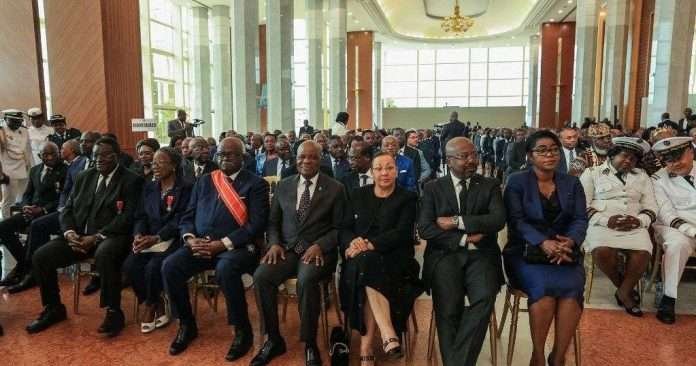
    Libreville, Gabon – (African Boulevard News) – Gabon’s political landscape takes another unexpected twist as General Brice Oligui Nguema, who toppled President Ali Bongo last month, has made surprising appointments to the head of Parliament. In a move that seeks to bridge the gap between the opposition and the former regime, General Nguema has appointed leaders from both sides to lead the country forward.

    The decision to appoint figures from the ex-opposition and the former pro-Bongo camp is seen as a significant step towards national reconciliation and political stability. It signals General Nguema’s intention to unite the country and move away from the deep-seated divisions that have plagued Gabon for years.

    Among the key appointments is Jean Ping, a prominent opposition leader who contested the 2016 presidential election against Ali Bongo. Ping, known for his strong anti-Bongo stance, will now take on the role of Speaker of Parliament. This unexpected move has shocked many, but it also demonstrates Nguema’s commitment to inclusivity and his willingness to bring together diverse voices to shape the country’s future.

    In a surprising twist, Nguema has also appointed former pro-Bongo figures to key positions in the Parliament. This decision has raised eyebrows and sparked speculation about the motives behind these appointments. Critics argue that it could be a move to maintain some elements of the old regime and ensure a smooth transition of power. However, supporters of Nguema believe it is a strategic move to promote reconciliation and foster a sense of unity among the country’s political elites.

    Talking about the appointments, political analyst Marie-Claire Mboussi commented, “This move is remarkable in its attempt to bridge the gap between the opposition and the former regime. It shows a willingness to move beyond the bitter divisions of the past and work towards a more inclusive and cooperative political environment.”

    The decision has received mixed reactions from the Gabonese population. While some see it as a positive step towards healing the wounds of the past, others remain skeptical, concerned about potential backroom deals and compromises that could undermine the country’s democratic values.

    The task ahead for the newly appointed leaders is monumental. They must navigate the country through a period of delicate transition, ensuring that the rights and aspirations of the Gabonese people are upheld. The success of this endeavor will depend on their ability to work together and put national interests above personal and party ambitions.

    As Gabon continues on its path towards political stability, the world watches closely. The appointments made by General Nguema are an important indicator of his commitment to bringing about lasting change in the country. Whether this move leads to genuine reconciliation or further fuel division remains to be seen, but one thing is clear – Gabon is at a crossroads, and the choices made now will shape its future.

    Africa: Mining Boom in DRC Triggers Heartbreaking Forced Evictions, Leaving Communities Devastated

    0
    Read Time:2 Minute, 13 Second

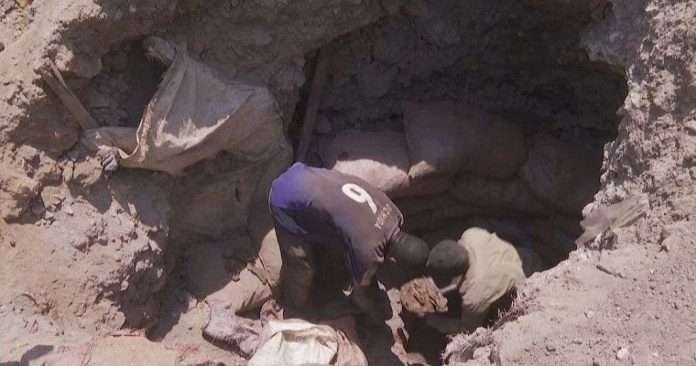
    Diaspora, Africa – (African Boulevard News) – Cobalt and copper mining in the Democratic Republic of Congo (DRC) have caused widespread forced evictions, according to a report by human rights organization Amnesty International. The mining sector, which is experiencing significant growth, is pushing local communities out of their homes and farmland to make way for large-scale operations.

    The report reveals that people in the Kolwezi region are bearing the brunt of this displacement. Instead of benefiting from the growth of the mining sector, they are being forced to leave their homes and farmland, with little compensation or alternative housing options. The mining companies’ expansion plans are depriving these communities of their livelihoods and exacerbating poverty in the area.

    Amnesty International’s report highlights the urgent need for greater attention to be paid to the human rights impacts of mining in the DRC. It calls on both the government and mining companies to ensure that communities affected by mining activities are adequately consulted, compensated, and resettled in a dignified manner.

    “The forced evictions taking place in the Kolwezi region are a violation of human rights and have a devastating impact on the communities affected,” said Sarah Jackson, Deputy Regional Director for East Africa, the Horn, and the Great Lakes at Amnesty International. “The government of the DRC and mining companies must ensure that human rights are respected and that the rights of local communities are protected.”

    The growth of the mining sector in the DRC, fueled by rising global demand for cobalt and copper, has attracted significant foreign investment. However, the benefits of this industry have primarily flowed to multinational corporations and government elites, while local communities continue to suffer.

    “The exploitation of natural resources should not come at the expense of human rights,” said Jackson. “Mining companies have a responsibility to respect human rights and ensure that their operations do not cause harm to local communities.”

    Amnesty International’s report adds to the growing body of evidence highlighting the negative impacts of mining on local communities in the DRC. It calls for greater transparency and accountability in the industry, urging the government to enforce stricter regulations that protect human rights and the environment.

    As the global demand for cobalt and copper continues to rise, it is crucial that the DRC’s mining sector is managed in a way that benefits all stakeholders, including local communities. The forced evictions and displacement caused by mining operations must be addressed urgently, and the rights of affected communities must be upheld.

    It is a reminder that the pursuit of economic development should not come at the cost of human rights, and the DRC’s mining sector must be held accountable for its actions.

    Niger: Popular Radio Station’s Suspension Lifted – A Beacon of Hope for Press Freedom and Democracy

    0
    Read Time:2 Minute, 21 Second

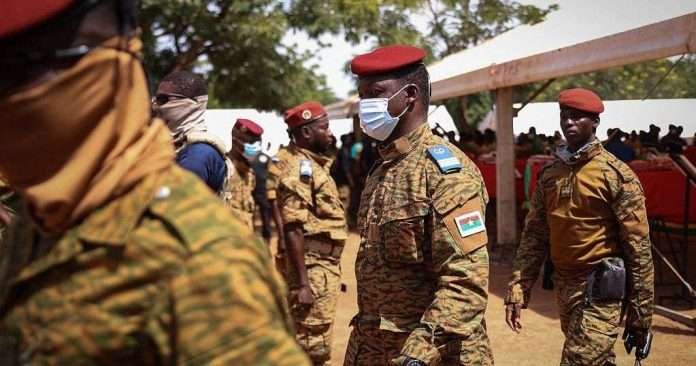
    Niamey, Niger – (African Boulevard News) – In a turn of events, the Burkinabe junta has lifted the suspension on Radio Omega, a popular radio station that was ordered off the air on August 10 for criticizing the coup in neighboring Niger. The suspension, which drew widespread condemnation, has now been lifted, according to Communications Minister and government spokesperson Rimtalba Jean-Emmanuel Ouedraogo.

    The decision to lift the suspension comes after weeks of pressure from civil society organizations, media watchdogs, and international partners. Many had criticized the suspension as a violation of freedom of expression and a step backward for democracy in Burkina Faso.

    Ouedraogo’s statement explained that the decision to lift the suspension was made after “careful consideration of the concerns raised by various stakeholders.” He further emphasized that the junta is committed to upholding democratic principles and respecting freedom of the press.

    The suspension had sparked concerns about a shrinking space for independent journalism in Burkina Faso, which has seen a rise in attacks on journalists and media organizations in recent years. Media watchdogs had raised alarm about the increasing repression of the media, and the suspension of Radio Omega only intensified these concerns.

    The lifting of the suspension has been welcomed by journalists and human rights advocates, who view it as a positive step towards safeguarding democratic values and press freedom in the country. “This decision demonstrates that the junta is responsive to public opinion and willing to correct its missteps,” said Pauline Kabore, a journalist and media rights activist.

    However, some critics argue that the suspension should never have been imposed in the first place, and that the junta’s decision to lift it is merely an attempt to appease international partners and quell growing domestic pressure.

    For Radio Omega, the lifting of the suspension means a return to the airwaves and the resumption of its critical reporting. The radio station had been known for its independent and outspoken coverage of political events in Burkina Faso and across the region. Its suspension had left a void in the media landscape, and its return will be welcomed by many listeners.

    While the lifting of the suspension is a positive development, concerns remain about the broader media environment in Burkina Faso. The government must ensure that journalists can operate without fear of intimidation or reprisal and that freedom of expression is protected. The international community will be closely watching to see if the junta follows through on its commitment to uphold democratic principles and guarantee press freedom.

    As Burkina Faso navigates the path to democratization, the media will play a crucial role in fostering transparency, accountability, and public debate. The lifting of the suspension on Radio Omega is a small step in the right direction, but more must be done to create an enabling environment for independent journalism in the country.

    Africa: Shockwaves in Football as French Star Paul Pogba Faces Doping Scandal, Threatening Game’s Integrity

    0
    Read Time:2 Minute, 3 Second

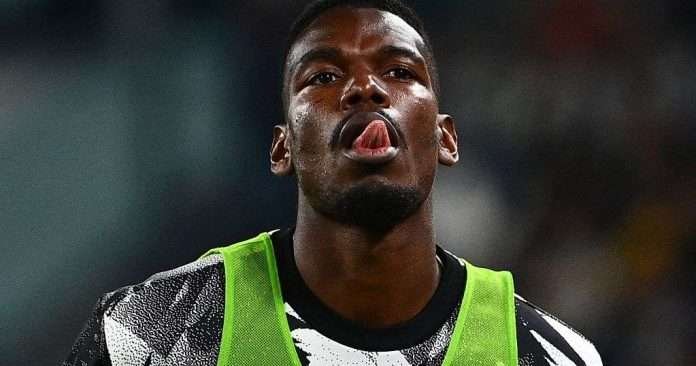
    Diaspora, Africa – (African Boulevard News) – Italy has suspended French footballer Paul Pogba after he faced doping accusations. The Juventus midfielder tested positive for testosterone in a random drugs test that followed the Serie A game against Udinese on August 20. At that time, Pogba was present on the bench as an unused substitute.

    Pogba’s positive test has led to significant repercussions for both the player and the club. The Italian authorities have imposed an immediate suspension on Pogba, ruling him out of all competitive football until further notice. This decision comes as a blow to Juventus, who heavily rely on Pogba’s skills and presence on the field.

    The allegations of doping have shocked the football community, prompting concerns about the integrity of the game. Doping in sports is a longstanding issue that tarnishes the fairness and spirit of competition. The suspension of such a high-profile player highlights the seriousness of the matter and the importance of strict anti-doping measures.

    While Pogba and his representatives have not yet publicly responded to the allegations, experts in the field have weighed in on the situation. Dr. Anna Carmichael, a sports medicine specialist, emphasized the significance of fair play, stating, “Doping undermines the principles of fairness and equality in sports. It is crucial that these allegations are thoroughly investigated to maintain the integrity of football.”

    Additionally, the Italian Football Federation (FIGC) has launched its own investigation into the matter. The FIGC is committed to maintaining the credibility of Italian football and ensuring that all players abide by the strict anti-doping regulations. Their investigation will seek to uncover the truth behind the allegations and determine the appropriate course of action.

    The suspension of Pogba has already sparked intense discussions among football enthusiasts and pundits. The incident further intensifies the ongoing debate surrounding doping in sports, as stakeholders consider the implications for players, clubs, and the overall reputation of the game.

    As the investigation unfolds, the football world eagerly awaits the outcome. The credibility of the sport hangs in the balance, and it is essential that swift and decisive action is taken to address the issue of doping. Only then can football regain its integrity and ensure a level playing field for all players.

    In the coming days, more information is expected to emerge regarding the details of Pogba’s case and the potential consequences he may face. The football community remains hopeful that transparency and justice will prevail, as the fight against doping continues.

    Kenya: Broken Promises and Rising Desperation – Will President Ruto Overcome Economic Turmoil?

    0
    Read Time:2 Minute, 13 Second

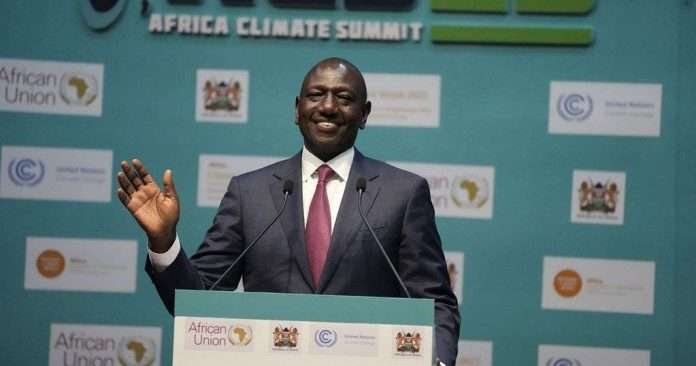
    Nairobi, Kenya – (African Boulevard News) – William Ruto, Kenya’s president, is facing a challenging first year in office as he struggles to fulfill his promises of economic revival. Kenyans, already burdened by increased taxes and soaring prices, are growing increasingly frustrated.

    One year ago, President Ruto took office with a strong mandate to improve the country’s economy and tackle the persistent issues of poverty and unemployment. However, his tenure has been marked by setbacks and unfulfilled promises, leading to growing discontent among the population.

    One of the key challenges President Ruto has faced is the issue of rising taxes. Kenyans, already struggling to make ends meet, have been hit hard by the introduction of new taxes and an increase in existing ones. This has led to a decrease in disposable income and a rise in the cost of living, which has in turn affected the purchasing power of the average citizen.

    Another pressing issue is the soaring prices of basic commodities. Inflation has been on the rise, making it increasingly difficult for Kenyans to afford even the most essential items. The cost of food, fuel, and housing has skyrocketed, putting an additional strain on an already struggling population.

    Industry experts and economists have expressed concerns about the impact of these challenges on the overall economy. Dr. Jane Kamau, an economic analyst, warns that “the combination of increased taxes and rising prices is creating a vicious cycle of economic decline. It is stifling investment and hindering economic growth.”

    President Ruto’s government has made efforts to address these issues through various measures, including price controls and subsidies. However, these measures have had limited success and have been criticized for being short-term solutions that do not address the root causes of the problem.

    Despite these challenges, President Ruto remains optimistic about the future. In a recent address to the nation, he acknowledged the difficulties faced by Kenyans but emphasized his commitment to finding long-term solutions. “We are facing challenges, but we will overcome them together,” he stated.

    As the first year of President Ruto’s term comes to a close, Kenyans are eagerly awaiting tangible results and the fulfillment of his promises. The economy remains a top priority for the government, and it is crucial that President Ruto takes swift and decisive action to alleviate the burden on the population.

    While the road ahead may be challenging, President Ruto has an opportunity to turn things around and restore faith in his leadership. It will require bold decisions, effective policies, and a relentless focus on improving the lives of ordinary Kenyans. Only time will tell if he can deliver on his vision for a prosperous and inclusive Kenya.