
Sunday, May 3, 2026
89.2 F
Lagos
More
    Home Blog Page 179

    Central African Republic: President Touadéra Seeks Vital Support from Macron as Nation Grapples with Security and Economic Crises

    0
    Read Time:2 Minute, 7 Second

    Bangui, Central African Republic – (African Boulevard News) – Central African Republic President, Faustin-Archange Touadéra, is set to meet with French President, Emmanuel Macron, in Paris on 13 September. The highly anticipated meeting will focus on a range of issues, including Gabon and security concerns.

    Gabon, a neighboring country of the Central African Republic, is expected to be a key topic of discussion. The two leaders will likely exchange views on the political situation in Gabon, which has recently undergone a change in leadership. The stability of Gabon is crucial for the security and stability of the entire region.

    Security issues will also take center stage during the meeting. The Central African Republic has long grappled with internal conflicts and violence, with armed groups wreaking havoc on the country. President Touadéra is expected to seek support from President Macron in addressing these pressing security challenges. The meeting provides an opportunity for both leaders to devise strategies to combat armed groups and promote peace and stability in the region.

    According to Africaintelligence.com, the meeting between Touadéra and Macron is part of a broader diplomatic effort by the Central African Republic to strengthen ties with France. The country is keen to attract more French investment and secure economic assistance. President Touadéra hopes to showcase the Central African Republic’s potential and discuss opportunities for French businesses to invest in the country’s infrastructure, mining, and agriculture sectors.

    The upcoming meeting between Touadéra and Macron underscores the importance of the Central African Republic in France’s foreign policy. France has historically maintained a strong presence in its former colonies in Africa, and the Central African Republic is no exception. The meeting provides an opportunity for President Macron to demonstrate France’s commitment to supporting stability and development in the region.

    Industry experts have expressed optimism about the outcome of the meeting. Jean-Pierre Ramazani, an analyst at a leading think tank, believes that the meeting could pave the way for increased international support for the Central African Republic. Ramazani said, “The meeting is an important step in addressing the security challenges faced by the Central African Republic. It provides an opportunity for President Touadéra to present his vision for the country’s future and seek assistance from France and other international partners.”

    As the Central African Republic strives to overcome its security and economic challenges, the meeting between Touadéra and Macron in Paris holds significant promise. The discussions are expected to lead to strengthened bilateral ties, increased international support, and ultimately a brighter future for the Central African Republic and its people.

    Central African Republic: President Touadéra Seeks Vital Support from Macron as Nation Grapples with Security and Economic Crises

    0
    Read Time:2 Minute, 7 Second

    Bangui, Central African Republic – (African Boulevard News) – Central African Republic President, Faustin-Archange Touadéra, is set to meet with French President, Emmanuel Macron, in Paris on 13 September. The highly anticipated meeting will focus on a range of issues, including Gabon and security concerns.

    Gabon, a neighboring country of the Central African Republic, is expected to be a key topic of discussion. The two leaders will likely exchange views on the political situation in Gabon, which has recently undergone a change in leadership. The stability of Gabon is crucial for the security and stability of the entire region.

    Security issues will also take center stage during the meeting. The Central African Republic has long grappled with internal conflicts and violence, with armed groups wreaking havoc on the country. President Touadéra is expected to seek support from President Macron in addressing these pressing security challenges. The meeting provides an opportunity for both leaders to devise strategies to combat armed groups and promote peace and stability in the region.

    According to Africaintelligence.com, the meeting between Touadéra and Macron is part of a broader diplomatic effort by the Central African Republic to strengthen ties with France. The country is keen to attract more French investment and secure economic assistance. President Touadéra hopes to showcase the Central African Republic’s potential and discuss opportunities for French businesses to invest in the country’s infrastructure, mining, and agriculture sectors.

    The upcoming meeting between Touadéra and Macron underscores the importance of the Central African Republic in France’s foreign policy. France has historically maintained a strong presence in its former colonies in Africa, and the Central African Republic is no exception. The meeting provides an opportunity for President Macron to demonstrate France’s commitment to supporting stability and development in the region.

    Industry experts have expressed optimism about the outcome of the meeting. Jean-Pierre Ramazani, an analyst at a leading think tank, believes that the meeting could pave the way for increased international support for the Central African Republic. Ramazani said, “The meeting is an important step in addressing the security challenges faced by the Central African Republic. It provides an opportunity for President Touadéra to present his vision for the country’s future and seek assistance from France and other international partners.”

    As the Central African Republic strives to overcome its security and economic challenges, the meeting between Touadéra and Macron in Paris holds significant promise. The discussions are expected to lead to strengthened bilateral ties, increased international support, and ultimately a brighter future for the Central African Republic and its people.
    Central African Republic: President Touadéra Seeks Vital Support from Macron as Nation Grapples with Security and Economic Crises

    0
    Read Time:2 Minute, 7 Second

    Bangui, Central African Republic – (African Boulevard News) – Central African Republic President, Faustin-Archange Touadéra, is set to meet with French President, Emmanuel Macron, in Paris on 13 September. The highly anticipated meeting will focus on a range of issues, including Gabon and security concerns.

    Gabon, a neighboring country of the Central African Republic, is expected to be a key topic of discussion. The two leaders will likely exchange views on the political situation in Gabon, which has recently undergone a change in leadership. The stability of Gabon is crucial for the security and stability of the entire region.

    Security issues will also take center stage during the meeting. The Central African Republic has long grappled with internal conflicts and violence, with armed groups wreaking havoc on the country. President Touadéra is expected to seek support from President Macron in addressing these pressing security challenges. The meeting provides an opportunity for both leaders to devise strategies to combat armed groups and promote peace and stability in the region.

    According to Africaintelligence.com, the meeting between Touadéra and Macron is part of a broader diplomatic effort by the Central African Republic to strengthen ties with France. The country is keen to attract more French investment and secure economic assistance. President Touadéra hopes to showcase the Central African Republic’s potential and discuss opportunities for French businesses to invest in the country’s infrastructure, mining, and agriculture sectors.

    The upcoming meeting between Touadéra and Macron underscores the importance of the Central African Republic in France’s foreign policy. France has historically maintained a strong presence in its former colonies in Africa, and the Central African Republic is no exception. The meeting provides an opportunity for President Macron to demonstrate France’s commitment to supporting stability and development in the region.

    Industry experts have expressed optimism about the outcome of the meeting. Jean-Pierre Ramazani, an analyst at a leading think tank, believes that the meeting could pave the way for increased international support for the Central African Republic. Ramazani said, “The meeting is an important step in addressing the security challenges faced by the Central African Republic. It provides an opportunity for President Touadéra to present his vision for the country’s future and seek assistance from France and other international partners.”

    As the Central African Republic strives to overcome its security and economic challenges, the meeting between Touadéra and Macron in Paris holds significant promise. The discussions are expected to lead to strengthened bilateral ties, increased international support, and ultimately a brighter future for the Central African Republic and its people.
    Central African Republic: President Touadéra Seeks Vital Support from Macron as Nation Grapples with Security and Economic Crises

    0
    Read Time:2 Minute, 7 Second

    Bangui, Central African Republic – (African Boulevard News) – Central African Republic President, Faustin-Archange Touadéra, is set to meet with French President, Emmanuel Macron, in Paris on 13 September. The highly anticipated meeting will focus on a range of issues, including Gabon and security concerns.

    Gabon, a neighboring country of the Central African Republic, is expected to be a key topic of discussion. The two leaders will likely exchange views on the political situation in Gabon, which has recently undergone a change in leadership. The stability of Gabon is crucial for the security and stability of the entire region.

    Security issues will also take center stage during the meeting. The Central African Republic has long grappled with internal conflicts and violence, with armed groups wreaking havoc on the country. President Touadéra is expected to seek support from President Macron in addressing these pressing security challenges. The meeting provides an opportunity for both leaders to devise strategies to combat armed groups and promote peace and stability in the region.

    According to Africaintelligence.com, the meeting between Touadéra and Macron is part of a broader diplomatic effort by the Central African Republic to strengthen ties with France. The country is keen to attract more French investment and secure economic assistance. President Touadéra hopes to showcase the Central African Republic’s potential and discuss opportunities for French businesses to invest in the country’s infrastructure, mining, and agriculture sectors.

    The upcoming meeting between Touadéra and Macron underscores the importance of the Central African Republic in France’s foreign policy. France has historically maintained a strong presence in its former colonies in Africa, and the Central African Republic is no exception. The meeting provides an opportunity for President Macron to demonstrate France’s commitment to supporting stability and development in the region.

    Industry experts have expressed optimism about the outcome of the meeting. Jean-Pierre Ramazani, an analyst at a leading think tank, believes that the meeting could pave the way for increased international support for the Central African Republic. Ramazani said, “The meeting is an important step in addressing the security challenges faced by the Central African Republic. It provides an opportunity for President Touadéra to present his vision for the country’s future and seek assistance from France and other international partners.”

    As the Central African Republic strives to overcome its security and economic challenges, the meeting between Touadéra and Macron in Paris holds significant promise. The discussions are expected to lead to strengthened bilateral ties, increased international support, and ultimately a brighter future for the Central African Republic and its people.

    Central African Republic: President Touadéra Seeks Vital Support from Macron as Nation Grapples with Security and Economic Crises

    0
    Read Time:2 Minute, 7 Second

    Bangui, Central African Republic – (African Boulevard News) – Central African Republic President, Faustin-Archange Touadéra, is set to meet with French President, Emmanuel Macron, in Paris on 13 September. The highly anticipated meeting will focus on a range of issues, including Gabon and security concerns.

    Gabon, a neighboring country of the Central African Republic, is expected to be a key topic of discussion. The two leaders will likely exchange views on the political situation in Gabon, which has recently undergone a change in leadership. The stability of Gabon is crucial for the security and stability of the entire region.

    Security issues will also take center stage during the meeting. The Central African Republic has long grappled with internal conflicts and violence, with armed groups wreaking havoc on the country. President Touadéra is expected to seek support from President Macron in addressing these pressing security challenges. The meeting provides an opportunity for both leaders to devise strategies to combat armed groups and promote peace and stability in the region.

    According to Africaintelligence.com, the meeting between Touadéra and Macron is part of a broader diplomatic effort by the Central African Republic to strengthen ties with France. The country is keen to attract more French investment and secure economic assistance. President Touadéra hopes to showcase the Central African Republic’s potential and discuss opportunities for French businesses to invest in the country’s infrastructure, mining, and agriculture sectors.

    The upcoming meeting between Touadéra and Macron underscores the importance of the Central African Republic in France’s foreign policy. France has historically maintained a strong presence in its former colonies in Africa, and the Central African Republic is no exception. The meeting provides an opportunity for President Macron to demonstrate France’s commitment to supporting stability and development in the region.

    Industry experts have expressed optimism about the outcome of the meeting. Jean-Pierre Ramazani, an analyst at a leading think tank, believes that the meeting could pave the way for increased international support for the Central African Republic. Ramazani said, “The meeting is an important step in addressing the security challenges faced by the Central African Republic. It provides an opportunity for President Touadéra to present his vision for the country’s future and seek assistance from France and other international partners.”

    As the Central African Republic strives to overcome its security and economic challenges, the meeting between Touadéra and Macron in Paris holds significant promise. The discussions are expected to lead to strengthened bilateral ties, increased international support, and ultimately a brighter future for the Central African Republic and its people.
    Ethiopia: Inflation Shadows Festivities as Essential Grocery Prices Soar, Threatening the Spirit of Celebration

    0
    Read Time:1 Minute, 58 Second

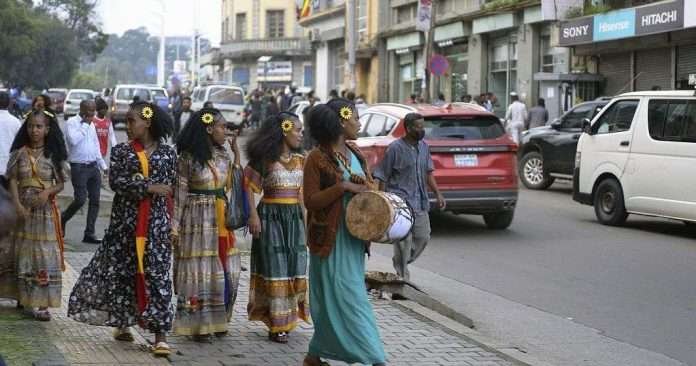
    Addis Ababa, Ethiopia – (African Boulevard News) – Ethiopians celebrated the Coptic New Year amid the grip of persistent inflation that continues to burden the nation’s economy. The streets of Addis Ababa came alive with vibrant stalls and festive decorations, but behind the cheerful facade, the soaring prices of essential groceries cast a shadow over the festivities.

    Inflation has been a pressing issue for Ethiopia, with the prices of everyday commodities skyrocketing in recent months. Onions, chickens, and other basic food items have become increasingly unaffordable for many Ethiopians, who are grappling with the burden of rising living costs.

    According to recent reports, the inflation rate in Ethiopia reached a staggering 25% in the past year, making it one of the highest in the region. This alarming figure has left many citizens struggling to make ends meet and has taken a toll on the economy as a whole.

    Speaking about the issue, economic expert Dr. Yared Eshetu emphasized the severity of the situation. He said, “Persistent inflation not only erodes the purchasing power of individuals but also has a detrimental effect on businesses, investments, and overall economic growth. It is crucial for the government to implement effective measures to tackle this pressing issue.”

    Despite the economic challenges, Ethiopians have not let inflation dampen their spirits as they come together to celebrate the Coptic New Year, known as Enkutatash. This holiday holds deep cultural and religious significance for the country, marking the end of the rainy season and the start of a new year.

    The celebrations in Addis Ababa featured vibrant parades, traditional music, and dancing, creating an atmosphere of joy and unity. Families and friends gathered to exchange gifts and share meals, emphasizing the importance of togetherness during challenging times.

    As Ethiopia looks to the future, it is essential for the government to address the issue of inflation and its impact on the daily lives of its citizens. Implementing effective monetary policies, promoting sustainable economic growth, and providing support to vulnerable communities can help alleviate the burden of inflation and create a better future for all.

    In the face of persistent inflation, Ethiopians remain resilient and determined to celebrate their cultural traditions. The Coptic New Year festivities serve as a reminder of the country’s rich heritage and the strength of its people, showcasing their ability to find joy and hope even in the most challenging circumstances.

    Tunisia: A Game-Changer in the Fight Against Irregular Migration – EU Commission Defends Partnership Amidst Criticism

    0
    Read Time:2 Minute, 14 Second

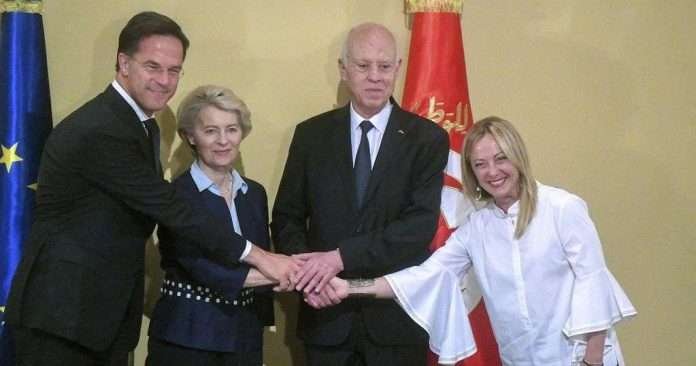
    Tunis, Tunisia – (African Boulevard News) – The European Commission has come forward to defend its migration partnership with Tunisia amidst criticism from Members of the European Parliament (MEPs). The Commission stated that the cooperation with Tunisia has yielded positive results in managing migration flows.

    The partnership, which was signed in July, aims to enhance collaboration between the European Union (EU) and Tunisia to address migration challenges effectively. By working together, the EU and Tunisia seek to tackle irregular migration, improve border management, and enhance opportunities for legal migration.

    Critics of the partnership have argued that it fails to address the root causes of migration and does not provide adequate support to Tunisian migrants. However, the European Commission has emphasized that the collaboration has yielded tangible results.

    “We recognize that migration is a complex issue with no easy solutions. The partnership with Tunisia has allowed us to make progress in managing migration flows and addressing the challenges faced by both Tunisia and the EU,” said a spokesperson from the European Commission.

    Since the launch of the partnership, Tunisia has strengthened its efforts to combat irregular migration. The country has increased its border surveillance capabilities, resulting in a significant reduction in the number of migrants attempting to cross the Mediterranean Sea.

    Additionally, Tunisia has improved its reception and support services for migrants, ensuring their safety and well-being. The country has also taken steps to enhance legal migration opportunities, allowing individuals to migrate through official channels, thus reducing the reliance on irregular pathways.

    The European Commission believes that the partnership is a testament to the EU’s commitment to supporting countries facing migration challenges, rather than solely focusing on border control measures.

    “We understand the importance of addressing the underlying causes of migration and providing support to countries like Tunisia. Our migration partnership is built on a comprehensive approach that combines border management with socio-economic development and support for governance reforms,” the spokesperson explained.

    While the EU Commission acknowledges that there is still work to be done, it remains confident in the effectiveness of the partnership. The Commission is committed to continuing the collaboration with Tunisia and other countries in the region to ensure a comprehensive and sustainable approach to migration management.

    As the EU Commission defends its migration partnership with Tunisia, it is clear that the cooperation has yielded positive results in managing migration flows and addressing the challenges faced by both Tunisia and the EU. By working together, the two entities have made significant progress in combating irregular migration, enhancing border management, and creating opportunities for legal migration. This partnership showcases the EU’s commitment to addressing the root causes of migration and providing comprehensive support to countries in need.

    Morocco: Earthquake Tragedy Reveals Country’s Bold Stand for Independence and Regional Power

    0
    Read Time:2 Minute, 13 Second

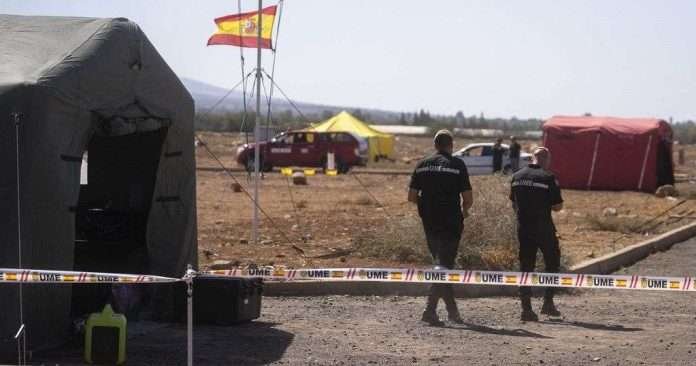
    Rabat, Morocco – (African Boulevard News) – The recent earthquake in Morocco has not only shaken the country physically but has also served as a turning point in its regional aspirations. Experts suggest that Morocco’s reluctance to accept help from France in the aftermath of the disaster has highlighted its desire to establish itself as a self-reliant and independent nation.

    The earthquake, which struck the northern region of the country, has caused widespread destruction and claimed the lives of many. However, despite the scale of the disaster, Morocco has chosen to handle the crisis on its own, refusing international aid offers from France.

    Former president of Action Against Hunger, Claire Shandley, believes that Morocco’s decision is a significant moment in the country’s international relations. She states, “Morocco’s refusal of assistance from France demonstrates its determination to assert itself as a capable and independent nation, willing to tackle challenges on its own.”

    Morocco has indeed been actively pursuing a regional leadership role in recent years, with ambitious development plans and diplomatic initiatives. The country aims to strengthen its influence and become a regional economic and political powerhouse. By rejecting external aid, Morocco is sending a clear message that it wants to rely on its own resources and capabilities to overcome adversities.

    This stance has garnered mixed reactions. Some view it as a courageous move, showcasing Morocco’s determination to stand on its own feet. Others, however, express concerns about the potential repercussions of rejecting assistance, especially in the face of such a devastating natural disaster.

    As Morocco continues to grapple with the aftermath of the earthquake, it remains to be seen how this decision will shape the country’s future. Will it strengthen Morocco’s regional aspirations or hinder its progress on the international stage?

    For now, the Moroccan government is focusing on immediate relief efforts, providing aid and support to affected communities. The resilience and solidarity demonstrated by the Moroccan people in the face of this tragedy are commendable.

    Morocco’s rejection of external assistance serves as a reminder that the country is determined to navigate its own course and assert its position in the region. As the recovery efforts continue, it is crucial for Morocco to strike a balance between self-reliance and international cooperation, leveraging its regional aspirations to build a resilient and prosperous future.

    In conclusion, the earthquake in Morocco has become a turning point for the country’s regional aspirations. By refusing help from France, Morocco is signaling its desire to establish itself as an independent nation. As recovery efforts continue, it is imperative for Morocco to find a balance between self-reliance and international cooperation, ensuring its regional aspirations align with its long-term development goals.

    Africa: Small Island Nations Fight for Survival as UN Maritime Court Considers Labeling Greenhouse Gas Emissions as Pollution

    0
    Read Time:2 Minute, 27 Second

    Diaspora, Africa – (African Boulevard News) – Small island nations are turning to the UN maritime court in their latest effort to combat the devastating effects of climate change. These nations, which are particularly vulnerable to rising sea levels and extreme weather events, are seeking a legal solution that could help protect their livelihoods and the future of their communities.

    The small island nations, including Seychelles, Maldives, and Tuvalu, are calling on the UN International Tribunal for the Law of the Sea (ITLOS) to label the greenhouse gas emissions absorbed by the oceans as pollution. They argue that these emissions, which are largely generated by industrialized nations, contribute to the warming of the planet and the subsequent increase in sea levels.

    “By categorizing these emissions as pollution, we hope to hold the major polluters accountable for the damage they are causing to our islands and our way of life,” said the Minister of Environment and Energy of Maldives, Hassan Ahmed. “We cannot bear the burden of climate change alone. We need the international community to step up and take action.”

    The small island nations argue that the consequences of climate change are not limited to their territories alone but reverberate across borders, affecting the global community as a whole. They believe that by bringing the issue before the UN maritime court, they will be able to rally international support and raise awareness about the urgent need for action.

    Experts in the field of environmental law and international relations are cautiously optimistic about the small island nations’ chances of success. They acknowledge the legal complexities surrounding climate change and the potential challenges in attributing responsibility to specific countries. However, they also recognize the importance of the case in setting a precedent for future climate-related disputes.

    “The small island nations are making a compelling argument in seeking the classification of greenhouse gas emissions as pollution,” commented Professor Eve Thompson, an expert in international environmental law. “If successful, this could serve as a wake-up call to the international community and spur increased efforts to mitigate climate change and support affected nations.”

    While the outcome of the case is uncertain, the small island nations remain hopeful that their plea for help will be heard by the UN maritime court. They understand the gravity of their situation and are taking every possible avenue to ensure the survival of their communities and cultures.

    As the world grapples with the growing effects of climate change, it is crucial for the global community to stand in solidarity with these small island nations. Their fight for recognition and support before the UN maritime court serves as a stark reminder of the urgent need for collective action to combat climate change and protect the most vulnerable among us.

    Sources:
    – Africanews: https://www.africanews.com/2023/09/12/small-island-nations-seek-help-on-climate-change-from-un-maritime-court/
    – Google Search: Small island nations seek help on climate change from UN maritime court

    Mali: Strategic Town Falls to Armed Groups, Threatening Regional Stability and Lives

    0
    Read Time:2 Minute, 17 Second

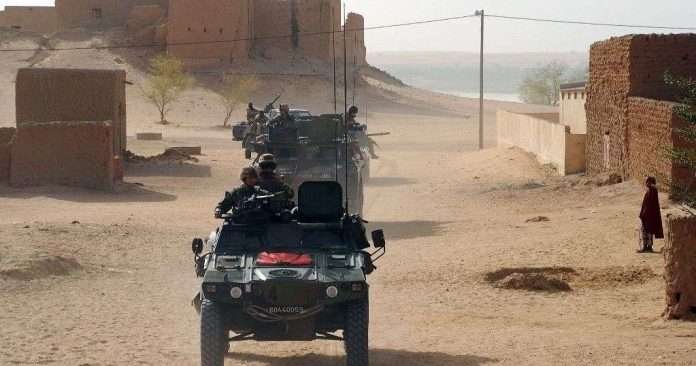
    Bamako, Mali – (African Boulevard News) – In a shocking development, armed groups from northern Mali announced their capture of the strategically important town of Bourem, situated between Gao and Timbuktu. The capture came after intense fighting with the Malian army, with the armed groups claiming victory in a statement released on Tuesday.

    The armed groups, believed to be affiliated with jihadist organizations, have been gaining significant ground in northern Mali in recent months. This latest capture of Bourem marks a dangerous escalation of their activities and raises concerns about the deteriorating security situation in the region.

    The town of Bourem, located on the banks of the Niger River, has long been seen as a crucial outpost for the Malian army in its efforts to combat the spread of armed groups in the north. Its capture could have severe implications for the stability of the entire region.

    The armed groups’ statement claims that they were able to overpower the Malian army through a combination of superior military tactics and local support. However, the Malian government has not yet officially confirmed the capture of Bourem, and it remains unclear how the situation will unfold in the coming days.

    Experts and analysts warn that the capture of Bourem could potentially disrupt the supply lines between Gao and Timbuktu, two other key towns in the region. It could also embolden the armed groups and encourage further attacks, exacerbating the already dire humanitarian situation in northern Mali.

    “The capture of Bourem signifies a significant setback for the Malian government and the international community’s efforts to restore peace and security in the region,” said Dr. Aisha Diallo, an expert on security issues in West Africa. “It is a clear indication that the armed groups are gaining strength and pose a serious threat to the stability of the entire Sahel region.”

    The Malian government, backed by international partners, has been struggling to maintain control over the vast northern territories since 2012 when armed groups, including jihadist organizations, took advantage of a power vacuum to seize control. Despite efforts to establish a peace agreement and deploy peacekeeping forces, the situation remains highly volatile.

    As the news of Bourem’s capture spreads, there are growing calls for immediate action to address the escalating crisis in northern Mali. The international community must step up its support for the Malian government and regional security initiatives to prevent further destabilization and safeguard the lives and livelihoods of the local population.

    The capture of Bourem is a stark reminder of the challenges that Mali continues to face in its quest for stability. With armed groups gaining territory and influence, urgent and concerted action is needed to address the underlying issues fueling the conflict and to prevent further escalations in the already fragile region.