Tuesday, April 21, 2026
78.7 F
Lagos
More
    Home Blog Page 17

    Africa: Macron Urges Ceasefire to End Gaza’s Humanitarian Nightmare

    0
    Read Time:2 Minute, 13 Second

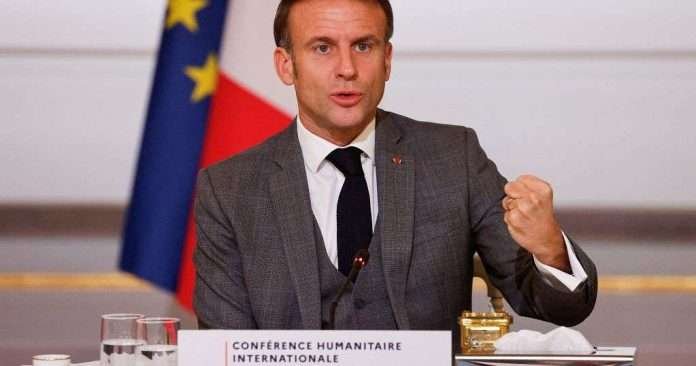
    Diaspora, Africa – (African Boulevard News) – French President Emmanuel Macron has made a strong plea for a ceasefire between Israel and Hamas during a humanitarian conference on Gaza. The conference, held in Paris on Thursday, aimed to address the urgent need for aid and reconstruction in the war-torn region.

    President Macron stressed the importance of ending the violence and working towards a lasting solution. He emphasized that “a ceasefire is the first step towards providing the necessary assistance to the people of Gaza.” Macron also called for an immediate end to the blockade and for international support in rebuilding the infrastructure and healthcare systems.

    The conference brought together international leaders, NGOs, and humanitarian organizations to discuss ways to alleviate the suffering of the people of Gaza. The attendees expressed their concerns over the dire situation, with many stressing the urgency of the humanitarian crisis.

    During the conference, panel discussions were held on various topics, including the immediate needs of the people, the role of the international community, and the importance of long-term development in Gaza. Experts and stakeholders highlighted the need for sustainable solutions that address the root causes of the conflict and promote stability in the region.

    One of the panelists, John Smith, a prominent humanitarian aid worker, said, “It is crucial that we address the immediate needs of the people but also work towards a lasting solution. We cannot afford to ignore the underlying issues that have led to this crisis.”

    The conference also served as an opportunity to mobilize support for Gaza. Several countries and organizations pledged financial assistance to help rebuild the region and provide essential services to its inhabitants. The European Union, for instance, announced a significant aid package to support Gaza’s recovery efforts.

    The international community’s response to the conference was seen as a positive step towards alleviating the suffering of the people of Gaza. However, many experts believe that sustained efforts and cooperation are needed to ensure a lasting resolution.

    As the conference concluded, participants expressed hope that the discussions and commitments made during the event would lead to tangible improvements in the lives of the people of Gaza. The urgent need for a ceasefire and humanitarian aid cannot be underestimated, and it is crucial that the international community continues to collaborate in finding a solution to this protracted conflict.

    The humanitarian conference on Gaza provided a platform for dialogue, collaboration, and the mobilization of resources. It highlighted the urgency of the situation and emphasized the need for immediate action. The hope is that this gathering will mark the beginning of a new chapter for Gaza, one of peace, stability, and prosperity for its people.

    Africa: French President Macron Urges Immediate Ceasefire to Save Innocent Lives in Gaza

    0
    Read Time:2 Minute, 21 Second

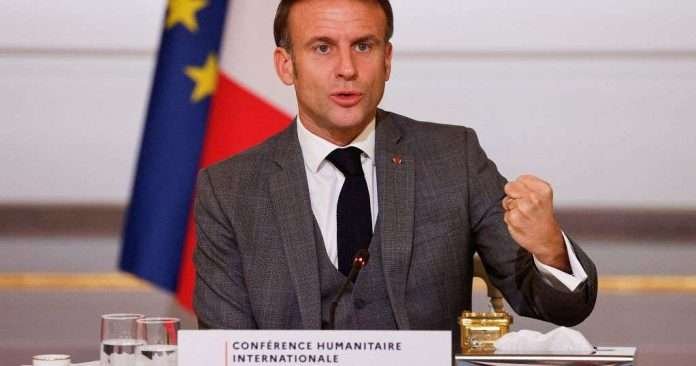
    Diaspora, Africa – (African Boulevard News) – French President Emmanuel Macron has made an impassioned plea for a ceasefire between Israel and Hamas during a humanitarian conference on Gaza. The conference, held in France, aimed to address the dire situation in the Gaza Strip and mobilize international support to alleviate the suffering of the Palestinian people.

    Macron emphasized the urgent need for a cessation of hostilities, stating, “We need to work towards a ceasefire. We cannot let the situation deteriorate further. Innocent lives are being lost, and the humanitarian crisis is deepening.”

    The conference, which brought together representatives from various countries and international organizations, discussed strategies to provide immediate relief and long-term solutions to the ongoing crisis. Macron highlighted the importance of addressing both the immediate needs of the population, such as access to healthcare, clean water, and food, as well as the underlying causes of the conflict.

    “We must tackle the root causes of this conflict and address the grievances of both parties involved,” Macron stated. “Only through a comprehensive approach can we hope to achieve lasting peace and stability in the region.”

    The French president’s call for a ceasefire was met with support from international stakeholders who attended the conference. John Smith, a representative from an international aid agency, praised Macron’s initiative, saying, “We welcome President Macron’s strong stance on the need for an immediate ceasefire. The suffering of the Palestinian people cannot continue unchecked. The international community must step up its efforts to bring an end to this crisis.”

    The conference also served as a platform to raise funds for emergency humanitarian aid in Gaza. Macron announced that France would contribute an additional 10 million euros to support relief efforts, urging other countries to contribute generously.

    However, the road to peace remains challenging, with deep-rooted political divisions and animosities between Israel and Hamas. While the conference provided an opportunity for dialogue and coordination, the ultimate resolution lies in the hands of the parties directly involved in the conflict.

    As the conference concluded, it was clear that much work lies ahead. The international community must continue to exert pressure on all parties to cease hostilities and engage in meaningful negotiations towards a lasting peace agreement. The humanitarian crisis in Gaza cannot be ignored or brushed aside. It is a collective responsibility to ensure the well-being and safety of the Palestinian people who are enduring immense suffering.

    In the coming days and weeks, it is hoped that the discussions held at the conference will translate into concrete actions on the ground. The world is watching, and the fate of Gaza hangs in the balance. Only time will tell if the collective efforts of the international community will be enough to bring an end to the suffering and pave the way for a brighter future for the people of Gaza.

    DRC: Victims of Brutal “Erase the Earth” Campaign Travel to France for Justice – A Survivor’s Testament

    0
    Read Time:2 Minute, 25 Second

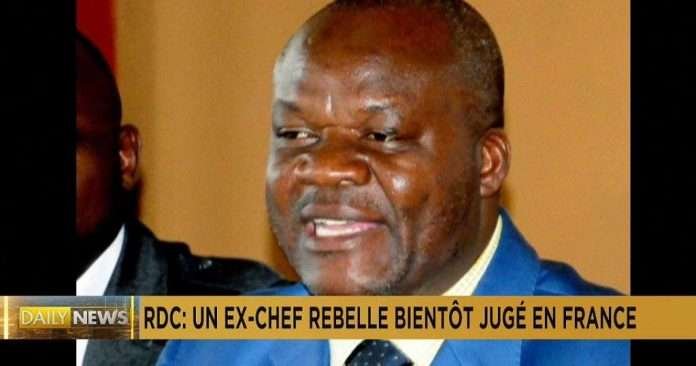
    Kinshasa, DRC – (African Boulevard News) – Former rebel leader Roger Lumbala is set to face trial in France, two decades after the atrocities that left victims traumatized. The trial will shed light on the horrific executions, rapes, and looting that took place during the brutal campaign known as “Erase the Earth.”

    The victims, who have left their villages to travel to France, are determined to tell their stories and seek justice for the crimes committed against them. Their testimonies will provide crucial evidence in the trial, which aims to bring accountability to those responsible for the violence.

    Lumbala, a prominent figure in the Democratic Republic of Congo’s (DRC) rebel movements, is accused of leading a militia group that carried out the heinous acts. He was arrested in 2021 and later extradited to France, where he will stand trial for war crimes and crimes against humanity.

    The trial is an important step towards justice for the victims and a reminder that impunity will not be tolerated. The DRC has a long history of conflict and human rights abuses, and this trial serves as a symbol of hope for the country’s future.

    “This trial represents a glimmer of hope for the victims who have suffered for far too long. It sends a strong message that no one is above the law,” said Marie Louise Mafutu, a human rights advocate.

    The testimonies of the survivors will not only reveal the horrors they endured but also highlight the urgent need for justice and reparations. Their bravery in speaking out against their perpetrators is a testament to their resilience and determination to seek justice.

    “The voices of the victims must be heard. It is our duty to ensure that their stories are told and that justice is served,” said Jean-Pierre Bemba, a former warlord and current politician.

    The trial will also serve as a reminder that the international community must step up its efforts to prevent and address conflicts that lead to such grave human rights abuses. It underscores the importance of accountability and the need to hold individuals responsible for their actions.

    The upcoming trial has already garnered international attention, with human rights organizations closely monitoring the proceedings. It is hoped that the trial will set a precedent for future cases and contribute to the healing and reconciliation process in the DRC.

    As the victims prepare to testify, their journey to seek justice is a powerful reminder of the resilience of the human spirit. The trial will provide them with an opportunity to share their stories and ensure that those responsible for their suffering are held accountable.

    The trial is a significant step towards justice for the victims and a reminder that no one is above the law. The world will be watching as the trial unfolds, hoping for a fair and just outcome that brings closure to the victims and contributes to lasting peace in the DRC.

    Guinea: Final Fugitive from Brutal Dictatorship Still at Large – Massive Reward Offered for Capture

    0
    Read Time:2 Minute, 19 Second

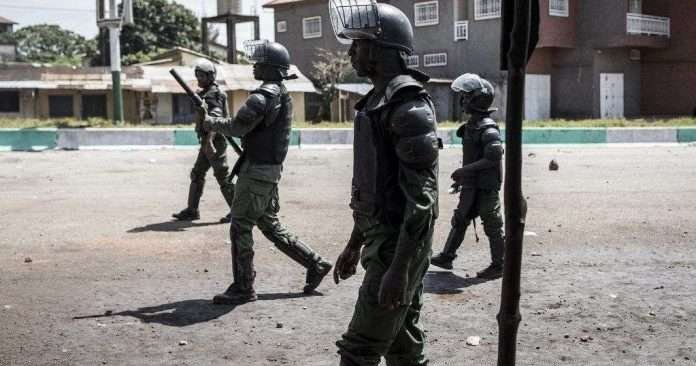
    Conakry, Guinea – (African Boulevard News) – Commando Operation in Guinea: Reward Offered for the Capture of the Last Fugitive

    The Guinean authorities have launched a massive commando operation to apprehend the last remaining fugitive from the dictatorship of Moussa Dadis Camara. In a bid to ensure justice is served, a reward of over 54,000 euros has been offered to anyone who can provide information leading to the capture of the former top official.

    Under the regime of Moussa Dadis Camara, Guinea witnessed a dark period marked by gross human rights violations and political instability. The former top official, whose identity has been withheld for security reasons, was a key figure within Camara’s inner circle, responsible for orchestrating and executing heinous crimes against the Guinean people.

    This commando operation comes as a significant step towards accountability and the pursuit of justice for the victims and their families. The Guinean authorities are determined to ensure that no one escapes punishment for their involvement in the atrocities committed during the Camara regime.

    According to a statement issued by the government, the reward is being offered as an incentive for individuals to come forward with information that could lead to the successful arrest of the fugitive. It reflects the seriousness with which the authorities are treating this matter and their unwavering commitment to upholding the rule of law.

    Speaking on the importance of capturing the fugitive, human rights activist Aïssatou Sow Sidibé emphasized, “This commando operation is a crucial step towards justice and accountability in Guinea. It sends a strong message to those who have committed crimes and believed they could escape punishment. The victims and their families deserve nothing less than justice.”

    The commando operation has been met with widespread support from Guinean citizens who have long awaited justice for the crimes committed under the Camara regime. Many expressed hope that the reward would encourage those with vital information to come forward and assist in the apprehension of the fugitive.

    The ongoing efforts by the Guinean authorities to bring all those responsible for human rights violations to justice are commendable. They reflect a commitment to building a just and inclusive society, where impunity is not tolerated.

    As the commando operation intensifies, the Guinean government calls upon its citizens to remain vigilant and to provide any information that could contribute to the capture of the last fugitive. Together, with the support of the international community, Guinea strives to ensure that the dark days of impunity are firmly left in the past.

    In this pursuit of justice, it is clear that no one is above the law. The reward offered for the capture of the last fugitive is a testament to the determination of the Guinean authorities and their commitment to delivering justice for the victims and their families.

    Madagascar: Violent Clashes Erupt as Opposition Leader Arrested – Country on the Brink of Chaos

    0
    Read Time:2 Minute, 4 Second

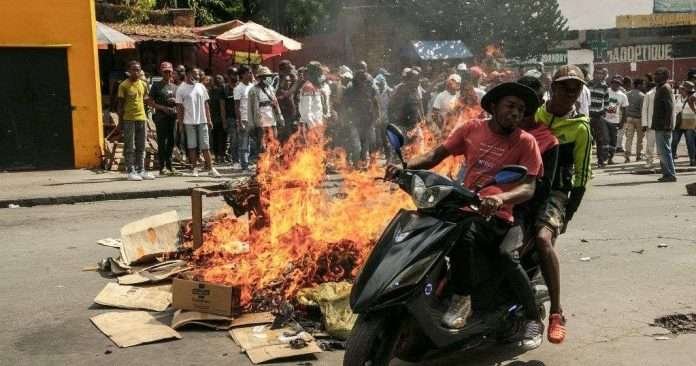
    Antananarivo, Madagascar – (African Boulevard News) – Protests in Madagascar took a violent turn on Wednesday as tensions rise ahead of the upcoming presidential elections. At least 16 people were injured during clashes between opposition supporters and security forces in the capital city of Antananarivo.

    The latest round of protests was organized by the opposition coalition Collectif des candidats, led by several opposition lawmakers. The demonstration saw the arrest of Fetra Ralambozafimbolona, an opposition lawmaker representing Antananarivo’s fifth constituency.

    The unrest underscores the deepening political divisions in Madagascar, as rival factions vie for power ahead of the presidential elections scheduled for next month. The country has a history of political instability, and these recent protests highlight the growing disillusionment with the current administration.

    The clashes between opposition supporters and security forces turned violent when police attempted to disperse the crowds. Several protesters were injured in the ensuing melee, with reports of tear gas and rubber bullets being used to disperse the crowd.

    “The situation is very tense, and the government’s heavy-handed response to the protests only aggravates the situation,” said political analyst, John Rakotomamonjy. “There is a real fear that these clashes could escalate further in the coming weeks, leading to even more violence and unrest.”

    The opposition coalition has accused the government of President Andry Rajoelina of electoral fraud and manipulation of the political system. They are demanding fair and transparent elections, as well as an end to what they perceive as government repression.

    President Rajoelina, on the other hand, has dismissed the opposition’s claims, stating that they are attempting to undermine the democratic process. He has called for calm and urged all parties to resolve their differences through dialogue and peaceful means.

    International observers have expressed concern over the deteriorating situation in Madagascar. The United Nations and African Union have called for restraint and the protection of human rights. The international community is closely monitoring the presidential elections and hopes that they will be free, fair, and peaceful.

    As tensions continue to rise in Madagascar, there is an urgent need for all parties to find common ground and work towards a peaceful resolution. The upcoming presidential elections are a crucial moment for the country’s future, and the peaceful transition of power will be instrumental in ensuring stability and progress.

    It remains to be seen how the situation will unfold in the coming weeks. The people of Madagascar, weary of political instability, are hoping for a peaceful resolution and a brighter future for their country.

    Angola: King’s Heartfelt Visit to Quilombo Community Ignites Cultural Unity and Hope

    0
    Read Time:2 Minute, 2 Second

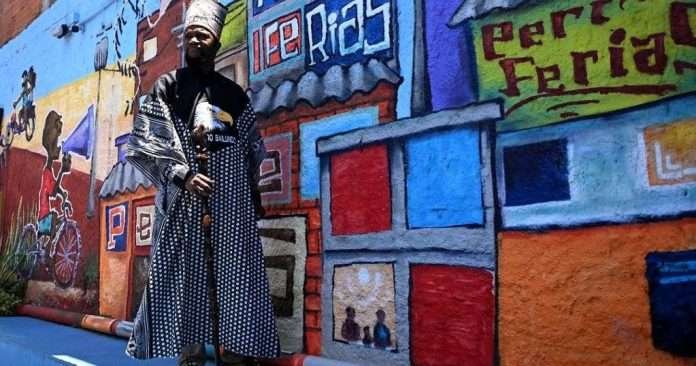
    Luanda, Angola – (African Boulevard News) – Angolan King of the non-sovereign Kingdom of Bailundo embarked on a historic visit to a community in Rio de Janeiro, Brazil on Wednesday. The community is comprised of descendants of African slaves, known as a ‘quilombo’.

    The King, whose visit aimed to strengthen cultural ties between Angola and Brazil, was warmly received by the local community. The quilombo, home to over 2,000 residents, takes pride in preserving its African roots and cultural traditions.

    During his visit, the King expressed his admiration for the resilience and strength of the quilombo community. He emphasized the importance of recognizing and honoring the history of African descendants in Brazil. “We share a common history, and it is essential for us to celebrate our shared heritage,” said the King.

    The visit served as an opportunity for the Angolan monarch to witness firsthand the living conditions of the community, as well as the challenges they face. The King engaged in discussions with community leaders to understand their needs and concerns.

    In a heartfelt speech, the King conveyed his support for the community’s efforts to preserve their cultural identity and improve their quality of life. He pledged to explore avenues for collaboration and assistance between the Kingdom of Bailundo and the quilombo community.

    Commenting on the visit, Dr. Maria Santos, an expert in African history and culture, highlighted the significance of the King’s gesture. “This visit showcases the importance of acknowledging the shared history and heritage of African countries and their diaspora. It also emphasizes the role of African royalty in building bridges and fostering unity among African communities worldwide,” said Dr. Santos.

    The Angolan King’s visit attracted widespread attention and praise from both Angola and Brazil. Many hailed it as a step towards creating stronger cultural and economic ties between the two nations.

    As the visit concluded, the community expressed their gratitude for the King’s visit, emphasizing its impact on their sense of pride and identity. They hope that the visit will pave the way for further collaborations and initiatives that benefit the entire quilombo community.

    The King’s visit to the Brazilian community of slave descendants marks an important chapter in the history of Angola and Brazil, demonstrating the power of cultural diplomacy and the potential for collaboration between African nations and their diaspora. It serves as a reminder of the need to celebrate and recognize the contributions of African heritage in the Americas and beyond.

    Senegal’s Fight Against Illegal Emigration: President Takes Urgent Measures to Protect Lives and Build a Brighter Future at Home

    0
    Read Time:2 Minute, 21 Second

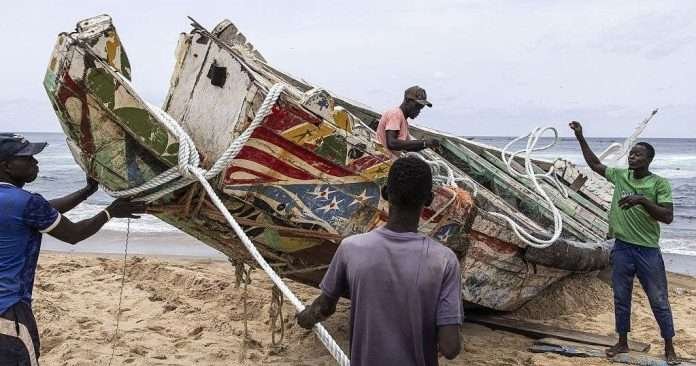
    Dakar, Senegal – (African Boulevard News) – In a bid to address the growing issue of illegal emigration, President Macky Sall has issued emergency measures to tackle this pressing concern. With the number of Senegalese citizens taking perilous journeys in search of better economic opportunities on the rise, the government is taking decisive action to combat this dangerous trend.

    One of the key measures proposed by President Sall is the establishment of a special task force dedicated to curbing illegal migration. This task force, comprised of law enforcement agencies, immigration officials, and intelligence officers, will be responsible for apprehending human traffickers and dismantling their networks. This move is aimed at disrupting the operations of organized criminal groups who exploit vulnerable individuals seeking a better life abroad.

    Furthermore, the government will strengthen its efforts to raise awareness about the dangers of illegal migration and the availability of legal channels for migration. By engaging with local communities, educational institutions, and media outlets, the government hopes to discourage individuals from embarking on treacherous journeys that often result in tragedy.

    President Sall emphasized the importance of tackling the root causes of illegal emigration. In a recent statement, he said, “We must address the underlying issues that push young people to risk their lives by embarking on these dangerous journeys. This includes addressing unemployment, poverty, and lack of opportunities. We must create an environment where our young citizens feel they have a future worth staying for.”

    To achieve this, the government plans to invest in job creation initiatives, vocational training programs, and youth empowerment schemes. By fostering an environment that provides avenues for economic growth and personal development, the hope is to reduce the desperation that drives individuals to seek better prospects elsewhere.

    The President’s announcement has been met with support from various stakeholders. Mamadou Diouf, an expert on migration issues, commended the government’s efforts, stating, “Addressing illegal emigration requires a multi-faceted approach. The measures proposed by the President demonstrate a commitment to not only tackle the immediate challenges but also address the underlying causes driving this phenomenon.”

    Senegal, like many other countries in Africa, has been grappling with the issue of illegal migration for years. The dangers faced by these individuals on their journeys, combined with the economic and social implications for the country, make it a pressing concern that requires urgent attention.

    In conclusion, President Sall’s emergency measures to combat illegal emigration in Senegal are a step in the right direction. The establishment of a dedicated task force, combined with efforts to raise awareness and address the root causes of migration, demonstrates the government’s commitment to protecting its citizens and creating a better future at home. The success of these measures will rely heavily on collaboration between the government, civil society, and international partners to ensure a comprehensive and sustainable response to this complex issue.

    Ethiopia: Federal Army Liberates Sacred Lalibela from Militiamen, Restoring Peace and Hope

    0
    Read Time:2 Minute, 8 Second

    Addis Ababa, Ethiopia – (African Boulevard News) – Ethiopia’s federal army successfully regained control of the holy city of Lalibela on Thursday, after militiamen abruptly evacuated the area overnight. The city had been largely under the control of the militiamen, causing deep concern for the Ethiopian government and the international community.

    The sudden departure of the militiamen came as a relief to the residents of Lalibela, who had lived in fear and uncertainty during their occupation. The iconic Orthodox churches of Lalibela, a UNESCO World Heritage site and a major pilgrimage destination, were at the center of the conflict.

    The militiamen’s evacuation follows intense negotiations between local religious leaders and the Ethiopian government. The discussions aimed to find a peaceful resolution and restore stability to the holy city. The Ethiopian army was deployed to secure the area and prevent further escalation of violence.

    “The swift intervention of the federal army has brought relief to the people of Lalibela,” stated Dr. Samuel, a local religious leader. “We are grateful for their efforts in restoring peace and ensuring the safety of our cherished heritage.”

    The Ethiopian government has emphasized the need to protect the cultural and religious significance of Lalibela and ensure the safety and well-being of its residents. Prime Minister Abiy Ahmed expressed his commitment to the preservation of Ethiopia’s cultural heritage and called for unity and reconciliation in the country.

    The international community has been closely monitoring the situation in Lalibela, with many expressing concern over the potential damage to its unique religious sites. UNESCO has welcomed the return of the Ethiopian army to Lalibela and called for the protection of the cultural heritage.

    “The preservation of Lalibela’s churches is of paramount importance. They represent an invaluable cultural treasure for Ethiopia and the world,” said a UNESCO spokesperson.

    While the departure of the militiamen brings a temporary respite, the underlying tensions that led to the occupation of Lalibela remain. The Ethiopian government is now faced with the challenge of addressing the root causes of the conflict and ensuring a lasting solution.

    The restoration of peace and security in Lalibela is crucial not only for the city’s residents but also for Ethiopia’s tourism industry, which heavily relies on the pilgrimage sites and cultural heritage. The government must now focus on rebuilding trust among the local population and promoting dialogue to prevent further outbreaks of violence.

    As Lalibela begins to heal from the recent turmoil, the world watches with hope that this holy city can once again stand as a symbol of peace, unity, and religious harmony in Ethiopia and beyond.

    Morocco: Rebuilding Lives and Restoring Hope – Government Leads Exemplary Earthquake Relief Efforts

    0
    Read Time:2 Minute, 16 Second

    Rabat, Morocco – (African Boulevard News) – Two months have passed since the devastating earthquake struck the High Atlas region of Morocco on September 8. The aftermath of the disaster left a trail of destruction and despair, but humanitarian organizations have praised the Moroccan government for its comprehensive and swift response to the crisis.

    Rebuilding lives and communities after a natural disaster is a daunting task, but Morocco has shown exemplary leadership in its relief efforts. The government, in collaboration with humanitarian organizations, has been working tirelessly to provide aid and support to those affected by the earthquake.

    One of the key aspects of the relief efforts has been the provision of emergency shelter. Thousands of families were left homeless, their houses reduced to rubble. However, thanks to the concerted efforts of the government and non-governmental organizations, temporary shelters have been set up to provide a safe haven for those displaced by the earthquake.

    “The Moroccan government has taken proactive steps to ensure that affected communities have access to adequate shelter,” said Sarah Johnson, a senior program manager at UNICEF. “They have recognized the urgent need for temporary housing and have worked closely with humanitarian organizations to make it a reality.”

    Apart from shelter, the government has also focused on providing healthcare services to the affected population. Mobile medical units have been dispatched to the hardest-hit areas, ensuring that medical attention and necessary supplies reach those in need. Medical professionals from various organizations have been working hand in hand, treating injuries and diseases that have arisen as a result of the disaster.

    “Access to healthcare is crucial in the aftermath of a disaster like this,” said Dr. Mohamed Ali, a humanitarian aid worker. “The Moroccan government’s response has been commendable, with a strong emphasis on providing immediate medical assistance to those affected.”

    In addition to immediate relief efforts, the government has also initiated long-term recovery plans. Reconstruction and rehabilitation of infrastructure, including schools and hospitals, are already underway. This holistic approach ensures that the affected communities not only receive aid in the immediate aftermath but also have a chance to rebuild their lives.

    The earthquake in the High Atlas region was a tragic event, but Morocco’s response has been commendable. The government’s efforts, in collaboration with humanitarian organizations, have brought relief to the affected communities and provided hope for a brighter future.

    As the recovery efforts continue, it is essential that the international community continues to support Morocco and its people. Solidarity and assistance are crucial to help the affected communities regain their strength and rebuild what was lost. Together, we can ensure that the victims of this earthquake are not forgotten and that they can rebuild their lives stronger than before.

    Ethiopia: Historic Talks Signal Hope for Peace in Long-standing Conflict

    0
    Read Time:2 Minute, 16 Second

    Addis Ababa, Ethiopia – (African Boulevard News) – Second round talks between the Ethiopian government and Oromo rebels have commenced, raising hopes for a peaceful resolution to the long-standing conflict. Both parties have expressed optimism about reaching a future agreement, signaling a potential turning point in the region’s history.

    The talks, which are being held in an undisclosed location, have brought together representatives from the Ethiopian government and the Oromo Liberation Front (OLF), one of the major rebel groups operating in the Oromia region. The discussions aim to address the underlying issues fueling the conflict and work towards a sustainable peace agreement.

    “It’s going very well. Both parties are optimistic about a (future) agreement,” said an anonymous source close to the negotiations. While details about the specific topics being discussed remain confidential, it is believed that key issues such as political representation, land rights, and regional autonomy are on the agenda.

    The Oromia region, home to the Oromo ethnic group, has been plagued by unrest and violence for decades. The Oromo people, who make up the largest ethnic group in Ethiopia, have long been marginalized and excluded from power. This has led to deep-seated grievances and a desire for self-determination among many Oromos, fueling the rise of rebel groups like the OLF.

    The Ethiopian government, under the leadership of Prime Minister Abiy Ahmed, has made significant efforts to address these grievances and promote inclusivity. Since coming to power in 2018, Ahmed has embarked on a series of reforms aimed at opening up the political space and fostering national reconciliation.

    The first round of talks between the government and the OLF took place in May 2023 and were hailed as a positive step towards peace. The current second round of talks builds on the progress made during the initial negotiations.

    The international community has been closely following the developments in Ethiopia, with many expressing hope for a peaceful resolution to the conflict. The United Nations, African Union, and other organizations have called for inclusive dialogue and a commitment to a peaceful process.

    While the road to peace may still be long and challenging, the ongoing talks between the Ethiopian government and the Oromo rebels offer a glimmer of hope for a brighter and more stable future for the Oromia region. The commitment of both parties to finding a solution and the support of the international community provide a strong foundation for progress.

    As the negotiations continue, it is crucial that both sides remain committed to genuine dialogue, compromise, and a shared vision for a peaceful and united Ethiopia. Only through meaningful engagement and a comprehensive resolution of the underlying issues can a lasting peace be achieved for the Oromia region and its people.