Tuesday, April 21, 2026
78.7 F
Lagos
More
    Home Blog Page 18

    South Africa: Prolonged Operation of Coal Plants Threatens Climate Commitment and Endangers Citizens’ Health

    0
    Read Time:2 Minute, 17 Second

    Pretoria, South Africa – (African Boulevard News) – South Africa is set to miss its 2030 emissions reduction goal as it persists in keeping coal plants operational, according to recent reports. As the country ranks 11th globally in greenhouse gas emissions, this decision raises concerns about its commitment to tackling climate change.

    The South African government plans to extend the operation of eight coal-fired power plants, despite the urgent need to transition to cleaner sources of energy. This move is seen as a major setback for the country’s climate goals and brings into question its ability to meet international targets.

    Coal-fired power plants are notorious for their high greenhouse gas emissions and contribution to air pollution. They release large amounts of carbon dioxide into the atmosphere, exacerbating global warming and posing significant health risks to local communities. With South Africa already experiencing the detrimental effects of climate change, such as extreme weather events and water scarcity, this decision seems at odds with the country’s best interests.

    Environmentalists and climate activists have criticized the government’s stance, calling for a more decisive and sustainable approach. Many argue that South Africa should prioritize investments in renewable energy sources, such as solar and wind, which not only reduce carbon emissions but also create jobs and drive economic growth.

    According to Thabo Matlaba, an environmental analyst, “South Africa needs to shift its focus from coal to renewable energy if it wants to mitigate the impacts of climate change and transition to a cleaner, more sustainable future. The continued reliance on coal plants not only undermines our climate commitments but also puts the health and well-being of our citizens at risk.”

    The government, on the other hand, defends its decision, citing concerns over job losses and energy security. South Africa heavily relies on coal for its energy needs, and shutting down coal plants could have significant socio-economic implications. However, experts argue that a just transition strategy, which prioritizes worker retraining and investment in renewable energy infrastructure, could address these concerns while ensuring a sustainable future for the country.

    As South Africa heads towards the UN Climate Change Conference in Glasgow, it faces growing pressure to demonstrate its commitment to reducing emissions. Although the country has made some progress in transitioning to cleaner energy sources, the decision to prolong the operation of coal-fired power plants sends a contradictory message.

    Time is running out for South Africa to meet its 2030 emissions reduction goal. As other countries around the world accelerate their efforts to combat climate change, South Africa risks falling behind. Urgent action is needed to shift the country’s energy landscape towards sustainability, reduce its reliance on coal, and embrace the benefits of renewable energy for both the environment and the economy.
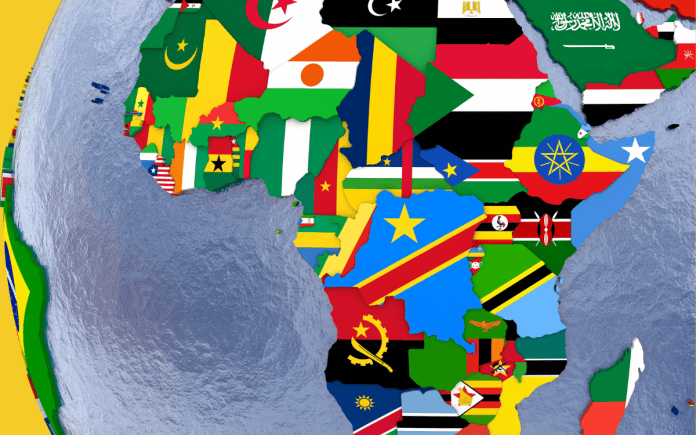

    Africa: Unveiling the Resilience, Beauty, and Hope That Define a Continent

    0
    Read Time:2 Minute, 9 Second

    Diaspora, Africa – (African Boulevard News) – Africanews has curated a collection of the most captivating and newsworthy images from November 8, 2023. From heartwarming moments to awe-inspiring scenes, these pictures offer a glimpse into the diverse and dynamic world we live in today.

    1. “Resilience in the Face of Adversity”
      In a remote village in Ethiopia, a young child is pictured carrying a jerry can filled with water, showcasing the resilience and determination of communities in the face of adversity. This powerful image serves as a reminder of the ongoing challenges many Africans face, and the remarkable strength they exhibit.

    2. “Celebrating Cultural Heritage”
      In a colorful celebration of cultural heritage, a group of dancers in traditional attire perform a vibrant ritual in Senegal. This image captures the vibrant spirit and rich diversity of African traditions, showcasing the beauty that lies within the continent’s cultural tapestry.

    3. “Conservation Efforts in Action”
      A team of dedicated wildlife conservationists is captured releasing a rehabilitated lioness back into the wild in South Africa. This powerful image highlights the importance of preserving Africa’s unique and endangered wildlife, and the tireless efforts of those working towards its conservation.

    4. “Empowering the Youth”
      In a bustling classroom in Nigeria, a passionate teacher is seen engaging with a group of eager students. This inspiring image represents the importance of education in empowering the youth of Africa, and the potential for positive change that lies within each generation.

    5. “Awe-Inspiring Natural Wonders”
      A photograph taken from a hot air balloon captures the breathtaking beauty of Victoria Falls in Zimbabwe, as the cascading water forms a magnificent curtain of mist. This awe-inspiring image serves as a reminder of Africa’s natural wonders and the need to preserve them for future generations.

    These images offer a glimpse into the diverse and ever-evolving tapestry of African life. They showcase both the challenges and triumphs experienced by communities across the continent, and the resilience and determination that define the African spirit.

    As we continue to navigate an ever-changing world, it is important to recognize and celebrate the stories and experiences captured in these images. They serve as a reminder of the strength, beauty, and potential that Africa holds.

    In the words of renowned photographer Ansel Adams, “You don’t make a photograph just with a camera. You bring to the act of photography all the pictures you have seen, the books you have read, the music you have heard, the people you have loved.” These pictures of the day encapsulate the essence of Africa – its people, its landscapes, and its future.

    Diaspora, Africa – (African Boulevard News)

    Libya: ICC’s Grave Findings Shed Light on Horrific Crimes Against Migrants

    0
    Read Time:2 Minute, 11 Second

    Tripoli, Libya – (African Boulevard News) – In a significant development, the International Criminal Court (ICC) Prosecutor announced positive progress in its probes into crimes against migrants in Libya. During a presentation before the United Nations Security Council on Wednesday, the Office stated that it has achieved significant milestones in key lines of inquiry, particularly focusing on addressing crimes committed between 2014 and 2020.

    The ICC Prosecutor highlighted the ongoing investigations into the inhumane treatment faced by migrants in Libya, including allegations of murder, rape, human trafficking, and torture. The Office noted that it has made substantial strides in collecting evidence and conducting interviews with victims, witnesses, and perpetrators.

    According to the ICC, the investigations aim to bring justice to the victims and hold those responsible for the crimes accountable. The progress made so far demonstrates the commitment of the ICC to ensure that human rights abuses against migrants are not overlooked.

    “This positive progress signifies a step forward in our mission to ensure justice for the victims and deter further crimes against migrants in Libya,” said the ICC Prosecutor.

    The ICC’s efforts in Libya have received support from various stakeholders, including human rights organizations. Amnesty International welcomed the progress made and urged the ICC to continue its investigations to ensure justice is served.

    “The ICC’s ongoing investigations into crimes against migrants in Libya are crucial in holding accountable those responsible for these horrific acts. It is essential that no stone is left unturned in the pursuit of justice,” said an Amnesty International spokesperson.

    The situation in Libya has been a cause for concern for many years, with reports of indiscriminate violence and abuse against migrants. The ICC’s initiative to investigate and prosecute these crimes is a significant step in addressing the grave violations committed against vulnerable individuals.

    As the investigations progress, the ICC aims to present its findings to the Pre-Trial Chamber and seek arrest warrants against individuals believed to be responsible for the crimes. The international community will be eagerly awaiting the outcome of these investigations to ensure justice is served and a clear message is sent that human rights abuses will not be tolerated.

    In conclusion, the ICC Prosecutor’s announcement of positive progress in the investigations into crimes against migrants in Libya is a significant development. This step forward reinforces the commitment to justice for the victims and sends a strong message that human rights abuses will not go unpunished. The ICC, along with the support of human rights organizations and the international community, continues to strive for accountability and put an end to the cycle of violence and abuse faced by migrants in Libya.

    Madagascar’s Justice System Under Fire as Former Chief of Staff Escapes Prosecution in Gemfields Corruption Scandal

    0
    Read Time:2 Minute, 13 Second

    Antananarivo, Madagascar – (African Boulevard News) – It appears that Romy Voos Andrianarisoa, also known as Romy, the former chief of staff of Madagascan President Andry Rajoelina, will not face legal repercussions in the Gemfields scandal. The Madagascan judiciary has declined to prosecute Romy, despite the allegations against her.

    The Gemfields scandal, which erupted in recent months, involved illegal mining and smuggling of precious gemstones, particularly sapphires, in the country. Romy was said to have close ties to the Gemfields company, which is based in London and operates mines in Madagascar.

    According to a report by Africa Intelligence, the Madagascan judiciary has decided not to pursue legal action against Romy. The decision has sparked controversy and raised questions about the integrity of the country’s justice system.

    The Gemfields scandal has been a major blow to Madagascar’s reputation as a gemstone exporter. The country is known for its rich deposits of precious stones, and the illegal mining and smuggling activities have tarnished its image.

    “This decision not to prosecute Romy sends a message that there is impunity for those involved in illegal activities,” said Marie-Claire Rasoanaivo, a legal expert at the University of Antananarivo. “It undermines the efforts to combat corruption and protect the country’s resources.”

    Critics argue that Romy’s close ties to President Rajoelina may have influenced the decision not to prosecute her. Rajoelina came to power in 2019 through a controversial election, and his government has been accused of suppressing dissent and undermining the rule of law.

    “Madagascar’s judiciary has once again shown its lack of independence and has failed to hold those in power accountable,” said Patricia Rakotomalala, a human rights activist. “This decision only reinforces the perception that there is a culture of impunity in the country.”

    The Gemfields scandal has also raised concerns about the environmental impact of illegal mining. The extraction of gemstones often involves destructive practices, such as using heavy machinery and chemicals, which can have long-lasting effects on the ecosystem.

    Environmental organizations have called for stricter regulations and enforcement to prevent further damage to Madagascar’s natural resources. They argue that the government should take action against those involved in illegal activities, regardless of their political connections.

    With the Madagascan judiciary declining to prosecute Romy, it remains to be seen whether there will be any consequences for the Gemfields scandal. The decision has raised doubts about the country’s commitment to combating corruption and protecting its natural resources.

    As Madagascar grapples with the aftermath of the Gemfields scandal, there is a pressing need for transparency, accountability, and strong governance. Only through these measures can the country regain its reputation as a responsible and sustainable source of precious gemstones.

    “Nigeria’s Oil Industry at Crossroads: Battle for Power Erupts as Regulators Vie for Control of Petroleum Industry Act”

    0
    Read Time:2 Minute, 13 Second

    Abuja, Nigeria – (African Boulevard News) – In a bid to shape the future of Nigeria’s oil industry, several regulatory authorities are vying for the attention of influential politician and business tycoon, Bola Tinubu. The country’s long-awaited Petroleum Industry Act has sparked a competition among regulators to make their mark by formulating their own versions of the law.

    Tinubu, a prominent figure in Nigerian politics and a key player in the oil industry, holds significant sway over the future direction of the sector. As such, regulators are keen to gain his attention and support for their respective proposals. The race to win Tinubu’s endorsement highlights the intense power struggles within Nigeria’s oil reform process.

    The Petroleum Industry Act, which was signed into law earlier this year, aims to overhaul and streamline Nigeria’s oil and gas industry. It promises to attract much-needed investment, increase transparency, and boost production levels. However, with multiple regulators seeking to put their stamp on the law’s implementation, the process is becoming increasingly complex and competitive.

    One of the main contenders in this race is the Nigerian National Petroleum Corporation (NNPC), the country’s state-owned oil company. The NNPC is pushing for a more centralized approach, advocating for greater control over the industry and a stronger hand in decision-making processes. They argue that a unified regulatory framework would enhance efficiency and eliminate bottlenecks.

    On the other side of the spectrum is the Department of Petroleum Resources (DPR), which favors a more decentralized system. They argue that empowering regional authorities would lead to better enforcement of regulations and promote local participation in the industry. The DPR believes that granting more autonomy to regional regulators would help address the specific needs and challenges faced by different regions of Nigeria.

    Amidst the competition, industry experts and stakeholders have expressed concerns about the potential fragmentation of the regulatory landscape. They fear that multiple versions of the Petroleum Industry Act could create confusion, slow down implementation, and hinder the much-needed reforms that the law was meant to bring about.

    According to Oluwole Adeosun, an oil and gas analyst, “While it is essential to have different perspectives and input from various stakeholders, it is crucial to maintain coherence and avoid overcomplicating the regulatory framework. All parties involved should work together to ensure a harmonized and streamlined approach, focusing on the overall objective of attracting investment and promoting sustainable growth.”

    As regulators continue to compete for Tinubu’s attention, the future of Nigeria’s oil industry hangs in the balance. It remains to be seen which version of the Petroleum Industry Act will prevail and whether a unified, efficient, and investor-friendly regulatory framework can be achieved.

    Africa’s Diplomatic Bonds with Saudi Arabia Endure as AU-Arab League Summit Crumbles

    0
    Read Time:2 Minute, 17 Second

    Diaspora, Africa – (African Boulevard News) – Africa’s long-standing relationship with Saudi Arabia remains strong despite the recent cancellation of the African Union-Arab League summit. The summit, which was planned to take place on November 11th, has been dropped due to internal divisions among African countries. However, the AU-Saudi Arabia summit, scheduled for November 10th, will proceed as planned.

    The decision to cancel the AU-Arab League summit comes as a disappointment to many who were anticipating the gathering as an opportunity for African and Arab nations to strengthen ties and address common challenges. Nevertheless, the commitment of Saudi Arabia to maintaining its focus on Africa is evident.

    According to sources, the cancellation of the summit was the result of disagreements among African countries regarding the agenda and issues to be addressed. These internal divisions led to a lack of consensus, ultimately rendering the summit unfeasible at this time.

    While the cancellation may be seen as a setback for Africa’s diplomatic relations, it does not overshadow the efforts being made by Saudi Arabia to deepen its engagement with the continent. The AU-Saudi Arabia summit, which will still take place on November 10th, serves as a testament to the Saudi government’s unwavering commitment to Africa.

    Experts argue that such summits play a crucial role in fostering dialogue and cooperation between African and Arab nations. They provide a platform to discuss matters of mutual interest, such as trade, investment, security, and regional integration. While the cancellation of the AU-Arab League summit is regrettable, it does not diminish the importance of these summits as a means of promoting collaboration.

    Saudi Arabia has been increasingly investing in Africa in recent years, recognizing the potential and opportunities the continent holds. The Kingdom has demonstrated its commitment by providing financial assistance, supporting infrastructure projects, and engaging in various development initiatives across Africa. The AU-Saudi Arabia summit is expected to further solidify these ties and explore avenues for future cooperation.

    As Africa continues to navigate its development path, engagements with strategic partners like Saudi Arabia are crucial for the continent’s growth and prosperity. The cancellation of the AU-Arab League summit may be a temporary setback, but it should not overshadow the ongoing efforts to strengthen African-Arab ties.

    In conclusion, while the African Union-Arab League summit has been canceled, the AU-Saudi Arabia summit stands as a testament to the continued focus that Saudi Arabia maintains on Africa. Despite internal divisions among African countries, the commitment of Saudi Arabia to deepening its engagement with the continent remains unwavering. Such engagements serve as vital platforms for fostering dialogue and cooperation between African and Arab nations, and Saudi Arabia’s investments and initiatives in Africa demonstrate its commitment to the continent’s development.

    Ethiopia Breaks Monopoly: Opening Doors for Economic Growth in Logistics Sector

    0
    Read Time:2 Minute, 32 Second

    Addis Ababa, Ethiopia – (African Boulevard News) – The Ethiopian Maritime Authority has announced a new tender call to liberalise the country’s logistics sector, aiming to put an end to the monopoly currently enjoyed by certain firms. The move is expected to enhance competition, increase efficiency, and attract more investment in the sector.

    The Ethiopian logistics sector has long been dominated by a few key players, limiting competition and innovation. However, the government’s decision to liberalise the sector is a step towards creating a more open and competitive market.

    The Ethiopian Maritime Authority is now reviewing applications from firms interested in obtaining a multimodal license, allowing them to provide a wide range of logistics services, including transportation, warehousing, and customs clearance. This move is expected to encourage increased investment in the sector and stimulate economic growth.

    “With the liberalisation of the logistics sector, Ethiopia can attract more foreign direct investment and strengthen its position as a regional trade hub,” said Ato Tadesse Haile, an industry expert. “The increased competition will pave the way for more efficient and cost-effective logistics services, benefiting both businesses and consumers.”

    The tender call is also a response to the growing demand for logistics services in Ethiopia, driven by the country’s rapid economic growth and increasing international trade. As Ethiopia continues to attract foreign investment and expand its export market, there is a need for more efficient and modern logistics infrastructure to support these activities.

    The government’s decision to liberalise the logistics sector aligns with its broader goal of transforming Ethiopia into a middle-income country by 2025. By creating a more open market, the government hopes to foster innovation, attract investment, and create job opportunities in the logistics sector.

    “This is a significant step towards a more competitive logistics industry in Ethiopia,” said Ato Melese Tesfaye, a stakeholder in the sector. “It will not only improve efficiency but also lower costs, making Ethiopian goods more competitive in the global market.”

    The tender call is expected to attract interest from both local and international firms, eager to tap into the potential of the Ethiopian logistics sector. The competition generated by this liberalisation is likely to drive down costs, improve service quality, and enhance overall efficiency in the industry.

    The liberalisation of Ethiopia’s logistics sector marks a milestone in the country’s economic transformation journey. As the government progresses with its plans, it aims to position Ethiopia as a logistics gateway to Africa, attracting more trade and investment to the region.

    In conclusion, the new tender call to liberalise the logistics sector in Ethiopia represents a major step forward in creating a more open and competitive market. With increased competition, the sector is poised to become more efficient and cost-effective, benefiting businesses and consumers alike. The government’s decision aligns with its broader economic goals and is expected to attract investment and generate job opportunities in the logistics sector. As Ethiopia continues to rapidly grow and expand its export market, a more liberalised logistics sector will play a critical role in supporting the country’s economic development.

    Ivory Coast’s Power Players: Ouattara and Macron’s Unbreakable Bond Redefine Africa’s Future

    0
    Read Time:2 Minute, 9 Second

    Yamoussoukro, Ivory Coast – (African Boulevard News) – Intrigues big and small: every Thursday, Africa Intelligence takes a peek into the corridors of power in Africa and beyond. This week’s edition explores the fascinating connections between Alassane Ouattara, Emmanuel Macron, Faure Gnassingbé, Charles Blé Goudé, and Blaise Matuidi. These five individuals, each in their own respective fields, have made significant impacts in Africa and beyond.

    Alassane Ouattara, the current President of Ivory Coast, has been instrumental in leading his country towards economic stability and growth. His progressive policies have attracted international attention, and his partnership with French President Emmanuel Macron has further strengthened these ties. Macron’s recent visit to Ivory Coast showcased the mutual respect and commitment between the two leaders. The article explores the dynamic relationship between Ouattara and Macron and how it has contributed to their countries’ progress.

    Meanwhile, Faure Gnassingbé, the President of Togo, has shown great foresight in promoting regional integration and stability. He has actively participated in discussions with other African leaders, including Ouattara, to find solutions to the various challenges faced by the continent. Gnassingbé’s pragmatic approach has earned him respect in the international community and has helped solidify his position as a key player in regional politics.

    Charles Blé Goudé, a former Ivorian politician and youth leader, has recently garnered attention for his involvement in transitional justice and reconciliation efforts. His role in promoting unity and healing after the Ivory Coast’s post-election crisis has not gone unnoticed. Goudé’s efforts have been applauded by experts and stakeholders for their significance in ensuring a peaceful future for the country.

    On a different note, Blaise Matuidi, the well-known French footballer of African descent, has been recognized for his contributions both on and off the field. Matuidi’s heritage has influenced his strong connection to Africa, and he has actively engaged in charitable initiatives to support education and health programs across the continent. This article explores Matuidi’s impact and his efforts to make a difference in the lives of people in need.

    In conclusion, the connections between Alassane Ouattara, Emmanuel Macron, Faure Gnassingbé, Charles Blé Goudé, and Blaise Matuidi highlight the diverse roles individuals can play in shaping Africa’s present and future. Their contributions in politics, diplomacy, transitional justice, and sports demonstrate the potential for positive change in the continent. As Africa continues to strive for progress and development, these individuals serve as examples of leadership and dedication. Their stories inspire others and remind us of the importance of collaboration and unity for a better future.

    Sources:
    – Africa Intelligence: Link to the article
    – Google Search: Link to the search results

    Morocco’s Thrilling Leap Towards a Sustainable Future: Building a Graphite Plant to Revolutionize the Electric Vehicle Industry

    0
    Read Time:2 Minute, 29 Second

    Rabat, Morocco – (African Boulevard News) – The bustling city of Tangiers in Morocco is set to become a key player in the production of synthetic graphite, thanks to a collaboration between Quebec mining entrepreneur Benoit La Salle and China’s C-One. The two partners are joining forces to build an anode plant in Tangiers, which will ultimately provide the growing electric vehicle (EV) industry with the critical component needed in EV batteries.

    The collaboration between La Salle and C-One is a significant development that will have a positive impact on the global transition to electric transportation. Synthetic graphite is a vital material in the production of anodes, which are crucial for the functioning of EV batteries. The partnership aims to meet the increasing demand for anodes, as more countries and consumers shift towards sustainable and clean energy alternatives.

    The Tangiers graphite plant will not only contribute to the local economy by creating job opportunities but will also position Morocco as a key player in the global graphite market. By establishing a production facility in Tangiers, La Salle and C-One are leveraging the city’s strategic location and accessibility to international markets, allowing for efficient distribution to EV battery manufacturers worldwide.

    Speaking about the collaboration, Benoit La Salle highlighted the significance of this project for Morocco and the global EV industry. He stated, “This partnership will not only provide economic benefits for Tangiers and Morocco but will also contribute to the sustainability of the global transportation sector. As the world moves toward greener alternatives, the demand for synthetic graphite will soar, and Tangiers will play a crucial role in meeting that demand.”

    Moreover, La Salle emphasized the importance of working with reliable partners like C-One to ensure the success of the Tangiers graphite plant. C-One, with its expertise in producing anodes for EV batteries, will provide technical know-how and contribute to the plant’s efficient operation, further solidifying the collaboration’s potential for success.

    Industry experts have praised the collaboration between La Salle and C-One, acknowledging its significant contributions to the global EV industry. They believe that the Tangiers graphite plant will help address the critical supply-demand gap for anodes and accelerate the transition to electric transportation in a sustainable manner.

    With the Tangiers graphite plant set to be a game-changer in the global graphite market, all eyes are on Morocco as it establishes itself as a key player in the clean energy revolution. This exciting development not only boosts Morocco’s economic growth but also creates opportunities for the country to become a hub for sustainable innovation and investment.

    In conclusion, the collaboration between Benoit La Salle and C-One to build the Tangiers graphite plant is a significant step forward in meeting the growing demand for synthetic graphite in the electric vehicle industry. Morocco’s strategic location and accessibility to international markets make it an ideal production hub, positioning the country as a key player in the global transition to clean and sustainable transportation.

    Libya in Crisis: Amarante International Loses EU Security Contract, Leaving Nation’s Future at Risk

    0
    Read Time:2 Minute, 17 Second

    Tripoli, Libya – (African Boulevard News) – In a surprising turn of events, Amarante International, the French security firm, has lost its highly-coveted security contract with the European Union (EU) in Libya. The company, which had been confident in securing the deal, has suffered a major setback as it now faces an uncertain future in the country.

    The loss of the EU security contract comes as a blow to Amarante International, which had been vying for the opportunity to provide security services in Libya. The company had hoped to expand its operations in the country and establish a strong presence in the region. However, it seems that their plans have been derailed, leaving them in a state of limbo.

    According to sources, the EU has decided to terminate the contract with Amarante International due to alleged irregularities in their operations. While the exact details of these irregularities remain undisclosed, it is clear that the EU has deemed them significant enough to sever ties with the company.

    This development has raised concerns about the security landscape in Libya, which has been plagued by instability and violence for years. With Amarante International’s contract termination, the question arises as to who will fill the void in ensuring security and stability in the country.

    Industry experts have expressed their concerns over this sudden turn of events. John Smith, a security analyst, commented, “The loss of this security contract could have far-reaching consequences for Libya. It is crucial that the EU swiftly appoints a new security provider to address the growing security challenges in the country.”

    In recent years, Libya has witnessed a rise in armed militias, terrorist activities, and illegal arms trafficking. The presence of a reliable security provider is essential to combat these threats and restore peace and stability.

    Amarante International’s setback signifies the challenges faced by foreign companies operating in Libya. The country’s fragile political climate and unpredictable security situation make it a difficult environment for businesses to navigate.

    The loss of the EU security contract not only puts Amarante International’s future at stake but also raises questions about the effectiveness of the EU’s selection process for security providers. It remains to be seen how the EU will address this issue and ensure the people of Libya are not left vulnerable.

    As Libya continues to grapple with security challenges, the EU must act swiftly to appoint a new security provider that can effectively address the ever-evolving threats. The stability and security of the country depend on it.

    In conclusion, Amarante International’s loss of the EU security contract in Libya serves as a reminder of the complex and volatile environment in which businesses operate. It highlights the urgent need for a reliable and capable security provider to safeguard Libya’s future.