Sunday, October 25, 2026
79.4 F
Lagos
More
    Home Blog Page 12

    Algeria: Tebboune’s Resounding Victory Sets Stage for Reforms and Renewed Hope

    0
    Read Time:1 Minute, 45 Second

    Algiers, Algeria – (African Boulevard News) – After a decisive victory in the elections, Abdelmajid Tebboune has taken the oath for a second term as Algeria’s president. The country’s constitutional court officially confirmed his re-election, solidifying his position as the leader of Algeria for the next term.

    Victory Confirmed:
    The final results of the election highlighted Tebboune’s overwhelming win, cementing his place as the president of Algeria. The constitutional court’s verification of the election results further validated the trust placed in Tebboune by the Algerian people and the democratic process.

    Tebboune’s Pledge:
    During the swearing-in ceremony, Tebboune reiterated his commitment to serving the Algerian people and steering the country towards progress and prosperity. He outlined his vision for the next term, focusing on economic development, social welfare, and enhancing Algeria’s standing on the global stage.

    Stakeholder Reactions:
    Political analysts and experts have weighed in on Tebboune’s re-election, pointing out the challenges and opportunities that lie ahead for Algeria. Dr. Amina Ahmed, a renowned political scientist, stated, “Tebboune’s victory signals continuity in Algeria’s leadership, but it also presents an opportunity for reforms and addressing key issues facing the country.”

    International Acknowledgment:
    The re-election of Tebboune has garnered attention on the international stage, with world leaders offering their congratulations and expressing their commitment to strengthening bilateral ties with Algeria. This reaffirms Algeria’s position in the global arena and sets the stage for collaboration on key issues of mutual interest.

    Looking Ahead:
    As Tebboune embarks on his second term, the focus will be on delivering on his promises, tackling pressing challenges, and charting a course for a brighter future for Algeria and its people. The road ahead may not be without obstacles, but with determination and strategic planning, the nation can overcome any hurdles it faces.

    In the coming days, Tebboune is expected to unveil his plans and initiatives for the new term, setting the tone for his leadership and signaling the direction in which Algeria is headed. The Algerian people will be looking to their president to deliver on his commitments and lead the country towards a prosperous and stable future.

    Africa: Tragedy Strikes as Hezbollah Members and Civilians Among Injured in Lebanon’s Pager Explosion

    0
    Read Time:2 Minute, 8 Second

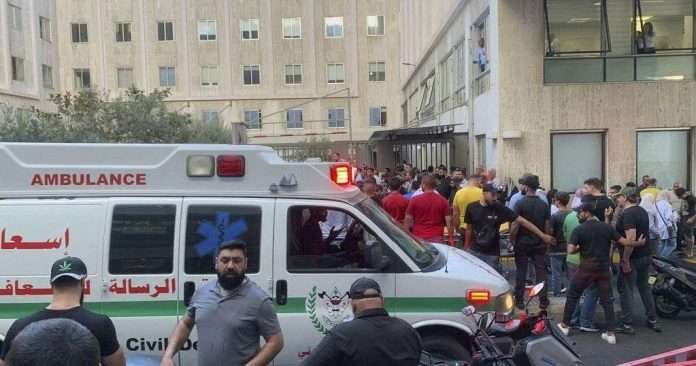
    Diaspora, Africa – (African Boulevard News) – In a devastating incident that shook Lebanon to its core, eight people have lost their lives and over two thousand have been wounded due to the unexpected explosion of pagers. The tragic event has left the nation reeling and mourning for the lives lost and the many injured in the blast.

    Explosion of Pagers Rocks Lebanon

    The explosion of pagers, a seemingly innocuous communication device, has turned into a nightmare for Lebanon, with casualties spanning across various sectors of society. Among the injured were members of the Lebanese armed group, Hezbollah, further escalating the gravity of the situation. The sudden and widespread impact of this incident has sparked fear and uncertainty among the citizens of Lebanon.

    Hezbollah Members Among the Injured

    Members of Hezbollah, a prominent armed group in Lebanon, were caught in the blast caused by the exploding pagers, adding a layer of complexity to the already dire circumstances. This unforeseen tragedy has not only affected civilians but also individuals involved in different facets of the nation, highlighting the indiscriminate nature of the incident.

    Impact on Lebanese Society

    The aftermath of the explosion has left Lebanon grappling with the aftermath of the tragedy, as families mourn the loss of their loved ones and hospitals work tirelessly to treat the thousands of wounded individuals. The profound impact of the explosion on Lebanese society has brought the nation together in solidarity and grief, emphasizing the resilience of the people in the face of adversity.

    Calls for Investigation and Accountability

    As the nation mourns the loss of lives and the significant number of injuries, there have been growing calls for a thorough investigation into the circumstances that led to the explosion of the pagers. Stakeholders and experts have emphasized the need for accountability and transparency to prevent similar incidents from occurring in the future, underlining the urgency of addressing the root causes of the tragedy.

    In the Wake of Tragedy

    The explosion of pagers in Lebanon has left a deep scar on the nation, highlighting the fragility of life and the importance of safety and vigilance. As Lebanon grapples with the aftermath of this devastating incident, the resilience and unity of its people shine through, offering hope for a brighter future amidst the darkness of tragedy. Moving forward, the nation will need to come together to heal and rebuild in the wake of this unforeseen catastrophe.

    Sources:
    – African News – Lebanon says 8 killed and over two thousand wounded by exploding pagers
    – Google Search – Lebanon says 8 killed and over two thousand wounded by exploding pagers

    Africa: Olympic Icon Sebastian Coe Emerges as Frontrunner in Historic IOC President Race – The Future of Global Sports Hangs in the Balance

    0
    Read Time:2 Minute, 11 Second

    Diaspora, Africa – (African Boulevard News) – As the International Olympic Committee (IOC) president election steadily approaches, the IOC has officially revealed the names of seven hopeful candidates vying for the prestigious position in the upcoming March elections. Among the notable figures aiming to succeed Thomas Bach as the head of the IOC is the distinguished former Olympic champion and current World Athletics President, Sebastian Coe, adding an exciting dynamic to the race.

    Sebastian Coe, a prominent figure in the world of sports, brings a wealth of experience and expertise to the table, having excelled both on and off the track. His candidacy has sparked significant interest and speculation within the sporting community, with many eagerly awaiting the outcome of the election.

    A Diverse Pool of Candidates

    The list of candidates for the IOC presidency showcases a diverse array of individuals from various backgrounds, each with their unique set of qualifications and visions for the future of the Olympic movement. As the countdown to the election narrows, stakeholders and enthusiasts alike are closely monitoring the developments within the IOC.

    Potential Impact on Global Sports Landscape

    The election of the new IOC president holds immense significance, as the individual elected will play a pivotal role in shaping the direction of international sports and promoting the values of the Olympic movement on a global scale. The outcome of the election could potentially influence the landscape of sports governance and administration for years to come.

    Support and Speculation Surrounding Coe’s Candidacy

    Sebastian Coe’s candidacy has garnered significant attention and support from various quarters, with many highlighting his track record of leadership and dedication to the advancement of athletics. Industry experts and stakeholders have expressed optimism regarding Coe’s potential to lead the IOC with innovation and integrity, emphasizing the need for visionary leadership in the current sporting climate.

    Looking Towards the Future

    As the IOC president election draws nearer, the anticipation and speculation surrounding the candidates continue to mount. The outcome of the election will undoubtedly have far-reaching implications for the future of the Olympic movement and the broader sports community, making it a pivotal moment in the history of international sports governance.

    In the midst of this exciting chapter in the world of sports, the race for the IOC presidency promises to be a compelling and closely watched affair, with Sebastian Coe emerging as a frontrunner in a field of distinguished candidates vying for the opportunity to lead the Olympic movement into a new era of growth and development. The global sporting community eagerly awaits the results of the election, poised for a potential shift in the leadership landscape of international sports.

    Gabon: Shaping a Democratic Future with Crucial Constitutional Reforms

    0
    Read Time:2 Minute, 21 Second

    Libreville, Gabon – (African Boulevard News) – The future of Gabon is currently being shaped through critical consultations on a revised constitution, with stakeholders engaged in a process that holds significant implications for the country’s governance and development. A pivotal moment in this journey occurred when a draft version of the document was presented to transitional president, Brice Oligui Nguema, earlier this month, marking a crucial step towards potential constitutional reforms.

    Engagement of Stakeholders in Consultations

    The ongoing consultations have brought together a diverse range of stakeholders, including government officials, civil society representatives, legal experts, and ordinary citizens, all contributing their perspectives and insights towards crafting a constitution that reflects the aspirations and values of the Gabonese people. This inclusive approach underscores a commitment to transparency and participatory governance in shaping the country’s future trajectory.

    Significance of Constitutional Reforms

    The revision of Gabon’s constitution carries profound implications for the country’s political landscape, with the potential to redefine power structures, establish mechanisms for accountability and transparency, and enhance the protection of fundamental rights and freedoms. By engaging in a process of dialogue and consultation, Gabon is laying the foundation for a more inclusive and democratic governance framework that is responsive to the needs and aspirations of its citizens.

    Expert Perspectives on the Process

    According to legal experts and political analysts closely following the consultations, the revision of Gabon’s constitution represents a critical juncture in the country’s democratic journey. Dr. Isabelle Mboumba, a constitutional law scholar, emphasized the importance of ensuring that the revised constitution upholds the principles of rule of law, separation of powers, and respect for human rights. She stated, “The constitution is the bedrock of a nation’s governance system, and it is essential that it reflects the will and aspirations of the people.”

    Looking Ahead

    As Gabon progresses towards finalizing the revised constitution, all eyes are on the inclusive and transparent nature of the consultation process, as well as the extent to which the new document will reflect the values of democracy, justice, and equality. The engagement of a wide range of stakeholders, including civil society organizations and ordinary citizens, signals a commitment to fostering a culture of dialogue and consensus-building in shaping Gabon’s future constitutional framework.

    The consultations underway on Gabon’s future constitution represent a critical juncture in the country’s democratic journey, with stakeholders actively engaged in shaping a document that reflects the will and aspirations of the Gabonese people. By fostering transparency, inclusivity, and dialogue, Gabon is paving the way for a more democratic and responsive governance system that upholds the principles of rule of law and respect for human rights. The revision of the constitution holds the potential to redefine power dynamics, establish mechanisms for accountability, and enhance the protection of fundamental rights, setting the stage for a more inclusive and equitable future for Gabon and its citizens.

    Niger: End of an Era as US Military Withdraws, Security Landscape Shifts in Sahel

    0
    Read Time:1 Minute, 53 Second

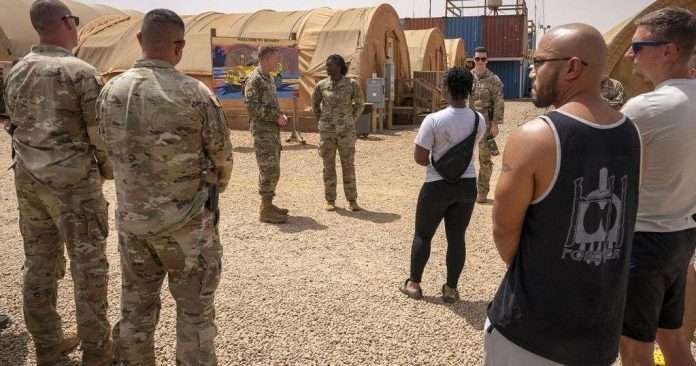
    Niamey, Niger – (African Boulevard News) – In a significant development marking the end of an era, the United States announced the completion of its military withdrawal from Niger. This move comes after years of strategic partnership between the two nations, particularly in combating Islamist insurgents within the region. The decision, which was part of a broader reevaluation of U.S. military presence in Africa, signals a shift in the approach to addressing security challenges on the continent.

    US-Niger Partnership

    The relationship between the U.S. and Niger dates back to before last year’s coup, with Niger playing a crucial role as a key partner in the fight against Islamist extremism. The presence of U.S. forces in Niger was aimed at providing support and training to local security forces, enhancing counterterrorism efforts, and promoting regional stability.

    Strategic Withdrawal

    The completion of the military withdrawal aligns with the U.S. government’s reassessment of its global military posture and priorities. While the decision to withdraw forces from Niger may raise concerns about the ongoing security situation in the region, U.S. officials have emphasized their commitment to continuing cooperation with Niger on security and counterterrorism efforts through other means.

    Regional Implications

    The withdrawal of U.S. forces from Niger is expected to have wider implications for security dynamics in the Sahel region. As one of the countries grappling with Islamist insurgencies and intercommunal violence, Niger’s ability to address security challenges independently will be closely watched. Regional partners and neighboring countries will likely play a more significant role in supporting Niger in its security endeavors.

    Expert Insights

    Commenting on the military withdrawal, security experts have acknowledged the symbolic significance of the move while raising questions about the potential impact on the security landscape in the Sahel. “The withdrawal of U.S. forces from Niger underscores the evolving security dynamics in the region and the need for a comprehensive approach to address ongoing challenges,” said an analyst from a prominent think tank.

    As the United States officially concludes its military presence in Niger, the transition marks a new chapter in the partnership between the two nations. While the move may have immediate implications, the enduring commitment to security cooperation and shared objectives remains a cornerstone of the U.S.-Niger relationship.

    “Nigeria: Battle Against Malnutrition Intensifies with Micronutrient-Rich Bouillon Cubes – A Lifeline for Healthier Futures”

    0
    Read Time:2 Minute, 11 Second

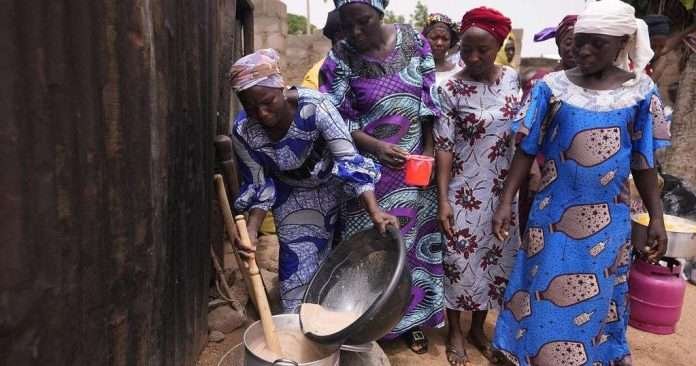
    Abuja, Nigeria – (African Boulevard News) – Nigeria is set to take a significant step in the fight against micronutrient deficiencies with the launch of a new code of standards aimed at enhancing the nutritional value of commonly used bouillon or stock cubes. The move comes as a response to the pressing need to address widespread malnutrition issues in the country, particularly among vulnerable populations.

    Addressing Micronutrient Deficiencies

    Authorities have introduced a code of standards that focuses on incorporating four essential micronutrients – iron, zinc, folic acid, and vitamin B12 – into bouillon cubes at recommended levels. This strategic approach is based on expert guidance and aims to boost the nutritional quality of these widely consumed food products. By fortifying these cubes with key micronutrients, the initiative seeks to combat deficiencies that often plague many individuals, especially in low-income communities.

    Impact on Public Health

    Micronutrient deficiencies are a major public health concern in Nigeria, contributing to various health complications and hindering the overall well-being of the population. The lack of crucial vitamins and minerals can lead to issues such as anemia, impaired cognitive development in children, and weakened immune systems. By fortifying bouillon cubes with essential micronutrients, health officials hope to make a tangible difference in the lives of Nigerians, particularly those at risk of nutritional inadequacies.

    Expert Insights

    Dr. Aisha Ahmed, a leading nutrition expert, praised the launch of the code of standards, stating, “This initiative marks a crucial milestone in our efforts to combat malnutrition and improve the health outcomes of our citizens. By fortifying staple food products with key nutrients, we can address micronutrient deficiencies more effectively and promote a healthier population.”

    Promoting Sustainable Nutrition Practices

    The implementation of this new standard underscores Nigeria’s commitment to promoting sustainable nutrition practices and enhancing food security across the country. By ensuring that commonly consumed food items are enriched with essential nutrients, the government aims to uplift communities and reduce the prevalence of malnutrition-related diseases.

    Looking Ahead

    As Nigeria prepares to roll out the code of standards for bouillon cubes, stakeholders are optimistic about the positive impact it will have on public health and nutrition outcomes. By prioritizing the fortification of key micronutrients in food products, the country is taking a proactive stance in the fight against malnutrition and setting a precedent for other nations to follow suit.

    The launch of the code of standards represents a significant milestone in Nigeria’s ongoing efforts to address nutrition challenges and safeguard the well-being of its citizens. By fortifying bouillon cubes with essential micronutrients, the country is forging ahead in its quest to build a healthier future for all.

    “Sudan: Urgent Cry for Civilians’ Protection as Violence Escalates in El-Fasher”

    0
    Read Time:1 Minute, 45 Second

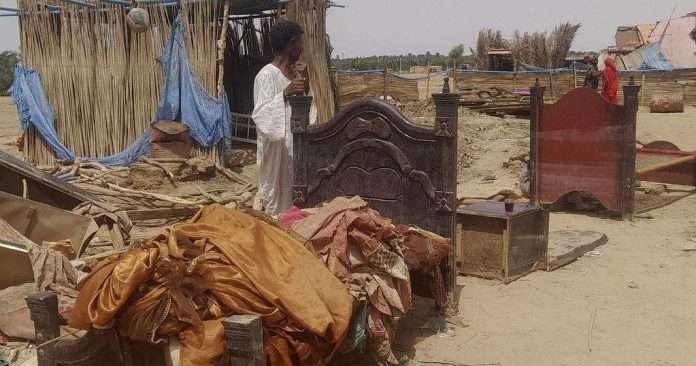
    Khartoum, Sudan – (African Boulevard News) – The United Nations has issued a grave warning regarding the escalating violence in Sudan, expressing deep concern over the situation. The Resident and Humanitarian Coordinator for Sudan has urged all parties involved in the conflict to cease targeting El-Fasher and prioritize the protection of civilians.

    Escalating Crisis in Sudan

    The recent surge in violence in Sudan has raised alarm bells within the international community, with the United Nations emphasizing the critical need for immediate action to address the escalating conflict. The Resident and Humanitarian Coordinator for Sudan has underscored the importance of safeguarding the city of El-Fasher and ensuring the safety of vulnerable civilians caught in the crossfire.

    Urgent Call for Restraint

    As tensions continue to mount in Sudan, humanitarian organizations are working tirelessly to provide aid and support to those affected by the violence. The UN has called on all parties to exercise utmost restraint and adhere to international humanitarian law to prevent further bloodshed and devastation in the region.

    Protecting Civilians Amidst Chaos

    The safety and well-being of civilians must remain a top priority amidst the ongoing crisis in Sudan. The UN Resident Coordinator’s plea for the protection of El-Fasher and its inhabitants reflects the urgent need for concerted efforts to shield innocent lives from the horrors of war and conflict.

    Appeal for International Support

    In light of the deteriorating situation in Sudan, the international community is urged to step up and provide the necessary support to alleviate the suffering of the Sudanese people. Humanitarian aid and diplomatic interventions are crucial in restoring peace and stability to the embattled region.

    The escalating violence in Sudan is a stark reminder of the fragility of peace and the urgent need for sustainable solutions to end the cycle of conflict and suffering. As the world watches with bated breath, the call for action grows louder, echoing the plea for peace and protection in the war-torn nation.

    References:
    – African News – UN says escalating violence in Sudan is of deep concern
    – Google Search – UN says escalating violence in Sudan is of deep concern

    Nigeria: Dangote Refinery Signals Dawn of Energy Independence, NNPC’s Hope Amidst Historic Fuel Sales

    0
    Read Time:2 Minute, 0 Second

    Abuja, Nigeria – (African Boulevard News) – In a monumental development for Nigeria’s energy sector, Dangote Refinery has commenced gasoline sales to the domestic market, marking a significant step towards reducing the country’s reliance on imported fuel. The move comes as a welcome development for the Nigerian National Petroleum Corporation (NNPC), which has long depended on imports to meet the nation’s gasoline demand.

    Meeting Domestic Demand:

    Dangote Refinery’s entry into the domestic gasoline market is poised to have far-reaching implications for Nigeria’s energy landscape. The Nigerian National Petroleum Corporation (NNPC) has historically relied heavily on imports to cater to the country’s gasoline needs. However, with Dangote Refinery now operational, there is a glimmer of hope that this dependence will reduce significantly.

    Ramping Up Operations:

    While the refinery is now beginning to supply gasoline to the domestic market, it is important to note that Dangote Refinery is still in the process of ramping up its operations. The refinery, touted as one of the largest in Africa, is focused on gradually increasing its production capacity to meet the growing demand for gasoline within Nigeria.

    A Game-Changer for the Energy Sector:

    Industry experts believe that Dangote Refinery’s foray into the domestic gasoline market could be a game-changer for Nigeria’s energy sector. By boosting domestic production and reducing reliance on imports, the refinery has the potential to enhance energy security in the country and drive economic growth.

    NNPC’s Optimism:

    The Nigerian National Petroleum Corporation (NNPC) has expressed optimism about the impact of Dangote Refinery’s gasoline sales on the domestic market. The corporation sees this development as a significant step towards achieving self-sufficiency in gasoline production and reducing the country’s exposure to fluctuations in the global oil market.

    Looking Ahead:

    As Dangote Refinery continues to ramp up its operations and expand its presence in the domestic market, stakeholders are closely monitoring the refinery’s progress. The refinery’s ability to meet domestic demand and contribute to Nigeria’s energy security will be key factors in shaping the future of the country’s energy sector.

    The commencement of gasoline sales by Dangote Refinery represents a milestone in Nigeria’s quest for energy self-sufficiency. With the refinery’s operations gaining momentum, the country is on the path towards reducing its dependence on imported fuel and bolstering its energy security. This development underscores the significance of investing in domestic refining capacity to meet the growing energy needs of the nation.

    Africa: Embracing the Spirit of Temari – Japanese Women Keep Ancient Tradition Alive With Every Thread

    0
    Read Time:1 Minute, 58 Second

    Diaspora, Africa – (African Boulevard News) – Japanese temari, a centuries-old tradition, is not just an art form but a profound cultural practice that intertwines craftsmanship with spirituality. In a world where modernity often clashes with heritage, Japanese women are gracefully upholding the legacy of temari, pouring their dedication and prayers into creating these exquisite handcrafted decorative balls.

    Preserving Ancient Tradition

    The art of temari dates back to the 7th century in Japan, where these vibrant and meticulously designed balls were initially created as toys for children of noble families. Over time, temari evolved from a simple plaything into a symbol of good luck, representing unity, harmony, and perfection. Today, the tradition is being kept alive by a dwindling number of skilled artisans who meticulously wrap and embroider thread around cores of various sizes to produce stunning patterns and designs.

    Craftsmanship and Spirituality

    Each temari ball is a labor of love, with artisans dedicating weeks, and sometimes months, to complete a single piece. The process involves precision and patience as they carefully select colors, patterns, and motifs that hold significant meanings. Through this artistic expression, practitioners infuse their prayers and positive intentions into each stitch, believing that the finished temari radiates healing energy and protection to its recipient.

    According to Mieko Iwasaki, a renowned temari artist based in Tokyo, “Temari is not just a craft but a spiritual practice that connects us to our ancestors and the universe. Every thread we weave carries a story, a wish, or a blessing, making each temari ball a tangible manifestation of our hopes and dreams.”

    Cultural Significance

    In a rapidly changing world, the preservation of temari represents a profound commitment to honoring Japan’s rich cultural heritage. The intricate patterns and vibrant colors of temari balls serve as visual testimonies to the craftsmanship and artistic skills passed down through generations. As these handcrafted treasures transcend time and trends, they continue to inspire awe and admiration both in Japan and beyond.

    While the future of temari may face uncertainties amidst modernization and shifting priorities, the dedication of these artisans ensures that this ancient tradition remains a beacon of cultural pride and resilience. As the world marvels at the beauty and intricacy of Japanese temari, it serves as a gentle reminder of the timeless value of tradition and the enduring power of art to connect hearts and souls across generations.

    Mali: Biometric Passport Revolution Sparks Visa-Free Entry Concerns and Hope

    0
    Read Time:2 Minute, 13 Second

    Bamako, Mali – (African Boulevard News) – The Sahel Alliance is set to introduce a groundbreaking initiative that is poised to revolutionize travel within the region – the unveiling of biometric passports. This significant move aims to enhance security measures and streamline the immigration process for citizens of member countries.

    Improved Security Measures

    The introduction of biometric passports by the Sahel Alliance is a pivotal step towards bolstering security in the region. By incorporating advanced biometric technology such as facial recognition and fingerprints, these passports will provide an extra layer of security, making them harder to forge or manipulate. This will not only benefit the member countries but also contribute to the overall security landscape in the Sahel region.

    Streamlining Immigration Processes

    One of the key advantages of biometric passports is the efficiency they bring to immigration processes. With the implementation of this innovative technology, border control and immigration checkpoints are expected to become more streamlined and secure. This will result in faster processing times for travelers, reducing queues and enhancing overall travel experience within the Sahel region.

    Impact on Visa-Free Entry

    As the Sahel Alliance prepares to introduce biometric passports, questions arise regarding the potential impact on visa-free entry for citizens of member countries. It remains unclear whether the existing list of countries offering visa-free access to Malians, Burkinabés, and Nigerians will be affected by this new development. The implications of the biometric passports on visa policies are yet to be fully revealed, leaving room for further exploration.

    Cost and Accessibility

    While the benefits of biometric passports are evident, the cost of acquiring these new travel documents remains unknown. This raises questions about the accessibility of biometric passports for citizens within the Sahel region. As discussions around pricing and availability unfold, stakeholders will be keen to understand the financial implications and the overall feasibility of adopting this new technology.

    Potential Challenges and Opportunities

    The introduction of biometric passports by the Sahel Alliance presents both challenges and opportunities for member countries. While the enhanced security features promise a more secure travel environment, there may be logistical hurdles to overcome in the implementation process. However, with proper planning and collaboration, these challenges can be addressed, paving the way for a more efficient and secure travel system in the Sahel region.

    In conclusion, the unveiling of biometric passports by the Sahel Alliance signifies a significant milestone in enhancing security and efficiency within the region. As member countries prepare to embrace this new technology, the impact on visa policies, cost implications, and accessibility remain key areas of interest. The future of travel in the Sahel region looks poised for transformation with the introduction of biometric passports.