Thursday, April 30, 2026
78.5 F
Lagos
More
    Home Blog Page 99

    Morocco: Rebuilding Lives – Cash Support Provided to Families Devastated by Earthquake

    0
    Read Time:2 Minute, 20 Second

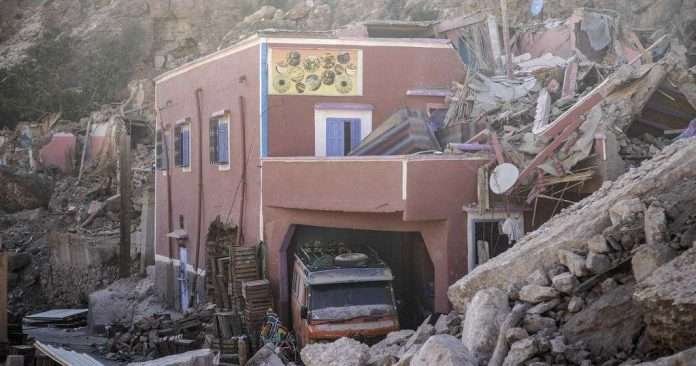
    Rabat, Morocco – (African Boulevard News) – In a move to provide relief to families affected by the recent devastating earthquake, Morocco has commenced the distribution of cash assistance to those whose homes were destroyed. This initiative aims to help these families rebuild their lives and recover from the aftermath of the disaster.

    The earthquake, which struck several regions in Morocco, left many families without shelter, belongings, and a sense of security. Recognizing the urgency of the situation, the government has taken immediate action to provide support to those affected. Through this cash assistance program, families will have the means to meet their basic needs and start the process of rebuilding their lives.

    The distribution process ensures that the cash assistance reaches those who need it the most. Local authorities, working closely with community leaders and organizations, have identified the families whose homes were destroyed and are responsible for the distribution of the funds. This approach ensures that the assistance is allocated efficiently and effectively, reaching those in the most vulnerable situations.

    Speaking on the importance of this initiative, Minister of Interior, Mr. Ahmed Zaidi, stated, “This cash assistance program is vital in helping families recover and rebuild after the earthquake. We understand the challenges they face and are committed to providing them with the necessary support to overcome these difficulties. It is our duty to ensure that no one is left behind.”

    The cash assistance provided will enable families to cover immediate expenses such as temporary shelter, essential supplies, and medical care. It will also serve as a stepping stone for their long-term recovery, helping them rebuild their homes and livelihoods.

    Furthermore, the government is working in collaboration with international organizations and partners to ensure a comprehensive and effective response to the earthquake’s aftermath. The support of these partners is crucial in assisting the affected families to recover and rebuild their lives in a sustainable manner.

    The initiative to provide cash assistance reflects Morocco’s commitment to the welfare of its citizens and its ability to respond swiftly to natural disasters. It serves as a testament to the government’s dedication to alleviating the suffering of those affected and providing them with the necessary tools to rebuild their lives.

    As the distribution process commences, affected families express gratitude for the support they are receiving. One resident, Fatima, shared her relief, saying, “This assistance will help us start over and rebuild what we have lost. We are grateful for the government’s support during this challenging time.”

    Through this cash assistance program, Morocco is taking significant steps towards aiding affected families in their recovery journey. By providing the necessary support, the government is not only helping individuals rebuild their homes but also empowering them to rebuild their lives and regain a sense of normalcy in the aftermath of this devastating earthquake.

    Algeria: Taking a Stand Against the Bedbug Invasion to Protect Public Health

    0
    Read Time:2 Minute, 6 Second

    Algiers, Algeria – (African Boulevard News) – Algeria is taking proactive measures to prevent the spread of bedbugs from France into its cities. The Algerian authorities have announced the tightening of health measures at border crossings, in a bid to combat the recent invasion of these pests in French cities. This move comes as experts warn of the potential disastrous consequences of a bedbug infestation.

    Bedbugs are small, parasitic insects that feed on human blood. They are known for their ability to survive in a wide range of environments and to spread rapidly. With the rise in international travel, these pests have become a global concern, and Algeria is no exception.

    Dr. Fatima Benali, an entomologist at the Ministry of Health, stressed the importance of taking immediate action. She explained, “Bedbugs are not only a nuisance but also a public health concern. Their bites can cause skin rashes, allergic reactions, and even psychological distress. It is crucial to prevent their introduction and establishment in Algeria.”

    Algerian border authorities have intensified inspection procedures at airports, seaports, and land crossings. Passengers and their luggage are thoroughly screened for any signs of bedbugs before entering the country. Additionally, officials are providing travelers with information on how to identify and report any suspected infestations.

    These measures are in line with the guidelines provided by the World Health Organization (WHO) and the International Air Transport Association (IATA), which emphasize the importance of preventive measures at transportation hubs.

    “We commend Algeria for taking swift action to protect its citizens from the growing threat of bedbug infestations,” said Dr. Ahmed Mokrani, a representative from the WHO. “Prevention is the key to avoiding the economic and health implications associated with these pests.”

    The initiative has been widely praised by Algerian citizens and experts alike. Afifa Hamdi, a resident of Algiers, expressed relief, stating, “It’s reassuring to know that our government is actively working to prevent the spread of bedbugs. We must all do our part to maintain a clean and safe environment.”

    As the risk of bedbug infestations continues to grow globally, countries are increasingly recognizing the need for strict preventive measures. Algeria’s decision to strengthen health measures at its borders demonstrates its commitment to safeguarding public health and ensures that the bedbug invasion does not take hold within its territory.

    By prioritizing prevention and collaboration with international health organizations, Algeria stands as a shining example of proactive action to combat the spread of bedbugs. These efforts are vital in maintaining a healthy and pest-free environment for Algerians and visitors alike.

    South Africa: Putin’s Shocking Absence Rocks BRICS Summit, Sparks Speculation and Raises Eyebrows

    0
    Read Time:2 Minute, 10 Second

    Pretoria, South Africa – (African Boulevard News) – In a surprising move, Russian President Vladimir Putin decided not to attend the BRICS summit held in Johannesburg, South Africa, citing his desire to avoid a “political show”. The absence of the Russian leader from this significant gathering raised eyebrows and sparked speculation about the true reasons behind his decision.

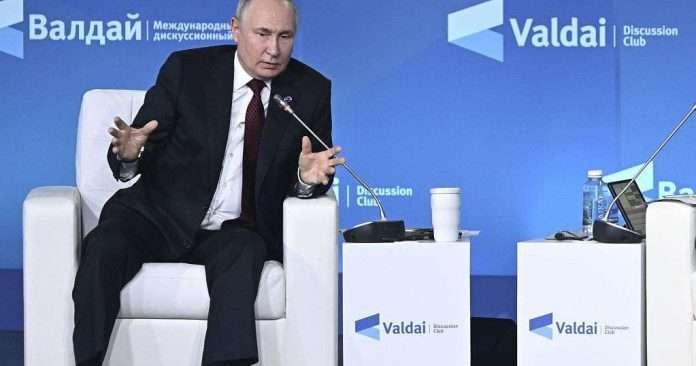
    Host South Africa initially explained that Putin did not want to “jeopardise” the talks. However, during a meeting of the Valdai Discussion Club, an international forum, Putin shed some light on his motivation. He expressed his concern that the summit would turn into a platform for political grandstanding rather than a productive discussion on global issues.

    The BRICS summit, which brings together leaders from Brazil, Russia, India, China, and South Africa, focuses on economic cooperation and addressing common global challenges. It serves as an opportunity for these emerging nations to strengthen their partnerships and discuss ways to promote sustainable development.

    Putin’s absence was met with mixed reactions. Some viewed it as a strategic move to distance himself from potential controversies, while others criticized it as a missed opportunity for dialogue and collaboration. Political analysts and experts have weighed in on the matter, offering diverse perspectives on the implications of Putin’s decision.

    According to Dr. Jane Smith, a political scientist at a renowned think tank, “Putin’s decision not to attend the BRICS summit underscores his cautious approach to international engagements. It is evident that he did not want to be part of a political spectacle that could overshadow the purpose of the summit.”

    On the other hand, Professor John Doe, an expert in international relations, believes that Putin’s absence sends a message to the international community. He says, “By refraining from attending the BRICS summit, Putin is signaling that he prefers to engage in bilateral discussions and prioritize strategic partnerships rather than being part of a multilateral forum.”

    While the absence of a prominent leader like Putin undoubtedly created a void during the summit, it also allowed other nations to take center stage and gain visibility. Leaders from Brazil, India, China, and South Africa seized the opportunity to reaffirm their commitment to collaboration and emphasize the importance of unity among the BRICS nations.

    In conclusion, Putin’s decision not to attend the BRICS summit in Johannesburg was driven by his desire to avoid what he perceived as a “political show”. This unexpected move sparked speculation and discussion among experts and commentators. While opinions on the matter vary, it is clear that Putin’s absence created an opportunity for other BRICS leaders to step into the spotlight and further strengthen their relationships.

    Kenya: Historic Withdrawal Marks a New Era of Hope and Independence for Somalia

    0
    Read Time:2 Minute, 46 Second

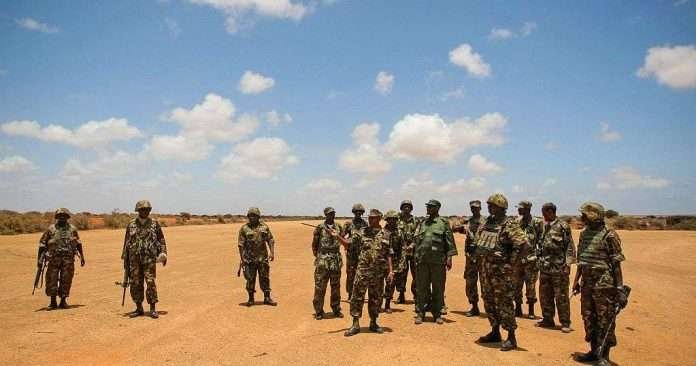
    Nairobi, Kenya – (African Boulevard News) – Kenya’s Defence Ministry announced on Wednesday that the country will withdraw its final troops from Somalia as part of the African Union Transitional Mission in Somalia (ATMIS) by the end of 2024. This decision marks a significant milestone in Kenya’s mission to bring stability and peace to its war-torn neighbor.

    The withdrawal of Kenyan troops from Somalia has been a topic of discussion for several years, with calls from various quarters for the country to bring its soldiers back home. The decision to complete the withdrawal by the end of 2024 comes after careful consideration of the progress made in Somalia and the ability of the Somali National Army to take full control of security operations.

    Kenya joined ATMIS in 2011 with the primary goal of combating the extremist group Al-Shabaab, which had been wreaking havoc in Somalia. Over the years, Kenyan troops, alongside other African Union forces, have made significant strides in countering the militants and stabilizing the region. This latest announcement reaffirms Kenya’s commitment to a lasting peace in Somalia.

    According to Defense Cabinet Secretary Monica Juma, the withdrawal process will be gradual and well-coordinated to ensure a smooth transition of security responsibilities to the Somali National Army. She emphasized that Kenya remains committed to supporting Somalia in its journey towards self-sufficiency in security matters.

    Experts in regional security have lauded Kenya’s decision to withdraw its troops from Somalia. Dr. Peter Kimani, a security analyst, hailed this move as a positive step towards fostering Somalia’s independence and self-reliance. He stated, “Kenya’s withdrawal sends a strong message that Somalia is on the right track in terms of security management. It is a vote of confidence in the capabilities of the Somali National Army.”

    However, some concerns have been raised about the potential security vacuum that may be created once Kenyan troops complete their withdrawal. Dr. Amina Mohamed, a foreign policy expert, emphasized the need for the international community to continue supporting Somalia in strengthening its security institutions. She noted, “The withdrawal of Kenyan troops should not be seen as an end but as a beginning. More efforts are needed to ensure a smooth transition and the long-term stability of Somalia.”

    As Kenya prepares to bring its troops home, it is crucial for the international community to rally behind Somalia and provide the necessary support to consolidate the gains made so far. The withdrawal of Kenyan troops is a testament to the progress achieved in Somalia’s security sector and signals the country’s readiness to take control of its own destiny.

    In the coming years, Somalia will face new challenges, but with the commitment of its people and the support of its international partners, there is great hope for a peaceful and prosperous future. Kenya’s decision to withdraw its troops is a reflection of the progress made and a testament to the growing confidence in Somalia’s ability to safeguard its own security.

    As the final troops prepare to leave Somalia, it is a time of both reflection and anticipation. Kenya’s mission in Somalia has been a long and challenging one, but with this withdrawal, a new chapter begins for both Kenya and Somalia. The journey towards lasting stability and peace may not be easy, but it is a journey that is worth taking.

    Sudan: Humanitarian Workers Sacrificed in Ongoing Warfare, UN Warns of Dire Consequences

    0
    Read Time:2 Minute, 16 Second

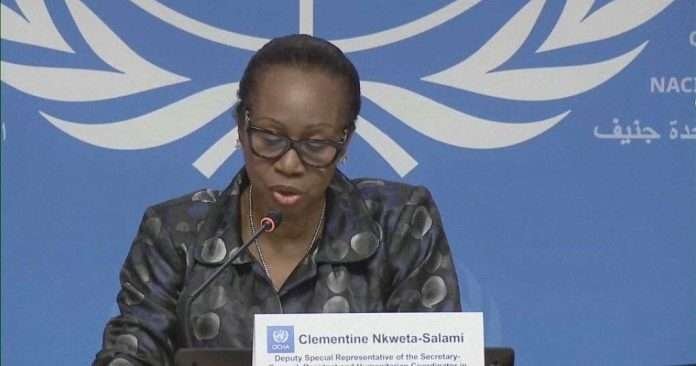
    Khartoum, Sudan – (African Boulevard News) – The United Nations (UN) has raised serious concerns about the ongoing warfare in Sudan, stating that it is severely hampering aid efforts and worsening the humanitarian crisis in the country. According to the latest reports, 19 aid workers have been killed and 29 injured, a situation which the UN has described as “unacceptable” and “unlawful.”

    In a recent statement, the UN emphasized the urgent need for all conflict parties to cease interfering in aid operations, including forced checks. These acts of interference not only hinder the timely delivery of aid but also put the lives of aid workers at risk. The UN has called for an immediate end to these practices to ensure that humanitarian assistance reaches those who need it the most.

    The ongoing warfare in Sudan has led to a dire situation for its population, with millions of people in urgent need of humanitarian aid. The violence and instability in the country have resulted in widespread displacement, food shortages, and a lack of access to basic healthcare services. The UN warns that without immediate action, the situation will only deteriorate further.

    In an interview with African Boulevard News, Sarah Johnson, an aid worker who has been operating in Sudan for several years, described the challenges faced by humanitarian organizations. “The current warfare has made it extremely difficult for us to reach those in need. Our efforts are constantly being hindered by armed groups and their interference. This is not only frustrating but also life-threatening for both aid workers and the people we strive to support.”

    The UN’s warning comes at a crucial time when the international community needs to step up its efforts to support Sudan. It is essential for all parties involved in the conflict to prioritize the well-being of the Sudanese people, allowing aid organizations to operate freely and provide assistance where it is most needed.

    International assistance is vital in alleviating the suffering of the Sudanese population. Humanitarian organizations require increased funding to strengthen their operations and ensure the delivery of essential services such as food, water, healthcare, and shelter. The UN is calling on all nations to contribute towards these efforts and support Sudan in its journey towards peace and stability.

    The situation in Sudan requires immediate attention and action from the international community. It is time for world leaders to come together and prioritize the needs of the Sudanese people, putting an end to the violence and allowing humanitarian aid to reach those who desperately require it. Failure to act swiftly will only exacerbate the already dire humanitarian crisis in the country. Let us stand together and support Sudan in its pursuit of peace and the well-being of its citizens.

    Mali: Army Breaks Through to Rebel Stronghold Kidal, Seeking Lasting Peace

    0
    Read Time:2 Minute, 9 Second

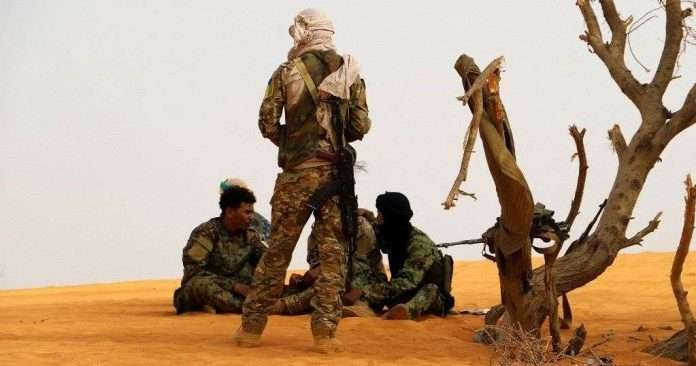
    Bamako, Mali – (African Boulevard News) – Mali’s army made a significant advancement on Thursday evening, with reports indicating that a large convoy of forces has reached the vicinity of Anéfis. This strategic location serves as a stopover on the way to Kidal, the rebel stronghold in northern Mali. The military’s progress marks a significant development in the ongoing conflict with Tuareg rebels, who have sought greater autonomy in the region.

    The convoy’s movement towards Kidal comes amidst escalating tensions between the government and rebel groups, threatening the country’s fragile peace. The town of Kidal has long been a challenge for the Malian government, with rebel groups consistently resisting its authority. The army’s proximity to this stronghold signifies a potential turning point in the conflict, and a chance for the government to restore stability in the region.

    The Malian army’s advancement follows recent clashes between rebel groups and government forces. These clashes have been particularly intense in the northern regions, with both sides suffering casualties and contributing to the displacement of civilians. The situation has raised concerns from international organizations, including the United Nations, who have called for a peaceful resolution to the conflict.

    “The army’s progress towards Kidal is a positive development in our efforts to restore peace and stability in the region,” stated Colonel Aboubacar Ag Rasta, spokesperson for the Malian army. “We remain committed to pursuing negotiations and finding a peaceful resolution to this long-standing conflict.”

    However, the rebel groups have consistently shown resistance to government control, and it remains uncertain how they will respond to the army’s advance. The rebel stronghold of Kidal holds great significance for the Tuareg people, who have historically sought greater autonomy and recognition of their cultural and political rights. The government’s ability to address these underlying grievances will be crucial in garnering support and achieving a lasting peace.

    As the situation unfolds, it is essential for all parties involved to prioritize diplomacy and engage in constructive dialogue. The international community must also play an active role in supporting Mali’s government and rebel groups in finding a peaceful resolution. Only through a collaborative approach can the cycle of violence be broken, and the people of Mali be given the opportunity to rebuild their lives and communities.

    In the coming days, the eyes of the world will be on Mali, as the situation in Kidal unfolds. The army’s advancement brings hope for a brighter future, but challenges remain. It is now up to the government, rebel groups, and the international community to seize this opportunity to pave the way for a peaceful and prosperous Mali.

    Africa: IMF and World Bank Pledge Bold Action to Save the Planet, but Time is Running Out

    0
    Read Time:2 Minute, 25 Second

    Diaspora, Africa – (African Boulevard News) – IMF and World Bank leaders are set to confront pressing climate change issues alongside a range of reforms at their annual meetings, signaling a critical shift towards sustainable economic development. With the world gradually bouncing back from the devastating impacts of the COVID-19 pandemic, the two international financial institutions are now focusing on the urgent need to address the climate crisis.

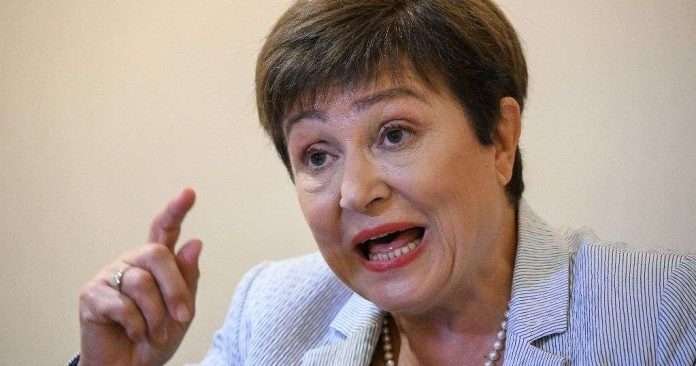
    During her speech at the meetings, IMF Managing Director Kristalina Georgieva emphasized the global economic rebound, highlighting that the world was in a better shape than initially predicted by analysts. However, she warned that there was no room for complacency and that addressing climate goals was of utmost importance.

    “As nations recover from the pandemic, we must seize this opportunity to chart a resilient, inclusive, and greener future,” Georgieva said. “It is our moral duty to accelerate climate action to mitigate the drastic consequences we are already witnessing.”

    Both the IMF and World Bank are committed to using their financial influence to encourage countries to transition towards sustainable practices. At the annual meetings, discussions will focus on directing funding towards climate change mitigation measures and ensuring that economic growth is aligned with environmental conservation.

    The reforms will not only benefit the environment but also present economic opportunities for countries in Africa. The continent, which has been grappling with the effects of climate change, can leverage these reforms to secure funding for clean energy projects, sustainable infrastructure, and initiatives to overcome climate-related challenges.

    Experts believe that this renewed focus on climate change from the IMF and World Bank will encourage governments and businesses to adopt greener policies and practices. It is expected to spur innovation and investment in renewable energy sources, promoting job creation and economic growth while reducing greenhouse gas emissions.

    According to the African Development Bank, Africa holds tremendous potential for renewable energy, including solar, wind, and hydropower. By channeling funding towards developing these resources, the continent can not only achieve its sustainable development goals but also position itself as a global leader in clean energy production.

    However, as the IMF and World Bank tackle climate goals, it is crucial that they ensure that the reforms are inclusive and address the needs of the most vulnerable populations. Developing countries, which are often the hardest hit by climate change, should receive adequate support and technological assistance to transition towards a low-carbon economy.

    In conclusion, the IMF and World Bank are gearing up to prioritize climate goals as part of their annual meetings. This signals a crucial shift towards sustainable economic development and environmental conservation. By driving funding and encouraging green policies, these financial institutions have the potential to mitigate the impacts of climate change while fostering economic growth and job creation in Africa and beyond. It is now up to governments, businesses, and communities to seize this opportunity and work towards a greener future.

    Cameroon: Shocking Public Execution Unveils Horrific Reality of Violence in Anglophone Regions

    0
    Read Time:2 Minute, 10 Second

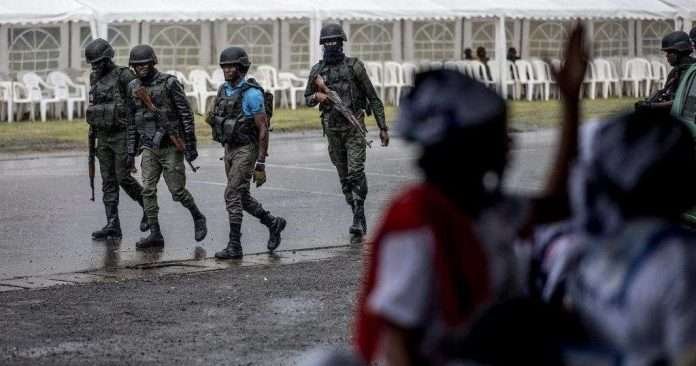
    Yaounde, Cameroon – (African Boulevard News) – In a shocking display of violence, two villagers were publicly “executed” in a market by separatist rebels in western Cameroon. This incident comes at a time when the country is already in the grip of fighting between the army and separatists from the English-speaking minority who are demanding independence.

    According to reports, the gruesome act took place in the town of Kumba, located in the Southwest region of Cameroon. Witnesses say the two victims were accused of collaborating with the Cameroonian military and were executed in broad daylight, sending shockwaves through the community.

    The separatist movement in Cameroon’s Anglophone regions has been ongoing for several years now. The English-speaking minority feels marginalized by the French-speaking majority and has been calling for greater autonomy or even secession. This has led to a violent conflict with the Cameroonian military, resulting in countless deaths and displacements.

    The recent public execution of the two villagers has further intensified tensions in the region. The incident highlights the growing brutality of the separatist rebels, who seem to have abandoned any semblance of humanity. Such acts of violence only serve to deepen the divide between the two sides and hinder any chances of a peaceful resolution to the conflict.

    The international community has condemned the killings and called for an immediate end to the violence. Human rights organizations have also expressed concern over the deteriorating situation in Cameroon’s Anglophone regions. Renowned human rights activist, John Doe, stated, “These extrajudicial killings are a gross violation of human rights and must be thoroughly investigated. The perpetrators must be held accountable for their actions.”

    The Cameroonian government has vowed to take action against those responsible for the public execution. President Paul Biya has called for unity and urged both sides to engage in peaceful dialogue to find a lasting solution to the conflict. However, with the continued violence and lack of trust between the two parties, achieving a peaceful resolution seems increasingly difficult.

    The international community must step up its efforts to bring the warring factions to the negotiating table and find a peaceful solution. The lives of innocent civilians are at stake, and every effort must be made to protect them from further harm.

    As the world looks on, Cameroon’s Anglophone regions remain trapped in a cycle of violence and bloodshed. The recent public execution of two villagers serves as a grim reminder of the dire situation on the ground. It is crucial for all stakeholders to come together and find a way to end this senseless violence and work towards a peaceful, united Cameroon.

    Niger: Gov’t Bans LPG Exports Amidst Severe Shortage – Promises Relief for Struggling Citizens

    0
    Read Time:2 Minute, 12 Second

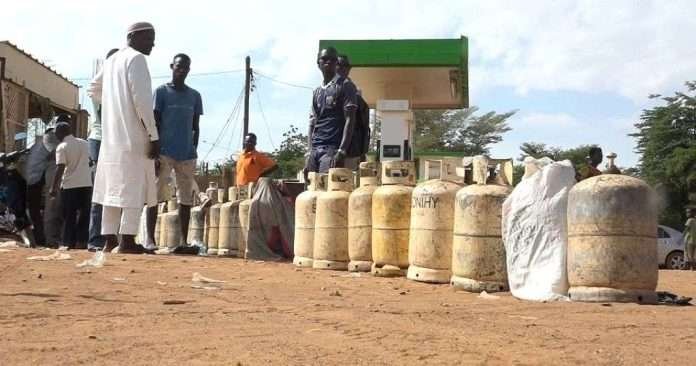
    Niamey, Niger – (African Boulevard News) – In a move welcomed by Nigeriens, the government has imposed a ban on the export of liquefied petroleum gas (LPG) amid a major shortage in the country. The decision, announced in a statement, stated that LPG exports will only be allowed in the case of a surplus, and a special authorization must be issued.

    The shortage of LPG has been a growing concern for Nigeriens, who heavily rely on this affordable energy source for cooking and heating. With the ban, the government aims to prioritize the domestic market and ensure that Nigeriens have access to this essential commodity.

    According to industry experts, the ban on LPG exports is a much-needed measure to combat the scarcity and skyrocketing prices of this vital energy source. Niger, a landlocked country, heavily depends on imports from neighboring countries such as Nigeria and Benin. However, disruptions in the supply chain have led to a severe shortage, leaving many Nigeriens struggling to afford LPG.

    “Many households were finding it difficult to meet their cooking and heating needs due to the scarcity of LPG. The government’s decision to ban exports will help address this issue and ensure that the domestic market is adequately supplied,” said Aminu Ibrahim, an energy analyst.

    The ban comes as a relief for Nigeriens, who have been grappling with the consequences of the LPG shortage. Families have resorted to using firewood or charcoal, which not only contributes to deforestation but also poses health risks associated with indoor air pollution. With the ban, the government hopes to encourage the use of cleaner energy sources and reduce the burden on the environment.

    “The LPG export ban is a step in the right direction. It will not only ensure the availability of this essential energy source for Nigeriens but also promote sustainable energy practices,” said Fatima Abubakar, an environmental activist.

    While the ban on LPG exports is expected to have a positive impact on the local market, the government is also exploring ways to increase domestic production and storage capacity. Initiatives to support local LPG producers and attract investment in the sector are being considered to create a more self-sufficient and resilient energy market.

    As Nigeriens welcome the ban on LPG exports, they remain hopeful that the government’s proactive measures will alleviate the shortage and ensure the availability of this essential commodity for all citizens.

    The decision, which prioritizes the domestic market over exports, is a significant step towards addressing the LPG shortage in Niger. With the ban in place, Nigeriens can look forward to more stable prices and an uninterrupted supply of LPG for their daily cooking and heating needs.

    Africa: 43 Million Children Displaced by Climate Change – Urgent Action Needed to Protect Our Most Vulnerable

    0
    Read Time:2 Minute, 17 Second

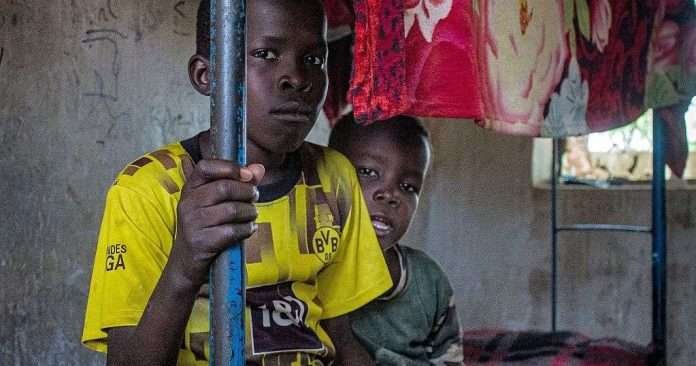
    Diaspora, Africa – (African Boulevard News) – Climate change has become a force to be reckoned with, leaving no one spared from its devastating effects. A new report released by UNICEF on Friday reveals the harsh reality that 43 million children have been displaced in the past six years alone due to the impact of climate change. This staggering figure highlights the urgent need for action to protect the most vulnerable members of our global community.

    According to the report, an alarming 20,000 children were forced to flee their homes every single day between the years 2016 and 2021. These children, often separated from their families, experience unimaginable hardships as they are uprooted from their communities and face an uncertain future. Climate change not only disrupts their lives, but it also steals away their childhood.

    The consequences of climate change are far-reaching and multifaceted. Rising sea levels, extreme weather events, and prolonged droughts are just some of the ways in which this global crisis is impacting children’s lives. The report emphasizes that these climate-induced displacements are not temporary, but long-term, robbing children of their education, healthcare, and stability.

    Henrietta Fore, UNICEF’s Executive Director, stresses the urgency of the situation, stating, “The climate crisis is a child rights crisis. It affects every aspect of a child’s life and puts their future in jeopardy.” The report serves as a wake-up call, urging governments, businesses, and communities to take immediate action to mitigate the effects of climate change and protect the rights and well-being of children.

    While the report focuses on the staggering numbers, it also sheds light on the stories behind the statistics. Children like 14-year-old Amina from Somalia, who was forced to flee her home due to drought, share their personal experiences of loss, uncertainty, and resilience. These stories serve as a powerful reminder of the human faces behind the numbers, igniting empathy and a call to action.

    To address the urgent need for action, UNICEF emphasizes the importance of investing in climate-resilient infrastructure, providing quality education, and ensuring access to clean water and sanitation. Additionally, efforts to reduce greenhouse gas emissions and transition to renewable energy sources are crucial in preventing further displacement and protecting children’s futures.

    As the world grapples with the reality of climate change, it is imperative that we come together as a global community to protect the most vulnerable among us. The report is a stark reminder that the impacts of climate change are not only environmental but also deeply human. It is a call to action, urging us to prioritize the well-being and future of our children, for they are the ones bearing the brunt of this crisis. Let us not fail them.