Monday, April 27, 2026
81.7 F
Lagos
More
    Home Blog Page 93

    Africa: Israel’s Defense Failure – Overconfidence Exposed as Hamas Rockets Rain Down and Hundreds of Hostages Taken

    0
    Read Time:2 Minute, 23 Second

    Diaspora, Africa – (African Boulevard News) – Israel’s recent defense failure against Hamas has raised questions about the country’s military strategy and preparedness. In the wake of a rain of rockets from Gaza and the infiltration of hundreds of Hamas militants into Israeli territory, an expert has pointed to overconfidence as a key factor in this devastating setback.

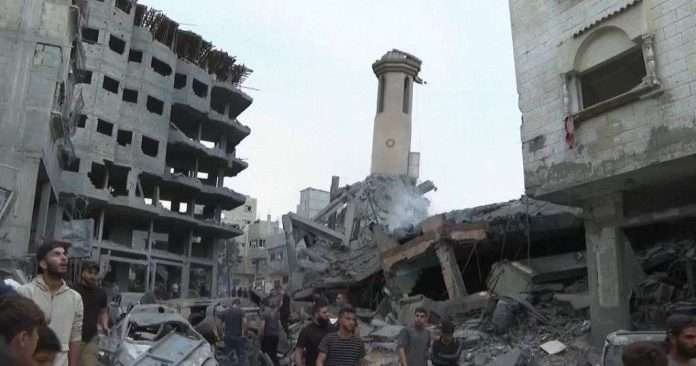
    Israel, known for its robust defense capabilities, found itself facing an unexpected and overwhelming assault from Hamas. The worst possible scenario unfolded as rockets rained down on Israeli cities, leaving the population in constant fear and destruction in their wake. To exacerbate the situation, Hamas militants managed to infiltrate Israel, taking more than a hundred hostages in the process.

    According to Dr. Sarah Cohen, a leading expert in Middle Eastern affairs, Israel’s failure to effectively counter this attack can be attributed to overconfidence. In an interview with African Boulevard News, she explained, “Israel has long been regarded as having one of the most advanced and capable militaries in the world. This sense of superiority may have led to complacency and a failure to anticipate the tactics employed by Hamas.”

    Dr. Cohen further emphasized that Hamas had strategically exploited Israel’s perceived invincibility. The militant group’s ability to breach Israeli defenses and inflict significant damage showcased a level of coordination and planning that caught Israel off guard. She added, “Israel’s reliance on technological superiority may have blinded them to the importance of understanding the evolving tactics and strategies of their adversaries.”

    The defense failure has led to widespread criticism of the Israeli government’s approach to national security. Critics argue that a reliance on high-tech defense systems and intelligence gathering alone may not be sufficient in a rapidly changing landscape. The events of the past few days have exposed vulnerabilities that require a comprehensive reassessment of Israel’s defense strategy.

    Prime Minister Benjamin Netanyahu, in response to the criticism, acknowledged the need for a review of Israel’s defense capabilities. In a press conference, he stated, “We cannot afford to be complacent. This incident serves as a wake-up call, and we will be redoubling our efforts to ensure the safety and security of our citizens.”

    As Israel grapples with the aftermath of this harrowing attack, it is clear that a reevaluation of defense strategies is crucial. Overconfidence must give way to a more nuanced understanding of the evolving threats faced by the country. The lessons learned from this failure will shape Israel’s future approach to national security, ultimately determining the safety and well-being of its citizens.

    While Israel remains committed to protecting its borders and ensuring the safety of its people, this recent defense failure serves as a stark reminder that even the most advanced military forces can be caught off guard. The ability to adapt, anticipate, and learn from past mistakes will be critical in preventing such devastating incidents in the future.
    Cameroon: Devastating Floods Claim 27 Lives, Leave Dozens Injured – Urgent Search for Missing Continues

    0
    Read Time:2 Minute, 5 Second

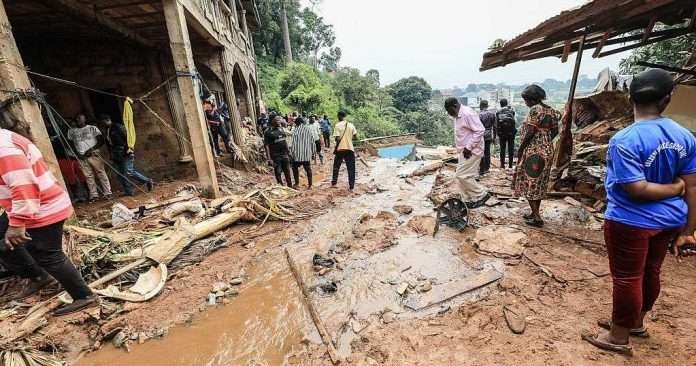
    Yaounde, Cameroon – (African Boulevard News) – The death toll from the devastating floods that hit Cameroon’s capital city has now reached at least 27, with more than 50 individuals reported injured. The tragic incident occurred on Monday, prompting rescue teams to intensify their search efforts in hopes of finding those who remain missing in the aftermath of the deluge.

    The heavy rains that pounded Yaounde on Sunday resulted in severe flooding, causing widespread destruction and taking a toll on human lives. The government has declared a state of emergency as the nation grapples with this natural disaster.

    According to authorities, rescue operations have been in full swing since Monday, with emergency response teams striving to provide aid and support to affected communities. The focus of these efforts is on locating missing individuals and providing medical assistance to the injured.

    “While we mourn the loss of those who have perished in this tragedy, we are fully committed to doing everything in our power to find and rescue those who are still unaccounted for,” said the Minister of Interior, speaking on behalf of the government.

    The inclement weather has also disrupted transportation networks, with flooded roads and bridges making it difficult for rescue teams to reach affected areas. Local authorities are working tirelessly to clear the debris and restore normalcy, but the process is expected to take time.

    In the wake of this calamity, humanitarian agencies, non-governmental organizations, and ordinary citizens have rallied together to provide much-needed assistance. Donations of food, water, and essential supplies have been pouring in, ensuring that the affected communities receive the support they need during this difficult time.

    The devastating floods in Yaounde serve as a stark reminder of the vulnerability faced by many African nations during the rainy season. Climate change and inadequate infrastructure play significant roles in exacerbating the impact of such natural disasters.

    As Cameroon mourns the loss of lives and grapples with the aftermath of the floods, the government has pledged to review and strengthen disaster preparedness and response measures to prevent future tragedies. It is crucial for adequate resources to be allocated towards the construction and maintenance of resilient infrastructure that can withstand extreme weather events.

    In times of adversity, the resilience and unity shown by communities is truly inspiring. Cameroonians are supporting each other, demonstrating the strength of their collective spirit. It is through collaboration and solidarity that the nation will overcome this tragedy and rebuild in a way that is more resilient to future challenges.

    Niger: Author Breaks Taboos, Offers “The Missing Words” to Revolutionize Conversations about Sex

    0
    Read Time:2 Minute, 18 Second

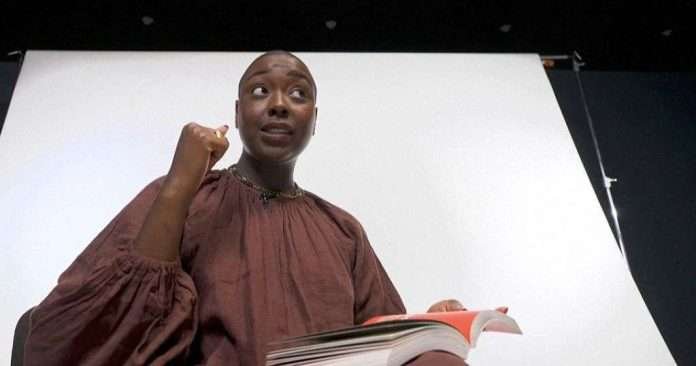
    Niamey, Niger – (African Boulevard News) – The topic of sexuality has never really been a taboo for me. And I’ve always felt a bit like the friend to whom people come to talk about sexuality, to whom you come and talk about your problems and desires,” says Camille Aumont-Carnel, a France-based Nigerien author.

    Aumont-Carnel, originally from Niger, has made it her mission to address a topic that is often shrouded in silence and mystery: sex. In her latest book, she aims to offer “the missing words” to help normalize conversations about sexuality.

    Having grown up in a society where discussions about sex were considered improper, Aumont-Carnel understands the importance of breaking down barriers and opening up conversations about this fundamental aspect of human life.

    “I believe that everyone has the right to access accurate information about sex and to freely express their desires. By offering ‘the missing words,’ I hope to empower individuals to explore their sexuality in a healthy and informed manner,” she explains.

    Aumont-Carnel’s book explores various aspects of sexuality, including consent, pleasure, and sexual orientation. It provides readers with a comprehensive guide to understanding and embracing their own sexuality.

    Experts and stakeholders in the field of sexuality education have praised Aumont-Carnel’s efforts in bringing these conversations to the forefront. Dr. Aminata Diallo, a renowned psychologist, underscores the importance of discussing sex openly.

    “Sexuality is a natural and integral part of human life. By providing the missing words, Aumont-Carnel is contributing to a much-needed dialogue that promotes understanding, respect, and healthy sexual relationships,” he says.

    Aumont-Carnel believes that education and empowerment are key elements in addressing misconceptions and taboos surrounding sex. She advocates for comprehensive sex education that goes beyond the biological aspects and tackles the emotional and psychological dimensions.

    “We must move away from viewing sex as a purely physical act and recognize its emotional and psychological significance. By talking openly and honestly, we can dispel myths and promote healthy attitudes towards sex,” she emphasizes.

    As Aumont-Carnel’s book gains popularity, it is sparking conversations and encouraging individuals to reflect on their own beliefs and attitudes towards sexuality. By offering the missing words, she hopes to redefine the narrative and create a more inclusive and accepting society.

    In a world where discussions about sex are often hushed, Aumont-Carnel’s courageous endeavor to offer the missing words is a step towards breaking down barriers and fostering a more informed and liberated society. The conversation around sex is evolving, and it is authors like Aumont-Carnel who are leading the way in providing the missing words that have long been overdue.

    For more information on Camille Aumont-Carnel and her book, please visit: [URL of the Africanews article] and [Google search URL].

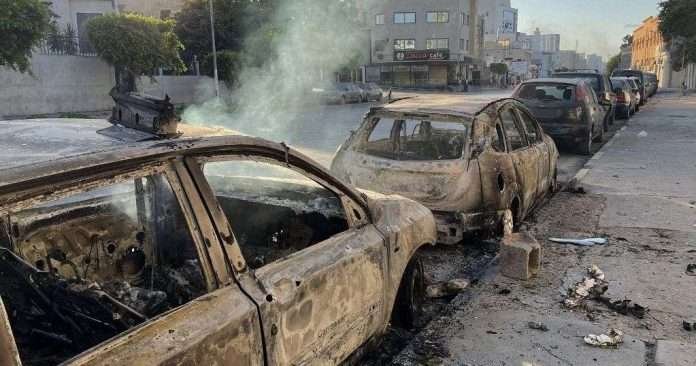
    Libya: Telecommunications Blackout and Escalating Clashes in Benghazi Ignite Humanitarian Crisis, UN Warns

    0
    Read Time:2 Minute, 9 Second

    Tripoli, Libya – (African Boulevard News) – The United Nations has raised alarm over the escalating clashes and total blackout of telecommunications in the city of Benghazi, eastern Libya. The unrest has been a cause for concern, particularly due to the involvement of strongman Khalifa Haftar’s camp.

    The once-thriving city of Benghazi has become a hotbed of conflict in recent years, with various armed factions vying for control. The latest surge in violence and the subsequent shutdown of telecommunications have further exacerbated the situation, limiting the flow of information and hindering communication among residents.

    The UN’s concern is well-founded, as the blackout has severely impacted the daily lives of Benghazi’s residents. Business operations, healthcare services, and even personal communication have been disrupted, plunging the city into darkness both literally and metaphorically.

    According to the Africanews report, the UN warned that the lack of communication could result in a humanitarian crisis. In times of conflict, it is crucial for individuals to have access to essential services and be able to reach out for assistance. The blackout not only stifles these vital lifelines but also perpetuates a sense of fear and isolation among the affected population.

    Furthermore, the clashes themselves have caused significant damage and casualties. The violence in Benghazi has been relentless, leading to a loss of lives and destruction of infrastructure. The UN’s concern for the wellbeing of civilians caught in the crossfire is justified, as innocent lives continue to be at risk.

    In response to the ongoing crisis, it is imperative that all parties involved prioritize the safety and well-being of the civilian population. Dialogue and diplomacy should be the preferred course of action to find a lasting solution and bring stability to the region. The UN has called for an immediate ceasefire and urged all parties to engage in meaningful negotiations, emphasizing the need for a political settlement.

    In the face of this dire situation, international support is crucial. The African Union, neighboring countries, and the international community as a whole must step up their efforts to facilitate a peaceful resolution to the conflict. The UN’s concern should serve as a wake-up call for swift action and collective intervention.

    As the focus remains on the tragic events unfolding in Benghazi, it is essential to remember the human toll and the urgent need for resolution. The lives and well-being of the people of Benghazi hang in the balance, and time is of the essence. The international community must rally together to ensure their safety and work towards a future where peace and stability can flourish in Libya.

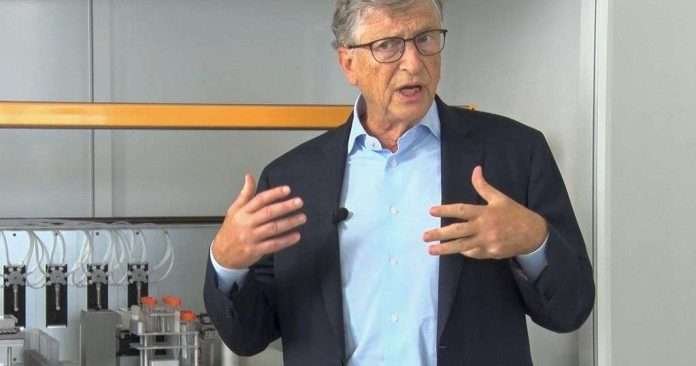
    Africa: Gates Foundation’s $40 Million Pledge Revolutionizes Vaccine Production, Empowering the Continent to Defeat COVID-19 and Beyond

    0
    Read Time:2 Minute, 18 Second

    Diaspora, Africa – (African Boulevard News) – In a major boost to Africa’s fight against the COVID-19 pandemic, the Bill & Melinda Gates Foundation has committed a $40 million investment to support the development and production of messenger RNA (mRNA) vaccines on the continent. This pledge aims to increase vaccine manufacturing capacity, improve vaccine equity, and ensure that Africa is better prepared for future health crises.

    The Gates Foundation’s investment will be channeled towards assisting multiple African manufacturers in building their mRNA vaccine production capabilities. mRNA vaccines have gained global recognition for their efficacy against COVID-19, as demonstrated by the success of vaccines like Pfizer-BioNTech and Moderna. By developing local capacity for mRNA vaccine production in Africa, the continent can strengthen its resilience against the current pandemic and future health emergencies.

    Dr. Ngozi Okonjo-Iweala, Director-General of the World Trade Organization (WTO), hailed the Gates Foundation’s commitment, saying, “This investment will significantly contribute to Africa’s efforts to scale up vaccine production and ensure equitable access to vaccines. It is a testament to the importance of collaboration and global solidarity in overcoming health challenges.”

    With this investment, African manufacturers will receive technical expertise, training, and equipment to establish mRNA vaccine production facilities. This will pave the way for the continent to produce its own COVID-19 vaccines, reducing its dependence on imports and allowing for faster response times during emergencies.

    The Gates Foundation’s investment comes at a critical time when Africa has faced challenges in accessing COVID-19 vaccines. The continent has been grappling with limited vaccine supplies, hampering efforts to achieve widespread immunization. By strengthening local manufacturing capabilities, Africa can enhance its self-reliance in vaccine production and achieve greater vaccine equity.

    Dr. John Nkengasong, Director of the Africa Centres for Disease Control and Prevention (Africa CDC), emphasized the significance of the Gates Foundation’s support, stating, “This investment will boost Africa’s ability to protect its population from COVID-19 and future pandemics. It is a game-changer for our efforts to develop a sustainable vaccine manufacturing ecosystem in Africa.”

    The development of mRNA vaccine production in Africa will not only benefit the continent but also contribute to global efforts in combating the pandemic. By expanding vaccine manufacturing capacity, Africa can play a crucial role in closing the global vaccination gap and reaching the target of vaccinating at least 70% of the world’s population.

    The Gates Foundation’s $40 million investment signals a strong commitment to Africa’s health and sustainable development. It exemplifies the power of partnerships between philanthropic organizations, governments, and the private sector in addressing pressing health challenges. With concerted efforts and investments like these, Africa can build a resilient healthcare infrastructure and ensure the well-being of its people in the face of future health crises.

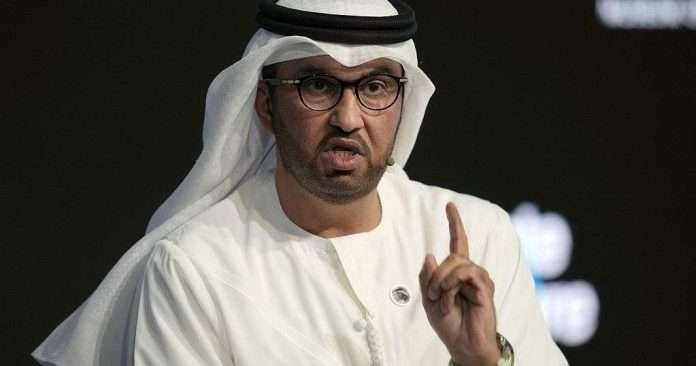
    Africa: COP28 President Challenges “Fantasies” of Swiftly Abandoning Energy Infrastructure, Urges Realistic Climate Action

    0
    Read Time:2 Minute, 20 Second

    Diaspora, Africa – (African Boulevard News) – The president of the upcoming COP28 climate talks in Dubai has voiced reservations about the feasibility of swiftly abandoning existing energy infrastructure in the pursuit of global climate goals. In a recent statement, the president-designate stressed the need to separate facts from fantasies and urged the world not to simply “unplug” the current energy system.

    The COP28 president-designate, who will be leading the discussions on climate action at the conference, emphasized the importance of taking a realistic approach to tackling the climate crisis. While acknowledging the urgency of the situation, the president-designate cautioned against hasty decisions that could have unintended consequences.

    “We must separate facts from fantasies. We cannot simply unplug the existing energy system without considering the complex web of interdependencies that it supports,” the president-designate stated. “There is no doubt that we need to transition to cleaner sources of energy, but it must be a managed and equitable process that takes into account the unique circumstances of each country.”

    The call for a managed transition echoes the sentiments of many industry experts and stakeholders who argue that completely abandoning existing energy infrastructure is not practical or economically viable. They emphasize the need for a balanced approach that combines investment in renewable energy sources, the scaling up of technological innovations, and the gradual phasing out of fossil fuels.

    Mark Williams, an energy policy analyst, highlighted the challenges associated with a rapid energy transition. “Replacing the existing energy system overnight is simply not possible. It requires massive investments, infrastructure upgrades, and time for industries and communities to adapt,” Williams explained.

    It is widely acknowledged that developing countries, particularly in Africa, face significant energy challenges and require support to transition to cleaner sources. The COP28 president-designate stressed the importance of global solidarity in addressing these disparities and called for increased international cooperation to ensure a just and equitable energy transition.

    The upcoming COP28 conference comes at a crucial time when the world grapples with the urgency of the climate crisis. While ambitious climate goals are necessary, experts argue that a measured approach, taking into account the realities on the ground, is vital for success.

    As the international community prepares to gather in Dubai, the COP28 president-designate’s words serve as a reminder that the path towards a sustainable future requires careful consideration, collaboration, and a commitment to balancing the needs of both developed and developing nations. Achieving global climate goals will undoubtedly be a challenging endeavor, but with a realistic and inclusive approach, the world can work towards a cleaner and more resilient future.

    Sources:
    – Africanews.com: https://www.africanews.com/2023/10/09/cop28-president-designate-says-world-cant-just-unplug-existing-energy-system/
    – Google search: COP28 president-designate says world can’t just unplug existing energy system.

    Liberia: A Beacon of Hope Rises in Clara Town as President Weah’s Development Projects Shine

    0
    Read Time:2 Minute, 24 Second

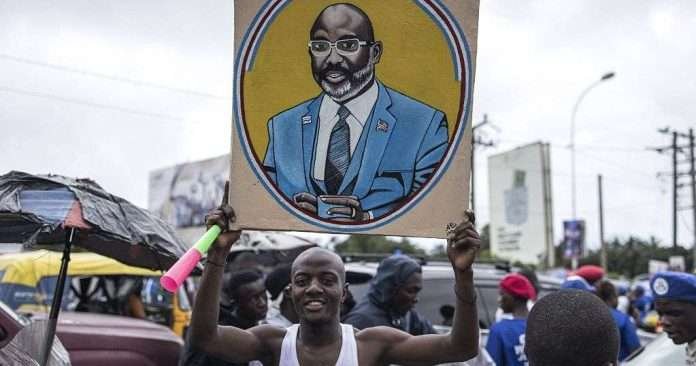
    Monrovia, Liberia – (African Boulevard News) – Osman Fofana, a student in Liberia’s capital Monrovia, could not contain his excitement as he walked onto a new football field in his slum community of Clara Town. “It’s astonishing,” he said at a recent gathering. “We never had anything like this before. Now we have a place to play and pursue our dreams.”

    This new football field is just one of the many development projects being carried out in Monrovia under the leadership of President George Weah, who is seeking re-election in the upcoming presidential race. Despite some controversies surrounding his presidency, Weah remains popular in his hometown.

    The football field in Clara Town is a symbol of progress and hope for the community. It not only provides a safe space for young people to engage in sports but also serves as a platform for talent development and social cohesion. The initiative has received praise from both residents and experts.

    “This project is a testament to President Weah’s commitment to empowering youth and investing in their future,” said James Freeman, a community leader in Clara Town. “It shows that he cares about the well-being of his people and is dedicated to improving their lives.”

    President Weah has been dedicated to addressing the needs of the people of Liberia since taking office in 2018. Education, healthcare, and infrastructure development have been among his top priorities. His efforts have resulted in the construction of schools, hospitals, and roads across the country.

    These projects have not only improved the lives of Liberians but have also created job opportunities and stimulated economic growth. Weah’s administration has been applauded for its efforts to uplift communities and provide equal opportunities for all citizens.

    However, Weah’s presidency has not been without its challenges and criticisms. Some critics argue that progress has been slow and that more needs to be done to tackle poverty and corruption. Nevertheless, many individuals in Monrovia continue to support Weah and believe in his vision for a better Liberia.

    The upcoming presidential election will be a crucial test for Weah and his popularity among the Liberian people. As the campaign season heats up, it is clear that Weah’s achievements in his hometown of Monrovia will be a key talking point. The new football field in Clara Town stands as a tangible symbol of his commitment to improving the lives of ordinary citizens.

    In conclusion, President George Weah’s popularity in his hometown of Monrovia remains strong as he seeks re-election. The development projects he has spearheaded, such as the new football field in Clara Town, have brought tangible improvements to the lives of residents. While challenges remain, Weah’s commitment to empowering youth and investing in the future of Liberia continues to resonate with voters. As the election approaches, the field in Clara Town serves as a reminder of the progress that has been made under Weah’s leadership.

    Africa: International Community Rallies to Halt Devastating Israel-Hamas War, Urgent Ceasefire and Protection of Innocent Lives Demanded

    0
    Read Time:2 Minute, 23 Second

    Diaspora, Africa – (African Boulevard News) – As the war between Israel and Hamas reached its third day, the regional and international communities stepped up their response on Monday. The conflict, which erupted after tensions escalated in Jerusalem, has caused widespread concern and prompted calls for an immediate de-escalation.

    The United Nations Security Council held an emergency session to discuss the escalating violence in the region. In a statement, the UNSC expressed deep concern over the loss of civilian lives and called for an immediate ceasefire. The Council urged all parties to exercise restraint and work towards a peaceful resolution.

    The African Union also issued a statement, expressing its grave concern over the escalating violence and loss of innocent lives. Moussa Faki Mahamat, the Chairperson of the African Union Commission, called for an immediate cessation of hostilities and urged all parties to engage in dialogue to de-escalate the situation.

    A number of countries have also reacted to the conflict. The United States, a key ally of Israel, called for both sides to de-escalate and avoid actions that could further inflame tensions. The European Union similarly urged an immediate ceasefire and called on all parties to respect international humanitarian law.

    Egypt, which has long played a mediation role between Israel and Hamas, has been in contact with both parties to try to broker a ceasefire agreement. President Abdel Fattah el-Sisi has called for an end to the violence and emphasized the importance of dialogue to resolve the underlying issues.

    In the Middle East, the Arab League held an emergency meeting to discuss the situation. Secretary General Ahmed Aboul Gheit condemned the violence and called for an end to the targeting of civilians. He stressed the need for a political solution to address the root causes of the conflict.

    As the international community responds, concern for the safety and wellbeing of civilians caught in the crossfire continues to grow. Human rights organizations are calling for the protection of civilians and the respect of international humanitarian law.

    UN Secretary-General Antonio Guterres, in a press conference, expressed his deep concern over the increasing number of civilian casualties. He emphasized the need to find a political solution and called for an immediate halt to the fighting.

    The world watches as the conflict between Israel and Hamas unfolds, with hopes for a swift resolution and an end to the violence. Diplomatic efforts are underway to bring the warring parties to the negotiating table, while humanitarian aid organizations work tirelessly to provide assistance to those affected by the conflict.

    In this volatile and evolving situation, the international community must continue to exert pressure, facilitate dialogue, and support efforts to de-escalate the conflict. The focus remains on ensuring the safety of civilians and working towards a lasting solution that addresses the root causes of the conflict to prevent future outbreaks of violence.

    Uganda: Anti-Gay Law Threatens Progress in AIDS Fight, Undermines Healthcare Access and Human Rights

    0
    Read Time:2 Minute, 11 Second

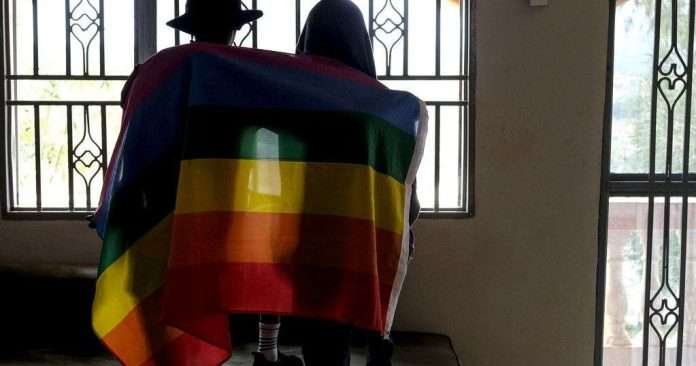
    Kampala, Uganda – (African Boulevard News) – Uganda’s anti-gay law is posing a severe threat to the progress made in the fight against AIDS in the country. The legislation, which criminalizes homosexuality, has led to increased discrimination and stigmatization, deterring vulnerable individuals from seeking vital healthcare services.

    “People need to trust their health workers, health workers need to trust their patients, but in the current circumstances, this has created a situation where everyone is afraid of each other,” says Dr. Sarah Nakku, a prominent HIV/AIDS activist in Uganda.

    The anti-gay law, officially known as the “Anti-Homosexuality Act,” was passed in 2014 and imposes harsh penalties, including life imprisonment, for individuals convicted of “aggravated homosexuality.” This broad and vague definition has fueled a climate of fear and persecution, making it difficult for individuals to access healthcare services, including HIV testing, treatment, and prevention.

    “The anti-gay law has had a chilling effect on the LGBTQ+ community in Uganda. Many are afraid to even visit health facilities, fearing discrimination and stigmatization,” says Dennis Wamala, a human rights advocate in Kampala.

    As a result of this law, community-based organizations and NGOs that play a vital role in providing healthcare services to vulnerable populations have faced increased scrutiny and restrictions. The fear of being labeled as supporting or promoting homosexuality has forced these organizations to either scale back their efforts or go underground, further limiting access to life-saving interventions.

    According to UNAIDS, Uganda has experienced significant progress in the fight against HIV/AIDS in the past few years. The country has seen a decline in new infections and an increase in the number of people accessing treatment. However, the anti-gay law threatens to reverse this progress by driving marginalized groups away from the healthcare system.

    “Discrimination and stigma prevent people from seeking the healthcare they need, and this includes HIV/AIDS services. Uganda should be focusing on creating an inclusive and supportive environment for all individuals, regardless of their sexual orientation,” says Dr. Isaac Mugume, an HIV/AIDS researcher.

    The negative impact of the anti-gay law on the fight against AIDS in Uganda is evident. It is essential for the Ugandan government to reassess and repeal this discriminatory legislation, as it not only violates human rights but also hinders efforts to combat the HIV/AIDS epidemic.

    Uganda’s commitment to ending AIDS by 2030 must be accompanied by policies that prioritize inclusivity and non-discrimination. Only then can the country ensure that all individuals, regardless of their sexual orientation, have equal access to healthcare services and contribute to the progress in the fight against AIDS.

    Benin: Controversial Yoruba Leader Sunday Igboho Released, Fueling Regional Tensions and Raising Questions

    0
    Read Time:2 Minute, 15 Second

    Porto-Novo, Benin – (African Boulevard News) – In a surprising turn of events, Nigerian Yoruba separatist Sunday Igboho has been released in Benin, where he was arrested two years ago while trying to evade Nigerian authorities. One of his lawyers confirmed on Monday that he has since left the country.

    The news of Igboho’s release has sparked a wave of reactions from supporters and critics alike. While his supporters celebrate the decision as a victory for the Yoruba people, critics express concerns over potential implications for regional security.

    Igboho rose to prominence in 2021 when he gained attention for his calls for an independent Yoruba nation in Nigeria. His outspoken stance against the Nigerian government attracted a large following among the Yoruba people, who felt marginalized and oppressed. However, this also placed him under scrutiny from the authorities.

    Igboho’s arrest in Benin in 2021 came after he reportedly fled Nigeria following a raid by Nigerian security forces on his residence. The Nigerian government accused him of illegal possession of firearms and inciting violence. His arrest fueled tensions in the region, leading to protests and clashes between his supporters and security forces.

    The release of Igboho has raised questions about the reasons behind the Beninese authorities’ decision. While some speculate that it could be a diplomatic move to ease tensions with Nigeria, others believe that it reflects the strong support Igboho enjoys within the Yoruba community.

    Speaking to African Boulevard News, legal expert Dr. Akin Oyeoba commented, “The release of Sunday Igboho is a significant development that could have implications for the Yoruba separatist movement. It demonstrates the complexities of addressing regional demands for self-determination and the challenges faced by governments in maintaining stability.”

    Despite his release, the Nigerian government has not backed down on its charges against Igboho. Nigerian authorities have been seeking his extradition back to Nigeria to face trial. It remains to be seen how this latest development will impact the diplomatic relations between Benin and Nigeria and if it will have any bearing on Igboho’s legal battles.

    While Sunday Igboho’s release has brought temporary relief to his supporters, it also raises concerns about the potential for increased tensions and security risks in the region. As the Yoruba separatist movement gains momentum, both the Nigerian and Beninese governments will need to navigate these challenges carefully to avoid further unrest.

    The release of Nigerian Yoruba separatist Sunday Igboho in Benin has set in motion a new chapter in the ongoing struggle for self-determination among the Yoruba people. The impact of this decision reverberates not only across Nigeria but also throughout the West African region, highlighting the complexities inherent in addressing calls for autonomy within a larger nation-state.