Monday, April 27, 2026
90.3 F
Lagos
More
    Home Blog Page 90

    Niger: French Army Withdrawal Ushers in New Era of Sahel’s Security – Who Will Rise to the Challenge?

    0
    Read Time:2 Minute, 16 Second

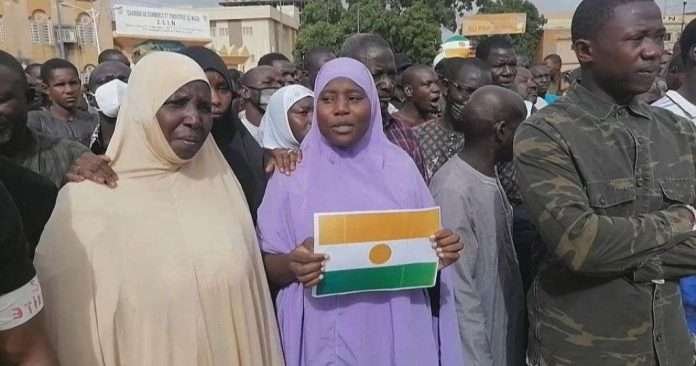
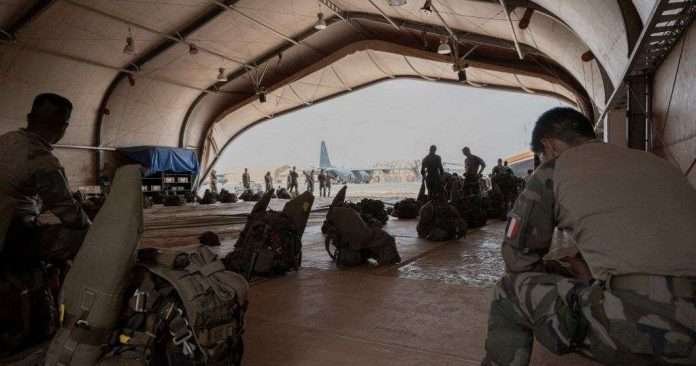
    Niamey, Niger – (African Boulevard News) – The French army has commenced its withdrawal from Niger, marking a significant shift in the security landscape of the Sahel region. The move comes after years of military presence aimed at combating jihadist insurgency and supporting regional governments.

    The announcement, made by the French Ministry of Defense, stated, “Operations for the departure of the first convoy under the escort of our defence and security forces will begin tomorrow, Tuesday, October 10.” This marks the beginning of the gradual reduction of the French military contingent in Niger.

    The French military has been a key ally in the fight against extremist groups in the Sahel, providing intelligence, training, and logistical support to regional forces. With their departure, there are concerns about the potential security vacuum that could be exploited by militants. However, the French government has expressed confidence in the capabilities of the Nigerien security forces to maintain stability in the region.

    The decision to withdraw the French army from Niger is part of a broader strategy to shift the focus of counter-terrorism efforts onto regional forces. France has been facing criticism for its prolonged military presence in the Sahel, with calls for greater African ownership of security operations.

    Analysts believe that the withdrawal of the French army presents an opportunity for regional powers to take a more active role in addressing the security challenges in the Sahel. This could lead to greater cooperation and coordination among countries such as Niger, Mali, Burkina Faso, and Chad.

    However, there are concerns about the capacity of these countries’ security forces to effectively tackle the jihadist threat without the support of the French military. The Sahel region has been plagued by violence and instability, with jihadist groups, including al-Qaeda and ISIS affiliates, carrying out attacks on military and civilian targets.

    Speaking on the withdrawal, security analyst Amina Diallo commented, “While it is crucial to empower regional forces, it is essential to ensure that they have the necessary capabilities and resources to effectively deal with the security challenges in the Sahel. The international community must continue to provide support and assistance in this transition period.”

    As the French army begins its withdrawal from Niger, the focus now shifts to regional actors to step up and take charge of the security situation. The coming months will test the ability of Nigerien security forces and their regional counterparts to maintain stability and counter the jihadist threat.

    The withdrawal of the French army from Niger marks a significant turning point in the fight against extremism in the Sahel. It is a crucial moment for regional powers to come together, strengthen their security apparatus, and chart a course towards lasting peace and stability in the region.
    Africa: Urgent Action Needed as Half of Plant Species Face Extinction

    0
    Read Time:2 Minute, 18 Second

    Diaspora, Africa – (African Boulevard News) – In a concerning new report, it has been revealed that nearly half of all plant species are at risk of extinction. This alarming statistic highlights the urgent need for increased conservation efforts to protect the world’s biodiversity.

    According to the report, which was conducted by the Royal Botanic Gardens in London, an estimated 40% of plant species across the globe are facing the threat of extinction. This figure represents a substantial increase from previous estimates and serves as a wake-up call for the international community.

    The study, which analyzed data from over 300,000 plant species, found that habitat destruction, climate change, pollution, and invasive species were the main drivers behind the alarming decline in plant populations. As natural habitats continue to be destroyed and altered, many plant species are struggling to survive.

    Dr. William Milliken, Head of Conservation Science at the Royal Botanic Gardens, expressed his concern over the findings. He stated, “Plants are the foundation of all life on Earth. Their extinction would have devastating consequences for ecosystems and human communities alike.”

    The impact of plant extinction goes far beyond the loss of floral beauty. Plants play a crucial role in providing food, medicine, and shelter for both humans and wildlife. Their disappearance could disrupt entire ecosystems and leave many species vulnerable to extinction.

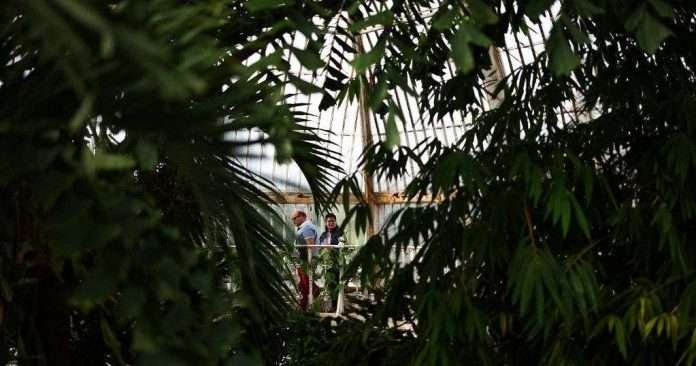
    Efforts are underway to address this crisis and protect endangered plant species. At the Royal Botanic Gardens in London, teams of researchers are working tirelessly to identify newly discovered species and develop strategies for their conservation. Their work is essential in speeding up the process of identifying and protecting endangered plants.

    Conservation organizations and governments worldwide are also taking action. Initiatives such as forest restoration projects, protected area expansions, and public awareness campaigns are being implemented to raise awareness and promote sustainable practices.

    However, much more needs to be done. Dr. Milliken stresses the importance of collaboration and increased funding for conservation efforts. “We need a global commitment to protect and restore our plant diversity,” he says.

    The threat of extinction facing nearly half of all plant species is a stark reminder of the urgent need for action. Our planet’s biodiversity is under threat, and it is up to us to ensure its survival. By prioritizing conservation efforts, we have the opportunity to protect and preserve our natural world for generations to come.

    Sources:
    – Africanews. “Nearly half of all plants threatened with extinction, says new report.” Retrieved from: https://www.africanews.com/2023/10/10/nearly-half-of-all-plants-threatened-with-extinction-says-new-report/
    – Google Search. “Nearly half of all plants threatened with extinction, says new report.” Retrieved from: https://www.google.com/search?q=Nearly+half+of+all+plants+threatened+with+extinction++says+new+report

    Angola: TikToker Imprisoned for Insulting President – Freedom of Expression Under Threat

    0
    Read Time:2 Minute, 2 Second

    Luanda, Angola – (African Boulevard News) – Angolan TikToker Neth Nahara has been sentenced to two years in prison after being found guilty of ‘insulting’ President João Lourenço. This decision comes after an appeals court deemed the initial six-month sentence as too lenient.

    Nahara, a popular content creator on the social media platform TikTok, has amassed a significant following with her entertaining and often satirical videos. However, her latest posts, which allegedly criticized President Lourenço, landed her in legal trouble.

    The case against Nahara sparked a wave of debates surrounding freedom of expression in Angola. Many argue that her arrest and subsequent sentencing are clear violations of the right to express opinions freely, particularly when it comes to political figures.

    According to reports, Nahara’s lawyer plans to appeal the decision once again, hoping for a more favorable outcome. However, concerns have been raised about the impartiality of the justice system in cases involving criticism of the government.

    Human rights organizations, such as Amnesty International, have expressed their dismay over Nahara’s sentencing. They argue that the Angolan government should prioritize protecting freedom of speech rather than suppressing dissenting voices.

    “Freedom of expression is a fundamental human right that should be respected and protected,” said a spokesperson from Amnesty International. “The decision to sentence Neth Nahara to two years in prison for her online posts sends a worrying message about the state of freedom of speech in Angola.”

    Angola has faced criticism in the past for its restrictions on freedom of expression and press freedom. The country ranks 106th out of 180 countries on the Reporters Without Borders Press Freedom Index, reflecting a challenging environment for journalists and content creators.

    The case of Neth Nahara has once again highlighted the need for Angola to reassess its approach to freedom of speech. Critics argue that the government should focus on fostering an open and inclusive society, allowing citizens to express their opinions without fear of persecution.

    In an era where social media platforms have become powerful tools for expression, it is crucial for governments worldwide to strike a balance between protecting individuals’ rights and safeguarding public interest.

    As the case continues to unfold, many will be watching closely to see whether there will be a shift in Angola’s stance on freedom of expression. The fate of Neth Nahara serves as a reminder of the challenges content creators and activists face in navigating the digital landscape while pushing for a more open society.

    Algeria: Devastated and disillusioned, hope for peace in Niger fades

    0
    Read Time:2 Minute, 24 Second

    Algiers, Algeria – (African Boulevard News) – In a surprising move, Algeria has announced the postponement of its mediation efforts in Niger, citing concerns over the commitment of Nigerien authorities. The Algerian government expressed disappointment with what it called “official and public declarations from Nigerien authorities that raised legitimate questions as to their real willingness to follow up on their commitments.”

    The announcement comes as a blow to hopes of resolving the ongoing political crisis in Niger, which has been marred by widespread protests and a deteriorating security situation. Algeria had positioned itself as a key mediator in the crisis, with its proximity to Niger and its historical ties with the country providing a unique advantage.

    The decision to postpone mediation efforts has raised eyebrows among regional experts, who believed that Algeria’s involvement could have brought much-needed stability to Niger. Abdou Diouf, an analyst at the Sahel Institute of Strategic Studies, expressed disappointment, saying, “Algeria’s decision to postpone mediation is a setback for Niger and the region as a whole. We were hopeful that their involvement could have facilitated a peaceful resolution to the crisis.”

    The postponement of mediation efforts also raises questions about the future of diplomatic relations between Algeria and Niger. The two countries have historically enjoyed close ties, with Algeria providing significant economic and military support to Niger. However, recent tensions between the two nations have strained their relationship, and Algeria’s decision to postpone mediation could further strain diplomatic ties.

    Nigerien authorities have yet to respond to Algeria’s decision, and it remains to be seen how this will impact the ongoing crisis in the country. However, experts warn that the absence of Algerian mediation could lead to further instability and potentially derail efforts to restore peace and democracy in Niger.

    In the midst of these developments, neighboring countries and international organizations have expressed concern over the deteriorating situation in Niger. The African Union released a statement calling for all parties involved to engage in dialogue and find a peaceful resolution to the crisis. The European Union also expressed its support for Algeria’s mediation efforts and urged all stakeholders to prioritize the well-being of the Nigerien people.

    As Algerian mediation efforts hang in the balance, the fate of Niger remains uncertain. With protests continuing and security conditions worsening, the urgency for a resolution has never been greater. The international community will be closely watching the developments in Niger, hoping for a swift resolution that brings stability and prosperity back to the country.

    In the meantime, Algeria’s decision to postpone its mediation in Niger highlights the challenges faced by regional actors in finding lasting solutions to complex political crises. It serves as a reminder that diplomatic efforts alone may not be enough and that a comprehensive and inclusive approach is needed to address the root causes of the crisis and ensure a peaceful and prosperous future for Niger and its people.

    “Africa: Captivating Moments of Beauty, Resilience, and Diversity – Discover the World Through Africanews’ Vibrant Picture Collection”

    0
    Read Time:2 Minute, 21 Second

    Diaspora, Africa – (African Boulevard News) – Africanews has captured the most vibrant and captivating moments from around the world in their collection of “Pics of the day: October 9, 2023”. These images showcase the beauty, resilience, and diversity of our planet, leaving us in awe of the world we live in.

    From the bustling streets of Lagos to the serene landscapes of the Serengeti, these pictures transport us to different corners of Africa and beyond. Each image tells a story, capturing a fleeting moment frozen in time.

    In the heart of the Democratic Republic of Congo, we see a group of young children smiling as they take part in a community-led initiative to clean up their village. Their hopeful faces highlight the importance of local engagement in tackling environmental challenges. As one expert suggests, “Empowering children to take part in such activities nurtures a sense of responsibility and encourages them to become stewards of their environment.”

    Further afield, we are drawn to the enchanting image of the Northern Lights dancing across the Arctic sky. This breathtaking natural phenomenon reminds us of the Earth’s extraordinary wonders and the need to protect our planet for future generations. “The Northern Lights serve as a reminder of the delicate balance in nature and the importance of preserving our environment,” says renowned environmentalist Dr. Jane Robertson.

    In another striking picture, a group of women in traditional attire can be seen celebrating a cultural festival in a remote village in Mali. The vibrant colors and joyful expressions on their faces remind us of the rich cultural heritage that exists across the African continent. As a local tribal leader explains, “These festivals play a vital role in maintaining our traditions and passing them on to younger generations.”

    Moving away from Africa, we come across a heartwarming photograph of a medical worker in India tenderly cradling an infant rescued from a devastating flood. This powerful image reflects the resilience and compassion of those on the frontlines, working tirelessly to save lives during times of crisis.

    As we explore these images, we are reminded of the incredible diversity and interconnectedness of our world. They allow us to see beyond our own lives and connect with the stories of people and places far removed from our own.

    Africanews’ “Pics of the day: October 9, 2023” offer us a window into the wider world and remind us of the beauty, strength, and fragility of our planet. These photographs serve as a testament to the power of visual storytelling, the human spirit, and the importance of preserving our shared heritage.

    So, let these images transport you, inspire you, and ignite a sense of wonder within. Through these snapshots, we can embark on a visual journey that broadens our horizons, deepens our understanding, and fosters a deeper appreciation for the world around us.

    Liberia: A Nation’s Hope Hangs in the Balance as Elections Promise a Brighter Future

    0
    Read Time:2 Minute, 27 Second

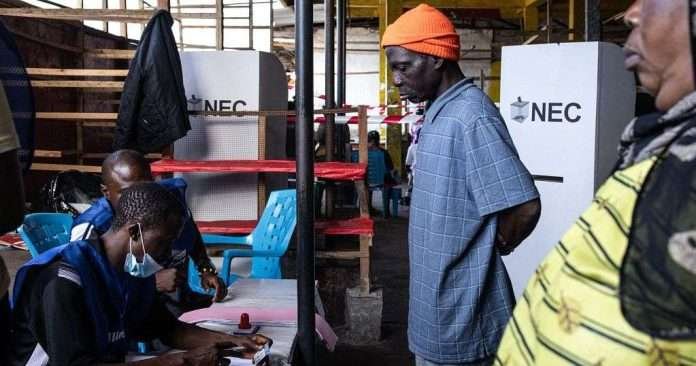
    Monrovia, Liberia – (African Boulevard News) – The long-awaited election day has finally arrived in Liberia, as thousands of Liberians lined up early Tuesday morning to cast their votes in the highly anticipated presidential and parliamentary elections. The outcome of this crucial election is expected to shape the future of Liberia and its people.

    As voters anxiously queued outside polling stations across the country, the atmosphere was filled with optimism and excitement. Liberians have been eager to exercise their democratic right and choose their next leaders, hoping for a change that will bring prosperity, stability, and progress to their nation.

    With the country still recovering from the devastating effects of civil war and the Ebola outbreak, the stakes are high for Liberia. The election has attracted a diverse range of candidates, each promising to address the nation’s pressing issues and deliver on their campaign pledges.

    According to the National Elections Commission (NEC), preliminary results are expected to be released within 15 days, giving the nation and the international community an indication of the direction Liberia is set to take.

    As the world watches, international observers and stakeholders are closely monitoring the election process to ensure fairness, transparency, and credibility. The African Union, the United Nations, and other organizations have deployed mission teams to oversee the elections and ensure a peaceful environment for all voters.

    Experts believe that this election will not only determine Liberia’s future but also have far-reaching implications for the West African region. Liberia, a country historically known for its influence in regional affairs, has the opportunity to set an example for other nations striving for stability and good governance.

    In the face of high unemployment rates, poverty, and inadequate healthcare and education systems, the next elected leaders will need to demonstrate strong leadership and vision. Popular issues in this election include job creation, infrastructural development, healthcare reform, and education improvements.

    “The outcome of this election will have a significant impact on the future of Liberia. It is of utmost importance that the elected leaders prioritize the needs of the people and work towards building a prosperous and inclusive nation,” said Dr. Sarah Johnson, a political analyst.

    As the voting process continues throughout the day, the people of Liberia hope that their voices will be heard and that this election will mark a new chapter in their history. While uncertainty looms, there is a shared determination among Liberians to build a better future and restore the nation’s glory.

    The results will be eagerly awaited, and Liberia’s path forward will be shaped by the will of the people who have turned out in large numbers to determine their own destiny. The world watches as Liberia takes a step towards a brighter future, hoping for a peaceful and successful transition of power.

    With the election day drawing to a close, the eyes of the nation are fixed on the future, eagerly awaiting the results that will determine Liberia’s next chapter.

    Morocco: IMF and World Bank Unite to Pave the Path to African Prosperity and Economic Recovery

    0
    Read Time:2 Minute, 8 Second

    Rabat, Morocco – (African Boulevard News) – The International Monetary Fund (IMF) and the World Bank are joining forces to prioritize African prosperity. This commitment was highlighted at the annual meeting between the two institutions, currently taking place in Marrakech, Morocco.

    The focus on Africa comes at a crucial time, as the continent works towards recovering from the economic impact of the COVID-19 pandemic. With African nations striving to rebuild their economies and create sustainable growth, the IMF and World Bank are stepping in to offer their support.

    One of the key topics discussed at the meeting is the need for increased investment in Africa’s infrastructure. Both institutions recognize the importance of reliable transportation networks, power grids, and internet connectivity in driving economic development. By funding such projects, the IMF and World Bank aim to empower African countries to compete on a global scale.

    Speaking at the meeting, IMF Managing Director, Kristalina Georgieva, emphasized the importance of collaboration to achieve African prosperity. She stated, “We cannot afford to leave Africa behind. It is our duty to help African nations recover from the pandemic and emerge stronger than ever.”

    In addition to infrastructure, the meeting also addressed the pressing issue of climate change. African countries are among the most vulnerable to the effects of global warming, such as droughts, floods, and rising sea levels. The IMF and World Bank recognize the need for sustainable development and are committed to supporting African nations in their transition to cleaner energy sources.

    African leaders have welcomed the emphasis on African prosperity and the commitments made by the IMF and World Bank. Nigerian Finance Minister, Zainab Ahmed, expressed her optimism, stating, “This meeting sends a clear signal that Africa is a priority for global development institutions. We are ready to work hand in hand to build a brighter future for our continent.”

    The annual meeting serves as a platform for African nations to engage with the IMF and World Bank, seeking financial assistance and technical expertise. It also provides an opportunity for African leaders to showcase the progress they have made in promoting economic growth and improving governance.

    As the annual meeting of the IMF and World Bank continues, African nations and their partners are hopeful for a stronger commitment towards African prosperity. The focus on infrastructure development, climate change mitigation, and sustainable growth provides a promising path for the continent’s economic recovery.

    With the IMF and World Bank working together, African countries can look forward to increased support and collaboration in their quest for prosperity and a brighter future for all.

    Africa: Gaza Hostages Face Dire Threats as Israeli Siege Intensifies, Sparking Humanitarian Crisis

    0
    Read Time:2 Minute, 14 Second

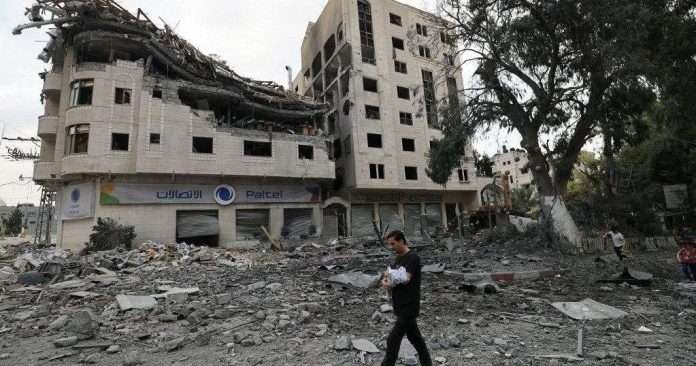
    Diaspora, Africa – (African Boulevard News) – Hamas, the Palestinian political and military organization, has issued threats against hostages as Israel tightens its siege on the Gaza Strip. This development comes amid growing concerns about the dire humanitarian situation unfolding in the region.

    The latest escalation in the Israeli-Palestinian conflict has seen Israel impose a total siege on the Gaza Strip, cutting off essential supplies, including access to clean water. This move has sparked fears among the United Nations (UN) and other international organizations, who have warned about the worsening humanitarian crisis that could potentially unfold in the besieged region.

    The UN has expressed deep concern over the impact of the water shortage on the health and well-being of the people in Gaza. The lack of clean water poses a significant risk of disease outbreak and further exacerbates the already fragile situation. According to recent reports, water scarcity is now affecting over two million Palestinians in the Gaza Strip.

    In response to these dire circumstances, Hamas has issued threats against hostages, further raising tensions in the region. The group has been known to resort to such tactics in the past, using hostages as leverage to push for their demands.

    International organizations and world leaders have called for an immediate end to the Gaza siege, highlighting the urgent need for access to clean water, medical supplies, and other essential goods. They argue that the people of Gaza, who are already suffering from a lack of basic necessities, should not have to bear the brunt of political disputes.

    UN Secretary-General, Antonio Guterres, has condemned the siege, describing it as a violation of international humanitarian law. He called on both Israel and Hamas to exercise restraint and engage in meaningful dialogue to resolve the ongoing conflict.

    The Israeli government has defended its actions, citing security concerns and the need to prevent weapons smuggling into the Gaza Strip. However, critics argue that the siege imposes collective punishment on innocent civilians, increasing their suffering and deepening the humanitarian crisis.

    As the situation in Gaza continues to deteriorate, there is an urgent need for international intervention to alleviate the suffering of the Palestinian people. Bringing an end to the siege and ensuring access to basic necessities, including clean water, should be a top priority for global leaders.

    In conclusion, the escalating conflict between Israel and Hamas has resulted in a dire humanitarian crisis in the Gaza Strip. With threats against hostages coming from Hamas and Israel’s tightening siege, the situation is reaching a critical point. Urgent action is needed to address the water shortage and provide essential supplies to the people of Gaza, who are caught in the crossfire of this ongoing conflict.

    Kenya: Future of Crucial Security Mission in Haiti Hangs in the Balance, Leaving Haitians in Desperate Need of Aid

    0
    Read Time:2 Minute, 15 Second

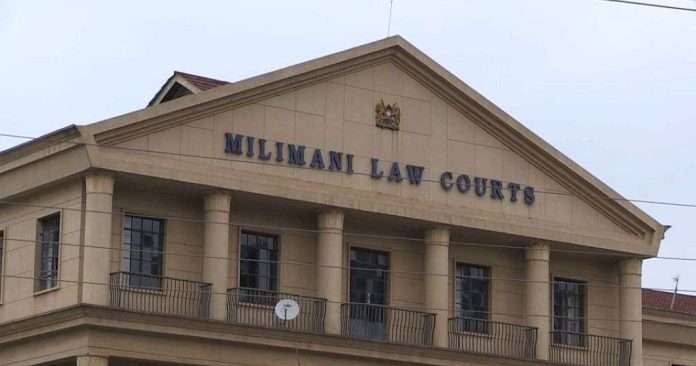
    Nairobi, Kenya – (African Boulevard News) – In a surprising turn of events, the Kenyan court has placed the deployment of a multinational security force to Haiti on temporary hold. This decision comes just days after the United Nations Security Council approved the Kenyan-led mission, which aimed to provide much-needed security assistance to the troubled country. The deployment was set to include 1,000 Kenyan police officers.

    The court’s decision has raised questions about the future of the mission and the reasons behind the temporary hold. While the court did not provide specific details, it is believed that potential legal and constitutional issues may have led to the decision.

    Critics argue that the delay in the deployment could further exacerbate the already dire security situation in Haiti. The country has been plagued by political instability, gang violence, and a lack of effective law enforcement. The Kenyan-led mission was seen as a crucial step in restoring stability and providing a sense of security for the Haitian population.

    Speaking about the court’s decision, security analyst John Kariuki expressed concern, stating, “The delay in the deployment of the multinational security force is a setback for Haiti. The country is in desperate need of assistance to address the escalating violence and lawlessness. The Kenyan-led mission had the potential to make a significant impact, and any delay will only prolong the suffering of the Haitian people.”

    The decision has also drawn attention to the importance of legal and constitutional considerations when deploying multinational forces. It highlights the need for thorough planning and coordination to ensure that such deployments comply with domestic laws while addressing pressing security challenges.

    Though the court’s decision has temporarily put a halt to the Kenyan deployment, it is expected that the government will work swiftly to address any legal concerns. The international community, including the United Nations, is closely monitoring the situation and urging all parties involved to find a resolution that will allow the deployment to proceed without delay.

    As the legal proceedings unfold, the people of Haiti continue to live in fear, facing a daily struggle for survival amid widespread violence. The Kenyan-led mission offers hope for a brighter future, and it is crucial that any legal obstacles are swiftly overcome to provide the much-needed security assistance to Haiti. The international community must come together to support efforts aimed at restoring stability and peace to this troubled nation.

    In the coming days, as the court deliberates and the government responds, the eyes of the world will remain fixed on Haiti. The future of the Kenyan-led multinational security force hangs in the balance, as does the hope for a more secure and stable Haiti.

    Guinea’s Mining Gamechanger: Sale of SBG to Kouroussa Mining Ignites Economic Transformation

    0
    Read Time:2 Minute, 27 Second

    Conakry, Guinea – (African Boulevard News) – In a significant development for Guinea’s mining sector, Minister of Mines Moussa Magassouba has granted approval for the sale of Société des Bauxites de Guinée (SBG) to Kouroussa Mining, which is owned by Mamady Nabé. This decision marks a critical milestone in the country’s efforts to attract foreign investment and boost its mining industry.

    The sale of SBG, one of Guinea’s leading bauxite mining companies, to Kouroussa Mining has been met with enthusiasm by industry experts. The move is expected to have a positive impact on the country’s economy and further solidify Guinea’s position as a major player in the global bauxite market.

    According to Minister Magassouba, the approval of the sale is aligned with the government’s vision to attract investment and promote sustainable development in the mining sector. He stated, “This agreement is a testament to our commitment to creating an enabling environment for investors and ensuring the responsible exploitation of our mineral resources. We believe that this partnership will bring long-term benefits for the people of Guinea.”

    The sale of SBG is also a reflection of Guinea’s efforts to diversify its economy and reduce its dependence on the mining sector. By encouraging local and international investors to participate in the development of various industries, the government aims to create new job opportunities and foster economic growth.

    Industry experts have expressed optimism regarding the sale, highlighting the potential for increased production and improved efficiency. Mamady Nabé, owner of Kouroussa Mining, emphasized the company’s commitment to responsible mining practices, stating, “We are fully aware of the social and environmental responsibilities that come with operating in Guinea. We will work closely with local communities and stakeholders to ensure that our operations have a positive impact on the surrounding areas.”

    The approval of the SBG sale comes at a time when Guinea’s mining sector is experiencing significant growth. With vast reserves of bauxite, gold, and other minerals, the country has attracted the attention of major international mining companies. The government’s ongoing efforts to streamline regulations and improve infrastructure have further enhanced Guinea’s appeal as an investment destination.

    As the sale of SBG moves forward, stakeholders will closely monitor the progress and its impact on Guinea’s mining landscape. The successful completion of this transaction is expected to encourage other investors to explore opportunities in the country and contribute to its economic development.

    In conclusion, the approval of the sale of SBG to Kouroussa Mining marks an important milestone for Guinea’s mining sector. The government’s commitment to attracting investment and promoting sustainable development is expected to yield significant benefits for the country’s economy and its people. This decision underscores Guinea’s potential as a leading player in the global mining industry and sets the stage for further growth and prosperity.

    Keywords: Guinea, Ministry of Mines, SBG, sale, Kouroussa Mining, Mamady Nabé, bauxite mining, investment, sustainable development, economic growth, responsible mining practices, stakeholders, regulations, infrastructure, international investment, mining sector.