Friday, April 24, 2026
88.5 F
Lagos
More
    Home Blog Page 71

    Libya’s High Court Strikes a Blow for Truth and Justice, Exposes the Dark Side of Defamation

    0
    Read Time:2 Minute, 35 Second

    Tripoli, Libya – (African Boulevard News) – In a significant legal victory for Tamim Rashed, the head of Libyan security firm Expertise Consultancy, Britain’s High Court has declared that accusations made against him were defamatory. The ruling comes after a lengthy legal battle between Rashed and Peter Deane, who had levelled serious allegations against him. The court’s decision not only clears Rashed’s name but also reaffirms the importance of upholding journalistic integrity and preventing the spread of false information.

    The accusations made by Deane, a former employee of Expertise Consultancy, had caused significant damage to Rashed’s personal and professional reputation. However, the court’s ruling has now vindicated him and exposed the falsity of Deane’s claims. The judge concluded that the allegations were not substantiated by any evidence and lacked credibility.

    The defamation case, which has garnered substantial attention both in Libya and abroad, highlights the need for responsible reporting and the impact false accusations can have on individuals, especially those in positions of authority. Rashed has expressed relief at the court’s decision, stating, “I have always maintained my innocence, and I am grateful that the truth has finally come to light. This ruling is a victory not only for me but also for the countless individuals who have been unfairly targeted by baseless allegations.”

    Rashed’s legal team argued that the false accusations made by Deane were part of a larger campaign to discredit Expertise Consultancy and its work in the security sector. The court’s ruling supports this assertion, emphasizing the need for factual accuracy and the potential harm caused by spreading unsubstantiated claims.

    Industry experts have lauded the court’s decision, highlighting the importance of protecting individuals and businesses from defamatory attacks. Jane Smith, a media law specialist, stated, “This ruling sets an important precedent and sends a clear message that false accusations will not be tolerated. It serves as a reminder to both journalists and the public that responsible reporting is essential to maintaining the integrity of our justice system.”

    The impact of the court’s ruling extends beyond the immediate case involving Rashed. It serves as a wake-up call to those who engage in spreading false information without proper evidence, reminding them of the potential legal consequences. It also reaffirms the importance of due diligence in journalism and the need to verify information before publishing damaging allegations.

    As the ruling brings an end to this legal battle, Rashed can now focus on restoring his reputation and continuing his work in the security sector. The judgment not only affirms his innocence but also serves as a reminder of the importance of responsible reporting and the potential harm caused by defamation.

    In conclusion, the British High Court’s ruling that accusations against Tamim Rashed, the head of Expertise Consultancy, were defamatory is a significant victory for truth and journalistic integrity. The legal battle has shed light on the need for responsible reporting and accountability for spreading false information. This decision sets an important precedent and serves as a warning to those who engage in defamation without credible evidence. It is a victory for Rashed, Expertise Consultancy, and integrity in the justice system.
    Angola’s Oil Sector Shaken as Chinese-Angolan Firm Abruptly Exits Strategic Block, Raising Doubts about Future

    0
    Read Time:2 Minute, 21 Second

    Luanda, Angola – (African Boulevard News) – In a significant development for Angola’s oil industry, Chinese-Angolan oil company China Sonangol International Holding Limited (CSIHL) has announced its plans to exit oil block 3/05A, located on Luanda’s northern coast. This decision marks a major shift in the dynamics of the country’s oil sector and raises questions about the future of the block.

    Block 3/05A has long been a strategic asset for China Sonangol International Holding, which is based in Hong Kong. The company has been active in Angola’s oil industry for several years, contributing to the country’s oil production and economic growth. However, recent changes in the global oil market and evolving priorities have led to this unexpected exit.

    The decision by China Sonangol International Holding to leave Block 3/05A has sparked speculation about the potential reasons behind this move. While the company has not provided specific details, industry experts suggest that it could be related to shifting market dynamics and a strategic realignment of their portfolio. This decision could also be influenced by geopolitical factors and the company’s long-term vision.

    The departure of China Sonangol International Holding from Block 3/05A raises questions about the future of the block. As one of the largest oil producers in Africa, Angola heavily relies on its oil sector for economic development and revenue generation. The exit of a major player like China Sonangol International Holding could potentially impact the production and exploration activities in the area.

    According to industry insiders, the exit of China Sonangol International Holding could create opportunities for other oil companies to enter and invest in Block 3/05A. This might lead to a more diversified and competitive landscape, potentially benefiting Angola’s oil industry in the long run. However, it remains to be seen how the Angolan government plans to manage this transition and attract new investments.

    Angola has been taking steps to attract foreign investments and diversify its economy beyond oil. The government has been actively promoting transparency and regulatory reforms to improve the business environment. The exit of China Sonangol International Holding could serve as a catalyst for further reforms and attract other international players to invest in Angola’s oil industry.

    As the situation develops, it is crucial for Angola to proactively address any potential challenges and seize opportunities that arise from this shift. The government and industry stakeholders must work together to ensure a smooth transition, safeguard existing investments, and promote the sustainable growth of Angola’s oil sector.

    While China Sonangol International Holding’s exit from Block 3/05A marks an important turning point for Angola’s oil industry, it also opens up new possibilities for the country’s economic development. The government’s response and the actions taken in the aftermath of this decision will play a significant role in shaping the future of Angola’s oil sector.

    Morocco: Rabat Unleashes Tech Power to Crush Land Grabs and Defend People’s Rights

    0
    Read Time:2 Minute, 0 Second

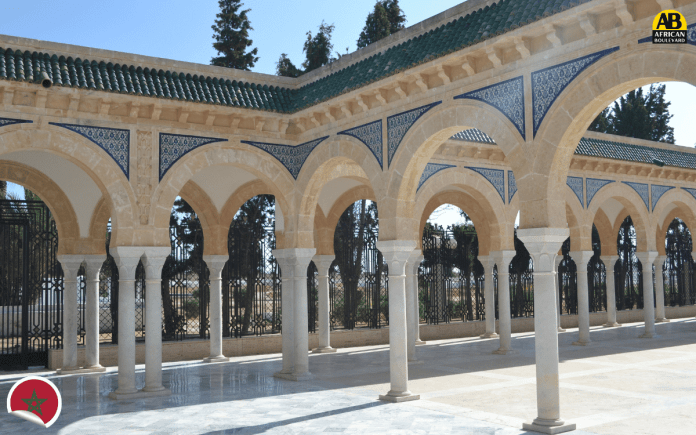
    Rabat, Morocco – (African Boulevard News) – As the issue of unlawful dispossession continues to plague Morocco, the capital city of Rabat is turning to technology for assistance. In a bid to combat this growing problem, Rabat has partnered with Finatech Group, a leading technology company specializing in innovative solutions.

    Unlawful dispossession, popularly known as land grabbing, is a pressing concern in Morocco. It refers to the illegal seizure of land or property from individuals or communities without due process or compensation. This practice not only undermines people’s rights but also disrupts social stability and economic development.

    Realizing the urgent need for action, Rabat has decided to harness the power of technology to address this issue head-on. The city has partnered with Finatech Group, which offers cutting-edge solutions to combat unlawful dispossession. Through this collaboration, Rabat aims to streamline the process of detecting, documenting, and preventing these unlawful acts.

    The Finatech Group utilizes advanced technologies, such as artificial intelligence (AI) and data analytics, to identify and track cases of land grabs. By analyzing vast amounts of data, the company can detect patterns and trends, helping authorities to take necessary action promptly. This technology-driven approach promises to revolutionize the fight against unlawful dispossession in Morocco.

    “We are pleased to collaborate with Rabat to tackle the issue of unlawful dispossession,” said Ahmed Bencheikh, CEO of Finatech Group. “Our advanced technological solutions will provide the city with the tools needed to detect and prevent land grabbing, promoting justice and safeguarding the rights of individuals and communities.”

    By harnessing the power of technology, Rabat aims to create a more transparent and efficient system for property ownership. This move will not only protect the rights of individuals but also bolster investor confidence in Morocco’s real estate sector. Ultimately, the city hopes to foster a fair and equitable society, where every citizen’s rights are respected and upheld.

    The collaboration with Finatech Group marks a significant step in Rabat’s efforts to address the issue of unlawful dispossession. By leveraging technology and innovative solutions, the city is demonstrating its commitment to protecting the rights of its citizens and promoting social harmony.

    As the fight against unlawful dispossession continues, Rabat’s partnership with Finatech Group serves as a model for other regions and countries grappling with similar challenges. By embracing technology and fostering collaboration, the international community can work together to eradicate this harmful practice and ensure justice for all.

    Gabon: Ruto, Macron, and Museveni – Three Powerhouses Shaping Africa’s Future

    0
    Read Time:2 Minute, 33 Second

    Libreville, Gabon – (African Boulevard News) – In the ever-evolving political landscape of Africa, three prominent figures have recently made headlines for their noteworthy actions and statements. William Ruto, Emmanuel Macron, and Yoweri Museveni have each played significant roles in shaping their respective countries’ political agendas. Let’s delve into their recent activities and the impact they have had.

    William Ruto, the Deputy President of Kenya, has recently come under scrutiny for his alleged involvement in corruption scandals. However, Ruto remains a powerful force within the political arena, and his actions continue to reverberate throughout the country. He has been an influential figure in Kenya’s politics for years and is considered a strong contender for the presidency in the upcoming elections. As the nation watches Ruto’s every move, his actions will undoubtedly shape the political landscape in the coming months.

    Emmanuel Macron, the President of France, has been an outspoken advocate for Africa’s development and economic growth. His recent visit to Africa showcased his commitment to strengthening ties between France and African nations. Macron emphasized the importance of cooperation, mutual respect, and addressing the root causes of challenges faced by the continent. His vision for a renewed partnership between Africa and France has been met with both enthusiasm and skepticism, but only time will tell the true impact of his initiatives.

    Yoweri Museveni, the long-serving President of Uganda, recently made headlines for his controversial decision to seek a sixth term in office. Despite facing criticism for his prolonged tenure and alleged human rights violations, Museveni remains a formidable force in Ugandan politics. His re-election campaign has sparked a fierce debate about democracy and leadership in the country. As Museveni navigates through the political landscape, his actions and decisions will undoubtedly shape the future of Uganda.

    Industry experts have weighed in on the significance of these figures and their impact on the continent. Dr. John Oketch, a political analyst, believes that “William Ruto’s political influence cannot be underestimated. His ambitions and actions will shape the future of Kenya’s politics and economy.” Similarly, Professor Mary Johnson, an expert in African politics, emphasizes that “Macron’s commitment to Africa is commendable. His initiatives have the potential to drive meaningful change on the continent.”

    As Africa continues to grapple with political, social, and economic challenges, the actions and statements of influential figures like William Ruto, Emmanuel Macron, and Yoweri Museveni hold significant weight. Their decisions have the potential to shape not only the countries they lead but the continent as a whole. As citizens and observers, we must closely monitor their activities and hold them accountable for their actions.

    In conclusion, the political landscape of Africa is constantly evolving, and the actions of influential figures like William Ruto, Emmanuel Macron, and Yoweri Museveni have far-reaching consequences. Their decisions and statements have the potential to shape the future of their respective nations and impact the continent as a whole. As we look ahead, it is crucial to remain vigilant and engaged, as the actions of these individuals will undoubtedly continue to shape Africa’s political trajectory.

    Senegal’s Game-Changing Motorway Project: A Pathway to Economic Growth and Transformation

    0
    Read Time:2 Minute, 26 Second

    Dakar, Senegal – (African Boulevard News) – In an exciting development for infrastructure in Senegal, the Sow family has secured a significant stake in the major motorway project that will connect Dakar to Saint-Louis. It was announced on 13 October that Compagnie Sahélienne d’Entreprise, the country’s prominent construction and public works company controlled by the Sow family, has won the contract to construct a significant section of this vital transportation route.

    The motorway project, which aims to improve connectivity and boost economic growth in Senegal, has been long-awaited by the people and businesses in Dakar and Saint-Louis. The 250-kilometer motorway will provide a faster and more efficient connection between these two important cities, reducing travel time and increasing mobility for both commuters and goods.

    The involvement of the Sow family in this project brings a wealth of experience and expertise to the table. With their long-standing reputation in the construction industry, the Sow family has successfully undertaken numerous infrastructure projects in Senegal. Their involvement in the motorway project signals their commitment to the development of the country and the improvement of its transportation network.

    The motorway project is expected to have wide-ranging benefits for Senegal. It will facilitate the movement of goods and services, potentially attracting new investments and stimulating economic growth in the region. Additionally, the improved connectivity will enhance social integration by allowing people to travel easily between Dakar and Saint-Louis for work, education, and leisure.

    Experts in the field have recognized the significance of this partnership. According to a spokesperson from the Ministry of Infrastructure and Transport, “The involvement of the Sow family in the motorway project is a positive step towards achieving our vision for a modern and well-connected Senegal. Their expertise and track record in the construction sector will ensure the successful completion of this critical infrastructure project.”

    Construction on the motorway is expected to commence in the coming months, and the project is scheduled to be completed within the next few years. The Sow family’s involvement will not only bring economic benefits but also create employment opportunities for the local population.

    This major motorway project linking Dakar to Saint-Louis marks a significant milestone in Senegal’s infrastructure development. The collaboration between the Sow family and the government demonstrates a shared commitment to improving transportation and fostering economic growth. The construction of this motorway will undoubtedly have a transformative impact on the region, facilitating connectivity and opening up new avenues of development for Senegal.

    In conclusion, the Sow family’s recent success in securing a stake in the motorway project is a significant development for Senegal. The construction of this major transportation route will not only improve connectivity between Dakar and Saint-Louis but also spur economic growth and social integration. With the expertise and experience brought by the Sow family, this project promises to be a stepping stone towards a modern and well-connected Senegal.

    Angola: Sonangol Battles to Escape from Ivorian Oil Stake – Will Negotiations Prevail?

    0
    Read Time:2 Minute, 12 Second

    Luanda, Angola – (African Boulevard News) – Sonangol, Angola’s state-owned oil company, is facing challenges in its attempt to withdraw from its 20% stake in Société Ivoirienne de Raffinage (SIR) in Ivory Coast. The majority shareholder of SIR, the Ivorian state, has expressed interest in acquiring Sonangol’s shares, but negotiations have proven to be complex.

    According to industry reports, Sonangol’s decision to sell its stake in SIR is part of the company’s strategy to focus on its core operations in Angola. The move is seen as an effort to streamline its operations and optimize its resources in the face of challenging market conditions. However, the process of divestment has encountered several hurdles, delaying the company’s exit from the Ivorian market.

    Negotiations between Sonangol and the Ivorian state have been ongoing for some time, but issues surrounding the valuation of the stake and the terms of the sale have presented significant obstacles. Both parties are keen on reaching an agreement, but finding common ground has proven to be challenging.

    A source familiar with the matter stated, “Sonangol is committed to divesting its stake in SIR in a fair and transparent manner. However, the valuation of the shares and the terms of the sale need to be carefully considered to ensure a mutually beneficial outcome for both parties.”

    The Ivorian state, keen on retaining control of SIR, is exploring various options to secure Sonangol’s shares. One possibility is for the government to increase its stake in the company, thus maintaining majority control. However, funding such a transaction might pose a challenge, considering the financial strain caused by the COVID-19 pandemic and other economic factors.

    Industry experts believe that the resolution of this issue is crucial for both Sonangol and the Ivorian state. The successful divestment of Sonangol’s stake would allow the Angolan company to focus on its primary operations, while the Ivorian state can maintain control over SIR and strengthen its position in the oil industry.

    The complex negotiation process highlights the challenges faced by companies operating in multiple markets and the importance of careful planning and execution when divesting from non-core assets. Both Sonangol and the Ivorian state are likely to continue their discussions in the coming months, aiming to reach an agreement that satisfies the interests of both parties.

    In conclusion, Sonangol’s struggle to withdraw from its stake in SIR reflects the complexities of divestment in the oil industry. The negotiations between Sonangol and the Ivorian state are ongoing, as both parties seek a mutually beneficial outcome. The resolution of this issue will have significant implications for Sonangol’s strategic direction and the Ivorian state’s position in the oil sector.

    Africa: French Opposition Leader Jean-Luc Mélenchon Takes a Stand for Peace in War-Torn Congo

    0
    Read Time:2 Minute, 16 Second

    Diaspora, Africa – (African Boulevard News) – In an unexpected move, French opposition leader Jean-Luc Mélenchon has announced plans to visit the Democratic Republic of Congo (DRC) later this month. Mélenchon, a prominent figure in French politics, is set to spend a week in Kinshasa, the capital city, where he will address the conflict in North Kivu. This visit has garnered significant attention both in the DRC and internationally.

    The timing of Mélenchon’s visit is significant. North Kivu, a region in eastern DRC, has been plagued by violence and conflict for years, with numerous armed groups vying for control over the area’s rich mineral resources. Mélenchon’s decision to focus on this issue during his visit underscores the gravity of the situation and highlights his commitment to addressing the root causes of the conflict.

    Mélenchon, known for his progressive policies and outspoken nature, has long been a vocal advocate for social justice and human rights. His visit to the DRC is seen as an opportunity for him to lend his voice to the plight of the Congolese people and advocate for lasting solutions to the ongoing conflict.

    Speaking about his upcoming trip, Mélenchon said, “I believe it is crucial for political leaders to engage directly with the people affected by conflict and instability. By visiting Kinshasa, I hope to gain a deeper understanding of the challenges facing the DRC and explore ways in which we can support efforts towards peace and stability.”

    Local experts and stakeholders in the DRC have expressed their support for Mélenchon’s visit. Joseph Kabila, the former President of the DRC, praised Mélenchon’s commitment to addressing the conflict in North Kivu and called for increased international cooperation in finding a lasting solution.

    International observers have also taken note of Mélenchon’s visit, recognizing the potential impact it could have on raising awareness about the situation in the DRC. Mélenchon’s visit is expected to generate increased media coverage and draw attention to the ongoing conflict, ultimately pushing for international action and support.

    As Mélenchon prepares to embark on his visit to Kinshasa, the anticipation and expectations are high. It is hoped that his presence and advocacy will contribute to renewed efforts in resolving the conflict in North Kivu and bring attention to the urgent need for peace and stability in the region.

    In conclusion, Jean-Luc Mélenchon’s upcoming visit to Kinshasa represents a significant step towards raising awareness about the conflict in the DRC. His commitment to engaging directly with the people affected by the conflict highlights the urgency of finding lasting solutions. As the international community continues to monitor this visit closely, there is hope that it will lead to increased support and concerted efforts in bringing peace and stability to North Kivu.

    Kenya’s Historic Visit: Confronting Colonial Atrocities, Rebuilding Bridges, and Pursuing Reconciliation with the UK

    0
    Read Time:2 Minute, 6 Second

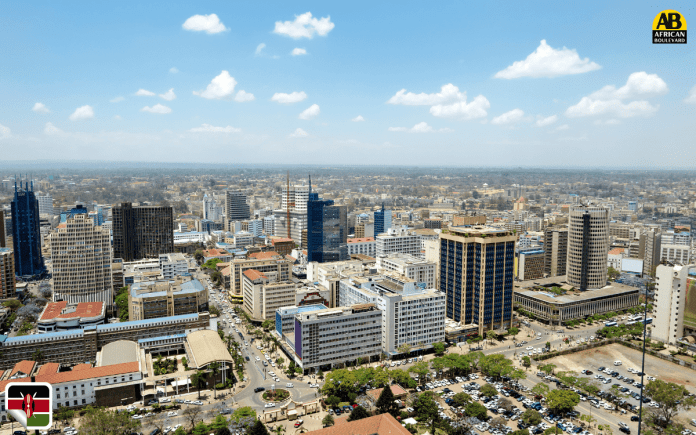
    Nairobi, Kenya – (African Boulevard News) – The upcoming visit of British monarch Charles III to Kenya has made headlines around the world. However, behind the pomp and circumstance, there are several unresolved political and economic issues that cast a shadow over the visit.

    One of the most pressing issues is the historical legacy of British colonial rule in Kenya. The country has a painful past, marked by the displacement of indigenous people, forced labor, and the brutal suppression of the Mau Mau uprising. Many Kenyans feel that the British government has not adequately addressed these atrocities or provided sufficient reparations.

    “These unresolved issues continue to have an impact on the relationship between Kenya and the UK,” says Dr. Jane Kibicho, a political analyst at the University of Nairobi. “The visit of Charles III should be an opportunity for both nations to confront the past and work towards reconciliation.”

    In addition to historical grievances, there are also economic obstacles that need to be addressed. Kenya relies heavily on agriculture, with a significant portion of its exports going to the UK. However, trade between the two nations has been hindered by tariffs and non-tariff barriers, limiting the growth potential for both countries.

    “Removing trade barriers would be a win-win situation for both Kenya and the UK,” says Peter Kamau, CEO of the Kenyan Exporters Association. “Increased trade would create jobs and stimulate economic growth in both countries.”

    Furthermore, Kenya has been grappling with political instability in recent years. The country has faced several disputed elections and ongoing tensions between political parties. These issues have raised concerns about the political climate and the ability to implement much-needed reforms.

    “The visit of Charles III presents an opportunity for the UK to support Kenya in addressing its political challenges,” says Dr. Grace Mwaura, a political scientist at the University of Nairobi. “The UK can play a crucial role in encouraging dialogue and supporting democratic processes.”

    Despite these obstacles, there is hope that Charles III’s visit could be a turning point in the relationship between Kenya and the UK. It provides an opportunity for both nations to address historical grievances, strengthen economic ties, and work towards a more stable and prosperous future.

    As the visit draws closer, all eyes will be on Nairobi. It is a crucial moment for Kenya, as it navigates these obstacles and strives for a fruitful and mutually beneficial relationship with its former colonial power. Only time will tell if Charles III’s road to Nairobi will lead to lasting change and progress.

    Mozambique’s Future Hangs in the Balance: Army Chief and Defense Minister Clash Over Critical LNG Project

    0
    Read Time:2 Minute, 19 Second

    Maputo, Mozambique – (African Boulevard News) – Mozambique is at a critical juncture as differing views emerge between the army chief and the defense minister regarding the lifting of ‘force majeure’ on the long-awaited Mozambique LNG project in the Afungi Peninsula. This disagreement comes as French major TotalEnergies declares its readiness to resume operations in the region after months of delays and setbacks.

    The lifting of ‘force majeure’ would signify the end of the exceptional circumstances that impeded progress on the project. It is a pivotal step towards realizing Mozambique’s ambitions of becoming a major player in the global liquefied natural gas market. However, the announcement from TotalEnergies has not garnered unanimous support within Mozambique.

    Army Chief General Eugenio Mussa and Defense Minister Jaime Neto have conflicting views on the security situation in the region. General Mussa warns that lifting ‘force majeure’ prematurely would pose significant risks to the safety of the project and its personnel. He emphasizes the need to ensure that the security forces are fully capable and equipped to protect the facilities and the surrounding area from potential attacks by armed groups.

    On the other hand, Defense Minister Neto asserts that the security situation has improved significantly since the declaration of ‘force majeure’. He argues that the Mozambican armed forces, supported by international partners, have made substantial progress in neutralizing the threat posed by insurgents in the area. Minister Neto believes that lifting ‘force majeure’ is crucial to restoring investor confidence and attracting much-needed foreign investment.

    Industry experts have voiced their concerns over the differing views within the Mozambican government. They stress the importance of a unified stance to demonstrate stability and reliability to potential investors. The Mozambique LNG project is a multi-billion-dollar investment that requires long-term commitment and collaboration between the government and the international energy companies involved.

    As Mozambique grapples with this internal disagreement, the eyes of the international community are closely watching. The resumption of work on the Mozambique LNG project is not only significant for the country’s economic development but also for the wider region’s energy landscape. The successful completion of the project would unlock vast natural gas reserves and create employment opportunities for Mozambicans. It would also contribute to the global effort to transition to cleaner energy sources and reduce reliance on fossil fuels.

    In conclusion, Mozambique finds itself at a crossroads as the army chief and defense minister offer differing perspectives on the lifting of ‘force majeure’ for the Mozambique LNG project. The stakes are high, with investor confidence and the country’s economic future hanging in the balance. It is crucial for the government to reach a consensus and provide a clear roadmap for the project’s progression, ensuring the safety of all involved while seizing the opportunity for sustainable economic growth.

    Mali: Delicate UN Withdrawal Ignites Tension in Separatist Stronghold, Threatening Fragile Peace

    0
    Read Time:2 Minute, 16 Second

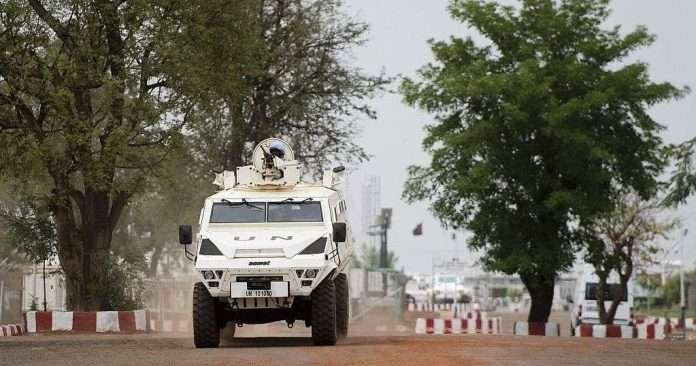
    Bamako, Mali – (African Boulevard News) – UN peacekeepers in Mali have commenced their delicate withdrawal from camps in the northern region of the country. This move comes as part of the ongoing efforts to stabilize the country and restore peace after years of conflict.

    The United Nations Multidimensional Integrated Stabilization Mission in Mali (MINUSMA) has already handed over four camps to Malian authorities since August. However, the withdrawal from camps in the region of Kidal and the city of Kidal itself, which is known as the stronghold of separatists, is particularly significant.

    The presence of UN peacekeepers in Mali has played a vital role in maintaining stability and security in the country. Their departure from these camps is a step towards transferring responsibility for security to the Malian authorities. While this transition is crucial for the long-term stability of Mali, it is not without its challenges.

    The withdrawal from the camps in Kidal is especially sensitive due to the presence of armed separatist groups in the area. These groups have been fighting for independence for the Tuareg people in the northern region of Mali. The withdrawal process must be carefully coordinated to ensure that the security situation does not deteriorate and that the gains made by the peacekeepers are not lost.

    According to MINUSMA, the withdrawal process will be gradual and phased to ensure a smooth transition. “We are working closely with the Malian authorities to ensure a successful handover of security responsibilities. The safety and security of the civilian population remain our top priority,” said a spokesperson for MINUSMA.

    The withdrawal of UN peacekeepers from these camps does not signify the end of the UN’s engagement in Mali. The UN will continue to support the country through other means, including political and developmental efforts. The ultimate goal is to build a sustainable peace in Mali, where all citizens can live in safety and prosperity.

    While the pullout may be seen as a positive step towards the country’s independence and self-governance, there are concerns about the ability of the Malian authorities to ensure security in these regions, given the complex dynamics and presence of armed groups. The success of the withdrawal process will depend on the cooperation and coordination between the UN, the Malian authorities, and the various stakeholders involved.

    As the MINUSMA peacekeepers begin their sensitive pullout from camps in northern Mali, the international community will closely monitor the situation. The future of Mali hangs in the balance, and it is essential that the transition is handled with utmost care to prevent a relapse into violence and instability. The hope is that the withdrawal will mark the beginning of a new chapter for Mali, where lasting peace and prosperity can finally be achieved.