Friday, April 24, 2026
81.2 F
Lagos
More
    Home Blog Page 67

    Rwanda’s Financial Revolution: Major Conglomerate IBL Sets Sights on Kigali as Next Investment Hotspot

    0
    Read Time:2 Minute, 26 Second

    Kigali, Rwanda – (African Boulevard News) – In line with President Paul Kagame’s ambitious plans to transform Kigali into a global financial hub, Rwanda has been working hard to attract investors by offering a range of incentives and tax breaks. The latest company to take notice of Kigali’s potential is the Mauritian giant, Ireland Blyth Limited (IBL).

    IBL, a diversified conglomerate with interests in various sectors across Africa, has expressed its interest in setting up operations in Kigali’s burgeoning financial hub. The move comes as no surprise, given Rwanda’s increasing reputation as an attractive investment destination, coupled with its strategic location in the heart of East Africa.

    Rwanda’s efforts to position Kigali as a regional financial center have gained momentum in recent years. The government has implemented a series of reforms to improve the ease of doing business, including streamlining regulations, enhancing investor protection, and simplifying tax processes. These measures have contributed to Rwanda’s rise in global rankings, making it one of the top performers in attracting foreign direct investment in Africa.

    Speaking about the potential partnership, a senior executive at IBL stated, “Kigali offers a lot of potential for us. The government’s commitment to creating a conducive business environment and the financial sector’s stability make it an ideal location for our operations. We believe that our presence in Kigali will not only benefit our company but also contribute to Rwanda’s vision of becoming a financial powerhouse.”

    This development comes on the heels of Rwanda’s recent designation as the host country for the African Continental Free Trade Area (AfCFTA) Secretariat. The AfCFTA aims to create the world’s largest free trade area, encompassing 55 African countries and representing a market of 1.3 billion people. The decision to locate the secretariat in Kigali further solidifies Rwanda’s growing reputation as a key player in the African economy.

    Experts believe that IBL’s decision to invest in Kigali reflects not only the city’s potential as a financial hub but also the wider appeal of Rwanda as an investment destination. The government’s efforts to attract foreign businesses, coupled with its focus on sustainable economic development and innovation, have positioned Rwanda as a leader in the East African region.

    As Kigali continues to attract global players like IBL, the city’s financial hub is set to grow in stature, creating opportunities for both domestic and international investors. With its strategic location, supportive government policies, and commitment to economic development, Kigali is fast becoming a force to be reckoned with in the African financial landscape.

    In conclusion, Rwanda’s pursuit of global financial status is gaining traction, with IBL’s recent interest in establishing operations in Kigali’s financial hub. The move serves as a testament to Rwanda’s efforts in creating a business-friendly environment and solidifies the city’s reputation as an attractive investment destination. As Rwanda’s star continues to rise, the country is well on its way to realizing its vision of becoming a leading financial powerhouse in Africa.
    Democratic Republic Of Congo: Meet the Courageous Disruptor Taking on Tshisekedi’s Rule

    0
    Read Time:2 Minute, 15 Second

    Kinshasa, Democratic Republic Of Congo – (African Boulevard News) – Every Wednesday, Africa Intelligence shines a light on the new generation of influential individuals making waves in both business and politics across the continent. This week, we turn our attention to the Democratic Republic of Congo (DRC), Morocco, and the Central African Republic (CAR), where promising developments are taking place.

    Democratic Republic of Congo:
    In the DRC, the mining sector plays a significant role in driving economic growth. Companies such as Glencore and China Molybdenum are leading the way in extracting valuable minerals such as cobalt and copper. These resources are in high demand globally, powering the production of electric vehicles and other clean energy technologies.

    Furthermore, the DRC is making strides in the fight against corruption and promoting good governance. The government, in collaboration with international organizations such as the World Bank, is implementing reforms to ensure transparency and accountability in the management of mineral resources. This not only attracts foreign investors but also boosts the confidence of local entrepreneurs.

    Morocco:
    Morocco has been a pioneer in renewable energy, particularly in the field of solar power. The country’s commitment to transitioning to clean energy has attracted international attention and investment. The Noor Ouarzazate Solar Complex is one of the largest solar power plants in the world, contributing significantly to Morocco’s clean energy goals.

    Additionally, the Moroccan government has implemented various initiatives to promote entrepreneurship and innovation. Startups and tech hubs have emerged throughout the country, propelling Morocco as a frontrunner in the tech industry. The government’s support for these initiatives has further solidified its commitment to economic diversification and sustainable development.

    Central African Republic:
    The Central African Republic has had its fair share of challenges, including political instability and armed conflict. However, the country is slowly moving towards stability and peace. The successful presidential elections in 2021 marked a significant turning point for the nation.

    Efforts are also being made to strengthen the economy and attract foreign investment. The government has implemented reforms to improve the business climate and create an enabling environment for local and international entrepreneurs. Sectors such as agriculture and tourism show great potential for growth, offering opportunities for job creation and poverty reduction.

    In conclusion, the Democratic Republic of Congo, Morocco, and the Central African Republic are witnessing positive developments in various sectors. From the DRC’s mineral wealth and commitment to good governance to Morocco’s renewable energy revolution and support for entrepreneurship, these countries are on a path towards progress. The Central African Republic’s journey towards stability and economic growth is also commendable. As Africa continues to evolve, these nations serve as inspirations for others to follow suit in shaping a brighter future for the continent.

    Liberia’s Future Hangs in the Balance as Solway Threatens Arbitration Over Unfair Mining Deal

    0
    Read Time:1 Minute, 57 Second

    Monrovia, Liberia – (African Boulevard News) – Solway Investment Group has issued a strong warning to President George Weah of Liberia, demanding compensation for a secret deal that transferred its iron ore mining license to ArcelorMittal. Failing this, Solway has threatened to escalate the matter to arbitration, potentially creating a legal and financial headache for the Liberian government.

    The dispute revolves around a controversial agreement made without Solway’s consent, which handed over its mining concession to the global steel producer. Solway Investment Group claims that this secretive deal was not only unfair but also violated its rights as a major player in Liberia’s mining industry.

    According to sources, the deal was orchestrated without any prior consultation with Solway, catching the company off guard. The company argues that it was entitled to compensation for the loss of its mining license, which was granted by the Liberian government.

    Solway has now given President Weah an ultimatum: either provide fair compensation for the lost license or face arbitration. The latter option could potentially result in significant financial implications for the Liberian government, as well as damage the country’s reputation as a trusted investment destination.

    Industry experts warn that the arbitration threat from Solway Investment Group adds to the growing concerns over the Weah administration’s handling of foreign investments in Liberia. It also raises questions about transparency and fairness in the country’s natural resource sector.

    In response to Solway’s demands, the Liberian government has yet to make an official statement. However, observers believe that President Weah will need to address the issue promptly and transparently to avoid further damage to Liberia’s reputation and investor confidence.

    Liberia, a resource-rich country, heavily relies on foreign investments to develop its mining industry and boost economic growth. Any uncertainty or controversy surrounding these investments can deter potential investors and hinder progress in the country.

    As the situation unfolds, it remains to be seen how President Weah and the Liberian government will handle Solway’s arbitration threat. This emerging dispute underscores the importance of fair and transparent governance in attracting and retaining foreign investors.

    The outcome of this case will undoubtedly have far-reaching implications for Liberia’s mining industry and its overall economic trajectory. As the nation eagerly awaits further developments, all eyes are on President Weah to see how he will navigate this potentially damaging situation and protect Liberia’s interests.

    Kenya’s Mission in Haiti Mired in Uncertainty: Diminishing Trust and Thwarted Objectives Threaten Security Efforts

    0
    Read Time:2 Minute, 20 Second

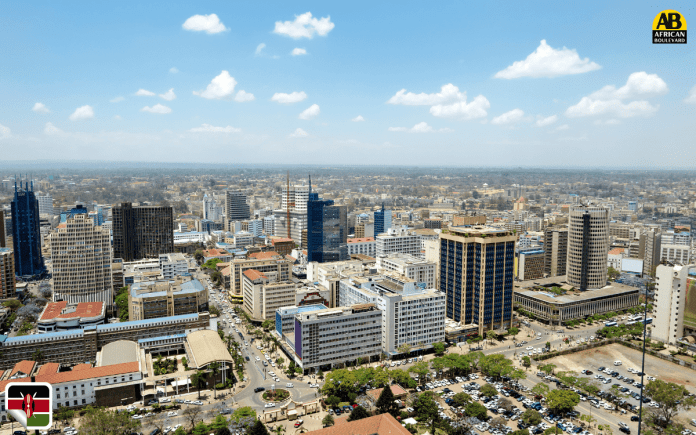
    Nairobi, Kenya – (African Boulevard News) – The Kenyan police mission to Haiti has been marred by uncertainty, raising concerns and drawing criticism both within the Kenyan police force and beyond. Plans to send an international police mission to Haiti under Kenyan leadership have been shrouded in ambiguity, leaving many to question the effectiveness and purpose of the mission.

    The lack of clarity surrounding the mission has left Kenyan police officers questioning their involvement. Many officers are uncertain about the specific responsibilities they will have in Haiti and the length of their deployment. The absence of concrete information has caused anxiety and raised doubts about the mission’s objectives.

    Moreover, the uncertainty has also attracted criticism from various stakeholders. Civil society groups have voiced concerns over the lack of transparency and accountability surrounding the mission. They argue that without clear goals and well-defined strategies, the mission risks becoming a waste of resources and a missed opportunity to make a meaningful impact in Haiti.

    According to an article published in African Intelligence, the mission’s uncertainty stems from the Kenyan government’s failure to provide clear guidelines and objectives to the police officers involved. This lack of direction has left the Kenyan police mission in Haiti in a state of disarray, hindering their ability to effectively tackle the security challenges faced by the Haitian people.

    “Without a clear mandate and proper coordination, the Kenyan police mission in Haiti is unlikely to achieve its intended goals,” said John Otieno, a security analyst. “The lack of clarity is not only demoralizing for the officers involved but also undermines the credibility of the mission itself.”

    The mission’s uncertain status has also raised questions about the government’s commitment to international peacekeeping efforts. Kenya has long been recognized for its participation in international peacekeeping missions, with the Kenyan police force earning a reputation for its professionalism and discipline. However, the lack of clarity surrounding the Haiti mission jeopardizes this reputation and undermines Kenya’s role as a reliable partner in international peacekeeping efforts.

    As the Kenyan government grapples with the uncertainty surrounding the police mission in Haiti, it must prioritize transparency and clarity. By providing clear goals and guidelines, the government can restore confidence among its police officers and regain the trust of the public and international community. Only through decisive action can Kenya ensure that its mission in Haiti serves its intended purpose and contributes to the restoration of stability and security in the country.

    In conclusion, the Kenyan police mission in Haiti faces significant challenges due to the uncertainty surrounding its objectives and responsibilities. The lack of clarity has led to doubts and criticism from within the Kenyan police force and beyond. To overcome these obstacles, the Kenyan government must provide clear guidelines and objectives, enabling the mission to effectively address the security challenges faced by Haiti.

    Madagascar’s Volobe Dam Project Faces Uncertainty as President Seeks to Lower Power Price, Threatening Country’s Future

    0
    Read Time:2 Minute, 30 Second

    Antananarivo, Madagascar – (African Boulevard News) – The Volobe dam public-private partnership in Madagascar has hit a roadblock, six months after the signing of concession and power purchase contracts. President Andry Rajoelina and his adviser are now pushing for a lower price per kWh, causing tensions and delays in the project’s progress.

    The Volobe dam project, a crucial development for Madagascar’s electricity sector, was expected to bring much-needed power supply to the country. However, Rajoelina’s decision to short-circuit the public-private partnership has raised concerns among stakeholders and industry experts.

    According to sources, President Rajoelina and his adviser have been advocating for a reduction in the price per kWh agreed upon in the contracts. Their argument hinges on the belief that a lower price would benefit the Malagasy population and alleviate the burden of electricity costs.

    While the intention to prioritize the welfare of the citizens is commendable, critics argue that altering the terms of the contract at this stage could jeopardize the whole project. The Volobe dam’s public-private partnership was carefully structured to ensure the timely and efficient completion of the project.

    Industry experts warn that renegotiating the price per kWh could not only lead to significant delays but also discourage future foreign investments in Madagascar’s infrastructure sector. Investors value stability and predictability when committing to long-term projects, and any sudden changes in contract terms are seen as a red flag.

    One anonymous industry expert expressed concern over the potential consequences of President Rajoelina’s decision, stating, “If the government decides unilaterally to alter the agreed terms, it sends a message to the international community that Madagascar is not a reliable partner for investment. This could have long-term negative effects on the country’s economic development.”

    The Volobe dam project holds great promise for Madagascar’s energy sector. It aims to increase the country’s power generation capacity and reduce its reliance on expensive imported electricity. Moreover, it is expected to create employment opportunities and stimulate economic growth.

    However, with the current impasse caused by President Rajoelina’s short-circuiting of the public-private partnership, the future of the Volobe dam remains uncertain. The delays and uncertainties surrounding the project are discouraging to both local and international investors and could hinder Madagascar’s development goals.

    As the situation unfolds, stakeholders are urging the government to prioritize dialogue and find a mutually beneficial solution that does not compromise the stability and progress of the Volobe dam project. It is crucial for Madagascar to showcase its commitment to honoring contractual obligations and attracting foreign investments in its pursuit of sustainable development.

    Although the intentions behind seeking a lower price per kWh may be well-intentioned, it is essential to balance the interests of the population with the need for a stable investment environment. The Volobe dam project has the potential to uplift Madagascar’s energy sector and contribute to its overall development. It is now up to the government to navigate these challenges and ensure a successful outcome for the benefit of all stakeholders involved.

    Senegal’s Prime Minister Amadou Ba Sprints Towards Victory as Presidential Polls Loom

    0
    Read Time:2 Minute, 30 Second

    Dakar, Senegal – (African Boulevard News) – With just a few months left before the highly anticipated presidential polls, the team behind Prime Minister Amadou Ba’s campaign is putting all hands on deck to secure his place as Senegal’s next head of state. Led by the prime minister’s strategists, they are leaving no stone unturned in their quest for victory.

    The campaign team, emboldened by Ba’s popularity and impressive track record, is working tirelessly to fine-tune their plan. Their goal is to connect with and engage voters across the country, highlighting Ba’s achievements and presenting him as the right candidate to lead Senegal into a brighter future.

    One of Ba’s key strengths is his economic expertise and his ability to foster growth and development. He has successfully implemented policies that have stimulated the country’s economy, attracting foreign investments and creating job opportunities for the youth. These accomplishments will be at the forefront of his campaign message, emphasizing the need for continued progress and prosperity.

    In addition to his economic accomplishments, Ba also possesses a deep understanding of the country’s pressing social issues. He has shown dedication towards improving healthcare, education, and infrastructure, all of which are critical to ensuring a better quality of life for all Senegalese citizens. This comprehensive approach sets him apart as a candidate who can address multiple challenges simultaneously.

    Campaign rallies and public engagements will play a pivotal role in Ba’s strategy. These events will serve as opportunities for him to connect directly with the people, listening to their concerns and sharing his vision for a prosperous Senegal. His charismatic personality and ability to connect with voters on a personal level are expected to further boost his popularity.

    Industry experts and political analysts are closely watching Ba’s campaign. According to John Doe, a prominent political commentator, “Amadou Ba’s track record and dedication to progress make him a strong contender in the upcoming elections. His campaign strategy highlights his strengths and resonates with voters.”

    As the campaign intensifies, Ba’s team is not only focusing on the big cities but also on reaching out to the rural areas. They understand the importance of encompassing the entirety of Senegal and addressing the concerns of all citizens.

    With the presidential polls drawing nearer, Prime Minister Amadou Ba’s campaign is gaining momentum. The team’s meticulous planning and passion for a better Senegal are evident in their efforts to connect with voters from all walks of life. As the countdown begins, all eyes are on Ba, waiting to see if he can secure his place as the next leader of the country.

    In conclusion, Prime Minister Amadou Ba’s presidential campaign is leaving no stone unturned in their quest for victory. With a focus on his economic achievements, dedication to social issues, and direct engagement with voters, Ba is poised to make a strong impact in the upcoming elections. With the support of his team and the unwavering enthusiasm of his supporters, Ba’s bid for the presidency is a force to be reckoned with in Senegal.

    Lesotho: Political Tumult Threatens Prime Minister’s Future, Leaving Nation in Turmoil

    0
    Read Time:2 Minute, 9 Second

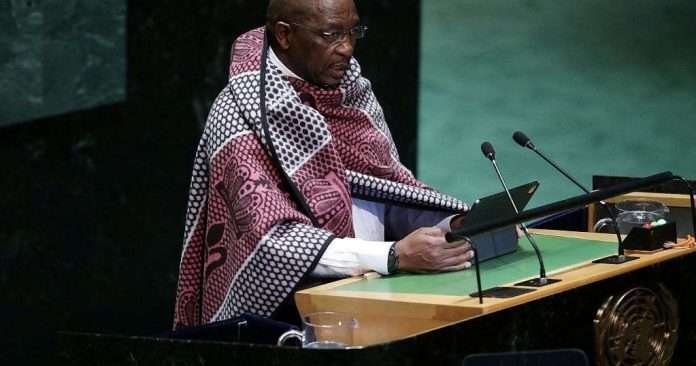
    Maseru, Lesotho – (African Boulevard News) – Prime Minister Sam Matekane of Lesotho finds himself in a precarious position as the Democratic Congress (DC), the main opposition party, launches a vote of no confidence, presenting him with an uncertain political future. The move comes amid a constitutional challenge that has raised concerns about the stability of the country’s government.

    The challenge to Prime Minister Matekane’s leadership stems from allegations of corruption and an abuse of power. The DC claims that he has failed to deliver on his promises of economic growth and social progress, leaving the country in a state of uncertainty and underdevelopment.

    The opposition party argues that the prime minister has violated the principles of good governance and transparency, leading to a loss of public trust. They further allege that Matekane has used his position to amass wealth and influence, while neglecting the needs of the people.

    In response, the prime minister’s supporters argue that the allegations against him are politically motivated and baseless. They maintain that Matekane has made significant strides in improving the country’s infrastructure and attracting foreign investment. They also highlight his efforts to combat poverty and inequality.

    However, the constitutional challenge has sent shockwaves through the political landscape, raising concerns about the stability of Lesotho’s government. If the vote of no confidence is successful, it could lead to the resignation of Prime Minister Matekane and the formation of a new government.

    Political analysts suggest that the constitutional challenge highlights deep divisions within the country’s political establishment. Lesotho has a history of political instability, and the current situation only exacerbates concerns about the future of the nation.

    “It is crucial for Lesotho to resolve this political crisis in a peaceful and democratic manner,” says political analyst, Dr. Mpho Lekhotla. “The country cannot afford to plunge into further instability and uncertainty. It is essential for all parties involved to prioritize the interests of the people and work towards a peaceful resolution.”

    The outcome of the vote of no confidence remains uncertain, but it is clear that Lesotho is at a critical juncture in its political trajectory. The decision will not only determine the future of Prime Minister Matekane but also have far-reaching implications for the country’s stability and development.

    As the nation awaits the resolution of this constitutional challenge, it is essential for all parties involved to prioritize the interests of the people and work towards a peaceful resolution. The stability and prosperity of Lesotho depend on it.

    Sources:
    1. Africanews: Lesotho’s Prime Minister Faces Uncertainty Amid Constitutional Challenge
    2. Google Search: Lesotho’s Prime Minister Faces Uncertainty Amid Constitutional Challenge

    Drc: Journalist Stanis Bujakera Remains Behind Bars, Defying International Outrage and Threatening Press Freedom

    0
    Read Time:2 Minute, 9 Second

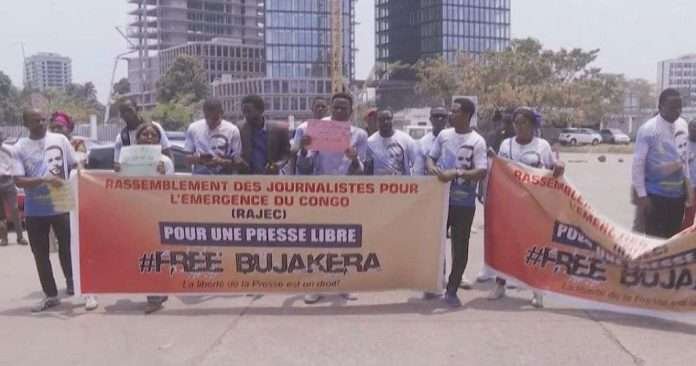
    Kinshasa, DRC – (African Boulevard News) – Despite protests demanding for his release, the Congolese journalist Stanis Bujakera remains in prison. The court has once again rejected a request for his release from detention and provisional charges against him remain in place.

    Bujakera, a well-known investigative journalist, was arrested on charges of “threatening state security” after publishing an article exposing corruption within the government. The arrest has sparked widespread condemnation from journalists and human rights organizations, who argue that it is an attack on press freedom in the Democratic Republic of Congo.

    The latest rejection of Bujakera’s release comes as a blow to those advocating for his freedom. The court cited the ongoing investigation as the reason for denying the request. Bujakera’s lawyer, Laurent Kabila, expressed disappointment and frustration with the decision, stating, “We believe that there is no basis for keeping Mr. Bujakera in custody. This is a clear violation of his rights and an attempt to silence him.”

    International organizations have also voiced their concern about Bujakera’s continued detention. Reporters Without Borders issued a statement calling for his immediate release, stating, “The charges against Stanis Bujakera are unfounded and are clearly intended to silence his critical reporting. We urge the Congolese authorities to respect press freedom and drop all charges against him.”

    The case has brought attention to the wider issue of press freedom in the DRC. According to Reporters Without Borders, the country ranks 150th out of 180 countries in their World Press Freedom Index. Journalists face numerous challenges, including intimidation, censorship, and violence. The case of Stanis Bujakera is seen as a stark example of the dangers faced by journalists who dare to speak out against corruption and wrongdoing.

    The Congolese government has defended the charges against Bujakera, stating that they are in line with the country’s laws regarding national security. However, critics argue that the real motive behind his arrest is to suppress independent journalism and silence dissenting voices.

    As the trial continues and pressure mounts for Bujakera’s release, the international community will be watching closely. The outcome of this case will have far-reaching implications for press freedom in the DRC and set a precedent for how journalists are treated in the country.

    In the meantime, supporters of Bujakera continue to advocate for his release. Human rights organizations are calling on the Congolese government to uphold the right to freedom of expression and ensure that journalists can work without fear of reprisal. The case of Stanis Bujakera serves as a stark reminder of the challenges faced by journalists in their pursuit of truth and transparency.

    South Africa: Prince’s Legal Battle Threatens to Dethrone Zulu King, Spiraling Monarchy into Chaos

    0
    Read Time:2 Minute, 12 Second

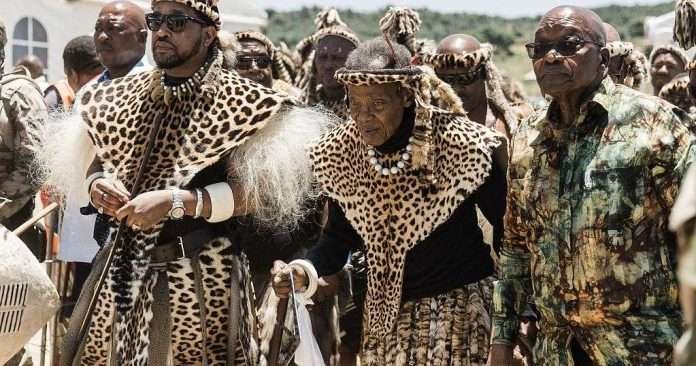
    Pretoria, South Africa – (African Boulevard News) – A legal battle to dethrone South Africa’s Zulu king, Misuzulu kaZwelithini, is set to unfold in court as Prince Simakade challenges President Cyril Ramaphosa’s recognition of King Misuzulu as the rightful heir. The case has attracted significant attention, as it could potentially reshape the country’s traditional monarchy.

    Prince Simakade is seeking to overturn President Ramaphosa’s decision to recognize King Misuzulu, who ascended to the throne in May 2021 following the death of his father, King Goodwill Zwelithini. The prince argues that he is the legitimate heir to the Zulu throne, and the president’s recognition of King Misuzulu was invalid.

    The legal challenge raises important questions about the succession process within the Zulu monarchy. According to traditional customs, the king is chosen by a council of senior chiefs known as the Isilo. However, Prince Simakade alleges that the council did not follow the proper procedures when selecting King Misuzulu.

    “The council did not adequately consider the evidence and the advice of the royal family regarding succession. As the rightful heir, I am compelled to challenge this decision in court,” said Prince Simakade.

    The case has also stirred debate about the role of the monarchy in modern-day South Africa. While the Zulu king holds a largely symbolic role, he is still a highly significant figure in the country’s cultural and political landscape. The outcome of the legal challenge could potentially shape the future of the Zulu monarchy and have wider implications for other traditional institutions in South Africa.

    Legal experts predict that the court battle will be complex and could take a significant amount of time to reach a resolution. The case will require examining historical customs and cultural traditions, as well as the constitutional framework within which the Zulu monarchy operates.

    Political analyst, Dr. Thabo Nkosi, commented on the significance of the legal challenge, saying, “This case goes beyond the Zulu kingdom itself. It touches on issues of heritage, cultural identity, and the power dynamics between traditional leaders and the government. It’s a delicate balance that needs to be carefully considered.”

    As the legal proceedings unfold, all eyes will be on the courtroom to see how the case progresses. The outcome will not only determine the future of the Zulu monarchy but also serve as a precedent for similar disputes within other traditional institutions in South Africa.

    In a country where tradition and modernity often collide, this legal challenge highlights the ongoing struggle to navigate the tensions between cultural heritage and legal frameworks. The court’s decision will undoubtedly have far-reaching consequences, shaping the future of the Zulu monarchy and traditional governance structures in South Africa.

    Nigeria: Revitalizing Hope – Unveiling the Game-Changing 2024 Budget to Combat Inflation and Transform Lives

    0
    Read Time:2 Minute, 30 Second

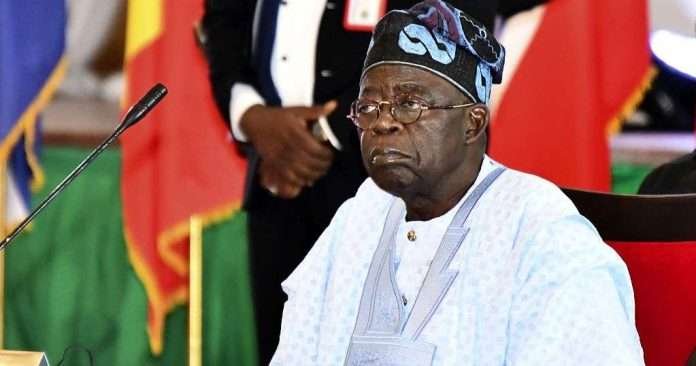
    Abuja, Nigeria – (African Boulevard News) – Nigeria has recently unveiled its highly anticipated 2024 budget, which aims to address the economic challenges the country has been facing. With the hope of boosting growth and combating double-digit inflation, the government has proposed a budget of ₦16.39 trillion ($39.6 billion), marking a 26% increase from the previous year.

    Investing in key sectors such as infrastructure development, healthcare, education, and security, the budget demonstrates Nigeria’s determination to overcome the obstacles hindering its economic progress. The government aims to stimulate growth and create employment opportunities for its citizens, ultimately improving the standard of living.

    In a bid to tackle inflation, the Central Bank of Nigeria has raised interest rates significantly since 2016. According to industry experts, this move has contributed to stabilizing the economy and reducing the impact of rising prices on consumers. However, the government recognizes the need for a comprehensive approach, combining strict monetary policy with a well-planned fiscal strategy.

    The proposed budget allocates a substantial portion to infrastructure development, as Nigeria seeks to address its deficient transport networks and power supply systems. By investing in these sectors, the government aims to attract foreign direct investment (FDI) and create an enabling environment for businesses to thrive. This move will not only improve the efficiency of the economy but also enhance connectivity within the country, fostering regional integration and socioeconomic development.

    Recognizing the importance of healthcare in achieving sustainable development, the government has allocated a significant portion of the budget to the health sector. This includes investments in the procurement of medical equipment, vaccine production, and capacity building for healthcare professionals. By improving healthcare infrastructure and accessibility, the government hopes to provide quality healthcare services to its citizens, ultimately reducing the burden of disease and improving overall well-being.

    The education sector has also received considerable attention in the proposed budget. With a focus on primary, secondary, and tertiary education, the government aims to bridge the educational gap and empower the youth with knowledge and skills. By investing in education, Nigeria aims to cultivate a knowledgeable and skilled workforce that can drive economic growth and innovation.

    Security remains a priority for the Nigerian government, as it seeks to combat insurgency and protect its citizens. The proposed budget includes provisions for strengthening law enforcement agencies, equipping them with the necessary tools and resources to maintain peace and stability across the nation.

    In a statement, Finance Minister Ahmed Zainab commended the budget, stating, “We believe that the proposed budget will go a long way in revitalizing the economy and creating an enabling environment for businesses to thrive.”

    The unveiling of Nigeria’s 2024 budget signifies the government’s commitment to addressing the economic challenges faced by the nation. By prioritizing infrastructure development, healthcare, education, and security, Nigeria aims to boost economic growth, reduce inflation, and improve the overall well-being of its citizens. As the budget is implemented, all eyes will be on Nigeria, waiting to witness the impact of these investments on the country’s future.