Thursday, April 23, 2026
90.6 F
Lagos
More
    Home Blog Page 56

    Zambia’s Battle for Copper: Anil Agarwal’s Astonishing $1.4bn Comeback Shakes the Nation’s Political Landscape

    0
    Read Time:2 Minute, 28 Second

    Lusaka, Zambia – (African Boulevard News) – After lengthy, tense talks with the government, the British-Indian billionaire Anil Agarwal is once again in charge of Konkola Copper Mines via his conglomerate Vedanta Resources. The metal king used his immense wealth and influence to regain control over one of Africa’s largest copper mines, in a skirmish that has riveted the nation and put the spotlight on Zambia’s political landscape.

    Behind the scenes of Vedanta’s skirmish with Hichilema, the leader of the opposition United Party for National Development (UPND), lies a complex web of power plays and personal animosity. The battle for control over the lucrative copper mines became a battleground for political supremacy, with Agarwal’s Vedanta Resources pitted against President Hakainde Hichilema and his government.

    The long-standing conflict between Vedanta and Zambia’s government began in 2019 when the country’s mining regulator, the Zambia Revenue Authority (ZRA), slapped a $7.9 billion tax bill on Vedanta’s subsidiary, Konkola Copper Mines. The dispute escalated when Vedanta refused to pay and instead took legal action against the government.

    President Hichilema, who was then in the opposition, seized the opportunity to rally public support by championing Zambia’s sovereignty and positioning himself as a champion for the people against foreign companies exploiting the country’s resources. He vowed to nationalize the mines and ensure that the wealth generated from Zambia’s natural resources benefited the local population.

    However, following his election victory in August 2021, Hichilema found himself in a delicate position. The mining sector, particularly copper mining, is a significant contributor to Zambia’s economy. With the country heavily dependent on revenue from the sector, Hichilema needed to find a resolution that would please both foreign investors and Zambians.

    After months of negotiations, Hichilema agreed to reinstate Vedanta as the majority shareholder of Konkola Copper Mines. The decision was met with mixed reactions from the public, with some applauding the move as a pragmatic solution for the country’s economic stability, while others criticized Hichilema for caving in to foreign interests.

    Industry experts have weighed in on the situation, acknowledging the complexities involved. Dr. Chibamba Kanyama, an economist, stated, “The reality is, Zambia needs foreign investment to develop its economy. It is a delicate balancing act for the government to protect the interests of its people while also attracting investors.”

    The resolution of the Vedanta-Hichilema skirmish marks a turning point in Zambia’s mining sector. As the country enters a new era, the focus will be on ensuring transparency, accountability, and inclusive growth for all stakeholders. Only time will tell if the deal struck behind the scenes will ultimately benefit the Zambian people or leave them feeling shortchanged.

    In conclusion, the Vedanta-Hichilema standoff has highlighted the complexities and tensions that arise when multinational corporations and political figures clash over control of a nation’s resources. The episode serves as a reminder that for countries like Zambia, it is crucial to strike a delicate balance between attracting foreign investment and safeguarding national interests.


    Senegal’s Hope for a Brighter Future: Dionne’s Presidential Campaign Takes Flight

    0
    Read Time:2 Minute, 12 Second

    Dakar, Senegal – (African Boulevard News) – With the upcoming presidential election in Senegal just a few months away, the campaign team of former Prime Minister Mahammed Dionne is stepping up their efforts to garner support for his bid. Dionne, who previously served as the right-hand man to President Macky Sall, has assembled a capable team to help him deliver his message and connect with voters.

    The newly appointed campaign staff is primarily focused on formulating an economic agenda that will resonate with the Senegalese people. They are aware of the challenges the country faces and are determined to present practical solutions to address them. From job creation to infrastructure development, Dionne’s team aims to demonstrate their candidate’s competence and commitment to improving the lives of Senegalese citizens.

    One of the key areas of focus for the campaign team is highlighting Dionne’s experience as a former prime minister. They assert that his tenure under President Sall provided him with an in-depth understanding of the country’s intricacies and the ability to navigate its complex political landscape. This experience, they argue, positions Dionne as the best candidate to lead Senegal into a prosperous future.

    In a recent interview, campaign spokesperson Aminata Mbengue Ndiaye stated, “Mahammed Dionne’s track record speaks for itself. As a former prime minister, he has overseen major infrastructural projects, and his economic policies have helped stimulate growth and attract foreign investment to Senegal. We believe he has the vision and expertise to take our country to even greater heights.”

    Dionne’s campaign team is also leveraging technology to connect with voters. They have launched a comprehensive online presence, utilizing social media platforms and a user-friendly website to engage with supporters and disseminate information. By leveraging these digital tools, they hope to reach a wider audience and generate excitement for their candidate’s campaign.

    As the campaign gains momentum, Dionne’s team is eager to hit the ground running, organizing rallies, town hall meetings, and other grassroots events. They believe that direct interaction with the public is crucial in order to understand their concerns and aspirations. These events will provide an opportunity for Dionne to connect with voters on a personal level, demonstrating his commitment to serving the people of Senegal.

    With the presidential election just around the corner, Mahammed Dionne’s campaign team is leaving no stone unturned. Their strategic approach, coupled with Dionne’s experience and vision, positions him as a formidable contender in the race for the presidency. As they continue to swing into action, the team is optimistic about their prospects and confident in their ability to rally support for their candidate’s bid to lead Senegal towards a brighter future.

    Kenya: Controversial Catholic Priest Shocks Community with Unconventional Wedding, Sparks Heated Debate

    0
    Read Time:2 Minute, 8 Second

    Nairobi, Kenya – (African Boulevard News) – In a surprising turn of events, Reverend Father Edwin Gathang’i Waiguru, a Kenyan Catholic priest, recently made headlines after marrying Margaret Wanjira Githui. The couple exchanged vows in a vibrant ceremony held at Michael’s Pot Gardens in Ikinu Githunguri. This union has sparked controversy due to Father Waiguru’s affiliation with a controversial splinter group within the Catholic Church.

    Father Waiguru’s decision to marry and leave the priesthood has created a buzz among the Catholic community. His association with the splinter group, known for its unconventional beliefs, has drawn criticism from traditionalists. However, it has also garnered support from those who believe in a more progressive approach.

    The wedding ceremony was a sight to behold, filled with joyous moments and emotional speeches. The couple, dressed in elegant attire, exchanged their vows before family, friends, and well-wishers. The event showcased a blend of traditional and modern elements, reflecting the couple’s unique journey.

    While some Catholics may view this union as a betrayal of the faith, others argue that love knows no boundaries and should be celebrated. Reverend Father John Kimani, a fellow priest, shared his perspective on the matter, saying, “It’s important to remember that priests are human beings with emotions and desires. Father Waiguru’s decision to marry should not overshadow his years of service and dedication to the church.”

    Father Waiguru’s association with the splinter group remains a topic of debate. The group, which advocates for more inclusive practices within the Catholic Church, has been seen as a beacon of hope for those seeking change. However, it has also faced scrutiny for deviating from established Catholic teachings.

    The Catholic Church has not released an official statement regarding Father Waiguru’s marriage, leaving room for speculation and discussion within the community. This event serves as a reminder that faith, love, and personal choices can intersect in complex and unexpected ways.

    While Father Waiguru’s decision has garnered attention and sparked debate, it also prompts us to reflect on the evolving nature of religious practices and beliefs. In a world that is constantly changing, individuals seek fulfillment and happiness in various ways. As society progresses, it becomes vital for religious institutions to adapt and accommodate the evolving needs and desires of their followers.

    As the discussions surrounding Reverend Father Edwin Gathang’i Waiguru’s marriage continue, one thing remains certain: this union will serve as a catalyst for introspection and discussion within the Catholic community. It raises important questions about the role of tradition, love, and personal choices in the ever-changing landscape of faith.

    Nigeria: Outrage as Dozens Arrested in Brutal Crackdown on Gay Wedding, Amplifying Urgent Pleas for Justice

    0
    Read Time:2 Minute, 11 Second

    Abuja, Nigeria – (African Boulevard News) – In a shocking development that has sparked outrage among human rights activists, more than 70 young people were arrested on Saturday by security forces in northeastern Nigeria for allegedly organizing a gay wedding. Nigeria is known for its strict laws against homosexuality, making same-sex unions illegal and punishable by up to 14 years in prison.

    The arrests took place in the Gwange area of the state capital, Maiduguri, after an anonymous tip led authorities to the gathering. Upon arrival, security forces reportedly found a large group of attendees, some of whom were dressed in wedding attire. The arrests were carried out swiftly, and all 76 individuals were taken into custody.

    This incident has once again highlighted the ongoing discrimination and violence faced by the LGBT+ community in Nigeria. Homosexuality is heavily stigmatized in the country, and individuals who identify as gay or lesbian often face harassment, exclusion, and physical attacks.

    Human rights organizations, both within Nigeria and internationally, have condemned the arrests and called for the immediate release of those detained. They argue that the country’s anti-LGBT+ laws violate basic human rights principles and contribute to a climate of fear and repression.

    Adeola Adewale, a Nigerian LGBT+ rights activist, spoke out against the arrests, saying, “This is a clear violation of individuals’ rights to privacy and freedom of expression. We must challenge the deeply ingrained homophobia in our society and advocate for equal rights for all.”

    The Nigerian government has yet to release an official statement regarding the incident. However, this incident raises concerns about the safety and well-being of the detained individuals, as well as the broader issue of LGBT+ rights in Nigeria.

    The arrests also come at a time when there has been an increase in violence and discrimination against the LGBT+ community in Nigeria. Earlier this year, the House of Representatives passed a bill banning same-sex marriages and criminalizing the activities of LGBT+ organizations.

    As the international community continues to pressure Nigeria to protect the rights of its LGBT+ citizens, it is clear that further steps need to be taken to challenge the discriminatory laws and attitudes that fuel violence and marginalization. Only through dialogue, education, and a commitment to equality can Nigeria begin to address these human rights violations and create a more inclusive society for all its citizens.

    The detained individuals are currently awaiting further legal proceedings, and their future remains uncertain. The incident serves as a stark reminder of the ongoing struggle for LGBT+ rights in Nigeria and the need for continued advocacy and support from both within the country and internationally.

    Niger: European Union Implements Sanctions, Demands Justice for Coup – Will Democracy Prevail?

    0
    Read Time:2 Minute, 14 Second

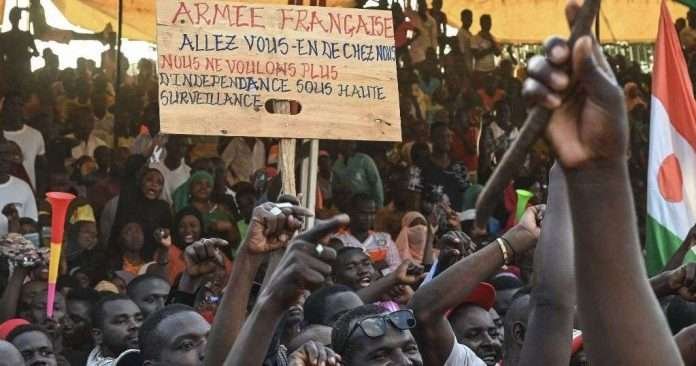
    Niamey, Niger – (African Boulevard News) – In a move that highlights growing international pressure on the military junta in Niger, the European Union (EU) has taken steps to impose sanctions on those responsible for the coup that took place three months ago. This marks a significant development in the ongoing turmoil that has gripped the West African nation.

    The EU’s decision to impose sanctions on members of the military junta comes as a result of their efforts to restore democracy and stability in Niger. The sanctions aim to hold those responsible for the coup accountable, sending a strong message against unconstitutional power grabs.

    The European Union has often played a significant role in promoting democratic values and human rights worldwide. In this case, the EU’s decision to impose sanctions reflects their commitment to supporting the will of the Nigerien people and their desire for a democratic government.

    The sanctions will include travel bans and asset freezes, targeting key figures within the military junta and their supporters. These measures are intended to exert pressure on those responsible for the coup and to encourage a return to democratic governance.

    While the specifics of the sanctions have not been disclosed, it is expected that they will target individuals rather than the general population of Niger. This approach ensures that innocent civilians are not unduly harmed by the measures.

    The international community has been closely monitoring the situation in Niger since the military junta took power. The African Union and the Economic Community of West African States (ECOWAS) have already imposed sanctions on Niger’s military junta, including travel bans and asset freezes.

    The EU’s decision to join in imposing sanctions demonstrates a unified global response against the military junta and their unconstitutional actions. The international community’s condemnation of the coup highlights the importance of democracy and the rule of law in today’s world.

    The EU’s move to impose sanctions on the Niger junta is a significant step towards restoring democracy in the country. By targeting those responsible for the coup, these measures aim to weaken the military junta’s grip on power and create space for a return to civilian rule.

    As the pressure on the military junta intensifies, it remains to be seen how they will respond to these sanctions. The EU’s actions, coupled with those of other international bodies, demonstrate a resolute commitment to fostering democratic governance in Niger.

    In the coming weeks, the impact of these sanctions and the broader international pressure on the military junta will become clearer. The hope is that these measures will pave the way for a peaceful resolution and a return to democratic governance in Niger, allowing its people to determine their own destiny.

    Kenya: Tragedy Unveils Grave Injustice – Pastor’s Extreme Fasting Claims Over 400 Lives, Exposing Failures in Justice System

    0
    Read Time:2 Minute, 27 Second

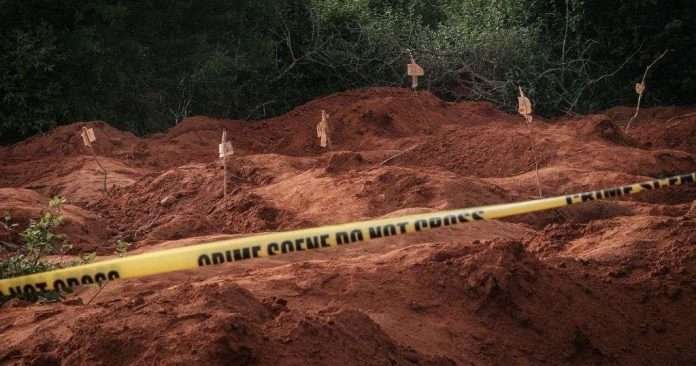
    Nairobi, Kenya – (African Boulevard News) – Failures of the Kenyan justice system and police have come to light following the tragic Shakahola massacre, where self-proclaimed pastor, Paul Nthenge Mackenzie, stands accused of the deaths of at least 20 individuals who followed his extreme fasting practices.

    The case has raised serious questions about the effectiveness of the justice system in Kenya and its ability to protect vulnerable citizens from exploitation by fraudulent religious leaders.

    According to reports, Mackenzie had been preaching his extreme fasting rituals for years, despite numerous alerts to the authorities. Critics argue that the lack of action allowed him to continue his activities, ultimately resulting in the loss of innocent lives.

    Human rights activists and religious leaders have condemned the failures of the justice system to take timely action against Mackenzie. Reverend Joseph Maina, a prominent religious leader, expressed his dismay, stating, “It is deeply disheartening to see the lives of our brothers and sisters lost due to a lack of intervention from the authorities. Justice must prevail, and those responsible for this tragedy must be held accountable.”

    The Shakahola massacre has served as a wakeup call for the Kenyan justice system, highlighting the urgent need for reforms to ensure the safety and protection of its citizens. The tragic incident has sparked nationwide outrage and demands for justice.

    Kenya has a rich history of religious diversity, with millions of citizens belonging to various faiths. While the majority of religious leaders are genuine and promote peace and harmony, incidents like the Shakahola massacre underscore the importance of robust regulatory mechanisms to prevent the exploitation of vulnerable individuals.

    The Kenyan government, in response to the public outcry, has vowed to launch a comprehensive investigation into the failures that allowed Mackenzie to operate with impunity. Authorities have promised that those responsible for negligence or complicity will be brought to justice.

    However, critics argue that these promises are not enough and that concrete action must be taken to prevent such incidents from occurring in the future. They call for stricter regulations and oversight of religious practices to protect individuals from unscrupulous leaders who seek to exploit their faith.

    The Shakahola massacre has left scars on the nation, reminding Kenyans of the need for an effective justice system that upholds the principles of fairness and accountability. The tragedy has brought to the forefront the urgent need for comprehensive reforms to prevent further exploitation by religious leaders and ensure the safety of all citizens.

    As the investigation unfolds, Kenyans are anxiously awaiting justice for the victims of the Shakahola massacre and hoping that this tragedy will serve as a catalyst for positive change. The cries of the victims and their families echo through the nation, demanding a justice system that truly protects its citizens from harm.

    For more information on the failures of justice in the Shakahola massacre, visit Africanews.com or search “Kenya failures of justice allowed the Shakahola massacre” on Google.

    Kenya: Currency in Crisis – Shilling Hits All-Time Low, Threatening Economic Stability and Citizens’ Livelihoods

    0
    Read Time:2 Minute, 6 Second

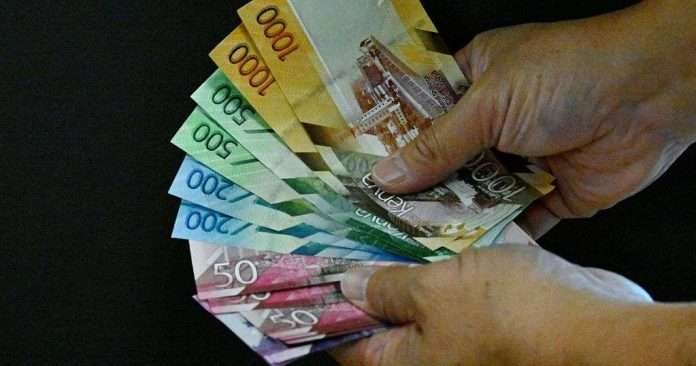
    Nairobi, Kenya – (African Boulevard News) – The Kenyan currency, the shilling, has hit an all-time low against the dollar, as it continues its rapid depreciation in recent months. This downward trend has seen the shilling lose nearly 24% of its value against the US dollar over the past year. The weakening currency has raised concerns among Kenyan citizens, businesses, and economists alike.

    The depreciation of the shilling has been attributed to various factors, including the impact of the COVID-19 pandemic on the country’s economy and global market fluctuations. The pandemic has disrupted supply chains, reduced tourism revenue, and led to a decline in foreign investments, all contributing to the devaluation of the currency.

    According to financial experts, the weakening shilling will have a detrimental effect on Kenya’s economy. Import-dependent sectors, such as manufacturing and fuel, will face rising costs due to the higher exchange rate. This, in turn, is likely to lead to increased prices of goods and services, ultimately impacting consumers’ purchasing power.

    “The depreciation of the shilling will have a significant impact on our business operations. We import raw materials and equipment, and with the weakening currency, our costs have skyrocketed,” said Samuel Kamau, a local manufacturer.

    Furthermore, the depreciation of the shilling has also raised concerns about inflation. As the currency weakens, the cost of imported goods increases, which may lead to higher consumer prices and a decrease in living standards for many Kenyans.

    To mitigate the impact of the depreciating currency, the Central Bank of Kenya has implemented measures such as tightening monetary policy and injecting dollars into the market to stabilize the shilling. However, these efforts have not yet yielded significant results.

    Economic experts believe that the government should also focus on improving the country’s export sector to boost foreign exchange earnings and reduce reliance on imports. Encouraging local production and diversifying exports would help strengthen the shilling and stabilize the economy in the long run.

    As the Kenyan currency continues to hit new lows against the dollar, Kenyan citizens and businesses are anxiously awaiting positive signs of recovery. The government, in collaboration with the central bank, must take decisive action to stabilize the currency and restore confidence in the economy.

    In conclusion, the depreciation of the Kenyan shilling against the dollar has reached an all-time low, posing significant challenges for the country’s economy. The weakening currency has resulted in increased costs, inflation concerns, and decreased purchasing power for Kenyan citizens. Urgent measures are needed to stabilize the currency and promote economic growth.

    Mali: UN Peacekeepers Risk Lives in Expedited Pullout Amid Rising Security Threats, Leaving Region in Peril

    0
    Read Time:2 Minute, 3 Second

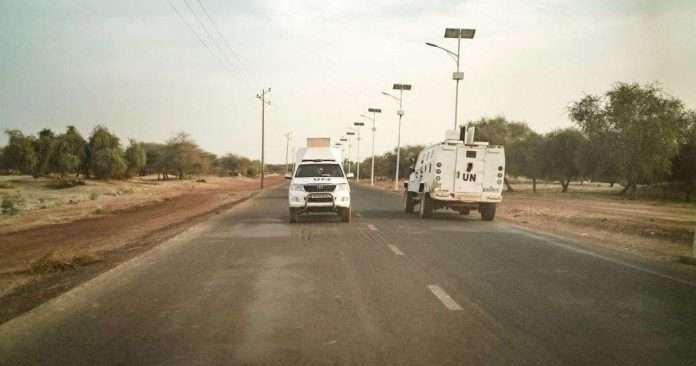
    Bamako, Mali – (African Boulevard News) – UN peacekeepers have expedited their pullout from a camp in northern Mali due to a tense security situation, putting their lives at risk. The move comes as the Malian army takes over the camp to maintain security in the region.

    According to a statement from the United Nations Multidimensional Integrated Stabilization Mission in Mali (MINUSMA), the decision to pull out was made in response to an “extremely tense and degraded security context.” The lives of personnel were in danger, prompting the urgent action.

    The camp, located in northern Mali, has been a strategic location for peacekeeping operations in the region. However, recent security threats have made it increasingly hazardous for UN peacekeepers to continue their mission.

    With the pullout complete, the Malian army is now responsible for maintaining security in the area. This transfer of power is crucial for ensuring the safety of both local inhabitants and international peacekeeping troops.

    The Malian army has been collaborating closely with MINUSMA to tackle the security challenges in the region. Their efforts to stabilize northern Mali have been commendable, and it is hoped that they can continue to maintain peace and protect the inhabitants from further harm.

    The situation in northern Mali remains tense, with various armed groups vying for control and boundaries constantly shifting. This volatile environment has made it increasingly difficult for peacekeepers to operate effectively.

    While the pullout may raise concerns about the stability of the region, it also presents an opportunity for the Malian government to assert its authority and work towards lasting peace. The successful transition of security responsibilities from MINUSMA to the Malian army is a step in the right direction.

    Speaking about the pullout, a spokesperson for MINUSMA emphasized the importance of a comprehensive approach to security in Mali. They stated, “The security challenges in Mali require efforts from all stakeholders, including the government, regional partners, and the international community.”

    The international community has pledged its support to Mali in its quest for peace and stability. The United Nations and other organizations continue to provide assistance and expertise to aid in the country’s recovery.

    As the situation in northern Mali remains highly precarious, the expedited pullout of UN peacekeepers highlights the urgency and importance of addressing the security challenges in the region. The Malian government, with the support of regional partners and the international community, must work towards a lasting solution to ensure the safety and well-being of the people of Mali.

    Tanzania: Controversial Port Management Deal Raises Concerns and Sparks National Debate

    0
    Read Time:2 Minute, 2 Second

    Dodoma, Tanzania – (African Boulevard News) – Tanzania has signed a controversial port management deal with Dubai-based firm, DP World, raising concerns among industry experts and stakeholders. The deal allows DP World to operate four berths of the Dar es Salaam Port, located in the country’s commercial capital.

    Tanzania Ports Authority Director General Plasduce Mbossa confirmed the agreement, stating that DP World will oversee the management and operations of these four berths. This move comes as part of the government’s efforts to attract foreign investment and improve efficiency in port operations.

    However, the deal has sparked mixed reactions, with some expressing reservations about the involvement of a foreign firm in managing a critical national asset. Critics argue that it could potentially lead to a loss of control over the port’s operations and revenue.

    “The decision to sign this agreement raises concerns about the long-term implications for our national interests,” commented Robert Majaliwa, a local business owner. “We should prioritize developing our own capacity and expertise in managing our ports rather than relying on foreign companies.”

    Others, including government officials, believe that the partnership with DP World will bring much-needed expertise and investment to boost the performance and competitiveness of the Dar es Salaam Port. They argue that the deal will help address operational challenges and attract larger vessels, leading to increased trade and economic growth.

    Tanzania’s strategic location along the East African coast has made its ports crucial gateways for international trade. The Dar es Salaam Port serves as a key hub for goods destined for Tanzania and its neighboring landlocked countries, including Zambia, Malawi, and the Democratic Republic of Congo.

    DP World, one of the world’s largest port operators, has a presence in over 50 countries and manages ports that handle approximately 10% of global container traffic. The company has extensive experience in port operations and is expected to bring its expertise to improve efficiency and productivity at the Dar es Salaam Port.

    The controversy surrounding the deal highlights the ongoing debate about the best approach to managing critical national infrastructure. While foreign investment can bring benefits such as technology transfer and increased efficiency, some argue that it should be balanced with efforts to develop local expertise and safeguard national interests.

    As Tanzania moves forward with this controversial port management deal, time will tell whether it is a step towards modernization and growth or a potential loss of control over a vital economic asset.

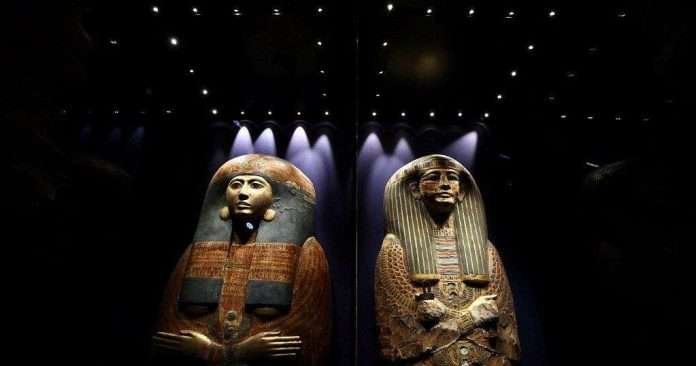
    Egypt: Experiencing the Aroma of Ancient Mummification – Journey Back in Time and Unleash Your Senses

    0
    Read Time:2 Minute, 44 Second

    Cairo, Egypt – (African Boulevard News) – Recreating the Scent of Ancient Egyptian Mummification

    Unlocking the secrets of ancient Egyptian mummification has long captivated scientists and researchers. Now, a team of experts has succeeded in recreating the long-lost scent of this ancient funerary ritual. This groundbreaking study not only offers a glimpse into the mummification process but also sheds light on the extensive trade networks that existed in ancient Egypt.

    Led by Dr. Amira El-Sharkawy, a renowned archaeologist, the team meticulously studied ancient texts, historical records, and burial sites to gain insight into the ingredients and techniques used for mummification. They discovered that the process involved a combination of resins, herbs, and spices, with ingredients originating from Central Europe, Southeast Asia, the Mediterranean, and beyond.

    “By studying the texts and artifacts left behind, we were able to unravel the intricacies of ancient Egyptian mummification,” explained Dr. El-Sharkawy. “This research allowed us to piece together the puzzle and recreate the scent that would have filled the air during this fascinating ritual.”

    The team painstakingly collected samples of the various ingredients mentioned in the texts and meticulously mixed them together. After rigorous experimentation, they were able to recreate the unique scent that would have permeated the embalming chambers of ancient Egypt.

    Dr. Sarah Baker, an expert in ancient perfumery, provided valuable insights into the scent composition. “The scent was a rich and complex blend of aromas,” Dr. Baker explained. “It had notes of myrrh, frankincense, cinnamon, and various floral essences. It was truly a sensory experience that evoked the rituals and practices of ancient Egyptian culture.”

    The recreated scent offers a glimpse into the spiritual and cultural significance of mummification for the ancient Egyptians. It highlights the importance they placed on the preservation of the body as a means to ensure a successful transition into the afterlife.

    These findings shed light on the mummification process and the extensive trade networks of ancient Egypt, with ingredients originating from Central Europe, Southeast Asia, the Mediterranean, and beyond. They provide a tangible link to the past and deepen our understanding of this ancient civilization.

    Dr. El-Sharkawy believes that this research has broader implications beyond archaeology. “Recreating the scent of ancient Egyptian mummification offers us a unique opportunity to create a sensory connection with the past,” she said. “It allows us to engage with history on a deeper level and brings us closer to the people who lived thousands of years ago.”

    The recreation of this ancient scent opens up new possibilities for immersive cultural experiences, allowing visitors to museums and historical sites to transport themselves back in time and gain a heightened understanding of ancient Egyptian rituals.

    As our understanding of ancient civilizations continues to evolve, breakthroughs like this remind us of the richness and complexity of human history. The study of ancient Egyptian mummification not only reveals the ingenuity of the past but also provides a window into the values and beliefs of a society long gone.

    In the quest to unravel the mysteries of the past, each discovery paves the way for further exploration. The recreation of the scent of ancient Egyptian mummification is just one example of how researchers are breathing life and emotion into history, allowing us to connect with our ancestors in new and profound ways.