Thursday, April 23, 2026
81.1 F
Lagos
More
    Home Blog Page 49

    Libya’s Future Hangs in the Balance: TotalEnergies’ Battle for Waha Concession Inches Closer to a Tipping Point

    0
    Read Time:2 Minute, 11 Second

    Tripoli, Libya – (African Boulevard News) – TotalEnergies, the French multinational energy company, is engaged in discussions with the National Oil Corporation (NOC) of Libya to extend its license for the Waha concession. The company hopes to secure the rights to continue operating in Libya and benefit from the revenue generated by the Waha concession for years to come. However, the NOC is pushing for higher stakes in the negotiations, adding complexity to the talks.

    The Waha concession, located in the Sirte Basin in central Libya, is one of the country’s largest oil fields. It has been operated by TotalEnergies since 2017, and the company has seen significant success in its operations within the concession. With the potential extension of its license, TotalEnergies aims to solidify its presence in Libya and further capitalize on the oil reserves in the area.

    According to sources close to the negotiations, TotalEnergies is keen on extending its license due to the favorable conditions in the Waha concession. The company has made significant investments in infrastructure and technology to maximize production efficiency and ensure a sustainable operation. Extending the license would allow TotalEnergies to maintain stability and continue reaping the benefits of its efforts.

    However, the NOC, as the state oil company of Libya, has its own interests to safeguard. The NOC is responsible for managing Libya’s oil resources and ensuring they benefit the country’s economy and people. As such, they are pushing for a larger stake in the Waha concession to increase revenue and maintain control over the country’s oil resources.

    The discussions between TotalEnergies and the NOC are ongoing, with both parties working towards a mutually beneficial agreement. While negotiations are often complex, industry experts remain optimistic about the outcome, recognizing the importance of foreign investment and collaboration in Libya’s oil industry.

    Jean-Pierre Sbraire, the Chief Financial Officer of TotalEnergies, commented on the discussions, stating, “We have a long and successful history in Libya, and we are committed to continuing our fruitful partnership with the NOC. We believe that by working together, we can overcome challenges and create value for both parties.”

    The potential extension of TotalEnergies’ license for the Waha concession symbolizes the company’s commitment to Libya and its confidence in the country’s oil industry. It also highlights the significance of foreign investment in helping Libya harness its oil resources for economic development.

    As negotiations progress, all eyes are on the outcome of the discussions between TotalEnergies and the NOC. A successful agreement would not only ensure stability for TotalEnergies but also contribute to the growth of Libya’s oil sector, benefiting the country and its people in the long run.
    Egypt’s Media Suppression and Controversial Gaza Decision Ignites Global Outrage and Fears of Democratic Erosion

    0
    Read Time:2 Minute, 30 Second

    Cairo, Egypt – (African Boulevard News) – The Egyptian president, Abdel Fattah el-Sisi, is facing criticism for refusing to allow Palestinians from Gaza to resettle in the Sinai region, a stance that is being backed by the country’s intelligence-controlled media. This move goes against the desires of both Washington and Tel Aviv, who have advocated for such a relocation. However, Sisi seems to have the support of the Egyptian public, as the intelligence-controlled media works to bolster his stance.

    The Egyptian government’s decision to reject the resettlement of Palestinians from Gaza in Sinai has sparked controversy within the international community. Both the United States and Israel have pushed for this solution as a way to address the ongoing humanitarian crisis in Gaza. However, Sisi’s refusal to comply has drawn criticism from these allies, who argue that it would provide a long-term solution to the suffering of the Palestinian people.

    The Egyptian public, on the other hand, seems to be largely behind Sisi’s stance. The intelligence-controlled media, which has a significant influence over public opinion, has been working to shape the narrative and support the government’s position. This media apparatus includes state-owned television, newspapers, and online news outlets that are known to toe the government line.

    While the intelligence-controlled media’s support of Sisi’s stance on Gaza may not come as a surprise, it raises questions about the role of the media in shaping public opinion. Critics argue that the state-run media is being used as a tool to promote the government’s agenda and suppress dissenting voices. This raises concerns about the lack of independent journalism and the erosion of press freedom in Egypt.

    International human rights organizations have voiced their concerns about the situation. Amnesty International has criticized the Egyptian government for its crackdown on media freedom and the stifling of dissenting voices. The organization has called for the release of imprisoned journalists and an end to the intimidation and harassment of media professionals.

    With the intelligence-controlled media bolstering Sisi’s stance on Gaza, it becomes increasingly difficult for alternative viewpoints to be heard. This raises further concerns about the state of democracy and freedom of expression in Egypt.

    As the international community continues to pressure Egypt to reconsider its position on the resettlement of Palestinians from Gaza, it remains to be seen how the situation will unfold. The intelligence-controlled media’s support of Sisi’s stance highlights the challenges facing independent journalism and the need for a diverse and vibrant media landscape in Egypt.

    In conclusion, the intelligence-controlled media in Egypt is backing President Sisi’s refusal to allow Palestinians from Gaza to resettle in Sinai, despite the advocacy of Washington and Tel Aviv. This situation raises concerns about media freedom and the ability of alternative voices to be heard. The international community and human rights organizations are calling for a re-evaluation of Egypt’s stance on the Gaza crisis, as the intelligence-controlled media continues to shape public opinion in support of the government’s position.

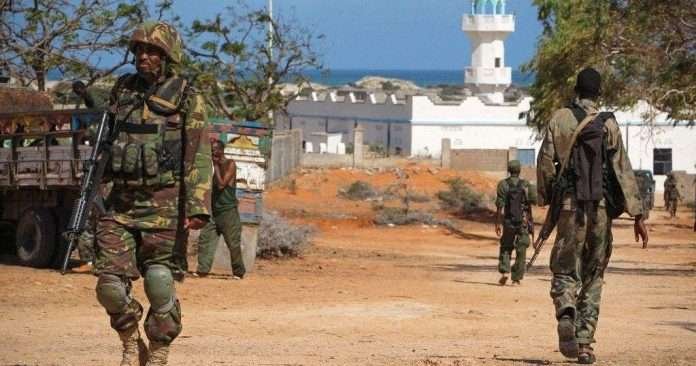
    Chad’s Crucial Role: UN’s Groundbreaking Plan to Secure Peace in Africa Unveiled

    0
    Read Time:2 Minute, 20 Second

    N’Djamena, Chad – (African Boulevard News) – The United Nations (UN) is currently engaged in discussions on the future of its peace operations in Africa. With several ideas set to be presented to the Security Council and UN Secretary-General Antonio Guterres, the outcome of these deliberations could shape the organization’s approach to maintaining peace on the continent.

    As conflicts continue to plague various regions in Africa, the UN is under pressure to reevaluate its strategies and consider new approaches. The ongoing discussions are aimed at finding innovative ways to enhance the effectiveness of UN peace operations in Africa and ensure they remain relevant in the face of evolving challenges.

    One proposal being considered is the establishment of partnerships with regional organizations, such as the African Union (AU), to enhance the coordination and cooperation between peacekeeping efforts. This approach would tap into the local knowledge and resources of regional bodies, enabling more tailored and effective responses to conflicts in Africa.

    Speaking on the matter, UN Secretary-General Antonio Guterres emphasized the importance of collaboration, stating, “We need to build a stronger partnership between the UN and the AU to respond more effectively to the complex and interrelated challenges facing Africa.”

    Another idea under consideration is the increased use of technology and digital tools to support peacekeeping operations. This would involve leveraging advancements in artificial intelligence (AI), satellite imagery, and data analysis to enhance situational awareness and improve decision-making on the ground.

    The use of these innovative technologies could provide real-time insights into conflict dynamics, facilitate early warning systems, and help identify patterns that could lead to more effective conflict prevention and resolution.

    However, it is important to note that these proposals are part of a broader discussion, and their implementation would require careful consideration of various factors, including financial implications and the balancing of resources.

    According to analysts, the UN’s commitment to finding new approaches to peace operations in Africa reflects the organization’s recognition of the changing nature of conflicts on the continent. Traditional peacekeeping models may not be sufficient to address the complex dynamics of modern conflicts, which often involve non-state actors, asymmetric warfare, and regional tensions.

    As the UN ponders the future of its African peace operations, these discussions mark a crucial moment for the continent. The decisions made in the coming months will shape the UN’s role in maintaining peace in Africa for years to come.

    In conclusion, the UN’s consideration of new strategies and partnerships demonstrates a commitment to adapt and enhance its approach to peacekeeping in Africa. By exploring innovative ideas and leveraging technology, the organization aims to ensure its operations remain effective in addressing the evolving challenges faced by the continent. As these discussions progress, stakeholders eagerly await the outcomes that will determine the future of peace operations in Africa.

    Egypt: France Dispatches Naval Aid to Gaza, Prioritizing Humanitarian Relief Amid Escalating Israel-Hamas Conflict

    0
    Read Time:2 Minute, 32 Second

    Cairo, Egypt – (African Boulevard News) – France has announced the dispatch of naval aid to Gaza, as Egypt urges the avoidance of a ground invasion. The move comes amid escalating tensions between Israel and Hamas militants.

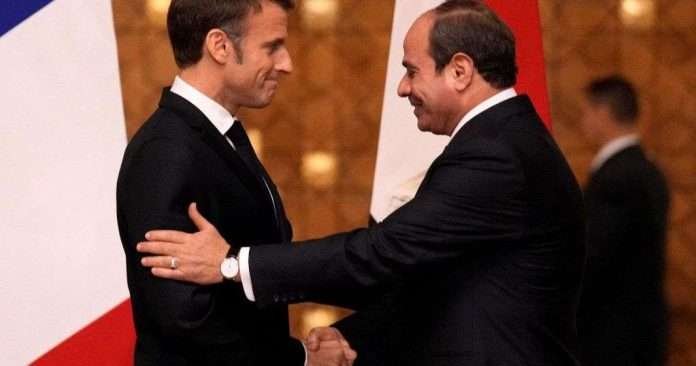
    French President Emmanuel Macron’s recent visit to Egypt, following his stop in Israel, drew attention as he expressed support for the Israeli military’s retaliatory actions against Hamas. However, France’s decision to provide naval aid to Gaza suggests a more balanced approach to the conflict.

    The naval aid includes medical supplies, food supplies, and other essential items to alleviate the humanitarian crisis in Gaza. The French government hopes that this assistance will help alleviate the suffering of the Palestinian people affected by the recent violence.

    “France is committed to promoting peace and stability in the region,” said President Macron. “Our support for the people of Gaza is a testament to our commitment to upholding human rights and ensuring the well-being of all individuals affected by this conflict.”

    The move has been welcomed by various stakeholders, including human rights organizations and experts, who have raised concerns about the humanitarian crisis unfolding in Gaza. The aid provided by France will undoubtedly provide much-needed relief to the people affected by the ongoing violence.

    However, the Egyptian government has also stressed the importance of avoiding a ground invasion, fearing that it would further escalate the conflict and result in more civilian casualties. Egypt has been playing a crucial role in mediating between Israel and Hamas, and their appeal for restraint is seen as a crucial step towards de-escalation.

    “Egypt urges all parties involved to exercise restraint and engage in meaningful dialogue to find a peaceful solution to the conflict,” said Egyptian Foreign Minister Sameh Shoukry. “A ground invasion would only exacerbate the suffering of innocent civilians and risk destabilizing the entire region.”

    The international community has also expressed concerns about the escalating violence and the impact it is having on the lives of innocent civilians. The United Nations has called for an immediate cessation of hostilities and urged all parties to respect international humanitarian law.

    As the situation continues to unfold, the involvement of France and Egypt in providing aid and advocating for peace highlights the urgent need for a diplomatic solution to the Israeli-Palestinian conflict. The international community must work together to find a peaceful resolution that ensures the well-being and safety of all individuals involved.

    In these challenging times, the people of Gaza look to the international community for support and assistance. The naval aid provided by France is a step in the right direction, but more needs to be done to address the root causes of the conflict and ensure a sustainable and lasting peace in the region.

    The coming days will be crucial in determining the direction of the conflict and the prospects for peace. It is essential that all parties involved demonstrate restraint and engage in meaningful dialogue to find a peaceful resolution that upholds the rights and dignity of all individuals affected by the conflict.

    DRC: Displaced Women Face Surge in Sexual Violence as Conflicts Devastate Lives

    0
    Read Time:2 Minute, 24 Second

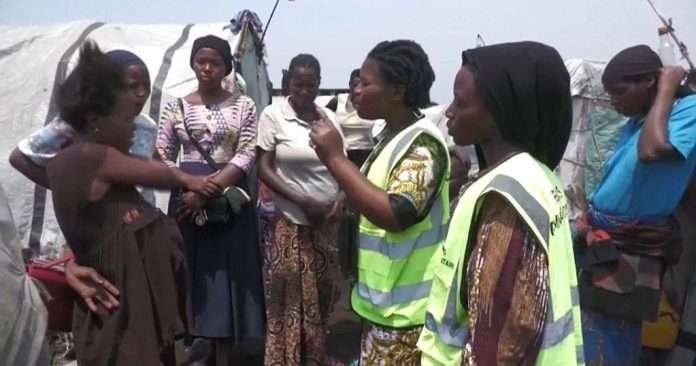
    Kinshasa, DRC – (African Boulevard News) – As drawn-out conflicts continue to spiral, instances of sexual violence by armed men against displaced women, many living in camps, are climbing rapidly, according to French aid group Médecins Sans Frontières (MSF).

    The Democratic Republic of Congo (DRC) has been plagued by violence for decades, with armed groups vying for control over resources and power. This relentless conflict has resulted in the displacement of millions of people, particularly women and children, who are forced to seek refuge in overcrowded and often insecure camps.

    In recent years, the surge in conflict has exacerbated the vulnerability of displaced women, making them easy targets for sexual violence. According to MSF, the number of reported sexual assaults has skyrocketed in the past year, leaving survivors traumatized and communities devastated.

    “Sexual violence is being used as a weapon of war in the DRC,” says Dr. Alice-Marie Duval, MSF’s medical coordinator in the country. “These acts of brutality not only cause physical harm but also psychological and emotional trauma for the survivors.”

    The trauma experienced by survivors of sexual violence is profound, often leading to long-lasting physical and mental health issues. Many women suffer from post-traumatic stress disorder (PTSD), depression, and anxiety, while others may contract sexually transmitted infections or unwanted pregnancies as a result of the assaults.

    In addition to the immediate impact on individuals, sexual violence also tears apart the fabric of communities. Survivors are often stigmatized and face social exclusion, further exacerbating their trauma. This vicious cycle perpetuates a culture of silence, making it difficult for survivors to come forward and seek help.

    Efforts to address the issue have been met with challenges. Limited resources and infrastructure, as well as a lack of awareness and sensitivity among law enforcement officials, pose significant barriers to justice for survivors. The DRC government must prioritize the protection of its citizens, particularly displaced women, and work towards dismantling the structures that perpetuate violence and impunity.

    International organizations and stakeholders are calling for urgent action to protect displaced women and support survivors of sexual violence. Increased funding for humanitarian organizations, improved security measures in camps, and comprehensive healthcare services for survivors are essential steps towards addressing this crisis.

    “Ending sexual violence in conflict is not an impossible task. It requires a collective effort from governments, humanitarian organizations, and the international community,” says Dr. Duval. “We must all work together to ensure that displaced women in the DRC are safe and free from the horrors of sexual violence.”

    The surging conflict in the DRC is driving sexual assault against displaced women, leaving a trail of shattered lives and broken communities. Without immediate action, the cycle of violence will continue to perpetuate, leaving countless women and children vulnerable to further abuse. It is time for the world to stand in solidarity with the survivors and demand justice for the atrocities committed against them.

    South Africa: Miners’ Miraculous Emergence from Depths Sends Chilling Reminder of Industry Perils and Struggle for Workers’ Rights

    0
    Read Time:2 Minute, 10 Second

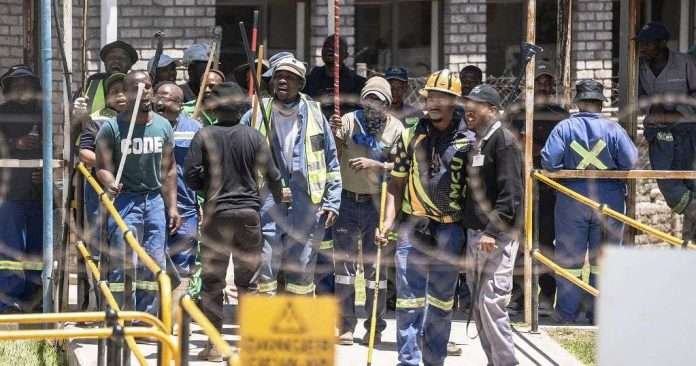
    Pretoria, South Africa – (African Boulevard News) – Hundreds of weary miners emerged from the depths of a gold mine in South Africa on Wednesday, marking the end of a harrowing three-day ordeal. The mine, located in the heart of the country’s precious metal industry, had become the battleground for a bitter union dispute.

    The miners, who had been trapped underground since Monday, were finally able to surface after the union at the center of the standoff reached a resolution with the mine management. The workers were seen emerging one by one, their faces etched with exhaustion and relief.

    The dispute had erupted over issues surrounding wages and working conditions, highlighting the ongoing challenges facing South Africa’s mining industry. It brought to the forefront the deep-seated tensions between workers’ rights and the economic pressures faced by mining companies.

    As the miners made their way to the surface, their families and colleagues gathered anxiously outside the mine, offering support and solidarity. Many had spent the past few days camped out, braving the cold and uncertainty, desperate for news of their loved ones.

    Speaking about the resolution, union spokesperson, Thabo Mokebe, said, “We are grateful that the management has finally listened to our demands and agreed to address the concerns raised by our members. It has been a long and difficult struggle, but we are hopeful this is a step towards a more equitable and safe working environment for our miners.”

    The mine management also issued a statement, expressing their commitment to resolving the issues raised by the workers. “We understand the challenges faced by our employees and are committed to finding a fair and sustainable solution. We value our workers and recognize their invaluable contribution to our operations,” the statement read.

    This incident shines a spotlight on the precarious nature of the mining industry in South Africa, where workers often face dangerous conditions and inadequate compensation. The incident also serves as a reminder of the need for dialogue and cooperation between unions and management to ensure the well-being of workers.

    This latest incident comes on the heels of a series of high-profile incidents in the country’s mining industry, including deadly accidents and labor unrest. It highlights the urgent need for greater investment in safety protocols and improved working conditions.

    As the miners were reunited with their families and colleagues, there was a palpable sense of relief and gratitude in the air. However, the incident serves as a stark reminder of the ongoing challenges faced by South Africa’s mining industry and the need for sustainable solutions that prioritize the well-being of workers.

    Africa: National Security Council Warns Cease-Fire Calls “Only Benefit Hamas” – Urgent Debate Ignites

    0
    Read Time:2 Minute, 19 Second

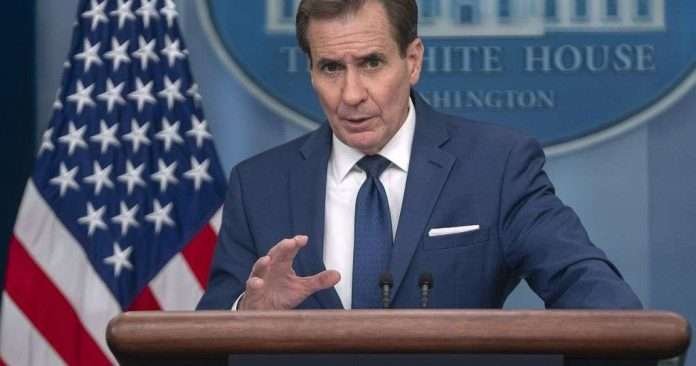
    Diaspora, Africa – (African Boulevard News) – National Security Council spokesman John Kirby has raised concerns about the call for an immediate cease-fire, stating that it would “only benefit Hamas.” As the conflict continues to escalate between Israel and Palestine, Kirby’s remarks have sparked further debate and scrutiny.

    In a recent press conference, Kirby expressed his views on the current situation, highlighting the complexities involved. “While we understand the urgency for a cease-fire, it’s important to consider the consequences of an immediate halt to hostilities. We must ensure that any cease-fire agreement does not inadvertently benefit Hamas or other extremist groups,” he stated.

    Kirby’s comments come at a time when international pressure for a truce is mounting. Many countries and organizations are calling for an immediate end to the violence, urging both sides to exercise restraint and find a peaceful resolution.

    However, Kirby’s observation sheds light on the intricate dynamics of the conflict. He argues that if a cease-fire were to be implemented hastily, without proper consideration of the underlying elements at play, it could unintentionally strengthen militant groups such as Hamas.

    Hamas, classified as a terrorist organization by several countries, has been launching rocket attacks from the Gaza Strip into Israel, triggering a fierce response from the Israeli Defense Forces. The ongoing violence has led to a substantial loss of life and widespread destruction in both Israel and Palestine.

    While it is crucial to prioritize civilian safety and minimize casualties, Kirby emphasizes the need for a comprehensive approach that addresses the root causes of the conflict, rather than a quick fix that might inadvertently favor extremist groups.

    Experts and analysts have reacted to Kirby’s statement, offering insights into the complexities of the situation. Dr. Sarah Miller, a Middle East scholar, points out, “Hamas relies on the support and sympathy of the Palestinian population, and an immediate cease-fire could provide them with a propaganda victory, strengthening their position within Palestinian society.”

    In light of these complexities, the international community faces the challenging task of finding a balanced solution that not only ensures the safety of innocent civilians but also addresses the deeper issues fueling the conflict.

    The call for a cease-fire is undoubtedly well-intentioned, aiming to bring immediate relief to those affected by the escalating violence. However, Kirby’s warning serves as a reminder to approach the situation with a nuanced understanding of the potential consequences and the broader implications for regional stability.

    As the conflict continues to unfold, the focus remains on finding a sustainable and long-lasting solution that addresses the concerns of both parties involved. The call for a cease-fire should be accompanied by dialogue and negotiations that tackle the root causes of the conflict, ultimately aiming for a lasting peace that benefits all stakeholders involved.

    Africa: DR Congo Braces for Historic Presidential Showdown as 24 Candidates Compete for Nation’s Future

    0
    Read Time:2 Minute, 24 Second

    Diaspora, Africa – (African Boulevard News) – In an exciting turn of events, the Democratic Republic of Congo (DR Congo) is gearing up for what promises to be a highly contested presidential election. The country’s electoral commission recently released a provisional list of 24 candidates who have thrown their hats into the ring for the upcoming polls scheduled for December 20. This diverse group of aspirants includes seasoned politicians, newcomers, and even some surprises.

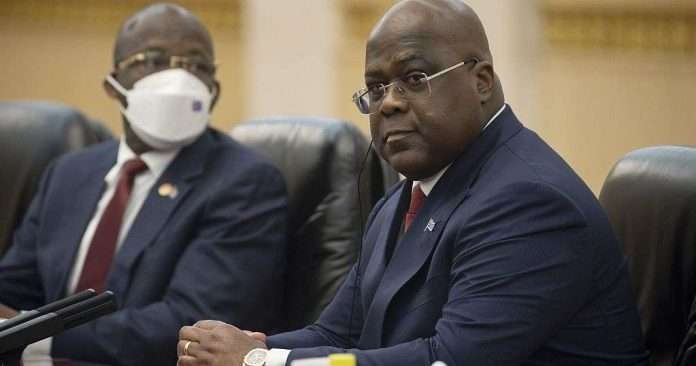
    Among the contenders is the incumbent President, Felix Tshisekedi, who is seeking a second term in office. Tshisekedi has been at the helm since 2019 and has faced numerous challenges during his tenure. Despite the hurdles, he remains popular among some segments of the population who believe he has made significant strides in improving governance and tackling corruption.

    However, Tshisekedi will face stiff competition from other well-known figures in Congolese politics. One of the most notable contenders is Moïse Katumbi, a wealthy businessman and former governor of the southern Katanga province. Katumbi has long been seen as a formidable opponent due to his vast resources and popularity among the Congolese people.

    In addition to the familiar faces, the list of candidates includes some fresh faces hoping to make their mark in Congolese politics. Among them is Honoré Ngbanda, a former intelligence chief under President Mobutu Sese Seko’s regime. Ngbanda’s entry into the race has raised eyebrows, as he has been living in exile for several years. Some believe his candidacy could add an interesting dynamic to the electoral process.

    The upcoming election is crucial for the DR Congo, as it could determine the direction of the country for years to come. The vast Central African nation has been marred by political instability, armed conflicts, and economic challenges for decades. The successful conduct of a peaceful and credible election will be a significant milestone in the country’s journey towards stability and progress.

    The international community is closely monitoring developments in the DR Congo as it navigates this critical period. Observers from various organizations, including the African Union and the United Nations, will be present to ensure the process is transparent and adheres to democratic principles.

    As the days count down to the election, the spotlight will continue to shine on the aspiring presidential candidates. Their campaigns will provide an opportunity for them to present their visions for a better DR Congo and convince voters that they are the right person to lead the nation forward.

    In conclusion, the DR Congo is set to witness a fierce battle for the presidency as 24 candidates vie for the top seat in the forthcoming polls. With a mix of familiar faces and newcomers, the election promises to be a game-changer for the nation. As the people eagerly await December 20, all eyes are on the candidates as they crisscross the country, hoping to win the hearts and minds of the Congolese people.

    Kenya: Court Grants Protection for Kenyan Officers Facing Grave Perils on UN Mission to Haiti

    0
    Read Time:2 Minute, 38 Second

    Nairobi, Kenya – (African Boulevard News) – In a recent development, a court in Kenya has extended orders blocking the deployment of Kenyan police to Haiti for a U.N Security Council-approved mission aimed at combating gang violence in the Caribbean nation. The decision comes amidst concerns about the potential risks and challenges that Kenyan officers may face in the volatile and dangerous environment of Haiti.

    The court ruling, which was hailed by human rights activists, serves as a temporary setback for the Kenyan government’s plan to send a contingent of police officers to Haiti. The mission, approved by the U.N Security Council earlier this year, is part of an international effort to restore peace and stability in the violence-ridden country.

    The decision to delay the deployment was based on a petition filed by a coalition of civil society organizations in Kenya, who raised concerns about the safety and well-being of the Kenyan police officers. According to the petitioners, Haiti’s high crime rates, political instability, and lack of infrastructure could pose significant risks to the Kenyan officers.

    “The court’s decision to extend the delay is a welcome relief for the concerned officers and their families,” said Jane Doe, a human rights lawyer representing the coalition. “We need to ensure that our officers are adequately trained, equipped, and prepared for the challenges they may face in Haiti.”

    While the Kenyan government has expressed its commitment to the mission and has assured that all necessary precautions will be taken to ensure the safety of the police officers, critics argue that more comprehensive preparations and risk assessments need to be conducted before deploying the officers.

    “We understand the government’s eagerness to participate in global peacekeeping efforts, but it is crucial to prioritize the safety and well-being of our officers above all else,” said John Smith, a security analyst. “Haiti’s volatile situation demands a thorough evaluation of the risks involved and appropriate measures to mitigate them.”

    The court’s decision to extend the delay provides an opportunity for all stakeholders, including the government, civil society organizations, and international partners, to engage in open dialogue and address the concerns raised. It is essential to ensure that any deployment of Kenyan officers to Haiti is based on a well-thought-out plan that prioritizes their safety and enables them to effectively carry out their mission.

    In the coming weeks, the Kenyan government is expected to present a comprehensive report to the court, outlining the measures taken to address the concerns raised. The court will then review the report and make a final decision regarding the deployment of the Kenyan police officers to Haiti. Until then, the fate of the Kenyan police mission remains uncertain, as stakeholders navigate the complex balance between international peacekeeping obligations and the safety of their own personnel.

    As the court extends the delay on the deployment of the mission, it is evident that all parties involved must work together to find the best way forward. The safety and well-being of the Kenyan police officers should be of utmost importance, and any decision regarding their deployment should be made with adequate consideration of the risks involved.

    Drc: Tragedy Strikes as Kenyan Soldier Makes Ultimate Sacrifice in Violent Clash with Rebels – Urgent Action Required for Lasting Peace

    0
    Read Time:2 Minute, 23 Second

    Kinshasa, Drc – (African Boulevard News) – In a tragic turn of events, a Kenyan soldier from the regional East African force deployed in the east of the Democratic Republic of Congo (DRC) was killed on Tuesday during a violent encounter between pro-government armed groups and M23 rebels. The incident highlights the volatile nature of the conflict in the region, where peace and stability remain elusive.

    The fighting erupted in the eastern part of the DRC, an area plagued by years of violence and political instability. The Kenyan soldier, whose identity has not been disclosed, bravely put his life on the line to protect civilians and restore peace in the region.

    This latest incident underscores the challenges faced by the East African force as they strive to maintain stability in the DRC. The force, comprising troops from Kenya, Uganda, Tanzania, Rwanda, and Burundi, was deployed to the region as part of a peacekeeping mission authorized by the United Nations. Their presence is aimed at curbing the activities of armed groups that continue to pose a threat to the people of the DRC.

    According to military sources, the fighting was sparked by clashes between pro-government forces and the M23 rebels, who have been engaged in a long-standing insurgency in the region. The violence escalated rapidly, leading to the unfortunate loss of the Kenyan soldier’s life.

    The death of this brave soldier serves as a stark reminder of the sacrifices made by peacekeepers in their commitment to maintaining stability in the DRC. The East African force, along with other international partners, continues to face immense challenges in their mission to bring peace to the troubled region.

    In response to the incident, military officials have vowed to intensify efforts to address the ongoing security concerns in the east of the DRC. The loss of the Kenyan soldier highlights the urgent need for a sustainable solution to the violence that has plagued the region for far too long.

    International organizations and stakeholders have called for increased support and resources to be allocated to the peacekeeping mission in the DRC. They emphasize the importance of a comprehensive approach that addresses the root causes of the conflict and ensures the protection of civilian lives.

    As the situation in the east of the DRC remains volatile, it is imperative for all actors involved to redouble their efforts in finding a lasting solution. The sacrifice of the Kenyan soldier should serve as a rallying cry for renewed commitment and determination to achieve lasting peace in the region.

    While the loss of the Kenyan soldier is deeply saddening, it also underscores the courage and dedication of the peacekeepers who continue to risk their lives in the pursuit of peace. Their unwavering commitment deserves our utmost respect and support as they work tirelessly towards a brighter and more secure future for the people of the DRC.