

Are African Influencers Compromised and Succumbing to Russian Disinformation Campaign?
Read Time:2 Minute, 42 Second
Johannesburg, South Africa (African Boulevard News) – A growing number of African media and influencers appear to be succumbing to Russian propaganda, praising the country’s actions and its president, Vladimir Putin. This article delves into how these narratives are spreading throughout Africa and the potential impact on the continent’s politics and public opinion. A call to Africa to stand on its own and follow the non-aligned philosophy of the past.
The Rise of Pro-Russian Sentiment in African Media
On Afrique Média, a television channel based in Cameroon with a reach of millions across the continent, pundits regularly praise Russia’s invasion of Ukraine. One commentator recently declared, “Glory to Putin.” Such sentiments are not isolated, as similar pro-Russian rhetoric can be found across a range of African media platforms.
Rejecting the West, Embracing Russia?

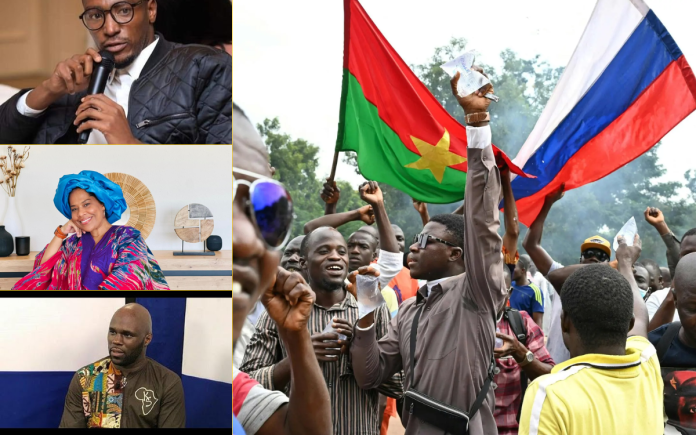
Some African commentators and activists, including the like of Kemi Seba, Nathalie Yamb, Banda Kani, Modibe Vladimir Modiba argue that true pan-Africanism requires rejecting the influence of Western countries like France and embracing the support of Russia. However, this narrative ignores the fact that both Western and Russian powers have historically pursued their own interests in Africa, often at the expense of local communities. Additionally, the current surge of pro-Russian sentiment seems to be fueled, in part, by a coordinated disinformation campaign originating from Moscow.
The Oligarch Behind the Curtain
Yevgeny Prigozhin, a member of Russia’s President Vladimir Putin’s inner circle and financier of the Wagner paramilitary network, is playing a key role in the battle for hearts and minds in Africa. The Association for Free Research and International Cooperation (AFRIC) maintains close links with several pan-Africanist websites, including Radio Révolution Panafricaine and Afrique Média TV, to convey pro-Russian and anti-French messages. Justin B. Tagouh, who heads the Afrique Média press group, has even visited Sochi twice and claims to have met Putin personally.
Spreading Influence Through Conferences and Partnerships
According to a report by the NGO Free Russia Foundation, AFRIC has organized conferences to promote pro-Russian narratives, such as one held in Berlin in January 2020. Additionally, Afrique Média, the Cameroonian television channel that recently signed a partnership with RT, the state-funded Russian television network, has become a hub for disseminating Kremlin-approved messages to African audiences.
Russia’s Strategic Interests: Arms Sales, Mercenaries, and Agents of Influence
The spread of pro-Russian sentiment in Africa aligns with Russia’s strategic interests on the continent, which include arms sales, the deployment of mercenaries, and the cultivation of agents of influence. By promoting a narrative that encourages African countries to turn away from the West and embrace Russia, the Kremlin is able to expand its sphere of influence in Africa and potentially gain access to valuable resources and markets.
Understanding the Implications for Africa
As African media and influencers increasingly adopt pro-Russian narratives, it is crucial for the public and political leaders to be aware of the potential implications. The spread of Russian disinformation can distort public opinion, skew political decision-making, and ultimately undermine the sovereignty of African nations. In the face of these challenges, a well-informed and critical public is the best defense against the manipulation of information and the erosion of democracy on the continent.
Chad’s ambassador, Mariam Ali Moussa, expelled from Germany in apparent retaliation.
Read Time:1 Minute, 35 Second
N’Djamena, Chad – (African Boulevard News) – Germany Expels Chad’s Ambassador in Tit-for-Tat Move
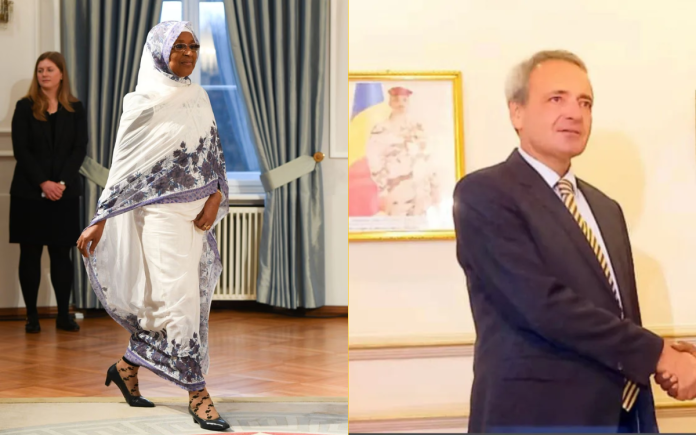
In a tit-for-tat move, Germany has expelled Chad’s ambassador, Mariam Ali Moussa, after the German ambassador was expelled from N’Djamena, the capital of Chad. The German ambassador left Chad on Saturday, with Chadian officials being elusive about the reasons behind the expulsion.
Chad Blames ‘Impolite Attitude’
Chad expelled the German ambassador, accusing him of having an ‘impolite attitude.’ The German government has retaliated against what they call “the unfounded expulsion of our ambassador” by summoning the Chadian Ambassador in Berlin, Mariam Ali Moussa, and subsequently expelling her from the country.
The German foreign ministry stated that the expulsion of their ambassador by Chad was unjustified and that the decision to expel Mariam Ali Moussa was taken in response to the unfounded allegations against their own envoy.
Escalating Diplomatic Tensions
This move has escalated diplomatic tensions between the two countries, with no clear indication of what led to the initial expulsion of the German ambassador. The German government has not provided any information on the specific allegations made by Chad regarding the ambassador’s behavior.
Several international news outlets have reported on the issue, including Reuters, Al Jazeera, ABC News, Barron’s, NASDAQ, Anadolu Agency, Mehr News, Market Screener, The Peninsula Qatar, A News, APAnews, and the Federal Radio Corporation of Nigeria.
Future Relations Uncertain
The future of diplomatic relations between Germany and Chad remains uncertain as both countries have now expelled each other’s ambassadors. It is unclear whether any further actions will be taken by either side, or if efforts will be made to repair the damaged relations.
The current situation highlights the fragile nature of diplomatic ties and the potential for minor incidents to escalate into significant diplomatic conflicts. Both nations may now need to work together to restore relations and prevent any further deterioration of their diplomatic ties.
Egypt’s Billion-Dollar Rocket Fiesta: Launching Laughter from Uncle Sam’s Wallet to Russia’s Front Door.
Read Time:3 Minute, 44 Second
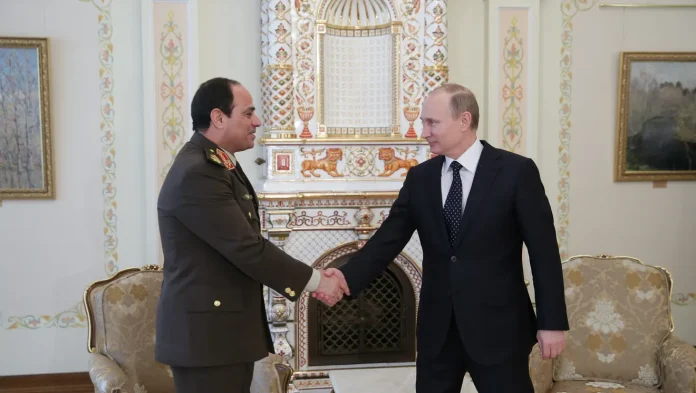
Cairo, Egypt (African Boulevard News) – Leaked US Department of Defense classified documents have revealed that high-level Egyptian officials were discussing the sale of weapons to Russia, including 40,000 rockets. The files were originally leaked on social media platform Discord, but later made their way to The Washington Post, sparking concerns about the potential implications of such a deal.
Like many other African Nations who receive billions in aid from the West and return half of it in their bank accounts in the West, Egypt, a major US ally and recipient of American military and economic aid, was preparing to covertly supply Russia with thousands of rockets for its ongoing war in Ukraine, according to a leaked top-secret Pentagon document according to The Washington Post on Monday.
Egypt’s Secret Plan to Arm Russia
According to the leaked documents, Egypt was planning to secretly provide rockets, artillery, and gunpowder to Russia in order to support the country’s forces in Ukraine. The discussions were said to have taken place over a period of several months and involved a number of high-ranking officials in the Egyptian military[3].
While the revelations are certainly concerning, they are not entirely surprising. Egypt has been looking to build closer ties with Russia in recent years, particularly in the wake of deteriorating relations with the United States. In 2014, the two countries signed a preliminary arms deal worth $3.5 billion, which included the purchase of fighter jets, helicopters, and other military hardware.

International Consequences
However, the idea that Egypt would be willing to provide weapons to Russia to support its military operations in another country is certainly alarming. It raises questions about the potential consequences of such a move, both for Egypt’s standing in the international community and for the security situation in Ukraine.
For one thing, such a move would almost certainly be seen as a violation of international law. The sale of weapons to a country engaged in an armed conflict is prohibited under international law, and could result in sanctions or other punitive measures. It could also damage Egypt’s reputation as a responsible member of the international community, and undermine the country’s relationships with other countries, including the United States.
At the same time, the potential consequences of such a deal for the security situation in Ukraine are also concerning. The conflict between Russia and Ukraine has been ongoing since 2014, and has claimed thousands of lives. The introduction of additional weapons and munitions into the conflict could prolong the fighting and increase the number of casualties.
Looking for the Full Story
It is also worth noting that the leaked documents do not provide any evidence that the deal was actually carried out. It is possible that the discussions were simply exploratory, and that no actual sale took place. Nonetheless, the fact that such a deal was even being considered is troubling, and highlights the challenges faced by the international community in preventing the proliferation of weapons.
Ultimately, the revelations about Egypt’s plans to provide weapons to Russia are a reminder of the importance of transparency and accountability in international affairs. The leaked documents were an important reminder that decisions made behind closed doors can have far-reaching consequences, and that the international community must remain vigilant in ensuring that weapons do not fall into the wrong hands.
At the same time, the revelations also highlight the complex nature of international relations. As countries seek to navigate a rapidly changing global landscape, they will inevitably be forced to make difficult choices about their alliances and partnerships. The challenge for policymakers is to balance the competing demands of national security, economic interests, and international obligations in a way that promotes stability and peace.
In the case of Egypt and Russia, the leaked documents suggest that the Egyptian government may have been willing to prioritize its relationship with Russia over its obligations under international law. However, it is important to remember that the documents do not tell the full story, it is important to remember that the documents do not tell the full story, and that there may be more to this story than meets the eye.
In any case, the revelations about Egypt’s plans to provide weapons to Russia are a reminder of the need for transparency, accountability, and responsible decision-making in international affairs. The international community must work together to prevent the proliferation of weapons and promote peace and stability in a rapidly changing world.
Colombia’s First Black Vice President Faces Racist Attack: A Nation Divided
Read Time:2 Minute, 41 Second
Washington DC, USA (African Boulevard News) – Conviction Highlights Racist Struggles of Colombia’s First Black Vice President
Rising Against the Odds: Francia Márquez’s Journey to Power
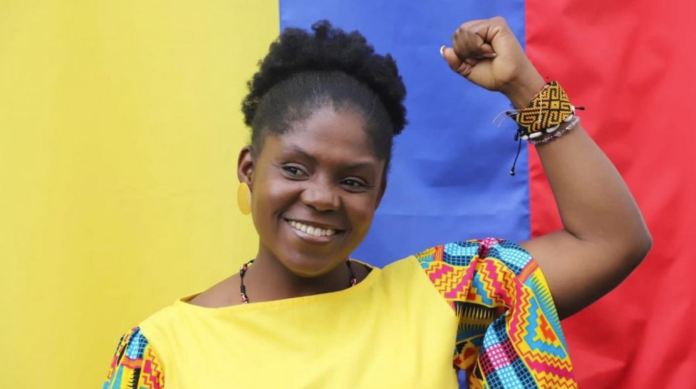
Francia Márquez Mina, Colombia’s first Black vice president, has faced numerous challenges throughout her life, both personally and professionally. Her journey to power began in the humblest of circumstances, as she transitioned from working as a maid to becoming a renowned social activist for Afro-Colombians and climate justice. Ultimately, her determination and resilience led to her groundbreaking election as vice president in June 2021.
Despite her achievements, however, Márquez continues to face the ugly specter of racism, as evidenced by the recent conviction of a woman who launched a racist rant against her.

A Viral Act of Hate: Racist Rant Against Colombia’s Black VP
In a shocking display of bigotry, a 62-year-old small business owner went on a racist tirade against Vice President Márquez and Afro Colombians during an antigovernment protest last year. The woman, identified as Rubiano, referred to Márquez as an “ape” and disparaged Black people as being uneducated, violent, and prone to theft.
The video of the incident quickly went viral, sparking outrage and calls for justice. Prosecutors launched an investigation after Márquez’s lawyers filed a complaint, ultimately leading to Rubiano’s conviction for discrimination and harassment.
Racism and Violence: A Persistent Struggle for Afro-Colombians
While the conviction of Rubiano represents a victory for Márquez, it also highlights the ongoing issues of racism and violence faced by Afro-Colombians. These struggles are deeply rooted in Colombia’s history, and persist despite the progress made by trailblazers like Márquez.
The challenges faced by Afro-Colombians extend beyond overt acts of racism like Rubiano’s rant. Discrimination and marginalization have far-reaching consequences, creating barriers to education, employment, and social services. The uphill battle for equality remains a critical issue that must be addressed on a national and global level.
A Call for Reparations and Support from Global Superpowers

In her role as vice president, Márquez has turned her attention to securing reparations from global superpowers for the historical and ongoing mistreatment of Afro-Colombians. She recognizes that true progress and justice can only be achieved through international cooperation and accountability.
As the world bears witness to the ongoing struggle for racial justice in Colombia, the conviction of Rubiano serves as a stark reminder of the challenges that remain. Márquez’s story, from her humble beginnings as a maid to her position as the first Black vice president of Colombia, offers hope and inspiration for those seeking to overcome adversity and fight for a more just and equitable future.
An Ongoing Battle: Combating Racism and Promoting Justice
The conviction of the woman who spewed hate against Vice President Márquez sends a powerful message that racism will not be tolerated. However, the road to true justice and equality remains long and difficult. As Márquez and her fellow Afro-Colombians continue their fight against racism, it is incumbent upon the international community to support their efforts and ensure that the hateful actions of a few do not define the future of a nation.
France wants to perpetrate a massacre on the Comorian island of Mayotte, claims local community leader.
Read Time:2 Minute, 3 Second
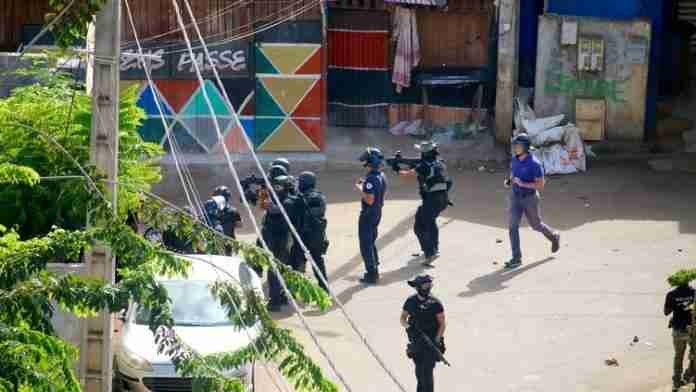
Moroni, Comoros – (African Boulevard News) The Heartbreaking Plight of Mayotte: A Ticking Time Bomb for France
The picturesque island of Mayotte, located in the Indian Ocean, is on the brink of a potential humanitarian crisis. The people of Mayotte are caught in a tug-of-war between France and Comoros that has persisted for decades, resulting in unresolved disputes over immigration and border control.
On April 5, Comorian civil society organizations sounded the alarm, warning of an impending “coming massacre” on Mayotte. The threat of violence hangs ominously over this island paradise, leaving its inhabitants, predominantly of Comorian descent, in a state of fear and uncertainty.

The story of Mayotte began in 1975, when Comoros declared its independence from France. However, the island of Mayotte chose to remain under French control, marking the genesis of a tumultuous relationship between Comoros and France. The latest eruption of tensions stems from France’s aggressive expulsion of Comorian migrants residing on the island without proper documentation. The Comorian government has vehemently protested these actions, while civil society organizations have issued dire warnings of impending violence.
Youssouf Attick Ismael, the passionate president of the Maore Committee, has emerged as a fierce advocate for the rights of Mayotte and its Comorian migrants. He has raised the alarm about the looming “coming massacre” and declared an intention to involve international organizations in order to shine a light on the dire situation. The people of Mayotte are in desperate need of help and support, as they face poverty, staggering unemployment rates, and an insufficient social safety net.
The French government’s policy of forcibly expelling Comorian migrants has only served to exacerbate the tensions on the island, pushing its inhabitants closer to the brink of violence . The need for a resolution to this crisis becomes increasingly urgent with each passing day. The French government must take immediate action to address the underlying issues of poverty and unemployment, and work collaboratively with the Comorian government to devise a long-term, sustainable solution.

The plight of Mayotte represents a ticking time bomb for France, with the potential for a humanitarian catastrophe looming large. The international community must rally to provide support and prevent a tragedy from unfolding on this idyllic island. The clock is ticking, and it is imperative that action is taken before it’s too late. The people of Mayotte deserve peace, security, and a brighter future, and it’s up to us all to make that a reality.
Francophone Africa Turns to the U.S. Amidst Jihadist Threat: The Irony of Chasing Away Their Old Master.
Read Time:2 Minute, 29 Second
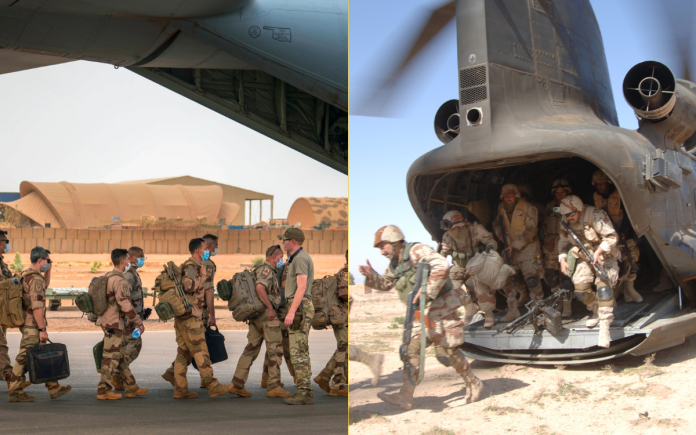
Lome, Togo (African Boulevard News) – As the United States pledges support to West African countries in their battle against jihadist violence, it becomes apparent that these same countries are increasingly distancing themselves from their former colonial master, France, and shifting their cultural allegiance toward the U.S.
August 2022: U.S. Strategy Toward Sub-Saharan Africa
In August 2022, the U.S. announced its updated strategy toward Sub-Saharan Africa, which aims to counter the spread of jihadist violence and support economic growth and good governance in the region. The U.S. hopes that by providing aid to West African nations, it can prevent violence from spilling into coastal areas and strengthen ties with these countries.
US Aid May Stop Violence Spilling Into Coastal West Africa
As jihadist violence threatens to destabilize the region, the U.S. has stepped up its support for West African countries. In an attempt to stop the spread of violence, the U.S. is offering aid to countries such as Burkina Faso, Mali, and Niger. This support comes at a crucial time, as these nations struggle to contain the growing threat from extremist groups.
Irony: Chasing Away French Troops While Embracing the U.S.
Interestingly, while West African countries are welcoming U.S. support, they are simultaneously distancing themselves from France. This shift away from their old colonial master is evident in various sectors, including military, cultural, and economic aspects. Francophone African nations have been gradually reducing French military presence in the region while seeking closer ties with the United States.
Shifting Cultural Allegiance: The Transformation of Africa and the West
The transition from French to American influence in Francophone Africa has far-reaching implications for both Africa and the West. As countries like Mali and Niger look to the U.S. for support in their fight against extremism, their cultural allegiances are changing as well. This shift is evident in the adoption of American cultural practices, educational systems, and even language, gradually replacing the French influence that has long dominated the region.
How France Lost Africa to the U.S.
France’s decline in influence in Africa can be attributed to several factors, including its failure to address the continent’s pressing issues effectively. Moreover, France’s colonial history and lingering paternalistic attitude toward African nations have tarnished its image. In contrast, the U.S. offers a fresh perspective and a more promising partnership, allowing African countries to redefine their future on their terms.
A New Chapter for West Africa
As West African nations turn to the U.S. for support in their fight against jihadist violence, they are also breaking away from their colonial past and the influence of France. This shift in cultural allegiance marks the beginning of a new chapter for these countries, one that may reshape the future of Africa and the West. It remains to be seen whether this newfound partnership with the U.S. will ultimately prove more effective in addressing the challenges facing the region.
The Shadow of Dictatorship: Gabon’s Legacy of Power Undergoes Reform.
Read Time:2 Minute, 19 Second
Libreville, Gabon (African Boulevard News) – In a surprising turn of events, Gabon’s parliament has voted to reduce the presidential term from seven to five years, just five months before the upcoming elections. This decision comes in the shadow of the Bongo family’s dictatorship, as President Ali Bongo, son of former dictator Omar Bongo, faces increasing scrutiny and opposition.
A Consensus for Change
On Thursday, April 6, the National Assembly and Senate held a joint session in the capital Libreville, where 85 percent of votes backed the proposal to reduce the presidential term, “well above the qualified majority of two-thirds required,” said assembly speaker Faustin Boukoubi. Prime Minister Alain-Claude Bilie-By-Nze confirmed that the outcome was the “result of a consensus after 10 days of political concertation between the majority and the opposition” back in February.
Ali Bongo: Continuing the Family Legacy
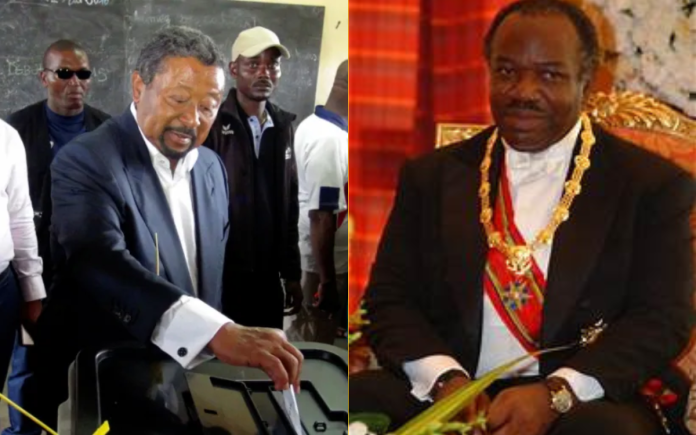
Ali Bongo, the current president of Gabon, is the son of former dictator Omar Bongo, who ruled the nation for 42 years before his death in 2009. Ali Bongo’s presidency has been mired in controversy, particularly following the disputed 2016 elections, in which opposition leader Jean Ping claimed victory. Ping, a former diplomat who has served as President of the United Nations General Assembly and Chairperson of the African Union Commission, has become a symbol of resistance against the Bongo family’s hold on power.
2016 Elections: A Controversial Turning Point
In 2016, Gabon’s opposition leader Jean Ping declared that he had won the presidential election, directly challenging the Bongo family’s decades-long rule. This announcement sparked widespread protests and violence across the nation, with over a thousand people arrested and at least three people killed in the unrest. The international community, including the African Union and the European Union, has since called for increased transparency and accountability in Gabon’s electoral processes.
Hope for a New Gabon?
The decision to reduce the presidential term may be a sign of hope for Gabon’s future, as it could lead to a more inclusive and democratic political landscape. This move signals a willingness to compromise and engage in dialogue between the ruling party and opposition forces, a critical step towards a more stable and democratic Gabon. However, it remains to be seen if this change will be enough to break the Bongo family’s stranglehold on power and foster genuine political reform.
Looking Ahead: Gabon’s Uncertain Future
As Gabon prepares for the upcoming elections, the nation’s political future hangs in the balance. The reduction of the presidential term marks a significant step towards change, but the Bongo family’s legacy of power and corruption casts a long shadow over the prospects for true reform. Gabonese citizens and the international community will be watching closely as the country navigates this critical moment in its history.
Happening in Cameroon: The Week In Review.
Read Time:4 Minute, 13 Second
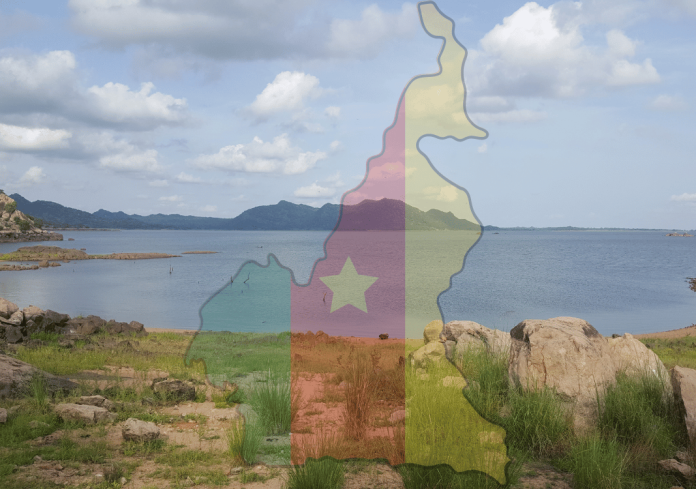
Yaounde, Cameroon – (African Boulevard) – Press review plays a crucial role in Cameroon’s media industry, providing a platform for discussions on various issues. It offers a comprehensive view of the news and events happening within and outside the country, reflecting diverse opinions and interests. African Boulevard News presents an in-depth analysis of Cameroon’s current media buzz, covering major events and news stories for the past week.
Bridge Destroyed by Boko Haram Rebuilt by Authorities
The reconstruction of a bridge destroyed by Boko Haram is a significant development for Cameroon. The authorities have successfully rebuilt the bridge, which provides a vital link between two towns in the Far North region of Cameroon. The bridge’s destruction caused severe disruptions to the movement of goods and services in the area in 2014. The successful reconstruction is a clear indication of the government’s commitment to rebuilding areas affected by Boko Haram’s insurgency.
Cameroon Aims to Boost Export Revenues and Rejoin AGOA
The government’s plan to boost export revenues and rejoin the African Growth and Opportunity Act (AGOA) is a positive step towards Cameroon’s economic growth. The move will provide Cameroon with duty-free access to the US market for various products, boosting the country’s economy and creating new opportunities for its citizens. This is a significant development, and the government must take full advantage of this opportunity.
Gunmen Abduct 25 Cameroonians on Nigeria Border
The abduction of 25 Cameroonians on the Nigeria-Cameroon border by gunmen is a worrying development. The victims were travelling on a bus from Douala, Cameroon, to Lagos, Nigeria, when they were attacked. The separatists fighting for the independence of English-speaking regions of Cameroon are believed to be responsible for the attack. The Nigerian and Cameroonian governments must take proactive measures to address the security challenges in the region and ensure the safety of their citizens.
UK Signals a Boost in Investment and Trade and Urges an End to Conflict
The UK’s willingness to invest in Cameroon and boost trade relations with the country is a positive step towards the country’s economic development. However, the UK has also urged the Cameroon government to take proactive measures to end the conflict in the country’s western regions. This is a significant development, given the UK’s position as one of Cameroon’s major trading partners. The government must take this opportunity to attract foreign investments and rebuild the country’s economy.
Separatist Conflict Slows Reconstruction in Western Regions
The ongoing separatist conflict in Cameroon’s western regions is hindering the government’s reconstruction efforts in the area. The conflict has resulted in the destruction of infrastructure and the displacement of thousands of people. The government must find a lasting solution to the conflict to enable the reconstruction of the area and the restoration of normalcy.
Expert Warns on Possible Gupta Extradition If They Get CAR Asylum
An expert’s warning on the difficulty of extraditing the Gupta brothers if they are granted asylum in the Central African Republic (CAR) is a significant development. The Gupta brothers are facing corruption charges in South Africa and are currently on the run. Reports indicate that they have been granted asylum in the CAR. Their extradition is crucial to the fight against corruption in South Africa.
Gunmen Abduct at least 25 People in Western Cameroon
The abduction of at least 25 people in western Cameroon by gunmen is a worrying trend. The victims were travelling on a bus when they were attacked, causing fear and panic among the citizens. The separatist conflict in Cameroon’s western regions has resulted in the abduction of many people. The government must find a lasting solution to the conflict to ensure the safety and security of its citizens.
Maryland Man Sentenced to Five Years for Attempting to Smuggle Firearms to Separatists
The sentencing of a Maryland man to five years in prison for attempting to smuggle firearms to separatists is a significant development in the fight against illegal arms trafficking in Cameroon. The man was arrested following an investigation by Homeland Security Investigations (HSI) Baltimore, which led to his conviction. This development sends a strong message to arms traffickers that their activities will not be tolerated.
Escalating Violence Hampers Reconstruction Efforts
Despite the escalating violence in Cameroon, Archbishop Samuel Kleda believes that the reconstruction plan is working. However, the separatist conflict and Boko Haram insurgency are hampering the government’s efforts to rebuild the country. The destruction of infrastructure and the displacement of people are hindering the government’s reconstruction efforts, resulting in delays and setbacks.
Conclusion
The past week has been eventful in Cameroon, with significant developments in various sectors. The government’s commitment to rebuilding areas affected by Boko Haram’s insurgency and boosting export revenues is commendable. The security challenges posed by the separatist conflict and Boko Haram insurgency must be addressed to ensure the safety and security of citizens. The UK’s willingness to invest in Cameroon is a positive development, and the government must take full advantage of this opportunity. The fight against corruption and illegal arms trafficking must be intensified to promote peace and security in the country.