Tuesday, April 21, 2026
78 F
Lagos
More
    Home Blog Page 481

    Zimbabwe Rapper Sparks Debate Over Charity & Publicity in Viral Social Media Video Helping Fellow Musician in Need – Poverty Remains the Underlying Issue.

    0
    Harare, Zimbabwe
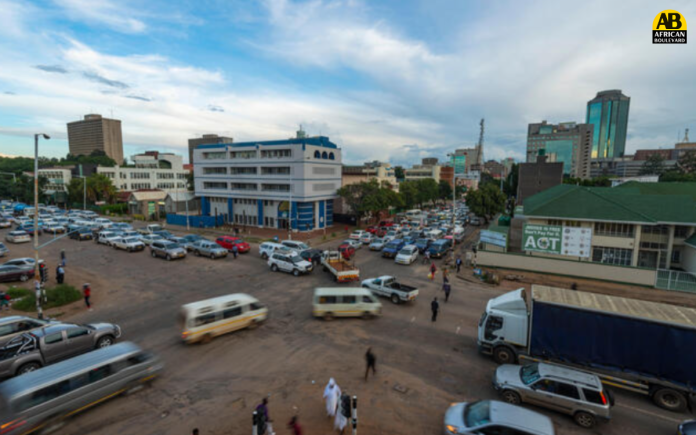
    One of the many boulevards in Downtown Harare, Zimbabwean Capital
    Read Time:3 Minute, 14 Second

    Harare, Zimbabwe- (African Boulevard News) – Mudiwa Hood, a well-known rapper in Zimbabwe, has sparked a debate among social media users after he recorded himself bailing out fellow musician Paradzai Mesi, who seems to have fallen on hard times.

    Mesi’s viral video

    Mesi made waves last week when a video of him handcuffed after getting busted while allegedly stealing groceries went viral. In a bid to assist a struggling colleague, Mudiwa pledged to buy Mesi some groceries and get him back on his feet.

    Mudiwa’s pledge

    Mudiwa lived up to his promise and recorded every step of his assistance for all to see on social media. However, publicizing his act of kindness did not sit well with a section of social media users who alluded that Mudiwa’s action embarrassed Mesi further.

    Criticism from social media users

    “This isn’t help, this is humiliation, you can see it in that old man’s eyes, no man would ever want to see himself paraded in front of all, being at the mercy of another man. It’s cringe, if this had any genuineness in it, the pics weren’t necessary. Poverty is bad!!!” socialite Shadaya Knight tweeted.

    Mixed reactions

    But a different camp believes Mudiwa’s actions were commendable as they undid the embarrassment Mesi went through on similar platforms. “There are many things that I disagree with Mudiwa Hood, but this is not one of them. He helped a man who was humiliated on camera, what is wrong with retaining his dignity on camera on the same platforms which exposed the man in chains. Mudiwa is running a business, he helped a fellow artist, this help will also make others want to buy his products. Big companies do it, why not Mudiwa?”

    Helping hand noble but a broader issue of poverty

    “Helping this man is noble, but we can’t live from handouts, what happens to those who were not filmed? So let us look at the broader picture, the issue of Mudiwa assisting this man and posting the pictures is a narrow issue, the real issue is why we got here where a musician ends up stealing to survive,” celebrity journalist Hopewell Chin’ono said.

    Social media debate

    Mudiwa’s charitable act sparked a debate that has raged on social media platforms. The rapper has been praised by some users for his generosity, while others have criticized him for publicizing his act of kindness. Some users have also questioned why Mudiwa chose to film the encounter and share it on social media.

    Mudiwa defends his actions

    Mudiwa has since defended his actions, saying that he only wanted to help a fellow musician. The rapper said that he did not intend to humiliate Mesi and that his only goal was to help him get back on his feet.

    Mudiwa’s critics raise valid concerns

    While many people have praised Mudiwa for his charitable work, some of his critics have raised valid concerns. Poverty is a serious issue in Zimbabwe, and many people struggle to make ends meet. While acts of charity are always welcome, they cannot address the underlying causes of poverty.

    The broader issue of poverty in Zimbabwe

    Zimbabwe is a country that has been struggling with poverty for many years. The country’s economy has been in decline for decades, and many people struggle to find work and make a decent living. While acts of charity can help individuals in the short term, they cannot address the broader issues of poverty and unemployment.

    In conclusion, Mudiwa’s charitable act has sparked a debate about the role of charity in addressing poverty in Zimbabwe. While many people have praised Mudiwa for his generosity, others have criticized him for publicizing his act of kindness. Ultimately, however, it is important to remember that charity alone cannot address the underlying causes of poverty in Zimbabwe. More needs to be done to address the broader issues of unemployment, inequality, and economic decline.

    Sudan in Crisis: Citizens Struggle for Survival as Conflict Escalates – The World Must Not Look Away from Unprecedented Violence & Looting.

    0
    Read Time:2 Minute, 56 Second

    Khartoum, Sudan- (African Boulevard News) – Every phone call made to relatives in Sudan is met with the sound of gunshots or explosions in the background. The fear of not knowing if they will still be alive is becoming a daily reality for many. The ongoing conflict between the Sudanese armed forces and the Rapid Support Forces has left the country’s citizens in peril, and the world must not look away.

    Unprecedented Violence

    The current fighting is unprecedented in Sudan’s turbulent and violent history. Khartoum, which has seen its fair share of violence, has never experienced such scale and intensity of conflict. The violence has rapidly spread across the city and into other regions, including the restless Darfur region.

    The civilian death toll has reached about 180, with another 1,000 injured, according to doctors’ reports. However, the actual casualty figure could be much higher, with many people unable to access medical care. Healthcare professionals describe a tragic situation where they lack medical supplies, blood transfusion equipment, among other vital resources. They themselves face significant risks as several hospitals have been caught in the crossfire.

    Looting by the Rapid Support Forces

    Reports of Rapid Support Forces soldiers looting homes across the capital have caused fear and anxiety amongst the citizens. Witnesses in various parts of the city have seen buildings hit by artillery shells, airstrikes, and bullets piercing walls and windows. Entire neighborhoods have been cut off from water and electricity, affecting the safety and wellbeing of the residents.

    The Need for International Pressure

    The leaders of the Sudanese armed forces and the Rapid Support Forces have never been investigated for the crimes in which they are implicated. Instead, both have seen their powers increase in recent years.

    The warring parties have lengthy and notorious records of involvement in atrocities. They have demonstrated little regard for the laws of war, and concerted international pressure from concerned governments needs to be swiftly applied to minimize harm to civilians.

    The United Nations, the United Kingdom, the United States, and the European Union need to overhaul their approach, and the situation is at breaking point. There should be no going back to business as usual. The UK, in particular, which usually leads on Sudan at the UN Security Council, has a special responsibility to show strong leadership, including imposing targeted sanctions against all abusive leaders and expanding the existing arms embargo to cover all of Sudan. Russia, China, and the United Arab Emirates should support security council action. The UK and other countries should adopt an immediate moratorium on deporting people to Sudan.

    Protecting Civilians

    The two armed forces need to do everything in their power to protect civilians and not target or indiscriminately attack civilians or civilian infrastructure. Neither side should be using explosive weapons with wide-area effects, such as artillery or airstrikes in populated areas. Every person taken into custody, whether civilians or captured combatants, needs to be treated humanely.

    The warring parties also need to facilitate, not hinder, the delivery of humanitarian aid and allow civilians to flee fighting and reach medical facilities. The persistent impunity for atrocities in Sudan has no doubt fuelled what we’re seeing today.

    Conclusion

    The world must not look away from the ongoing conflict in Sudan. The need for international pressure to protect the citizens from the ongoing violence is critical. The lives of innocent people are at stake, and it’s the responsibility of the international community to ensure that the necessary steps are taken to ensure their safety and wellbeing.

    Sudan’s Humanitarian Crisis: Calls to Action for the International Community to Stop the Violence and Protect Human Rights.

    0
    Read Time:2 Minute, 18 Second

    When I Call Relatives in Sudan, I Don’t Know If They Will Still Be Alive. the World Must Not Look Away

    The Situation In Sudan

    Every phone call I make home to Sudan is interrupted by the crackle of gunshots or an explosion in the background. This is followed by an eerie pause from the person on the other end, before one of us carries on with the conversation. Several days after the outbreak of fighting in Sudan, some people may already be treating the situation as normal. But it isn’t.

    The ongoing conflict in Sudan is a humanitarian crisis that has been going on for years. The situation was sparked by protests against the government in December 2018 and has continued since then. The people of Sudan have been subjected to human rights violations, including murder, rape, and torture.

    For months, the military and opposition have been negotiating and working on a power-sharing deal. They finally came to an agreement in the summer of 2019, but the situation in Sudan is still unstable.

    The Role of Human Rights Watch (HRW)

    Human Rights Watch (HRW) has been monitoring the situation in Sudan closely. They have been documenting the human rights violations and have been advocating for the international community to take action to stop the violence.

    According to HRW, the people of Sudan are living in fear every day. They are afraid to speak out against the government or the military for fear of reprisals. The situation is dire, and the international community must act to help the people of Sudan.

    The Call for Action

    There has been a call for action from the international community to help the people of Sudan. The African Union (AU) and the United Nations (UN) have demonstrated an interest in the situation, but there needs to be more action taken.

    The international community needs to pressure the government and military to stop the violence against the people of Sudan. The international community needs to pressure the government to hold those responsible for the human rights violations accountable.

    The people of Sudan need help now. They need humanitarian aid, and they need the international community to acknowledge and take action on the situation.

    Conclusion

    The situation in Sudan is dire, and the people of Sudan are suffering. The international community must act to stop the violence and hold those responsible for the human rights violations accountable.

    Human Rights Watch and other organizations have been monitoring the situation in Sudan closely. They have been highlighting the human rights violations and have been advocating for change.

    But more needs to be done. The international community cannot turn a blind eye to the situation in Sudan. The people of Sudan need help now, and the international community must act.

    Sudan’s El Obeid in Crisis: Deadly Clashes Between Army and RSF Leave Residents Dead and Fleeing, as Basic Services Come to a Halt.

    0
    Read Time:2 Minute, 37 Second

    El Obeid, Sudan- (African Boulevard News) – Fierce fighting broke out between the Sudanese army and the paramilitary Rapid Support Forces (RSF) in El Obeid, capital of Kordofan, on Thursday. The clashes resulted in an unknown number of residents being killed. The situation in South Kordofan is relatively stable at present.

    RSF Attacks Police Stations, 20 Policemen Killed

    During the three-hour-long clashes, the RSF conducted an attack on two police stations, leaving 20 policemen dead, including three senior officials. More than 40 others suffered injuries during the attack. The RSF reportedly used heavy weapons during their assault.

    An activist confirmed to Radio Dabanga that the fighting took place in residential areas, around the stadium and near the Army Command. The area saw large reinforcements of RSF vehicles near the Grand Market and the adjacent neighbourhoods.

    The dead and wounded were taken to the El Obeid Teaching Hospital. However, many injured people, staff and doctors couldn’t reach the hospital due to the nearby fighting. The Socialist Doctors Association stated that the hospital is operating at its lowest capacity while the number of injuries is high.

    The Humanitarian Crisis of El Obeid

    As the situation in El Obeid worsens, there is a lack of basic services such as drinking water, bread, medicine and fuel. Activists have reported that the price of petrol has increased fourfold from SDG3,000 to SDG12,000. If the confrontations continue and civilians are not given access to basic services, a humanitarian catastrophe is likely, said one of the activists.

    The doctors have appealed to resistance committees, trade unions, professionals, workers, political parties, and Sudanese abroad to form the largest front for action possible and pressure to stop the war, protect civilians and ensure treatment for the injured.

    Residents Forced to Flee

    Nazifa Awadallah, head of El Obeid Doctors Committee, reported that during fighting in the southern and western parts of the city, 18 more people were killed. About 2,000 people fled their homes. Those who had sheltered in the city center had to flee again, while many others left the city to seek refuge in neighboring El Rahad.

    South Kordofan Remains Cautiously Anticipatory

    Although South Kordofan is relatively stable at present, an air of cautious anticipation looms as events unfold in the rest of the country. Most people in Kadugli stay at home, and only venture out to buy food, according to Radio Dabanga. The city is also facing a three-fold increase in the prices of basic commodities.

    The security committee of Kadugli, the state capital, issued a decision to suspend public transport from Wednesday evening onwards as a precautionary measure. The Electricity Distribution Office issued a power provision schedule due to the scarcity of fuel at the Kadugli power station, causing some water stations to go out of service and leading to a shortage of drinking water. The Emergency Committee of the South Kordofan Ministry of Health has put state hospitals on maximum alert during the Eid El Fitr holiday that started on Thursday.

    The situation in Sudan remains tensed, and the government is urged to take immediate action to halt the violence and support the affected civilians.

    African Countries in Crisis: Violent conflicts and attacks leave citizens stranded, cult graves uncovered, and peace talks begin.

    0
    Read Time:2 Minute, 5 Second

    Sudan: Nations rush high-risk Sudan evacuation, some foreign citizens hurt

    Sudan has recently been thrust into violent conflict between the army and the Rapid Support Forces (RSF) paramilitary group. This conflict has left thousands of foreign nationals, including diplomats and aid workers, stranded in the country. Countries around the world are currently scrambling to evacuate their citizens from this highly volatile area. Though many have been safely evacuated, some were hurt as they sought to flee the country. The situation in Sudan remains tense and unpredictable.

    Burkina Faso: Northern Burkina Faso attack kills around 60 Civilians

    A horrific attack in northern Burkina Faso has led to the brutal killings of around 60 civilians. The attackers wore the uniforms of the Burkinabe armed forces, making it unclear who is responsible for the attack. This devastating attack highlights the ongoing issues of instability and violence that plague areas of Burkina Faso.

    Kenya: Number of Bodies Exhumed from Suspected Kenyan Cult Graves Jumps to 47

    Police in Kenya have exhumed a shocking number of bodies in suspected Christian cult graves. The number currently stands at 47, but it is feared that more graves will be uncovered. This horrifying discovery has shocked both Kenya and the world, raising concerns about the potential for dangerous cult activity in the country.

    Ethiopia: Ethiopia to Begin Negotiations with OLA Rebel Group

    Despite the violence and instability occurring in many African countries, some are taking positive steps forward. Ethiopia has announced its intent to begin peace negotiations with the Oromo Liberation Army (OLA), with talks beginning this week. These talks are expected to help bring an end to the longstanding conflict between the Ethiopian government and the OLA.

    Burundi: Former Burundian Prime Minister Arrested

    Former Burundian Prime Minister Alain Guillaume has been arrested, according to the country’s Justice Ministry. The reason for the arrest is not yet clear, but it comes as Burundi continues to navigate difficult political waters. This arrest is sure to draw attention from the international community and spark further speculation about the situation in Burundi.

    Mali: At Least Nine Killed in Triple Suicide Bombing in Central Mali

    A tragic attack in Mali has led to the deaths of at least nine people and injuries to over 60 others. This triple suicide bombing marks another devastating blow to a country that has seen escalating violence in recent years. The situation in Mali remains unstable, with civilians and military personnel alike at risk of injury or death.
    African Boulevard News – (2023-04-24)

    Sudan Descends into Violence and Looting: 11 Dead and Many Injured in Darfur. AU and UN Call for Help and Urgent Humanitarian Assistance!

    0
    Read Time:2 Minute, 48 Second

    Khartoum, Sudan.- (African Boulevard News) – New reports of fighting and looting in Darfur have arisen, with a death toll of at least 11 people in the battles between the Sudanese army and paramilitaries of the Rapid Support Forces (RSF) in El Fasher on Wednesday. The North Darfur Radio Dabanga correspondent reported that among the 11 people who were killed was one policeman, while 57 others were injured. The situation in Sudan remains tense as clashes continue, leaving many people feeling vulnerable and frightened.

    Civilian Suffering

    The battles have brought along many distressing consequences for the civilians. According to the North Darfur Radio Dabanga correspondent, the Southern Hospital is now overcrowded, and many houses have been plundered in the surrounding neighborhoods. Looting has continued, with the Specialized Children’s Hospital and two ambulances being stolen on Wednesday.

    Youngsters have been trying to find ways to prevent more plundering from happening by barricading the streets in the neighborhoods. Unfortunately, reports from sources in the area have revealed that this tactic might not be proving effective. armed men riding on motorcycles and in rickshaws continue to loot and rob the community.

    State of Emergency in South Darfur

    South Darfur has not been spared of the violence either. The capital, Nyala, witnessed a cautious calm on Thursday after clashes earlier in the week that left at least 31 people dead. People ventured out of their homes to buy food and other necessities from the shops. Nevertheless, many markets remained closed.

    Concerns have been raised about the intermittent exchanges of heavy weapon fire in the northern part of the city on Thursday. With reports of widespread plundering across various neighborhoods, people have taken to barricading streets to prevent further looting.

    Humanitarian Assistance

    The situation in Sudan is grave, and the population is in dire need of assistance. The youth have taken the initiative to open five free health centers in the Southern Hospital. However, more aid is necessary to help those affected by the violence.

    The African Union and the United Nations have condemned the situation and called upon the Sudanese government to restore order and protect civilians. The UN Mission in Sudan (UNMIS) has promised to help deliver humanitarian assistance to the affected populations.

    Calm in East Darfur

    Residents in Ed Daein, the capital of East Darfur, have reported that the ongoing battles have hardly affected them. Emameldin Maw, an activist, has confirmed that although there were a few incidents on the second day of the war, which led to the death of four army soldiers, the situation remains calm.

    Maw attributed the calm to the native administration leaders’ ability to control the forces, “by virtue of the social composition of the two parties”. Nevertheless, the situation remains fluid, and any escalation could quickly disrupt the peace in the area.

    The Road Ahead

    The situation in Sudan remains uncertain, with reports of fighting and looting continuing to emerge. The Sudanese government must take action to restore order and protect its citizens. The African Union and the United Nations have called for more humanitarian assistance to reach those affected by the violence.

    The situation in Sudan is a reminder of how quickly violence and conflict can erupt, causing significant loss of life, property, and social dysfunctions. The international community must redouble its efforts to help Sudan bring stability and order while protecting its civilian populations.

    Sudan: Fighting Between Army and RSF Threatens Collapse of Health System and Looming Crisis Despite 72-hour Ceasefire. Women against War Demand Ceasefire.

    0
    Read Time:2 Minute, 57 Second

    Capital city of Sudan, Khartoum.- (African Boulevard News) – Fighting between the Sudanese army and the paramilitary Rapid Support Forces (RSF) has been ongoing in central Khartoum and in several neighborhoods in Omdurman, raising concerns of a possible collapse of the health system in the country, according to UN agencies. The deteriorating situation has led Sudanese women in the country and abroad to demand an immediate end to the war.

    Continued Fighting Despite Ceasefire

    Despite a 72-hour ceasefire unilaterally announced by the RSF on the first day of the Eid El Fitr, reports state that the ceasefire has not been observed, and fighting has continued in areas surrounding the General Command of the Sudan Armed Forces (SAF), the Republican Palace, and the area south of Khartoum International Airport.

    Heavy fighting was also reported in Omdurman, with battles continuing in multiple southwestern parts of the area. Lawyer Salaheldin Hashim reported an increased presence of RSF paramilitaries in the main streets surrounding neighborhoods with a large civilian population. The situation has caused panic among the people, and many have fled to safer areas in Khartoum.

    RSF Takes Control of Roads

    RSF paramilitaries have taken control of the roads leading to El Gezira in the eastern and western parts of Khartoum. Limited inspections of passengers on the way have been reported by Eastern Sudanese activist Jaafar Khidir. The situation in El Gedaref, where prices of basic commodities have risen significantly, is also concerning.

    UN Warns of Collapse of Health System

    UN agencies have warned that the ongoing fighting threatens to collapse the entire healthcare system in Sudan. The WHO Regional Director for the Eastern Mediterranean, Dr. Ahmed Al-Mandhari, expressed his deepest concerns about reports of military strikes against health facilities, hijacking of ambulances while patients and paramedics are on board, looting of health facilities, and military forces occupying health facilities earlier this week.

    Amidst the continued fighting and insecurity, 16 hospitals in Khartoum are reportedly non-functional due to attacks. Another 16 hospitals in Khartoum and other states, including Darfur States, are close to being non-functional due to staff fatigue and lack of supplies. UN spokesperson Stephane Dujarric has warned of the depletion of food, fuel, and other essential supplies in the country, putting millions of lives at risk.

    Children and Women Affected

    According to the World Health Organisation, the conflict has already killed at least 330 people, including nine children, and injured 3,200 others. UNICEF has reported that the fighting has killed at least nine children and injured 50 others in Khartoum, North Kordofan, and Darfur and Kordofan. A group of Sudanese women around the world has formed “Women Against War,” demand “an immediate end to the war without conditions.”

    Call for Ceasefire and Safe Passages

    The Women Against War group has called for a ceasefire to enable the opening of safe passages to help stranded people to return homes, transfer the injured to hospitals, and secure the movement of medical personnel. The group also calls for securing teams working to restore water and electricity provision in Khartoum. Ihsan Fagiri, who founded the Sudanese No to Women’s Oppression Initiative in 2009, warned of the health disaster if people in the capital are not allowed to bury their killed relatives and the bodies of soldiers lying on the streets.

    The situation in Sudan remains highly volatile, with continued fighting, the collapse of the healthcare system, and a looming humanitarian crisis. The UN and other organizations have called for an immediate ceasefire and the protection of civilians caught in the crossfire.

    Cameroon turns to UK’s Savannah Energy to complete 75 MW hydroelectric dam project after four years of stalled progress with China.

    0
    Cameroon-news-Sat, 22 Apr 2023 11:37:15 +0000
    Barrage hydroélectrique de Bini à Warak : le Cameroun abandonne la piste chinoise
    Read Time:2 Minute, 47 Second

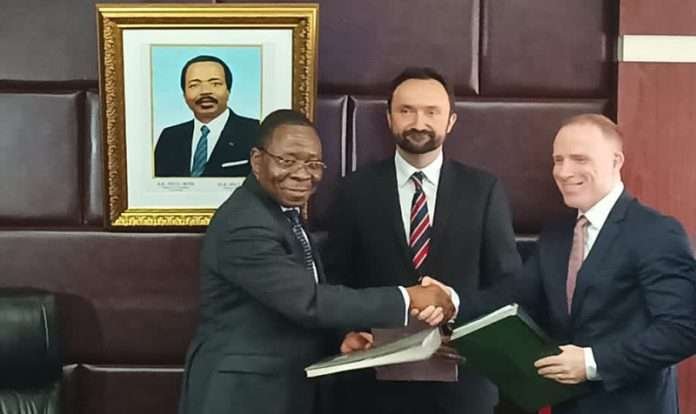
    Yaoundé, Cameroon- (African Boulevard News) – After four years of stalled progress due to difficulties between Cameroon, the Industrial and Commercial Bank of China (ICBC), and Sinohydro, the British company Savannah Energy PLC has committed to completing the Bini-Warak hydroelectric dam project in the Adamaoua region of Cameroon.

    A protocol agreement was signed between the Cameroonian Ministry of Water and Energy and Savannah Energy on April 20, 2023, to relaunch the hydroelectric dam project that was halted in November 2019. The agreement was signed in the presence of the High Commissioner of Great Britain and Northern Ireland to Cameroon, Christian Dennys McClure.

    The Project and the Players Involved

    The Bini-Warak hydroelectric dam project aims to produce 75 MW of electricity for the northern regions of Cameroon. In July 2016, the Cameroonian government signed a financing agreement with China, under which China would provide $303 million to Cameroon for the construction of the dam. Cameroon was to provide 15% of the total cost of $356 million as counterpart funding.

    Construction of the dam was to be done by the Chinese company Sinohydro, and the funds were to be provided by ICBC. However, after signing the contract in September 2019, work on the project was suspended in November 2019 due to financing problems. ICBC had refused to disburse the funds due to a “cross default” by Cameroon linked to other obligations with the bank.

    The cross-default clause meant that if Cameroon defaulted on one of its debts with ICBC, the bank would automatically default on all other loans outstanding to Cameroon. This clause is meant to protect the lender and allow immediate measures to prevent defaults on other debt obligations.

    Savannah Energy PLC to the Rescue

    Savannah Energy PLC, known for its work in hydrocarbon projects in Nigeria, Niger, Chad, and Cameroon, plans to complete the project as an independent electricity producer. The Cameroonian legislation allows entities to produce and sell energy to electricity distributors or other consumers.

    Savannah Energy plans to finalize the financing mobilization in 2024 for the production of the first megawatt by 2027-2028. With this engagement, the Cameroonian government appears to be breaking ties with China, which initially agreed to finance and construct the 75 MW dam to improve electricity access in the northern region.

    The Future of the Bini-Warak Dam Project

    The signing of the agreement with Savannah Energy PLC is a significant milestone in the development of the Bini-Warak hydroelectric dam project. With the project expected to deliver 75 MW of electricity to the northern regions, the project will help bridge the energy deficit in the region.

    The government of Cameroon hopes that the completion of the project will open up opportunities for industrialization and attract investment to the region. The project is also expected to create job opportunities for the local population.

    Conclusion

    The Bini-Warak hydroelectric dam project in Cameroon has faced several challenges, including financing problems and delays. The agreement with Savannah Energy PLC is a significant breakthrough that will help unlock the project’s potential for the benefit of the region and the country as a whole.

    The Cameroonian government’s decision to break ties with China represents a shift in the country’s foreign policy. With the engagement of Savannah Energy PLC, Cameroon is poised to expand its partnership with other countries to achieve its development goals.

    Controversial Exile’s Comments Spark Debate on Zimbabwe’s Independence & Zanu-PF Failure: Moving Forward Amidst Challenges

    0
    Harare, Zimbabwe
    One of the many boulevards in Downtown Harare, Zimbabwean Capital
    Read Time:2 Minute, 28 Second

    Do Not Confuse Zanu-PF Failure With Lack of Independence

    The Controversial Comments of Exiled former Cabinet Minister Jonathan Moyo

    Exiled former Cabinet Minister Jonathan Moyo has been a vocal critic of the Zimbabwean government for many years. His latest comments may be his most controversial yet. In a recent interview, Moyo dismissed the idea that Zimbabwe is truly independent, arguing that the country is still beholden to outside powers.

    Moyo’s comments have been met with strong reactions from both supporters and opponents. Some have accused him of undermining the legacy of the country’s independence fighters, while others argue that his remarks have some merit.

    The Failure of Zanu-PF

    Regardless of one’s opinion on Moyo’s comments, there is no denying that Zimbabwe is facing a number of serious challenges. The most pressing of these is the ongoing economic crisis, which has left many Zimbabweans struggling to make ends meet.

    Much of the blame for the current state of affairs has been placed on Zanu-PF, the ruling party in Zimbabwe since independence in 1980. Despite a promising start, the party has failed to deliver on many of its promises, and has been accused of widespread corruption and human rights abuses.

    The Importance of Independence

    Independence is a key concept in Zimbabwean politics, and has been since the country gained independence from British colonial rule in 1980. It is seen as a symbol of the country’s freedom and sovereignty, and is celebrated each year on Independence Day.

    However, the notion of independence is not without controversy. Some argue that the country is still struggling to fully break free from the legacy of colonialism, and that Zimbabwe’s economic and political problems are rooted in this history.

    Moving Forward

    Regardless of the causes of Zimbabwe’s current problems, there is no denying that the country needs to find a way forward. This will require a concerted effort on the part of both the government and the people.

    One key area of focus should be the economy. Zimbabwe’s leaders need to find ways to create jobs and boost economic growth. This will require a renewed focus on investment and entrepreneurship, as well as a commitment to rooting out corruption.

    In addition, there is a need for greater political dialogue and transparency. The government must be willing to engage in meaningful discussions with opposition parties, civil society groups, and the media. This will require a willingness to listen to criticism and engage in open and honest discussions.

    Conclusion

    Zimbabwe is a country with a rich history and a proud tradition of independence. However, this tradition is under threat as the country struggles with a range of economic, political, and social challenges.

    Regardless of one’s opinion on the controversial comments of Jonathan Moyo, it is clear that the country needs to find a way forward. This will require a renewed commitment to independence and sovereignty, as well as a willingness to engage in open and honest discussions about the country’s future.

    South African Government Joins International Community in Calling for End to Violence in Sudan and Urgent Humanitarian Action.

    0
    Read Time:2 Minute, 58 Second

    Govt Concerned About Violence in Sudan – Calls for End of Conflict

    The South African Government Joins the International Community

    SAnews.gov.za reports that the South African Government has expressed concern about the ongoing conflict in Sudan. The government has joined the international community in calling for an end to the violence and for all parties involved in the conflict to return to the negotiating table.

    The conflict in Sudan has been ongoing since December 2018, when protests against rising prices and government corruption led to the ousting of former President Omar al-Bashir. Subsequent negotiations between the transitional government and opposition groups have stalled, leading to continued violence and unrest.

    The Humanitarian Cost of the Conflict

    Allafrica.com reports that the conflict in Sudan has had a devastating humanitarian impact, with an estimated 9.3 million people in need of assistance, including 2.3 million children. The fighting has disrupted basic services and infrastructure, including health clinics and schools, leaving many without access to essential resources.

    According to the World Food Programme, Sudan is facing one of the worst hunger crises in the world, with over 9 million people suffering from food insecurity. The conflict has also led to a spike in displacement, with an estimated 1.8 million people forced from their homes.

    Call for a Return to Negotiations

    In light of the ongoing humanitarian crisis, the South African Government has called for an end to the violence and a return to negotiations between the transitional government and opposition groups.

    In a statement, the government expressed its support for the African Union-led mediation process and called on all parties to commit to a peaceful resolution of the conflict. The government also stressed the need for the international community to provide more support for the humanitarian response in Sudan.

    The Role of South Africa

    As a member of the African Union, South Africa has an important role to play in promoting peace and stability on the continent. The government’s call for an end to the violence in Sudan is in line with its commitment to the promotion of human rights and democracy in Africa.

    South Africa has also played a key role in the international response to the conflict in Sudan. Earlier this year, President Cyril Ramaphosa attended an African Union Summit in Ethiopia, where he discussed the crisis in Sudan with other African leaders.

    The Need for Urgent Action

    The conflict in Sudan has had a devastating humanitarian impact and has left millions in need of assistance. The South African Government’s call for an end to the violence and a return to negotiations is an important step towards resolving the crisis.

    However, more needs to be done to address the root causes of the conflict and to provide urgently needed support to those affected by the fighting. The international community must step up its efforts to support the humanitarian response in Sudan and to promote a peaceful resolution to the conflict.

    Conclusion

    The ongoing conflict in Sudan has had a devastating impact on the country’s people and has left millions in need of assistance. The South African Government’s call for an end to the violence and a return to negotiations is an important step towards resolving the crisis.

    However, more needs to be done to address the root causes of the conflict and to provide urgently needed support to those affected by the fighting. The international community must work together to promote a peaceful resolution to the conflict and to provide the humanitarian assistance that is desperately needed in Sudan.