Wednesday, April 22, 2026
89.8 F
Lagos
More
    Home Blog Page 459

    Le gisement pétrolier offshore de Pecan, au Ghana, peine à décoller, la société norvégienne Aker Energy étant confrontée à des obstacles réglementaires et à la perte d’emplois.

    0
    Read Time:2 Minute, 19 Second

    Accra, Ghana – (African Boulevard News) – Le gisement pétrolier offshore de Pecan au Ghana est l’une des découvertes les plus prometteuses de l’industrie pétrolière et gazière de ces dernières années. Situé dans le golfe de Guinée, ce gisement contient des milliards de barils de pétrole brut et de gaz naturel et a suscité l’intérêt de nombreux investisseurs internationaux. L’un des investisseurs potentiels les plus importants est Kjell Inge Rokke, milliardaire norvégien et propriétaire de l’exploitant du gisement, Aker Energy.

    Malgré l’enthousiasme de Rokke et le potentiel du gisement, le développement de Pecan a été entravé par de nombreux obstacles, le plus important étant la réticence apparente du gouvernement à accorder à Aker Energy une licence d’exploitation du gisement. Selon Africa Intelligence, Aker Energy éprouve des difficultés à obtenir les autorisations nécessaires de la part des autorités ghanéennes, bien qu’elle ait investi des ressources considérables dans le développement du champ. Aker a déjà investi plus de 4,5 milliards de dollars dans le projet, et le retard lui coûte chaque jour des centaines de milliers de dollars.

    Le gouvernement ghanéen a indiqué qu’il souhaitait renégocier les conditions du permis d’exploitation du gisement et certains indices laissent penser qu’il pourrait chercher à en tirer des avantages financiers plus importants. Si la position du gouvernement est compréhensible, elle a placé Aker Energy dans une situation difficile, M. Rokke exprimant sa frustration face à la lenteur des progrès.

    “Il ne fait aucun doute que le retard pris dans la procédure d’approbation du projet Pecan a été frustrant pour nous”, a déclaré M. Rokke. “Nous nous engageons à travailler avec le gouvernement ghanéen pour trouver une solution mutuellement bénéfique aux problèmes qui entravent le développement du gisement”.

    Ce retard a eu un effet d’entraînement sur l’industrie, les analystes prévoyant que l’absence de progrès dans le développement du pecan pourrait avoir un impact significatif sur l’économie du pays. Ce retard pourrait également entraîner la perte de milliers d’emplois pour les citoyens ghanéens.

    Malgré ces difficultés, Aker Energy reste optimiste quant à l’avenir du projet. L’entreprise s’est engagée à travailler avec le gouvernement ghanéen pour trouver une solution qui profite aux deux parties. Toutefois, ce retard a une fois de plus mis en évidence les difficultés rencontrées pour faire des affaires dans l’industrie pétrolière et gazière ghanéenne.

    En conclusion, les retards dans l’exploitation du gisement pétrolier offshore de Pecan au Ghana ont frustré l’un des hommes les plus riches de Norvège, Kjell Inge Rokke. L’impasse pourrait être due à l’attitude apparemment négative d’Accra à l’égard de l’autorisation accordée à l’exploitant de champs pétrolifères, Aker Energy. Ce retard coûte toutefois des centaines de milliers de dollars à Aker Energy et pourrait entraîner la perte de milliers d’emplois pour les Ghanéens. Malgré les difficultés, Aker Energy reste attaché au projet et au pays.

    Le gisement pétrolier offshore de Pecan, au Ghana, peine à décoller, la société norvégienne Aker Energy étant confrontée à des obstacles réglementaires et à la perte d’emplois.

    0
    Read Time:2 Minute, 19 Second

    Accra, Ghana – (African Boulevard News) – Le gisement pétrolier offshore de Pecan au Ghana est l’une des découvertes les plus prometteuses de l’industrie pétrolière et gazière de ces dernières années. Situé dans le golfe de Guinée, ce gisement contient des milliards de barils de pétrole brut et de gaz naturel et a suscité l’intérêt de nombreux investisseurs internationaux. L’un des investisseurs potentiels les plus importants est Kjell Inge Rokke, milliardaire norvégien et propriétaire de l’exploitant du gisement, Aker Energy.

    Malgré l’enthousiasme de Rokke et le potentiel du gisement, le développement de Pecan a été entravé par de nombreux obstacles, le plus important étant la réticence apparente du gouvernement à accorder à Aker Energy une licence d’exploitation du gisement. Selon Africa Intelligence, Aker Energy éprouve des difficultés à obtenir les autorisations nécessaires de la part des autorités ghanéennes, bien qu’elle ait investi des ressources considérables dans le développement du champ. Aker a déjà investi plus de 4,5 milliards de dollars dans le projet, et le retard lui coûte chaque jour des centaines de milliers de dollars.

    Le gouvernement ghanéen a indiqué qu’il souhaitait renégocier les conditions du permis d’exploitation du gisement et certains indices laissent penser qu’il pourrait chercher à en tirer des avantages financiers plus importants. Si la position du gouvernement est compréhensible, elle a placé Aker Energy dans une situation difficile, M. Rokke exprimant sa frustration face à la lenteur des progrès.

    “Il ne fait aucun doute que le retard pris dans la procédure d’approbation du projet Pecan a été frustrant pour nous”, a déclaré M. Rokke. “Nous nous engageons à travailler avec le gouvernement ghanéen pour trouver une solution mutuellement bénéfique aux problèmes qui entravent le développement du gisement”.

    Ce retard a eu un effet d’entraînement sur l’industrie, les analystes prévoyant que l’absence de progrès dans le développement du pecan pourrait avoir un impact significatif sur l’économie du pays. Ce retard pourrait également entraîner la perte de milliers d’emplois pour les citoyens ghanéens.

    Malgré ces difficultés, Aker Energy reste optimiste quant à l’avenir du projet. L’entreprise s’est engagée à travailler avec le gouvernement ghanéen pour trouver une solution qui profite aux deux parties. Toutefois, ce retard a une fois de plus mis en évidence les difficultés rencontrées pour faire des affaires dans l’industrie pétrolière et gazière ghanéenne.

    En conclusion, les retards dans l’exploitation du gisement pétrolier offshore de Pecan au Ghana ont frustré l’un des hommes les plus riches de Norvège, Kjell Inge Rokke. L’impasse pourrait être due à l’attitude apparemment négative d’Accra à l’égard de l’autorisation accordée à l’exploitant de champs pétrolifères, Aker Energy. Ce retard coûte toutefois des centaines de milliers de dollars à Aker Energy et pourrait entraîner la perte de milliers d’emplois pour les Ghanéens. Malgré les difficultés, Aker Energy reste attaché au projet et au pays.
    Madagascar’s Ambassadors Express Grave Concerns Over Country’s Democratic Future Ahead of Crucial Elections

    0
    Read Time:1 Minute, 50 Second

    Antananarivo, Madagascar – (African Boulevard News) – Madagascar’s President Andry Rajoelina met with a gathering of ambassadors on 24 April, hoping to address concerns over the financing of this year’s elections. However, it seems that his efforts to quell doubts have not convinced the ambassadors.

    According to Africaintelligence.com, the meeting was prompted by growing concerns over the loss of fundamental rights in the country, particularly among opposition parties. The ambassadors reportedly voiced their concerns over the lack of transparency in the electoral process and the role of the government in ensuring a free and fair election.

    Despite Rajoelina’s assurances that his government is committed to democratic principles and that the elections will be transparent, the ambassadors were reportedly not convinced. They believe that the government has not done enough to address the concerns of the opposition parties and that the current political climate is not conducive to a free and fair election.

    The concerns of the ambassadors are not unfounded. Madagascar has a history of political instability, and the current government has been accused of suppressing opposition voices and limiting the freedom of the press. The opposition parties have also raised concerns over the allocation of funds for the election, with some accusing the government of bias in the distribution of resources.

    The upcoming presidential election, scheduled for November 2023, is crucial for Madagascar’s future. The country is one of the poorest in the world, and its economy has been severely impacted by the COVID-19 pandemic. A free and fair election is essential for the country’s stability and for attracting foreign investment.

    As the election draws closer, it is essential that the government takes concrete steps to address the concerns of the opposition parties and ensure a transparent and fair electoral process. It is also crucial that the international community continues to monitor the situation and hold the government accountable for any violations of democratic principles.

    In conclusion, the concerns of the ambassadors are a reflection of the wider concerns of the international community regarding Madagascar’s democracy. It is crucial that the government takes the necessary steps to address these concerns and ensure a free and fair election. The future of the country depends on it.

    Algeria’s healthcare system in crisis due to medical equipment price monopoly

    0
    Read Time:1 Minute, 48 Second

    Algiers, Algeria – (African Boulevard News) – Industries Médico-Chirurgicales, Algeria’s largest non-oil exporter, is currently under investigation for suspected overcharging for orthopaedic equipment. This has brought to the surface criticisms of the group’s monopoly in the country’s medical equipment sector.

    The investigation was sparked after the Algerian government received complaints from several public hospitals regarding the exorbitant prices charged by Industries Médico-Chirurgicales for specific orthopaedic equipment. The government then launched an investigation into the group’s business practices.

    This recent development has opened up debates about the dominance of Industries Médico-Chirurgicales in the Algerian medical equipment sector. Critics claim that the group’s monopoly has led to a lack of competition, which has driven up prices and contributed to the country’s struggling healthcare system.

    Experts have highlighted that the high cost of medical equipment in Algeria has resulted in a shortage of necessary supplies, particularly in public hospitals. Many hospitals have been forced to operate with outdated, inadequate, or malfunctioning equipment, which has put patients’ lives at risk.

    “The medical equipment sector in Algeria is urgent need of reform,” said Dr. Ahmed Abdelkader, a medical expert. “The high prices of equipment are placing an enormous burden on the already financially strapped public hospitals, which are unable to purchase the necessary medical equipment to provide adequate care to patients.”

    Industries Médico-Chirurgicales has not yet responded to the allegations of overcharging. However, the company has been under scrutiny for its business practices for several years. In 2019, the group was investigated for reportedly violating competition laws in the country’s medical equipment market.

    As the investigation continues, stakeholders are calling for increased competition in the Algerian medical equipment sector to address the high cost of equipment and ensure that patients receive adequate care.

    In conclusion, the investigation into Industries Médico-Chirurgicales has brought to the forefront of the patriarchal monopoly in the Algerian medical equipment sector. With this monopoly comes the lack of competition and high pricing, resulting in a scarcity of medical equipment and, ultimately, a struggling healthcare system. As the investigation continues, experts are encouraging policymakers to take the necessary steps to reform the medical equipment sector in Algeria.

    Kenya in Crisis: President Forced to Consider International Markets as Deputy Backpedals on Borrowing

    0
    Read Time:2 Minute, 3 Second

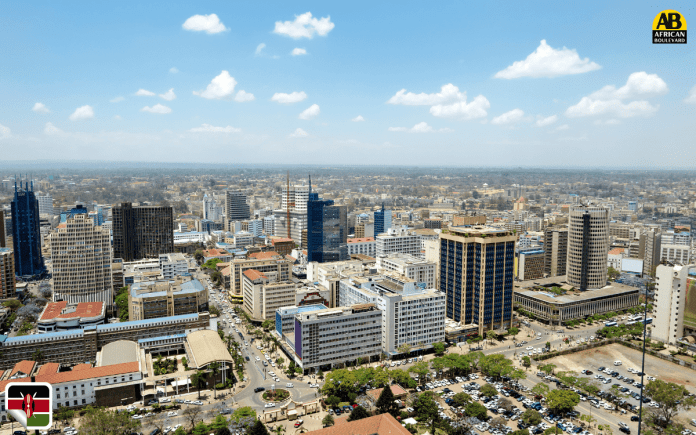
    Nairobi, Kenya – (African Boulevard News) – Kenya is facing severe cash flow problems, with the government unable to pay civil servants and county government subsidies. In response, President Uhuru Kenyatta is considering resorting to international markets to cope with the cash shortage, in a move that could have serious implications for the country’s future.

    However, the latest twist in this ongoing saga is the recent backpedaling by Deputy President William Ruto on state borrowing. Ruto, who had been under significant pressure to support the government’s efforts to raise funds through borrowing, has now changed his tune, citing concerns about the country’s ability to manage its debt levels.

    According to reports, Ruto has been vocal in expressing his belief that the Kenyan government needs to adopt a more cautious approach when it comes to borrowing, citing concerns about the country’s ability to manage its debt levels. This shift in rhetoric has come as a surprise to many, given that Ruto had previously been a vocal supporter of borrowing to finance key infrastructure projects.

    This change of heart by Ruto has been widely analyzed and discussed by political commentators and economists alike, with many questioning the deputy president’s motives. Some have suggested that Ruto may be positioning himself for a run at the presidency in 2022 and is trying to assert his fiscal credentials in the run-up to the election.

    Despite this backpedaling, the Kenyan government is still under intense pressure to find a solution to its cash flow problems. With civil servants and county governments struggling to make ends meet, there are growing concerns about the impact that these financial challenges could have on the wider economy.

    As the situation in Kenya continues to unfold, it is clear that the government must find a way to secure the funds it needs to keep the country running. However, it remains to be seen whether Ruto’s shift in stance will impact the government’s ability to borrow and whether the country will be able to weather this storm without causing long-term damage to its economy.

    In conclusion, the situation in Kenya is complex and multi-faceted, with no easy solutions. The government must balance the need to secure funding with the need to manage its debt levels, while also considering the impact that borrowing will have on the wider economy. As the country navigates these challenges, it is clear that strong leadership and clear-headed thinking will be critical in securing Kenya’s future prosperity.

    Guinea trembles as CEMAC leadership crisis threatens regional stability and economic growth.

    0
    Read Time:1 Minute, 52 Second

    Conakry, Guinea – (African Boulevard News) – The Central African bloc, CEMAC, has been weakened by a hiatus at the top of its executive organ. This has arisen after Baltasar Engonga Edjo of Equatorial Guinea was appointed to the post more than a month ago, but is yet to take over from Gabon’s Daniel Ona Ondo, who is currently serving as the leader in the interim.

    The delay in handing over the leadership has led to concerns about the bloc’s ability to deal with pressing regional issues. CEMAC was established to promote cooperation among its six member states of Cameroon, Chad, the Central African Republic, Congo-Brazzaville, Gabon, and Equatorial Guinea in pursuit of economic and financial integration.

    According to a report by Africa Intelligence, the leadership hiatus is impacting the bloc’s decision-making processes, with key projects such as the construction of the regional headquarters delayed. The report further noted a lack of cohesion within CEMAC’s leadership, which could undermine its ability to address critical issues in the region, including security and economic developments.

    While no official reason has been given for the delay in the leadership transition, experts suggest it may be due to political upheavals in Equatorial Guinea where its long-serving leader, Teodoro Obiang Nguema, is reportedly facing significant opposition.

    “CEMAC is currently facing a leadership crisis, and the delay in handover is raising questions about the bloc’s ability to achieve its objectives,” said a regional expert who asked not to be named. “This also has economic implications for member states as investors may adopt a wait-and-see approach, which could impact foreign investments, ” he added.

    CEMAC’s instability is coming at a time when the region is grappling with security concerns, including the activities of rebel groups and transnational criminal organizations. Analysts fear that the delay in appointing a permanent head could leave the region vulnerable, especially concerning managing its shared borders and addressing local security matters.

    In conclusion, the stalled transition of CEMAC’s leadership has raised concerns about its ability to deal with pressing regional issues. The delay in handing over power is impacting the bloc’s decision-making processes, with key projects delayed. CEMAC’s leadership crisis also has significant economic implications for member states, which could discourage foreign investments.

    Ghana’s Pecan offshore oilfield struggles to take off as Norwegian firm Aker Energy faces regulatory hurdles and loss of job opportunities

    0
    Read Time:2 Minute, 15 Second

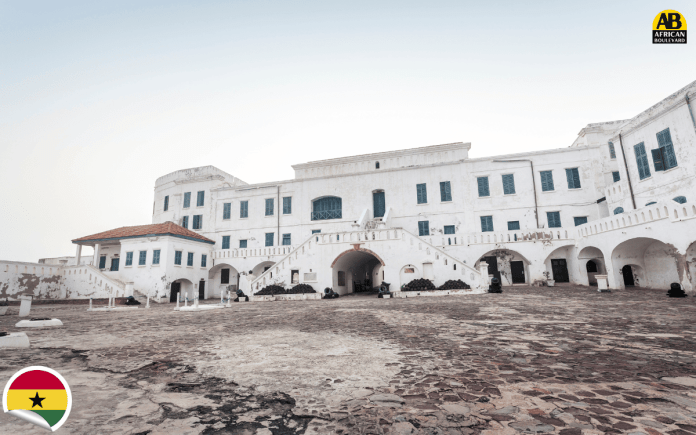
    Accra, Ghana – (African Boulevard News) – Ghana’s Pecan offshore oilfield is one of the most promising discoveries in the oil and gas industry in recent years. Situated in the Gulf of Guinea, the field holds billions of barrels of crude oil and natural gas, and has attracted the interest of many international investors. One of the most notable potential investors is Kjell Inge Rokke, a Norwegian billionaire and owner of the oilfield’s operator, Aker Energy.

    Despite Rokke’s enthusiasm and the potential of the field, the development of Pecan has been hindered by numerous challenges, the most prominent being the government’s apparent reluctance to grant Aker Energy a license to operate the field. According to Africa Intelligence, Aker Energy is facing difficulties in securing the necessary approvals from the Ghanaian authorities, despite having invested significant resources into the development of the field. Aker has already invested more than $4.5 billion in the project, and the delay is costing them hundreds of thousands of dollars every day.

    The Ghanaian government has indicated that it wants to renegotiate the terms of the permit for the field, and there are hints that the government may seek to extract greater financial benefits from the field. While the government’s position is understandable, it has left Aker Energy in a difficult predicament, with Rokke expressing his frustration with the slow progress.

    “There is no doubt that the delay in the approval process for the Pecan development has been frustrating for us,” Rokke said. “We are committed to working with the government of Ghana to find a mutually beneficial resolution to the issues that are holding up the development of the field.”

    This delay has had a ripple effect on the industry, with analysts projecting that the lack of progress in developing Pecan could have a significant impact on the country’s economy. The delay could also lead to the loss of thousands of job opportunities for Ghanaian citizens.

    Despite the challenges, Aker Energy remains optimistic about the future of the project. The company is committed to working with the Ghanaian government to find a solution that benefits both parties. However, the delay has once again highlighted the challenges of doing business in Ghana’s oil and gas industry.

    In conclusion, the delays on the development of Ghana’s Pecan offshore oilfield has left one of Norway’s richest men, Kjell Inge Rokke, frustrated. The impasse may be due to Accra’s apparently negative stance towards granting approval to the oilfield operator, Aker Energy. The delay, however, is costing Aker Energy hundreds of thousands of dollars and could lead to the loss of thousands of job opportunities for Ghanaians. Despite the challenges, Aker Energy remains committed to the project and the country.

    Ivory Coast’s Mining Industry Gets a Major Revamp by Minister Coulibaly, Signaling Strong Commitment to Growth and Investment

    0
    Read Time:1 Minute, 47 Second

    Yamoussoukro, Ivory Coast – (African Boulevard News) – Ivory Coast’s Mines, Petroleum and Energy Minister Mamadou Sangafowa Coulibaly is making waves in the country’s mining industry by revamping the ministry of mines one year after taking office. This move signals his commitment to improving the sector and putting Ivory Coast on the map as a major player in the global mining industry.

    Coulibaly has appointed a new team to various departments within the ministry, including exploration, production, and marketing, with the aim of increasing production and attracting foreign investment. This is in line with President Alassane Ouattara’s vision to diversify the country’s economy and reduce its reliance on the cocoa industry.

    Coulibaly’s efforts to revamp the Ministry of Mines have not gone unnoticed by industry experts. According to Africa Intelligence, “Coulibaly’s reform of the Ministry of Mines is seen as a positive move by investors in the sector, who have often criticized the government’s lack of commitment to the industry.”

    The Ivory Coast is rich in natural resources, including gold, diamonds, bauxite, and manganese. However, the country has struggled to develop its mining sector due to political instability and a lack of investment. With Coulibaly’s efforts, experts predict that the Ivory Coast could become a major player in the global mining industry.

    Coulibaly is optimistic about the future of the mining industry in Ivory Coast. In an interview with Africa Intelligence, he stated, “I am confident that with the right policies and investments, we can unlock the full potential of our natural resources and create a sustainable mining industry that benefits all Ivorians.”

    While there are certainly challenges ahead, Coulibaly’s commitment to improving the mining sector is a step in the right direction. With the right policies and investment, the Ivory Coast’s mining industry could become a major contributor to the country’s economy, creating jobs and driving growth.

    In conclusion, Coulibaly’s efforts to revamp the Ministry of Mines in Ivory Coast are a positive sign for the country’s mining sector. With the right policies and investment, the Ivory Coast has the potential to become a major player in the global mining industry, creating jobs and boosting the economy.

    Morocco’s beloved comedian Jamel Debbouze facing setbacks in business ventures

    0
    Read Time:1 Minute, 38 Second

    Rabat, Morocco – (African Boulevard News) – French-Moroccan comedian and film actor, Jamel Debbouze, is experiencing a series of setbacks in his business ventures, with the latest being the cancellation of his annual comedy event in Marrakech. According to sources, Debbouze’s event was scheduled to take place this year, but unfortunately, it has been cancelled, leaving many of his fans disappointed.

    Debbouze, who is known for his humor and witty remarks, has had a successful career in the entertainment industry. However, his business ventures in Morocco have not been as successful, with him experiencing several setbacks over the years. In 2019, he launched a production company in Morocco, but it failed to take off, leaving investors disappointed.

    According to insiders, Debbouze’s business ventures have been plagued with problems, including poor financial performance and management issues. Commenting on his recent woes, one industry expert said, “Jamel Debbouze is a talented comedian, but his business ventures in Morocco have not been successful. He needs to focus on getting the right team and improving his business strategies.”

    Despite his troubles, Debbouze remains determined to succeed in Morocco. In a recent interview, he expressed his confidence in the Moroccan market and his commitment to exploring new opportunities. He also acknowledged the challenges of doing business in the country, but remained optimistic about the future.

    Many of Debbouze’s fans have expressed their support for him, saying that they believe in his vision and his ability to overcome adversity. However, some have criticized him for not being more focused on his business ventures, arguing that he needs to devote more time and resources to ensure their success.

    In conclusion, Jamel Debbouze’s troubled business ventures in Morocco have been a source of concern for investors and fans alike. Despite experiencing setbacks, he remains committed to succeeding in the country and exploring new opportunities. However, he needs to address the challenges he faces and adopt better business strategies to ensure the success of his ventures.

    Africa: Survivors Reveal Horrifying Details of Karma Massacre Death Toll More Than Double Official Figures

    0
    Read Time:2 Minute, 15 Second

    Diaspora, Africa – (African Boulevard News) – Survivors of Karma massacre are recounting their harrowing tales of how they escaped the deadliest attack on civilians in recent times. On May 1, 2023, over 140 people were killed and 200 injured in the tiny village of Karma, located in the conflict-ridden region of central Africa. According to a human rights group, the number of deaths is more than double the official toll of 60 dead.

    The attack, which has been attributed to a faction of rebels operating in the region, was carried out in the early hours of the day when most of the village was asleep. The attackers, wielding machetes and guns, went from house to house, killing indiscriminately and setting homes ablaze. It was a scene of chaos and terror that has left the survivors traumatized.

    One of the survivors, Maryam, a mother of three, recounted how she and her family narrowly escaped death by hiding under their bed as the attackers came into their home. “We heard screams and gunshots outside, and we knew they were coming for us. We hid under the bed, and they didn’t find us.” Maryam and her family eventually fled into the bush, where they stayed for days without food or water until they were rescued by troops.

    Another survivor, Ibrahim, a farmer, was not so lucky. He lost his wife and two children in the attack and barely escaped with his life. “I saw my family being butchered before my eyes. I tried to fight back, but they overpowered me. I pretended to be dead, and they left me alone,” he said.

    The Karma massacre has drawn condemnation from across the world, with several countries calling for an investigation into the attack. The United Nations has also called for an urgent response to the worsening conflict in central Africa. The region has seen an escalation in violence in recent years, with several armed groups vying for control of the territory and its natural resources.

    As the survivors of the Karma massacre try to pick up the pieces of their shattered lives, the world is watching, and the pressure is mounting on the authorities to take action. They deserve justice and protection, and it is the duty of the international community to ensure that their voices are heard.

    In conclusion, the Karma massacre is a tragic reminder of the human cost of conflict and the urgent need for peace and stability in central Africa. The survivors are the living proof of the atrocities committed, and their voices must be amplified. It is time for the world to come together and take action to end the violence and bring about lasting peace in the region.