Friday, April 24, 2026
90.1 F
Lagos
More
    Home Blog Page 425

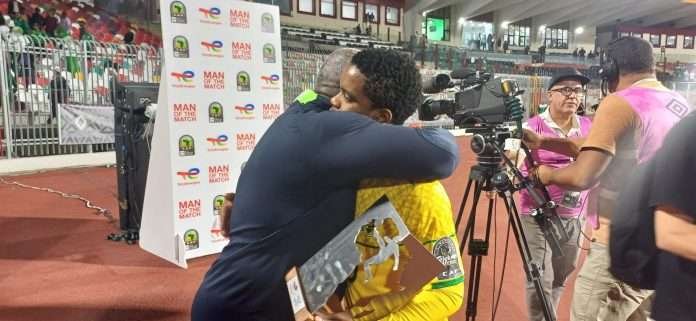
    South Africa: Nigerian football coach highlights three young stars to watch out for in Amajimbos team

    0
    Read Time:1 Minute, 34 Second

    Pretoria, South Africa – (African Boulevard News) – Nduka Ugbade, the head coach of the Nigerian under-17 Golden Eaglets, has identified three South African youngsters that he believes have the potential to become great players on the continent. Ugbade named the trio during an interview with Soccernet.ng, after his team lost to South Africa’s under-17 team, Amajimbos.

    According to Ugbade, South Africa possesses an impressive crop of young players who could make a significant impact on the African football scene, and he singled out three players in particular as ones to watch. These are Siyabonga Ligendza, Thabang Mahlangu, and Jabulani Ncobeni.

    Ligendza is a young striker who currently plays for English Championship side, Fulham. Mahlangu is a midfielder who plays for the Premier Soccer League (PSL) side AmaZulu. Ncobeni is a winger who plays for the South African under-17 side, Amajimbos.

    Although their ages range from 16 to 18 years old, Ugbade believes all three have enormous potential and could become some of the best players on the African continent in the future. “If these players continue to work hard and stay dedicated to their craft, they could become stars at both club and international levels,” Ugbade said.

    Ugbade’s comments have been met with excitement from many South African football fans, who are eager to see their young stars make a name for themselves on the continent. The Golden Eaglets coach’s words are also a reminder that even at the youth level, African football is highly competitive, and there are many talented players on the continent.

    In conclusion, Ugbade’s acknowledgment of Ligendza, Mahlangu, and Ncobeni is a testament to the talent and potential of young African footballers. As football lovers, we should keep an eye out for these young players as they continue to develop their skills and hopefully become some of the best players on the African continent in the future.

    Togo: African Chefs from Across the Continent Gather to Showcase Tilapia and Promote Local Cuisine at FESMA Cooking-Pot Festival

    0
    Read Time:1 Minute, 52 Second

    Lome, Togo – (African Boulevard News) – Chefs from across Africa have come together in Lomé, Togo for the second edition of FESMA, the cooking-pot festival. Tilapia, one of the most popular and affordable fish in Africa, is the star ingredient at this year’s event. The festival runs until May 9th and showcases African cuisine and products.

    As a staple ingredient in many African dishes, tilapia is a popular choice for chefs looking to create delicious and affordable meals. The fish is versatile and can be cooked in a variety of ways, making it the perfect choice for the diverse range of dishes on display at FESMA.

    “We are proud to showcase the best of African cuisine at FESMA, and tilapia is one of the highlights,” said Alphonse Gbogou, one of the event’s organizers. “It’s a delicious fish that is loved by people all over the continent, and we’re excited to have it featured in so many of the dishes on display.”

    Many of the chefs at FESMA are using traditional African recipes that have been passed down through generations. They are adding their own unique twists to these dishes, creating new and exciting flavor combinations that are sure to please even the most discerning palate.

    Chef Michael Adjei, who has traveled to Lomé from Ghana, is one of the many chefs showcasing his culinary skills at the event. He says that tilapia is a key ingredient in many Ghanaian dishes, and he’s excited to showcase his country’s cuisine to the rest of Africa.

    “Tilapia is a fish that is very important to us in Ghana, and we have many delicious recipes that use it as the main ingredient,” said Chef Adjei. “I’m looking forward to sharing these recipes with the other chefs and visitors at FESMA.”

    In addition to showcasing African cuisine, FESMA also provides a platform for local producers to showcase their products. Visitors to the event can sample a range of African products, including spices, sauces, and condiments.

    FESMA is a celebration of African food and culture, and the use of tilapia as a star ingredient is a testament to its importance in African cuisine. The event not only promotes African dishes and products but also celebrates the culinary diversity of the continent.

    Sudan: Arab League Leads the Way to Peace Amid Violent Clashes and Protests.

    0
    Read Time:2 Minute, 12 Second

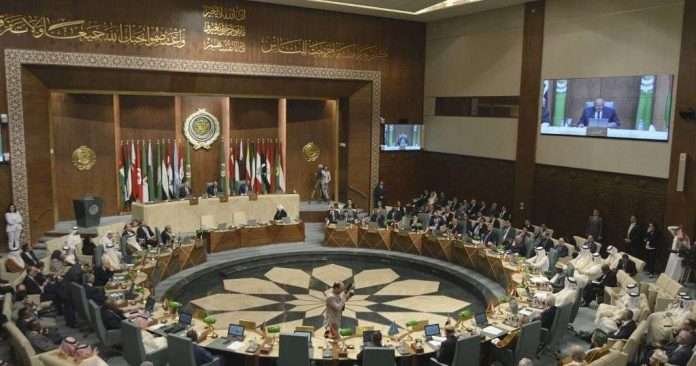
    Khartoum, Sudan – (African Boulevard News) – The Arab League (AL) has taken the lead in bringing peace to Sudan as it kicked off negotiations between the country’s warring sides in a meeting held in Cairo over the weekend. This is the third emergency meeting held between the league and Sudan in just three weeks, showcasing the dedication of the Arab League towards restoring peace and stability in the region amid a backdrop of violence and unrest.

    The negotiations come in the wake of months of military and political turmoil in Sudan, which saw a military coup overthrow the democratically elected government of Prime Minister Abdalla Hamdok. In the aftermath, Sudan has been gripped by violent clashes and protests, forcing the military junta to seek help from the Arab League to broker peace between the two warring factions.

    During the talks, the Arab League expressed its commitment to ensuring a peaceful resolution to the crisis in Sudan, calling for an immediate cessation of hostilities and the formation of a transitional government that embraces all sectors of society. “The Arab League remains steadfast in its support for Sudan, and we will continue to work tirelessly towards bringing about a peaceful resolution to this crisis,” said Ahmed Aboul Gheit, the Secretary-General of the Arab League.

    The talks were attended by representatives from both sides of the conflict, including the military junta and the Sudanese Professionals Association (SPA), a coalition of trade unions and civil society groups that have been leading the protests. The SPA has been calling for the restoration of democracy in Sudan and the release of all political prisoners.

    The negotiations have been hailed as a positive step towards restoring peace and stability in Sudan, with many experts believing that the involvement of the Arab League will help to bring about a resolution to the crisis. “The Arab League’s involvement in these talks is a significant development and underscores the importance of regional cooperation in tackling complex and pressing issues,” said Dr. Salah Ibrahim, a political analyst.

    The African Union (AU) has also pledged its support for the Arab League’s efforts and has called for a peaceful resolution to the crisis in Sudan. “We urge all parties to engage constructively in the negotiations and to work together towards a peaceful and democratic transition,” said Moussa Faki Mahamat, the Chairperson of the AU Commission.

    As the negotiations continue, the world watches with bated breath, hoping that the talks will lead to a peaceful resolution to the crisis in Sudan. The Arab League’s intervention has been a welcome development, and if successful, it will bring the much-needed peace and stability that Sudan desperately needs.

    DRC: Death Toll Rises to 203 in Devastating Floods, Urgent Aid Needed to Help Rebuild Lives

    0
    Read Time:1 Minute, 51 Second

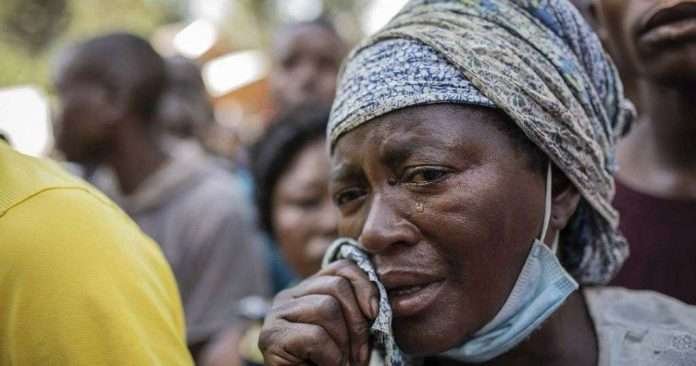
    Kinshasa, DRC – (African Boulevard News) – The death toll from the Democratic Republic of Congo’s (DRC) recent floods has risen to 203 after more bodies were recovered, an administrative official reported on Saturday.

    The previous provisional death toll, announced by the provincial governor on Friday, had been at least 176 dead. But as rescue efforts continue, more fatalities have been discovered in affected areas.

    The floods have wreaked havoc in the central African nation, destroying homes, submerging villages, and damaging infrastructure. The country’s three major rivers – Congo, Kasai, and Ubangi – all overflowed, leading to widespread flooding across the country.

    The UN’s Office for the Coordination of Humanitarian Affairs (OCHA) reported that over 35,000 homes had been destroyed or damaged, and that over 120,000 people had been affected by the disaster.

    The DRC is no stranger to natural disasters, but this year’s floods have been particularly severe, hitting the capital, Kinshasa, and several other regions hard.

    Speaking on the disaster, a local resident from Kinshasa, Sarah Mbombo, said, “It’s been terrible. The water has been everywhere, and many people have lost everything they own. We need help from the government and international aid organizations to rebuild our lives.”

    The government and aid agencies have been working hard to provide relief to those affected by the floods, providing food, shelter, and medical supplies. However, logistical challenges and funding shortages have made it difficult to reach all those in need.

    According to OCHA, the DRC needs $20.6 million in funding to provide critical humanitarian assistance to flood-affected communities.

    “The situation in the DRC is dire and requires an urgent response,” said UN Deputy Secretary-General, Amina Mohammed. “We need to provide support to those affected by the floods and help them rebuild their lives.”

    As the recovery effort continues, officials and aid organizations are urging the international community to provide critical support to those affected by the disaster.

    The floods have been a stark reminder of the need for disaster preparedness and response in the DRC and across Africa. As climate change continues to exacerbate extreme weather events, it is critical that countries invest in disaster risk reduction measures to protect vulnerable communities and reduce the impact of natural disasters.

    South Africa defeated by Golden Eaglets in thrilling U-17 AFCON clash, Nigerian coach praises team’s dedication and focus

    0
    Read Time:2 Minute, 22 Second

    Pretoria, South Africa – (African Boulevard News) – The Golden Eaglets, Nigeria’s U-17 national team, progressed to the quarter-finals of the 2023 under-17 Africa Cup of Nations tournament after defeating South Africa in the group stage. The head coach of the Golden Eaglets, Nduka Ugbade, has attributed the team’s impressive performance to careful planning, teamwork, and a never-give-up attitude.

    Ugbade, who was a member of Nigeria’s 1985 U-17 World Cup-winning team, said that defeating South Africa was a massive boost for his team’s morale. In an interview with African Boulevard News, Ugbade said, “South Africa is a tough team to beat, but we knew we had to give our best to secure victory. The team was well-prepared, and every player understood their role in the game. Our game plan worked, and we executed it perfectly.”

    The Golden Eaglets boss noted that his team was not complacent and maintained focus throughout the game. He highlighted the impact of his team’s collective effort, saying, “it was a team effort. Every player gave their best, and that was what made the game different.”

    Ugbade also praised South Africa’s team, calling them a quality side and admitting that his team had to respect them. “We had respect for South Africa because they have good players and a solid team structure. We knew we had to be disciplined and focused to beat them,” he said.

    The game saw the Golden Eaglets take an early lead in the 16th minute, with a goal from promising forward, Aliyu Garba. The South Africans equalized in the 35th minute, but the Nigerians regained the lead before half-time through Ibrahim Ali.

    The second half was a tense affair, with both teams creating several scoring opportunities. However, the Golden Eaglets held on and secured a vital win that saw them progress to the quarter-finals.

    Ugbade believes that his team’s success in the tournament so far can be attributed to their commitment and hard work. He said, “We have a great group of players who are determined to achieve success. They are disciplined and focused and understand the importance of team spirit.”

    The Golden Eaglets will face Senegal in the quarter-finals, and Ugbade is confident that his team can go all the way. “We are taking each game as it comes, but we believe we can win the tournament. We have a strong team, and we are ready to take on any opponent,” he said.

    In summary, the Golden Eaglets’ victory over South Africa was a significant milestone in their quest for a seventh U-17 AFCON title. Ugbade’s team displayed a strong work ethic, tactical discipline, and teamwork to secure a vital win. With the quarter-finals beckoning, the Golden Eaglets will be hoping to maintain their impressive form and go all the way in the tournament.

    Uganda: Scientists Innovate With Biodegradable Seedling Pots To Combat Plastic Waste!

    0
    Read Time:1 Minute, 52 Second

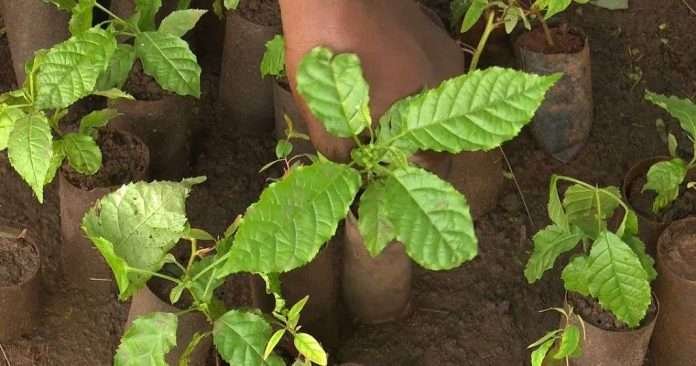
    Kampala, Uganda – (African Boulevard News) – In an effort to tackle the issue of plastic waste, scientists at the National Agriculture Research Institute in Uganda have developed a new eco-friendly alternative: biodegradable seedling pots made from farm waste.

    The idea behind these new seedling pots is to offer farmers and gardeners a sustainable and eco-friendly alternative to plastic pots, which take hundreds of years to decompose. By using farm waste such as banana and maize stems to create their biodegradable pots, the scientists hope to reduce plastic waste and protect the environment.

    According to Dr. John Kiggundu, the head of research at the institute, these biodegradable seedling pots offer several advantages over traditional plastic pots. They are not only environmentally friendly, but they are also cost-effective and can be produced locally using readily available materials.

    “We are excited about the potential of these new biodegradable seedling pots. They offer a sustainable and environmentally friendly alternative to traditional plastic pots, which can take hundreds of years to decompose,” Dr. Kiggundu said.

    The new seedling pots are made by compressing and molding farm waste into the desired shape, which can range from small pots for individual seedlings to larger pots for growing plants. Once the seedlings or plants are ready to be transplanted, the pots can be planted directly into the ground, where they will decompose naturally.

    The introduction of these biodegradable seedling pots has been welcomed by environmental groups, who have long been advocating for a reduction in plastic waste. According to a recent report by the United Nations, plastic waste is a major environmental threat that is polluting waterways, endangering wildlife, and contributing to climate change.

    “The development of these biodegradable seedling pots is a great step forward in the fight against plastic waste. We hope that farmers and gardeners will embrace this new technology and help protect the environment,” said Elizabeth Kianga, a spokesperson for the Uganda Environmental Action Network.

    With the production of these biodegradable seedling pots underway, farmers and gardeners in Uganda now have a sustainable and eco-friendly alternative to traditional plastic pots. By turning farm waste into useful products, scientists are not only reducing plastic waste but also creating new avenues for sustainable agriculture and environmental protection.

    Tanzania: Simba and Azam set for a fierce and unforgettable battle in ASFC Semifinals!

    0
    Read Time:1 Minute, 40 Second

    Dodoma, Tanzania – (African Boulevard News) – The stage is set for a fierce battle as Simba and Azam football clubs clash in the first Azam Sports Federation Cup (ASFC) semifinal match today at the Nangwanda Sijaona Stadium in Mtwara, Tanzania. Tanzania’s football fans are anticipating a thrilling match, with both teams determined to snatch a win.

    Simba, who are currently sitting at the top of the Tanzanian Premier League, are aiming to maintain their impressive run by advancing to the finals of the ASFC. They have been outstanding this season, and they are expected to give Azam a run for their money.

    Azam, on the other hand, will be keen to upset the table leaders Simba and advance to the finals. They have proven themselves to be a force to reckon with this season and will come out guns blazing in their quest for success. This battle for glory is not about the money, but pride and the desire to be crowned champions in Tanzania’s oldest competition.

    The teams’ fans are equally enthusiastic and eagerly anticipating the match. They are ready to support their teams and cheer them on to victory. It’s a “do or die” situation for both teams, and the pressure is on as the competition intensifies.

    According to industry experts, this match is set to be one of the most exciting and closely contested football matches this season. Fans are expecting a high-scoring and entertaining match, and the stakes have never been higher.

    As we approach the kick-off time, the excitement in Mtwara, and across Tanzania, continues to build. Football is a unifying sport, and this match is set to unite Tanzanians from different backgrounds.

    In conclusion, the stage is set, the teams are ready, and the fans are waiting with bated breath. The match between Simba and Azam promises to be a memorable one. Both teams have a lot to play for, and the outcome is anyone’s guess. Nevertheless, one thing is certain – it will be a match to remember.

    Africa: IMF report reveals the incredible potential of AfCFTA to accelerate growth and prosperity on the continent

    0
    Read Time:2 Minute, 11 Second

    Diaspora, Africa – (African Boulevard News) – A new International Monetary Fund (IMF) report has highlighted the importance of the African Continental Free Trade Area (AfCFTA) and how effective implementation and reforms could accelerate growth across the continent. The report, titled ‘Trade Integration in Africa: Unleashing the Continent’s Potential in a Changing World’, found that comprehensive reforms combined with the AfCFTA implementation could increase the continent’s income by 2.5% and boost intra-African trade by 15% in the long run.

    The AfCFTA was launched in January 2021 and is the largest free trade area in the world, covering 54 African countries with a combined population of more than 1.2 billion people. The agreement aims to create a single market for goods and services, facilitate the movement of people, and promote investment across the continent. The report underscores that these objectives can only be achieved through comprehensive reforms and effective implementation.

    According to the report, the AfCFTA could help African countries diversify their economies and reduce their reliance on commodity exports. The agreement could also help African countries overcome the fragmentation of their markets, which remains a major barrier to intra-African trade. Moreover, the report acknowledges that the AfCFTA could enhance competition and innovation, thereby driving productivity growth and job creation.

    However, the report also highlights several challenges that need to be addressed to make the AfCFTA a success. These include weak infrastructure, inadequate customs procedures, and non-tariff barriers. Furthermore, the report notes that the AfCFTA is not a panacea for all of Africa’s economic challenges, and that it needs to be complemented by other policies aimed at strengthening institutions, improving governance, and promoting human capital development.

    In response to the report, various stakeholders have expressed their views on the AfCFTA’s potential to drive growth and prosperity in Africa. Mohamed El-Erian, the chief economic adviser at Allianz, stated that “the AfCFTA could be a game-changer for Africa, but it requires bold reforms and effective implementation”. Likewise, Vera Songwe, the executive secretary of the United Nations Economic Commission for Africa, noted that “the AfCFTA is the most significant development in Africa’s regional integration agenda and has the potential to transform the continent’s economic fortunes”.

    Overall, the IMF report highlights the significant potential of the AfCFTA to foster growth and development in Africa. However, realizing this potential will require a concerted effort from African governments, businesses, and civil society to undertake the necessary reforms and ensure effective implementation. With the right policies and strategies in place, the AfCFTA has the potential to unleash Africa’s economic potential and create a brighter future for the continent and its people.

    Kenya: Volunteers Fight Flooding in Informal Settlements with Weather Forecasts and Drainage Clearing

    0
    Read Time:2 Minute, 11 Second

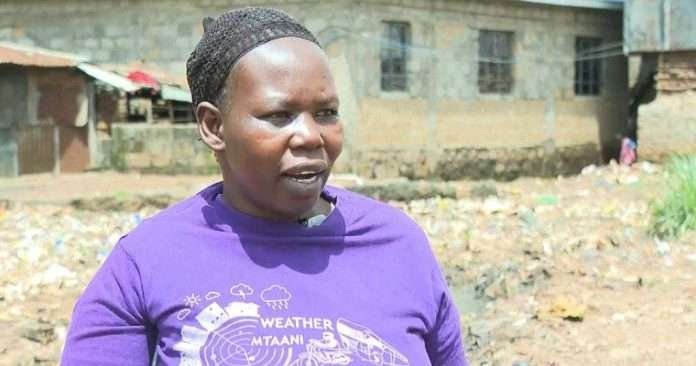
    Nairobi, Kenya – (African Boulevard News) – The seasonal flooding that plagues informal settlements in Kenya has now become a cause for concern for the residents. Volunteers in the country are now on a mission to reduce flooding damage and improve the situation. They are being equipped with weather forecasts and advice to prepare the people for extreme weather situations.

    The Kenyan government is also taking steps to reduce the impact of flooding in the country. The Kenya Meteorological Department has implemented a project aimed at providing real-time weather forecasts to the vulnerable communities, to help them prepare for heavy rains and flooding. Additionally, the government is working to improve drainage systems in the informal settlements.

    But the Kenyan residents are also stepping up to play their part in reducing the damage caused by flooding. Volunteer groups in Kenya are being trained in clearing waste from drains ahead of rainy seasons. They are also sensitizing residents in the informal settlements about the dangers of blocking the drainage systems.

    The volunteer groups are being coordinated by the World Food Programme and the Red Cross to improve preparedness in the communities. Mary Omollo, the Red Cross’s Disaster Manager in Kenya, says, “We are working with volunteers, equipping them with skills to clear drainage systems and monitor the weather. By involving residents, we are increasing their resilience.”

    The volunteer groups are making a significant impact in the informal settlements, which are usually prone to flooding. The groups have been able to reduce the severity of the floods caused by heavy rains by clearing the drainage systems and sensitizing residents to prevent littering and blocking the drainage.

    According to the Kenya Meteorological Department, the floods have caused significant damage in the informal settlements, including loss of life, displacement of people, and destruction of infrastructure. The involvement of the volunteer groups is a step in the right direction in mitigating the impact of flooding on the informal settlements in Kenya.

    The Kenyan government is also exploring other sustainable solutions such as rainwater harvesting, reforestation, and building more sustainable infrastructure. These initiatives will go a long way in reducing the impact of flooding on the country’s vulnerable communities.

    In conclusion, the Kenyan residents’ efforts to reduce the impact of flooding in informal settlements are bearing fruit. Volunteer groups are stepping up to play their part in clearing drainage systems and sensitizing residents to prevent littering. The Kenyan government’s efforts to provide real-time weather forecasts and improve drainage systems are also commendable. The impact of flooding on the informal settlements is now being mitigated, and the residents can breathe a sigh of relief.

    Sudan: Tanks and Soldiers Deployed in Khartoum as Violence Continues Ahead of Peace Talks in Saudi Arabia

    0
    Read Time:1 Minute, 50 Second

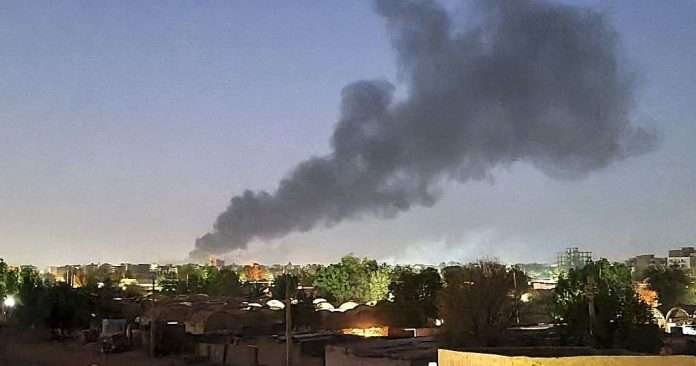
    Khartoum, Sudan – (African Boulevard News) – The Sudanese capital of Khartoum is reeling from a surge in violence as the country’s transitional military council and opposition parties prepare for peace talks in Saudi Arabia. Tanks and soldiers have been deployed on the streets of Khartoum, with reports indicating that they have fired at various targets in the city. Dubbed the “June 3 Massacre”, the fighting has entered its 22nd day, and the latest violence has left citizens fearing for their lives.

    The United States and Saudi Arabia have called for a dialogue between the Sudanese military council and opposition parties to resolve the crisis peacefully. Both countries have pledged to support a peaceful transition to democracy in Sudan. According to a joint statement issued by the US and Saudi Arabia, the talks between the two sides will take place in the Saudi port city of Jeddah. It is hoped that the talks will lead to an agreement on a transitional government that will steer Sudan towards democracy.

    The United Nations has expressed concern about the escalating violence in Sudan, with the UN High Commissioner for Human Rights, Michelle Bachelet, saying that the situation is “extremely worrying”. “The use of live ammunition against peaceful protesters is unacceptable,” she said in a statement. “I call on all parties to exercise restraint and to refrain from using violence.”

    The African Union (AU) has also expressed concern about the situation in Sudan. AU Commission Chairperson, Moussa Faki Mahamat, said that he was “deeply concerned” about the violence in Sudan, and called on the military council and opposition parties to engage in dialogue to resolve their differences.

    Despite the calls for peace, violence continues to grip Khartoum, with citizens caught in the crossfire. Many have been wounded or killed in the street battles, with reports of houses being burnt down and looted.

    In conclusion, the situation in Sudan remains tense, with violence continuing to escalate in Khartoum. The upcoming peace talks in Saudi Arabia offer hope for a peaceful resolution to the crisis. However, it remains to be seen whether the warring parties will lay down their arms and engage in constructive dialogue to find a way out of the current impasse.