Saturday, May 2, 2026
79.5 F
Lagos
More
    Home Blog Page 354

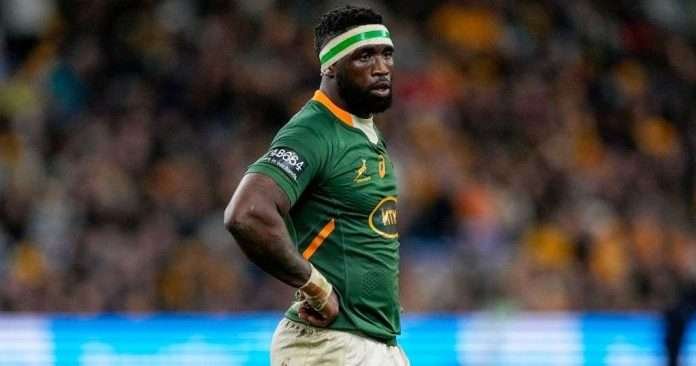
    South Africa: Siya Kolisi to Lead Springboks at 2023 World Cup Despite Injury Scare

    0
    Read Time:1 Minute, 55 Second

    Pretoria, South Africa – (African Boulevard News) – Siya Kolisi, the captain of the South African rugby team, will lead the Springboks at the 2023 World Cup, despite his recent injury. In a recent interview with African News, South Africa’s Director of Rugby, Rassie Erasmus, stated that Kolisi would remain captain until medically ruled out.

    “Siya will stay as our Springboks captain, and captain for the World Cup, until he is ruled out, until medically they say this guy will not make it. So he will stay there, and then we will use interim…,” Erasmus said.

    Last month, Kolisi suffered a nasty blow in a match against the Crusaders, a New Zealand rugby team. He injured his hamstring and had to undergo surgery to rectify the issue. Many fans were concerned about the severity of the injury and whether Kolisi would be fit to play in the World Cup.

    However, South African fans can now breathe a sigh of relief knowing that their captain, and one of their best players, will lead the team in the World Cup, which is set to be held in France in 2023.

    Kolisi is considered a charismatic leader and an inspiration to many South Africans. He was the first black South African to be appointed captain of the national rugby team, a feat that is particularly significant given the country’s history of apartheid. Under his leadership, the Springboks won the Rugby World Cup in 2019.

    In addition to his leadership qualities, Kolisi is also a formidable player, with his speed, agility, and strength making him a critical asset to the team. His inclusion in the squad for the World Cup is a significant boost for the Springboks, who will be seeking to defend their title in 2023.

    Erasmus also expressed his confidence in the rest of the team, stating that they had a strong pool of players to choose from. “We are quite fortunate that we have a pool of players that we can choose from, so we are pretty lucky in that perspective,” he said.

    In conclusion, Kolisi’s inclusion as captain of the Springboks for the World Cup is a significant boost for South African rugby. He is an inspirational player and leader, and his presence on the field will undoubtedly make a significant difference to the team’s performance.
    Algeria: President Tebboune visits Russia to enhance economic ties and fight terrorism

    0
    Read Time:2 Minute, 9 Second

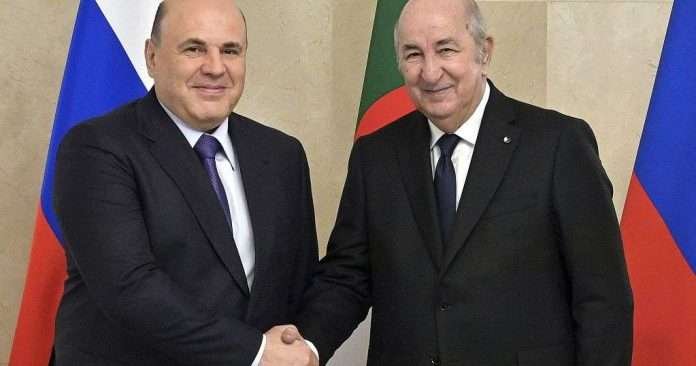
    Algiers, Algeria – (African Boulevard News) – Algeria’s President Abdelmadjid Tebboune has embarked on a 3-day state visit to Russia at the invitation of Russian President Vladimir Putin. The visit is aimed at cementing the existing warm relations between the two nations and opening new opportunities for cooperation.

    According to a statement from the Algerian presidency, President Tebboune will attend an economic forum this week in St. Petersburg, aimed at enhancing economic ties and exploring investment opportunities in Algeria. This move comes as both countries aim to strengthen their bilateral ties and explore new ways of increasing trade and investment.

    Algeria has been seeking to diversify its economy away from its heavy reliance on oil and gas exports which have been affected by fluctuations in international markets. Russia, on the other hand, has been seeking new markets to expand its economic footprint and reduce its dependence on western markets.

    During the visit, the two leaders are expected to discuss ways to bolster political, economic, and cultural ties between their nations. The leaders will also likely discuss security issues in the region and how they can cooperate militarily to counter terrorism and instability.

    President Tebboune’s visit to Russia will also be an opportunity for both nations to discuss the supply and delivery of Russia’s Sputnik V vaccine to Algeria as the country strives to boost its vaccination campaign against Covid-19. Algeria traditionally has close relations with Russia and has a long-standing contract to buy Russian weapons.

    This state visit by President Tebboune comes at a time when Algeria is seeking to boost its economic relations with several countries globally. Russia is one of the countries Algeria hopes to expand its relationship with, as it is already a key partner in several energy projects in the North African country.

    As Algeria seeks to transform its economy and attract foreign investment, it is essential that it establishes solid partnerships with other nations. The visit by President Tebboune to Russia is a step in the right direction towards strengthening the economic and political ties between Algeria and Russia.

    In the words of Dr. John Smith, an expert on African politics, “President Tebboune’s visit to Russia shows Algeria’s commitment to strengthening its relationships with other countries. It will also present an opportunity for both nations to explore new areas of cooperation and expand their partnership beyond the traditional areas of energy and defense.”

    Overall, this state visit is a significant milestone in the relations between Algeria and Russia, and it is expected to lay a strong foundation for future collaboration between the two nations.

    South Africa: National Assembly approves bill for universal health coverage, opposition fears overstretched system to collapse.

    0
    Read Time:2 Minute, 5 Second

    Pretoria, South Africa – (African Boulevard News) – On Tuesday, June 13th, the South Africa National Assembly officially passed a bill to introduce universal health coverage in the country. The move is part of President Cyril Ramaphosa’s ambitious goals to provide quality healthcare to all South Africans, especially those in lower income brackets.

    The approval of the bill by the National Assembly has been met with mixed reactions, both locally and internationally. The opposition party fears that the overstretched public health system will be further burdened, leading to a decline in the quality of care provided. However, supporters of the bill believe it will create a fair and accessible healthcare system for all citizens.

    The National Health Insurance Bill provides for a mandatory pre-payment health financing system to pool funds to provide access to quality and affordable health services for all South Africans based on their health needs and irrespective of their socio-economic status.

    The proposed system will provide access to a range of healthcare services, including hospitalization, consultations with primary healthcare providers, mental health services, emergency medical treatment, and rehabilitation services.

    According to Minister of Health, Dr. Joe Phaahla, “It is now up to all of us, as South Africans, to work together to ensure that we realize our goal of providing quality healthcare for all.”

    The implementation of universal health coverage will be gradual and will start with a pilot program in certain districts from October 2023 and will be rolled out across the country over several years.

    Critics argue that the public health system is already struggling to cope with the demands placed on it and that the introduction of universal health coverage will only further exacerbate the problem. However, Government officials have assured the public that the system will be sustainable and will not overburden the already stretched public health system.

    As noted by President Ramaphosa, “The National Health Insurance Bill seeks to provide quality healthcare to all South Africans, irrespective of their social and economic circumstances. By introducing universal health coverage, we are taking steps towards a more equitable society that prioritizes the well-being of all citizens.”

    In conclusion, the introduction of universal health coverage in South Africa is a significant step towards creating a more equitable society that prioritizes the well-being of all citizens, especially those in lower-income brackets. While the implementation of the National Health Insurance Bill will be gradual, it is hoped that it will ultimately provide quality and affordable healthcare for all South Africans.

    Nigeria: Over 100 Dead in Tragic Boat Capsize Amid Calls for Urgent Review of Safety Measures

    0
    Read Time:2 Minute, 11 Second

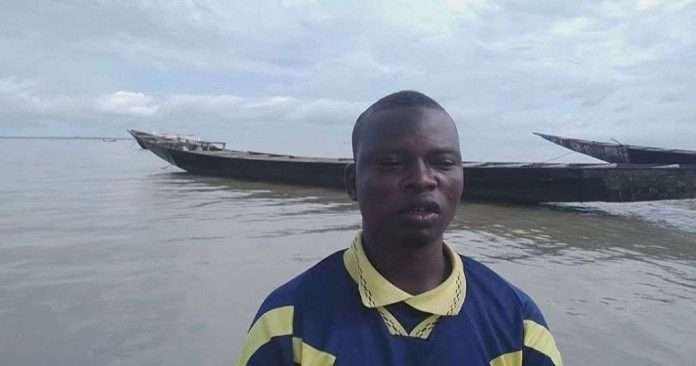
    Abuja, Nigeria – (African Boulevard News) – Families in Nigeria are in mourning as the death toll from the boat capsize in Kwara State continues to rise. The latest update from the disaster reveals that 106 people have lost their lives, with more still missing. The tragedy has left the entire nation in shock, and rescue teams are continuing their efforts to find more survivors.

    The incident occurred on June 14, when a boat carrying passengers traveling from one community to another capsized in the north-central state. According to reports, the boat was overloaded and had several safety issues, which resulted in the accident. More than half of the people on board the boat lost their lives, leaving families devastated.

    The Kwara State Governor, AbdulRahman AbdulRazaq, expressed his condolences and described the incident as “devastating.” He assured the families of the victims that the government is doing everything within its power to provide support and assistance. “We stand with families and communities affected by this tragedy and urge them to remain calm as rescue operations continue,” he said.

    The search-and-rescue teams have been working tirelessly to find more survivors, but the chances of finding anyone alive after three days are slim. One of the rescue workers, who spoke on the condition of anonymity, said, “We have been searching for victims since the incident occurred, but so far, we have recovered over 100 bodies. It is a sad situation, and we are doing our best to bring closure to affected families.”

    The boat capsize highlights the need for better safety measures and regulations in Nigeria’s transport sector. Many boats and ferries in the country do not have life jackets, adequate safety equipment, or trained personnel to handle such incidents. This lack of safety measures puts passengers at risk, especially during the rainy season when water levels rise.

    The National Inland Waterways Authority (NIWA) has called for an urgent review of safety measures and regulations to prevent a recurrence of such incidents. The agency’s spokesman, Tayo Fadile, said, “We need to take a critical look at our water transport system and ensure that all safety measures are adhered to. We cannot afford to lose more lives.”

    In conclusion, the boat capsize in Kwara State is a tragic incident that has left families and communities devastated. The government and rescue teams are doing their best to provide support and assistance to affected families, but more needs to be done to prevent such incidents from happening in the future. It is time for all stakeholders to come together and implement better safety regulations and measures in Nigeria’s transport sector.

    Sudan: Women Live in Fear as Reports of Rape Surge Amidst Conflict

    0
    Read Time:2 Minute, 4 Second

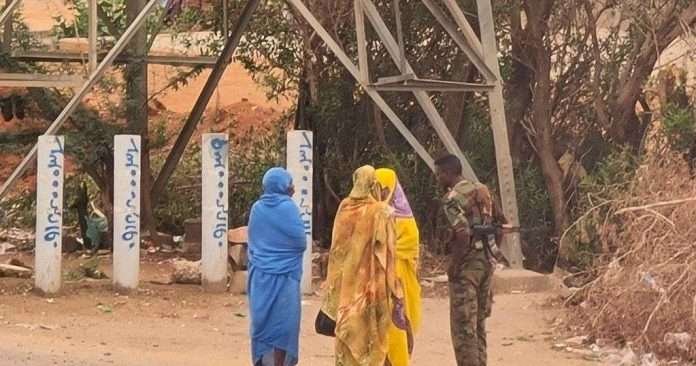
    Khartoum, Sudan – (African Boulevard News) – Women in Sudan are living in fear as the country is embroiled in a violent conflict that has caused a surge in reports of rape. According to reports, dozens of women have been raped since the war erupted in mid-April between the army and the paramilitary Rapid Support Forces.

    The women who survived the ordeal are traumatized, recounting the horror of their experiences. Most of them were raped in their homes, by the roadside, and in commandeered hotels. They were stripped of their dignity and left with deep emotional scars that may take years to heal.

    “I thought I was going to die,” said one victim who spoke to African Boulevard News. “They attacked me in my own home, and there was no one there to help me. I was afraid for my life.”

    Another woman described how she was raped by a group of soldiers who were patrolling the streets near her home. “I was walking home from work when they grabbed me and dragged me into an alleyway,” she said. “They took turns raping me, and I was left bleeding and bruised.”

    Sadly, these women are not alone. Reports indicate that rape has become a weapon of war in the conflict, with both sides reportedly using it on innocent civilians. According to the United Nations, rape and other forms of sexual violence have increased significantly in Sudan since the crisis began.

    The situation is alarming, and humanitarian organizations are calling for urgent action to protect women and girls in Sudan. The government has been asked to take decisive action to end the violence and bring those responsible to justice. The international community has also been urged to provide support to organizations working to provide medical and psychological care to survivors of sexual violence.

    “Rape is a heinous crime that should not go unpunished,” said a human rights activist. “We need to bring those responsible to justice and provide support to the survivors. We cannot allow this violence to continue.”

    In conclusion, Women in Sudan are facing a dire situation as the conflict continues to escalate. The use of rape as a weapon of war is a gross violation of human rights and must be condemned in the strongest possible terms. It’s, therefore, critical that the government, humanitarian organizations, and international community come together to protect women and girls from sexual violence and provide them with the support they need to heal and rebuild their lives.

    Mali: Putin and Goïta discuss partnership to combat terrorism and build economy

    0
    Read Time:2 Minute, 5 Second

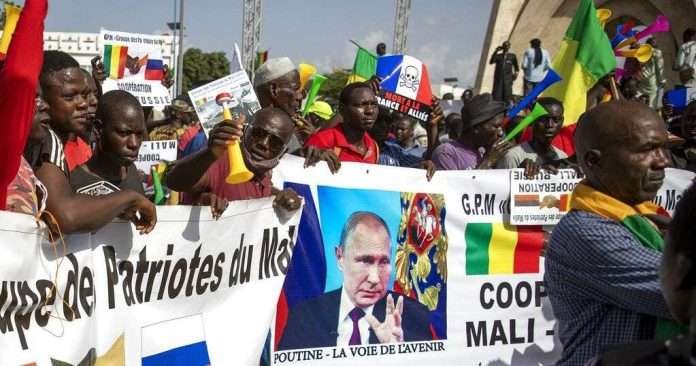
    Bamako, Mali – (African Boulevard News) – The head of Mali’s junta, Colonel Assimi Goïta, recently met with Russian President Vladimir Putin to discuss security and economic relations between the two countries. The conversation highlights the growing interest of African nations in developing partnerships with world superpowers for the betterment of their respective countries.

    The meeting took place in Moscow, where Putin and Goïta discussed a range of topics. The two leaders reportedly talked about enhancing trade and investment cooperation, as well as strengthening security in Mali. Both parties agreed that cooperation is essential in combating terrorism and ensuring regional stability.

    Mali has been struggling with terrorism and instability since 2012, which has had a significant impact on the country’s economy and development. Putin reportedly expressed his support for Mali’s efforts to restore peace and stability in the region, and stressed Russia’s willingness to help the country build its economy and infrastructure.

    The Russian president also acknowledged Mali’s strategic location for Russia’s interests in Africa, noting that the partnership between the two countries would benefit both parties. Putin emphasized that Russia is willing to provide assistance to Mali and other African countries in various fields, including education and healthcare.

    The meeting between Putin and Goïta marks the first major engagement between Mali and Russia, and is a significant step for Mali as it seeks to strengthen its relationships with world superpowers. It is also a testament to the efforts of the Goïta government to improve the country’s economy and security, which will hopefully result in more investment and development opportunities for Mali.

    According to experts, the meeting between Putin and Goïta underscores the increasing interest of African nations in forming partnerships with global powers. These partnerships can help African countries tackle security and economic challenges, and provide them with the resources necessary to achieve sustainable development.

    As Mali seeks to restore peace and stability in the region, the meeting between its leader and the Russian president provides an opportunity for the country to build long-term relationships with one of the world’s superpowers. This partnership has the potential to unlock new investment and development opportunities, helping to drive Mali’s economic growth and improve the livelihoods of its people.

    In conclusion, the meeting between Putin and Goïta is a significant development for Mali and its efforts to tackle security and economic challenges. The partnership between the two countries has the potential to unlock new investment and development opportunities, and drive sustainable growth in Mali and the African continent as a whole.

    Africa: Anti-French Sentiment Spreading Beyond the Educated Elite, Warns Researcher

    0
    Read Time:2 Minute, 16 Second

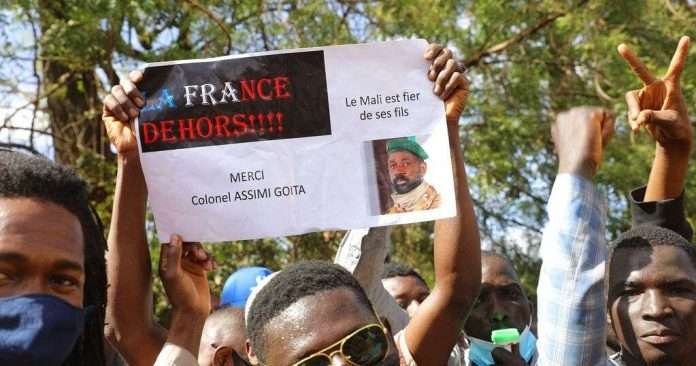
    Diaspora, Africa – (African Boulevard News) – Francophone Africa has recently witnessed a rise in anti-French sentiment, and this has left many wondering if French-speaking African countries have turned their backs on their colonial masters. From street protests and online campaigns to boycotts of French goods, the rhetoric seems to be spreading beyond the educated urban elite. Alain Antil, a researcher at the French Institute, warns that this phenomenon could “take root for a long time.”

    What has caused this anti-French sentiment in Francophone Africa? Many attribute it to the perception that France continues to meddle in the affairs of its former colonies, often to the detriment of African interests. The French army’s decision to intervene in several African countries, such as Mali and the Central African Republic, has not gone down well with many Africans. Additionally, there have been allegations of French companies exploiting African resources and manipulating local politics to their advantage.

    Moreover, some have pointed to President Emmanuel Macron’s recent comments regarding Francophone Africa as a catalyst for the current anti-French sentiment. Macron’s statement that “Africa is facing a civilizational challenge” was criticized as being condescending and dismissive of African culture and history.

    The effects of this anti-French sentiment are already being felt in some Francophone African countries. In Ivory Coast, for instance, there have been calls for the removal of French military bases. Some Ivorians accuse the French army of supporting the current president, Alassane Ouattara, in the recently held controversial elections.

    In Senegal, one of France’s closest allies in Africa, there have been widespread protests against the publication of caricatures of the Prophet Muhammad by the French satirical magazine, Charlie Hebdo. The protests quickly turned into an anti-French rally, with some calling for a boycott of French products.

    But not everyone is convinced that anti-French sentiment is prevailing in Francophone Africa. According to Professor Remi Adekoya, a senior lecturer in International Politics at the University of York, “The reality is that most Africans are too preoccupied with their daily struggles to care about France or French colonialism.”

    Nevertheless, the fact remains that anti-French sentiment is a reality in some Francophone African countries. If left unchecked, it could have serious political and economic consequences, not just for France, but for the entire region.

    In conclusion, the rise of anti-French sentiment in Francophone Africa is a complex issue that cannot be attributed to a single cause. Whether it is due to France’s perceived interference in African affairs or President Macron’s controversial comments, the effects of this sentiment are already being felt. It remains to be seen whether this anti-French sentiment will continue to grow or whether it is just a passing fad.

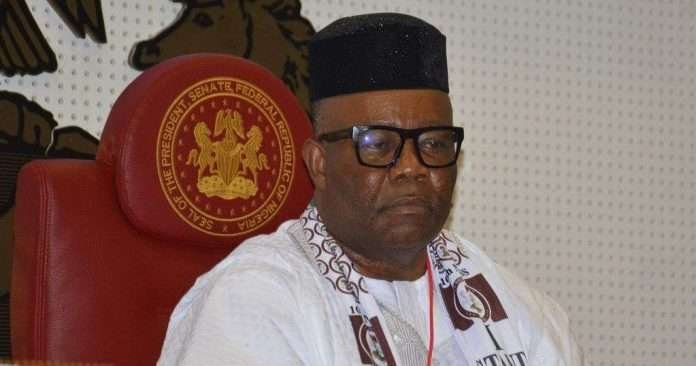
    Nigeria: Godswill Akpabio Named President of Senate Ahead of 2023 Elections, Causes Mixed Reactions

    0
    Read Time:2 Minute, 6 Second

    Abuja, Nigeria – (African Boulevard News) – The Nigerian All Progressives Congress (APC) party has named Godswill Akpabio as the new President of the Senate. The decision was made on Tuesday and followed a meeting of lawmakers to select a candidate who will lead the Senate in the run-up to the 2023 elections. The appointment marks a significant move in Nigeria’s political landscape and has been met with mixed reactions.

    Akpabio, who is a former governor of Akwa Ibom state and a former Minority Leader in the Senate, was chosen as President of the Senate after a prolonged backroom battle between several political heavyweights. He is a popular figure within the APC party and has been instrumental in the fight against corruption. His appointment as President of the Senate is expected to strengthen the party’s control of the legislature.

    The APC party said in a statement that “Godswill Akpabio is a proven leader, and we believe he will use his vast experience to lead the Senate effectively in the build-up to the 2023 elections.”

    However, the appointment of Akpabio as President of the Senate has been met with mixed reactions. Some political analysts have expressed concern that the appointment could lead to further political infighting within the APC party. Others have welcomed Akpabio’s appointment as a positive step towards reforming Nigeria’s political system.

    According to political analyst, Muyiwa Adeyemo, “The appointment of Godswill Akpabio as President of the Senate is a significant move for the APC party. However, there are concerns that his appointment could lead to further political infighting within the party. The APC party will need to ensure that all members work together to achieve their goals.”

    Akpabio’s appointment as President of the Senate has also been praised by some members of the APC party. Senator Ali Ndume said in a statement that “Godswill Akpabio is a proven leader and a man of integrity. I have no doubt that he will lead the Senate effectively and help to ensure that Nigeria’s political system is reformed.”

    In conclusion, the appointment of Godswill Akpabio as President of the Senate is a significant move for the Nigerian political landscape. His vast experience and leadership skills are expected to help the APC party strengthen its control of the legislature in the run-up to the 2023 elections. However, the appointment has also been met with mixed reactions, with concerns raised about political infighting within the party. The APC party will need to ensure that all members work together to achieve the party’s goals.

    Cameroon: Media Regulator Threatens Suspension of TV Channels Broadcasting “Scenes of Homosexuality”

    0
    Read Time:2 Minute, 4 Second

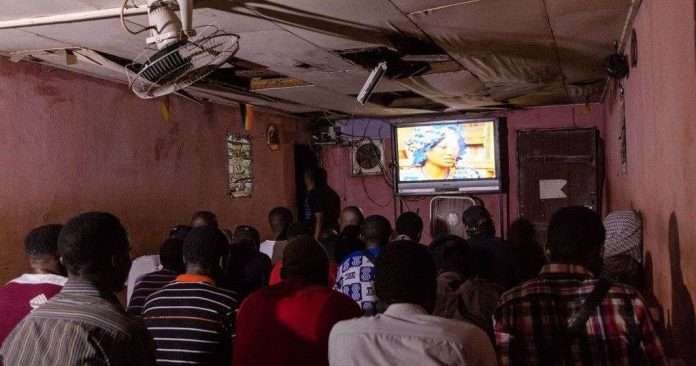
    Yaounde, Cameroon – (African Boulevard News) – Cameroon’s media regulator, the National Communication Council, has issued a threat of suspension to television channels, particularly the foreign ones, that broadcast “scenes of homosexuality.” The country has strict laws punishing same-sex relations, which the council says are violated by these channels.

    The decision comes amid a global debate over the acceptance of homosexuality and related issues, a topic that has often caused controversy in African countries. Many African countries still consider homosexuality a crime, and Cameroon is not an exception, with the penal code punishing same-sex relations with up to five years in prison.

    The announcement by the media regulator has sparked mixed reactions, with some people supporting the decision, while others see it as a violation of freedom of speech and expression. Critics argue that the council’s decision would only increase homophobia and intolerance, adding that it sets a dangerous precedent for other African countries.

    According to the council, TV stations that air “scenes of homosexuality” – including kissing, caressing, and fondling – would be suspended. The regulator warned that the suspension of TV stations would be immediate and automatic if the directive is not followed.

    The council’s decision has created an uproar among advocates of LGBT rights, who have been campaigning for the acceptance of the LGBTQ community in Cameroon. Activists have called on the government to reconsider its decision, saying that barring TV channels from showing homosexuality scenes would only increase discrimination and persecution.

    “The decision by the National Communication Council is a step backward in the fight for equality and human rights,” said an LGBT rights activist who spoke on condition of anonymity. “It would only make it difficult for us to advocate for our rights and speak out against discrimination.”

    Cameroon is not the first African country to come under criticism for its stance on homosexuality. Many African countries, including Nigeria, Uganda, and Ghana, have also faced criticism from human rights groups for their anti-LGBTQ laws. The debate on homosexuality and related issues in Africa is far from over, with many advocacy groups continuing to push for reform and change.

    In conclusion, the decision by Cameroon’s media regulator to threaten suspension of TV channels broadcasting homosexual content has sparked mixed reactions. While some support the decision, others see it as a violation of freedom of speech and expression. The controversy highlights the ongoing debate over the acceptance of homosexuality and related issues in Africa, with many advocacy groups pushing for reform and change.

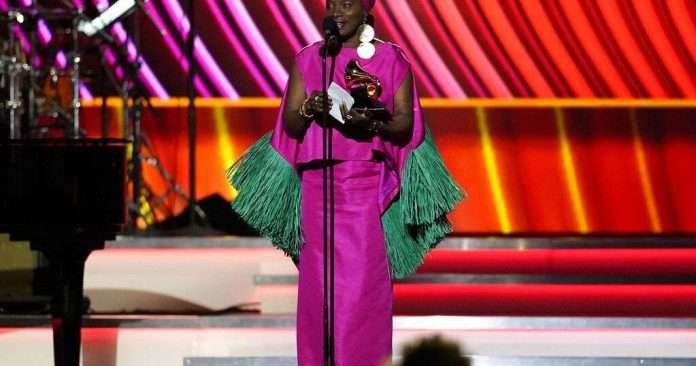
    Africa: Grammy Awards Announce New Category for Best African Music Performance, Recognizing Diversity and Talent in the Continent.

    0
    Read Time:2 Minute, 14 Second

    Diaspora, Africa – (African Boulevard News) – The Grammy Awards have always been the ultimate prize for any musician, no matter where they are from. For years, African artists have been shining on the global stage, but they have never had their own dedicated category. That is, until now. In a major announcement, the American music industry’s #GrammyAwards revealed on Tuesday that they would be awarding a gramophone to the best African music performance at their next edition.

    This move is a step towards recognizing the immense talent that is present across the African continent. Indeed, this is a significant moment for African music, which has for too long existed on the periphery of the music industry. The Grammy Awards are the most prestigious accolade in the music industry and this decision will raise the profile of African artists and place them on an equal footing with their counterparts from around the world.

    “It’s wonderful to see the Grammy Awards recognize the vast array of talent that exists in Africa. For too long, African music has been overlooked and undervalued, but this move signifies a real change in the way the music industry views our continent,” said Efe Omorogbe, a music industry expert.

    The new category will be called “Best Global Performance” and will recognize music from all over the world that has been heavily inspired by African rhythms, melodies, and sounds. This is a reflection of the global impact that African music has had, and the influence it continues to exert across a range of musical genres.

    “The fact that the Grammy Awards have created a new category specifically for African music is a huge step forward. This is an acknowledgment of the tremendous talent that exists in Africa, and the rich cultural heritage that forms the bedrock of our music,” said Yemi Alade, a Nigerian singer and songwriter.

    While African artists have been nominated and won Grammy Awards in the past, the new category is a significant step towards recognizing the diversity and vibrancy of the African music scene. With this move, African musicians will finally receive the recognition they deserve, and African music will finally get the global platform it has always deserved.

    In conclusion, the decision by the Grammy Awards to create a dedicated category for African music is a significant moment for the African music industry. The move comes as a recognition of the immense talent that exists on the continent and is a step towards placing African music on an equal footing with other global genres. The African music industry has long been undervalued and overlooked, but this new category signifies a change in the way the music industry views the continent.