Saturday, May 2, 2026
80.4 F
Lagos
More
    Home Blog Page 353

    Egypt: FC Nantes Secures Future with Mostafa Mohamed’s Contract Extension Until 2027

    0
    Read Time:1 Minute, 49 Second

    Cairo, Egypt – (African Boulevard News) – FC Nantes has announced the signing of striker Mostafa Mohamed until 2027, exercising their option to buy the Egyptian international from Zamalek.

    The 23-year-old signed for Nantes on loan during the January transfer window, with the French club having the option to make the move permanent at the end of the season. After scoring four goals in 13 league appearances, Nantes have made the decision to secure Mohamed’s future for the next four years.

    Speaking to African Boulevard News, Mohamed expressed his delight at the news, “I’m very happy to continue my career at Nantes. The club has shown great faith in me and I will do my best to repay that on the pitch.”

    Nantes sporting director, Franck Kita, also spoke of his delight at securing Mohamed’s services, “We are happy with Mostafa’s performances. He is a player with great potential who has already shown his qualities this season. We are convinced that he will continue to progress with us.”

    Meanwhile, Zamalek also released a statement congratulating Mohamed on his contract extension, “We are proud of Mostafa and his achievements. We wish him all the best in his new adventure in France.”

    Mohamed’s performances for Nantes have caught the attention of some of Europe’s top clubs, but the Egyptian international is fully focused on his future at Nantes, “I’m not thinking about the future right now. My priority is Nantes and helping the club achieve its goals.”

    The signing of Mohamed is a major boost for Nantes ahead of the new season, as they look to improve on last season’s 18th-place finish in Ligue 1. Mohamed’s pace, power, and finishing ability will be key for Nantes as they aim to climb the table.

    In conclusion, FC Nantes’ decision to exercise their option to buy Mostafa Mohamed is a clear indication of their faith in the Egyptian striker. Mohamed’s performances have impressed both on and off the pitch, and he will be a major asset for Nantes in the coming seasons. With Mohamed now tied down to a long-term contract, Nantes fans can look forward to seeing their star striker in action for years to come.
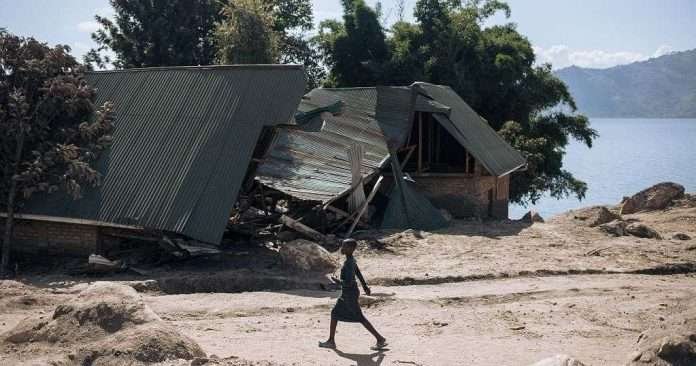
    Drc: Flood Victims Denounce Aid Profiteering amidst Suffering and Call for Transparency

    0
    Read Time:2 Minute, 3 Second

    Kinshasa, Drc – (African Boulevard News) – A group of flood victims in eastern Democratic Republic of Congo (DRC) have come out to denounce aid profiteering by the crisis management committee in charge of distributing relief items. This comes as the country continues to battle with the aftermath of May’s floods and landslides that affected several provinces.

    The victims claim that the committee is embezzling funds meant for purchasing relief items and foodstuffs for the victims. Speaking on behalf of the group, Mathieu Faida, a resident of Walikale territory in the North Kivu province, said, “We have not received any support from the authorities, and the little that is distributed is given to their relatives and friends.”

    The crisis management committee, which was set up in response to the disaster, is tasked with the responsibility of coordinating the distribution of aid to the affected areas. However, the victims say that the committee has failed in its mandate, leaving them to suffer in silence.

    Faida further explained that, “We are left with no option but to eat leaves and poisonous mushrooms. We are living in deplorable conditions that no human deserves. We call upon the government and humanitarian organizations to come to our rescue.”

    Several humanitarian organizations have been actively involved in providing assistance in the region. However, the victims claim that the aid is insufficient, and most of it does not reach the intended beneficiaries.

    In response to the allegations, the committee’s spokesperson, Joel Kamanda, denied the claims of aid profiteering, stating that they are doing their best to provide support to all victims. He added that the committee is working tirelessly to address the concerns raised by the victims.

    The disaster, which affected several provinces, including the Kasai, North Kivu, and Ituri regions, has left thousands homeless, with many others losing their lives. The flood victims are now calling for transparency in aid distribution and accountability from the authorities.

    This latest development highlights the need for effective crisis management and disaster relief distribution structures in the DRC. With several other regions prone to natural disasters, it is vital to ensure that relief efforts are transparent, accountable, and reach the intended beneficiaries.

    In conclusion, this situation is a reminder of the importance of ensuring that aid distribution reaches those in need, especially during natural disasters and crisis situations. It is crucial to have effective disaster management structures in place to ensure that the vulnerable populations are not left to suffer in silence.

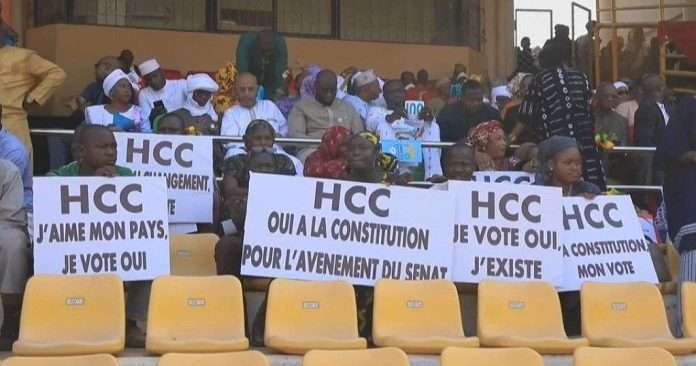
    Mali: Junta announces referendum on new constitution for return to democratic rule in 2024

    0
    Read Time:1 Minute, 48 Second

    Bamako, Mali – (African Boulevard News) – Mali’s military junta has announced plans to hold a referendum on a new constitution that will pave the way for democratic rule in March 2024. The move follows the August 2020 coup that toppled President Ibrahim Boubacar Keita.

    The proposed constitution includes a reduction in presidential terms from two to one, and a reshuffle of the country’s state institutions, including the judiciary and the National Assembly. The junta has invited political parties, civil society groups, and other stakeholders to contribute to the draft.

    This move is seen as a significant step by the military junta towards fulfilling its pledge to return the country to democratic rule. It is also in line with the recommendations made by the Economic Community of West African States (ECOWAS), which imposed economic sanctions on the country following the coup.

    Mali’s interim President, Colonel Assimi Goita, expressed confidence that the referendum will be held before the end of the year, despite concerns about insecurity in parts of the country. Speaking at a rally in the capital, he called for unity and cooperation to ensure a successful transition.

    “This is a checkpoint on the road to a return of civilian rule in March 2024, under commitments made by the military itself,” he said.

    The junta’s announcement has been welcomed by political parties and civil society groups, who have urged the government to ensure a free and fair electoral process. They also called for a transparent and inclusive dialogue to address the root causes of the country’s security challenges.

    “The referendum is an opportunity to build a new Mali, where democracy, justice, and social progress thrive,” said Boubacar Keita, President of the Patriotic Movement for Renewal party.

    Meanwhile, opposition groups have criticised the junta’s proposed constitution, arguing that it does not go far enough in addressing the country’s deep-seated challenges, including corruption, poverty, and insecurity.

    Despite the concerns, there is hope that the referendum will mark a significant milestone in Mali’s journey towards democratic rule. The junta’s willingness to engage with political parties and civil society groups signals a commitment to inclusive governance, which bodes well for the country’s long-term stability.

    South Africa: New Clinic Offers Hope for Endangered African Penguins’ Survival

    0
    Read Time:2 Minute, 4 Second

    Pretoria, South Africa – (African Boulevard News) – The African penguin, also known as the Jackass penguin, is a vulnerable species that faces extinction in the wild. The population of these adorable birds has witnessed a significant drop in the last few years due to habitat destruction, food shortages, oil spills, and predation. However, a new clinic in South Africa hopes to save the futures of these lovely creatures.

    The Southern African Foundation for the Conservation of Coastal Birds (SANCCOB), which has been rescuing, rehabilitating, and releasing seabirds since 1968, opened a new facility in Cape Town that will mainly focus on helping the African penguin. This clinic is the first of its kind in the country, and the facility is equipped with modern equipment to help save the struggling penguins.

    “So sadly, the population is declining quite drastically. So since 2015, we lost about 90% of the population in Algoa Bay and around 75% in the Western Cape. So overall, the population is declining,” said Katta Ludynia, SANCCOB’s executive director.

    The new clinic will cater to the injured and diseased penguins, including those affected by the oil spills along the South African coastline. The oil spills affect the penguins’ waterproofing, and without emergency treatment, the birds can quickly die of hypothermia.

    SANCCOB’s rehabilitation center has helped thousands of seabirds in the past, and it hopes the new facility will contribute significantly to saving the African penguin. The organization has also partnered with several stakeholders to increase the awareness of the penguins’ plight and the importance of conservation.

    “Our partnership with SANCCOB is part of our commitment to conserve and preserve South Africa’s maritime heritage and all its inhabitants, including the African penguin,” said Siyabulela Mamkeli, the City of Cape Town’s Mayoral Committee Member for Community Services and Health.

    The African penguin is a vital part of South Africa’s coastal ecosystem, and the declining population has a significant impact on the region’s biodiversity. SANCCOB’s new facility is a positive step in the right direction, and it is hoped that it will help the penguins recover and thrive in the wild.

    In conclusion, the African penguin is critical to the country’s economy, and it is essential to protect it from extinction. The new clinic will work tirelessly to help rescue and rehabilitate the penguins, giving them a second chance at life. It is hoped that other organizations will take a cue from SANCCOB’s efforts and join in the conservation efforts to ensure the survival of the African penguin.

    Kenya: Content Moderators Sue Meta and Sama for PTSD and Emotional Harm

    0
    Read Time:1 Minute, 57 Second

    Nairobi, Kenya – (African Boulevard News) – Facebook, Instagram, and WhatsApp parent company Meta, faces legal trouble as three complaints have been filed against the tech giant and its subcontractor, Sama. The complaints are from content moderators, who allege that the two companies have failed to protect them from the harmful impact of their jobs.

    The complaints were filed in Nairobi’s Industrial Court and allege that Meta and Sama are responsible for causing physical, psychological, and emotional harm to content moderators. The plaintiffs claim that they were exposed to disturbing content that caused them to develop Post-Traumatic Stress Disorder (PTSD), depression, and anxiety.

    The content moderators are demanding compensation for the harm they have suffered and are requesting that the court orders Meta and Sama to implement measures to address the physical and psychological effects of their work.

    According to the moderators, they were exposed to graphic content including violent videos, child abuse, and images of suicide, and were not provided with adequate support, resources, or equipment to cope with the mental impact of their jobs.

    “They did not give us anything like psychological support, and when things get out of hand, they fire us without considering the negative psychological effect the job has on us,” said one of the moderators.

    This is not the first time that Meta has faced criticism and legal action over its content moderation practices. In 2020, content moderators working for Facebook in America filed a lawsuit against the company, alleging that they had developed PTSD from their work and were not provided with the necessary support.

    While Meta has implemented measures such as offering better mental health support to moderators, the company has been criticized for its failure to adequately address the issue.

    Content moderation is a critical aspect of social media platforms, but it is also a job that comes with significant risks. As the complaints against Meta and Sama show, content moderators are often left exposed to disturbing content without adequate support and resources to cope.

    The case against Meta and Sama raises important questions about the responsibility of tech giants to protect their workers and the need for greater regulation of content moderation practices. As the case unfolds, it is clear that the issues of content moderation and worker protection will continue to be a major challenge for social media companies.

    Kenya: Content Moderators Filing Complaints Against Facebook, Instagram, and WhatsApp Owner for Exploitative Working Conditions and Traumatic Content Exposure

    0
    Read Time:2 Minute, 1 Second

    Nairobi, Kenya – (African Boulevard News) – The Meta group, which owns Facebook, WhatsApp, and Instagram, is facing a legal offensive from content moderators in Kenya. Subcontracted to Sama, a Californian company, the moderators are responsible for ensuring that inappropriate content is removed from the platforms. However, three complaints have now been lodged against the two firms for their working conditions and treatment of staff.

    According to the moderators, they are paid low wages, with no job security or benefits. They work long hours, often under stressful conditions, and are not given adequate training or support. Furthermore, they are exposed to disturbing content, including violence, hate speech, and sexual exploitation, which can have a traumatic impact on their mental health.

    One of the moderators who wished to remain anonymous said, “We are treated like disposable machines, expected to work impossible hours for peanuts, and then discarded when we can’t take it anymore. We are the invisible army that keeps these platforms safe, and yet our work is undervalued and ignored.”

    The complaints have been filed with the Kenyan Labour Court, alleging that Meta and Sama have violated the rights of their employees and breached local labour laws. The moderators are demanding better working conditions, fair pay, and recognition for the crucial role they play in protecting users from harmful content.

    In response to the allegations, a spokesperson for Meta said, “We take the wellbeing of our content reviewers very seriously, and we have put in place a number of measures to support them. This includes providing counselling services, wellness programmes, and regular breaks. We are also committed to paying fair wages and providing a safe working environment.”

    However, the moderators argue that these measures are inadequate and that more needs to be done to address their concerns. They are calling on Meta and Sama to engage in dialogue with them and to take their complaints seriously.

    The legal offensive against Meta and Sama is part of a broader movement to improve the working conditions of content moderators around the world. These workers play a vital role in moderating online content, but they often do so in difficult and dangerous circumstances, with little recognition or support.

    As the digital world continues to expand, the importance of content moderation is only going to grow. It is essential that these workers are treated with respect and dignity, and that their contributions to the online world are recognised and rewarded.

    Nigeria: President suspends top anti-corruption chief amid allegations of abuse of office

    0
    Read Time:1 Minute, 53 Second

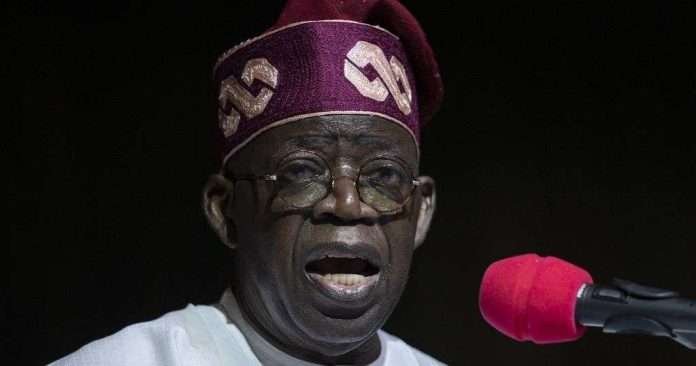
    Abuja, Nigeria – (African Boulevard News) – Nigeria’s President Bola Tinubu has suspended the country’s anti-corruption chief, who is under investigation for abuse of office, the government has announced. The suspension of the Economic and Financial Crimes Commission (EFCC) chief, Abdulrasheed Bawa, was announced by the government on Tuesday, June 15, 2023, in a statement by the presidential spokesman.

    The government’s statement reads: “President Bola Tinubu has approved the suspension of Abdulrasheed Bawa as the executive chairman of the EFCC. This is to allow for an unhindered investigation into allegations of corruption and abuse of office against him.”

    The EFCC is a key agency charged with fighting corruption in Nigeria. Its operations have been a major focus of President Tinubu’s administration, which has promised to tackle corruption head-on. The agency has been involved in several high-profile cases, including the prosecution of former state governors and senior officials accused of fraud and embezzlement.

    The announcement of Bawa’s suspension has sparked mixed reactions from Nigerians. Many see it as a necessary step towards ensuring transparency and accountability in the anti-corruption agency, while others view it as a politically motivated move aimed at curbing the EFCC’s powers.

    Speaking on the matter, a political analyst, Dr. Babatunde Adeoye, said the suspension of the EFCC boss was a welcome development. “If there are allegations of corruption against the head of the anti-corruption agency, then it is only right that he steps aside to allow for the investigation to be carried out unhindered. This is a clear indication that President Tinubu is committed to fighting corruption without fear or favor.”

    Meanwhile, some opposition parties have criticized the suspension, calling it a ploy to weaken the EFCC and prevent it from carrying out its mandate effectively. The Peoples Democratic Party (PDP) said the suspension was an attempt to shield corrupt individuals in government from prosecution.

    In conclusion, the suspension of the EFCC chief, Abdulrasheed Bawa, is a significant development in Nigeria’s fight against corruption. It demonstrates the government’s commitment to holding public officials accountable for their actions and ensuring that the anti-corruption agency remains transparent and effective. However, it is crucial that the investigation is carried out impartially and without any political interference to uphold the integrity of the process.

    Africa: FIFA’s First Female Secretary General Resigns After 5 Years of Championing Reform and Empowering Women

    0
    Read Time:1 Minute, 57 Second

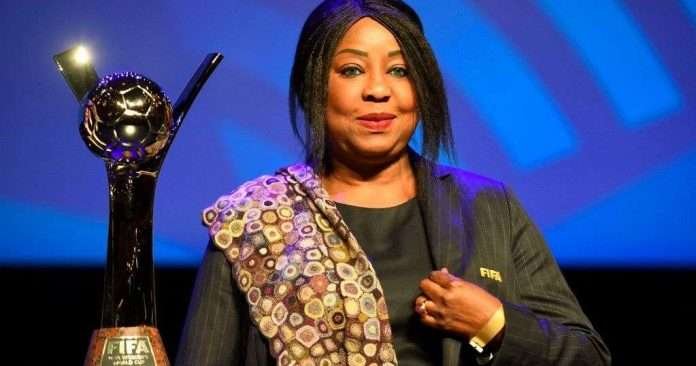
    Diaspora, Africa – (African Boulevard News) – After serving at the helm of FIFA as secretary general for five years, Fatma Samoura has announced her resignation. Samoura became FIFA’s first woman and first non-European secretary general in 2016.

    According to FIFA’s statement released on Tuesday, Samoura has expressed her desire to devote more time to her family and return to her home country, Senegal. She will step down from the position at the end of the year.

    FIFA President, Gianni Infantino, praised Samoura for her contribution to the organization, saying, “Fatma has done an extraordinary job at FIFA over the last five years. She came into the organization at a difficult moment, and her tremendous energy and vision helped us to overcome many challenges and to achieve many milestones.”

    During her tenure, Samoura oversaw the overhaul of FIFA’s governance structure and the implementation of various reforms that followed the corruption scandal that rocked the organization in 2015. She also served as the FIFA General Delegate for Africa, working to promote football on the continent.

    Samoura’s departure comes at a time when FIFA is facing renewed scrutiny over human rights abuses in Qatar, which is set to host the 2022 World Cup. Critics have accused FIFA of failing to address worker exploitation and deaths linked to the construction of stadiums and infrastructure for the tournament.

    Samoura’s resignation has led to speculation about her future plans and potential successors. A number of names have been touted in the media, including FIFA’s Chief Legal Officer, Emilio García Silvero, and South African billionaire Patrice Motsepe, who was recently elected as the new president of the Confederation of African Football (CAF).

    While Samoura’s departure will undoubtedly leave a void at FIFA, her legacy as a trailblazer for women in sports administration and a champion of reform will endure. Her leadership has inspired countless women and girls across the world to pursue their dreams and break barriers in traditionally male-dominated fields.

    In conclusion, Fatma Samoura’s resignation as FIFA’s secretary general marks the end of an era, but it also presents an opportunity for new leadership and fresh ideas to take the organization forward. As FIFA continues to navigate the challenges of the modern world, it will need to draw on the lessons learned from Samoura’s tenure and embrace the values of transparency, accountability, and inclusivity.

    Africa: Brazilian President Lula to Strengthen Political and Economic Ties with Eight African Countries

    0
    Read Time:1 Minute, 49 Second

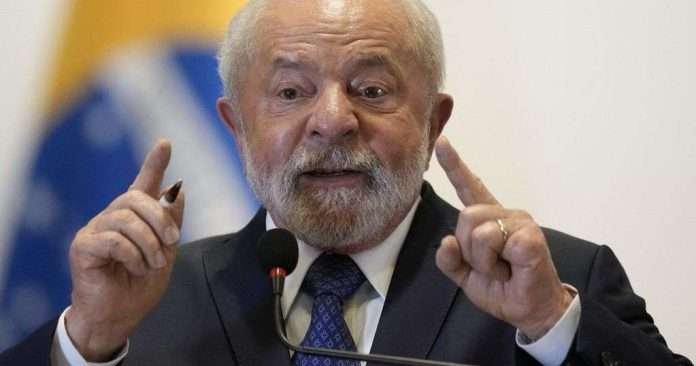
    Diaspora, Africa – (African Boulevard News) – Brazil’s President Lula, the former president of Brazil, plans to take two trips to Africa in August and September to strengthen political and economic ties between Brazil and African countries. The aim of his visit is to improve the trade relationships between African countries and Brazil. Lula’s visit to the African continent will take him to at least eight African countries.

    Many African countries are interested in making trade agreements with Brazil and have been seeking to establish a stronger relationship with the South American powerhouse. Brazil is one of the world’s largest emerging economies and has been working to strengthen trade ties globally.

    Lula’s first visit to the African continent will begin in August, and he will visit Angola, Mozambique, and South Africa. In September, he will visit Nigeria, Senegal, Ghana, Ethiopia, and Kenya. The visits are part of a broader push to strengthen the economic relationship between Brazil and Africa.

    The Brazilian government has made it clear that it sees Africa as a crucial partner in its efforts to further its trade relationships globally. The country is already a major exporter of products like soybeans, beef, and coffee to African countries, and Brazil is looking to increase the volume of its exports to the continent.

    According to the Brazilian Ministry of Foreign Affairs, Brazil-Africa trade increased by 19% in 2020, reaching a total of $19 billion. The same year, exports of Brazilian products to Africa were $11.3 billion, while imports from the continent were $7.7 billion.

    Lula’s visit to Africa is likely to boost the already strong ties between Brazil and African countries. His trip is also expected to improve investment opportunities between the two regions, opening up new markets and business opportunities for Brazilian companies.

    In conclusion, President Lula’s upcoming visits to Africa is a testament to the increasing importance of the African continent to the global economy. With Brazil’s strong economy and African countries’ growth potential, there is a lot that can be achieved through this partnership. As the world continues to face economic challenges, Brazil’s visit to Africa offers a glimmer of hope for countries seeking to improve their economies.

    Sudan: Civilians Suffering Immensely as Critical Shortages Worsen After 3 Months of Conflict.

    0
    Read Time:2 Minute, 2 Second

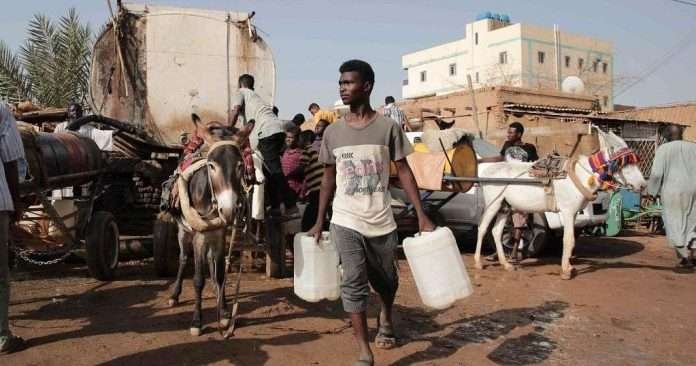
    Khartoum, Sudan – (African Boulevard News) – Sudan has been thrown into a deeper crisis with critical shortages as the conflict enters its third month. The devastating war has caused immense suffering for the people of Sudan who are struggling to meet the most basic of needs.

    “Honestly we are suffering a lot from this war that has been going for two months. It has been two months that we’re in a dire situation that no one is aware of but God Almighty, across the west,” said one Sudanese citizen.

    The conflict in Sudan has caused massive disruptions of essential services such as healthcare, education, and food supplies. The situation has been further complicated by critical shortages of fuel, electricity, and other basic commodities. Hospitals are operating with limited capacities, and the cost of healthcare has skyrocketed.

    Many citizens have been forced to flee their homes, seeking refuge in neighboring countries. Those who remain in Sudan are facing a daily struggle just to obtain basic necessities such as food and fuel. The scarcity of these essentials has driven prices up, making them unaffordable for many Sudanese people.

    The devastating effects of the civil war on the economy have led to a sharp increase in inflation. The Sudanese pound has plunged, and the prices of essential goods and services have surged. This has dealt a severe blow to the country’s economy, which was already struggling before the conflict broke out.

    The Sudanese government has been accused of failing to provide adequate relief to its citizens. Humanitarian organizations are struggling to provide aid to affected communities due to the insecurity in the conflict-affected areas.

    “The government is not doing enough to alleviate the suffering of its citizens. The situation is dire, and we need urgent intervention,” said a local NGO.

    The conflict in Sudan has not only adversely affected the Sudanese people but has also caused regional instability. The international community has called for an end to the conflict and for dialogue to find a lasting solution.

    In conclusion, the conflict in Sudan has thrown the country into a deeper crisis, with critical shortages of essential commodities causing immense suffering and hardship for the Sudanese people. Urgent intervention is needed to address the situation and provide relief to the affected communities. The government and the international community must work together to find a lasting solution to the conflict and bring an end to the suffering of the Sudanese people.