Saturday, May 2, 2026
81.8 F
Lagos
More
    Home Blog Page 337

    Mali

    0
    Read Time:1 Minute, 59 Second

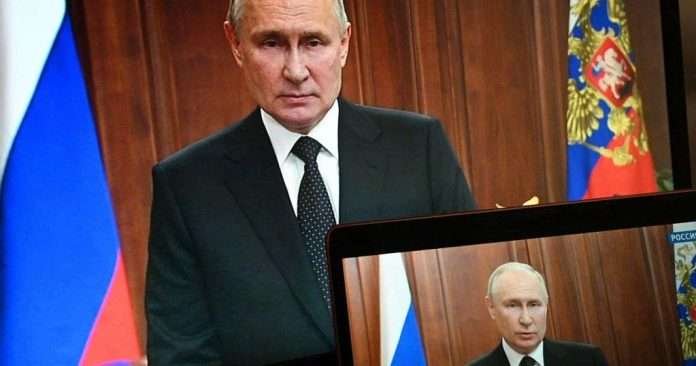
    Bamako, Mali – (African Boulevard News) – The recent mutiny in Russia by the Wagner group has caused concern in Mali and the Central African Republic (CAR). According to reports, the group, which is a private military contractor, has been involved in several conflicts in Syria and Libya, and has close ties to the Kremlin. The mutiny, which occurred in early July, has raised questions about the group’s future, and its potential impact on other conflicts across the world.

    The events in Russia have not gone unnoticed in Mali and CAR, where Wagner has been involved in several conflicts. In Mali, the group has been accused of human rights violations and war crimes, and has been involved in several clashes with French and UN forces. In CAR, the group has been accused of supporting former President Francois Bozize, who was overthrown in a coup in 2013. The group has also been accused of committing atrocities against civilians.

    The mutiny in Russia has raised concerns about the group’s future, and its potential impact on other conflicts across the world. According to reports, the group is highly organized and well-equipped, and has close ties to the Kremlin. The group’s involvement in conflicts across the world has raised concerns about Russia’s foreign policy, and the Kremlin’s support for the group.

    Experts have also raised concerns about the group’s potential impact on stability in Mali and CAR. According to one expert, “The events in Russia have raised questions about the group’s future. If the group were to disband, it could create a power vacuum in Mali and CAR, which could be exploited by other armed groups.”

    The mutiny in Russia has also raised concerns about the role of private military contractors in conflicts across the world. According to one expert, “The events in Russia have highlighted the dangers of using private military contractors. These groups operate outside of the law, and their actions can have serious consequences for civilians and for international stability.”

    In conclusion, the mutiny in Russia by the Wagner group has caused concern in Mali and CAR, where the group has been involved in several conflicts. The group’s future is uncertain, and its potential impact on other conflicts across the world is a cause for concern. Experts have called for greater scrutiny of private military contractors, and for measures to be taken to ensure that their actions are held accountable.
    Africa: Russian Paramilitary Group Wagner Stages Mutiny, Raising Concerns In The Region And Calls For International Action

    0
    Read Time:1 Minute, 57 Second

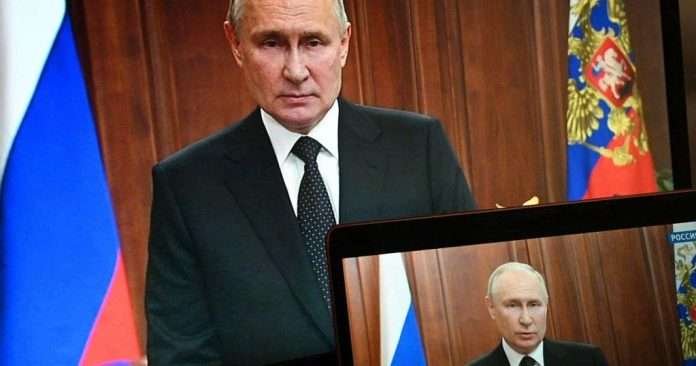
    Diaspora, Africa – (African Boulevard News) – An alarming situation is unfolding in Russia, and Africa is watching with concern as the Wagner Group, a Russian paramilitary group known for its ties to the Kremlin, stages a mutiny. The group’s head, Yevgeny Prigozhin, a Russian oligarch and close ally of Russian President Vladimir Putin, is reportedly behind the uprising.

    The Russian capital and the regions of Rostov, which borders Ukraine, and Lipetsk announced on Saturday that they were stepping up their security arrangements after the news of the mutiny broke.

    The Wagner Group is known for its involvement in conflicts across Africa, including the Central African Republic, Libya, and Sudan. The group’s actions have been controversial, with reports of human rights abuses and war crimes.

    This latest development has raised concerns in Africa, where the Wagner Group’s activities have already caused alarm. Many are worried about the group’s potential to fuel instability and violence in the region, particularly given its links to the Kremlin.

    “The Wagner Group has been a source of concern for a while now, and this latest development only adds to the worry,” said political analyst James Brown. “The group’s activities in Africa have caused significant problems, and there is a real concern about what they may do next.”

    The mutiny, which appears to be aimed at securing more control and power for Prigozhin, is just the latest in a series of controversies surrounding the Wagner Group. The group has been accused of everything from election interference to running illegal mines in Africa.

    “The Wagner Group is a highly controversial and shadowy organization, and it’s worrying to see them staging a mutiny,” said human rights activist Maryam Ahmed. “Their activities in Africa have caused significant harm, and it’s time for the international community to take action to stop them.”

    As the situation in Russia continues to unfold, Africa will be watching closely. Many are calling for increased international pressure on the Kremlin to reign in the Wagner Group and put an end to its harmful activities in Africa and beyond.

    “The Wagner Group is a threat to stability and peace in Africa, and it’s time for the international community to take the necessary steps to stop them,” said Ahmed. “We cannot afford to sit back and watch as this group continues to cause harm and undermine democracy and human rights.”

    Sierra Leone: A Battle for Democracy amidst Economic Turmoil and Deadly Clashes

    0
    Read Time:1 Minute, 52 Second

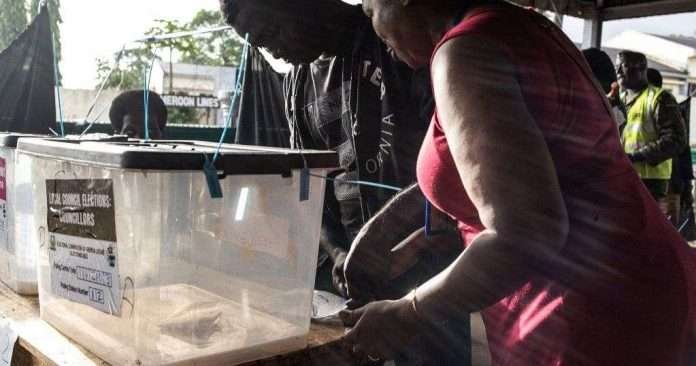
    Freetown, Sierra Leone – (African Boulevard News) – Sierra Leoneans have started to cast their votes in the fiercely contested presidential and parliamentary elections amid a cost-of-living crisis that led to deadly riots last year. The election is expected to be a close race between the ruling Sierra Leone People’s Party (SLPP) and the main opposition All People’s Congress (APC).

    The election campaigns were filled with tensions and allegations of violence, which made several international observers raise concerns about the validity of the election results. However, the National Electoral Commission (NEC) reassured voters that the voting process would be transparent and fair.

    To ensure that the elections are not marred by violence, the government has deployed over 30,000 security personnel and has imposed a ban on the sale and consumption of alcohol on election day.

    As voters line up to cast their ballots, they expressed their concerns about the economy and the cost of living. The country has been gripped by an economic crisis, which has led to widespread poverty, high unemployment rates and inflation. Some voters hope that a new government would be able to turn the country’s fortunes around.

    “The economy is in shambles, and we need a leader who can put the country back on its feet,” said Mariama Bah, a voter queuing to cast her ballot.

    Sierra Leoneans are hopeful that the peaceful elections would strengthen their democracy and set an example for other African countries.

    “This is a critical moment for our democracy, and we must ensure that the election is free and fair,” said Abdulai Bah, a human rights activist.

    The international community is closely monitoring the election, with many expressing their hope that the country would have a peaceful and democratic transition of power.

    “The eyes of the world are on Sierra Leone, and we hope that this election would be a step towards a more peaceful and prosperous country,” said Antonio Guterres, the United Nations Secretary-General.

    In conclusion, the Sierra Leonean elections are a crucial moment for the country, with the outcome set to have significant impacts on the economy and the country’s democracy. As the votes continue to be counted, Sierra Leoneans remain hopeful that the election would be free, fair and peaceful.

    Senegal: Sheep Herders Face Uncertainty Ahead of Tabaski Festival due to Political Turmoil and COVID-19.

    0
    Read Time:2 Minute, 1 Second

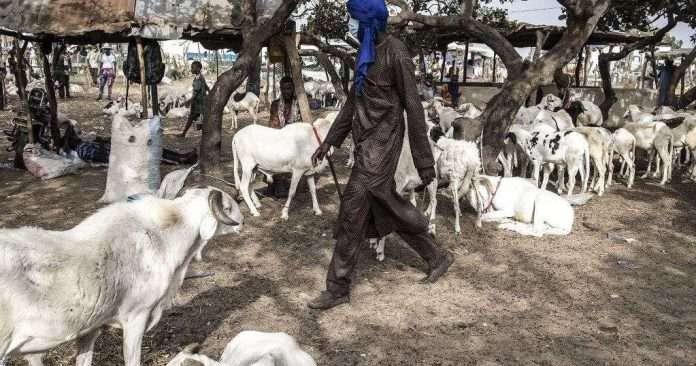
    Dakar, Senegal – (African Boulevard News) – Unrest in Senegal is hampering the preparations of the country’s sheep herders ahead of the Muslim holiday, Aid-al-Adha, also known as Tabaski in Western Africa. This annual religious festival is celebrated by Muslims worldwide, with the slaughtering of sheep being a significant part of the festivities.

    Senegal, the most populous country in West Africa, is known for its sheep farming, especially during the Tabaski festival, where thousands of sheep are purchased and prepared for sacrifice in Muslim households. However, the country’s recent political turmoil has disrupted this year’s preparations, causing concern among the local population.

    The ongoing political protests in Senegal have resulted in shortages of animal feed, high transportation costs, and increased insecurity, making it challenging for sheep herders to deliver their livestock to the market. This year, due to the COVID-19 pandemic, Senegal has also closed its borders, making it even more difficult to import livestock from neighboring countries.

    According to local farmers, this year’s Tabaski festival is going to be different from previous years since they have been unable to market their animals as usual. They are also worried that there may not be enough sheep available for purchase, and the price of livestock may skyrocket due to the reduced supply.

    Boubacar Thiam, a sheep herder in Senegal, says, “We are facing a significant challenge this year. We have been unable to sell our sheep due to the political crisis, and the animals are beginning to lose weight. I fear that we will not be able to make enough money to provide for our families during the holiday season.”

    The Senegalese government has pledged to support the farmers by providing them with animal feed and subsidizing the cost of transportation. However, the farmers say that these initiatives are not enough to address their concerns.

    In conclusion, the unrest in Senegal is having a ripple effect on the country’s sheep herders and the preparations for the upcoming Tabaski festival. With the political crisis and the border closures, the farmers are struggling to sell their sheep, leading to a shortage of supply and increased prices. The Senegalese government’s intervention is welcome, but it may not be sufficient to alleviate the concerns of the farmers. As we approach the holiday season, it remains to be seen how the situation will unfold and how the farmers will cope with the challenges posed by the current uncertainty.

    Tunisia: Outrage as State Prosecutor Blocks Release of Opposition Figure, Chaima Issa, Sparking Accusations of Political Persecution and Intimidation

    0
    Read Time:1 Minute, 58 Second

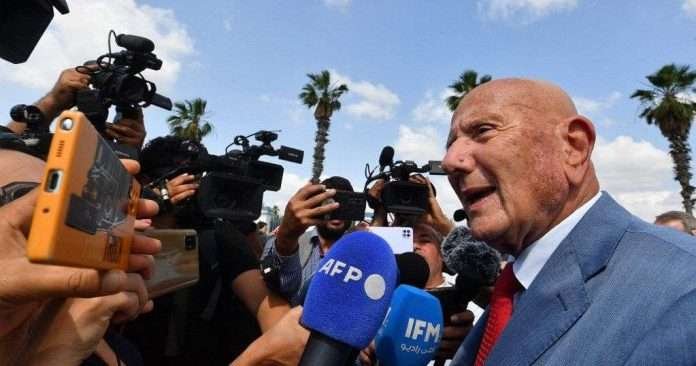
    Tunis, Tunisia – (African Boulevard News) – The Tunisian state prosecutor has blocked the release of opposition figure, Chaima Issa, who was detained four months ago on charges of plotting against the state. The prosecutor, on Friday, appealed against a judge’s decision to release him.

    The decision has sparked outrage among supporters of Issa, who believe he is being unfairly targeted by the government. Issa’s detention has been a cause of concern for many who believe that the government is cracking down on opposition figures and dissent in the country.

    Issa is a well-known activist who has been involved in several protests against the government. He was arrested in February this year on charges of inciting violence during a demonstration. He has been in custody since then, and his case has garnered international attention.

    The prosecutor’s decision to block his release has been met with criticism from human rights groups and activists. They believe the government is using the judicial system to silence dissenting voices.

    “Chaima Issa’s detention is a clear attempt to stifle dissent and intimidate those who speak out against the government,” said a spokesperson for Amnesty International. “The prosecutor’s decision to block his release is a blatant violation of his human rights and a further erosion of Tunisia’s democratic credentials.”

    The Tunisian government has denied that Issa is being targeted for his political activism. They have maintained that he is being held on legitimate charges. However, his supporters believe that he is being punished for his outspoken criticism of the government.

    The decision to block Issa’s release comes at a time when Tunisia is facing significant political and economic challenges. The country is grappling with high levels of unemployment, rising inflation, and a looming public debt crisis. The government has been criticized for its handling of these issues, and there have been calls for political reform and greater transparency.

    The decision to block Issa’s release is likely to fuel tensions between the government and its critics. It remains to be seen how this will affect the country’s already fragile political landscape.

    In conclusion, the decision by the Tunisian state prosecutor to block the release of Chaima Issa is a concerning development for human rights activists and supporters of the opposition. The case highlights the challenges facing Tunisia as it seeks to navigate its way towards a more democratic and open society.

    Mali: Historic Vote for New Constitution Achieves 97% Approval, Marking a New Era of Democracy

    0
    Read Time:1 Minute, 47 Second

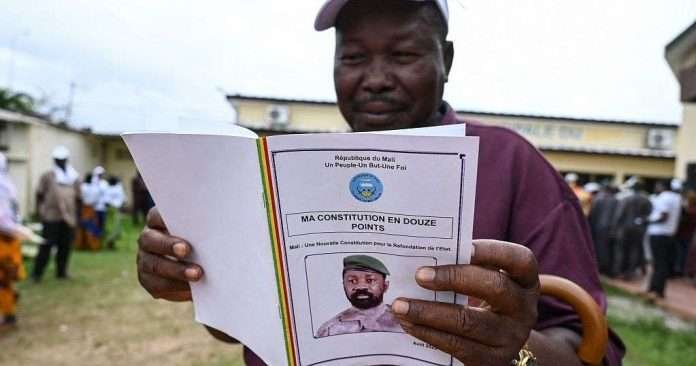
    Bamako, Mali – (African Boulevard News) – The Malians have overwhelmingly voted in favor of a new constitution, with 97% of the votes, according to the provisional results released by the electoral authority on Friday. The vote marks a significant milestone in the country’s efforts to restore democracy after a military coup in 2020.

    The new constitution, submitted by the junta in power, aims to strengthen the country’s democratic institutions and promote peace and stability. It includes provisions for decentralization, gender equity, and the protection of human rights, among others.

    The turnout was relatively low, with only 42% of the electorate casting their ballots, according to the electoral authority. However, this did not dampen the enthusiasm of those who did participate, as many celebrated in the streets of Bamako after the results were announced.

    “This is a historic moment for us,” said Mamadou Diarra, a resident of Bamako. “We have been waiting for this for so long. Now we can finally move forward and build a better future for our country.”

    The new constitution has received widespread support from both local and international stakeholders, who hope it will pave the way for free and fair elections in the coming months.

    “The approval of the new constitution is a testament to the Malian people’s commitment to democracy and the rule of law,” said Dr. Amina Mahamudu, an expert on African politics. “We hope that the new constitution will provide a solid foundation for the country’s democratic institutions and help to prevent future coups.”

    Despite the positive reception, some have voiced concerns about the lack of participation in the vote, with opposition parties calling for a rerun. Others have criticized the exclusion of some ethnic groups from the drafting process, arguing that it could lead to further divisions within the country.

    Nonetheless, the approval of the new constitution by such an overwhelming majority is a significant step forward for the country, which has been plagued by political instability and violence in recent years. It is hoped that the new constitution will provide a solid foundation for the country’s democratic institutions, promote peace and stability, and help to prevent future coups.

    Kenya: Sebastien Ogier Dominates the Safari Rally, Proving Why He’s One of the Best in the Game

    0
    Read Time:1 Minute, 59 Second

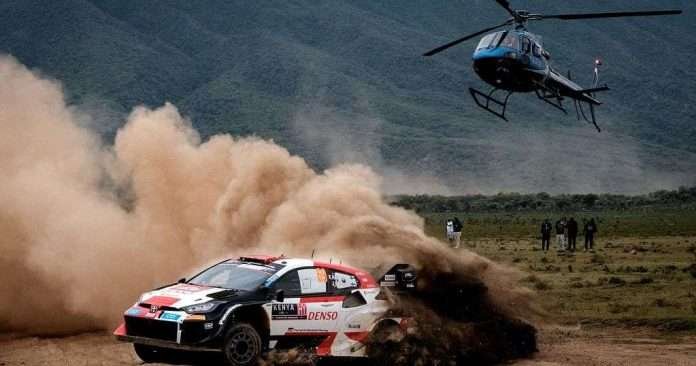
    Nairobi, Kenya – (African Boulevard News) – The sounds of roaring engines and cheering crowds filled the air on Friday afternoon as Sébastien Ogier extended his lead in the Safari Rally Kenya. A seasoned rally driver, he continued to showcase his skills and prove why he is a force to be reckoned with.

    Ogier, who is from France, dominated the rally from the onset and maintained his lead throughout. The second day of the race saw him pushing the limits and taking risks on the rough and challenging terrain that characterizes the event.

    The world champion driver is not new to the Safari Rally Kenya, having mastered the course during his previous exploits. However, the 2023 event has been tougher than ever before, with numerous obstacles and challenges that drivers have had to navigate.

    Despite the harsh conditions, Ogier has retained his composure and focus, working hand-in-hand with his team to ensure that they stay ahead of the competition. Speaking after the race, he commended his team for their exceptional efforts and commitment.

    “I am thrilled with how things have gone so far. The team has been fantastic, and we have been able to execute our strategy well. However, we know that the race is far from over, and we will need to stay focused if we are to emerge victorious,” said Ogier.

    The rally, which is part of the World Rally Championship, has attracted top drivers from around the globe. It is a high-stakes competition that demands skill, precision, and endurance from participants. For this specific race, drivers have had to cover a distance of more than 1000 km across various terrains in Kenya.

    As the race progresses, spectators are on the edge of their seats, eagerly anticipating a nail-biting finish. Ogier’s dominance hasn’t gone unnoticed, with fans and rally enthusiasts alike praising his impressive performance.

    The Frenchman’s focus and determination have taken him far in the sport, and he is showing no signs of slowing down. As the race continues, all eyes will be on him to see if he can maintain his lead and clinch yet another victory.

    In conclusion, Sébastien Ogier has proved why he is one of the best in the game, extending his lead in the Safari Rally Kenya. His performance has been nothing short of impressive, and he is well on his way to securing yet another win.

    Africa: Saudi Arabia’s Modernization and Potential 2030 World Expo Host Status could Boost Tourism and Economy

    0
    Read Time:2 Minute, 15 Second

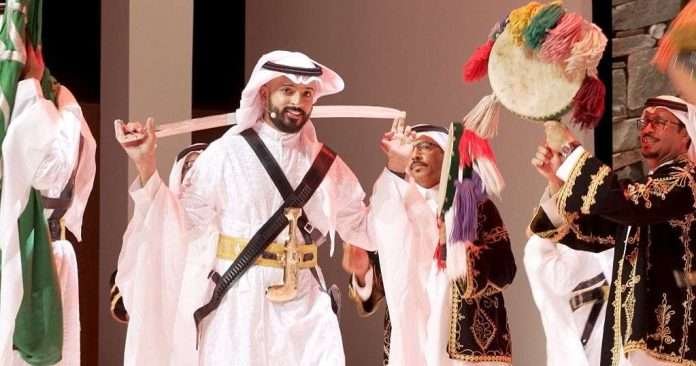
    Diaspora, Africa – (African Boulevard News) – Saudi Arabia has been making several significant strides towards modernization in recent years. The country has undergone several changes amidst rapid social and economic transformations, from the reduction of its dependence on oil revenues to the adoption of progressive social reforms. As a result, Saudi Arabia is steadily positioning itself as a top tourist destination in the Middle East. Riyadh, the vibrant capital of Saudi Arabia, has also been chosen as the potential host of the 2030 World Expo, which would be a significant boost to the country’s tourism industry.

    One of the most notable changes in recent times is the country’s focus on diversifying its economy and reducing its dependence on oil. Saudi Arabia’s Vision 2030 plan is a blueprint for these efforts, which include attracting foreign investment and increasing the participation of women in the workforce. According to Mughees Shaukat, the Director of Saudi Arabia’s National Industrial Development and Logistics Program, “We are trying to transform Saudi Arabia and create a diversified economy that can survive beyond oil.”

    Another significant transformation in Saudi Arabia is the country’s social reforms, which have been designed to empower and grant more freedom to women. These reforms include granting women the right to drive and allowing them to travel without the consent of a male guardian. These changes have enabled more women to enter the workforce and pursue their ambitions, which have had a positive impact on the economy.

    Saudi Arabia’s growing interest in tourism is also evident in its efforts to attract more visitors to the country. International tourism was almost non-existent in the country until a few years ago, but today, Saudi Arabia is aggressively promoting its heritage sites, museums, and cultural events. Riyadh, the capital city, is already a popular destination for business travelers, and the country hopes to expand its tourism industry to include leisure travelers.

    The potential of Riyadh hosting the 2030 World Expo is also a significant boost to the country’s tourism industry. The expo would provide an excellent opportunity for the country to showcase its progress and achievements while also boosting its economic and tourism sectors. The event would also provide a platform to highlight Saudi Arabia’s commitment to sustainability, which is one of the themes of the expo.

    In conclusion, Saudi Arabia is undergoing a significant transformation, with a strong focus on modernization and diversification of its economy. The country’s recent social and economic reforms are setting it on a path to a brighter future, and the potential hosting of the 2030 World Expo in Riyadh would be a crowning achievement. The progress made in the country is a testament to the Saudi leadership’s dedication and commitment to change.

    Africa: A Glimpse of Progress and Innovation Through Captivating Pictures of the Day

    0
    Read Time:2 Minute, 9 Second

    “Diaspora, Africa – (African Boulevard News) – Africanews samples the best pictures of the day’s news, and we have picked some of the best and most captivating pictures of June 23, 2023. From the world of politics to entertainment and sports, these pictures tell a compelling story.

    Politics: President Kagame meets with President Xi Jinping
    Rwanda’s President Paul Kagame met with China’s President Xi Jinping in Beijing to discuss trade, economic growth and the Belt and Road Initiative. The two leaders pledged to strengthen their cooperation and deepen ties between their countries. This meeting was timely as Rwanda seeks to diversify its economic partnerships beyond traditional Western powers.

    Entertainment: Angelique Kidjo performs live in Paris
    The Grammy Award-winning artist, Angelique Kidjo, graced the stage at the iconic Olympia music hall in Paris. The Beninese singer and activist thrilled the audience with a blend of her traditional African rhythms and modern pop music. Angelique Kidjo’s music has always been an expression of her African roots and her performance in Paris was a perfect fusion of both worlds.

    Sports: South Africa Wins Gold at the African Cup of Nations
    The South African national football team beat Egypt’s Pharaohs 2-0 in the final of the African Cup of Nations held in Morocco. The victory came as a surprise to many as Egypt was considered the favourite to win. The South African national team has made history by winning the African Cup of Nations for the first time in their history.

    Technology: Kenya Launches 5G Network
    Kenya became the first country in Africa to launch 5G technology. The ultra-fast network was launched by the country’s leading mobile service provider, Safaricom. The 5G network is expected to revolutionize the way people communicate, and it will enable faster internet speeds and better connectivity.

    Innovation: Ghana’s Bamboo Bicycles
    Ghana’s young entrepreneurs, Bernice Dapaah, and Kwabena Danso, are changing the cycling landscape in Africa by producing bicycles made from bamboo. These bicycles are not only environmentally friendly, but they are also affordable, durable and can be used on any terrain. Bernice and Kwabena have created a sustainable business model that has provided employment to over 30 people.”

    These pictures tell a story of progress, innovation, and excellence in different fields. From technology to entertainment and sports, Africa is making significant strides and breaking barriers. The continent is home to young people who are using their creativity and innovation to solve problems and drive economic growth. As we look forward to the future, we can only be optimistic about the potential and possibilities that Africa holds.

    Nigeria: Displaced families in overcrowded and neglected camps fight to survive jihadist conflict

    0
    Read Time:1 Minute, 58 Second

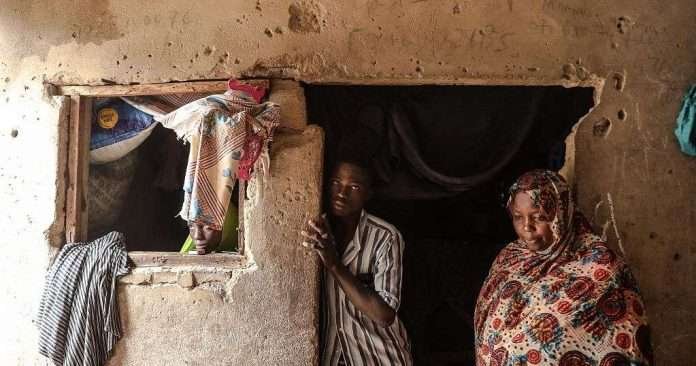
    Abuja, Nigeria – (African Boulevard News) – Overcrowding, poor sanitation, and a lack of basic essentials are just some of the challenges faced by the thousands of people living in displacement camps across northeast Nigeria.

    According to reports, a dozen camps have been closed by authorities in the region, leaving remaining camps increasingly overwhelmed by the influx of people displaced by the jihadist conflict. The situation is dire, and humanitarian organizations are struggling to meet the basic needs of those affected.

    “The displacement crisis in Nigeria is one of the biggest in the world, with over two million people forced to flee their homes due to the ongoing conflict,” said Aimee Ansari, Country Director for Care International in Nigeria.

    Ansari added, “The situation in the displacement camps is a ticking time bomb, with the risk of disease outbreaks and other health hazards increasing every day.”

    The camps, which were initially established to provide temporary shelter for those displaced by the conflict, are now being used as semi-permanent settlements. This has put immense pressure on already stretched resources, with insufficient funds available to support the growing number of people in need.

    “The situation is critical, and we urgently need more resources to scale up our response,” said Peter Lundberg, Deputy Humanitarian Coordinator in Nigeria.

    Lundberg added, “The Government and the international community must work together to ensure that those affected by the conflict receive the support they need to rebuild their lives.”

    Humanitarian organizations are calling on the government to provide more funding for the camps and to work towards finding a long-term solution to the conflict in the region.

    “The government must prioritize the needs of those affected by the conflict and work towards finding a permanent solution that will enable people to return to their homes and rebuild their lives,” said Ansari.

    As the crisis continues, there is a growing need for international support to help those affected by the conflict. Organizations such as Care International, the Red Cross, and UNICEF are among those working to provide emergency relief to people in the region, but more needs to be done.

    The situation in northeast Nigeria is a stark reminder of the devastating impact of conflict on communities and the urgent need for governments and the international community to work together to find lasting solutions that will enable people to rebuild their lives.