Sunday, May 3, 2026
79.6 F
Lagos
More
    Home Blog Page 327

    Egypt’s Cement Industry Hangs in Balance as Renewal of Quotas Looms, Private-Sector Producers Fear the Worst

    0
    Read Time:2 Minute, 12 Second

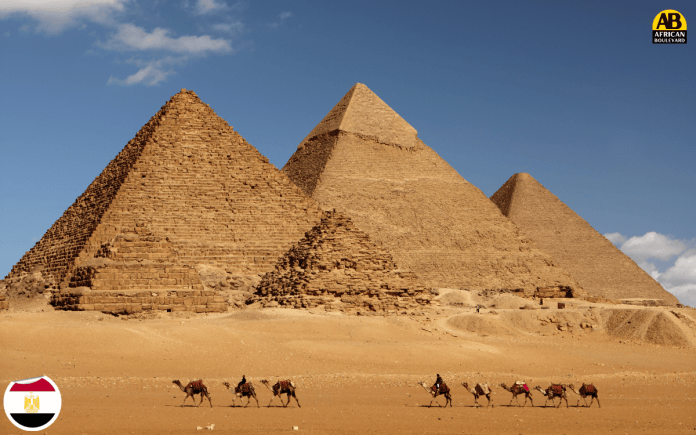
    Cairo, Egypt – (African Boulevard News) – Private-sector cement producers in Egypt are anxiously awaiting the renewal of cement quotas, which have been in force since July 2021. These production restrictions have provided a lifeline to private-sector players in a sector plagued by overproduction and intense competition.

    The cement industry in Egypt has experienced a boom in recent years, with an abundance of cement production facilities. However, this has led to an oversupply in the market, resulting in lower prices and reduced profit margins for producers. To address this issue, the government implemented quotas to regulate production and stabilize the market.

    The quotas have had a significant impact on private-sector producers, as they allow for a fairer distribution of market share and ensure a level playing field. By limiting the amount of cement that can be produced, the government aims to prevent a further decline in prices and ensure the sustainability of the industry.

    Industry experts acknowledge the positive effects of the quotas on private-sector producers. Ahmed Hassan, a cement industry analyst, states, “The quotas have provided a much-needed relief for private-sector producers who were struggling to compete with larger state-owned companies. It has allowed them to maintain their market share and protect their profitability.”

    However, there is a sense of urgency among private-sector producers as the current quotas are set to expire soon. They are eagerly awaiting the government’s decision on whether to renew the quotas and, if so, what the new limits will be.

    The renewal of cement quotas will have a direct impact on private-sector producers’ production plans and investments. It will also determine their ability to compete in a highly competitive market.

    “The renewal of quotas is crucial for the survival of private-sector producers,” says Hisham Abdel-Rahman, CEO of a leading cement company. “Without the quotas, we will face an onslaught of overproduction, which will lead to a further decline in prices and put many producers out of business.”

    There is optimism among private-sector producers that the government will renew the quotas, given their positive impact on the industry. However, they hope that the renewal process will be transparent and considerate of the private sector’s needs.

    In conclusion, the private-sector cement producers in Egypt are eagerly anticipating the renewal of cement quotas, which have provided much-needed stability to the industry. The quotas have leveled the playing field and protected private-sector players from the adverse effects of overproduction. With the new quotas soon to be announced, private-sector producers hope for a fair and sustainable allocation that will enable them to continue competing in the market.
    Africa: Italian Premier Calls for New Era of Equality and Cooperation to Address Migration Crisis

    0
    Read Time:2 Minute, 2 Second

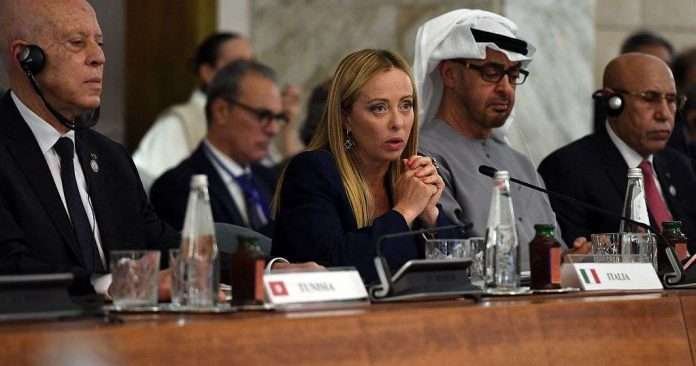
    Diaspora, Africa – (African Boulevard News) – Italy hosted a high-level conference on Sunday to address the ongoing issue of migration across the Mediterranean. The summit, convened by Italian Premier Giorgia Meloni, brought together representatives from some 20 nations, including EU member states and countries of origin and transit.

    Meloni called for new and more equal relationships between Europe and the migrants’ countries of origin and transit. In her opening remarks, she emphasized the importance of finding sustainable solutions that protect the rights and dignity of migrants while also addressing the concerns and challenges faced by host countries.

    The conference aimed to foster dialogue and cooperation among participating nations to develop strategies that can effectively manage migration flows and ensure the well-being of all involved parties. It recognized the need for collective action and shared responsibility in addressing this complex issue.

    One of the key topics discussed during the conference was the need for enhanced cooperation in combating human trafficking and smuggling networks. Participants emphasized the importance of disrupting these criminal activities, which exploit vulnerable individuals and put their lives at risk.

    Harmonizing migration policies and procedures was also a focal point of the discussions. The conference acknowledged the need for clearer and more streamlined processes to facilitate safe and legal migration. This includes the establishment of legal pathways for migrants to access employment and education opportunities in destination countries.

    The conference also highlighted the importance of addressing the root causes of migration, such as poverty, conflict, and lack of economic opportunities. Participants stressed the need for increased investment in countries of origin and transit to create sustainable development and improve the lives of their citizens.

    In her closing remarks, Meloni expressed her hope that the conference would mark the beginning of a new era of cooperation and understanding. She emphasized the importance of working together to find comprehensive and long-term solutions to the challenges posed by migration.

    This conference serves as a crucial step towards addressing the complex issue of migration across the Mediterranean. By bringing together nations from various regions, it provides an opportunity to foster dialogue and develop effective strategies to manage migration flows. The commitment to equality, cooperation, and shared responsibility shown during the conference is a positive sign for the future. As the discussions continue, it is essential to keep the well-being and rights of migrants at the forefront and work towards sustainable solutions that benefit all parties involved.

    Cameroon: Tragedy Strikes as Building Collapses, Trapping Lives Under Rubble. Rescue Race Against Time Underway

    0
    Read Time:2 Minute, 2 Second

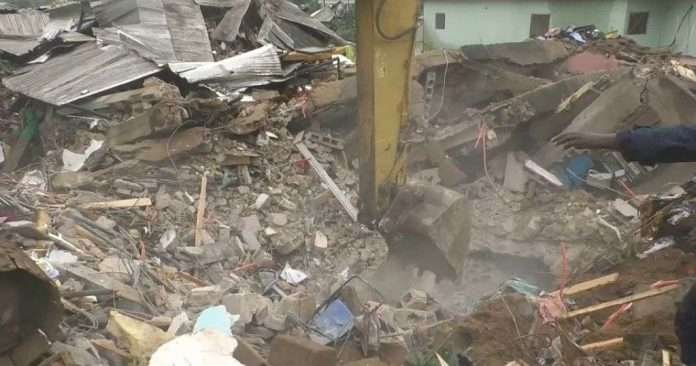
    Yaounde, Cameroon – (African Boulevard News) – A catastrophic incident occurred in Cameroon when a four-storey building collapsed, resulting in multiple casualties and injuries. Rescue workers are currently engaged in a race against time to locate survivors amidst the debris.

    The tragic incident took place in an urban area, where the building suddenly crumbled, trapping numerous individuals inside. Witnesses reported hearing loud noises before the collapse, causing panic and chaos among the residents.

    The exact number of casualties and injuries is yet to be determined, as rescue operations are still underway. However, local authorities estimate that the toll could be substantial. Emergency services have been mobilized to manage the situation and provide aid to the victims.

    Speaking on the incident, the spokesperson for the local fire department, Emmanuel Nji, expressed concern for the victims and emphasized the challenging nature of the rescue operation. He stated, “Our thoughts are with those affected by this tragic incident. We are doing everything in our power to reach survivors and treat the injured. The rescue operation is complex, involving the use of heavy machinery to remove the rubble carefully.”

    A building collapse of this magnitude raises questions about the enforcement of safety regulations and construction standards in the country. Many experts have warned in the past about the need for stricter building codes and improved monitoring to prevent such devastating incidents.

    Cameroon has witnessed a rapid urbanization and construction boom in recent years, which has led to a surge in both legal and illegal construction projects. This growth, coupled with lax enforcement, has resulted in safety concerns.

    John Nkengasong, an architect with extensive experience in urban development, has advocated for a comprehensive review of construction practices and regulations. He stated, “It is crucial for authorities to take immediate action and ensure that all buildings meet safety standards. This includes conducting regular inspections, strengthening enforcement, and holding those responsible for violations accountable.”

    The collapse of the four-storey building in Cameroon serves as a poignant reminder of the importance of prioritizing safety in construction projects. As the rescue efforts continue, the nation mourns the lives lost and prays for the recovery of those injured.

    In a time when urban development is rapidly transforming the landscape of African cities, it is imperative that governments and stakeholders prioritize the safety and well-being of their citizens. Only through rigorous implementation of regulations and continuous monitoring can such catastrophic incidents be prevented in the future.

    Egypt: Released Human Rights Campaigner Vows to Defy Injustice, Sparks Global Outcry and Inspires Hope

    0
    Read Time:2 Minute, 11 Second

    Cairo, Egypt – (African Boulevard News) – After spending more than two years behind bars, Egyptian human rights activist, Patrick George Zaki, has been released from prison. Despite enduring the hardships of imprisonment, Zaki remains undeterred and has pledged to continue his work in challenging injustice in Egypt.

    Zaki, a prominent campaigner for human rights and social justice, was arrested in February 2021 on trumped-up charges including inciting violence and spreading false news. His arrest sparked international outcry, with human rights organizations and activists around the world calling for his immediate release.

    During his time in prison, Zaki faced numerous challenges, including harsh conditions and limited access to legal representation. However, his resolve to fight for justice remained unshaken. In a recent interview, Zaki expressed his determination to carry on with his work, stating, “My time in prison only strengthened my commitment to the cause of human rights. I will not be silenced by their attempts to intimidate me.”

    Zaki’s release comes as a relief to his family, friends, and supporters who have tirelessly campaigned for his freedom. His case had become a symbol of the Egyptian government’s crackdown on dissent and the shrinking space for civil society in the country.

    Amnesty International, one of the organizations that advocated for Zaki’s release, hailed his freedom as a significant step towards justice. In a statement, Amnesty International’s North Africa Campaigns Director, Najia Bounaim, said, “Patrick’s release is a victory for human rights, but the fight is far from over. We must continue to stand in solidarity with activists like Patrick, who risk their lives every day to defend human rights.”

    Zaki’s case is not an isolated incident in Egypt, where human rights defenders are routinely targeted and silenced for their work. According to Human Rights Watch, the Egyptian government has been increasingly cracking down on dissent, with arbitrary arrests, enforced disappearances, and torture becoming common practices.

    In the aftermath of his release, Zaki is determined to shed light on the plight of other political prisoners in Egypt. He plans to use his platform to raise awareness about their cases and advocate for their release. Zaki’s resilience and unwavering commitment have inspired many, and his fight for justice continues to serve as a beacon of hope in a country grappling with human rights abuses.

    As Egypt moves forward, it is crucial for the international community to continue supporting human rights defenders like Zaki and putting pressure on the Egyptian government to respect the rights and freedoms of its citizens. The release of Patrick George Zaki is undoubtedly a victory, but it is only the beginning of a long battle for justice.

    Kenya: Urgent Action Needed to Save Divided Giraffes from Extinction

    0
    Read Time:2 Minute, 5 Second

    Nairobi, Kenya – (African Boulevard News) – Masai giraffes in Kenya and Tanzania may face an increased risk of extinction after researchers discovered that the subspecies has divided into two distinct groups, hindering their ability to breed effectively. This concerning finding highlights the urgent need for conservation efforts to ensure the survival of these majestic creatures.

    The study, conducted by a team of scientists from various international institutions, revealed that the Masai giraffe, also known as Giraffa camelopardalis tippelskirchi, has split into the Maasai West and Maasai East subspecies. The genetic differentiation between these groups has made interbreeding difficult, potentially leading to reduced genetic diversity and a higher vulnerability to diseases and other threats.

    Dr. Anne Kinuthia, a conservation biologist involved in the research, expressed her concern, stating, “The division of the Masai giraffe subspecies is alarming as it not only affects their chances of mating but also hinders their ability to adapt to changing environments. This puts them at greater risk of extinction.”

    Experts believe that the division of the subspecies could be attributed to various factors, including habitat fragmentation, human encroachment, and climate change. These factors have likely isolated the giraffes into separate populations, limiting their gene flow and increasing the likelihood of inbreeding.

    Conservationists are calling for immediate action to protect and preserve the two subspecies of Masai giraffes. Efforts must be made to reconnect and restore fragmented habitats, implement effective wildlife corridors, and mitigate human-wildlife conflicts in order to enhance gene flow and promote successful breeding.

    Dr. Paul Gathitu, Head of Communications at the Kenya Wildlife Service, emphasized the importance of conserving the Masai giraffes. He says, “They are not only an iconic species in Africa, but they also play a key role in maintaining the balance of our ecosystems. The division of the subspecies is a wakeup call for strengthened conservation efforts.”

    To address this critical issue, governments, wildlife organizations, and local communities must collaborate to develop and implement conservation strategies tailored to the needs of the Masai giraffes. These efforts should aim to protect their habitats, raise awareness about their plight, and promote sustainable practices that ensure their long-term survival.

    The division of the Masai giraffe subspecies is a stark reminder of the urgent need to prioritize wildlife conservation. By taking immediate action and working together, we can ensure a brighter future for these magnificent creatures and preserve the biodiversity of our planet.

    Keywords: Masai giraffes, increased risk, subspecies divides, genetic differentiation, breeding, conservation efforts, extinction, habitat fragmentation, human-wildlife conflicts, wildlife conservation

    Kenya: Demanding Justice and Answers – Family of Slain Man Points Finger at President, Vows to Fight Police Brutality

    0
    Read Time:2 Minute, 6 Second

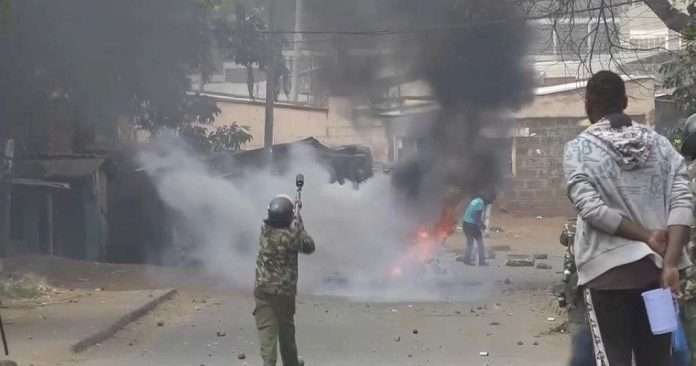
    Nairobi, Kenya – (African Boulevard News) – Kenyan family members are demanding answers and justice following the fatal shooting of a man by the police. They claim that President Ruto’s administration has not done enough to address their concerns, leaving them with a lingering sense of injustice.

    The family of the deceased has expressed their frustration and grief over the incident, which took place in the capital city of Nairobi. They are calling for a thorough investigation into the circumstances surrounding the shooting and are demanding accountability from the police officers involved.

    “We want to know why our loved one was killed and why no one has been held responsible for his death. We demand justice,” said Jane Kibet, a relative of the deceased.

    The incident has sparked public outrage and renewed calls for police reform in the country. Many Kenyans believe that incidents of police brutality and extrajudicial killings are far too common and often go unpunished.

    Human rights organizations have also spoken out against the incident and called for a transparent investigation. Amos Wanjala, a prominent human rights activist, expressed his concern over the lack of action from the government.

    “We cannot allow the police to continue operating with impunity. There must be consequences for their actions, and the government must take decisive steps to address these issues,” stated Wanjala.

    President Ruto’s administration has been under scrutiny for its handling of police misconduct cases. Critics argue that the government’s inaction and silence on the matter only perpetuate a culture of impunity within the police force.

    In response to the growing pressure, the government has promised to investigate the incident thoroughly. However, many Kenyans remain skeptical, given the long history of similar cases that have been met with little to no justice.

    The case has also reignited the national conversation on the need for police reform. Activists and civil society organizations are calling for additional training and accountability measures to ensure that such incidents are not repeated in the future.

    The family of the deceased hopes that their demands for answers and justice will not be in vain. They seek closure and assurance that the authorities will take swift action to prevent similar incidents from happening again.

    As the investigation unfolds, Kenyans are watching closely, hoping that this case will serve as a turning point in addressing police brutality and restoring trust in the justice system. It remains to be seen whether President Ruto’s administration will respond effectively to these demands and bring about the justice that the family and the nation seek.

    Botswana: Battle for Equality – Emotions Explode as a Nation Divided Over Legalizing Same-Sex Relations

    0
    Read Time:2 Minute, 11 Second

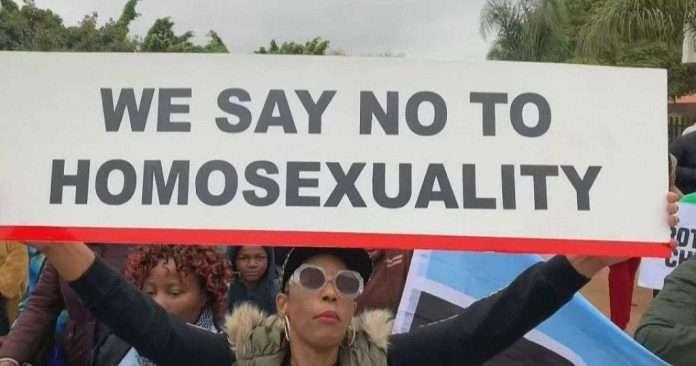
    Gaborone, Botswana – (African Boulevard News) – In a show of opposition to the proposed legislation that would decriminalize same-sex relations in Botswana, hundreds of individuals took to the streets in protest. The bill, which was introduced earlier this year, has sparked heated debates and ignited strong emotions within the conservative society.

    The protesters, mainly from religious and conservative groups, gathered in the capital city of Gaborone, holding signs and chanting slogans against the bill. They argue that same-sex relations go against their traditional values and religious beliefs and should remain criminalized.

    Botswana has been widely regarded as one of Africa’s more tolerant nations, but homosexuality is still considered illegal, punishable by up to seven years in prison. The proposed bill, if passed, would overturn this law, allowing same-sex relationships to be recognized legally and providing protection for the LGBTQ+ community.

    Critics of the bill, however, argue that it contradicts cultural norms and poses a threat to the moral fabric of society. One protester, who preferred to remain anonymous, expressed concern, saying, “We cannot allow this bill to pass. It goes against the values our society holds dear. We must protect our children and preserve our traditions.”

    Advocates for LGBTQ+ rights have also voiced their opinions, pushing for equality and inclusion. They argue that decriminalizing same-sex relations is a crucial step towards ending discrimination and ensuring a safer environment for the LGBTQ+ community.

    Thato Ditshupe, a prominent LGBTQ+ activist, emphasized the importance of the bill, stating, “It is time for Botswana to join the global movement towards inclusivity and equality. LGBTQ+ individuals deserve the same rights and protections as everyone else.”

    The proposed legislation has received international attention, with human rights organizations urging the Botswana government to pass the bill and create an environment of acceptance and tolerance. They argue that criminalizing same-sex relations perpetuates discrimination and puts LGBTQ+ individuals at risk of violence and harassment.

    As the debates continue, the fate of the bill remains uncertain. Proponents and opponents both passionately argue their case, highlighting the deep divisions within Botswanan society. While some countries in Africa have taken steps towards LGBTQ+ rights, the struggle for acceptance and equality still persists in many nations.

    The protests against the Botswana LGBTQ+ bill serve as a stark reminder of the challenges faced by the LGBTQ+ community in their fight for recognition and equal rights. As the nation grapples with these issues, it must find a balance between cultural traditions, human rights, and the evolving understanding of sexual and gender diversity. Only time will tell how Botswana will navigate this delicate path towards a more inclusive society.

    Kenya: Strengthening Bonds with China and BRICS Leaders Set to Ignite Economic Prosperity

    0
    Read Time:2 Minute, 24 Second

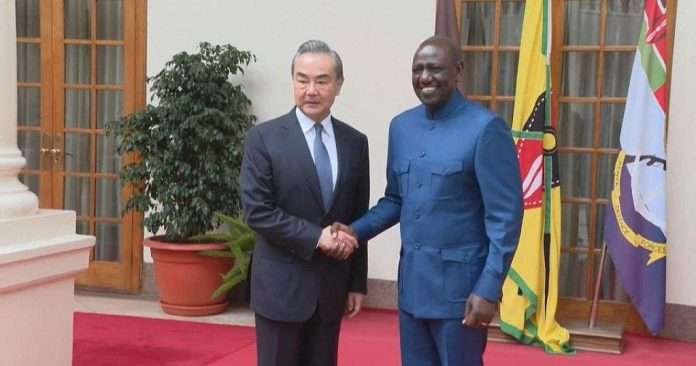
    Nairobi, Kenya – (African Boulevard News) – Kenyan President, William Ruto, recently held a crucial meeting with Chinese diplomat Wang Yi in preparation for the upcoming BRICS talks in Johannesburg. This meeting signifies the strengthening relationship between Kenya and China, as both countries seek to explore new avenues for cooperation and development.

    The meeting between Ruto and Yi comes at a time when Kenya is actively pursuing partnerships with major global players to boost its economic growth and infrastructure development. China has long been a key partner for Kenya, providing substantial financial support and investments in various sectors.

    During their discussions, Ruto expressed Kenya’s commitment to further enhance cooperation with China in key areas such as trade, infrastructure, and technology transfer. He emphasized the need to explore new opportunities for mutual benefit and sustainable development.

    “China has been a valuable partner for Kenya, and we look forward to deepening our cooperation and leveraging our strengths to achieve our shared goals,” said Ruto. “We believe that through strategic partnerships, we can drive economic growth, create job opportunities, and improve the standard of living for our people.”

    On his part, Wang Yi acknowledged Kenya’s efforts in promoting regional integration and economic stability. He praised Kenya’s prominent role in East Africa and its commitment to the Belt and Road Initiative, a global infrastructure development project spearheaded by China.

    “Kenya has shown great potential and determination in advancing its development agenda,” remarked Wang Yi. “China stands ready to support Kenya’s efforts and work together to deepen our bilateral ties for the benefit of our peoples and the region as a whole.”

    The meeting between Ruto and Yi also discussed the upcoming BRICS talks, where Kenya will have the opportunity to engage with leaders from Brazil, Russia, India, China, and South Africa. These discussions will focus on key global issues such as trade, investment, and sustainable development.

    Kenya’s participation in the BRICS talks highlights its growing significance as an emerging economy and its desire to play a more prominent role on the global stage. The meeting with the Chinese diplomat underscores the importance of fostering partnerships with influential international players like China to achieve its ambitious development goals.

    As Kenya continues to strengthen its ties with China, it is expected that the cooperation between the two countries will yield significant benefits and opportunities for both nations. With the support of China and other global partners, Kenya aims to accelerate its economic growth, improve infrastructure, and enhance the well-being of its citizens.

    In conclusion, the meeting between Kenyan President William Ruto and Chinese diplomat Wang Yi signifies the deepening cooperation between the two countries. Kenya’s pursuit of strategic partnerships with major global players like China is a testament to its commitment to economic growth and development. The upcoming BRICS talks present a valuable platform for Kenya to engage with other emerging economies and explore new opportunities for collaboration.

    South Africa: Dire Warning – US Decision to Provide Cluster Bombs to Ukraine Threatens Africa’s Safety and Stability

    0
    Read Time:2 Minute, 26 Second

    Pretoria, South Africa – (African Boulevard News) – In a shocking revelation, a senior figure in South Africa’s National Assembly has voiced concerns about the decision made by the United States to provide cluster bombs to Ukraine. The South African official believes that this move could have dire consequences for Africa as a whole.

    The decision by the US has sent shockwaves through the international community, with many human rights organizations expressing their fears and concerns. The use of cluster bombs has long been condemned due to their indiscriminate nature and the harm they cause to civilians. The South African official, who wished to remain anonymous, emphasized the potential impact on Africa.

    In an interview with African Boulevard News, the official stated, “The decision to provide cluster bombs to Ukraine is deeply troubling. Africa has already suffered enough from conflicts and the use of such weapons would only exacerbate the situation. It is crucial that the international community comes together to denounce this decision and pressure the US to reconsider.”

    The official further highlighted the devastating consequences of cluster bombs, urging the African Union and other regional organizations to take a strong stance against their use. The official emphasized the potential for increased casualties and the long-term effects on infrastructure and development in affected African countries.

    The concerns raised by the South African official are not unfounded. According to a report by Human Rights Watch, cluster bombs have been responsible for countless civilian casualties in conflicts around the world. The report outlines the indiscriminate nature of these weapons, with unexploded bomblets posing serious risks to civilians long after the conflicts have ended.

    The decision by the US to provide cluster bombs to Ukraine raises serious questions about the country’s commitment to human rights and international law. Many African countries have already banned the use of cluster bombs under the Convention on Cluster Munitions, which prohibits their use, production, and transfer.

    As tensions rise in Ukraine and the possibility of armed conflict looms, it is essential that African countries and the international community as a whole stand together to condemn the use of cluster bombs. The South African official’s call for action echoes the sentiments of many across the continent.

    Africa has seen firsthand the devastating effects of armed conflict, and it is crucial that steps are taken to prevent further suffering. The decision by the US to provide cluster bombs to Ukraine must not be taken lightly, and the international community must work together to ensure that Africa is protected from the potential fallout.

    In these uncertain times, it is more important than ever for countries to prioritize diplomacy and peaceful resolutions. The use of cluster bombs will only escalate tensions and heighten the risk of civilian casualties. Africa cannot afford to bear the brunt of such decisions. The international community must act swiftly to prevent further harm and protect the innocent in this challenging and volatile global landscape.

    South Africa: Women’s World Cup Squad Triumphs Over Pay Injustice, Vows to Represent Their Nation

    0
    Read Time:2 Minute, 23 Second

    Pretoria, South Africa – (African Boulevard News) – The South African squad for the Women’s World Cup has pledged to play in the upcoming tournament after resolving a pay dispute with the South African Football Association (SAFA).

    The team had been embroiled in a row over unequal pay and working conditions, threatening to boycott the prestigious international event. However, following negotiations with SAFA, the players have expressed their commitment to represent their country on the global stage.

    “We are delighted to announce that we have reached an agreement with SAFA regarding our pay dispute,” said the captain of the South African national team, Thembi Kgatlana. “Our focus now is solely on performing at our best and making our nation proud.”

    The issue of gender pay gap in sports has been a global concern, with female athletes often earning significantly less than their male counterparts. This dispute highlighted the need for fair and equitable treatment of athletes, irrespective of their gender.

    Sports analyst, John Smith, commented on the resolution, stating, “It’s a testament to the determination and unity of the South African team that they were able to negotiate a solution with SAFA. This is a victory not just for the players but for women’s sports around the world.”

    The news of the team’s commitment to play in the World Cup has received widespread support from fans and sports enthusiasts. Social media platforms have been flooded with messages of encouragement and appreciation for the players’ resolve.

    South Africa’s Minister of Sports, Natalie Mthethwa, lauded the team’s decision, stating, “The South African women’s football team has shown immense courage and resilience. We stand behind them and fully support their aspirations in the World Cup.”

    Women’s football has been steadily gaining popularity in South Africa and across the African continent, with the national team becoming an inspiration for young girls aspiring to play the sport. The resolution of the pay dispute sends a positive message about the importance of gender equality in sports and the recognition of women’s achievements.

    With the pay row now behind them, the South African squad can focus on preparing for the tournament. They will be looking to make a strong impression and compete against some of the best teams in the world.

    The Women’s World Cup is set to kick off next month, and South Africa’s participation promises to be a source of national pride and unity. The team’s journey to the tournament has already been a rollercoaster of emotions, and fans will be eagerly awaiting their performance on the pitch.

    As the South African team prepares for their World Cup campaign, they are determined to overcome any obstacles and showcase their talent and skill to the world. The unity and resolve displayed by the players in resolving the pay dispute reflect their dedication to the sport and their commitment to representing their country at the highest level.