Sunday, May 3, 2026
79.6 F
Lagos
More
    Home Blog Page 326

    Libya: Exploitation and Betrayal – Assad Clan’s Sinister Grip on Eastern Libya Threatens Stability and Suffering Populations

    0
    Read Time:2 Minute, 16 Second

    Tripoli, Libya – (African Boulevard News) – In a surprising turn of events, it has been revealed that an unlikely alliance has formed between Benghazi and Damascus, proving to be a lucrative venture for the powerful Assad clan. This clandestine partnership, which has been developing silently over the past five years, has raised eyebrows and concerns among experts and stakeholders alike.

    The alliance between Benghazi, located in eastern Libya, and Damascus, the capital of war-torn Syria, has remained shrouded in secrecy, allowing only a select few to reap the benefits. The parties involved in this unholy union are none other than businessmen from Syria’s and eastern Libya, who are capitalizing on the chaos and instability in both regions.

    According to a recent report by Africa Intelligence, the Assad clan has been able to expand its influence into eastern Libya, establishing a foothold in the lucrative oil industry. This strategic move enables the clan to strengthen its grip on power and amass even more wealth at the expense of the suffering populations in Libya and Syria.

    The Assad clan’s involvement in eastern Libya has not only raised concerns about the continued exploitation of resources but also the potential for increased conflict in the area. With each passing day, the situation becomes increasingly volatile as the Assad clan solidifies its control over vital resources, further aggravating existing tensions in the region.

    An industry expert, who spoke on the condition of anonymity, expressed deep concern over the implications of this alliance. “The Assad clan’s presence in eastern Libya not only threatens the stability and security of the region but also undermines efforts to achieve a peaceful resolution to the conflicts in Libya and Syria,” the expert warned.

    The exploitation of resources in eastern Libya by the Assad clan is not only detrimental to the people of Libya but also to the international community. As the world struggles to address the ongoing crises in both Libya and Syria, the actions of the Assad clan exacerbate the suffering of innocent civilians and hinder efforts to restore peace and stability.

    It is crucial for the international community, especially key stakeholders such as the United Nations and regional powers, to address this alarming situation swiftly. The continued exploitation of eastern Libya by the Assad clan must be condemned and measures should be taken to hold those responsible accountable for their actions.

    In conclusion, the secret alliance between Benghazi and Damascus has proven to be a profitable venture for the powerful Assad clan. However, the consequences of this partnership are dire, with the people of Libya and Syria bearing the brunt of the exploitation. Urgent action is required to address this issue and prevent further destabilization of the region.

    (African Boulevard News)
    Africa Unites with MONUSCO to Seek Justice for Murdered DRC Minister, Promising Closure and Accountability

    0
    Read Time:2 Minute, 33 Second

    Diaspora, Africa – (African Boulevard News) – In a positive development, the United Nations Organization Stabilization Mission in the Democratic Republic of the Congo (MONUSCO) has agreed to assist in the investigation of the murder of former DRC minister Chérubin Okende Senga. This move comes in response to a request made by the Congolese authorities, highlighting the commitment to justice and upholding the rule of law in the country.

    MONUSCO is playing a crucial role in the DRC, working tirelessly to maintain stability and promote peace. The organization’s chief, Bintou Keita, expressed her willingness to help investigate the heinous crime, emphasizing the importance of holding the perpetrators accountable and providing closure to the victims’ families.

    The murder of Chérubin Okende Senga shocked the nation and raised concerns about the safety and security of political figures and public servants in the DRC. Okende, who served as a minister in the previous government, was a well-respected and influential figure who dedicated his life to public service. His untimely death sent shockwaves throughout the country, leaving many demanding justice.

    The collaboration between the DRC authorities and MONUSCO is a significant step towards uncovering the truth behind Okende’s murder. By pooling their resources and expertise, they can enhance the effectiveness of the investigation and increase the likelihood of finding those responsible. This partnership demonstrates the commitment of both parties to ensure justice is served and to restore faith in the country’s institutions.

    Acknowledging the role of MONUSCO in assisting with investigations is crucial. The organization’s experience and knowledge in dealing with such matters can prove instrumental in unearthing vital evidence and ensuring a thorough and impartial investigation.

    Furthermore, the collaboration with MONUSCO helps bolster confidence in the Congolese justice system. By involving an independent and internationally recognized entity, the process carries greater legitimacy and avoids potential biases or corruption. The international community’s involvement also helps to highlight the importance of justice for all, regardless of social or political standing.

    As the investigation progresses, it is essential for the authorities to remain transparent and keep the public informed. Regular updates and communication can alleviate concerns and demonstrate the commitment to uncovering the truth. It is crucial to ensure that all those involved in this tragic event are held accountable and face the full force of the law.

    The cooperation between the DRC authorities and MONUSCO marks a significant step towards achieving justice for Chérubin Okende Senga and sending a message that violence and impunity will not be tolerated. The pursuit of justice is vital for healing wounds and rebuilding society, and this collaboration sets a promising precedent for future investigations.

    In conclusion, the agreement between the DRC authorities and MONUSCO to investigate the murder of former minister Chérubin Okende Senga is a significant development in the pursuit of justice. This collaboration will strengthen the investigation, bring the perpetrators to account, and provide closure to the victims’ families. It also highlights the commitment of both parties to upholding the rule of law in the DRC and serves as a reminder that no one is above justice.

    Guinea Makes Aviation Comeback: Reviving Air Guinée to Ignite National Pride and Economic Progress

    0
    Read Time:2 Minute, 16 Second

    Conakry, Guinea – (African Boulevard News) – The Guinean government has announced its intentions to relaunch the country’s national airline, Air Guinée, utilizing leased aircraft. According to sources, several options were considered, including the use of privately-owned planes. However, the government has ultimately favored the leasing option for the airline’s revival.

    The decision to lease aircraft for the relaunch is seen as a strategic move by the Guinean authorities. Leasing aircraft offers a cost-effective solution, allowing the government to avoid the significant financial burden of purchasing and maintaining its own fleet. It also provides flexibility, as leased aircraft can be returned or replaced as needed, depending on the airline’s requirements.

    Industry experts have applauded Guinea’s move to lease aircraft, stating that it is a common practice among airlines worldwide, particularly those in the early stages of operation or recovery. By opting for leased aircraft, Air Guinée can focus on building its brand and growing its customer base without the added pressure and costs of managing its own fleet.

    The relaunch of Air Guinée is eagerly anticipated by Guineans and international travelers alike. The national airline’s previous operations were suspended in 2002 due to financial difficulties. Since then, Guineans have been reliant on international carriers for their air travel needs.

    “The revival of Air Guinée is an important step forward for Guinea and its economy,” says aviation analyst, Dr. Aïcha Diallo. “Having a national airline not only boosts tourism and trade but also creates employment opportunities for local aviation professionals.”

    The lease agreement for Air Guinée is expected to be finalized soon, with the chosen aircraft provider ensuring airworthiness, safety, and operational efficiency. The Guinean government is also exploring potential partnerships with international airlines to enhance connectivity and expand Air Guinée’s route network.

    Notably, neighboring countries such as Senegal and Côte d’Ivoire have successful national airlines, serving as examples for Guinea’s relaunch aspirations. Air Senegal and Air Côte d’Ivoire have both achieved remarkable growth and profitability in recent years, contributing significantly to their respective economies.

    As the relaunch of Air Guinée draws closer, expectations are high for the airline to become a symbol of national pride and a catalyst for economic development. Guinea’s government is determined to ensure the success of the national carrier, recognizing its potential to boost tourism, trade, and connectivity within the country and beyond.

    In conclusion, the Guinean government’s decision to favor leased aircraft for the relaunch of Air Guinée demonstrates a strategic approach to rebuild the national airline. By leasing aircraft, the government can save costs and focus on growing the airline’s operations and reputation. With the relaunch on the horizon, Guinea is poised to join its West African counterparts in reaping the benefits of a successful national carrier.

    Libya: Exploitation and Betrayal – Assad Clan’s Sinister Grip on Eastern Libya Threatens Stability and Suffering Populations

    0
    Read Time:2 Minute, 16 Second

    Tripoli, Libya – (African Boulevard News) – In a surprising turn of events, it has been revealed that an unlikely alliance has formed between Benghazi and Damascus, proving to be a lucrative venture for the powerful Assad clan. This clandestine partnership, which has been developing silently over the past five years, has raised eyebrows and concerns among experts and stakeholders alike.

    The alliance between Benghazi, located in eastern Libya, and Damascus, the capital of war-torn Syria, has remained shrouded in secrecy, allowing only a select few to reap the benefits. The parties involved in this unholy union are none other than businessmen from Syria’s and eastern Libya, who are capitalizing on the chaos and instability in both regions.

    According to a recent report by Africa Intelligence, the Assad clan has been able to expand its influence into eastern Libya, establishing a foothold in the lucrative oil industry. This strategic move enables the clan to strengthen its grip on power and amass even more wealth at the expense of the suffering populations in Libya and Syria.

    The Assad clan’s involvement in eastern Libya has not only raised concerns about the continued exploitation of resources but also the potential for increased conflict in the area. With each passing day, the situation becomes increasingly volatile as the Assad clan solidifies its control over vital resources, further aggravating existing tensions in the region.

    An industry expert, who spoke on the condition of anonymity, expressed deep concern over the implications of this alliance. “The Assad clan’s presence in eastern Libya not only threatens the stability and security of the region but also undermines efforts to achieve a peaceful resolution to the conflicts in Libya and Syria,” the expert warned.

    The exploitation of resources in eastern Libya by the Assad clan is not only detrimental to the people of Libya but also to the international community. As the world struggles to address the ongoing crises in both Libya and Syria, the actions of the Assad clan exacerbate the suffering of innocent civilians and hinder efforts to restore peace and stability.

    It is crucial for the international community, especially key stakeholders such as the United Nations and regional powers, to address this alarming situation swiftly. The continued exploitation of eastern Libya by the Assad clan must be condemned and measures should be taken to hold those responsible accountable for their actions.

    In conclusion, the secret alliance between Benghazi and Damascus has proven to be a profitable venture for the powerful Assad clan. However, the consequences of this partnership are dire, with the people of Libya and Syria bearing the brunt of the exploitation. Urgent action is required to address this issue and prevent further destabilization of the region.

    (African Boulevard News)

    Togo Takes Center Stage in Quest for Regional Security – AFRICOM Chief’s Historic Visit Promises Transformation and Hope

    0
    Read Time:2 Minute, 20 Second

    Lome, Togo – (African Boulevard News) – In an exciting development for Togo, General Michael Langley, the chief of the United States Africa Command (AFRICOM), is set to visit the vibrant city of Lomé on 27 July. This visit is expected to strengthen the relationship between Togo and the United States, while also focusing on security cooperation and regional stability.

    General Langley’s visit comes at a crucial time when Togo is making significant strides in economic development and security enhancement. With the aim of forging stronger ties, the AFRICOM chief will engage in high-level discussions with Togolese government officials, military leaders, and other key stakeholders. These discussions will cover a range of important topics including counterterrorism efforts, regional security concerns, and the potential for increased military cooperation.

    Togo, a country with a strategic location along the Gulf of Guinea, has become an important player in the quest for peace and stability in West Africa. General Langley’s visit signifies the recognition of Togo’s efforts in maintaining regional security and demonstrates the United States’ commitment to supporting its African partners in their endeavors.

    One of the major highlights of the visit will be the inauguration of a new training center funded by the United States government. This facility will provide specialized training to Togolese military personnel, equipping them with the necessary skills and knowledge to combat emerging security threats effectively. The center is a testament to the growing partnership between the two countries and their joint commitment to maintaining peace in the region.

    Speaking about the visit, Togolese Defense Minister, Colonel Kodjo Agbétomey, expressed his gratitude for the support and collaboration between Togo and the United States. He stated, “General Langley’s visit is a testament to the strong bond between our nations. We look forward to further deepening our cooperation in the areas of security and defense.”

    General Michael Langley emphasized the importance of the visit, stating, “Togo’s commitment to regional security is commendable, and we are proud to support their efforts. Our visit aims to strengthen our partnership, foster greater collaboration, and contribute to the peace and stability of the region.”

    As the visit of AFRICOM chief General Michael Langley draws near, anticipation is building in Lomé. Togo’s commitment to regional security and its growing partnership with the United States will undoubtedly contribute to the progress and prosperity of the country and its neighboring nations.

    In conclusion, General Michael Langley’s visit to Lomé underscores the importance of Togo in regional security efforts. The visit is a testament to the strengthened relationship between Togo and the United States, and the shared commitment to peace and stability in West Africa. The inauguration of the training center and the high-level discussions will undoubtedly bring new opportunities for Togo’s security forces and further elevate the country’s role in maintaining regional stability.

    Burkina Faso Welcomes New French Ambassador to Forge Stronger Bonds and Fight Terrorism

    0
    Read Time:2 Minute, 13 Second

    Ouagadougou, Burkina Faso – (African Boulevard News) – In a bid to strengthen diplomatic ties between France and Burkina Faso, Paris has proposed Bertrand Cochery, the current ambassador in Chad, as the new head of the French embassy in Ouagadougou. This announcement comes after the rejection of the initial candidate by the Burkina Faso government.

    Cochery, an experienced diplomat, is set to take over the role after the previous candidate failed to secure approval from Ouagadougou. The decision to nominate Cochery reflects France’s commitment to working closely with Burkina Faso and deepening their relationship.

    The relationship between France and Burkina Faso is crucial, given the challenges faced by the West African nation. Burkina Faso has been battling extremist groups and experiencing frequent attacks in recent years. The appointment of a new ambassador signifies France’s support and commitment to assisting Burkina Faso in its fight against terrorism and promoting stability in the region.

    “This appointment is a clear indication of France’s dedication to the bilateral relationship with Burkina Faso. We believe Ambassador Cochery’s expertise and experience will contribute significantly to strengthening ties between our nations,” stated a spokesperson from the French Embassy.

    Ambassador Cochery brings a wealth of experience to his new role. As the current ambassador in Chad, he has played a crucial role in managing France’s relations with the country and addressing various regional challenges. His expertise in navigating complex political landscapes and understanding regional dynamics will be valuable in addressing Burkina Faso’s security concerns.

    Burkina Faso is eagerly awaiting the arrival of Ambassador Cochery. The country has expressed its willingness to work closely with him to address shared challenges and strengthen cooperation in various sectors. With his appointment, both countries hope to forge stronger bonds and collaborate on issues such as security, development, and trade.

    The proposal has been met with enthusiasm from both diplomats and experts in the region. They believe that Ambassador Cochery’s extensive knowledge of the West Africa region and his diplomatic acumen will greatly benefit the Franco-Burkinabe relationship.

    It is expected that Ambassador Cochery’s appointment will be well-received by the authorities in Ouagadougou, as it symbolizes a fresh start and renewed commitment to collaboration. The new ambassador’s experience and understanding of the region’s challenges will be instrumental in furthering the bilateral agenda between both countries.

    In conclusion, Paris has proposed Bertrand Cochery, the current ambassador in Chad, as the new ambassador to Burkina Faso, following the rejection of the initial candidate. This decision aims to reinforce the partnership between France and Burkina Faso, particularly in addressing security concerns. With his extensive experience, Ambassador Cochery is poised to contribute significantly to the ongoing cooperation between the two nations.

    Madagascar’s High-Stakes Diplomatic Battle: A Fractured Nation Awaits Resolution for Convicted Coup Plotter

    0
    Read Time:2 Minute, 18 Second

    Antananarivo, Madagascar – (African Boulevard News) – Closed-door negotiations continue to dominate the political landscape in Madagascar as authorities grapple to find a resolution in the case of Paul Rafanoharana, the second convicted coup plotter. While President Andry Rajoelina agreed to Philippe François’ transfer to France last month, he is taking a much tougher stance on his co-convict, the French-Madagascan national.

    The case of Rafanoharana has become a matter of great concern for both the Malagasy government and international observers. With his French-Madagascan nationality adding a layer of complexity to the situation, it seems that the authorities are facing an uphill battle in finding a solution that satisfies all parties involved.

    Negotiations have been taking place behind closed doors, keeping the public waiting anxiously for any updates. Experts speculate that the government is working to strike a delicate balance between demonstrating its commitment to the rule of law and not alienating France, a significant political and economic partner.

    According to an anonymous source close to the negotiations, “Both sides are engaged in intense discussions to determine the best way forward. The government is adamant about not allowing Rafanoharana to leave the country, as they see it as a matter of national sovereignty. At the same time, they are well aware of the potential consequences if they refuse to cooperate with France.”

    It is clear that President Rajoelina is keen to avoid any further strain on the already fragile relationship between Madagascar and France. Last month’s transfer of Philippe François to France was seen as a conciliatory gesture, demonstrating goodwill between the two nations.

    However, the situation with Rafanoharana has proven to be much more challenging. Observers believe that Rajoelina’s tougher stance may be a result of political pressure from within Madagascar. Some factions see this as an opportunity for the president to show strength and assert his authority.

    As the negotiations continue, the public remains divided on what the ultimate outcome should be. Some argue that Rafanoharana should face the consequences of his actions in Madagascar, while others believe that his transfer to France would be a more appropriate resolution.

    While the future remains uncertain for Paul Rafanoharana, one thing is clear: the closed-door negotiations over his case continue to captivate the nation’s attention. As stakeholders work tirelessly to find a compromise, the world waits to see how this delicate situation unfolds and whether a solution can be reached that satisfies all parties involved.

    In the meantime, the government maintains that it is committed to upholding the rule of law while taking into account the geopolitical implications of the case. As the negotiations progress, the eyes of the nation and international community remain fixed on Madagascar, waiting to see how this high-stakes diplomatic chess match plays out.

    Sudan: Uncovering Atrocities – Join the Fight for Justice and Accountability

    0
    Read Time:2 Minute, 9 Second

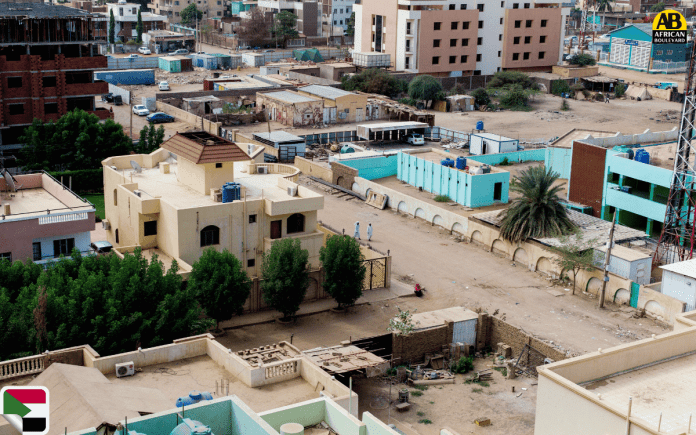
    Khartoum, Sudan – (African Boulevard News) – The United Nations (UN) is currently working on a survey to document the crimes committed against civilians in Sudan. The initiative, in collaboration with local police and the United Nations Development Programme (UNDP), aims to identify and document abuses perpetrated by the Rapid Support Forces (RSF) and Sudan’s regular army. However, budgetary challenges may pose a hurdle for this crucial project.

    The UN’s survey comes in response to the widespread reports of human rights abuses and violence against civilians in Sudan. The RSF, in particular, has been accused of numerous atrocities, including killings, sexual violence, and forced displacement. The UNDP hopes that by conducting a thorough investigation, these crimes can be properly documented and the victims can attain justice.

    To carry out the survey effectively, the UNDP is relying on the cooperation of local police forces. This collaboration will ensure that the investigation is conducted with local knowledge and expertise, increasing the chances of uncovering the truth. The involvement of local police will also help build trust between the community and the UN, as it demonstrates a commitment to involving Sudanese authorities in the process.

    However, one major challenge that the UNDP and local police are facing is securing the necessary funding for the survey. Budgetary constraints could hinder the progress of this crucial initiative. Without adequate resources, the survey may not be able to cover all areas affected by violence and may fail to document the full extent of crimes against civilians.

    In light of this challenge, it is important for the international community to recognize the significance of supporting this survey financially. By contributing to the funding, they can help ensure that justice is served for the victims and that the perpetrators are held accountable. It is vital that the UNDP receives the necessary resources to carry out this survey effectively and thoroughly.

    The UN’s efforts to document crimes against civilians in Sudan are commendable. This survey will serve as a crucial tool in bringing justice to the victims and holding the responsible parties accountable. It is a step towards creating a safer and more just society in Sudan.

    In conclusion, the United Nations, in collaboration with local police, is working on a survey to document crimes against civilians in Sudan. The aim is to identify and document the abuses committed by the Rapid Support Forces and Sudan’s regular army. However, the project faces budgetary challenges that could hinder its progress. It is crucial for the international community to support this initiative financially to ensure justice for the victims and accountability for the perpetrators.

    Sudan’s Last Hope: European Diplomats Take a Bold Stand for Peace Amidst Chaos

    0
    Read Time:2 Minute, 24 Second

    Khartoum, Sudan – (African Boulevard News) – In the ongoing efforts to establish peace and stability in Sudan, European diplomats in Brussels have taken up the challenge of conflict resolution through political concord. This comes after the recent failure of the US-Saudi-led talks, which aimed to bring various stakeholders together to find common ground. With the focus now turned towards civil society and political parties, the European diplomats face a difficult task in finding a solution that satisfies all parties involved.

    The attempt by Brussels to mediate the conflict in Sudan comes as no surprise, given the region’s long history of unrest and political instability. Sudan has been grappling with internal conflicts for decades, with issues ranging from ethnic tensions to power struggles among political factions. The failed talks led by the US and Saudi Arabia pointed to the need for a fresh approach, one that involves a broader range of actors and perspectives.

    One of the key challenges in this endeavor is bringing together the diverse voices within Sudanese society. The country’s civil society organizations and political parties represent a wide range of interests, each with their own set of demands and aspirations. Finding common ground among such diverse groups is no small feat, but it is one that Brussels is determined to achieve.

    In order to foster a sense of unity and cooperation, the European diplomats are engaging with civil society organizations and political parties on multiple levels. This includes facilitating dialogue and negotiations, as well as providing technical assistance and support for capacity building. By involving a wide range of stakeholders in the process, Brussels hopes to create a mechanism for inclusive decision-making and conflict resolution.

    While the road ahead may be challenging, experts believe that this approach holds promise. Dr. Ahmed Abdel-Rahman, a political analyst specializing in Sudanese affairs, emphasizes the importance of involving civil society and political parties in the peace process. He states, “In order for any peace agreement to be successful and sustainable, it is crucial to have the support and participation of all relevant actors. Brussels’ approach is a step in the right direction.”

    However, there are also concerns that this approach may face resistance from some quarters within Sudanese society. Some political factions and armed groups may not be willing to participate in the process, making it difficult to achieve a comprehensive resolution. Overcoming such challenges will require patience, perseverance, and effective diplomacy.

    In conclusion, Brussels’ attempt to resolve the conflicts in Sudan through political concord marks a significant shift in the international community’s approach to the issue. By engaging civil society organizations and political parties, the European diplomats aim to foster inclusivity and dialogue, paving the way for a more sustainable peace in the region. While the task ahead is daunting, it is a necessary step towards addressing the deep-rooted issues that have plagued Sudan for far too long.

    Libya: Exploitation and Betrayal – Assad Clan’s Sinister Grip on Eastern Libya Threatens Stability and Suffering Populations

    0
    Read Time:2 Minute, 16 Second

    Tripoli, Libya – (African Boulevard News) – In a surprising turn of events, it has been revealed that an unlikely alliance has formed between Benghazi and Damascus, proving to be a lucrative venture for the powerful Assad clan. This clandestine partnership, which has been developing silently over the past five years, has raised eyebrows and concerns among experts and stakeholders alike.

    The alliance between Benghazi, located in eastern Libya, and Damascus, the capital of war-torn Syria, has remained shrouded in secrecy, allowing only a select few to reap the benefits. The parties involved in this unholy union are none other than businessmen from Syria’s and eastern Libya, who are capitalizing on the chaos and instability in both regions.

    According to a recent report by Africa Intelligence, the Assad clan has been able to expand its influence into eastern Libya, establishing a foothold in the lucrative oil industry. This strategic move enables the clan to strengthen its grip on power and amass even more wealth at the expense of the suffering populations in Libya and Syria.

    The Assad clan’s involvement in eastern Libya has not only raised concerns about the continued exploitation of resources but also the potential for increased conflict in the area. With each passing day, the situation becomes increasingly volatile as the Assad clan solidifies its control over vital resources, further aggravating existing tensions in the region.

    An industry expert, who spoke on the condition of anonymity, expressed deep concern over the implications of this alliance. “The Assad clan’s presence in eastern Libya not only threatens the stability and security of the region but also undermines efforts to achieve a peaceful resolution to the conflicts in Libya and Syria,” the expert warned.

    The exploitation of resources in eastern Libya by the Assad clan is not only detrimental to the people of Libya but also to the international community. As the world struggles to address the ongoing crises in both Libya and Syria, the actions of the Assad clan exacerbate the suffering of innocent civilians and hinder efforts to restore peace and stability.

    It is crucial for the international community, especially key stakeholders such as the United Nations and regional powers, to address this alarming situation swiftly. The continued exploitation of eastern Libya by the Assad clan must be condemned and measures should be taken to hold those responsible accountable for their actions.

    In conclusion, the secret alliance between Benghazi and Damascus has proven to be a profitable venture for the powerful Assad clan. However, the consequences of this partnership are dire, with the people of Libya and Syria bearing the brunt of the exploitation. Urgent action is required to address this issue and prevent further destabilization of the region.

    (African Boulevard News)