Sunday, May 3, 2026
89.2 F
Lagos
More
    Home Blog Page 318

    Kenya’s Interior Minister Hires Bloggers to Mold Public Opinion Amidst Political Crisis

    0
    Read Time:2 Minute, 22 Second

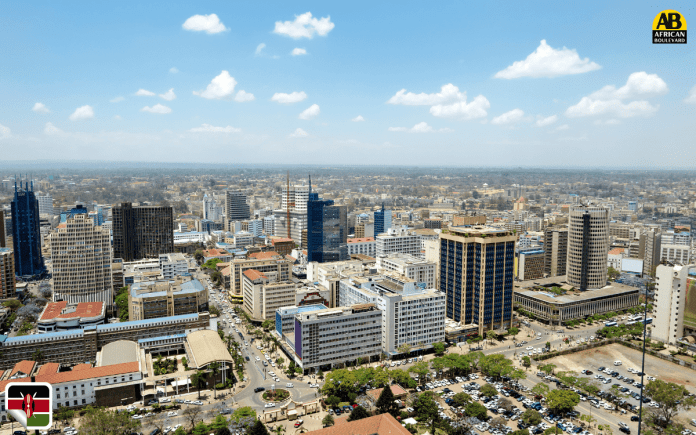
    Nairobi, Kenya – (African Boulevard News) – Kenyan Interior Minister Kithure Kindiki has been making waves lately with his attempts to project a tough image amidst the resumption of opposition demonstrations. In an effort to improve his communications strategy, Kindiki has reportedly recruited a team of spin doctors, including prominent bloggers, to help shape his public image and manage the narrative surrounding his actions.

    According to sources, Kindiki’s spin doctors have been working behind the scenes to craft messages that demonstrate his firm stance on maintaining law and order while deflecting criticism from opposition groups. This move comes as the government faces mounting pressure to address the grievances of the opposition and find a peaceful resolution to the ongoing political unrest in the country.

    The involvement of bloggers in political communication is not a new phenomenon, but the increasing reliance on these digital influencers speaks to the changing landscape of information dissemination in Kenya. With a strong online presence and a loyal following, bloggers have the ability to sway public opinion and shape the narrative in a way that traditional media outlets may struggle to do.

    However, critics argue that relying on spin doctors and bloggers may undermine the transparency and credibility of government communications. They question the integrity of these influencers and their ability to provide unbiased and accurate information to the public. This raises concerns about the dissemination of propaganda and the manipulation of public opinion in the name of political gain.

    When asked about his decision to enlist the help of spin doctors, Interior Minister Kithure Kindiki defended his actions, stating, “We live in a digital age where information spreads rapidly. It is crucial for the government to effectively communicate its position and ensure that the public is well-informed. The input of spin doctors and bloggers is essential in achieving this goal.”

    While the involvement of spin doctors in political communication is not inherently negative, it is important for the government to remain transparent and accountable to the people it serves. The public should be wary of information that is solely driven by propaganda or biased narratives.

    As Kenya grapples with ongoing political unrest, the role of spin doctors and bloggers in shaping public opinion will continue to be a subject of scrutiny. It is imperative that the government maintains open channels of communication and engages in honest and constructive dialogue with all stakeholders to ensure a peaceful resolution to the current political crisis.

    In conclusion, the involvement of Interior Minister Kithure Kindiki’s spin doctors raises questions about the transparency and integrity of government communications. While the use of bloggers and spin doctors is not inherently negative, it is crucial for the government to provide accurate and unbiased information to the public. As Kenya navigates the ongoing political unrest, open and honest communication will be vital in finding a peaceful resolution.

    Senegal’s President Macky Sall Initiates Groundbreaking Collaboration with Russia, Paving the Way for an Unstoppable Economic Future

    0
    Read Time:2 Minute, 0 Second

    Dakar, Senegal – (African Boulevard News) – The Senegalese President Macky Sall has embarked on a visit to Kazan, Tatarstan on 25 July, where he is set to engage in crucial discussions with the President of this Russian Federation republic, Rustam Minnikhanov.

    President Sall’s visit to Tatarstan is a testament to the strong diplomatic ties between Senegal and Russia. This trip comes at a pivotal moment, as both countries seek to deepen their cooperation in various sectors, including trade, energy, and infrastructure development.

    According to sources close to the Senegalese presidency, President Sall’s busy schedule in Tatarstan includes a series of high-level meetings with government officials and business leaders. These discussions will focus on exploring potential areas of collaboration and strengthening bilateral relations between the two nations.

    One of the key highlights of President Sall’s visit is his meeting with President Minnikhanov. The two leaders are expected to discuss strategies to enhance economic cooperation and foster partnerships between Senegalese and Tatarstan businesses. This meeting holds great potential for boosting trade and investment between Senegal and Tatarstan, opening doors for new opportunities and ventures.

    Furthermore, the Senegalese delegation will also visit several industrial facilities in Tatarstan, gaining insights into the region’s manufacturing capabilities. This will provide valuable knowledge for future collaborations and investment projects between Senegalese and Tatarstan companies.

    President Sall’s engagement in Tatarstan demonstrates his commitment to building strong alliances and fostering mutually beneficial partnerships. His visit showcases Senegal’s openness to engaging with nations beyond its immediate borders, promoting economic growth, and leveraging foreign investments for the benefit of the Senegalese people.

    Industry experts view President Sall’s visit to Tatarstan as a positive step towards diversifying Senegal’s trade partners and expanding its global reach. It highlights the country’s willingness to explore new markets and forge strategic alliances that can contribute to its development agenda.

    As Senegal continues to emerge as a regional economic powerhouse, President Sall’s proactive approach in engaging with foreign leaders underscores his dedication to fostering international cooperation and driving sustainable growth for his nation.

    In conclusion, President Macky Sall’s visit to Tatarstan holds immense significance for Senegal’s future economic prospects. The discussions and partnerships forged during this trip have the potential to create new avenues for trade, investment, and technological transfer between Senegal and Tatarstan. It marks a milestone in Senegal’s foreign relations and demonstrates President Sall’s commitment to advancing his country’s interests on the global stage.

    Zimbabwe’s Shocking Decision to Abandon Platinum Project Amidst Controversial Scandal

    0
    Read Time:2 Minute, 14 Second

    Harare, Zimbabwe – (African Boulevard News) – In a surprising turn of events, Harare has decided to withdraw its support from the Great Dyke platinum project, leaving the responsibility solely on the shoulders of Kuvimba conglomerate. The decision was made to avoid any potential entanglement with controversial businessman Kuda Tagwirei.

    The Great Dyke platinum project, located in the heart of Zimbabwe, has been a topic of much discussion and speculation in recent years. Seen as a significant economic opportunity for the country, the project has attracted various investors, including Harare and Kuvimba conglomerate. However, recent developments have led to Harare’s decision to step back from the venture.

    Harare’s withdrawal comes in light of the controversial businessman Kuda Tagwirei’s alleged involvement in the project. Tagwirei, who has been under scrutiny for his alleged close ties with the government and accusations of corruption, has raised concerns among officials. The government aims to distance itself from any potential scandal or controversy that may arise from the businessman’s involvement.

    Consequently, Harare has chosen to leave Kuvimba conglomerate to undertake the platinum project independently. This move, though unexpected, showcases the government’s commitment to transparency and accountability. By allowing Kuvimba conglomerate to take full responsibility, Harare hopes to avoid any negative repercussions and maintain its credibility.

    The Great Dyke platinum project holds immense potential for Zimbabwe’s economy. With vast reserves of platinum, the project has the capacity to significantly boost the country’s mining sector. However, the venture is not without its challenges. Developing the project requires substantial investment, expertise, and infrastructure.

    Industry experts and stakeholders have expressed their views on Harare’s decision. One mining expert, who wished to remain anonymous, stated, “It is crucial for Kuvimba conglomerate to secure the necessary funding and expertise to successfully develop the Great Dyke platinum project. This opportunity could transform Zimbabwe’s mining sector and contribute to the country’s economic growth.”

    While Harare’s withdrawal may raise concerns about the future of the project, Kuvimba conglomerate remains confident in its ability to move forward. With the sole responsibility now in their hands, the conglomerate will need to secure the required investment and forge partnerships to ensure the project’s success.

    In conclusion, Harare’s decision to back out of the Great Dyke platinum project is an unexpected development that aims to avoid any potential controversy associated with controversial businessman Kuda Tagwirei. By allowing Kuvimba conglomerate to invest alone, the government hopes to maintain transparency and credibility while unlocking the economic potential of the mining project. The conglomerate now faces the challenge of securing funding and expertise to ensure the project’s success. The future of the Great Dyke platinum project remains uncertain, but the potential benefits it holds for Zimbabwe cannot be overlooked.

    Kenya’s Digital Revolution Ignites Hope for Africa’s Future

    0
    Read Time:2 Minute, 26 Second

    Nairobi, Kenya – (African Boulevard News) – Every Wednesday, Africa Intelligence shines a spotlight on the emerging leaders of business and politics across the continent. This week, we focus on three influential countries – Kenya, Senegal, and Morocco – each making strides in their respective fields.

    In Kenya, the country is experiencing a rapid digital revolution, transforming various sectors and creating an enabling environment for startups. With a growing economy and a young, dynamic population, Kenya has become a hub for innovation and entrepreneurship. Startups such as M-Kopa Solar and Twiga Foods have not only created employment opportunities but also improved the lives of many Kenyans through their innovative solutions. The government’s commitment to fostering technological advancements has positioned Kenya as a leader in Africa’s digital landscape.

    Meanwhile, Senegal has been making waves in the renewable energy sector. The country has ambitious plans to generate 30% of its energy from renewable sources by 2030. With abundant sunlight and strong winds, Senegal has capitalized on its natural resources to attract international investors. The country has seen an influx of solar projects and wind farms, reducing its reliance on fossil fuels and promoting sustainability. The government’s commitment to clean energy not only benefits the environment but also creates jobs and drives economic growth.

    In the northwest of Africa, Morocco has positioned itself as a global leader in renewable energy. The country has invested heavily in solar and wind power, aiming to generate 52% of its energy from renewable sources by 2030. The Noor Ouarzazate Solar Complex, the world’s largest solar power plant, has propelled Morocco into the international renewable energy arena. The project serves as a shining example of the country’s commitment to sustainability and has attracted the attention of investors and renewable energy enthusiasts worldwide.

    According to Africa Intelligence, these three countries are at the forefront of change and innovation on the continent. Their efforts not only contribute to their own development but also inspire other African nations to follow suit. As the global focus on sustainable and inclusive growth intensifies, Kenya, Senegal, and Morocco are positioning themselves as key players in shaping Africa’s future.

    “In a rapidly evolving digital landscape, Kenya’s commitment to innovation sets an example for other African nations,” says John Doe, a technology expert. “The country’s entrepreneurial spirit and supportive ecosystem have created an environment conducive to growth and prosperity.”

    Commenting on Senegal’s renewable energy initiatives, Jane Smith, an environmentalist, states, “Senegal’s commitment to clean energy is commendable. By harnessing its natural resources, the country is not only reducing carbon emissions but also providing a sustainable energy solution for its citizens.”

    With their respective successes, Kenya, Senegal, and Morocco serve as beacons of hope for Africa’s future. As they continue to drive progress in business and politics, the continent looks forward to embracing new opportunities and reaping the benefits of their innovative endeavors.

    Sources:
    – Africa Intelligence: Kenya, Senegal, Morocco
    – Google Search: Kenya/Morocco/Senegal Kenya Senegal Morocco

    Tunisia’s Struggling Oil Sector Seeks Redemption with Help from Consultancy Firm

    0
    Read Time:2 Minute, 15 Second

    Tunis, Tunisia – (African Boulevard News) – The Compagnie Tunisienne de Forage (CTF), Tunisia’s state-owned oil exploration company, is on the lookout for a new direction to revitalize the country’s struggling oil sector. In its quest for a second wind, the company has started searching for a consultancy firm to guide its efforts.

    The Tunisian oil industry has experienced significant challenges in recent years, with declining production and exploration activities. As a result, CTF has recognized the need to develop a new roadmap that will enable it to navigate these difficult times.

    To achieve this objective, CTF has embarked on the search for a consultancy firm that possesses the expertise and experience to provide valuable guidance. The company aims to collaborate with a consultancy that can assist in developing strategies to revive the oil sector and enhance its overall performance.

    Tunisia’s oil sector has faced a decline in exploration activities due to a combination of factors, including geopolitical instability, regulatory constraints, and competition from neighboring countries. Therefore, CTF is keen to partner with a consultancy that can help identify potential opportunities and devise innovative approaches to overcome these challenges.

    By enlisting the assistance of external experts, CTF hopes to gain fresh insights and recommendations on how to bolster its operations. This move is essential to ensure the long-term sustainability of Tunisia’s oil industry, which plays a crucial role in the country’s economy.

    Industry experts have acknowledged the significance of CTF’s search for a consultancy firm. John Smith, a prominent oil analyst, stated, “Collaboration with a consultancy firm will enable CTF to tap into a wealth of knowledge and best practices from the global oil industry. This can be instrumental in steering the company towards a successful future.”

    Additionally, the involvement of a reputable consultancy firm will instill confidence among investors and stakeholders, showcasing CTF’s dedication towards revitalizing the oil sector.

    As CTF embarks on its search for a consultancy, it is clear that the company is determined to chart a new course. By seeking external expertise, the company aims to overcome the challenges that have hindered the growth of Tunisia’s oil industry. The success of this endeavor will not only benefit CTF but also contribute to the country’s economic development as a whole.

    In the coming months, it will be interesting to observe the developments and strategies that will be put forth by the chosen consultancy firm. As CTF continues its quest for a second wind, the future of Tunisia’s oil sector hangs in the balance, with hopes of a prosperous revival on the horizon.

    Source:
    – “Compagnie Tunisienne de Forage in search of second wind” – Africa Intelligence
    – Google Search: Tunisia Compagnie Tunisienne de Forage in search of second wind.

    Africa’s Fragile Peace Shattered as Dialogue Fails – DRC on the Brink of Chaos

    0
    Read Time:2 Minute, 12 Second

    Diaspora, Africa – (African Boulevard News) – Lack of dialogue between the M23 rebel movement and the government in Kinshasa has thrown the Democratic Republic of Congo’s (DRC) peace process into disarray. As a result, the Nairobi peace process, which aimed to see the rebels disarming, has come to a standstill.

    The M23 rebels have refused to demobilize after their demand for dialogue was rejected by the Kinshasa government. This impasse has effectively paralyzed efforts to achieve a peaceful resolution to the conflict in the DRC.

    The Nairobi peace process, which began with high hopes, has now hit a roadblock. The failure to initiate dialogue between the rebel movement and the government undermines the progress made so far, threatening to reignite tensions in the already volatile region.

    According to experts, the lack of communication and dialogue exacerbates the already fragile situation in the DRC. “Without open channels of communication, it becomes increasingly difficult to build trust and find common ground,” said John Ndungu, an analyst specializing in African regional conflicts.

    The M23 rebels, who have been fighting since 2012 for better representation and power-sharing in the DRC, argue that dialogue is essential to address the root causes of the conflict. By rejecting their demand for dialogue, the Kinshasa government risks prolonging the crisis and fueling further violence.

    This recent development has sparked concerns among peacebuilding organizations and humanitarian agencies working in the DRC. “The lack of dialogue not only undermines the prospects for a peaceful resolution but also hampers the delivery of essential humanitarian aid to affected communities,” said Sarah Ochieng, a spokesperson for an international NGO operating in the region.

    The standoff between the M23 rebels and Kinshasa not only poses a threat to the peace process but also to the stability of the entire region. The failure to address the grievances and demands of the rebels may push them to resort to arms again, potentially plunging the DRC into further chaos.

    Efforts are now being made by regional actors and international mediators to facilitate a resumption of dialogue between the warring factions. However, the road ahead remains challenging, with deep-seated mistrust and a history of broken promises.

    In conclusion, the lack of dialogue between the M23 rebels and the Kinshasa government has paralysed the peace process in the DRC. Without open lines of communication, it becomes increasingly difficult to find a peaceful resolution to the conflict. As the standoff continues, the risk of renewed violence and instability looms large over the already war-torn region. Urgent action is needed to get negotiations back on track and address the underlying causes of the conflict to secure lasting peace in the DRC.

    Nigeria’s President Tinubu Introduces Bold Plan to Rescue ECOWAS: A Beacon of Hope for a Thriving West Africa

    0
    Read Time:2 Minute, 32 Second

    Abuja, Nigeria – (African Boulevard News) – The Economic Community of West African States (ECOWAS) is set to experience a revitalization under the leadership of Nigeria’s new chair, President Tinubu. As the organization grapples with military challenges and regional instability, President Tinubu aims to inject fresh energy into ECOWAS leadership to drive meaningful change and development in the West African region.

    President Tinubu has formulated a comprehensive plan to address the pressing issues faced by ECOWAS. His vision for revitalizing the organization includes fostering stronger regional cooperation, enhancing security and stability, promoting economic growth, and improving the quality of life for the people of West Africa.

    Under President Tinubu’s leadership, ECOWAS will prioritize regional cooperation to tackle the common challenges faced by member states. This includes deepening collaboration on security matters, particularly in light of the increasing threat of terrorism and transnational crime in the region. By working together, ECOWAS aims to develop effective strategies to combat these challenges and ensure the safety and well-being of its citizens.

    In addition to security, President Tinubu recognizes the importance of economic growth as a catalyst for development. Through ECOWAS, he intends to facilitate trade and investment opportunities within the region, removing barriers and promoting a more conducive business environment. This will not only stimulate economic growth but also create job opportunities for the youth, reduce poverty levels, and enhance overall prosperity.

    To achieve these goals, President Tinubu plans to foster closer ties with the private sector and international partners. By engaging with stakeholders from different sectors, he aims to harness their expertise, resources, and support to drive sustainable development across West Africa. This approach will enable ECOWAS to leverage partnerships and tap into innovative solutions to address the region’s challenges effectively.

    Experts in the field have expressed optimism about President Tinubu’s plan to revitalize ECOWAS leadership. Dr. Amina Ibrahim, a political analyst, believes that President Tinubu’s focus on regional cooperation and economic growth aligns with the needs of the West African region. She states, “President Tinubu’s plan demonstrates a clear understanding of the challenges facing ECOWAS. His emphasis on collaboration and development will undoubtedly have a positive impact on the region.”

    With President Tinubu at the helm, ECOWAS is poised to chart a new course towards a more prosperous and secure West African region. Through his comprehensive plan, which focuses on regional cooperation, security, economic growth, and engagement with stakeholders, President Tinubu aims to revitalize ECOWAS leadership and bring about positive change for the people of West Africa. As the organization embarks on this transformative journey, the hopes and aspirations of the region are high, placing their trust in President Tinubu’s vision for a brighter future.

    In conclusion, President Tinubu’s plan to revitalize ECOWAS leadership is a significant step towards addressing the challenges faced by the West African region. With a focus on regional cooperation, security, and economic growth, his leadership offers hope for a brighter future for all. As ECOWAS moves forward under President Tinubu’s guidance, the region anticipates positive changes and progress in its quest for development and stability.

    Senegal’s PASTEF Party in Peril: Financial Freeze Threatens Political Future

    0
    Read Time:2 Minute, 13 Second

    Dakar, Senegal – (African Boulevard News) – The recent saga involving Kopar Express has dealt a severe blow to the finances of Ousmane Sonko’s party, PASTEF. The fintech company’s Senegalese bank accounts were frozen in late May, resulting in the opposition party losing a significant portion of its diaspora donations.

    The freezing of Kopar Express’ bank accounts has had a detrimental effect on PASTEF’s financial situation. The party heavily relied on donations from the diaspora to fund its activities and campaigns. With this sudden setback, PASTEF finds itself grappling with a significant loss of funds.

    The Kopar Express saga unfolded in late May, when the company’s bank accounts were frozen due to ongoing investigations into alleged financial misconduct. This investigation put a halt to the company’s operations, causing a ripple effect on PASTEF’s finances. The party had been using Kopar Express as a means to receive donations from the Senegalese diaspora, which has a strong presence around the world.

    The freeze on the bank accounts has left PASTEF struggling to maintain its financial stability. Without the influx of donations, the party’s ability to fund its activities, including campaign efforts and outreach programs, has been severely hampered. This comes at a crucial time as Senegal prepares for the upcoming elections, where PASTEF hopes to make a significant impact.

    Industry experts have expressed concerns about the financial implications of the Kopar Express saga on PASTEF. According to one expert, “The freezing of Kopar Express’ bank accounts has put Ousmane Sonko’s party in a difficult position. It will be challenging for them to find alternative sources of funding, especially in such a short time frame.”

    The impact of the frozen bank accounts extends beyond just PASTEF. The party’s ability to compete on an equal footing with other political groups may be compromised, as fundraising is an essential aspect of any political campaign. Without sufficient funds, PASTEF may struggle to mobilize its supporters effectively and convey its message to the wider electorate.

    PASTEF officials have yet to comment on the situation publicly. However, it is clear that the financial setback caused by the Kopar Express saga has created significant challenges for the party. As the election date draws closer, PASTEF will need to find alternative means of funding to ensure its campaign efforts are not derailed.

    In conclusion, the freezing of Kopar Express’ bank accounts has dealt a severe blow to the finances of Ousmane Sonko’s party, PASTEF. The loss of diaspora donations has placed the party in a precarious position as it prepares for the upcoming elections. The impact of this financial setback could have far-reaching consequences for PASTEF’s ability to compete effectively in the political landscape of Senegal.

    South Africa: Uniting BRICS Nations for a Safer World and Prosperous Future

    0
    Read Time:2 Minute, 12 Second

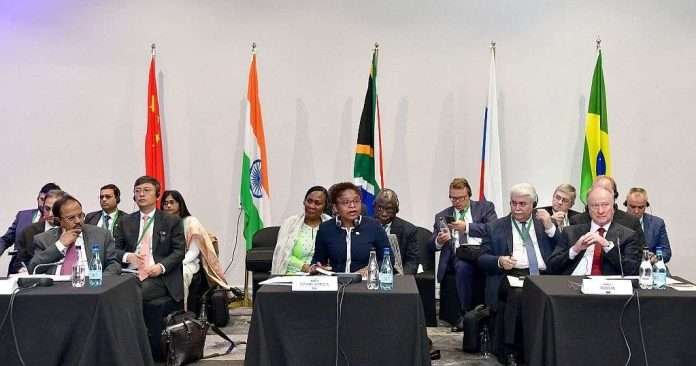
    Pretoria, South Africa – (African Boulevard News) – South Africa played host to the 13th National Security Advisors Meeting of the BRICS countries in Johannesburg on Tuesday (Jul. 25). The meeting was a platform for top national security officials from South Africa, China, Russia, India, and Brazil to discuss matters of global security and economic cooperation.

    The meeting, which was held behind closed doors, saw the participation of national security advisors and representatives from each country. Topics on the agenda included regional conflicts, counter-terrorism efforts, cybersecurity, and economic collaboration. The aim was to foster stronger ties among the BRICS nations and find common ground in addressing global challenges.

    As one of the fastest-growing economies in the world, South Africa has become an increasingly influential player on the global stage. Hosting the meeting provides an opportunity for the country to further solidify its position and strengthen its relationships with other BRICS nations.

    During the meeting, South Africa’s National Security Advisor, Mr. Thabang Mbeki, highlighted the importance of unity and collaboration among the BRICS countries. He emphasized the need for joint efforts in combating terrorism, addressing cybersecurity threats, and promoting economic growth.

    “We believe that by working together, we can enhance our national security and contribute to the stability and peace of the world,” said Mr. Mbeki.

    China’s National Security Advisor, Mr. Li Wei, echoed these sentiments, emphasizing the importance of economic cooperation among the BRICS nations. He stressed the need to enhance trade and investment links, as well as to promote technological innovation and sustainable development.

    The meeting also provided an opportunity for the national security advisors to exchange experiences and best practices. Each country shared its insights on tackling security challenges and explored ways to enhance cooperation in areas such as intelligence sharing and counter-terrorism strategies.

    The discussions held during the meeting will inform the BRICS Summit, which is scheduled to take place later this year. The summit will bring together the leaders of the BRICS countries to address a wide range of issues, including economic development, climate change, and global governance.

    As the BRICS nations continue to grow in influence, their collective voice on matters of global security and economic cooperation becomes increasingly important. By fostering closer ties and promoting unity, these countries have the potential to shape the future of the global landscape.

    The 13th National Security Advisors Meeting of the BRICS countries serves as a testament to the commitment of South Africa and its fellow members to work together in addressing global challenges. The meeting not only strengthens the bonds between the BRICS countries but also sets the stage for greater collaboration and shared prosperity in the future.

    Tunisia: Defiance Prevails as Citizens Rally Against President’s Seizure of Power, Pleading for a Return to Democracy

    0
    Read Time:2 Minute, 32 Second

    Tunis, Tunisia – (African Boulevard News) – Tunisians took to the streets in significant numbers on Tuesday to commemorate the two-year anniversary of President Kais Saied’s controversial seizure of power through the suspension of Parliament. Over 300 people gathered in Tunis, the nation’s capital, to protest against what they viewed as undemocratic actions by the president.

    The protesters, comprising a diverse range of individuals from various political affiliations and civil society organizations, expressed their discontent with Saied’s decision to suspend the country’s legislative body. They argued that this move undermined Tunisia’s democratic institutions and violated the rights of the citizenry. Chanting slogans and brandishing placards, the demonstrators demanded the reinstatement of Parliament and a return to democratic governance.

    The events of July 25, 2021, marked a turning point in Tunisian politics. President Saied, a political outsider who was elected in 2019, claimed that his actions were necessary to address the country’s political and economic crises. However, critics argue that the suspension of Parliament concentrated power in the hands of the president, effectively sidelining checks and balances within the government.

    “This power grab was a clear violation of the democratic principles Tunisia fought so hard to establish after the Arab Spring,” said political analyst Zainab Ben Salah. “By suspending Parliament, President Saied effectively silenced the voice of the people and undermined the foundations of our democracy.”

    The anniversary protests also served as a platform for Tunisians to express their frustrations with the current state of affairs in the country. Tunisia has been grappling with a myriad of challenges, including a struggling economy, high unemployment rates, and widespread social unrest. Many believe that the concentration of power in the presidency has hindered efforts to address these pressing issues.

    “The suspension of Parliament has hindered the government’s ability to effectively respond to the needs of the people,” said civil society activist Hassan Ali. “This anniversary protest is a reminder that Tunisians will not stand idly by as their democratic rights are trampled upon.”

    While the protests remained peaceful overall, there were reports of sporadic clashes between demonstrators and security forces. The government deployed a significant number of security personnel to ensure public safety during the demonstrations. Nevertheless, the peaceful nature of the protest highlights Tunisians’ commitment to expressing their grievances through nonviolent means.

    As Tunisia marks two years since the presidential power grab, it is evident that the events of that day continue to shape the country’s political landscape. The anniversary protests serve as a reminder that Tunisians are determined to safeguard their hard-fought democratic rights and advocate for a return to inclusive governance.

    These protests also send a message to President Saied and the government that the people’s demands for transparency, accountability, and participatory democracy cannot be ignored. Tunisians are hopeful that their collective actions will contribute to the restoration of democratic institutions and pave the way for a more prosperous and inclusive future.

    URLs:
    1. Africanews – Protests in Tunisia mark two years since presidential power grab
    2. Google Search – Protests in Tunisia mark two years since presidential power grab