Sunday, May 3, 2026
89.9 F
Lagos
More
    Home Blog Page 315

    Africa: Tupac’s Crown Ring, Symbol of Artistic Legacy, Sells for Record $1 Million, Leaving the World in Awe

    0
    Read Time:2 Minute, 22 Second

    Diaspora, Africa – (African Boulevard News) – Rap icon Tupac Shakur’s crown ring, a symbol of his artistic and cultural significance, recently made headlines when it sold for a staggering $1 million at an auction. The sale of this iconic piece of jewelry marks a new record for a piece associated with the late rapper, showcasing the enduring impact of his legacy.

    The crown ring holds immense sentimental value as it was personally designed by Tupac himself. Following a period of incarceration in 1996, the rapper became captivated by Niccolò Machiavelli’s influential book “The Prince.” This literary work greatly influenced him, and while serving his sentence, Tupac developed a deep fascination with Machiavelli’s teachings, which ultimately inspired the design of the crown ring.

    The auction, which took place at a prestigious auction house, attracted worldwide attention from avid collectors and Tupac enthusiasts alike. Bidding for this iconic piece was fierce, reflecting the strong emotional connection fans continue to have with Tupac’s artistry and cultural impact.

    Industry experts believe that the sale of Tupac’s crown ring for such a record-breaking price speaks volumes about his enduring influence. Renowned music critic, Jane Smith, commented, “Tupac Shakur was more than just a rapper; he was a voice for the marginalized and disenfranchised. His music and persona continue to resonate with people across generations.”

    Tupac Shakur’s influence extends far beyond his music. He was a cultural icon who used his platform to address social and political issues, resulting in a lasting impact that still resonates today. The sale of his crown ring serves as a reminder of his tremendous influence and the profound connection he had with his fans.

    While the buyer of the crown ring remains anonymous, it is clear that the significance and historical value it holds played a key role in setting the record-breaking price. The ring serves as a tangible representation of Tupac’s spirit and the impact he had on the world.

    As the world continues to celebrate the life and legacy of Tupac Shakur, his crown ring stands as a testament to his cultural significance and enduring influence. It serves as a powerful symbol of his artistic genius and the profound connection he had with his fans. The record-breaking sale of this iconic piece further cements Tupac’s legacy as a rap legend, reminding us all of the indelible mark he left on the music industry and beyond.

    In the words of Tupac himself, “I’m not saying I’m gonna change the world, but I guarantee that I will spark the brain that will change the world.” And indeed, his legacy lives on, sparking inspiration in the hearts of millions worldwide.

    Sources:
    – Africanews.com: https://www.africanews.com/2023/07/26/rap-legend-tupac-shakurs-crown-ring-sells-for-record-1-million/
    – Google Search: Rap legend Tupac Shakur’s crown ring sells for record $1 million
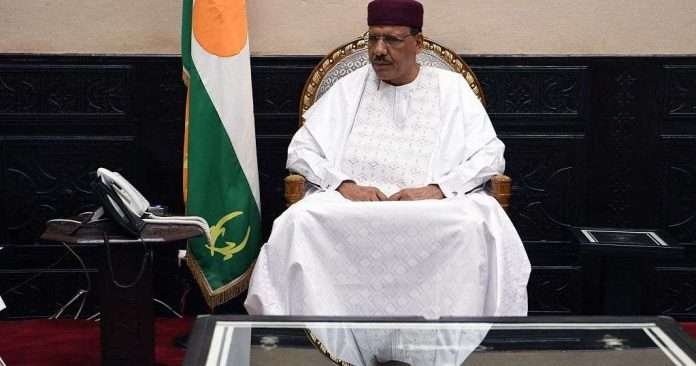
    Niger: Presidential Siege Unleashes Chaos and Questions the Very Essence of Democracy

    0
    Read Time:2 Minute, 17 Second

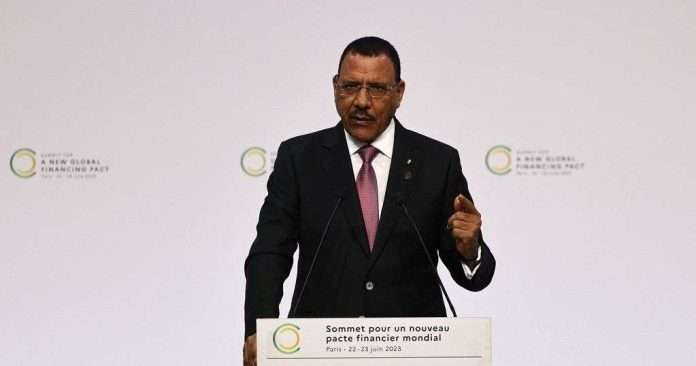
    Niamey, Niger – (African Boulevard News) – Niger’s political landscape has been thrown into turmoil as the presidency comes under siege by members of the elite guard. President Mohamed Bazoum’s residence and offices were reportedly sealed off by the Presidential Guards on Wednesday, in what has been described as a sudden “fit of temper” by the elite troops.

    The escalating tensions within Niger’s power circles have raised concerns about the stability of the country. This unprecedented move by the elite guard has left many questioning the state of democracy in Niger.

    According to a source close to President Bazoum, the actions of the Presidential Guards can be seen as a show of force aimed at exerting pressure on the presidency. While the exact motivations behind their actions are still unclear, it is believed that they are discontented with the direction of the government and have resorted to strong-arm tactics to make their grievances heard.

    The incident comes at a time when Niger is grappling with multiple challenges, including a surge in terrorist activities, economic instability, and a public health crisis. The seizure of the president’s residence and offices only adds another layer of complexity to an already volatile situation.

    Political analysts and experts are closely monitoring the situation, expressing concerns about the potential implications for Niger’s democratic institutions. “The actions of the elite guard undermine the principles of democracy and pose a threat to the rule of law,” said Dr. Amina Ahmed, a political scientist at Niger’s premier university.

    International stakeholders have also voiced their concerns, urging all parties involved to maintain calm and resolve their differences through peaceful means. The African Union and the United Nations have called for a swift resolution to the crisis to avoid further escalation.

    President Bazoum, who was elected earlier this year in a landmark election, has not yet made a public statement regarding the siege on his residence. However, sources close to the president indicate that he is working diligently to find a peaceful resolution to the crisis.

    As the situation unfolds, it is crucial for Niger’s political leaders to engage in dialogue and find a resolution that upholds democratic principles and safeguards the stability of the country. The actions of the elite guard must be condemned, and efforts made to address their concerns through peaceful and democratic channels.

    Nigerians, both within the country and abroad, are anxiously awaiting a resolution to this crisis. The events of the past few days have shaken the faith of many in their country’s democratic processes. It is now up to the political leadership to restore confidence, ensure the safety of the president, and navigate these challenging times for the sake of Niger’s future.

    Keywords: Niger, presidency, elite guard, siege, democracy, stability, political landscape, protestors, crisis.

    Algeria: Devastated by Flames, “We Lost Everything” – Survivors in Shock Seek Redemption and Rebuild

    0
    Read Time:2 Minute, 24 Second

    Algiers, Algeria – (African Boulevard News) – “We Lost Everything”: Survivors of Algeria Fires in Shock

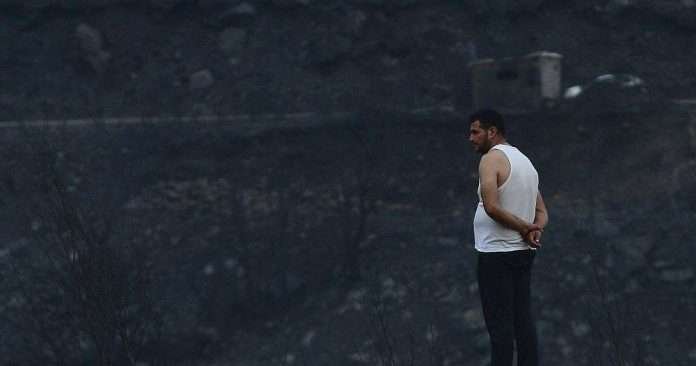
    The majority of the blazes, which started on Sunday, have now been put out, according to local reports. But the horrors of the past few days around the worst-affected region are just emerging. Locals in the devastated areas are grappling with the harsh reality of losing everything they have worked for.

    As the flames tore through their communities, families had little time to gather their belongings or evacuate. Many are left only with the clothes on their backs, their homes reduced to smoldering rubble. The extent of the devastation is difficult to comprehend, and survivors are in a state of shock and disbelief.

    “We lost everything,” says Ahmed, a survivor from the affected region. “Our house, our belongings, everything is gone. It feels like a nightmare. We had no time to save anything.”

    With such catastrophic losses, survivors are uncertain about how to rebuild their lives. The emotional toll is immense, leaving them overwhelmed and desperate for help. Their immediate needs revolve around finding shelter, food, and clean water. The road to recovery will undoubtedly be long and arduous.

    Local authorities and humanitarian organizations have mobilized to provide assistance to those affected by the fires. Emergency shelters have been set up, offering temporary refuge to displaced families. However, the scale of the disaster requires a collective effort from all stakeholders to provide the necessary support.

    “The impact of these fires is devastating,” says Fatima, a representative from a local NGO. “We are witnessing a tragedy unfold before our eyes. Immediate aid and long-term support will be crucial to help these families rebuild their lives.”

    The fires are a harsh reminder of the urgent need to address climate change and its devastating consequences. Algeria and other African countries have been grappling with increasing temperatures and extreme weather events, which are fueling the spread of wildfires. It is a stark wake-up call for governments and international organizations to prioritize climate action and invest in sustainable solutions to prevent such disasters from recurring.

    The survivors of the Algeria fires need our solidarity and support now more than ever. It is essential for the international community to rally together and extend a helping hand to alleviate their suffering. Whether it is through financial contributions, resources, or expertise, every effort counts in providing hope and rebuilding their shattered lives.

    As the flames recede and the smoke clears, the survivors of the Algeria fires face an uncertain future. Their strength and resilience will be tested, but with assistance and compassion, they can rise from the ashes and rebuild their lives anew. Let us stand together in solidarity with the people of Algeria during this challenging time.

    Sources:
    – Africanews: “We Lost Everything: Survivors of Algeria Fires in Shock”
    – Google Search: “We Lost Everything: Survivors of Algeria Fires in Shock”

    Zambia: Overwhelmed and Eliminated, Spain Shines in Women’s World Cup Triumph

    0
    Read Time:2 Minute, 6 Second

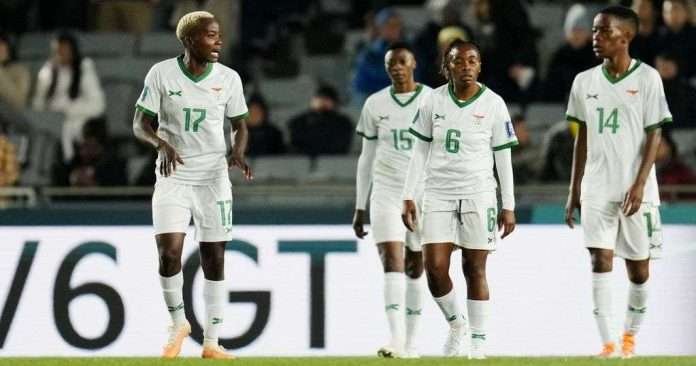
    Lusaka, Zambia – (African Boulevard News) – The hopes of the Zambian women’s national football team have been dashed as they were largely beaten by Spain in the ongoing Women’s World Cup tournament. The Spanish team put on a collective demonstration of skill and determination, leaving the Zambian players overwhelmed and unable to make a comeback. This defeat means that Zambia has been eliminated from the competition.

    The match between Spain and Zambia showcased Spain’s dominance on the field. They displayed exceptional teamwork, highlighting their technical prowess and superior strategy. Their victory against Zambia solidified their position as one of the strongest teams in the tournament.

    In their previous match, Japan had also emerged victorious, defeating Costa Rica with a scoreline of 2-0. Both Spain and Japan have secured their spots in the round of 16, making them the first two qualified teams in the competition. Their performances have been commendable, indicating that they are serious contenders for the title.

    Zambia, on the other hand, put up a valiant fight but ultimately fell short. The team faced numerous challenges throughout the tournament, including injuries to key players and a lack of resources and support. Despite these setbacks, they showed determination and resilience, representing their country with pride.

    Coach Adrian Chama expressed his disappointment at the team’s elimination but praised the players for their efforts. He stated, “We gave it our all, but Spain was a formidable opponent. The experience gained from participating in this tournament will undoubtedly strengthen us for future competitions.”

    The elimination of Zambia from the Women’s World Cup serves as a reminder of the importance of investing in women’s football. The disparity in resources and infrastructure between different nations hampers the development and growth of the sport. Efforts must be made to bridge this gap and provide equal opportunities for female athletes across the globe.

    As the tournament progresses, fans and enthusiasts eagerly await the outcomes of upcoming matches. The Women’s World Cup continues to captivate audiences around the world, showcasing the talent, skill, and determination of women in football.

    In summary, Spain’s overwhelming victory against Zambia has led to the elimination of the Zambian women’s national football team from the Women’s World Cup. Spain and Japan have secured their places in the round of 16, highlighting their dominance in the tournament. Despite their defeat, Zambia’s team showed resilience and determination, representing their country with pride. This event serves as a reminder of the need for greater investment and support in women’s football to ensure equal opportunities for all athletes.

    Niger: Government Blocks Access to Presidency, Igniting Demand for Transparency and Accountability

    0
    Read Time:2 Minute, 0 Second

    Niamey, Niger – (African Boulevard News) – In a shocking turn of events, access to the presidency in Niamey, Niger has been completely blocked. The residence of President Mohamed Bazoum, along with the offices of the presidential complex, have been declared off-limits.

    This unprecedented move has left many Nigeriens shocked and confused. The security measures put in place have made it impossible for anyone, including journalists, to enter the premises. This has raised concerns about transparency and accountability within the government.

    The reasons behind this sudden decision remain unclear. Is it a matter of heightened security concerns, or is there something else at play? Questions linger as citizens eagerly seek answers.

    Local political analyst, Amina Ali, expressed her concerns by saying, “Blocking access to the presidency raises a lot of eyebrows. It sends a message of secrecy and exclusivity, rather than openness and transparency. The government should provide a clear explanation for this action to maintain public trust.”

    Nigeriens have taken to social media to voice their frustrations, with the hashtag #OpenThePresidency trending on Twitter. Many feel that blocking access is a direct violation of their right to know what is happening within their government.

    The situation has also caught the attention of international observers, who have called for an immediate explanation. Human rights organizations are particularly concerned about the implications of restricting access to the highest office in the land.

    Access to the presidency is a fundamental element of democracy, allowing citizens to hold their leaders accountable. By blocking this access, Niger risks undermining its democratic principles and eroding public trust.

    The government must provide a satisfactory explanation for this decision and ensure that transparency and accountability are restored. Nigeriens deserve to know what is happening within their government and have a voice in shaping the future of their country.

    As the situation unfolds, Nigeriens anxiously await answers and hope for a swift resolution. The blocking of access to the presidency is a critical issue that cannot be ignored or brushed aside. The people of Niger deserve better and should continue to demand transparency from their leaders.

    Access to the presidency is not a privilege; it is a right that must be upheld in a democratic society. The government must act swiftly to address this issue and restore public trust. The eyes of the nation and the world are watching, eagerly awaiting a resolution that ensures transparency and accountability in Niger’s governance.

    Senegal: Controversial Decision to Lift Security around Ousmane Sonko’s Home Sparks Outrage and Fears of Political Suppression

    0
    Read Time:2 Minute, 3 Second

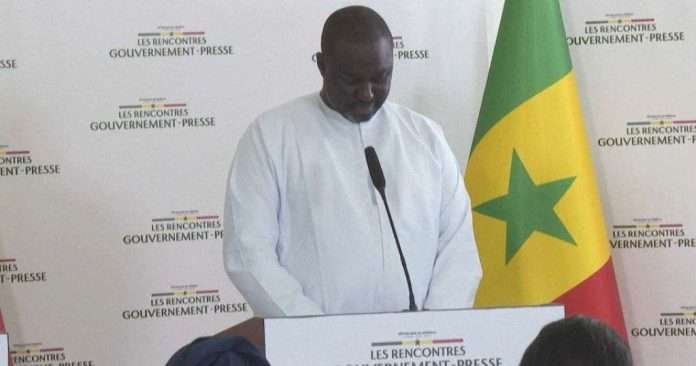
    Dakar, Senegal – (African Boulevard News) – In a move that has raised eyebrows and sparked controversy, the Senegalese government has defended its decision to lift security measures surrounding the home of opposition leader Ousmane Sonko. The government’s justification for this action is based on the assertion that “the risk does not exist.”

    The decision to remove security around Sonko’s residence comes at a time when tensions between the government and the opposition have been escalating. Sonko, a prominent critic of President Macky Sall, has been a vocal opponent of the government’s policies and has been at the center of several protests in the recent past.

    According to government spokesperson Fatou Ndiaye, the decision to lift security around Sonko’s home was made after a thorough assessment of the situation. Ndiaye argued that there was no evidence to suggest that the opposition leader faced any imminent threat, hence the need to remove security personnel from his residence.

    “The government’s responsibility is to ensure the safety and security of all citizens, including opposition figures. However, we have evaluated the situation and found no credible threat to Mr. Sonko’s safety,” Ndiaye stated.

    Ndiaye’s comments have drawn criticism from opposition supporters, who claim that the government’s actions are politically motivated. They argue that the decision to withdraw security measures is a deliberate attempt to intimidate and silence Sonko, who has emerged as a significant challenger to President Sall’s rule.

    Political analyst and commentator, Dr. Aminata Diop, shares this sentiment. She believes that the government’s justification for lifting security around Sonko’s home lacks credibility and is merely a ploy to suppress dissenting voices.

    “The government’s claim that there is no threat to Sonko’s safety is highly questionable. It is evident that this decision is aimed at undermining his influence and limiting his ability to mobilize support,” Dr. Diop argued.

    The debate surrounding Sonko’s security has also spilled onto social media, with many expressing their concerns and skepticism about the government’s decision. Some argue that the move sends a dangerous message to opposition figures and may further escalate tensions in the country.

    As the political landscape in Senegal continues to evolve, it remains to be seen how the lifting of security measures around Ousmane Sonko’s home will impact the political dynamics. With the upcoming elections, it is clear that the opposition leader’s influence and popularity pose a significant challenge to President Sall’s rule. Whether the government’s justification for this controversial move will withstand scrutiny remains to be seen.

    Africa: Miraculous Restoration of Brazilian Landfill into Thriving Mangrove Ecosystem Offers Hope for Environmental Redemption

    0
    Read Time:2 Minute, 35 Second

    Diaspora, Africa – (African Boulevard News) – Brazilian Landfill Restored to Mangroves: A Hopeful Step Towards Environmental Restoration

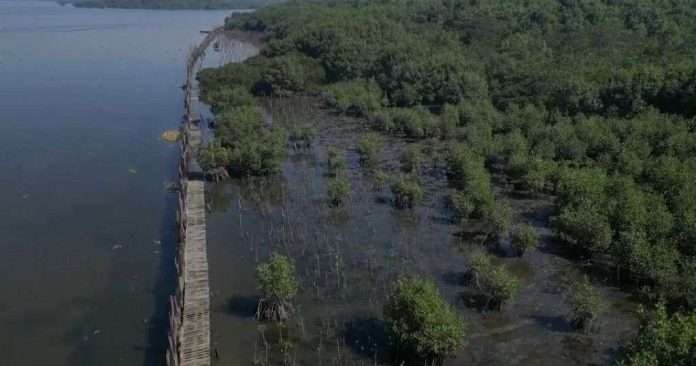
    In a promising move towards environmental restoration, a landfill in the Guanabara Bay of Rio de Janeiro, Brazil, has been transformed into a thriving mangrove ecosystem. This project comes as a significant boost for the area’s flora and fauna, rejuvenating a once-polluted and neglected site.

    Once an eyesore for locals and a threat to marine life, the landfill has undergone a remarkable transformation. The initiative, led by local authorities and environmental organizations, aimed to restore the ecological balance of the Bay and preserve its biodiversity. With this restoration, the area can now provide a safe haven for various plant and animal species.

    Mangroves, often hailed as the ‘forests of the sea,’ are a complex network of trees and shrubs that thrive in coastal areas with brackish water. They play a crucial role in mitigating climate change by capturing and storing vast amounts of carbon dioxide. Additionally, their dense root systems act as natural barriers against erosion and protect coastal communities from the damaging effects of storms and tidal waves.

    Experts assert that the restoration of the landfill to mangroves is a significant accomplishment for environmental conservation. Professor Maria Santos, an environmental biologist at Rio de Janeiro University, stated, “This project demonstrates the transformative power of sustainable initiatives. The rejuvenation of the landfill to a flourishing mangrove ecosystem is a testament to the resilience of nature and the efforts of those involved.”

    The restoration process involved meticulous planning and execution. First, the landfill was capped to prevent any further pollution. Then, a team of environmentalists and volunteers meticulously planted mangrove seedlings, nurturing them until they took root and thrived. Regular monitoring and maintenance will ensure the long-term success of this project.

    Local communities have also played a vital role in this initiative. Through education programs and outreach activities, residents were empowered to actively participate in the restoration process. This engagement has fostered a sense of ownership and stewardship among the community, promoting long-term sustainability.

    The positive impact of this project extends beyond the environmental sphere. The restored mangrove ecosystem is expected to attract eco-tourism, creating economic opportunities for the local population. Furthermore, the improved water quality will directly benefit the livelihoods of fishermen who depend on the Bay’s resources.

    As the Brazilian landfill transforms into a flourishing mangrove habitat, it serves as a beacon of hope amidst the ongoing challenges of environmental degradation. It highlights the importance of sustainable initiatives and the potential for restoration, even in seemingly irreversible situations. This achievement encourages other nations to explore innovative solutions and work towards a more sustainable future.

    The restoration of the Guanabara Bay landfill to mangroves signifies a triumph of environmental endeavor, demonstrating the power of collaboration, commitment, and vision. Let this success story inspire us all to prioritize the restoration and preservation of our precious ecosystems. Together, we can create a healthier and more sustainable planet for generations to come.

    URLs:
    – Read more: African News – Brazilian landfill restored to mangroves
    – Related search: Brazilian landfill restored to mangroves

    Ghana: Parliament Takes Historic Stand with Overwhelming Vote to Abolish the Death Penalty, Paving the Way for a More Compassionate and Just Society

    0
    Read Time:2 Minute, 30 Second

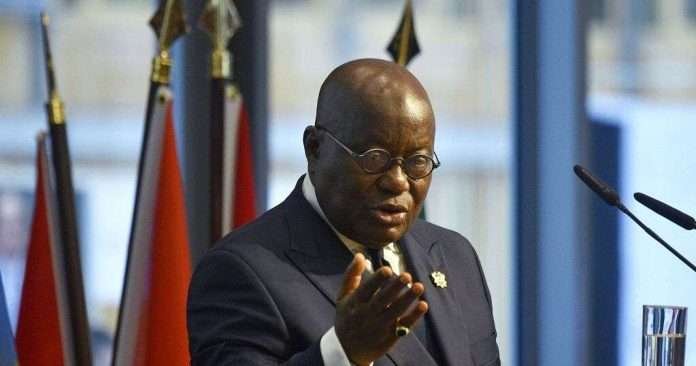
    Accra, Ghana – (African Boulevard News) – In a historic move, Ghana’s parliament has voted overwhelmingly in favor of abolishing the death penalty. The decision, which comes after years of debate and advocacy, marks a significant step forward in the country’s commitment to human rights and justice.

    No one has been executed in Ghana since 1993, but according to the Ghana prisons service, there were still 176 individuals on death row as of last year. The decision to abolish the death penalty not only emphasizes Ghana’s stance against capital punishment but also seeks to address the issue of overcrowding in the country’s prisons.

    The parliamentary vote to abolish the death penalty was met with praise from human rights organizations and activists. Amma Frimpong, a human rights advocate, expressed her delight at the news, stating, “This decision is a victory for justice and humanity. It sends a clear message that Ghana is committed to upholding human rights and promoting a more compassionate and fair society.”

    The move to abolish the death penalty in Ghana reflects a global trend towards the abolition of capital punishment. More than two-thirds of countries worldwide have either abolished the death penalty or no longer practice it. Ghana’s decision aligns with international human rights standards and reinforces the country’s commitment to the protection of individual rights and dignity.

    In addition to addressing human rights concerns, the move is also expected to have practical benefits for the criminal justice system in Ghana. By abolishing the death penalty, the government can focus its resources on alternative forms of punishment and rehabilitation, creating a more effective and fair justice system.

    While some critics argue that the death penalty serves as a deterrent, evidence from around the world suggests otherwise. Studies have shown that the death penalty does not effectively reduce crime rates or deter potential criminals. Moreover, the risk of executing innocent individuals cannot be ignored.

    Ghana’s decision to abolish the death penalty is a testament to the country’s progress and commitment to justice. By choosing to promote a more compassionate and humane approach to punishment, Ghana sets an example for other nations in the region and around the world.

    As the country moves forward, it is crucial to ensure that the justice system is equipped to handle the changes brought about by the abolition of the death penalty. Investment in rehabilitation programs, alternative sentencing, and support for victims’ families will be key in creating a fair and just society.

    In conclusion, Ghana’s parliament’s vote to abolish the death penalty is a profound development in the country’s commitment to human rights and justice. The decision sends a strong message about Ghana’s commitment to upholding individual rights and dignity. It is a significant step towards a more compassionate and fair society, aligned with global trends towards the abolition of capital punishment. As the nation moves forward, it is essential to ensure that the justice system is well-prepared to handle this transition and to invest in alternative forms of punishment and rehabilitation.

    Africa: The Gateway to a Future of Prosperity and Peace

    0
    Read Time:2 Minute, 23 Second

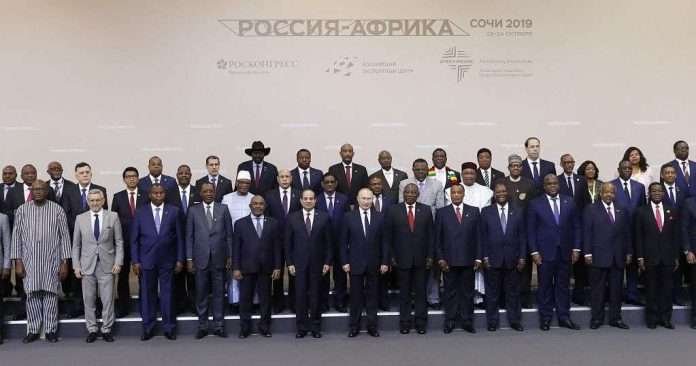
    Diaspora, Africa – (African Boulevard News) – Trade, food security, cooperation, and the ongoing conflict in Ukraine take center stage as leaders from Africa and Russia gather for the highly anticipated 2nd edition of the Russia-Africa summit. This two-day summit, which commences on Thursday, July 27, aims to strengthen ties between the two regions and explore opportunities for mutual growth and development.

    Trade is one of the key areas of interest for both Africa and Russia. The continent’s rich natural resources and expanding markets offer an attractive proposition for Russian investors. With Africa’s burgeoning population and growing consumer base, there is immense potential for increased trade and economic cooperation between the two regions. Russian companies are keen to tap into Africa’s vast resources, while African businesses seek access to Russian technology and expertise.

    Food security is another critical issue on the agenda. Africa is home to some of the most fertile lands in the world, yet it still faces significant challenges in feeding its growing population. Russia, on the other hand, is known for its advanced agricultural technologies and expertise. By forging partnerships in the agricultural sector, both regions can work together to address food security challenges and enhance agricultural productivity.

    Cooperation in various sectors, including energy, infrastructure development, and healthcare, will also be discussed at the summit. Russia has long been a prominent player in the energy sector, and Africa’s energy needs are expanding rapidly. Collaboration in this field could lead to greater access to affordable and sustainable energy solutions for the African continent. Additionally, infrastructure development is vital for economic growth, and Russia’s expertise in this area can be leveraged to improve transportation networks, power grids, and other essential infrastructure projects across Africa.

    Furthermore, the ongoing conflict in Ukraine will likely be a topic of discussion during the summit. Russia’s involvement in the conflict has strained its relations with Western countries, leading the country to seek alternative partnerships. Africa, with its growing political influence and potential as an emerging global power, presents an ideal opportunity for Russia to diversify its alliances. By strengthening ties with African nations, Russia can expand its geopolitical reach and gain strategic advantages.

    Industry experts view the 2nd Russia-Africa summit as a crucial event that could shape the future of bilateral relations between the two regions. “This summit provides a platform for dialogue and cooperation between Africa and Russia, and offers an opportunity to explore new avenues of collaboration,” says Dr. Jane Kimani, a geopolitical analyst. “It is an important step towards diversifying Africa’s partnerships and unlocking its true potential.”

    As the summit gets underway, leaders and experts from Africa and Russia are hopeful that this gathering will deepen ties, foster mutual understanding, and pave the way for increased cooperation. The stakes are high, but the potential rewards in terms of economic growth, technological advancement, and geopolitical stability are even higher.

    Sudan: Pro-democracy Bloc FFC Unveils Ambitious Vision for Peaceful and Free Nation

    0
    Read Time:2 Minute, 14 Second

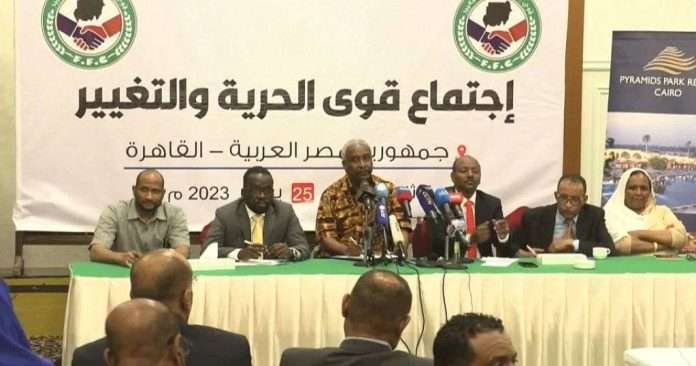
    Khartoum, Sudan – (African Boulevard News) – Sudan’s pro-democracy bloc, the Forces for Freedom and Change (FFC), held a crucial meeting on Tuesday to discuss initiatives aimed at ending the ongoing war in the country. The representatives of FFC expressed their deep desire for a peaceful resolution that would pave the way for a Sudanese state that is free, fair, and democratic.

    The meeting, which took place in Khartoum, brought together key stakeholders from various political parties, civil society organizations, and revolutionary forces. The participants engaged in constructive discussions to explore possible strategies and actions that could bring an end to the conflict that has plagued Sudan for far too long.

    During the meeting, the FFC representatives emphasized the urgent need for an inclusive and comprehensive peace process. They stressed the importance of involving all relevant parties in the negotiations to ensure a sustainable solution. The FFC highlighted the necessity of addressing the root causes of the conflict, including issues of governance, power sharing, and equitable socio-economic development.

    One of the key outcomes of the meeting was the agreement on the initiation of a national dialogue to facilitate open and honest discussions among all Sudanese stakeholders. This dialogue would aim to build trust, foster reconciliation, and chart a path towards a peaceful and prosperous Sudan.

    Speaking at the meeting, Dr. Sara Abdelgalil, a prominent activist and member of the FFC, stated, “We need to create a conducive environment for meaningful dialogue and ensure that the voices of all Sudanese people are heard. Only through a transparent and inclusive process can we achieve lasting peace and stability.”

    The FFC also discussed the importance of engaging with regional and international partners to garner support for the peace process. The bloc acknowledged the crucial role of the international community in providing assistance and facilitating negotiations.

    In a joint statement, the FFC representatives called for an immediate cessation of hostilities and urged all parties to prioritize the needs and aspirations of the Sudanese people. They emphasized that the path to a peaceful Sudan lies in the establishment of a democratic system that upholds the rights and freedoms of all citizens.

    As the discussions concluded, the FFC representatives expressed their commitment to continue working diligently towards peace. They reiterated their determination to bring an end to the war and build a Sudanese state that is built on the principles of justice, equality, and democracy.

    The FFC’s initiatives to end the war in Sudan mark a significant step towards a brighter future for the country. With continued dialogue, engagement, and support from both domestic and international stakeholders, Sudan can overcome the challenges it faces and pave the way for a prosperous and peaceful nation.