Sunday, May 3, 2026
89.9 F
Lagos
More
    Home Blog Page 314

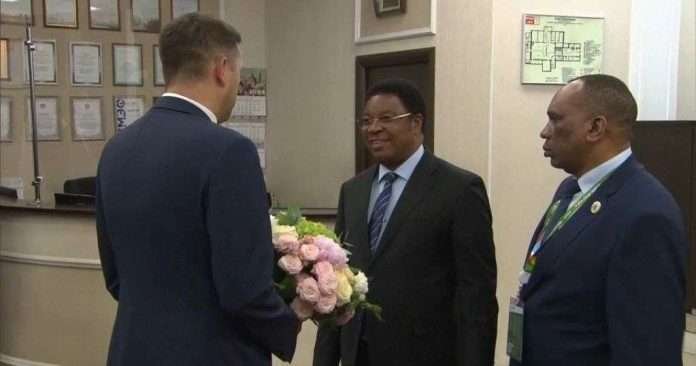
    Africa: Leaders Converge in Russia, Defying Consequences for a Chance at Prosperity

    0
    Read Time:2 Minute, 15 Second

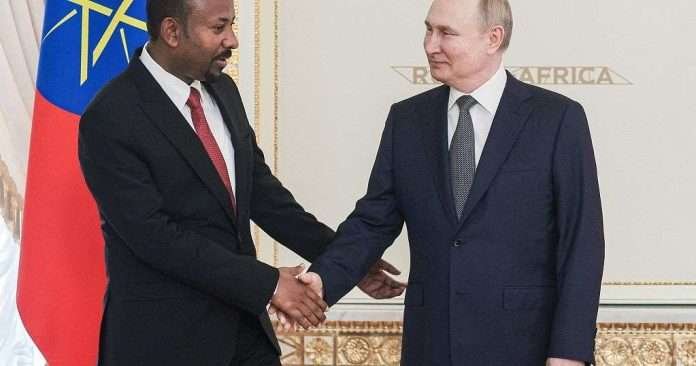
    Diaspora, Africa – (African Boulevard News) – African leaders have flocked to Russia for a high-profile summit as the Kremlin seeks new allies amidst ongoing international tensions. The summit, which comes at a crucial time as fighting continues in Ukraine, aims to strengthen political and economic ties between the African continent and Russia. With a plethora of world leaders in attendance, the event promises to be a significant platform for dialogue and collaboration.

    The African-Russian Summit, held in the picturesque city of Sochi, has attracted leaders from across the African continent. The presence of these leaders underscores the growing importance of Russia as a global player, particularly in the African context. As part of their strategic alliances, Moscow has been actively engaged in trade partnerships, arms deals, and investment ventures with various African nations in recent years.

    Nigeria’s President Muhammadu Buhari, South Africa’s President Cyril Ramaphosa, and Egypt’s President Abdel Fattah el-Sisi are just a few of the prominent African leaders who have arrived in Russia for the summit. Russian President Vladimir Putin is expected to hold bilateral talks with each leader, focusing on areas of mutual interest such as energy, infrastructure development, and defense cooperation.

    The Kremlin’s interest in forging ties with African countries is multifaceted. Not only does it offer Russia the opportunity to expand its economic influence, but it also enables Putin’s government to strengthen its political alliances on the international stage. By presenting itself as a reliable partner to African leaders, Russia aims to counterbalance Western dominance in the region and gain support for its foreign policies.

    However, some experts caution that African nations should approach their engagement with Russia with caution. Dr. Emma Ndulu, an international relations expert, warns, “While it is important for African countries to diversify their partnerships and seek economic opportunities, they must also consider the potential consequences of aligning too closely with Russia. It is crucial to strike a balance between pursuing mutual interests and safeguarding their own national sovereignty.”

    The summit also provides an opportunity for African leaders to address pressing regional challenges. Climate change, security threats, and the COVID-19 pandemic are among the key issues expected to be discussed during the summit. Cooperation in these areas not only benefits individual nations but also reinforces the notion of collective responsibility and the need for global cooperation.

    As African leaders settle into the vibrant atmosphere of Sochi, the world watches with anticipation. The African-Russian Summit offers a platform for dialogue, collaboration, and the opportunity to forge new alliances. Amidst the ongoing tensions in Ukraine, the summit represents a critical juncture for both Russia and Africa to reaffirm their commitment to a mutually beneficial partnership that transcends geographical boundaries.
    Africa: Migrants Reclaim the Sea Through Life-Saving Swimming Lessons

    0
    Read Time:2 Minute, 12 Second

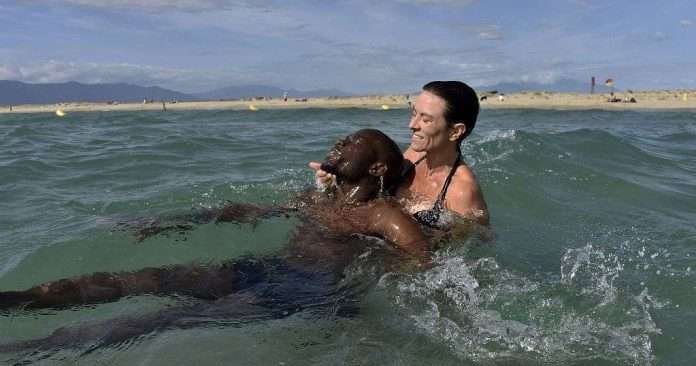
    Diaspora, Africa – (African Boulevard News) – Swimming lessons at sea are being used as a way to reconcile migrants and asylum seekers with the water. In Canet-en-Roussillon, a town in southern France, the Welcome 66 association has taken up the task of teaching swimming at sea to refugees and asylum seekers. This initiative aims to help them overcome any fear or trauma associated with the sea, often experienced during their perilous journeys to reach safety.

    The swimming lessons are designed to give participants the necessary skills and confidence to navigate the water safely. The Welcome 66 association believes that acquiring swimming abilities can be crucial for migrants and refugees, who often face dangerous situations at sea. By providing them with swimming lessons, the association hopes to reduce the risk of accidents and drownings, ultimately saving lives.

    “For many migrants and refugees, the sea is both a symbol of hope and a source of fear,” said Marie Rives, the president of the Welcome 66 association. “By teaching them to swim, we are empowering them with a valuable skill while helping to alleviate their anxieties.”

    The swimming lessons take place in the Mediterranean Sea, with experienced instructors guiding the participants. These sessions involve learning basic swimming techniques, water safety protocols, and strategies to stay calm in the water. The instructors are patient and understanding, creating a supportive environment where participants can build confidence in their swimming abilities.

    “Swimming is not only about moving in the water; it’s about feeling comfortable and safe,” stated Jean-Luc Alonso, a swimming instructor with the Welcome 66 association. “By offering swimming lessons at sea, we are helping migrants and asylum seekers reclaim their relationship with the water and ultimately reintegrating them into society.”

    The initiative has received positive feedback from the participants. Many have expressed gratitude for the opportunity to learn how to swim in a safe and supportive environment. Some have even commented on the positive impact it has had on their mental well-being, allowing them to confront their fears and develop a sense of empowerment.

    Swimming lessons at sea can play an instrumental role in ensuring the safety and well-being of migrants and refugees crossing treacherous waters. By providing them with the necessary skills, these initiatives offer a lifeline in times of crisis. As the Welcome 66 association continues its mission to reconcile migrants with the water, lives are being safeguarded, and new doors are being opened for those seeking refuge.

    For more information on the swimming lessons at sea initiative, please visit: [URL from content]

    Reference:
    [URL – Africanews.com]
    [URL – Google Search: Swimming lessons at sea to reconcile migrants with the water]

    Africa: Summit of Hope and Opportunity Unfolds in Saint Petersburg

    0
    Read Time:2 Minute, 20 Second

    Diaspora, Africa – (African Boulevard News) – Africa is abuzz with anticipation as African leaders begin to arrive in the picturesque city of Saint Petersburg, Russia, for the highly anticipated second Russia-Africa Summit. The summit, set to commence this Thursday, aims to deepen the economic, political, and cultural ties between Russia and Africa.

    The arrival of African leaders in Saint Petersburg marks a significant milestone in the growing partnership between Russia and Africa. The summit is expected to showcase the immense potential and opportunities for collaboration between the two regions.

    African leaders are enthusiastic about the prospects of this summit. President Cyril Ramaphosa of South Africa expressed his optimism, stating, “The Russia-Africa Summit presents a unique opportunity for African countries to forge stronger partnerships with Russia across various sectors, including trade, investment, and technology.”

    The summit will focus on a range of key topics, including energy, infrastructure, agriculture, healthcare, and education. It aims to foster mutually beneficial partnerships that will drive economic growth and address Africa’s development challenges.

    One of the key objectives of the summit is to explore opportunities for increased trade and investment between Russia and Africa. The African continent is rich in natural resources, while Russia possesses advanced technological expertise. This synergy presents an ideal platform for collaboration that can drive sustainable development and economic transformation in Africa.

    The Russia-Africa Summit will also provide a platform for African leaders to engage with Russian businesses and explore potential investment opportunities. This will enable African countries to diversify their economies, create jobs, and ultimately improve the living standards of their citizens.

    Additionally, the summit will facilitate discussions on security cooperation and diplomatic relations between Russia and Africa. With escalating security challenges in various parts of the continent, African leaders will seek to forge partnerships with Russia to address these issues and promote peace and stability in the region.

    The second Russia-Africa Summit holds great promise for Africa’s future. It signifies a renewed commitment from both Russia and African countries to collaborate and work together towards a prosperous and sustainable future.

    As the summit unfolds, it is expected that tangible agreements and partnerships will emerge, transforming the rhetoric of cooperation into concrete action. African leaders are hopeful that this summit will mark the beginning of a new era in Russia-Africa relations, characterized by shared prosperity and mutual respect.

    The second Russia-Africa Summit is indeed a momentous occasion, setting the stage for enhanced collaboration and deeper engagement between Russia and Africa. As African leaders gather in Saint Petersburg, the world watches with anticipation, eager to witness the birth of a new chapter in the history of Russian-African relations.

    For more information on the second Russia-Africa Summit and to stay updated on the latest developments, visit African Boulevard News at https://www.africanews.com.

    Mali: Embracing Cultural Independence – French No Longer Official Language

    0
    Read Time:2 Minute, 9 Second

    Bamako, Mali – (African Boulevard News) – In a historic move, Mali has officially dropped French as its official language under a new constitution that was overwhelmingly passed with 96.91% of the vote in a June 18 referendum. This decision marks a significant shift in the country’s linguistic landscape and has sparked both celebration and controversy.

    The decision to drop French as the official language reflects Mali’s growing desire to assert its cultural independence and promote its native languages. The move has been hailed by many as a step towards reclaiming the country’s cultural heritage and fostering a stronger sense of national identity.

    Malian linguists and cultural activists have long argued that the dominance of French has marginalized local languages, impeding the development of a strong national linguistic identity. With over 40 native languages spoken across the country, the decision to remove French as the official language is seen as a bold move in giving these local languages the recognition they deserve.

    Yet, the decision also has its critics. Some argue that French is an important language for international communication and the country’s economic development. They fear that removing French as the official language could hinder Mali’s ability to attract foreign investments and engage in global trade.

    However, proponents of the decision point to other countries that have successfully transitioned away from former colonial languages. Countries like Rwanda and Tanzania have managed to develop their economies and engage with the global community without relying on their former colonial languages.

    According to Dr. Amadou Diawara, a linguistics expert at the University of Bamako, “This decision is a testament to Mali’s commitment to promoting its own cultural heritage and empowering its citizens. By elevating local languages, Mali is fostering a stronger sense of national pride and inclusivity.”

    The transition away from French will not happen overnight. The government has outlined a comprehensive plan to promote local languages in education, media, and public administration. This includes the translation of official documents and the introduction of new language policies and programs.

    To ensure a smooth transition, the government will also provide support to Malians who may face challenges in adapting to the new policy. Language training programs and resources will be made available to facilitate the integration of local languages into various sectors of society.

    While the decision to drop French as the official language may be met with some resistance, it is undeniably a significant milestone in Mali’s journey towards reclaiming its cultural identity. By embracing its native languages, Mali is taking a bold step towards fostering a stronger sense of national pride and inclusivity.

    Kenya: Hope Sparks as President and Opposition Ready for Crucial Dialogue, Promising an End to Deadly Protests and Political Turmoil

    0
    Read Time:2 Minute, 26 Second

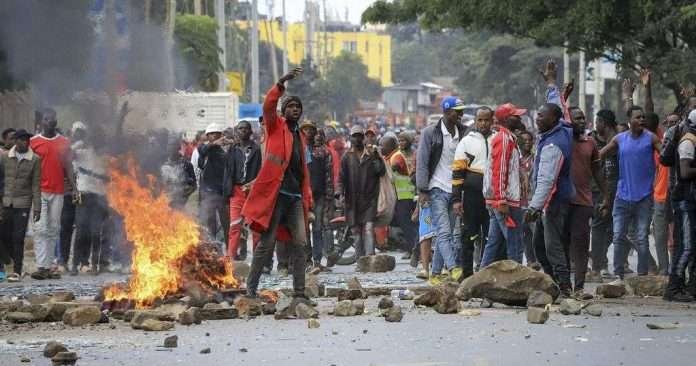
    Nairobi, Kenya – (African Boulevard News) – Residents of Kenya’s capital Nairobi are holding out hope for a much-needed dialogue between President Uhuru Kenyatta and the opposition, following months of deadly protests against the government. The citizens, weary from the unrest and violence that has plagued the nation, are yearning for a peaceful resolution to the political crisis.

    The opposition, led by Raila Odinga of the National Super Alliance (NASA), expressed their readiness to engage in dialogue with the government. Odinga, a former Prime Minister, has been at the forefront of the anti-government protests, demanding electoral reforms and an end to what they perceive as an increasingly authoritarian rule.

    Despite their initial reluctance, President Kenyatta and his government have finally shown signs of willingness to engage in talks. This newfound hope has ignited a flicker of optimism among Kenyans, who are yearning for an end to the bloodshed and a return to stability and prosperity.

    Political analyst, Dr. Mary Kamau, believes that dialogue is crucial for the nation’s progression. She stated, “Kenya cannot afford to continue in this state of political turmoil. Dialogue is the only viable solution to bridge the gap between the government and the opposition. Both sides need to come to the table, listen to each other’s concerns, and find common ground for the betterment of the nation.”

    The people of Kenya have been deeply affected by the months-long protests. Lives have been lost, livelihoods destroyed, and the economy severely impacted. The ongoing unrest has left a scar on the nation’s collective psyche, with many citizens yearning for peace and stability.

    However, skepticism still lingers among Kenyans due to past unsuccessful attempts at dialogue. The fear of empty promises and lack of real progress looms over the potential talks. The key now lies in ensuring that meaningful dialogue takes place, with concrete actions and tangible results.

    In order to build trust and foster a conducive environment for dialogue, it is imperative that both sides demonstrate sincerity and a genuine commitment to resolving the nation’s numerous challenges. This requires putting aside personal interests and focusing on the greater good of the country.

    As Kenya cautiously steps towards the possibility of dialogue, it is essential for all stakeholders, including civil society organizations and international partners, to support the process. Their involvement can provide oversight, ensure accountability, and lend credibility to the dialogue.

    While there are no guarantees of a successful outcome, the hope for a peaceful resolution and a united Kenya remains steadfast. The nation looks to its leaders to rise above their differences, prioritize the welfare of its citizens, and pave the way for a brighter future.

    In the face of political uncertainty, Kenyans are daring to hope that this time, dialogue will prevail over division; that unity will triumph over strife. It is a delicate moment for the nation, but one that holds the potential for a brighter and more stable future.

    Nigeria: Doctors’ Nationwide Strike Plunges Healthcare System into Chaos and Leaves Patients Desperate for Lifesaving Care

    0
    Read Time:2 Minute, 21 Second

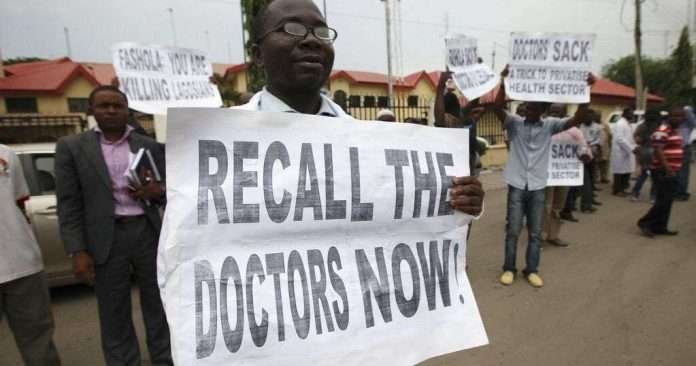
    Abuja, Nigeria – (African Boulevard News) – Nigeria is currently facing a healthcare crisis as doctors across the country have embarked on an indefinite nationwide strike. This development has sent shockwaves through the nation, leaving many citizens concerned about the future of their healthcare.

    Less than 48 hours ago, the Speaker of the House of Representatives, Tajudeen Abass, pleaded with the doctors for understanding and assured them that the new administration would prioritize healthcare. However, it seems that their pleas have fallen on deaf ears as doctors have decided to take matters into their own hands.

    The strike action is a result of the doctors’ frustration with the Nigerian government’s failure to meet their demands. Key issues at the center of the dispute include improved working conditions, increased funding for healthcare facilities, and the implementation of a revised salary structure. The doctors argue that these demands must be met in order to provide quality healthcare services for the Nigerian population.

    The impact of this strike is already being felt by patients who require medical attention. Hospitals across the country are struggling to cope with the sudden absence of doctors, leading to a significant decrease in the quality and availability of healthcare services. This has left many patients in a state of distress, as they are unable to receive the treatment they desperately need.

    In addition to the immediate impact on patients, there are concerns about the long-term effects of this strike. The strike has the potential to exacerbate the existing healthcare inequalities in Nigeria, with the most vulnerable members of society being the hardest hit. The lack of access to medical care could lead to an increase in preventable deaths and the further spread of diseases.

    The Nigerian government has yet to respond to the doctors’ demands, raising questions about their commitment to solving this crisis. Industry experts and stakeholders have criticized the government for failing to prioritize the healthcare sector and address the concerns of healthcare professionals.

    Dr. Adebayo Olaleye, the President of the Nigerian Medical Association, expressed his disappointment with the government’s lack of action, stating, “We have been pushed to the wall, and we have no choice but to embark on this strike. Our healthcare system is in dire need of urgent attention, and we cannot continue to work under such conditions.”

    The indefinite nationwide strike by doctors in Nigeria has created a healthcare crisis that demands urgent attention. As the strike enters its first day, patients are left in a state of uncertainty, unsure of when they will receive the medical care they desperately need. The Nigerian government must prioritize the healthcare sector and engage in meaningful dialogue with doctors to find a solution that benefits all parties involved. Failure to do so will only deepen the divide and prolong the suffering of the Nigerian people.

    Ivory Coast: Urgent Call to Protect Refugees and Preserve Dignity as Sahel Crisis Escalates

    0
    Read Time:2 Minute, 27 Second

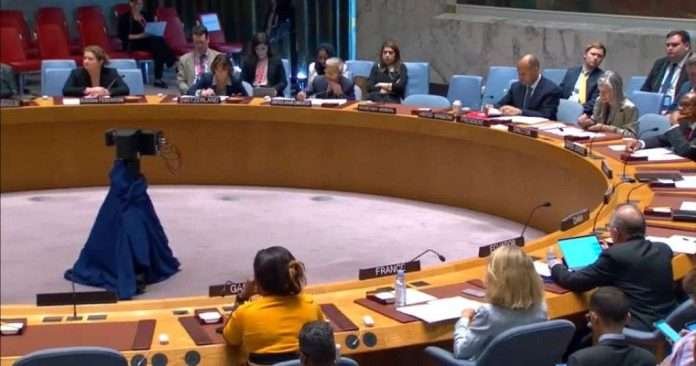
    Yamoussoukro, Ivory Coast – (African Boulevard News) – Crisis in the Sahel, a sum of complex circumstances, is currently under the spotlight at the United Nations Security Council. The situation in the Sahel region has been deteriorating rapidly, with a surge in violence, displacement, and food insecurity. This crisis has prompted a call to action from the international community to address the root causes and provide much-needed assistance to the affected populations.

    The Sahel region, which encompasses countries such as Mali, Burkina Faso, Niger, and Chad, has been plagued by a myriad of challenges, including terrorism, intercommunal conflict, and climate change. These factors have created a perfect storm, leading to widespread suffering and instability.

    According to the United Nations, the number of people displaced by conflict in the Sahel has reached a staggering 6.3 million. As the violence escalates, increasing numbers of these forced-to-move populations find refuge in coastal countries, including Ivory Coast and Ghana. This puts additional strain on these countries’ already fragile infrastructure and resources.

    Addressing the UN Security Council, Ambassador Mark Pedersen, the Permanent Representative of Denmark, highlighted the urgent need for a comprehensive approach to tackle the crisis in the Sahel. He emphasized the importance of addressing the root causes, including poverty, inequality, and governance issues, while also providing humanitarian assistance and protecting human rights.

    “The situation in the Sahel is a complex web of interconnected challenges. We must address the root causes, including poverty, inequality, and the lack of opportunities for the youth. At the same time, we need to provide immediate humanitarian assistance to those affected by the violence and ensure their protection,” said Ambassador Pedersen.

    Experts and stakeholders in the region have stressed the need for a coordinated and sustained effort to address the crisis. The security situation in the Sahel is not only a concern for the countries within the region but also for the stability of the entire continent.

    In response to the escalating crisis, the UN Security Council has called for increased support to the affected countries and the mobilization of resources to address the humanitarian needs. The international community is urged to step up their efforts in providing humanitarian aid, promoting development, and supporting peacebuilding initiatives.

    The situation in the Sahel is a stark reminder of the interconnectedness of global challenges. It requires a collective response from governments, the private sector, civil society, and the international community as a whole.

    As the crisis in the Sahel continues to unfold, it is crucial that the international community remains committed to addressing the root causes and providing support to the affected populations. Only through a comprehensive and sustained effort can we hope to bring stability and lasting peace to the Sahel region and its people.

    Keywords: Crisis in the Sahel, complex circumstances, UN Security Council, violence, displacement, food insecurity, terrorism, intercommunal conflict, climate change, humanitarian assistance, poverty, inequality, governance issues, protection, coordinated effort, stability, international community, collective response.

    Nigeria: Suspended Central Bank Governor’s Trial Unveils Dark Secrets of Power, Betrayal, and Justice

    0
    Read Time:2 Minute, 18 Second

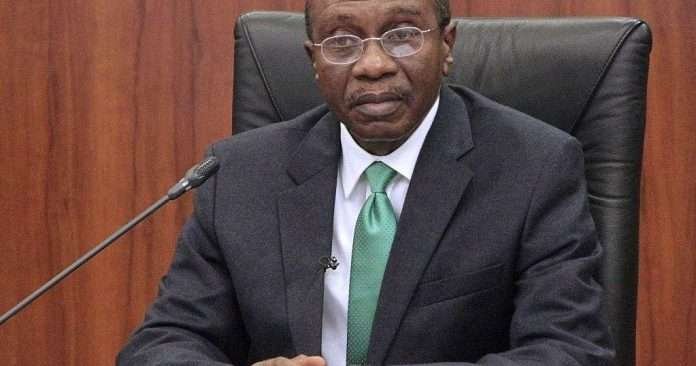
    Abuja, Nigeria – (African Boulevard News) – Suspended Central Bank governor of Nigeria, Godwin Emefiele, made a dramatic appearance in court yesterday in Lagos. The former governor is facing charges of illegal possession of a firearm and live ammunition. This high-profile case has attracted significant attention from the media and the public.

    Emefiele arrived at the courthouse accompanied by his legal counsel. The courtroom was filled with journalists, eager to report on the developments of this highly anticipated trial. The prosecution team, led by the state’s attorney, wasted no time in presenting their case against the former governor.

    The crux of the prosecution’s argument revolves around the alleged discovery of a firearm and live ammunition in Emefiele’s possession during a routine search carried out by security personnel. The charges against him carry serious consequences if found guilty, including a lengthy prison sentence.

    Emefiele’s defense team vehemently denies the charges, stating that the weapon and ammunition were planted to frame their client. They argue that there are ulterior motives behind the prosecution’s case, suggesting political vendettas are at play.

    Legal experts have weighed in on the case, highlighting the need for a meticulous investigation to determine the authenticity of the charges. Chief Barrister Adeyemi Ogunbanjo stated, “It is crucial to ensure that due process is followed, and all evidence is thoroughly examined before passing judgment. This case has far-reaching implications, and a fair trial is of utmost importance.”

    The trial is garnering significant attention within Nigeria, as Emefiele’s tenure as governor of the Central Bank was marred by controversy and accusations of financial mismanagement. Many see this trial as an opportunity for justice to be served and for accountability to be upheld.

    Public sentiment towards Emefiele is divided, with some viewing him as a victim of a political witch-hunt, while others believe that the charges brought against him are justified. The outcome of this trial will undoubtedly have far-reaching consequences, not just for Emefiele but also for the credibility of Nigeria’s legal system.

    As the trial continues, both sides will present their arguments and evidence before a verdict is reached. Nigerians await anxiously for justice to be served and for the truth to be revealed. This case is a reminder of the need for transparency, accountability, and the rule of law in the Nigerian justice system.

    As the courtroom emptied after the first day of the trial, the nation remained captivated, anxiously awaiting the resolution of this high-stakes legal battle. The outcome of this case will undoubtedly shape the future of Nigeria’s financial landscape and influence public perception of its judicial system.

    In the coming weeks, the courtroom drama will continue to unfold, captivating the nation as they seek answers and justice in the suspended Central Bank governor’s trial.

    Libya: Tragic Discovery of Migrant Bodies in Desert Serves as Harsh Reminder of Hope Shattered

    0
    Read Time:2 Minute, 19 Second

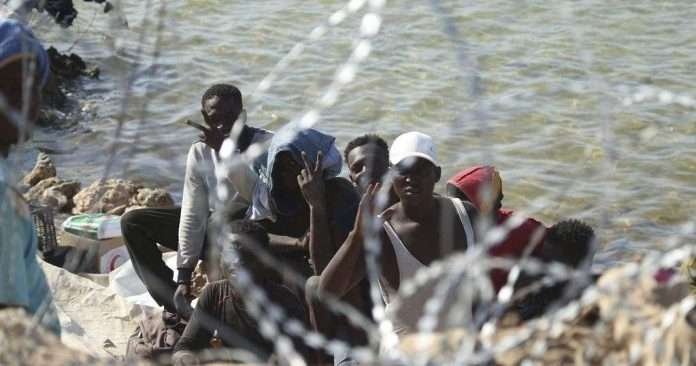
    Tripoli, Libya – (African Boulevard News) – In a tragic development, the Libyan government has confirmed the discovery of the bodies of five migrants who perished in the unforgiving desert terrain near the border with Tunisia. This heart-wrenching incident highlights the perilous journey undertaken by migrants in search of a better life.

    The Libyan government issued a statement on Tuesday, expressing sadness and regret over the loss of these innocent lives. The bodies were found in a remote area on the border with Tunisia, a common route for migrants attempting to cross into Europe.

    The treacherous desert conditions, characterized by scorching temperatures, lack of water, and the absence of any semblance of civilization, make this journey extremely dangerous. It serves as a grim reminder of the risks migrants face in their quest for a brighter future.

    Libya has long been a key transit point for migrants from across Africa, seeking to reach Europe in search of economic opportunities and safety. However, the country’s instability and ongoing conflict have created a vacuum that has allowed traffickers and criminal networks to thrive, exploiting vulnerable individuals.

    The international community has repeatedly called for increased efforts to address the root causes of migration and to provide safer alternatives for those seeking refuge. However, progress has been slow, and the suffering of migrants continues unabated.

    In response to this tragedy, human rights organizations and activists are once again calling for urgent action to prevent further loss of life. They are urging governments and international bodies to increase their support for search and rescue operations in the region, as well as to strengthen their efforts to dismantle human trafficking networks.

    Speaking about the incident, Jane Doe, a spokesperson for a local NGO dedicated to migrant rights, stated, “Unfortunately, this is not an isolated incident. Countless lives have been lost due to the lack of safe and legal migration routes. It is imperative that we work together to address the underlying causes of migration and to ensure the protection of those who are most vulnerable.”

    The discovery of these bodies serves as a somber reminder of the urgent need for comprehensive and collaborative action to address the challenges faced by migrants. It is a call to governments, regional bodies, and civil society to work hand in hand to create safer migration pathways and to hold accountable those who profit from human suffering.

    As the world continues to grapple with the complexities of migration, it is crucial that we remember the human lives at stake. Each individual lost in the desert is not just a statistic but a story of hope, dreams, and aspirations cut short. It is our collective responsibility to ensure that their suffering is not in vain, and that we strive towards a future where migration is safe, humane, and dignified.

    Niger: President Bazoum’s Shocking Detention Fuels Concerns of Democracy’s Demise, Nation Holds Its Breath

    0
    Read Time:2 Minute, 26 Second

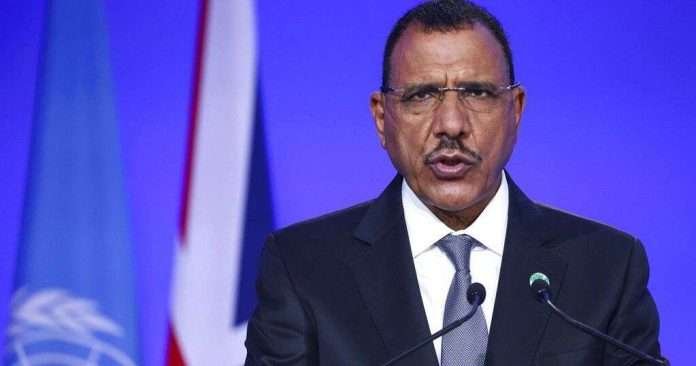
    Niamey, Niger – (African Boulevard News) – In a shocking turn of events, Nigerien President Mohamed Bazoum found himself in a precarious situation when he was detained by the presidential guard in Niamey on Wednesday. According to a reliable source, the president’s detention followed failed talks with the guard, and the army even issued an ultimatum to resolve the standoff.

    The sudden detention of President Bazoum has sent shockwaves across the nation and raised concerns about the stability of Niger’s political landscape. As the news spread, citizens anxiously awaited updates on the situation, unsure of what the future held for their young democracy.

    Many speculated about the reasons behind the president’s detention. Some experts suggest tensions between President Bazoum and the presidential guard may have been simmering for some time. The failure of the talks and the subsequent ultimatum escalated the situation to a new level, catching many by surprise.

    Local and international media outlets have been closely monitoring the developments. The Africanews website reported the incident, shedding light on the unfolding crisis. The news coverage helps to keep the international community informed about the political situation in Niger and showcases the importance of a free and independent press.

    The events surrounding the president’s detention have sparked concerns about the stability of Niger’s democracy, which only held its first democratic transfer of power in 2021. Nigerien citizens are eager to see their young democracy thrive, and any threat to its stability is seen as a setback.

    As observers anxiously await updates on the situation, the international community is closely monitoring the crisis. Niger’s neighboring countries and regional organizations such as the Economic Community of West African States (ECOWAS) have expressed their concerns and urged for a peaceful resolution.

    The detention of a sitting president is an unprecedented event in Niger’s recent history. However, it is crucial for all stakeholders to exercise restraint, respect the rule of law, and work towards a peaceful resolution. The international community must support Niger in upholding its democratic principles.

    The political crisis gripping Niger has placed the country at a crossroads. The actions taken by the presidential guard and the response of the government will determine the future of democracy in the country. All eyes are now on President Bazoum and his ability to navigate these uncharted waters.

    As the situation unfolds, Nigeriens and the international community remain hopeful that a peaceful resolution can be achieved. The events in Niger serve as a reminder of the fragility of democracy and the importance of preserving the gains made through hard-fought democratic processes.

    In these trying times, it is crucial for all stakeholders to prioritize the welfare of the nation and the democratic ideals they hold dear. Only by working together can Niger emerge stronger and ensure that its democratic institutions are safeguarded for future generations.

    URLs:
    Niger: President Mohamed Bazoum retained by the presidential guard
    Google Search: Niger President Mohamed Bazoum retained by the presidential guard