Monday, May 4, 2026
88.6 F
Lagos
More
    Home Blog Page 294

    South Africa: Controversial Apartheid Song Reignites Divisions and Sparks Outrage

    0
    Read Time:2 Minute, 13 Second

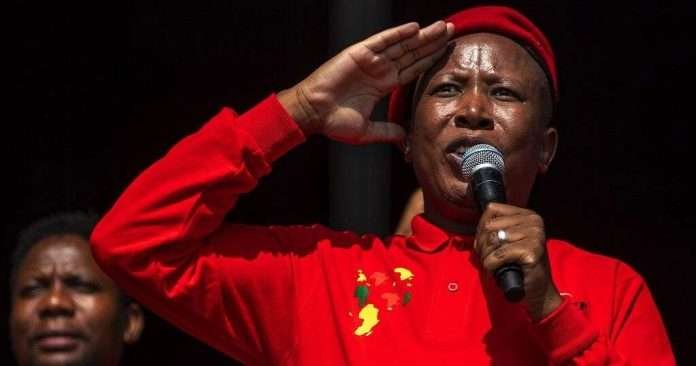
    Pretoria, South Africa – (African Boulevard News) – South Africa’s opposition parties have been thrown into turmoil over the controversial singing of an apartheid-era song by Julius Malema, leader of the Economic Freedom Fighters (EFF). The song, “Kill the Boer, the Farmer,” was performed by Malema at a rally in Soweto, leaving the nation divided and sparking a heated debate on freedom of expression and the legacy of apartheid.

    The rally, attended by approximately 90,000 enthusiastic supporters, took place on a Saturday, with the controversial song being sung amidst a sea of cheering and chanting. The song’s lyrics, rooted in the apartheid era, have long been considered offensive and racially divisive. Malema’s decision to perform it has not only sparked outrage among the opposition, but has also reignited tensions between racial groups in the country.

    The Democratic Alliance (DA), one of the leading opposition parties, swiftly condemned Malema’s actions, stating that it undermined efforts to build a united and inclusive society. DA leader, John Steenhuisen, expressed his disappointment, saying, “It is deeply concerning to witness a political leader using divisive rhetoric that harks back to the darkest days of our history.”

    The Freedom Front Plus (FF+), a party that primarily represents the interests of the Afrikaner community, called for legal action against Malema, arguing that his actions incited hatred and posed a threat to social cohesion. FF+ leader, Pieter Groenewald, stated, “Malema’s decision to perform this song is a deliberate attempt to tear our nation apart and promote racial tensions.”

    In response to the backlash, Malema defended his performance, claiming that the song was part of the struggle against apartheid and should be viewed in a historical context. He argued that his intention was to highlight the ongoing disparities faced by the majority of South Africans, particularly those living in rural areas.

    The incident has once again brought to the forefront the ongoing debate over freedom of expression in South Africa. While some argue that the song is protected under the right to freedom of speech, others believe that it perpetuates racial divisions and incites violence.

    The controversy surrounding Malema’s performance has also revealed deep-seated tensions within the opposition parties themselves. While some members have condemned his actions, others have remained silent or offered cautious support, highlighting the complex dynamics within South Africa’s political landscape.

    As the nation grapples with this divisive incident, it remains to be seen how it will affect the upcoming local government elections and the broader discourse on racial reconciliation in South Africa. One thing is certain, however – the singing of the apartheid song has once again exposed the deep divisions that still exist in the Rainbow Nation.
    Ghana: UK’s Foreign Secretary Ignites New Era of Prosperity and Unity in Historic Visit

    0
    Read Time:2 Minute, 15 Second

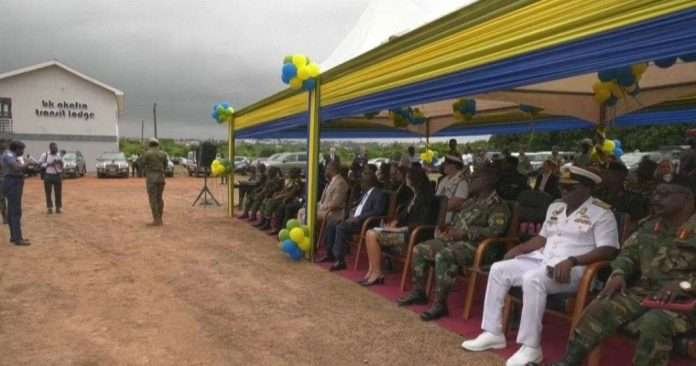
    Accra, Ghana – (African Boulevard News) – UK’s Foreign Secretary James Cleverly has landed in Ghana, marking the beginning of a regional tour across three African nations. The four-day visit aims to bolster future-focused and mutually beneficial relationships between the United Kingdom and its African counterparts.

    Cleverly’s trip to Ghana holds significant strategic importance as the West African nation remains a key partner for the UK in Africa. The visit underscores the UK’s commitment to fostering stronger ties with the continent and exploring new opportunities for collaboration.

    During his stay, the Foreign Secretary is set to engage in high-level discussions with Ghanaian government officials, business leaders, and civil society organizations. The discussions will focus on areas such as trade and investment, security cooperation, and regional stability. Cleverly will also explore opportunities for cultural exchanges and educational partnerships, strengthening people-to-people ties between the two countries.

    Ghana, widely recognized as one of Africa’s fastest-growing economies, offers immense potential for UK businesses seeking to expand their presence in the region. With a stable political environment, robust infrastructure, and a skilled workforce, Ghana presents attractive opportunities for bilateral trade and investment.

    UK-Ghana trade relations have been steadily growing, with the UK remaining one of Ghana’s top trading partners. Cleverly’s visit aims to build on this existing relationship and explore new avenues for economic cooperation. The visit also aligns with the UK government’s ambition to increase trade with Africa in the post-Brexit era.

    Kofi Ansah, a prominent Ghanaian economist, commented on the visit, stating, “The UK’s focus on Africa and its choice to start this regional tour in Ghana demonstrates the country’s recognition of Ghana’s strategic importance in the African landscape. This visit has the potential to strengthen economic ties between the two nations and create mutually beneficial partnerships.”

    In addition to Ghana, Cleverly’s regional tour will include visits to Côte d’Ivoire and Rwanda. These countries were strategically chosen to reflect the UK’s commitment to engaging with regions that are experiencing significant economic growth and political stability.

    As the UK forges stronger ties with Africa, Cleverly’s visit to Ghana highlights the importance placed on partnerships built on shared values and mutual respect. The tour signifies a clear message from the UK government that Africa remains a priority for post-Brexit trade and diplomacy.

    With Ghana serving as the first stop on Cleverly’s regional tour, it sets the tone for future collaborations and creates a platform for increased understanding and cooperation between the UK and African nations.

    This visit not only strengthens bilateral ties but also underscores the UK’s commitment to Africa’s economic growth and development, emphasizing shared prosperity and a vision for a brighter future in the region.

    Nigeria: Bold Decision or Burdened Citizens? The Removal of Subsidy Divides the Nation

    0
    Read Time:2 Minute, 25 Second

    Abuja, Nigeria – (African Boulevard News) – Nigerian President, Muhammadu Buhari, has defended his administration’s decision to remove the fuel subsidy, stating that it is a necessary step towards economic recovery and development. The move has sparked mixed reactions, with some praising the government’s boldness while others express concerns over the potential impact on the already burdened citizens.

    The decision to remove the fuel subsidy comes as a result of the government’s commitment to addressing the country’s economic challenges. President Buhari argued that the subsidy was not benefiting the masses as intended, but rather leading to corruption, inefficiency, and capital flight. He pointed out that the subsidy was financially unsustainable, diverting funds that could be invested in critical sectors such as healthcare, education, and infrastructure development.

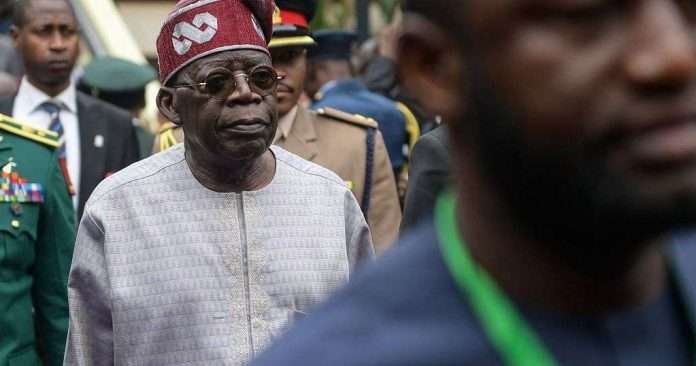
    The removal of the fuel subsidy is expected to generate significant savings for the country. According to Bola Tinubu, a prominent Nigerian politician and former Lagos State governor, the country would save “trillions of naira” yearly by scrapping the subsidy. He emphasized that the funds could be used to create jobs, improve social services, and stimulate economic growth. However, critics argue that the burden of increased fuel prices would fall heavily on the average Nigerian, exacerbating the already high cost of living.

    Industry experts and economists have provided differing perspectives on the decision. Some argue that removing the subsidy would lead to market-driven prices, encouraging competition and attracting investment in the oil sector. This, they believe, will ultimately benefit consumers in the long term. Others, however, express concerns that the removal of the subsidy could lead to a further increase in inflation, as transportation costs rise and the prices of goods and services spiral upwards.

    The impact of the fuel subsidy removal on the Nigerian economy remains uncertain. While the government maintains that the move is necessary for economic recovery, it is vital that measures are put in place to protect vulnerable citizens from the potential adverse effects. There is a need for a comprehensive plan to cushion the impact of rising fuel prices, such as targeted social welfare programs and investments in renewable energy sources.

    As Nigeria adjusts to the removal of the fuel subsidy, it is hoped that the anticipated savings will be channeled towards fulfilling the government’s promises of improved infrastructure, social services, and job creation. It is crucial for the government to ensure transparency in the management of the funds saved from the subsidy removal, to build trust and alleviate concerns among the citizens.

    The removal of the fuel subsidy is undoubtedly a bold move by the Nigerian government, aimed at addressing long-standing systemic issues and fostering economic development. However, it is essential to strike a balance between the immediate economic benefits and the potential impact on the average Nigerian. Only time will tell if this decision will indeed lead to the desired outcomes and pave the way for a better future for all Nigerians.

    Morocco: Triumph of Precision and Passion Shocks Fans in La Francophonie Games

    0
    Read Time:2 Minute, 20 Second

    Rabat, Morocco – (African Boulevard News) – Morocco emerged victorious in the thrilling ‘ball juggling’ show at the recent La Francophonie games held in Kinshasa, leaving fans awestruck with their exceptional skills and precision. The Moroccan team, composed of talented and agile athletes, showcased their mastery of the sport, outperforming their competitors from Ivory Coast and securing a well-deserved win.

    The intense competition saw Morocco going head-to-head with Ivory Coast, both teams displaying remarkable talent. The match was a close one, with the outcome hinging on the smallest of details. “Between us and Ivory Coast, it came down to the small details, that’s experience,” said one of the Moroccan team members.

    In the final showdown, Morocco managed to outmaneuver their opponents with their impeccable technique and seamless coordination. Despite Ivory Coast’s impressive performance, there were small details that Morocco capitalized on, ultimately tipping the scales in their favor. The Moroccan team played with finesse, leaving spectators in awe of their agility and precision.

    The La Francophonie games, held every four years, celebrate the cultural diversity and athletic excellence of French-speaking nations. This year’s event in Kinshasa brought together talented athletes from across the globe, competing in a wide range of sports disciplines. The ‘ball juggling’ show witnessed teams from different countries displaying their skills, entertaining the crowd with their artistic flair and control.

    Morocco’s triumph in the ‘ball juggling’ competition highlights the nation’s commitment to nurturing and showcasing talent in various sports disciplines. The team’s success is a testament to their dedication and hard work, as well as the continued support and investment in sports development in the country.

    The victory is not only a source of pride for Morocco but also underscores the country’s potential to excel on the international sporting stage. As Morocco continues to invest in sports infrastructure and training programs, the nation is poised to produce world-class athletes who can compete and triumph in global competitions.

    The African nation’s win at the La Francophonie games serves as a reminder that with determination and perseverance, dreams can become a reality. The Moroccan team’s remarkable performance has undoubtedly inspired many aspiring athletes and ignited a newfound passion for the sport.

    As the curtains closed on the ‘ball juggling’ competition, Morocco emerged as the undisputed champions, leaving a lasting impression on fans and participants alike. Their triumph at the La Francophonie games in Kinshasa is a testament to their talent, teamwork, and commitment to excellence. Morocco’s victory will undoubtedly be remembered as a significant milestone in the nation’s sporting history, and a source of inspiration for future generations of athletes.

    URLs:
    1. https://www.africanews.com/2023/08/01/morocco-wins-ball-juggling-show-in-la-francophonie/
    2. https://www.google.com/search?q=Morocco+wins+ball+juggling+show+in+La+Francophonie+games+Kinshasa

    Tunisia: International Superstar Gims Cancels Concert, Exposing Shocking Treatment of Refugees

    0
    Read Time:2 Minute, 18 Second

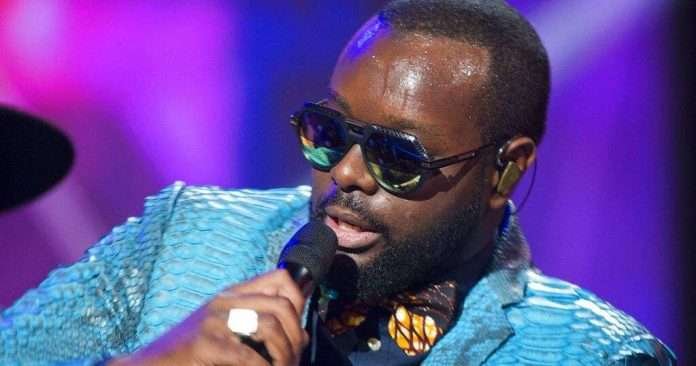
    Tunis, Tunisia – (African Boulevard News) – International music sensation, Gims, has canceled his highly anticipated concert in Tunisia, citing the treatment of refugees as his reason for pulling out. The news has sent shockwaves through the entertainment industry and sparked a much-needed conversation about the plight of refugees in the North African country.

    The decision was announced by Gims himself in a heartfelt statement where he expressed his deep concern over the treatment of refugees. “I cannot maintain my visit to Tunisia, scheduled for August 11,” he added. “I don’t know where the solutions are. But this extreme distress is unbearable.”

    Gims’ cancellation comes at a time when Tunisia has been grappling with an increase in the number of refugees crossing its borders. The country has been a popular destination for migrants fleeing conflict and poverty in neighboring countries.

    However, the treatment of refugees in Tunisia has been a cause for concern. Reports of overcrowded detention centers, inadequate living conditions, and alleged human rights abuses have cast a dark shadow on the nation’s response to the refugee crisis.

    Refugee rights groups have welcomed Gims’ decision, viewing it as a powerful statement against the mistreatment of refugees. “Gims’ cancellation highlights the urgent need for Tunisia to address the mismanagement of its refugee population,” said Mohamed Ali, a representative from the Tunisian Refugee Support Network. “We hope that this incident will serve as a wake-up call for the government to take immediate action.”

    The cancellation also sheds light on the broader issue of how artists and celebrities are increasingly using their platforms to advocate for social justice causes. Gims’ decision to cancel his concert sends a strong message that he will not turn a blind eye to the suffering of others and is willing to take a stand.

    The entertainment industry plays a significant role in shaping public opinion, and the cancellation of a high-profile event like Gims’ concert will undoubtedly draw attention to the treatment of refugees in Tunisia. It serves as a reminder that artists have a responsibility to use their influence for the greater good and to speak out against injustice.

    As Tunisia grapples with the fallout of this cancellation, it is crucial for the government to address the concerns raised by Gims and other activists. By improving the conditions for refugees and ensuring their rights are protected, Tunisia can begin to rebuild its reputation as a compassionate and inclusive nation.

    Gims’ decision to cancel his concert may have disappointed his fans, but it has certainly ignited an important conversation about the treatment of refugees in Tunisia. It is a reminder that the entertainment industry can be a powerful force for change, and it is up to artists and celebrities to use their platforms to make a difference.

    Africa: Gunfire Shatters Peace in Ouagadougou, Burkina Faso – Residents Terrified as Authorities Investigate Possible Threat

    0
    Read Time:2 Minute, 15 Second

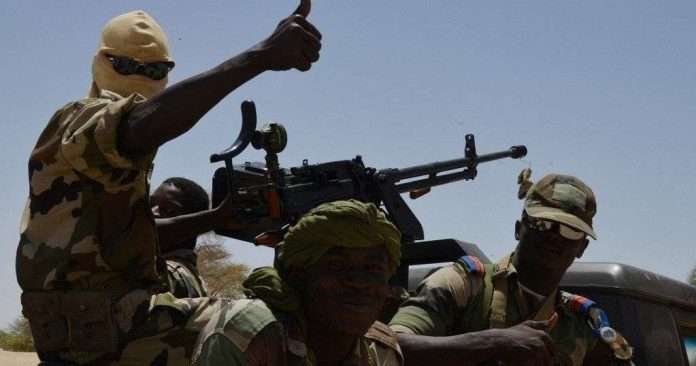
    Diaspora, Africa – (African Boulevard News) – Gunfire was heard in the center of Ouagadougou, the capital of Burkina Faso, during the early hours of the morning, causing panic and concern among residents.

    The shots rang out at approximately 00:45 local time and GMT, creating a tense atmosphere in the heart of the city. The bursts of gunfire continued for about 40 minutes before eventually ceasing, leaving the area in a state of uncertainty.

    Details surrounding the incident remain unclear, but authorities are actively investigating the situation to determine the cause and potential threat level. The government has assured residents that security forces are working diligently to maintain order and ensure the safety of the population.

    In a statement, Burkina Faso’s Minister of Security, Alain Zagré, addressed the incident, saying, “We are taking this matter very seriously. We are fully committed to the safety and security of our citizens, and we will do everything in our power to apprehend those responsible for this incident.”

    As news of the gunfire spread, social media platforms were inundated with messages from concerned citizens and witnesses. Many people reported hearing the shots and expressed their fear and anxiety over the situation.

    One Twitter user, Amadou Diallo, said, “Waking up to the sound of gunfire in my neighborhood was terrifying. I hope the authorities can quickly resolve this situation and bring peace back to Ouagadougou.”

    The incident comes at a time when Burkina Faso has been grappling with a rise in violence and attacks from armed groups. The West African nation has seen an increase in terrorist activities in recent years, with armed groups targeting civilians and security forces.

    In a bid to combat the persistent security challenges, Burkina Faso has been working in close collaboration with international partners, including neighboring countries and the United Nations. Efforts to strengthen security and counter-terrorism measures are ongoing, but the situation remains complex and volatile.

    The sound of gunfire in the heart of Ouagadougou serves as a stark reminder of the security threats that persist in Burkina Faso. The incident highlights the need for continued vigilance and concerted efforts to address the root causes of this violence.

    As the investigation unfolds, the government is urging the public to remain calm and report any suspicious activities to the authorities. It is crucial for the country to come together to denounce violence and work towards a peaceful and secure future for all Burkinabe.

    The gunfire incident in Ouagadougou is a sobering reminder of the challenges faced by Burkina Faso. The government and security forces must remain resolute in their commitment to tackling these threats and protecting the population, while the international community must continue to provide support and assistance in these endeavors.

    Niger: France Denies Military Intervention Amidst Anti-French Backlash – Will Trust and Partnership Prevail?

    0
    Read Time:2 Minute, 7 Second

    Niamey, Niger – (African Boulevard News) – France has categorically denied accusations of military intervention in Niger, following anti-French slogans that emerged during a recent demonstration. The French Minister of Foreign Affairs, while reacting to the situation, emphasized the need to “dismantle the intox and not fall into the trap.”

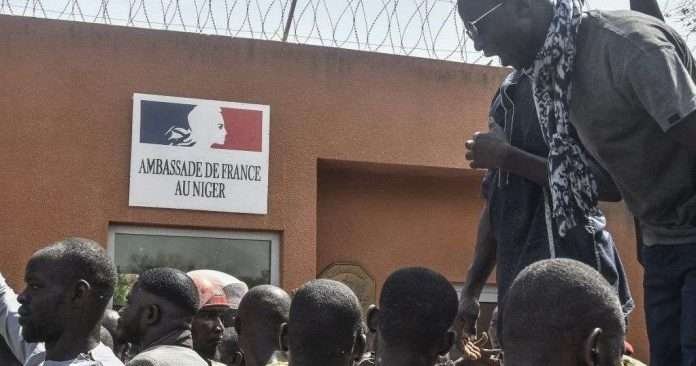
    The accusations surfaced during a demonstration held in front of the French Embassy in Niger. Protesters voiced their opposition to what they believed was France’s interference in the country’s internal affairs. However, the French government quickly dismissed these claims, stating that they were baseless and aimed at spreading misinformation.

    Speaking about the anti-French slogans, the French Minister of Foreign Affairs stressed the importance of avoiding false narratives. “We must dismantle the intox and not fall into the trap,” he said, emphasizing the need for accurate information and a clear understanding of the situation.

    France has had a longstanding relationship with Niger, particularly in the realm of security cooperation. The two countries have collaborated closely in fighting against terrorism and supporting stability in the Sahel region. France has also been actively involved in the G5 Sahel Joint Force, an initiative that aims to combat terrorism in the region.

    In recent years, security challenges have intensified in the Sahel, with armed groups causing havoc and instability. Niger, in particular, has been battling the presence of jihadist groups, including Boko Haram and the Islamic State in the Greater Sahara. France’s military support has been instrumental in efforts to combat these threats and restore peace in the region.

    However, this partnership has not been without controversy. Some individuals and groups have accused France of neo-colonialism and meddling in Niger’s affairs. These sentiments may have contributed to the recent demonstration and the anti-French slogans that were heard.

    It is essential to approach such accusations with caution and verify the facts before jumping to conclusions. Accusing France of illegitimate military intervention without concrete evidence undermines the efforts made to combat terrorism and secure stability in Niger.

    As the situation unfolds, it is crucial for all parties involved to engage in constructive dialogue and work towards a peaceful resolution. Accurate information and a nuanced understanding of the complexities at hand are vital for fostering trust and maintaining a productive partnership.

    France’s denial of military intervention in Niger underscores the need to critically examine the claims made and avoid jumping to hasty conclusions. By focusing on meaningful dialogue and understanding, both France and Niger can continue their collaboration in addressing pressing security challenges and fostering stability in the Sahel region.

    Tunisia: International Superstar Gims Cancels Concert, Exposing Shocking Treatment of Refugees

    0
    Read Time:2 Minute, 18 Second

    Tunis, Tunisia – (African Boulevard News) – International music sensation, Gims, has canceled his highly anticipated concert in Tunisia, citing the treatment of refugees as his reason for pulling out. The news has sent shockwaves through the entertainment industry and sparked a much-needed conversation about the plight of refugees in the North African country.

    The decision was announced by Gims himself in a heartfelt statement where he expressed his deep concern over the treatment of refugees. “I cannot maintain my visit to Tunisia, scheduled for August 11,” he added. “I don’t know where the solutions are. But this extreme distress is unbearable.”

    Gims’ cancellation comes at a time when Tunisia has been grappling with an increase in the number of refugees crossing its borders. The country has been a popular destination for migrants fleeing conflict and poverty in neighboring countries.

    However, the treatment of refugees in Tunisia has been a cause for concern. Reports of overcrowded detention centers, inadequate living conditions, and alleged human rights abuses have cast a dark shadow on the nation’s response to the refugee crisis.

    Refugee rights groups have welcomed Gims’ decision, viewing it as a powerful statement against the mistreatment of refugees. “Gims’ cancellation highlights the urgent need for Tunisia to address the mismanagement of its refugee population,” said Mohamed Ali, a representative from the Tunisian Refugee Support Network. “We hope that this incident will serve as a wake-up call for the government to take immediate action.”

    The cancellation also sheds light on the broader issue of how artists and celebrities are increasingly using their platforms to advocate for social justice causes. Gims’ decision to cancel his concert sends a strong message that he will not turn a blind eye to the suffering of others and is willing to take a stand.

    The entertainment industry plays a significant role in shaping public opinion, and the cancellation of a high-profile event like Gims’ concert will undoubtedly draw attention to the treatment of refugees in Tunisia. It serves as a reminder that artists have a responsibility to use their influence for the greater good and to speak out against injustice.

    As Tunisia grapples with the fallout of this cancellation, it is crucial for the government to address the concerns raised by Gims and other activists. By improving the conditions for refugees and ensuring their rights are protected, Tunisia can begin to rebuild its reputation as a compassionate and inclusive nation.

    Gims’ decision to cancel his concert may have disappointed his fans, but it has certainly ignited an important conversation about the treatment of refugees in Tunisia. It is a reminder that the entertainment industry can be a powerful force for change, and it is up to artists and celebrities to use their platforms to make a difference.

    Kenya: Government’s Crackdown on Press Freedom Fuels Chaos and Violence, Endangering Democracy

    0
    Read Time:2 Minute, 18 Second

    Nairobi, Kenya – (African Boulevard News) – Kenya has recently been plagued by deadly protests and a tense confrontation between the government and the press, shedding light on the country’s mounting political and societal challenges.

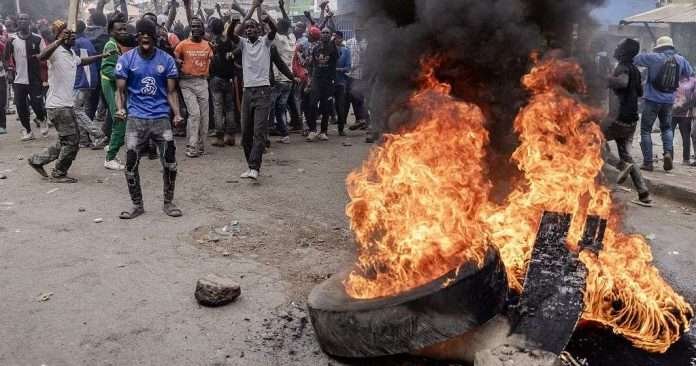
    Protests erupted across Kenya, triggered by allegations of electoral fraud and corruption in the government. Clashes between protesters and security forces turned violent, resulting in several casualties and widespread destruction. The unrest has left countless Kenyans in fear and chaos.

    In a bid to suppress the protests, the government took drastic measures, including imposing curfews and deploying security forces to quell the demonstrations. However, this has only fueled further anger and resentment among the citizens, leading to a cycle of violence that seems difficult to break.

    The Kenyan media fraternity has also found itself caught in the crossfire. Government officials have accused the media of sympathizing with the opposition and spreading false information. These allegations have been vehemently refuted by the media, stating their commitment to reporting the truth and providing a balanced perspective.

    “The media plays a crucial role in society, including holding those in power accountable. Accusing us of bias is an attack on press freedom and undermines the principles of democracy,” said John Kiarie, a prominent journalist.

    The government’s recent fight with the press has further escalated tensions. Journalists have reported instances of harassment, intimidation, and even arrests while covering the protests. This has created a climate of fear and self-censorship within the media fraternity, limiting their ability to report independently and objectively.

    International organizations and human rights activists have condemned the government’s actions, urging them to respect press freedom and ensure the safety of journalists. They emphasize the need for an inclusive and constructive dialogue to address the underlying issues that have fueled the protests.

    “The government must prioritize protecting the rights of its citizens, including the freedom of press. A society cannot progress without a free and independent media,” said Sarah Kamau, a human rights advocate.

    As Kenya navigates through these turbulent times, it is crucial for the government and the opposition to engage in meaningful dialogue and find peaceful resolutions to the underlying issues. The protection of human rights, press freedom, and the rule of law should be at the forefront of any lasting solution.

    The coming weeks will be critical for Kenya’s future trajectory. As citizens demand accountability and justice, the government must listen and address their concerns. Only through dialogue and inclusivity can Kenya hope to build a stronger, more prosperous nation for all its citizens.

    In this era of global connectivity and information dissemination, the world closely watches Kenya’s every move. The government’s response to the protests and its treatment of the press will undoubtedly shape the country’s international reputation and its prospects for stability and development.

    Senegal: Outrage and Bloodshed as Prominent Opposition Figure’s Arrest Ignites Violent Protests

    0
    Read Time:2 Minute, 3 Second

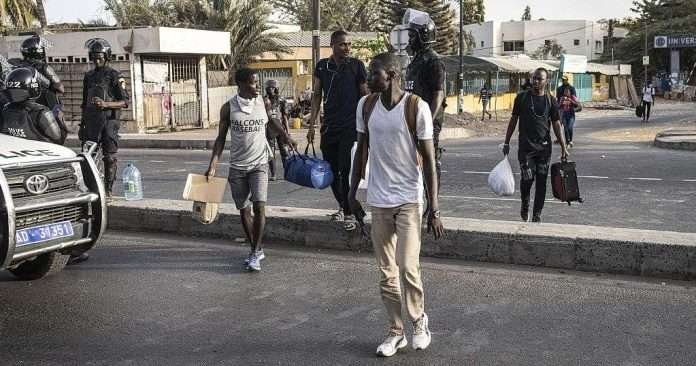
    Dakar, Senegal – (African Boulevard News) – Protests erupted in Senegal following the detention of prominent opposition figure Ousmane Sonko on Monday. Tragically, these demonstrations have turned violent, resulting in the loss of two lives in the southern city of Ziguinchor.

    The detention of Sonko, a vocal critic of President Macky Sall’s government, has ignited public outrage and widespread demonstrations across the country. Supporters of Sonko and members of the opposition party have taken to the streets to demand his immediate release.

    The clashes between protesters and security forces in Ziguinchor have escalated, leading to the loss of innocent lives. It is reported that two individuals have been killed during the unrest, with several others injured. The situation remains tense, as protesters vow to continue their demonstrations until Sonko is released.

    The arrest of Sonko stems from allegations of rape that were brought against him in early 2021. He has denied the accusations, calling them politically motivated. The opposition leader was heading to court for questioning when he was detained, further fueling suspicions of government interference.

    Civil society organizations and human rights activists have condemned the use of force by the security forces during the protests. They are calling for an independent investigation into the deaths and for those responsible to be held accountable. Mamadou Diop, a prominent human rights activist, expressed his concerns, stating, “The excessive use of force is unacceptable, and the government must ensure the safety and well-being of its citizens.”

    President Macky Sall has yet to issue a statement regarding the protests and the violence that has ensued. As tensions continue to rise, there are growing concerns about the stability and peace in the country. International bodies, such as the African Union and the United Nations, are closely monitoring the situation and urging all parties to exercise restraint.

    The protests following Sonko’s detention highlight deep-rooted political and social divisions within Senegal. The government’s handling of the situation will be crucial in determining the path forward. It is essential for authorities to engage in dialogue with opposition leaders and address the concerns of the protesters to prevent further violence and loss of lives.

    As the situation unfolds, the eyes of the world remain fixed on Senegal. The country’s leaders must prioritize stability, respect for human rights, and the rule of law to ensure a peaceful resolution to this crisis. Only through open dialogue and a commitment to democratic principles can Senegal regain its balance and move forward.