Monday, May 4, 2026
88.6 F
Lagos
More
    Home Blog Page 293

    Niger: EU Condemns Arrest of Ousted Ministers by Junta, Demands Immediate Release

    0
    Read Time:2 Minute, 21 Second

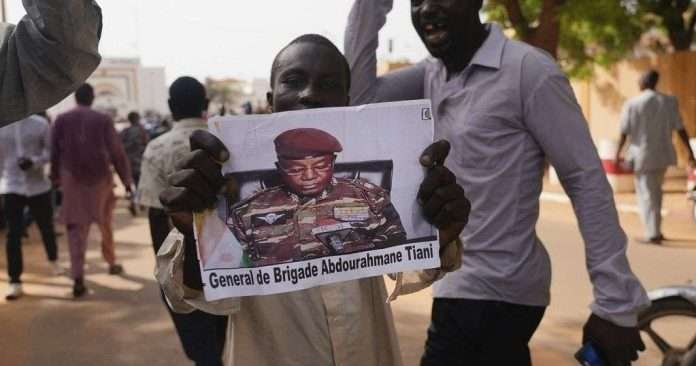
    Niamey, Niger – (African Boulevard News) – In a swift response to the recent political upheaval in Niger, the European Union (EU) has strongly condemned the arrest of ministers from the ousted government by the country’s new junta. The EU has called for the immediate release of the detained ministers, expressing concern over the deteriorating situation in the West African nation.

    The arrest of the ministers came after the military coup in Niger, which saw President Mohamed Bazoum’s government overthrown. The coup, led by Colonel Ahmed Issa, has sparked outrage and raised fears of a return to authoritarian rule in the country.

    The EU has joined the international community in denouncing the actions of the putschists and demanding the release of the detained ministers. In a statement, the EU expressed its deep concern about the situation and called for the respect of the rule of law and democratic principles in Niger.

    “The arrest and detention of the ministers by the putschists is a clear violation of democratic norms and values. We call on the junta to immediately release the detained ministers and restore the democratic process in Niger,” said EU spokesperson Maria Gonzalez.

    The EU’s condemnation of the arrests reflects the international community’s unease with the recent developments in Niger. The United Nations and several African nations have also expressed their concern and called for a peaceful resolution to the political crisis.

    The military coup has not only disrupted the political stability in Niger but also raised questions about the country’s fragile democracy. Niger has a history of political instability, with several coups and attempted coups in the past. The recent events have once again highlighted the challenges faced by the nation in its journey towards a stable and inclusive democracy.

    The EU’s strong stance against the arrest of ministers by the putschists sends a clear message that the international community will not tolerate any actions that undermine democratic values and principles. The EU has been a long-standing supporter of democratic governance in Africa and has reiterated its commitment to promoting peace, stability, and respect for human rights in the region.

    As the situation in Niger continues to evolve, it is essential for the international community to remain vigilant and closely monitor the developments. The immediate release of the detained ministers and the restoration of democratic governance are crucial steps towards resolving the political crisis in Niger and ensuring a peaceful transition of power.

    The EU’s condemnation of the arrests by the putschists serves as a reminder that the world is watching and expects Niger to uphold its commitment to democracy and the rule of law. The release of the detained ministers would not only be a positive step towards resolving the crisis but also an indication of Niger’s willingness to address the concerns of its citizens and the international community at large.
    Tunisia: Olympic Hero Hafnaoui Triumphs Again, Securing Two Gold Medals at World Swimming Championships, Inspiring a Nation

    0
    Read Time:2 Minute, 11 Second

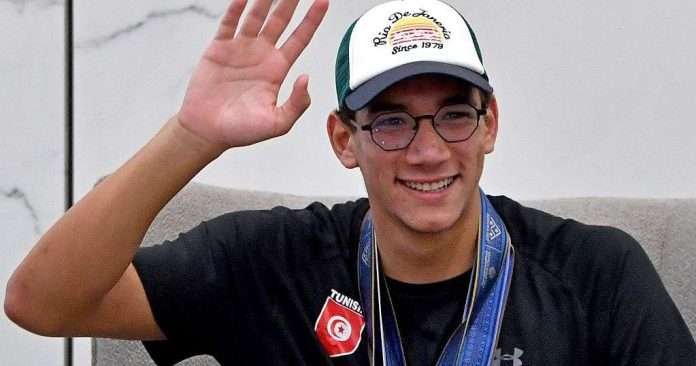
    Tunis, Tunisia – (African Boulevard News) – Tunisia’s Olympic champion Ahmed Ayoub Hafnaoui returned home on Monday to a hero’s welcome after an exceptional performance at the World Swimming Championships in Japan.

    Hafnaoui, who shot to fame after winning gold at the Tokyo Olympics last year, once again proved his mettle on the international stage by securing two impressive victories in the championships. The young swimmer claimed first place in both the 400-meter and 800-meter freestyle events, leaving his competitors in awe.

    In the 400-meter event, Hafnaoui showcased his exceptional skill and endurance, coming in over three seconds ahead of the second-place finisher. The Tunisian swimmer’s strong and steady strokes propelled him to victory, as he powered through the pool with sheer determination and focus.

    The 800-meter event was equally exhilarating, with Hafnaoui stealing the show once again. His strategic race tactics and unwavering determination allowed him to secure another gold medal, solidifying his status as one of the world’s top swimmers in his discipline.

    Upon his return, Hafnaoui was warmly greeted by a crowd of supporters, who gathered at the airport to celebrate his remarkable achievements. The young champion expressed his gratitude and thanked his fans for their unwavering support throughout his swimming journey.

    “It feels incredible to return home with two gold medals. I am incredibly grateful for the support I have received from my fellow Tunisians. These victories belong to all of us,” Hafnaoui said.

    The Tunisian swimming federation also praised Hafnaoui’s outstanding performances. “Ahmed Ayoub Hafnaoui has once again showcased his immense talent and brought immense pride to our nation. His achievements are a testament to the hard work and dedication he has put into his training. We are incredibly proud of him,” the federation stated.

    Hafnaoui’s victories at the World Swimming Championships have not only brought glory to Tunisia but have also inspired a new generation of young swimmers. Many aspiring athletes look up to Hafnaoui as a role model and hope to follow in his footsteps, aiming for greatness in the pool.

    With his incredible talent, dedication, and determination, Hafnaoui has proven himself to be a force to be reckoned with in the world of swimming. As he continues to make waves on the international stage, all eyes will be on him to see what he achieves next.

    Tunisia can bask in the pride and joy that Hafnaoui’s victories have brought, celebrating his accomplishments as a symbol of national excellence in the realm of sports. As the country looks to the future, it can undoubtedly rely on Hafnaoui to continue making waves and inspiring generations to come.

    Ghana: Scholarship Revoked After Attack on LGBTQ Community Sparks Outrage and Ignites Global Debate on Discrimination

    0
    Read Time:2 Minute, 12 Second

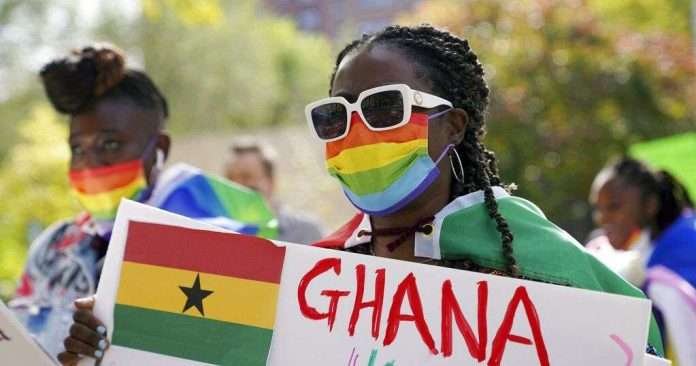
    Accra, Ghana – (African Boulevard News) – A promising Ghanaian PhD student studying in the United States has lost her scholarship after being linked to an attack on the LGBTQ community. The incident has sparked outrage and raised concerns over discrimination and bias in educational institutions.

    The scholarship, which was specifically aimed at supporting LGBTQIA+ community members, applicants from the Global South, first-generation students, and people with disabilities, was awarded to the Ghanaian student to pursue her doctoral studies in the US. However, her involvement in an attack on the LGBTQ community has led to the revocation of her funding.

    The incident has ignited a heated debate surrounding the rights and treatment of LGBTQ individuals, not only in Ghana but also in educational institutions worldwide. Advocates argue that the decision to withdraw the scholarship on these grounds sends a dangerous message and perpetuates discrimination against marginalized communities.

    “This incident underscores the need for inclusive and non-discriminatory policies in educational institutions. We must ensure that scholarships and opportunities are awarded based on merit and not jeopardized by personal beliefs or prejudice,” said LGBTQ rights advocate, David Mensah.

    The revocation of the scholarship has also highlighted the challenges faced by LGBTQ individuals in Ghana. Homosexuality remains illegal in the country, with the penal code criminalizing same-sex relationships. This legal framework has led to the marginalization and stigmatization of LGBTQ individuals, who often face discrimination and violence.

    Human rights organizations are calling on educational institutions to adopt policies that protect the rights and safety of LGBTQ students, including measures to prevent discrimination and harassment. It is vital for universities to create an inclusive environment that fosters diversity and respects the rights of all individuals.

    Additionally, this incident raises questions about the screening process for scholarship recipients. It is crucial for institutions to thoroughly vet candidates to ensure that they align with the principles and values of the scholarship. This would prevent cases where scholarships are awarded to individuals who may later engage in actions that contradict the objectives of the funding.

    With this unfortunate incident, it is clear that more needs to be done to promote tolerance, acceptance, and equal opportunities for all, regardless of sexual orientation or gender identity. Education is a powerful tool that should be accessible to everyone, and it is crucial that scholarships are awarded fairly and without discrimination.

    In light of this incident, it is imperative for educational institutions, both in Ghana and globally, to reassess their policies and practices to ensure that they are not inadvertently perpetuating discrimination and bias. By doing so, they can contribute to creating a more inclusive and equitable society for all.

    Video – MRC Executives Initiate Action to Oust Maurice Kamto Following Ndoki Incident

    0
    Read Time:2 Minute, 38 Second


    Title: Another Group of MRC Executives Decides to Overthrow Maurice Kamto Following the Ndoki Incident

    Introduction:
    In a shocking development, another group of high-ranking officials from the Mouvement pour la Renaissance du Cameroun (MRC) has decided to initiate actions to topple party leader Maurice Kamto. This recent decision comes shortly after the controversial events in Ndoki, marking a significant escalation within the party. The repercussions of this internal power struggle could have far-reaching implications for the MRC and the political landscape of Cameroon as a whole.

    Body:
    The MRC, a prominent opposition party in Cameroon, has been embroiled in internal discord since the Ndoki incident. It was during a routine party gathering in Ndoki that several MRC executives were revealed to be conspiring against Maurice Kamto. This revelation sent shockwaves through the party, with many loyalists questioning the unity and stability of the organization.

    The Ndoki incident exposed deep-rooted divisions within the MRC and now, it appears that the faction opposing Kamto’s leadership has gained momentum. The video article (https://www.youtube.com/watch?v=NwLshrQHJn8) sheds light on this opposition by presenting the viewpoints of these dissident officials who vehemently advocate for Kamto’s removal.

    The dissident group, which consists of influential cadres within the MRC, argues that Kamto’s leadership has been ineffective and lacking in vision. They accuse him of failing to chart a clear political strategy, resulting in the MRC’s inability to mount a successful challenge against the ruling regime. Moreover, they assert that Kamto’s autocratic tendencies have stifled internal democracy within the party, stifling the voices of potential leaders.

    Kamto’s supporters, however, view these accusations as baseless and an attempt to undermine his leadership. They emphasize his contributions as a prominent human rights lawyer and his unwavering commitment to democratic values. Despite the dissident group’s claims, Kamto’s followers consider him the best candidate to lead the MRC and envision him as a viable alternative to the current ruling regime.

    As tensions continue to rise within the MRC, political analysts predict that such internal strife could have ripple effects on the broader political landscape of Cameroon. The MRC, known for its formidable presence in opposition politics, is likely to face significant challenges if its leadership remains in a state of disarray. This power struggle potentially weakens the party’s ability to mobilize its resources effectively and unite its supporters under a common agenda.

    Conclusion:
    The decision of an additional group of cadres within the MRC to remove Maurice Kamto from leadership represents a significant development in the aftermath of the Ndoki incident. The internal power struggle highlights the complexities and divisions within the party, threatening its future political influence. With Kamto’s leadership now openly challenged, the MRC faces an uncertain path forward as it strives to maintain unity and relevance.

    While the dissident group argues for Kamto’s removal based on perceived failures in leadership and strategy, his supporters maintain that he remains the best candidate to lead the MRC. As the MRC grapples with this internal turmoil, the consequences of its resolution will undoubtedly impact not only the party but also the overall political dynamics in Cameroon.

    Niger on the Brink: Sultan of Sokoto Steps in to Mediate Coup Crisis, Restoring Hope for Peace and Stability

    0
    Read Time:2 Minute, 27 Second

    Niamey, Niger – (African Boulevard News) – In a surprising turn of events, a coup has unfolded in Niger, prompting the Sultan of Sokoto, Muhammadu, to step in and attempt mediation on behalf of the Economic Community of West African States (ECOWAS). This development comes as the heads of state of the 15-member regional organization have agreed to seek a peaceful resolution to the crisis.

    The coup, which took place on August 1st, has sparked concerns both domestically and internationally. Africa Intelligence can exclusively reveal that the ECOWAS leaders have turned to the Sultan of Sokoto, known for his diplomatic skills and influence, to help diffuse the situation and bring stability back to Niger.

    In response, Sultan Muhammadu has expressed his willingness to engage in mediation efforts. He stated, “I am deeply committed to ensuring peace and stability in the region. I will work diligently to find a peaceful resolution to the political crisis in Niger.”

    The Sultan’s involvement carries significance, as he is not only a respected religious leader but also holds substantial influence among various ethnic groups in Nigeria and throughout West Africa. His reputation for impartiality and fairness makes him a suitable mediator in this delicate situation.

    The coup in Niger has raised concerns about the country’s political future and regional stability. ECOWAS, a regional bloc known for its commitment to democracy and good governance, has consistently condemned coups and unconstitutional changes of government. Their intervention in this crisis aims to uphold these principles and prevent further escalation.

    Analysts and experts commend the ECOWAS leaders for their swift response and commitment to resolving the political crisis peacefully. Dr. Grace Alero, an African political analyst, asserts, “This proactive approach by ECOWAS shows their dedication to democratic values and serving the interests of the people of the region.” She further emphasizes the importance of the Sultan’s involvement, stating, “His reputation as a peacemaker will enhance the chances of successful mediation.”

    The ECOWAS leaders’ decision to turn to the Sultan of Sokoto demonstrates their faith in his ability to navigate complex political landscapes and his potential to bridge the gap between the rival factions. His impartiality and broad appeal may prove instrumental in bringing the opposing sides to the negotiating table.

    As the Sultan of Sokoto prepares to embark on this mediation mission, all eyes are on Niger. The success of his efforts could determine the future stability not only of Niger but also of the entire West African region.

    In conclusion, the coup in Niger has prompted ECOWAS to seek the mediation of the Sultan of Sokoto. This decision reflects the regional organization’s commitment to democratic principles and its dedication to resolving the political crisis peacefully. The Sultan’s involvement brings hope for a peaceful resolution to the conflict and underscores his influential role in the region. As the mediation process unfolds, the world watches with anticipation, hoping for a positive outcome that will restore stability to this troubled nation.

    Niger on the Brink: Sultan of Sokoto Steps in to Mediate Coup Crisis, Restoring Hope for Peace and Stability

    0
    Read Time:2 Minute, 27 Second

    Niamey, Niger – (African Boulevard News) – In a surprising turn of events, a coup has unfolded in Niger, prompting the Sultan of Sokoto, Muhammadu, to step in and attempt mediation on behalf of the Economic Community of West African States (ECOWAS). This development comes as the heads of state of the 15-member regional organization have agreed to seek a peaceful resolution to the crisis.

    The coup, which took place on August 1st, has sparked concerns both domestically and internationally. Africa Intelligence can exclusively reveal that the ECOWAS leaders have turned to the Sultan of Sokoto, known for his diplomatic skills and influence, to help diffuse the situation and bring stability back to Niger.

    In response, Sultan Muhammadu has expressed his willingness to engage in mediation efforts. He stated, “I am deeply committed to ensuring peace and stability in the region. I will work diligently to find a peaceful resolution to the political crisis in Niger.”

    The Sultan’s involvement carries significance, as he is not only a respected religious leader but also holds substantial influence among various ethnic groups in Nigeria and throughout West Africa. His reputation for impartiality and fairness makes him a suitable mediator in this delicate situation.

    The coup in Niger has raised concerns about the country’s political future and regional stability. ECOWAS, a regional bloc known for its commitment to democracy and good governance, has consistently condemned coups and unconstitutional changes of government. Their intervention in this crisis aims to uphold these principles and prevent further escalation.

    Analysts and experts commend the ECOWAS leaders for their swift response and commitment to resolving the political crisis peacefully. Dr. Grace Alero, an African political analyst, asserts, “This proactive approach by ECOWAS shows their dedication to democratic values and serving the interests of the people of the region.” She further emphasizes the importance of the Sultan’s involvement, stating, “His reputation as a peacemaker will enhance the chances of successful mediation.”

    The ECOWAS leaders’ decision to turn to the Sultan of Sokoto demonstrates their faith in his ability to navigate complex political landscapes and his potential to bridge the gap between the rival factions. His impartiality and broad appeal may prove instrumental in bringing the opposing sides to the negotiating table.

    As the Sultan of Sokoto prepares to embark on this mediation mission, all eyes are on Niger. The success of his efforts could determine the future stability not only of Niger but also of the entire West African region.

    In conclusion, the coup in Niger has prompted ECOWAS to seek the mediation of the Sultan of Sokoto. This decision reflects the regional organization’s commitment to democratic principles and its dedication to resolving the political crisis peacefully. The Sultan’s involvement brings hope for a peaceful resolution to the conflict and underscores his influential role in the region. As the mediation process unfolds, the world watches with anticipation, hoping for a positive outcome that will restore stability to this troubled nation.

    Niger on the Brink: Sultan of Sokoto Steps in to Mediate Coup Crisis, Restoring Hope for Peace and Stability

    0
    Read Time:2 Minute, 27 Second

    Niamey, Niger – (African Boulevard News) – In a surprising turn of events, a coup has unfolded in Niger, prompting the Sultan of Sokoto, Muhammadu, to step in and attempt mediation on behalf of the Economic Community of West African States (ECOWAS). This development comes as the heads of state of the 15-member regional organization have agreed to seek a peaceful resolution to the crisis.

    The coup, which took place on August 1st, has sparked concerns both domestically and internationally. Africa Intelligence can exclusively reveal that the ECOWAS leaders have turned to the Sultan of Sokoto, known for his diplomatic skills and influence, to help diffuse the situation and bring stability back to Niger.

    In response, Sultan Muhammadu has expressed his willingness to engage in mediation efforts. He stated, “I am deeply committed to ensuring peace and stability in the region. I will work diligently to find a peaceful resolution to the political crisis in Niger.”

    The Sultan’s involvement carries significance, as he is not only a respected religious leader but also holds substantial influence among various ethnic groups in Nigeria and throughout West Africa. His reputation for impartiality and fairness makes him a suitable mediator in this delicate situation.

    The coup in Niger has raised concerns about the country’s political future and regional stability. ECOWAS, a regional bloc known for its commitment to democracy and good governance, has consistently condemned coups and unconstitutional changes of government. Their intervention in this crisis aims to uphold these principles and prevent further escalation.

    Analysts and experts commend the ECOWAS leaders for their swift response and commitment to resolving the political crisis peacefully. Dr. Grace Alero, an African political analyst, asserts, “This proactive approach by ECOWAS shows their dedication to democratic values and serving the interests of the people of the region.” She further emphasizes the importance of the Sultan’s involvement, stating, “His reputation as a peacemaker will enhance the chances of successful mediation.”

    The ECOWAS leaders’ decision to turn to the Sultan of Sokoto demonstrates their faith in his ability to navigate complex political landscapes and his potential to bridge the gap between the rival factions. His impartiality and broad appeal may prove instrumental in bringing the opposing sides to the negotiating table.

    As the Sultan of Sokoto prepares to embark on this mediation mission, all eyes are on Niger. The success of his efforts could determine the future stability not only of Niger but also of the entire West African region.

    In conclusion, the coup in Niger has prompted ECOWAS to seek the mediation of the Sultan of Sokoto. This decision reflects the regional organization’s commitment to democratic principles and its dedication to resolving the political crisis peacefully. The Sultan’s involvement brings hope for a peaceful resolution to the conflict and underscores his influential role in the region. As the mediation process unfolds, the world watches with anticipation, hoping for a positive outcome that will restore stability to this troubled nation.

    Niger on the Brink: Sultan of Sokoto Steps in to Mediate Coup Crisis, Restoring Hope for Peace and Stability

    0
    Read Time:2 Minute, 27 Second

    Niamey, Niger – (African Boulevard News) – In a surprising turn of events, a coup has unfolded in Niger, prompting the Sultan of Sokoto, Muhammadu, to step in and attempt mediation on behalf of the Economic Community of West African States (ECOWAS). This development comes as the heads of state of the 15-member regional organization have agreed to seek a peaceful resolution to the crisis.

    The coup, which took place on August 1st, has sparked concerns both domestically and internationally. Africa Intelligence can exclusively reveal that the ECOWAS leaders have turned to the Sultan of Sokoto, known for his diplomatic skills and influence, to help diffuse the situation and bring stability back to Niger.

    In response, Sultan Muhammadu has expressed his willingness to engage in mediation efforts. He stated, “I am deeply committed to ensuring peace and stability in the region. I will work diligently to find a peaceful resolution to the political crisis in Niger.”

    The Sultan’s involvement carries significance, as he is not only a respected religious leader but also holds substantial influence among various ethnic groups in Nigeria and throughout West Africa. His reputation for impartiality and fairness makes him a suitable mediator in this delicate situation.

    The coup in Niger has raised concerns about the country’s political future and regional stability. ECOWAS, a regional bloc known for its commitment to democracy and good governance, has consistently condemned coups and unconstitutional changes of government. Their intervention in this crisis aims to uphold these principles and prevent further escalation.

    Analysts and experts commend the ECOWAS leaders for their swift response and commitment to resolving the political crisis peacefully. Dr. Grace Alero, an African political analyst, asserts, “This proactive approach by ECOWAS shows their dedication to democratic values and serving the interests of the people of the region.” She further emphasizes the importance of the Sultan’s involvement, stating, “His reputation as a peacemaker will enhance the chances of successful mediation.”

    The ECOWAS leaders’ decision to turn to the Sultan of Sokoto demonstrates their faith in his ability to navigate complex political landscapes and his potential to bridge the gap between the rival factions. His impartiality and broad appeal may prove instrumental in bringing the opposing sides to the negotiating table.

    As the Sultan of Sokoto prepares to embark on this mediation mission, all eyes are on Niger. The success of his efforts could determine the future stability not only of Niger but also of the entire West African region.

    In conclusion, the coup in Niger has prompted ECOWAS to seek the mediation of the Sultan of Sokoto. This decision reflects the regional organization’s commitment to democratic principles and its dedication to resolving the political crisis peacefully. The Sultan’s involvement brings hope for a peaceful resolution to the conflict and underscores his influential role in the region. As the mediation process unfolds, the world watches with anticipation, hoping for a positive outcome that will restore stability to this troubled nation.

    Niger on the Brink: Sultan of Sokoto Steps in to Mediate Coup Crisis, Restoring Hope for Peace and Stability

    0
    Read Time:2 Minute, 27 Second

    Niamey, Niger – (African Boulevard News) – In a surprising turn of events, a coup has unfolded in Niger, prompting the Sultan of Sokoto, Muhammadu, to step in and attempt mediation on behalf of the Economic Community of West African States (ECOWAS). This development comes as the heads of state of the 15-member regional organization have agreed to seek a peaceful resolution to the crisis.

    The coup, which took place on August 1st, has sparked concerns both domestically and internationally. Africa Intelligence can exclusively reveal that the ECOWAS leaders have turned to the Sultan of Sokoto, known for his diplomatic skills and influence, to help diffuse the situation and bring stability back to Niger.

    In response, Sultan Muhammadu has expressed his willingness to engage in mediation efforts. He stated, “I am deeply committed to ensuring peace and stability in the region. I will work diligently to find a peaceful resolution to the political crisis in Niger.”

    The Sultan’s involvement carries significance, as he is not only a respected religious leader but also holds substantial influence among various ethnic groups in Nigeria and throughout West Africa. His reputation for impartiality and fairness makes him a suitable mediator in this delicate situation.

    The coup in Niger has raised concerns about the country’s political future and regional stability. ECOWAS, a regional bloc known for its commitment to democracy and good governance, has consistently condemned coups and unconstitutional changes of government. Their intervention in this crisis aims to uphold these principles and prevent further escalation.

    Analysts and experts commend the ECOWAS leaders for their swift response and commitment to resolving the political crisis peacefully. Dr. Grace Alero, an African political analyst, asserts, “This proactive approach by ECOWAS shows their dedication to democratic values and serving the interests of the people of the region.” She further emphasizes the importance of the Sultan’s involvement, stating, “His reputation as a peacemaker will enhance the chances of successful mediation.”

    The ECOWAS leaders’ decision to turn to the Sultan of Sokoto demonstrates their faith in his ability to navigate complex political landscapes and his potential to bridge the gap between the rival factions. His impartiality and broad appeal may prove instrumental in bringing the opposing sides to the negotiating table.

    As the Sultan of Sokoto prepares to embark on this mediation mission, all eyes are on Niger. The success of his efforts could determine the future stability not only of Niger but also of the entire West African region.

    In conclusion, the coup in Niger has prompted ECOWAS to seek the mediation of the Sultan of Sokoto. This decision reflects the regional organization’s commitment to democratic principles and its dedication to resolving the political crisis peacefully. The Sultan’s involvement brings hope for a peaceful resolution to the conflict and underscores his influential role in the region. As the mediation process unfolds, the world watches with anticipation, hoping for a positive outcome that will restore stability to this troubled nation.

    Niger on the Brink: Sultan of Sokoto Steps in to Mediate Coup Crisis, Restoring Hope for Peace and Stability

    0
    Read Time:2 Minute, 27 Second

    Niamey, Niger – (African Boulevard News) – In a surprising turn of events, a coup has unfolded in Niger, prompting the Sultan of Sokoto, Muhammadu, to step in and attempt mediation on behalf of the Economic Community of West African States (ECOWAS). This development comes as the heads of state of the 15-member regional organization have agreed to seek a peaceful resolution to the crisis.

    The coup, which took place on August 1st, has sparked concerns both domestically and internationally. Africa Intelligence can exclusively reveal that the ECOWAS leaders have turned to the Sultan of Sokoto, known for his diplomatic skills and influence, to help diffuse the situation and bring stability back to Niger.

    In response, Sultan Muhammadu has expressed his willingness to engage in mediation efforts. He stated, “I am deeply committed to ensuring peace and stability in the region. I will work diligently to find a peaceful resolution to the political crisis in Niger.”

    The Sultan’s involvement carries significance, as he is not only a respected religious leader but also holds substantial influence among various ethnic groups in Nigeria and throughout West Africa. His reputation for impartiality and fairness makes him a suitable mediator in this delicate situation.

    The coup in Niger has raised concerns about the country’s political future and regional stability. ECOWAS, a regional bloc known for its commitment to democracy and good governance, has consistently condemned coups and unconstitutional changes of government. Their intervention in this crisis aims to uphold these principles and prevent further escalation.

    Analysts and experts commend the ECOWAS leaders for their swift response and commitment to resolving the political crisis peacefully. Dr. Grace Alero, an African political analyst, asserts, “This proactive approach by ECOWAS shows their dedication to democratic values and serving the interests of the people of the region.” She further emphasizes the importance of the Sultan’s involvement, stating, “His reputation as a peacemaker will enhance the chances of successful mediation.”

    The ECOWAS leaders’ decision to turn to the Sultan of Sokoto demonstrates their faith in his ability to navigate complex political landscapes and his potential to bridge the gap between the rival factions. His impartiality and broad appeal may prove instrumental in bringing the opposing sides to the negotiating table.

    As the Sultan of Sokoto prepares to embark on this mediation mission, all eyes are on Niger. The success of his efforts could determine the future stability not only of Niger but also of the entire West African region.

    In conclusion, the coup in Niger has prompted ECOWAS to seek the mediation of the Sultan of Sokoto. This decision reflects the regional organization’s commitment to democratic principles and its dedication to resolving the political crisis peacefully. The Sultan’s involvement brings hope for a peaceful resolution to the conflict and underscores his influential role in the region. As the mediation process unfolds, the world watches with anticipation, hoping for a positive outcome that will restore stability to this troubled nation.