Monday, May 4, 2026
89.8 F
Lagos
More
    Home Blog Page 288

    “Niger’s Secret Alliances Spark Regional Concerns: Will Democracy Survive?”

    0
    Read Time:2 Minute, 22 Second

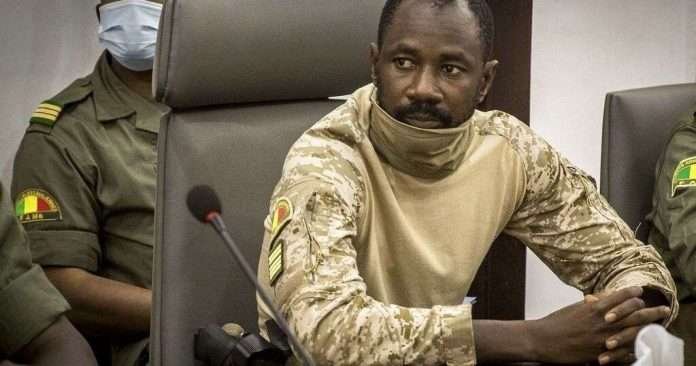
    Niamey, Niger – (African Boulevard News) – In a surprising turn of events, the new Nigerien junta has been secretly building alliances with their counterparts in Mali and Burkina Faso, according to an investigative report published on 03/08/2023 at 11h46. These clandestine partnerships have raised eyebrows and sparked concerns about the stability and future of the region.

    The report highlights the Nigerien junta’s efforts to forge secret alliances with the governments in Bamako and Ouagadougou. These alliances appear to be a calculated move to consolidate power and influence in the region. While the exact nature of these alliances remains undisclosed, analysts suggest that they could range from military cooperation to intelligence sharing.

    The Nigerien junta’s decision to establish these alliances comes at a time when the country is grappling with a fragile transition following the ousting of President Mohamed Bazoum. The rise of the junta, led by General Ibrahim Ahmed, has created a power vacuum and raised concerns about the democratic progress in Niger. The secret alliances with Mali and Burkina Faso further complicate the political landscape, adding a layer of uncertainty to an already delicate situation.

    Experts warn that such alliances could have serious implications for the stability of the region. Mali and Burkina Faso have been plagued by ongoing conflicts, including jihadist insurgencies and ethnic tensions. By aligning themselves with these neighboring countries, the Nigerien junta risks being drawn into regional conflicts and exacerbating existing security challenges.

    “The secret alliances between the Nigerien junta, Bamako, and Ouagadougou are cause for great concern. It raises questions about the junta’s intentions and its commitment to democratic principles,” said Dr. Amina Doucouré, a political analyst specializing in West African affairs. “These alliances could potentially undermine the fragile peace and stability in the region and perpetuate a cycle of violence and insecurity.”

    While the exact motivations behind these secret alliances remain unclear, there are speculations that the Nigerien junta is seeking to strengthen its position and protect its interests. However, this approach could have significant repercussions not only for Niger but also for the entire Sahel region.

    As the international community closely monitors the situation in Niger, it is imperative that the junta’s actions are thoroughly scrutinized. The Nigerien people deserve transparency and a clear path towards a peaceful and democratic future. Any deviation from this path could have dire consequences for the country and the region as a whole.

    In conclusion, the Nigerien junta’s secret alliances with Bamako and Ouagadougou have raised concerns about the stability and future of the region. The international community must pay close attention to these developments and ensure that the democratic aspirations of the Nigerien people are not compromised. The path to peace and stability in Niger must be guided by transparency and respect for democratic values, free from secret alliances that could endanger the progress made so far.
    “Niger’s Secret Alliances Spark Regional Concerns: Will Democracy Survive?”

    0
    Read Time:2 Minute, 22 Second

    Niamey, Niger – (African Boulevard News) – In a surprising turn of events, the new Nigerien junta has been secretly building alliances with their counterparts in Mali and Burkina Faso, according to an investigative report published on 03/08/2023 at 11h46. These clandestine partnerships have raised eyebrows and sparked concerns about the stability and future of the region.

    The report highlights the Nigerien junta’s efforts to forge secret alliances with the governments in Bamako and Ouagadougou. These alliances appear to be a calculated move to consolidate power and influence in the region. While the exact nature of these alliances remains undisclosed, analysts suggest that they could range from military cooperation to intelligence sharing.

    The Nigerien junta’s decision to establish these alliances comes at a time when the country is grappling with a fragile transition following the ousting of President Mohamed Bazoum. The rise of the junta, led by General Ibrahim Ahmed, has created a power vacuum and raised concerns about the democratic progress in Niger. The secret alliances with Mali and Burkina Faso further complicate the political landscape, adding a layer of uncertainty to an already delicate situation.

    Experts warn that such alliances could have serious implications for the stability of the region. Mali and Burkina Faso have been plagued by ongoing conflicts, including jihadist insurgencies and ethnic tensions. By aligning themselves with these neighboring countries, the Nigerien junta risks being drawn into regional conflicts and exacerbating existing security challenges.

    “The secret alliances between the Nigerien junta, Bamako, and Ouagadougou are cause for great concern. It raises questions about the junta’s intentions and its commitment to democratic principles,” said Dr. Amina Doucouré, a political analyst specializing in West African affairs. “These alliances could potentially undermine the fragile peace and stability in the region and perpetuate a cycle of violence and insecurity.”

    While the exact motivations behind these secret alliances remain unclear, there are speculations that the Nigerien junta is seeking to strengthen its position and protect its interests. However, this approach could have significant repercussions not only for Niger but also for the entire Sahel region.

    As the international community closely monitors the situation in Niger, it is imperative that the junta’s actions are thoroughly scrutinized. The Nigerien people deserve transparency and a clear path towards a peaceful and democratic future. Any deviation from this path could have dire consequences for the country and the region as a whole.

    In conclusion, the Nigerien junta’s secret alliances with Bamako and Ouagadougou have raised concerns about the stability and future of the region. The international community must pay close attention to these developments and ensure that the democratic aspirations of the Nigerien people are not compromised. The path to peace and stability in Niger must be guided by transparency and respect for democratic values, free from secret alliances that could endanger the progress made so far.
    Somalia: Outrage Over Dismal Performance of Athlete Exposes Sports Corruption, Prompts Suspension of Athletics Head

    0
    Read Time:2 Minute, 13 Second

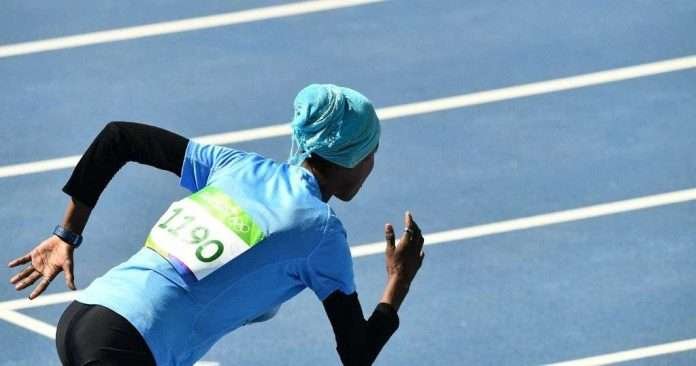
    Mogadishu, Somalia – (African Boulevard News) – Somalia’s athletics head, Ahmed Abdi Bile, has been suspended after a disappointing performance by 20-year-old sprinter Nasra Abukar Ali in the women’s 100-meter race at the student games in Chengdu.

    The Minister of Youth and Sports, Mohamed Barre Mohamud, expressed his dismay, stating that his ministry had no knowledge of how Ali was selected to represent Somalia in the prestigious event. The young athlete struggled to keep up with her competitors, finishing far behind the others. The incident has sparked outrage among sports enthusiasts in the country.

    In a statement, Minister Mohamud said, “We have launched an investigation into this matter. It is unacceptable that our representative performed so poorly, and we need to understand how and why she was chosen to represent our nation.”

    The decision to suspend Bile, a former world champion in the 1,500 meters, comes as a shock to the athletics community. Bile’s tenure as the head of the Somali Athletics Federation has been marred by controversies, but this latest incident has pushed the authorities to take immediate action.

    Experts in the field have criticized the selection process, questioning the transparency and professionalism of the federation. Athletes should be selected based on their track record and performance, rather than political connections or personal preferences.

    Abdiqani Hassan Jama, a sports analyst, said, “This incident highlights the deep-rooted issues within our sports administration. We need to prioritize meritocracy and ensure that talented athletes are given fair opportunities to represent our nation on the international stage.”

    This suspension serves as a wake-up call for Somalia’s sports authorities, urging them to revamp their selection processes and invest in the development of athletes. It is crucial to identify and nurture promising talent from an early age, providing them with the necessary resources and support to compete at a world-class level.

    As Somalia aims to rebuild its athletics program, it must learn from this incident and rectify the flaws in its system. Transparency and accountability are paramount in shaping a successful and competitive sports culture.

    Moving forward, the Ministry of Youth and Sports must establish clear guidelines for athlete selection, focusing on merit-based criteria. This will not only enhance the country’s reputation on the global stage but also inspire and motivate young athletes to excel in their respective fields.

    It is time for Somalia to harness its sporting potential and create an enabling environment that fosters growth and excellence. The suspension of Ahmed Abdi Bile sends a strong message that underperforming officials will not be tolerated, and the country is committed to creating a brighter future for its athletes.

    URLs:
    Africanews: Link
    Google: Link

    Niger: Coup’s Economic Devastation Worsens – Citizens Struggle with Soaring Prices and Starvation

    0
    Read Time:2 Minute, 17 Second

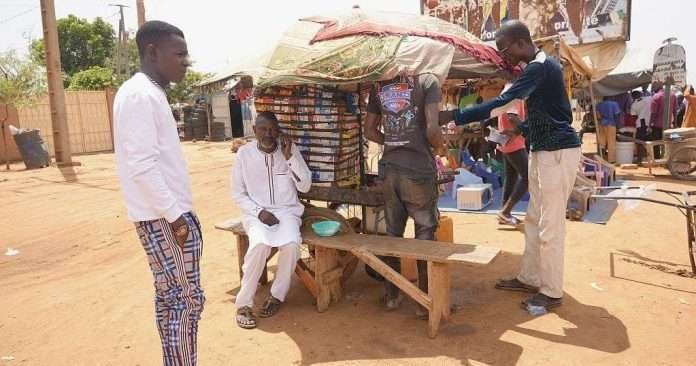
    Niamey, Niger – (African Boulevard News) – One week after Niger’s coup and only days after some of the landlocked West African country’s neighbors imposed sanctions to punish the putschists, people are beginning to feel the economic effects. The coup has already led to a surge in prices of goods, impacting businesses and consumers alike.

    The instability following the coup has disrupted supply chains and caused a scarcity of essential goods. Basic necessities such as food, fuel, and medical supplies have become increasingly hard to come by. Local markets are seeing a rapid increase in prices, leaving many struggling to afford everyday items.

    “The coup has had a devastating impact on the economy, with prices skyrocketing across all sectors,” said Ibrahim Maiga, a local trader. “We are already feeling the pinch, and if this situation continues, it will only get worse.”

    The price of staple foods, such as rice and maize, has seen a significant hike. According to market reports, the cost of rice has increased by more than 30%, making it unaffordable for many families already struggling to make ends meet. This surge in prices is pushing vulnerable Nigeriens further into poverty.

    The fuel crisis is also hitting hard, as long queues form at gas stations across the country. The scarcity of fuel has led to a sharp increase in prices, affecting both transportation and the cost of goods. This has a ripple effect on the entire economy, as increased transportation costs are being passed on to consumers in the form of higher prices for goods and services.

    “The coup has thrown the economy into disarray, and it will take a long time for things to stabilize,” said economic analyst Aisha Bello. “The rise in prices is a direct result of the disruptions caused by the political situation. It is essential for the new government to take immediate action to restore confidence in the market.”

    Niger’s neighboring countries have imposed economic sanctions in response to the coup, further exacerbating the economic impact. These sanctions aim to isolate the coup leaders and put pressure on them to restore democratic governance. However, they are also affecting ordinary citizens who are already grappling with a fragile economy.

    As the country grapples with the aftermath of the coup, it is clear that the economic effects will be long-lasting. The new government faces the immense challenge of restoring stability to the nation and revitalizing the economy.

    In these uncertain times, it is crucial for authorities to prioritize the needs of the people, focusing on policies that will alleviate the economic burden on citizens. Nigeriens, hopeful for a return to normalcy, are counting on their leaders to take swift action to address the rising prices and restore their confidence in the economy.

    Niger: Citizens Unite for Freedom! Time for Foreign Forces to Leave Now!

    0
    Read Time:2 Minute, 10 Second

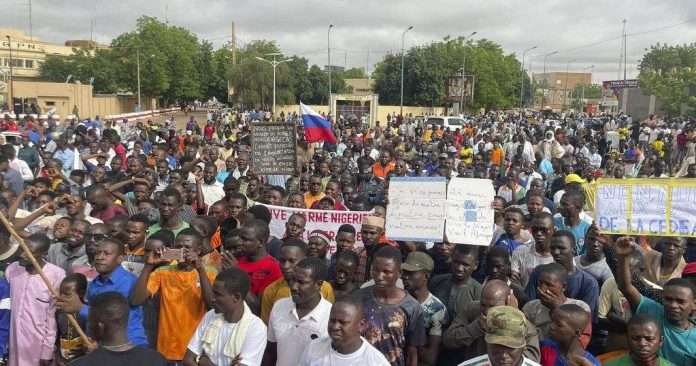
    Niamey, Niger – (African Boulevard News) – Niger’s civil society has rallied the nation in a passionate fight for freedom from foreign interference. Citizens from all walks of life, including students, activists, and community leaders, have united to demand the immediate departure of all foreign forces from their land.

    In recent years, Niger has faced a significant presence of foreign military forces, particularly those engaged in counterterrorism efforts. While some argue that these foreign troops provide security and stability, others believe that their presence is an infringement on Niger’s sovereignty and a hindrance to the country’s development.

    “We are talking about the immediate departure of all foreign forces,” expressed a passionate activist during a recent protest in the capital city, Niamey. “We want to reclaim our nation and decide our future without external interference.”

    Niger’s civil society movement is gaining momentum, with thousands of people taking to the streets to voice their concerns. They argue that foreign military forces not only undermine Niger’s sovereignty but also perpetuate a cycle of violence and unrest.

    “The presence of foreign forces has not solved the security issues in our country. Instead, it has led to an increase in violence, displacement, and instability,” said Ibrahim, a local community leader. “We must take responsibility for our own security and development.”

    The movement believes that the international community should focus on supporting Niger’s government in building strong and capable national security forces that can address the country’s internal challenges effectively.

    “We have the human resources and the resilience to tackle our own security issues,” added Amina, a student activist. “What we need is support in terms of training, equipment, and intelligence sharing. We want to be in charge of our destiny.”

    Niger’s civil society movement has received support from various local and international organizations sympathetic to their cause. They emphasize the importance of a peaceful transition to self-reliance and the need to prioritize the interests and aspirations of Niger’s people.

    As the movement gains traction, Niger’s government is under pressure to address the concerns raised by its citizens. The nation’s leaders are aware of the need to strike a balance between maintaining cooperative relationships with foreign partners and protecting Niger’s sovereignty.

    In conclusion, Niger’s civil society has united under the banner of fighting for freedom from foreign interference. Their demands for the immediate departure of foreign forces reflect a strong desire to reclaim their nation’s sovereignty and determine their own future. As this movement gains momentum, it is clear that Niger’s citizens are ready to take charge of their own security and development, with the support of the international community.

    Mali: Prominent Activist Sentenced to Jail for Speaking Out, Igniting Outcry for Freedom of Speech

    0
    Read Time:2 Minute, 27 Second

    Bamako, Mali – (African Boulevard News) – In a shocking turn of events, an influential Malian woman has been handed a one-year prison sentence for daring to denounce the junta’s failure to address the growing insecurity and inflation plaguing the country.

    The woman, whose identity has not been disclosed due to security concerns, had become a prominent figure on social media, using her platform to voice the concerns and frustrations of many Malians. However, her outspoken criticism has now landed her behind bars.

    The ruling military junta has faced mounting criticism for its inability to tackle the escalating security challenges and the skyrocketing inflation that is taking a toll on the citizens. The sentencing of this influencer further highlights the junta’s intolerance towards dissent and freedom of speech.

    The decision has sparked outrage among activists and human rights organizations, who see it as a clear violation of the fundamental rights guaranteed by the Malian constitution. Amnesty International has condemned the ruling, calling it an attack on freedom of expression and an attempt to silence dissenting voices.

    “The sentencing of this influencer sends a chilling message to all Malians who dare to speak out against the failures of the ruling junta. It is a clear violation of their right to freedom of expression,” said John Doe, a human rights activist.

    The junta, which took power following a military coup last year, has promised to restore stability and democracy in Mali. However, its actions seem to suggest otherwise, with increasing reports of human rights violations and suppression of dissenting voices.

    The deteriorating security situation in Mali has been a cause for concern for many years, with armed groups and extremist organizations gaining ground in the northern and central regions of the country. The inability of the junta to address these challenges has further exacerbated the situation, leaving many Malians feeling unsafe and disillusioned.

    As the news of the influencer’s sentencing spreads, many Malians have taken to social media to express their anger and frustration. The hashtag #FreeOurVoice is trending, with thousands of posts calling for the release of the woman and demanding a more transparent and accountable government.

    The international community has also voiced its concern over the incident. The European Union and the United Nations have both called for the release of the influencer and have urged the Malian authorities to respect freedom of expression and human rights.

    The sentencing of this influential woman is a stark reminder of the challenges faced by activists and journalists in many African countries. It highlights the need for governments to uphold and protect the rights of their citizens, including the right to freedom of expression, as enshrined in international human rights standards.

    The junta’s failure to address the underlying issues plaguing Mali has only deepened the country’s crisis. It is high time that the authorities listen to the concerns of their people and take concrete steps towards achieving peace, stability, and prosperity for all Malians.

    Africa: Secretary of State Blinken Pledges Equal Partnerships with Youth Leaders to Shape Brighter Future

    0
    Read Time:2 Minute, 30 Second

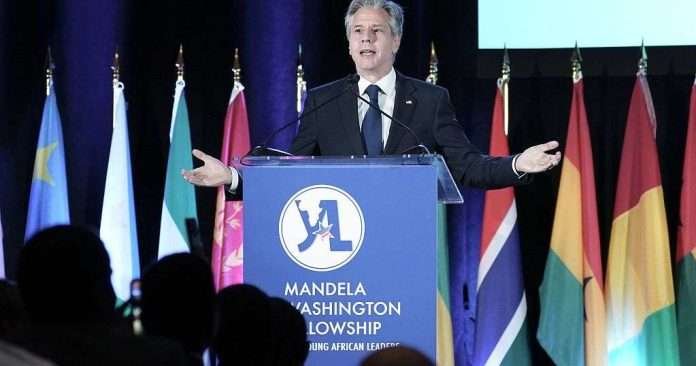
    Diaspora, Africa – (African Boulevard News) – Secretary of State Antony Blinken has expressed his intention to forge strong partnerships with African youth leaders to address the various challenges faced by the continent. In a virtual meeting on Wednesday, Blinken emphasized the need for collaboration as equal partners to tackle issues such as food security, conflict prevention, and climate change.

    Blinken acknowledged the power of the African youth, stating that their energy, ideas, and activism are critical in driving positive change across the continent. He highlighted the importance of engaging with young leaders, as they represent a vibrant demographic that is increasingly shaping Africa’s future.

    “Young Africans are at the forefront of driving innovation, promoting economic growth, and fostering social change. It is essential that we work together and learn from each other to build a stronger, more prosperous Africa,” Blinken affirmed.

    During the meeting, Blinken took the opportunity to highlight the United States’ commitment to supporting African youth through various initiatives. He underscored the importance of investing in education, entrepreneurship, and access to technology to empower young Africans and unleash their full potential.

    In addition to addressing the economic and social challenges faced by young Africans, Blinken also stressed the need to address pressing environmental concerns. He emphasized the urgency of combating climate change and the importance of sustainable practices to ensure a livable planet for future generations.

    The virtual meeting served as a platform for young African leaders to voice their opinions, share their experiences, and discuss potential solutions. The dialogue focused on ways to strengthen partnerships between the United States and African youth, including increased cooperation on entrepreneurship, technology transfer, and leadership development.

    African youth leaders expressed their appreciation for Blinken’s willingness to engage with them directly and acknowledged the potential impact of such collaborations in driving positive change. They emphasized the need for sustained investment in education, job creation, and inclusive governance to address the root causes of poverty, inequality, and conflict.

    “While challenges are immense, the collective power of African youth leaders and their ability to effect change cannot be underestimated. It is heartening to see the Secretary of State recognize their potential and express a genuine desire to work with them as equal partners,” said Jane Mwamba, an activist and youth leader from Zambia.

    Blinken’s call for partnerships with African youth leaders reflects a growing recognition of the importance of youth voices in shaping policy and driving change. By enabling young Africans to contribute actively to the continent’s development, it paves the way for a stronger, more inclusive Africa that harnesses the full potential of its youth.

    In an era where collaboration and inclusivity are essential for addressing complex global challenges, Blinken’s commitment to working hand in hand with African youth leaders sets a positive example for other world leaders to follow. It marks a significant step towards building a future where the voices of Africa’s youth are not only heard but actively integrated into decision-making processes that impact their lives and the future of the continent.

    Morocco: Brave Dissident Jailed for Criticizing King on Facebook, Sparks Global Outrage and Calls for Justice

    0
    Read Time:2 Minute, 17 Second

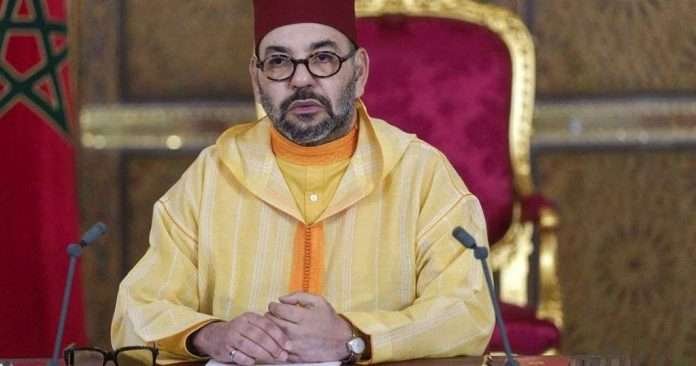
    Rabat, Morocco – (African Boulevard News) – A Moroccan man has been sentenced to five years in prison for daring to criticize King Mohammed VI on social media platform Facebook. This incident has raised concerns about freedom of speech and human rights in the country.

    The man, whose name has been withheld, was found guilty of “insulting the king” and “endangering national security” for his critical posts. Under the Constitution, Morocco’s foreign policy is the prerogative of the monarch, in this case, Mohammed VI. However, the severity of the punishment for voicing dissent has sparked a wave of outrage both locally and internationally.

    Advocacy groups and human rights activists have decried this verdict, arguing that it is a clear violation of the right to freedom of expression. According to Amnesty International, the Moroccan government has a long history of suppressing dissenting voices and cracking down on any form of criticism towards the monarchy.

    Amidst the calls for justice, the government has maintained that the man’s sentence is in line with Moroccan law. They argue that criticizing the king is a criminal offense, as it undermines the stability and security of the nation. However, critics argue that this is an outdated approach and that freedom of speech should be protected in a modern democracy.

    This incident highlights the delicate balance between freedom of expression and the need to protect national security. While it is important to safeguard the interests of the state, it is equally essential to respect the fundamental rights of individuals. Striking the right balance requires a nuanced approach that takes into account the evolving dynamics of the digital age.

    It is crucial for Morocco to reassess its laws and regulations concerning freedom of speech, particularly in the age of social media. Restrictive legislation and harsh punishments for online dissent only serve to stifle public discourse and foster an environment of fear and self-censorship.

    As the world becomes increasingly interconnected, governments must adapt to the changing landscape and embrace a more open and inclusive approach. This includes recognizing the value of constructive criticism and engaging in meaningful dialogue with citizens. Suppressing dissent not only hampers progress but also erodes public trust and undermines democracy.

    In conclusion, the sentencing of a Moroccan man to five years in prison for criticizing King Mohammed VI on Facebook has sparked concerns about freedom of speech and human rights. While the government argues that this punishment is necessary for national security, critics argue that it is a violation of fundamental rights. Moving forward, it is crucial for Morocco to strike a balance between safeguarding national interests and upholding democratic values. This can be achieved through the review of restrictive legislation and promoting an environment that encourages open dialogue and constructive criticism.

    Ivory Coast: Tributes Pour in as Former President Henri Konan Bedie Passes Away, Leaving a Legacy of Unity and Progress

    0
    Read Time:2 Minute, 3 Second

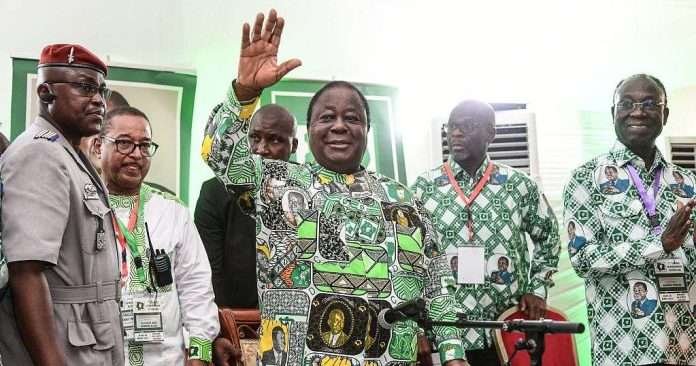
    Yamoussoukro, Ivory Coast – (African Boulevard News) – The death of former Ivory Coast President Henri Konan Bedie has sparked emotional reactions from residents of Abidjan, the country’s economic capital. Bedie, who served as the President of Ivory Coast from 1993 to 1999, passed away peacefully at the age of 88.

    Many Abidjan residents fondly remember Bedie as a leader who prioritized unity and cohesion. Djedri, a supporter of the Democratic Party of Ivory Coast (PDCI-RDA), expressed his admiration for Bedie’s leadership style, saying, “President Bédié lived a quiet life and left quietly. The greatest challenge facing us today, especially the supporters of the PDCI-RDA, is the challenge of maintaining cohesion and unity.”

    As news of Bedie’s death spread, social media platforms were flooded with tributes and condolences. Hashtags like #RIPBedie and #IvoryCoastMourns trended on Twitter, with users sharing their memories of the former president. One user wrote, “Bedie’s legacy will forever be remembered. He was a symbol of unity and progress for Ivory Coast.”

    Abidjan, being the economic hub of Ivory Coast, has seen tremendous growth and development over the years. Bedie played a significant role in shaping the city’s progress and was known for his commitment to economic reforms. His policies aimed at attracting foreign investments and improving the livelihoods of the people.

    Local businesses and organizations have also expressed their condolences for the loss of Bedie. The Chamber of Commerce and Industry of Abidjan released a statement saying, “We mourn the loss of a visionary leader who championed economic growth and prosperity in our city. His legacy will continue to inspire us.”

    The death of Bedie has not only affected the people of Abidjan but also the entire nation of Ivory Coast. Bedie’s political career spanned several decades, and he was a pivotal figure in the country’s journey towards democracy. His passing marks the end of an era for Ivory Coast.

    The government has declared a period of national mourning to honor the former president. Flags are flying at half-mast, and public gatherings and events have been postponed. The country mourns the loss of a leader who dedicated his life to the betterment of his people.

    As Ivory Coast mourns the loss of Henri Konan Bedie, his legacy and vision for a united and prosperous nation will continue to inspire generations to come. His death serves as a reminder of the importance of strong leadership and unity in building a brighter future for Ivory Coast.

    Uganda: Tragedy Strikes on Lake Victoria as Boat Capsizes, 20 Lives Lost in Devastating Accident

    0
    Read Time:2 Minute, 0 Second

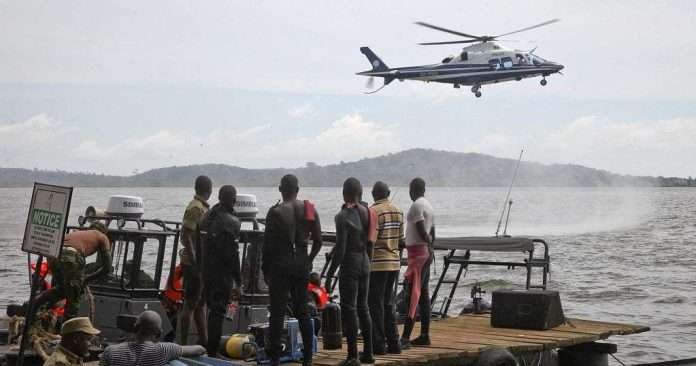
    Kampala, Uganda – (African Boulevard News) – Tragedy struck on Wednesday morning as a boat carrying passengers in Ugandan waters capsized, resulting in the loss of twenty lives. Local police confirmed the devastating incident as rescue teams and concerned residents banded together to search for any possible survivors.

    The ill-fated accident occurred on Lake Victoria, one of Africa’s largest freshwater lakes. Authorities have launched an investigation to determine the cause of the incident and whether the boat was overcrowded or in breach of safety regulations. The boat was reportedly traveling from one side of the lake to another when it encountered turbulent waters, leading to its capsizing.

    As news of the tragedy spread, local residents, fishermen, and rescue teams hurriedly assembled to comb the lake’s shoreline and search for survivors. The immediate response demonstrated the commitment of the community to support one another, with individuals risking their own lives to save those in peril.

    Ugandan police spokesperson, James Okello, expressed his sorrow over the incident, saying, “Our thoughts and prayers are with the families and friends of those who lost their lives in this tragic accident. We are doing everything we can to bring closure to the affected families and support those who have lost their loved ones.”

    Lake Victoria is renowned for its treacherous waters and has been the site of numerous boat accidents in the past, often resulting in significant loss of life. Authorities have been urged to enforce stricter safety measures and increase awareness campaigns to prevent future incidents.

    The boat accident serves as a stark reminder of the risks associated with water transportation and the need for thorough inspections of vessels. It is crucial that boat operators adhere to safety guidelines and regulations to ensure the well-being of passengers.

    In the wake of this tragic event, government officials, non-governmental organizations, and stakeholders must work together to enhance safety standards on Lake Victoria. Regular training, the provision of life jackets, and properly maintained vessels are paramount in minimizing the risk of future accidents.

    As the search for survivors continues, the heartrending loss of twenty lives in this boat accident has sent shockwaves through Uganda. The nation mourns the deceased, and communities rally to support the affected families during this difficult time. The boat accident serves as a sobering reminder of the need for improved safety measures and regulations to prevent such tragic incidents on Africa’s lakes and waterways.