Monday, May 4, 2026
89.8 F
Lagos
More
    Home Blog Page 287

    Morocco: Sensational Victory Sends Women’s National Team Soaring in Round of 16 Triumph

    0
    Read Time:2 Minute, 21 Second

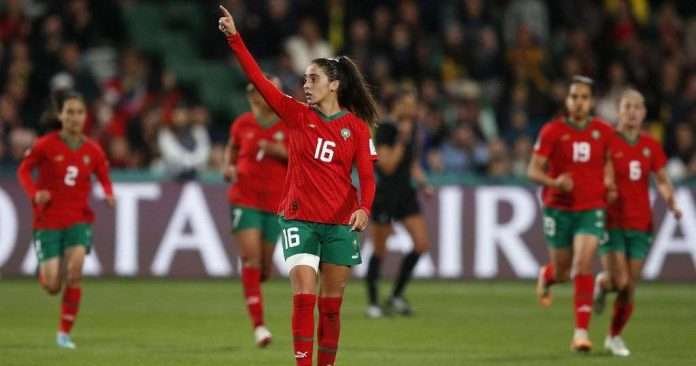
    Rabat, Morocco – (African Boulevard News) – In a thrilling match at the Women’s World Cup, Morocco secured their spot in the round of 16 by defeating Colombia with a narrow score of 1-0. The only goal of the match came from Moroccan midfielder, Anissa Lajhmari, during stoppage time in the first half.

    From the very beginning, it was evident that both teams were determined to give it their all. The match showcased some phenomenal displays of skill and determination from both sides. However, it was Morocco who managed to capitalize on their opportunities and ultimately came out as the victors.

    The breakthrough moment came during stoppage time in the first half, when Lajhmari found herself in the right place at the right time. With a swift and powerful strike, she sent the ball soaring into the back of the net, leaving the Colombian goalkeeper with no chance to make a save. The stadium erupted with cheers and applause as Morocco took the lead.

    Despite their best efforts, Colombia failed to equalize during the remainder of the game. The Moroccan defense stood strong and managed to thwart any attempts made by the Colombian team. Both sides showcased their tactical prowess and physicality throughout the match, but it was Morocco who emerged as the stronger team on the day.

    This victory marks a significant milestone for the Moroccan women’s national team. By securing their place in the round of 16, they have now moved up to 8th position in the Women’s World Cup rankings. This achievement is a testament to the hard work and dedication of the players, coaches, and staff involved in the team’s preparations.

    Morocco’s success in the Women’s World Cup has caught the attention of football enthusiasts worldwide. Fans and analysts are already speculating on the team’s potential to go even further in the tournament. Experts believe that Morocco’s solid defense, combined with their attacking firepower, could make them a formidable force in the knockout stages.

    Coach Ahmed Ben Salah expressed his pride in the team’s performance, stating, “This victory is a result of the players’ determination and commitment. They have worked tirelessly to reach this stage of the tournament, and I am confident that they will continue to make us proud in the matches to come.”

    As Morocco celebrates this historic win, they now set their sights on the next challenge that awaits them in the round of 16. The team’s success serves as an inspiration to aspiring female footballers in Morocco and across the continent, highlighting the incredible potential and talent that exists within African women’s football.

    Morocco’s journey in the Women’s World Cup continues, and football fans around the world eagerly await their next match, where they will undoubtedly give their all to secure another victory and move closer to their ultimate goal of lifting the coveted trophy.
    South Africa: Malema and Musk Clash in Fiery Battle Over Divisive Anti-Apartheid Song, Igniting National Debate on History and Freedom

    0
    Read Time:2 Minute, 32 Second

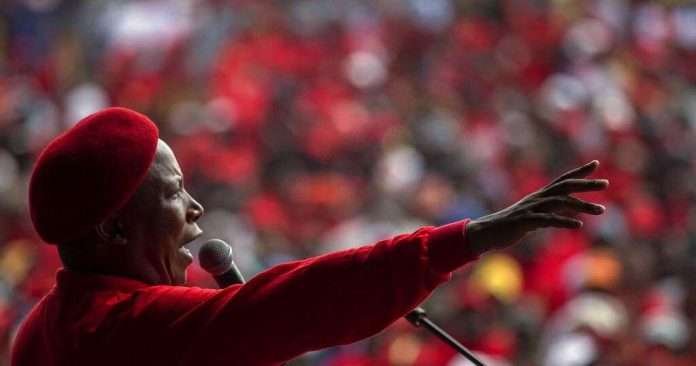
    Pretoria, South Africa – (African Boulevard News) – In a surprising turn of events, two prominent South Africans, political firebrand Julius Malema and billionaire entrepreneur Elon Musk, found themselves engaged in a heated online showdown over the interpretation of an anti-apartheid song. The clash between the charismatic leader of the Economic Freedom Fighters (EFF) and the CEO of Tesla and SpaceX has captivated the nation and sparked debates about history, freedom of expression, and the role of public figures in shaping the narrative.

    Malema, known for his outspoken nature and radical political beliefs, recently posted a video on social media where he passionately sang “Kill the Boer” – a struggle song originally used during the fight against apartheid. The lyrics, which translate to “Kill the farmer,” have been a source of controversy, with some arguing that they incite violence and perpetuate racial tensions in the country.

    Enter Elon Musk, the South African-born tech magnate who has become a global icon. Musk, known for his vocal stances on various issues, took to Twitter to express his disagreement with Malema’s choice of song. He criticized the lyrics as divisive and urged Malema to choose more inclusive and unifying songs that promote reconciliation.

    Malema wasted no time in firing back at Musk, accusing him of being out of touch with the struggles of ordinary South Africans. In a series of tweets, the EFF leader defended the use of the song as an expression of the ongoing fight against economic inequality and the legacy of apartheid. Malema argued that the lyrics should be understood in their historical context, emphasizing that the struggle against white minority rule was not without bloodshed.

    The clash between Malema and Musk has ignited a broader discussion about the significance and interpretation of struggle songs in South Africa. Historians and experts have weighed in, offering different perspectives on the use of such songs in the post-apartheid era. Some argue that while these songs played a crucial role in the liberation struggle, their continued use can hinder progress towards a more inclusive society. Others contend that struggle songs serve as a reminder of the sacrifices made and the ongoing fight for social justice.

    The confrontation between Malema and Musk highlights the power and influence that public figures possess in shaping public opinion. As South Africa continues to grapple with its complex past and strive for a more equitable future, the role of individuals like Malema and Musk in shaping the national narrative becomes increasingly significant.

    While the clash between Malema and Musk continues to spark debates and divide opinions, it serves as a reminder of the ongoing challenges faced by South Africa in its journey towards reconciliation. The power of words and the interpretation of history remain contentious issues, and finding a common ground will require thoughtful dialogue and a willingness to listen to different perspectives. As the nation watches this online duel unfold, one can only hope that it leads to a deeper understanding and a renewed commitment to building a united and inclusive South Africa.

    Niger: UK Embassy Forced to Slash Staff Amid Escalating Security Crisis

    0
    Read Time:2 Minute, 7 Second

    Niamey, Niger – (African Boulevard News) – The United Kingdom has announced that it will be reducing the number of staff members at its embassy in Niamey, Niger, citing the security situation in the country. This announcement was made on the British Foreign Office’s travel advice site, where they described it as a temporary measure.

    The decision to reduce staff comes as a response to the security challenges that have been prevalent in Niger. The British government is committed to ensuring the safety of its diplomats and citizens in the country. By reducing the number of employees, they aim to mitigate the risks associated with the current security situation.

    According to the British Foreign Office’s travel advice site, “There is a high threat from terrorism, including kidnapping. Attacks could be indiscriminate, including in places frequented by foreigners.”

    Niger has been grappling with security challenges, including terrorist activities, for quite some time. The government has been making efforts to combat these threats, but the situation remains precarious. As a result, several countries have adjusted their diplomatic presence in Niger.

    This decision by the United Kingdom, though temporary, highlights the seriousness of the security situation in the country. It serves as a reminder of the ongoing challenges faced by Niger and the efforts required to address them.

    Experts and stakeholders have weighed in on the reduction of staff in the UK embassy. Ahmed Boubacar, a security analyst, shared his perspective on the matter, stating, “The reduction in staff at the UK embassy reflects the harsh reality of the security situation in Niger. It is a prudent step to ensure the safety of their personnel. However, it also underscores the urgent need for the government of Niger to strengthen security measures and address the root causes of the instability.”

    The decision by the United Kingdom will undoubtedly have an impact on the operations of its embassy in Niamey. However, it is a necessary step to prioritize the safety of its personnel in a volatile security environment.

    The reduction in staff serves as a reminder of the challenges faced by countries operating in regions with high security risks. It highlights the need for cooperation and support to overcome these challenges effectively.

    In conclusion, the United Kingdom’s decision to temporarily reduce staff in its embassy in Niamey, Niger, reflects the security situation in the country. While it may cause some disruptions, it is a necessary measure to ensure the safety of its personnel. The move underscores the ongoing security challenges faced by Niger and the collective effort required to address them.

    South Sudan: Hunger Crisis Skyrockets as Climate Crisis Escalates, Urgent Action Needed to Prevent Humanitarian Disaster

    0
    Read Time:2 Minute, 22 Second

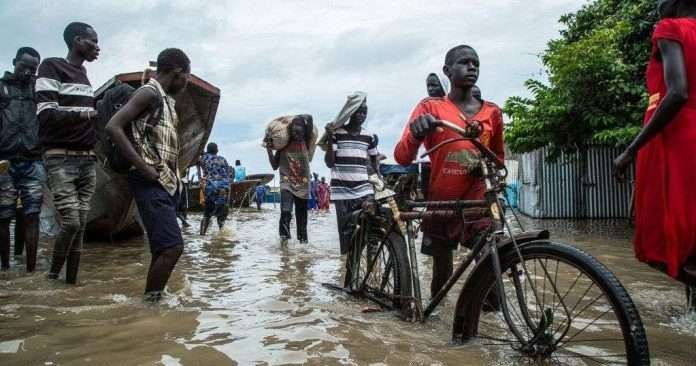
    Juba, South Sudan – (African Boulevard News) – Extreme weather conditions caused by the climate crisis have sparked fears of a major food shortage in South Sudan. This looming crisis has left many vulnerable communities on the brink of hunger, with access to food becoming increasingly scarce.

    According to a recent report by the United Nations, the ongoing drought and flooding in South Sudan have led to unprecedented levels of food insecurity. The extreme weather has disrupted farming activities, leaving many farmers unable to grow crops and sustain their livelihoods. Even those who were previously able to feed themselves are now struggling to find enough food to survive.

    “The situation in South Sudan is dire. The climate crisis has hit us hard, causing widespread hunger and suffering,” said John Deng, a farmer from the region. “We used to have enough food to feed our families and even sell the excess. But now, it’s a struggle just to find a meal for the day.”

    The effects of the climate crisis are not limited to the agricultural sector. The extreme weather conditions have also destroyed critical infrastructure, such as roads and bridges, making it difficult to transport food supplies to remote areas. This has further exacerbated the food shortage and increased the prices of available food, making it unaffordable for many families.

    “The lack of access to food is a ticking time bomb,” warned Dr. Mary Achieng, an expert on food security. “If immediate action is not taken, we could be facing a humanitarian catastrophe in South Sudan.”

    International organizations and humanitarian agencies are working tirelessly to address the crisis and provide assistance to affected communities. However, the scale of the problem is immense and requires a coordinated effort from all stakeholders.

    “The situation in South Sudan highlights the urgent need for climate action and investment in sustainable agricultural practices,” stated Dr. James Smith, a climate scientist. “We must work towards building resilience and adapting to the changing climate patterns, while also addressing the root causes of the crisis.”

    The South Sudanese government is also taking steps to mitigate the impact of the extreme weather conditions. They have implemented measures to support farmers, such as providing seeds and tools, and promoting climate-smart agriculture techniques.

    However, the challenges ahead are immense, and the international community must step up their efforts to support South Sudan in overcoming this crisis. Immediate funding and resources are needed to ensure that vulnerable communities have access to food and can rebuild their lives.

    As South Sudan grapples with the devastating consequences of extreme weather conditions, it is evident that urgent action is required to prevent a humanitarian disaster. The climate crisis demands a global response, with a focus on sustainable solutions and support for those most affected. Failure to act now could have dire consequences for food security in South Sudan and beyond.

    “Niger: Battle for Influence – Western Fears Escalate as Coup Leader’s Visit to Mali Sparks Geopolitical Concerns”

    0
    Read Time:2 Minute, 19 Second

    Niamey, Niger – (African Boulevard News) – In a surprising turn of events, the leader of the recent coup in Niger, General Salou Djibo, has made a highly anticipated visit to neighboring Mali. This visit comes amid concerns from Western countries that Niger may fall under the influence of Russia, particularly in light of Mali’s acceptance of up to 1,000 fighters from the controversial Wagner Group.

    Djibo’s visit to Mali has left many speculating about the possible implications for the region. Experts suggest that this move could potentially strengthen ties between the two countries and create a shift in the balance of power.

    “The visit of General Djibo to Mali signifies a new chapter in the relationship between these two nations,” stated political analyst, Dr. Amina Diallo. “It opens up possibilities for increased cooperation and strategic partnerships, which could have significant geopolitical consequences.”

    The visit comes at a time of increased tension between Western powers and Russia. Western countries fear that Niger, a country rich in natural resources, could become a pawn in Russia’s global ambitions. The presence of Wagner Group fighters in Mali has only deepened these concerns.

    Mali has been grappling with a political crisis of its own, with growing instability and the presence of armed groups. The acceptance of Wagner Group fighters by the Malian government has drawn criticism from Western nations, who see this move as a threat to regional peace and security.

    However, Djibo’s visit to Mali has also been met with cautious optimism. Some experts believe that it could provide an opportunity for dialogue and negotiations, potentially leading to the resolution of conflicts in both countries.

    “This visit could be a stepping stone towards finding peaceful solutions to the challenges faced by Niger and Mali,” suggested international relations expert, Dr. Amadou Souleymane. “It is crucial that regional leaders come together to address the root causes of instability and work towards sustainable peace and development.”

    As General Djibo continues his visit in Mali, the eyes of the international community remain fixed on the evolving situation. The hope is that this meeting will lead to constructive discussions and foster regional stability, while ensuring that Niger and Mali do not become pawns in a larger geopolitical game.

    The outcome of Djibo’s visit and the subsequent actions taken by both countries will undoubtedly shape the future of the Sahel region. It remains to be seen whether this visit will pave the way for increased cooperation or further exacerbate tensions in the region.

    As the situation continues to unfold, it is clear that the ripple effects of this visit will be felt far beyond the borders of Niger and Mali. The stakes are high, and the international community must remain vigilant in ensuring that the interests of the people and the region are protected.

    South Africa: Brazilian President Calls for Inclusion of More Nations in BRICS Alliance, Paving the Way for a New Global Order

    0
    Read Time:2 Minute, 12 Second

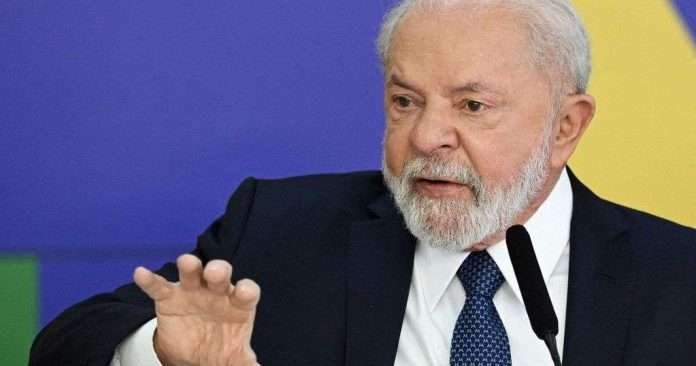
    Pretoria, South Africa – (African Boulevard News) – Brazilian President Luiz Inácio Lula da Silva expressed his support on Wednesday for the inclusion of more countries in the BRICS group of large developing nations. The group currently consists of Brazil, Russia, India, China, and South Africa, and President Lula believes that expanding the membership will further strengthen economic cooperation and global influence.

    President Lula’s statement comes at a time when the BRICS nations have been working together to enhance their collective voice and promote economic development in their respective regions. The group has already made significant strides in areas such as trade, technology, and finance. By welcoming new members, the BRICS alliance can extend its reach and impact, offering more opportunities for collaboration and growth.

    The Brazilian president emphasized the importance of inclusivity, stating, “We need to invite more countries to join the BRICS family. By doing so, we can build a stronger coalition that represents the interests of developing nations and ensures a more balanced and equitable global order.”

    Experts have hailed President Lula’s stance, highlighting its potential to reshape the geopolitical landscape. Dr. Maria Santos, an international relations professor at the University of São Paulo, believes that expanding the BRICS alliance will amplify the voice of emerging economies and challenge the dominance of traditional global powers.

    “By embracing new members, the BRICS group can promote a multipolar world order that takes into account the aspirations and priorities of a diverse range of nations. This will create a more inclusive and democratic framework for global decision-making,” Dr. Santos explained.

    While the specific countries being considered for BRICS membership have not been disclosed, analysts speculate that several nations from Africa and Latin America may be potential candidates. The inclusion of countries from these regions could foster greater regional integration and provide a platform for addressing common challenges and priorities.

    Mr. John Mbeki, an economist at the African Development Bank, believes that BRICS membership holds immense potential for African countries. “Joining the BRICS group can open doors to investment, trade, and technology transfer. It offers African nations an opportunity to showcase their potential and collaborate with other emerging economies to drive sustainable development,” Mr. Mbeki stated.

    As discussions on expanding the BRICS alliance continue, leaders and policymakers are optimistic about the collective strength and influence of the group. The inclusion of new members will not only enhance economic cooperation and development but also foster a more balanced and equitable global order. President Lula’s support for this expansion reflects the commitment of the BRICS nations to create a platform that represents the collective interests of developing nations and ensures their participation in shaping global affairs.

    “Niger’s Secret Alliances Spark Regional Concerns: Will Democracy Survive?”

    0
    Read Time:2 Minute, 22 Second

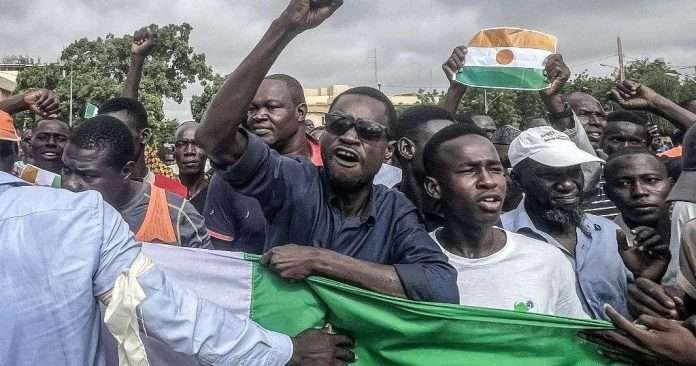
    Niamey, Niger – (African Boulevard News) – In a surprising turn of events, the new Nigerien junta has been secretly building alliances with their counterparts in Mali and Burkina Faso, according to an investigative report published on 03/08/2023 at 11h46. These clandestine partnerships have raised eyebrows and sparked concerns about the stability and future of the region.

    The report highlights the Nigerien junta’s efforts to forge secret alliances with the governments in Bamako and Ouagadougou. These alliances appear to be a calculated move to consolidate power and influence in the region. While the exact nature of these alliances remains undisclosed, analysts suggest that they could range from military cooperation to intelligence sharing.

    The Nigerien junta’s decision to establish these alliances comes at a time when the country is grappling with a fragile transition following the ousting of President Mohamed Bazoum. The rise of the junta, led by General Ibrahim Ahmed, has created a power vacuum and raised concerns about the democratic progress in Niger. The secret alliances with Mali and Burkina Faso further complicate the political landscape, adding a layer of uncertainty to an already delicate situation.

    Experts warn that such alliances could have serious implications for the stability of the region. Mali and Burkina Faso have been plagued by ongoing conflicts, including jihadist insurgencies and ethnic tensions. By aligning themselves with these neighboring countries, the Nigerien junta risks being drawn into regional conflicts and exacerbating existing security challenges.

    “The secret alliances between the Nigerien junta, Bamako, and Ouagadougou are cause for great concern. It raises questions about the junta’s intentions and its commitment to democratic principles,” said Dr. Amina Doucouré, a political analyst specializing in West African affairs. “These alliances could potentially undermine the fragile peace and stability in the region and perpetuate a cycle of violence and insecurity.”

    While the exact motivations behind these secret alliances remain unclear, there are speculations that the Nigerien junta is seeking to strengthen its position and protect its interests. However, this approach could have significant repercussions not only for Niger but also for the entire Sahel region.

    As the international community closely monitors the situation in Niger, it is imperative that the junta’s actions are thoroughly scrutinized. The Nigerien people deserve transparency and a clear path towards a peaceful and democratic future. Any deviation from this path could have dire consequences for the country and the region as a whole.

    In conclusion, the Nigerien junta’s secret alliances with Bamako and Ouagadougou have raised concerns about the stability and future of the region. The international community must pay close attention to these developments and ensure that the democratic aspirations of the Nigerien people are not compromised. The path to peace and stability in Niger must be guided by transparency and respect for democratic values, free from secret alliances that could endanger the progress made so far.

    “Niger’s Secret Alliances Spark Regional Concerns: Will Democracy Survive?”

    0
    Read Time:2 Minute, 22 Second

    Niamey, Niger – (African Boulevard News) – In a surprising turn of events, the new Nigerien junta has been secretly building alliances with their counterparts in Mali and Burkina Faso, according to an investigative report published on 03/08/2023 at 11h46. These clandestine partnerships have raised eyebrows and sparked concerns about the stability and future of the region.

    The report highlights the Nigerien junta’s efforts to forge secret alliances with the governments in Bamako and Ouagadougou. These alliances appear to be a calculated move to consolidate power and influence in the region. While the exact nature of these alliances remains undisclosed, analysts suggest that they could range from military cooperation to intelligence sharing.

    The Nigerien junta’s decision to establish these alliances comes at a time when the country is grappling with a fragile transition following the ousting of President Mohamed Bazoum. The rise of the junta, led by General Ibrahim Ahmed, has created a power vacuum and raised concerns about the democratic progress in Niger. The secret alliances with Mali and Burkina Faso further complicate the political landscape, adding a layer of uncertainty to an already delicate situation.

    Experts warn that such alliances could have serious implications for the stability of the region. Mali and Burkina Faso have been plagued by ongoing conflicts, including jihadist insurgencies and ethnic tensions. By aligning themselves with these neighboring countries, the Nigerien junta risks being drawn into regional conflicts and exacerbating existing security challenges.

    “The secret alliances between the Nigerien junta, Bamako, and Ouagadougou are cause for great concern. It raises questions about the junta’s intentions and its commitment to democratic principles,” said Dr. Amina Doucouré, a political analyst specializing in West African affairs. “These alliances could potentially undermine the fragile peace and stability in the region and perpetuate a cycle of violence and insecurity.”

    While the exact motivations behind these secret alliances remain unclear, there are speculations that the Nigerien junta is seeking to strengthen its position and protect its interests. However, this approach could have significant repercussions not only for Niger but also for the entire Sahel region.

    As the international community closely monitors the situation in Niger, it is imperative that the junta’s actions are thoroughly scrutinized. The Nigerien people deserve transparency and a clear path towards a peaceful and democratic future. Any deviation from this path could have dire consequences for the country and the region as a whole.

    In conclusion, the Nigerien junta’s secret alliances with Bamako and Ouagadougou have raised concerns about the stability and future of the region. The international community must pay close attention to these developments and ensure that the democratic aspirations of the Nigerien people are not compromised. The path to peace and stability in Niger must be guided by transparency and respect for democratic values, free from secret alliances that could endanger the progress made so far.

    “Niger’s Secret Alliances Spark Regional Concerns: Will Democracy Survive?”

    0
    Read Time:2 Minute, 22 Second

    Niamey, Niger – (African Boulevard News) – In a surprising turn of events, the new Nigerien junta has been secretly building alliances with their counterparts in Mali and Burkina Faso, according to an investigative report published on 03/08/2023 at 11h46. These clandestine partnerships have raised eyebrows and sparked concerns about the stability and future of the region.

    The report highlights the Nigerien junta’s efforts to forge secret alliances with the governments in Bamako and Ouagadougou. These alliances appear to be a calculated move to consolidate power and influence in the region. While the exact nature of these alliances remains undisclosed, analysts suggest that they could range from military cooperation to intelligence sharing.

    The Nigerien junta’s decision to establish these alliances comes at a time when the country is grappling with a fragile transition following the ousting of President Mohamed Bazoum. The rise of the junta, led by General Ibrahim Ahmed, has created a power vacuum and raised concerns about the democratic progress in Niger. The secret alliances with Mali and Burkina Faso further complicate the political landscape, adding a layer of uncertainty to an already delicate situation.

    Experts warn that such alliances could have serious implications for the stability of the region. Mali and Burkina Faso have been plagued by ongoing conflicts, including jihadist insurgencies and ethnic tensions. By aligning themselves with these neighboring countries, the Nigerien junta risks being drawn into regional conflicts and exacerbating existing security challenges.

    “The secret alliances between the Nigerien junta, Bamako, and Ouagadougou are cause for great concern. It raises questions about the junta’s intentions and its commitment to democratic principles,” said Dr. Amina Doucouré, a political analyst specializing in West African affairs. “These alliances could potentially undermine the fragile peace and stability in the region and perpetuate a cycle of violence and insecurity.”

    While the exact motivations behind these secret alliances remain unclear, there are speculations that the Nigerien junta is seeking to strengthen its position and protect its interests. However, this approach could have significant repercussions not only for Niger but also for the entire Sahel region.

    As the international community closely monitors the situation in Niger, it is imperative that the junta’s actions are thoroughly scrutinized. The Nigerien people deserve transparency and a clear path towards a peaceful and democratic future. Any deviation from this path could have dire consequences for the country and the region as a whole.

    In conclusion, the Nigerien junta’s secret alliances with Bamako and Ouagadougou have raised concerns about the stability and future of the region. The international community must pay close attention to these developments and ensure that the democratic aspirations of the Nigerien people are not compromised. The path to peace and stability in Niger must be guided by transparency and respect for democratic values, free from secret alliances that could endanger the progress made so far.

    “Niger’s Secret Alliances Spark Regional Concerns: Will Democracy Survive?”

    0
    Read Time:2 Minute, 22 Second

    Niamey, Niger – (African Boulevard News) – In a surprising turn of events, the new Nigerien junta has been secretly building alliances with their counterparts in Mali and Burkina Faso, according to an investigative report published on 03/08/2023 at 11h46. These clandestine partnerships have raised eyebrows and sparked concerns about the stability and future of the region.

    The report highlights the Nigerien junta’s efforts to forge secret alliances with the governments in Bamako and Ouagadougou. These alliances appear to be a calculated move to consolidate power and influence in the region. While the exact nature of these alliances remains undisclosed, analysts suggest that they could range from military cooperation to intelligence sharing.

    The Nigerien junta’s decision to establish these alliances comes at a time when the country is grappling with a fragile transition following the ousting of President Mohamed Bazoum. The rise of the junta, led by General Ibrahim Ahmed, has created a power vacuum and raised concerns about the democratic progress in Niger. The secret alliances with Mali and Burkina Faso further complicate the political landscape, adding a layer of uncertainty to an already delicate situation.

    Experts warn that such alliances could have serious implications for the stability of the region. Mali and Burkina Faso have been plagued by ongoing conflicts, including jihadist insurgencies and ethnic tensions. By aligning themselves with these neighboring countries, the Nigerien junta risks being drawn into regional conflicts and exacerbating existing security challenges.

    “The secret alliances between the Nigerien junta, Bamako, and Ouagadougou are cause for great concern. It raises questions about the junta’s intentions and its commitment to democratic principles,” said Dr. Amina Doucouré, a political analyst specializing in West African affairs. “These alliances could potentially undermine the fragile peace and stability in the region and perpetuate a cycle of violence and insecurity.”

    While the exact motivations behind these secret alliances remain unclear, there are speculations that the Nigerien junta is seeking to strengthen its position and protect its interests. However, this approach could have significant repercussions not only for Niger but also for the entire Sahel region.

    As the international community closely monitors the situation in Niger, it is imperative that the junta’s actions are thoroughly scrutinized. The Nigerien people deserve transparency and a clear path towards a peaceful and democratic future. Any deviation from this path could have dire consequences for the country and the region as a whole.

    In conclusion, the Nigerien junta’s secret alliances with Bamako and Ouagadougou have raised concerns about the stability and future of the region. The international community must pay close attention to these developments and ensure that the democratic aspirations of the Nigerien people are not compromised. The path to peace and stability in Niger must be guided by transparency and respect for democratic values, free from secret alliances that could endanger the progress made so far.