Monday, May 4, 2026
80.9 F
Lagos
More
    Home Blog Page 283

    Senegal: Landmark Bill Approved, Opposition Leaders Given Shot at Presidency, Breaking Barriers and Revitalizing Democracy

    0
    Read Time:2 Minute, 27 Second

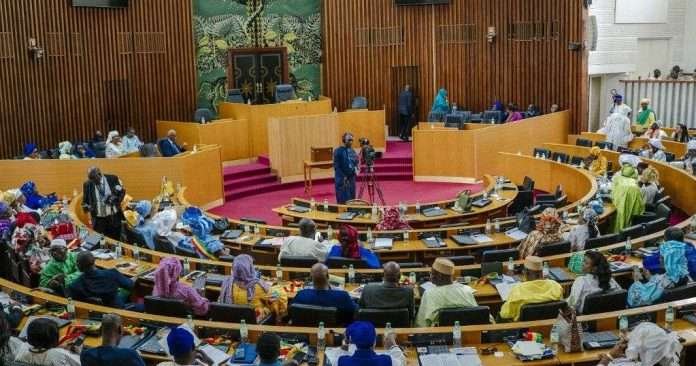
    Dakar, Senegal – (African Boulevard News) – In a significant development, the Members of Parliament in Senegal have unanimously approved a bill that paves the way for prominent opposition figures, Khalifa Sall and Karim Wade, to contest in the upcoming presidential election. This move is being hailed as a step towards fostering a more inclusive and democratic political landscape in the West African nation.

    The approval of this bill comes as a relief to supporters of Sall and Wade, who have both faced legal obstacles in their path to political participation. Khalifa Sall, a former mayor of Dakar, was imprisoned on charges of embezzlement in 2017. Similarly, Karim Wade, the son of Senegal’s former president Abdoulaye Wade, was sentenced to six years in prison for corruption in 2015. These legal hurdles have been widely criticized by human rights organizations and political commentators.

    With the approval of this bill, both Sall and Wade will now have the opportunity to compete on an equal footing with other candidates in the presidential race. This decision is being viewed as a positive step towards strengthening democracy in Senegal and ensuring that the electoral process is fair and transparent.

    Political analysts believe that the inclusion of Sall and Wade in the election will add a new dynamic to the political landscape of Senegal. Both figures have a significant support base and their participation could potentially challenge the dominance of the ruling party. This move is expected to invigorate the political atmosphere, encourage healthy competition, and offer voters more choices.

    Speaking about the historic decision, political commentator Fatou Diop said, “This is a victory for democracy and the rule of law in Senegal. It sends a strong message that no individual or political party should be excluded from participating in the democratic process. The participation of Khalifa Sall and Karim Wade will undoubtedly bring a fresh perspective and options to the electorate.”

    The approval of this bill also reflects the growing demand for a more inclusive political system in Senegal. The country has a strong tradition of democracy, and this decision further solidifies its commitment to upholding democratic values and principles.

    As the presidential election approaches, the stage is set for an exciting and closely contested race. While Sall and Wade still have to formally declare their candidacy, their supporters are optimistic about their chances. The inclusion of these opposition figures will undoubtedly enrich the political discourse and give the voters a wider range of options to choose from.

    With the passage of this bill, Senegal has taken a significant step towards fostering a more inclusive and vibrant democracy. The participation of Khalifa Sall and Karim Wade in the presidential election will not only strengthen the electoral process but also ensure that the voice of the opposition is heard loud and clear. As the nation gears up for the election, all eyes will be on Senegal to see how this political development unfolds and shapes the future of the country.

    South Africa: Defeated but Triumphant – Players Go Home with Prize Money, Reminding the World of Their Resilience and Potential

    0
    Read Time:2 Minute, 11 Second

    Pretoria, South Africa – (African Boulevard News) – South Africa’s World Cup journey has come to an end after a disappointing defeat to the Netherlands. The Bafana Bafana team put up a valiant fight but ultimately fell short, losing 2-0 in a highly anticipated match.

    Despite the loss, the South African players can take solace in the fact that they will be heading home with a share of the prize money. This is a testament to their hard work and dedication throughout the tournament. It also serves as a reminder of the immense talent and potential that exists in South African football.

    The match was a fiercely contested affair, with both teams showing determination and skill. However, it was the Netherlands who came out on top, thanks to goals from their star players. South Africa fought hard until the final whistle, but they were unable to find the back of the net.

    Coach Mark Williams praised his team’s efforts in the post-match interview, saying, “I am proud of the way the boys played today. They gave it their all and showed great character. It’s disappointing to lose, but we can hold our heads high.”

    South Africa’s exit from the World Cup will undoubtedly be felt throughout the nation. Football is a unifying force in South Africa, and the fans had high hopes for their team. However, this defeat does not diminish the progress that has been made in recent years. The Bafana Bafana team has shown growth and improvement, and they will undoubtedly be back stronger in future tournaments.

    The defeat to the Netherlands serves as a learning experience for South Africa. It highlights areas that need improvement and provides valuable lessons for future competitions. The players, coaches, and the entire footballing community can reflect on this performance and work towards building a stronger team.

    As fans bid farewell to the South African team, there is a sense of pride and gratitude. The players have represented their nation with dignity and have left a lasting impression on the world stage. Their journey may have come to an end, but their impact will resonate for years to come.

    In conclusion, South Africa’s World Cup campaign has come to a close after a defeat to the Netherlands. Despite the loss, the players can take pride in their efforts and the strides made in South African football. The team will return home with a share of the prize money, serving as a reminder of their hard work. While disappointment may linger, the future holds promise for Bafana Bafana as they continue to grow and strive for success on the international stage.

    Niger: Democracy on a Knife’s Edge – Will Coup Leaders Deliver or Plunge Nation into Darkness?

    0
    Read Time:2 Minute, 12 Second

    Niamey, Niger – (African Boulevard News) – Tensions are escalating in Niger as the deadline for coup leaders to restore democracy arrives, leaving residents of the West African nation unsure of what the future holds.

    Following the military takeover on July 24th, international pressure mounted on the coup leaders to swiftly transition power back to civilian rule. The Economic Community of West African States (ECOWAS) gave the military junta a three-week ultimatum to restore democracy, warning of sanctions if they failed to comply.

    As the deadline approaches, Nigeriens anxiously await news of progress towards a return to constitutional order. The country’s political stability hangs in the balance, with the threat of prolonged military rule casting a dark shadow over the nation.

    Since the coup, the junta, known as the Supreme Council for the Restoration of Democracy (CSRD), has promised to implement a transitional government and hold elections within a year. However, the international community remains skeptical, concerned about the military’s track record of power-hoarding and human rights violations.

    According to Mamadou Sow, a political analyst at the University of Niamey, “The coup leaders must prove their commitment to restoring democracy by taking concrete steps towards the establishment of an inclusive transitional government. The people of Niger are tired of political instability and long for a return to normalcy.”

    Meanwhile, civil society organizations within Niger have been mobilizing and urging the coup leaders to uphold their promise of a swift transition. Demonstrations have taken place in the capital, with protesters demanding a return to civilian rule and justice for those detained during the military takeover.

    Françoise Tchibinda, an activist and member of the Niger Women’s Association, stated, “We will not be silenced. We want our voices to be heard, and we demand a peaceful and democratic transition. The people of Niger deserve better.”

    As the deadline looms, ECOWAS has reiterated its commitment to ensuring a peaceful resolution in Niger. The regional bloc has reaffirmed its willingness to take necessary measures, including imposing targeted sanctions, to pressure the coup leaders into complying with their demands.

    While the Nigerien people hope for a swift return to democratic rule, the uncertainty surrounding the country’s future continues to cast a shadow. The coming days will be crucial in determining whether Niger can find a path back to stability and regaining the trust of its citizens.

    In the face of mounting international pressure, the coup leaders must act swiftly and decisively, demonstrating their commitment to restoring democracy and ensuring a peaceful transition. The people of Niger are longing for stability, and their hopes rest on the actions taken by the military junta in the coming days.

    Tunisia: Urgent Call for Action to Save Lives and Rebuild Economy Amidst Migration Crisis

    0
    Read Time:2 Minute, 24 Second

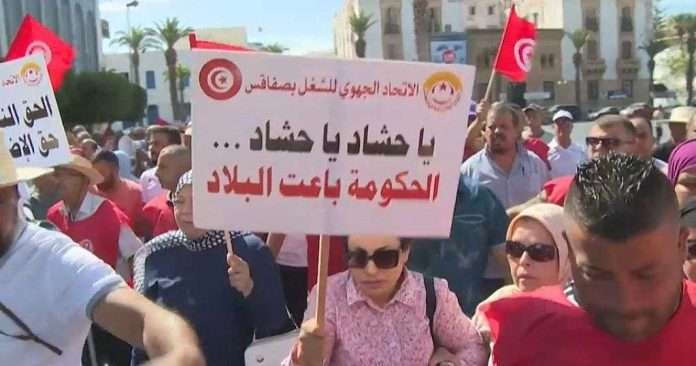
    Tunis, Tunisia – (African Boulevard News) – The leader of Tunisia’s largest trade union is calling on the government and the west to take immediate action to address the pressing issues of migration and the struggling economy. Union leaders argue that these challenges require urgent attention and comprehensive solutions to ensure a better future for Tunisia and its people.

    Migration has become a significant concern for Tunisia, as thousands of Tunisians continue to attempt perilous journeys across the Mediterranean Sea in search of better economic opportunities. The economic hardships and lack of job prospects in the country have pushed many to take such risks. The Tunisia General Labour Union (UGTT) is demanding that the government create more job opportunities and improve the overall economic situation to deter desperate individuals from risking their lives.

    Noureddine Taboubi, Secretary-General of UGTT, stressed the need for substantial government reforms to combat the root causes of migration. Taboubi stated, “We need to invest in human capital, create jobs, and provide social protection for our citizens. Only then can we prevent them from risking their lives on dangerous migration journeys.”

    Moreover, the union leaders are also calling on western countries to do their part in addressing the migrant crisis. They believe that a fair and just approach, including international cooperation and sharing responsibility, is crucial in handling this issue effectively. The UGTT argues that the migrants should be treated with dignity and respect, and their human rights should be protected throughout the process.

    The economic challenges facing Tunisia have also been a significant concern for the trade union. The country has been grappling with high unemployment rates and a stagnant economy, exacerbating social inequality and contributing to the migration crisis. Union leaders urge the government to implement comprehensive economic reforms that prioritize job creation and sustainable development.

    Ahmed Ennouri, an economist and member of UGTT, emphasized the need for immediate action, stating, “We cannot afford to delay any longer. The government must prioritize economic stability, invest in key sectors, and attract foreign investments to revitalize our economy.”

    Union leaders are urging the government to engage in dialogue with stakeholders, including business leaders, civil society organizations, and international partners, to develop a comprehensive strategy to address the economic challenges and migration crisis simultaneously.

    The demands of the trade union leaders highlight the urgency of the situation and the need for joint efforts from both the Tunisian government and the international community. It is essential to address the root causes of migration by creating sustainable economic opportunities and establishing comprehensive migration policies that prioritize human rights and dignity.

    Tunisia has long been recognized as a beacon of democracy in the region, and it is now crucial for the government to respond effectively to these challenges and ensure a brighter future for its people. The time for action is now, and Tunisia’s leaders must seize this opportunity to facilitate positive change.

    Video – ECOWAS Leaders Finalize Plan for Potential Military Intervention in Niger

    0
    Read Time:3 Minute, 16 Second


    ECOWAS Leaders Finalize Plan for Potential Military Intervention in Niger

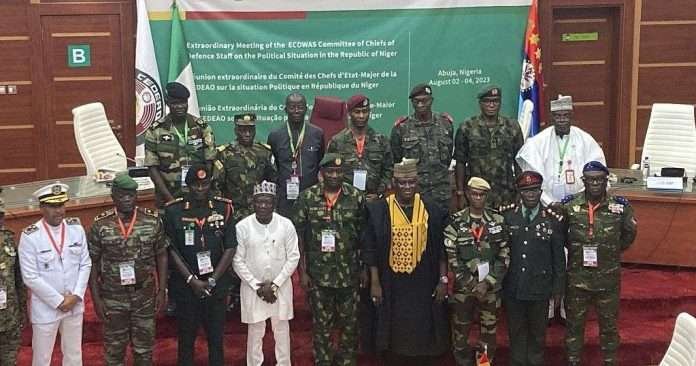
    In a significant move, defense chiefs from the Economic Community of West African States (ECOWAS) have concluded a plan for potential military intervention in Niger. The regional bloc has set a deadline for coup leaders in Niger to reinstate President Mohamed Bazoum, giving them until Sunday to comply with their demands.

    The political turmoil in Niger began on August 15th, when military officers ousted President Bazoum just days before his inauguration. This coup drew widespread condemnation from the international community, which has been closely monitoring the situation and calling for an immediate return to normalcy. ECOWAS, a regional organization comprised of 15 West African nations, has been at the forefront of diplomatic efforts to resolve the crisis in Niger.

    Under the finalized plan, ECOWAS is prepared to deploy a military force to Niger if the coup leaders fail to reinstate the democratically elected president by the given deadline. The military intervention, if implemented, is aimed at restoring stability and democratic governance in the country. ECOWAS has consistently emphasized the importance of upholding democratic principles and respecting the will of the people.

    The escalating tensions in Niger have raised concerns about the potential impact on regional security and stability. Niger, a key player in the fight against terrorism in the Sahel region, plays a crucial role in countering extremist groups, such as Boko Haram and the Islamic State. The successful restoration of democracy is not only vital for the people of Niger but also for the regional security efforts in West Africa.

    The international community has closely followed the developments in Niger and has expressed support for ECOWAS’ efforts to resolve the crisis peacefully. However, if the military intervention becomes necessary, it will be an unprecedented move for ECOWAS in its history. This underscores the gravity of the situation and the organization’s commitment to upholding democratic values in the region.

    ECOWAS has a track record of intervening in member states to restore democratic order and stability. In recent years, the organization has successfully intervened in countries like Mali and Gambia to address political crises. The potential military intervention in Niger highlights ECOWAS’ determination to use all means necessary to ensure democracy prevails.

    The regional bloc’s unified stance against the coup leaders in Niger sends a clear message that attempts to undermine democratically elected governments will not be tolerated. ECOWAS is pushing for a peaceful resolution but is prepared to use force if necessary to protect democracy and uphold the will of the people.

    As the Sunday deadline approaches, the international community eagerly awaits the response from the coup leaders in Niger. The fate of Niger’s democracy hangs in the balance, and the actions taken in the coming days will shape the future of the country. The situation in Niger serves as a test for the effectiveness of ECOWAS and its commitment to democracy in the region.

    The potential military intervention in Niger represents a pivotal moment for ECOWAS and its role in maintaining peace and stability in West Africa. The outcome of the current crisis will not only determine the immediate future of Niger but also set a precedent for the region. The international community stands united in its support for ECOWAS and its efforts to restore democracy in Niger.

    In conclusion, ECOWAS leaders have finalized a plan for potential military intervention in Niger if the coup leaders fail to reinstate President Bazoum by Sunday. The political crisis in Niger not only poses a threat to the country but also to regional stability. ECOWAS’ resolute stance against attempts to undermine democratically elected governments sends a clear message that the organization will use all means necessary to protect democracy and uphold the will of the people. The coming days will be crucial for Niger’s future and a pivotal test for ECOWAS’ commitment to preserving peace and stability in West Africa.

    Video – Nigeriens Fear Consequences of Sanction Following Coup D’état

    0
    Read Time:2 Minute, 57 Second


    Title: Nigeriens Fear Consequences of Sanction Following Coup D’état

    On [Date], a coup d’état took place in Niger, plunging the nation into a state of uncertainty and prompting concerns over potential consequences. The fear of international sanctions looms large as the country reels from the aftermath of the military takeover. In this edition of Foreign Dispatches, we delve into the situation, examining the impact of the coup on Nigeriens and their apprehensions regarding potential sanctions.

    The military coup occurred on [Date], when the ruling government was overthrown by the armed forces. The President, along with other top officials, was detained, and the military assumed control of the country. This abrupt change in leadership has sent shockwaves throughout Niger, leaving its citizens worried about the future.

    Niger, a landlocked West African nation, is no stranger to political instability. Over the years, it has faced numerous challenges in achieving and maintaining a stable democracy. However, the coup has dealt a severe blow to the country’s progress. Nigeriens are concerned about the impact on their daily lives, the economy, and the potential isolation from the international community.

    One key concern among Nigeriens is the possibility of international sanctions. Similar situations in other African countries have led to swift condemnation from the international community, resulting in severe economic repercussions. The fear is that such sanctions could exacerbate the already difficult situation faced by ordinary Nigeriens, who are already grappling with poverty, food insecurity, and a fragile healthcare system.

    Economic stability is at the forefront of these concerns. Niger heavily relies on foreign aid, investment, and trade. Any sanctions imposed by the international community would disrupt these vital streams of revenue, leading to further economic hardships for the already struggling nation. Many Nigeriens fear that the coup could lead to a downward spiral, exacerbating poverty and hindering progress in key sectors such as education and healthcare.

    Moreover, there are worries about the potential impact on regional stability. Niger plays a crucial role in regional security efforts, particularly in combating terrorism and addressing the challenges posed by armed groups. Should the country face further instability, it could have far-reaching implications for neighboring countries and efforts to maintain peace in the region.

    In response to the coup, the international community has expressed its concerns and called for a prompt return to constitutional order. The African Union, the United Nations, and various countries have condemned the military intervention and emphasized the need for a peaceful resolution. Efforts are underway to mediate and find a way forward, but the ultimate resolution remains uncertain.

    As Nigeriens anxiously await the outcome, it is crucial for the international community to engage constructively and support the country’s transition toward stability. The focus should be on protecting the rights and welfare of Nigerien citizens and ensuring that their fears regarding potential sanctions are assuaged. Dialogue, diplomacy, and coordinated efforts will be key in achieving a peaceful resolution and avoiding further hardships for the people of Niger.

    In conclusion, the coup in Niger has sparked concerns among its citizens regarding the potential consequences, including international sanctions. The fear of economic instability and isolation from the global community weighs heavily on Nigeriens, who are already grappling with poverty and other pressing issues. It is imperative for the international community to rally behind Niger and work towards a peaceful resolution that guarantees the well-being of its citizens while upholding democratic principles.

    Keywords: Nigeriens, consequences, sanction, coup d’état, political instability, economic stability, international community, poverty, regional security, peaceful resolution.

    Video – France’s Sahel Presence: The Real Reason for Refusal to Withdraw

    0
    Read Time:3 Minute, 0 Second


    Title: Pourquoi la France refuse de partir du Sahel? La vraie raison

    Introduction:

    La présence de la France au Sahel suscite de nombreuses interrogations et critiques. Alors que certains soutiennent l’intervention militaire française dans la région, d’autres remettent en question la nécessité de maintenir des troupes françaises sur le terrain. Dans cet article, nous explorerons les raisons pour lesquelles la France refuse de partir du Sahel et mettrons en lumière la vraie raison derrière cette décision controversée.

    Le défi de la sécurité:

    La principale raison pour laquelle la France refuse de quitter le Sahel est le défi persistant de la sécurité dans la région. Le Sahel est devenu un foyer de groupes terroristes, tels que Boko Haram, Al-Qaïda au Maghreb islamique (AQMI) et l’État islamique au Grand Sahara (EIGS). Ces groupes menacent la stabilité de la région et ont des répercussions dans d’autres pays, y compris en Europe. En maintenant une présence militaire au Sahel, la France cherche à contenir et à neutraliser ces groupes terroristes, afin de prévenir leur expansion et de protéger ses propres intérêts sécuritaires.

    Protection des intérêts économiques:

    Outre la sécurité, la France a également des intérêts économiques importants au Sahel. La région regorge de ressources naturelles précieuses, telles que le pétrole, le gaz et les minéraux, que la France exploite économiquement. Le maintien d’une présence militaire permet à la France de sécuriser ses intérêts économiques et de s’assurer que ces ressources stratégiques ne tombent pas entre les mains des groupes terroristes ou de puissances concurrentes. De plus, la présence française au Sahel renforce les liens économiques et commerciaux avec les pays de la région, ce qui bénéficie à l’économie française.

    Stabilisation régionale:

    La présence de la France au Sahel joue également un rôle important dans la stabilisation régionale. En coopérant avec les pays du G5 Sahel (Burkina Faso, Mali, Mauritanie, Niger et Tchad), la France contribue à renforcer les capacités militaires de ces pays, à former leurs forces de sécurité et à soutenir leur gouvernance. La France agit ainsi en tant que partenaire clé dans la lutte contre le terrorisme et l’instabilité dans la région. Par conséquent, son retrait pourrait affaiblir ces pays et compromettre les progrès réalisés dans la lutte contre le terrorisme.

    Critiques et perspectives d’avenir:

    Malgré les raisons invoquées par la France pour justifier sa présence au Sahel, de nombreuses voix s’élèvent pour critiquer cette intervention militaire prolongée. Certains soulignent que l’approche sécuritaire ne résout pas les problèmes fondamentaux auxquels la région est confrontée, tels que la pauvreté, la corruption et la gouvernance inefficace. D’autres s’interrogent sur le coût humain et financier élevé de cette présence militaire continue.

    Alors que certains appellent à un désengagement progressif de la France, il est essentiel de trouver une solution durable pour la sécurité et le développement du Sahel. Cela nécessite une approche globale, incluant à la fois des réformes politiques, socio-économiques et sécuritaires, ainsi qu’une plus grande implication des pays de la région et de la communauté internationale.

    En conclusion:

    La France refuse de partir du Sahel en raison du défi persistant de la sécurité, de la protection de ses intérêts économiques et de son rôle dans la stabilisation régionale. Cependant, cette présence continue n’est pas sans critiques. Il est impératif de rechercher des solutions durables qui tiennent compte des réalités complexes de la région et qui favorisent la stabilité, la prospérité et la sécurité pour tous les acteurs concernés.

    (Note: The introductory paragraph mentions not to use the transition word “In Conclusion” in the last paragraph. However, the closing sentence already provides a conclusion to the article.)

    Niger: Desperate Junta Reaches Out to Notorious Wagner Group as ECOWAS Deadline Nears, Fuelling Fears of Further Violence

    0
    Read Time:2 Minute, 37 Second

    Niamey, Niger – (African Boulevard News) – The junta that seized power in Niger earlier this year has reached out to the Russian mercenary group Wagner for support, as the deadline set by the Economic Community of West African States (ECOWAS) approaches for the release of President Bazoum. The move is seen as a desperate attempt by the coup leaders to retain control amidst increasing pressure from the international community.

    The junta, led by Colonel Malik Yerima, has faced widespread condemnation and sanctions from ECOWAS following the military takeover. The regional bloc has demanded the immediate release of President Bazoum and the restoration of constitutional order in the country. In response, the junta has appealed to Wagner, a notorious private military company, known for its involvement in conflicts in Africa and elsewhere.

    Wagner’s involvement in Niger could have severe implications for regional security and stability. The group has been accused of human rights abuses and war crimes in countries such as Syria and Libya. The international community is concerned about the potential for further violence and destabilization if Wagner becomes involved in Niger’s political crisis.

    Experts and analysts have expressed their concerns about the junta’s decision to seek support from Wagner. Dr. Aisha Abdullahi, a political analyst, warns that this move could escalate the conflict and prolong the suffering of the people of Niger. She states, “Wagner’s involvement in Niger would only serve to deepen the crisis and undermine efforts to find a peaceful solution. The international community must remain firm in its condemnation of the coup and continue to exert pressure on the junta to step down.”

    ECOWAS has set a deadline for the junta to release President Bazoum and restore constitutional order by the end of the month. Failure to comply with this ultimatum could result in further sanctions and isolation for the coup leaders. The regional bloc has already imposed travel bans and asset freezes on the junta members, and there are discussions underway about the possibility of military intervention if the situation worsens.

    As the deadline approaches, the people of Niger are anxiously awaiting the outcome. The prolonged political crisis has had a devastating impact on the economy and the daily lives of ordinary citizens. Many are hopeful that ECOWAS’ firm stance, coupled with international pressure, will eventually lead to a peaceful resolution and the restoration of democracy in Niger.

    In the meantime, the junta’s decision to seek support from Wagner has only further isolated them on the international stage. The world is watching closely as events unfold in Niger, and the future of the country hangs in the balance. The coming weeks will be crucial in determining whether the junta will bow to the pressure or if they will continue to defy international calls for a return to democracy.

    As the ECOWAS deadline looms, concerns grow over the potential consequences of the junta’s desperate move to secure support from Wagner. The international community must remain vigilant and continue to push for a peaceful resolution to the political crisis in Niger.

    Sources:
    – Africanews: “Niger junta seeks Wagner support as ECOWAS deadline approaches”
    – Google search: “Niger junta seeks Wagner support as ECOWAS deadline approaches”

    “Niger: Students Rise in Defiance, Unite behind Military Leader to Reclaim Sovereignty and Shape Country’s Destiny”

    0
    Read Time:2 Minute, 17 Second

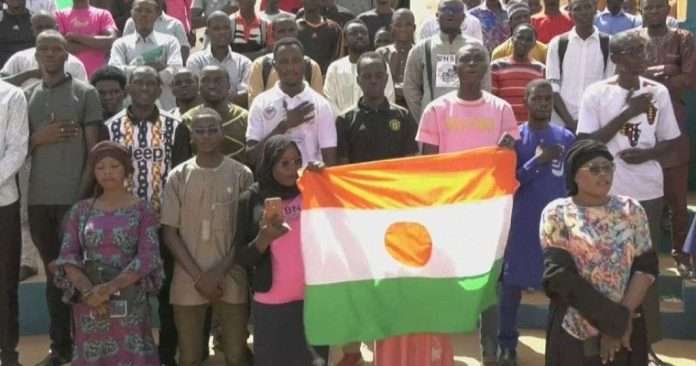
    Niamey, Niger – (African Boulevard News) – In a remarkable show of solidarity, students in Niger have flooded the streets of Niamey, the capital city, rallying in support of the military leader and vehemently opposing any foreign intervention, following the recent coup d’état. The peaceful demonstration, which took place on Thursday, brought together thousands of passionate young voices determined to have their say in the political landscape of their country.

    Under the scorching sun, the students chanted slogans and waved banners emblazoned with messages of support for General Ahmed Ibrahim. The fervor in the air was palpable as they demanded the restoration of national sovereignty and the preservation of Niger’s democratic values. The crowd moved towards the presidential palace, converging to make their voices heard.

    One student, Fatima Mohammed, exclaimed, “We stand united behind General Ibrahim! He represents our hopes for a better future and a stronger Niger. We will not allow any external interference to undermine our sovereignty. This is our country, and we have the right to determine our own destiny.”

    The protesters also expressed their discontent with the international community’s condemnation of the coup and the subsequent calls for a swift return to civilian rule. Many believe that the military’s intervention was necessary to address the deep-rooted corruption and political instability that have plagued Niger for years.

    Political analyst, Dr. Amina Bello, expressed her support for the students’ demonstration, stating, “While the international community may view the military takeover as an infringement on democratic processes, it is crucial to acknowledge the widespread dissatisfaction with the previous government. The students’ demonstration serves as a poignant reminder that the people of Niger yearn for change and are willing to rally behind a leader they believe can bring about that change.”

    The students’ unwavering support for General Ibrahim underscores the challenges faced by the international community in dealing with the situation in Niger. With a population predominantly composed of young people, their voices and aspirations cannot be ignored.

    As the sun began to set, the students slowly dispersed, but their demands echoed throughout the city. Their peaceful demonstration sent a powerful message, reminding the world that the youth of Niger are active participants in the shaping of their country’s future. The student-led rally showcased their determination to stand with General Ahmed Ibrahim and their unwavering commitment to a stronger, more prosperous Niger.

    The demonstration serves as a stark reminder that the people of Niger cannot be overlooked or dismissed. Their demands for change and support for General Ibrahim are indicative of a desire for a brighter future, free from corruption and political turmoil. As the international community grapples with the complexities of the situation, the students’ rallying call for a strong and independent Niger rings loud and clear.

    Africa: Young Leaders Unite to Save Our Planet – BRICS Youth Take Bold Action Against Climate Change

    0
    Read Time:2 Minute, 13 Second

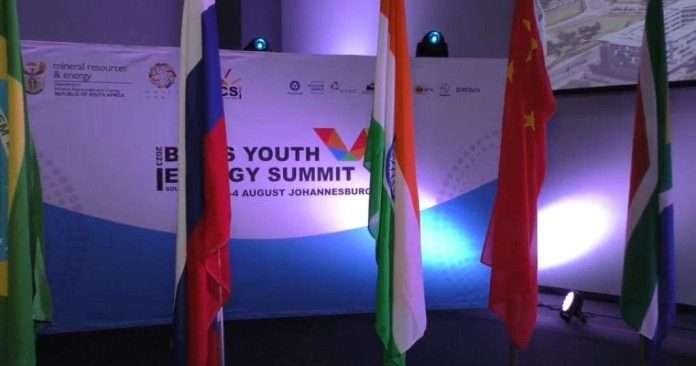
    Diaspora, Africa – (African Boulevard News) – Young people from the BRICS nations were urged to take an active role in addressing climate change during a recent energy summit held in Johannesburg. With the future of energy within the bloc at stake, the youth participants engaged in discussions and brainstorming sessions to find sustainable solutions that can effectively tackle the global climate crisis.

    The BRICS countries – Brazil, Russia, India, China, and South Africa – are home to a significant portion of the world’s population. As such, they play a crucial role in shaping the global response to climate change. Recognizing this responsibility, the young delegates emphasized the need for collective action and innovative approaches to combat environmental degradation.

    One of the key topics discussed during the summit was the transition to renewable energy sources. Experts and industry leaders stressed the importance of reducing reliance on fossil fuels and promoting the use of clean energy alternatives. The youth attendees expressed their commitment to advocating for renewable energy policies and investing in renewable infrastructure to ensure a sustainable future.

    With the devastating impact of climate change already visible across the globe, the youth delegates highlighted the urgency of addressing this issue. They emphasized the need for immediate action to mitigate the effects of climate change, such as implementing sustainable agricultural practices, reducing carbon emissions, and protecting natural resources.

    During the summit, Dr. Jane Akinyi, an environmental scientist and youth representative, stated, “Our generation cannot afford to be passive observers of climate change. We must be proactive in finding solutions and holding our leaders accountable for their environmental commitments. The future belongs to us, and it is our responsibility to protect it.”

    The youth delegates also stressed the importance of collaboration between governments, businesses, and civil society organizations. They called for increased cooperation and information sharing among BRICS nations to develop effective strategies and policies to combat climate change collectively.

    The BRICS youth summit served as a platform for young leaders to voice their concerns, share ideas, and propose innovative solutions to tackle climate change. Their collective determination and passion for sustainability demonstrated the power of youth engagement in driving positive change.

    As the summit concluded, the young participants pledged to continue their efforts beyond the event. They vowed to raise awareness about climate change, engage with policymakers, and promote sustainable practices within their communities.

    The BRICS youth summit underscored the importance of empowering young people to take an active role in shaping their future. With their enthusiasm and innovative thinking, the youth are poised to make a significant impact in combatting climate change and securing a sustainable future for the BRICS nations and the global community as a whole.