Monday, May 4, 2026
80.9 F
Lagos
More
    Home Blog Page 282

    Niger: Mutinous Soldiers Close Airspace, Fuel Fears of Imminent Attack and Fractured Democracy

    0
    Read Time:2 Minute, 12 Second

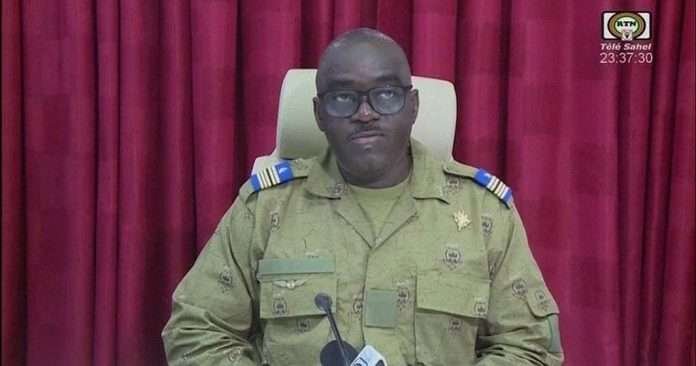
    Niamey, Niger – (African Boulevard News) – In a tense turn of events, Niger’s military has shut down the country’s airspace and issued a strong warning of an imminent attack. The mutinous soldiers who overthrew President Adamou Salifou initially pledged to restore civilian rule within two weeks. However, they have now defied a deadline set by the Economic Community of West African States (ECOWAS) and accused foreign powers of preparing an assault.

    The closure of Niger’s airspace has raised concerns among the citizens and the international community. Travelers have been stranded, and businesses are grappling with the disruption of trade routes. The move has also sparked fears of an escalation in the already volatile security situation in the region.

    The mutiny soldiers have justified their actions by claiming that foreign powers are planning an attack on the country. While the exact details of this alleged threat remain unclear, the soldiers have expressed a determination to protect the nation from any potential harm. Their decision to close the airspace is seen as a precautionary measure to prevent any infiltration.

    International observers have expressed concern over the deteriorating political and security situation in Niger. ECOWAS had previously urged the military junta to restore democratic governance and transfer power to civilian authorities. The failure to meet this deadline has resulted in growing diplomatic tensions between Niger and its regional partners.

    Despite the escalating tensions, Niger’s military leaders have maintained a defiant stance. They argue that their actions are necessary to safeguard the country’s sovereignty and national security. However, critics argue that the closure of the airspace and the prolonged power vacuum only serve to further undermine Niger’s stability and progress toward democracy.

    Experts and analysts are closely monitoring the situation in Niger. Professor Ahmed Salim, a security analyst, warned that the closure of the airspace could have severe economic consequences for the country. He emphasized the need for a swift resolution to the political crisis to prevent further damage to Niger’s reputation and economic stability.

    As the international community continues to call for a peaceful resolution, it remains to be seen how the military junta in Niger will respond. The closure of the airspace and the warning of an imminent attack have heightened tensions and raised concerns about the country’s future. The coming days will undoubtedly be crucial in determining the path forward for Niger’s political and security landscape.

    In the face of these uncertainties, the citizens of Niger and the international community anxiously await a resolution to the crisis. The closure of the airspace serves as a stark reminder of the challenges faced by the country and the need for stability and peace.
    Senegal: Prominent Lawyer Arrested Representing Opposition Leader, Sparks Outrage and Fear for Fair Trial

    0
    Read Time:2 Minute, 26 Second

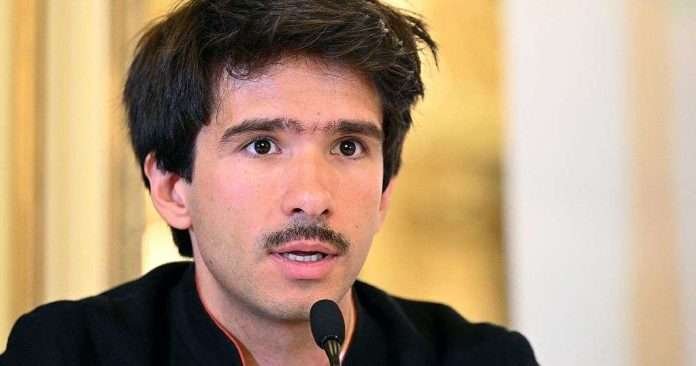
    Dakar, Senegal – (African Boulevard News) – In a shocking turn of events, Franco-Spanish lawyer Juan Branco, who is representing Senegalese opposition leader Ousmane Sonko, has been arrested by the Senegalese police. Branco, known for his involvement in high-profile cases, is currently in the custody of the BIP, an elite police unit, according to Senegal’s Interior Minister, Antoine Gomis.

    The arrest of Juan Branco has sent shockwaves across the country, as he has been an instrumental figure in Ousmane Sonko’s legal battles. Sonko, a prominent opposition leader, has been facing a slew of charges that he claims are politically motivated. Branco’s arrest is seen by many as an attempt to undermine Sonko’s defense and silence his voice.

    The circumstances surrounding Branco’s arrest remain unclear at this time. However, it is believed that he was taken into custody without any warrant or previous notification. This has raised concerns about the adherence to due process and rule of law in Senegal.

    Supporters of Ousmane Sonko have condemned Branco’s arrest, calling it a blatant violation of their right to a fair trial. They argue that by targeting his lawyer, the government is attempting to weaken Sonko’s defense team and restrict his ability to challenge the charges against him.

    Speaking about the arrest, human rights activist Aissatou Sow Sidibe expressed her concerns, stating, “This arrest is a clear violation of basic human rights. Every individual deserves a fair trial, and that includes the right to legal representation. By targeting Branco, the government is undermining the principles of justice.”

    The international community has also reacted strongly to the news of Branco’s arrest. The European Union has called on the Senegalese government to respect the rule of law and ensure a fair trial for all individuals involved in the case. The United Nations has echoed these sentiments, urging the authorities to guarantee the rights of those facing criminal charges.

    As the case unfolds, there is growing anticipation about the implications it may have on the political landscape of Senegal. Ousmane Sonko, a popular figure among the opposition, has been a vocal critic of President Macky Sall’s government. Many see his prosecution as an attempt to silence dissent and consolidate power.

    The arrest of Juan Branco has further intensified the political tension in Senegal, with protests erupting across the country. Demonstrators are demanding the release of Branco and the dropping of charges against Sonko. The government’s response to these protests will be closely watched, as it will be seen as a test of its commitment to democracy and human rights.

    As the case continues to unfold, the arrest of Juan Branco will undoubtedly have far-reaching implications. It has not only shaken the legal community, but it has also ignited a sense of outrage among supporters of Ousmane Sonko. The coming days will be crucial in determining the direction of Senegal’s political trajectory and its commitment to upholding the principles of justice and fair trial.

    Morocco: Tragedy Strikes Again as Minibus Plunges into Ravine, Taking 24 Lives – Urgent Action Needed to Prevent Further Road Deaths

    0
    Read Time:2 Minute, 2 Second

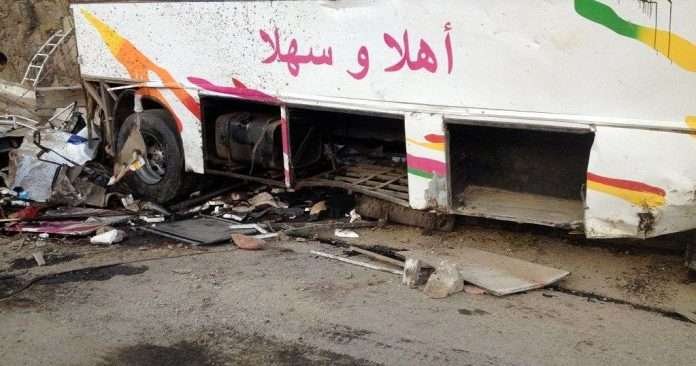
    Rabat, Morocco – (African Boulevard News) – A tragic accident occurred on the roads of Morocco yesterday, leaving 24 people dead and several injured. The incident involved a minibus that plunged into a ravine in the mountainous region of the country. Accidents like these are unfortunately frequent on Moroccan roads, as well as in other North African countries, resulting in thousands of road deaths each year.

    The ill-fated minibus was traveling from Marrakech to Ouarzazate when it veered off the road and plummeted into a steep ravine. The exact cause of the accident is still under investigation, but initial reports suggest that the driver may have lost control of the vehicle due to excessive speed or mechanical failure. The injured passengers were rushed to nearby hospitals for treatment, while the bodies of the deceased were retrieved from the wreckage.

    Road safety remains a major concern in Morocco, with the country ranking high in terms of traffic accidents and fatalities. According to the World Health Organization (WHO), road accidents are one of the leading causes of death in the country, accounting for thousands of lives lost each year. Factors such as poor infrastructure, reckless driving, and inadequate enforcement of traffic laws contribute to the grim statistics.

    Speaking about the incident, transportation expert Dr. Ahmed Hafid expressed his concerns, stating, “Morocco needs to prioritize road safety and make significant improvements to its infrastructure and traffic management systems. It is crucial to invest in road maintenance, proper signage, and driver education to reduce the risk of accidents.”

    In response to the growing number of road accidents, the Moroccan government has implemented various measures to enhance road safety. These include stricter enforcement of traffic laws, increased penalties for traffic violations, and campaigns to raise awareness about safe driving practices.

    However, road safety advocates argue that more needs to be done to curb the rising number of accidents. They emphasize the importance of investing in better road infrastructure, promoting responsible driving behavior, and enhancing emergency response systems.

    As Morocco mourns the loss of 24 lives in this tragic accident, it serves as a stark reminder of the urgent need to address road safety challenges in the country. The government, transportation authorities, and citizens should work together to create safer roads and protect the lives of all road users.

    Our thoughts and condolences go out to the families and loved ones of the victims of this devastating incident. May their souls rest in peace.

    Niger: Thousands Rally in Thunderous Support for Military Coup, Demanding Change and Hope for the Future

    0
    Read Time:2 Minute, 27 Second

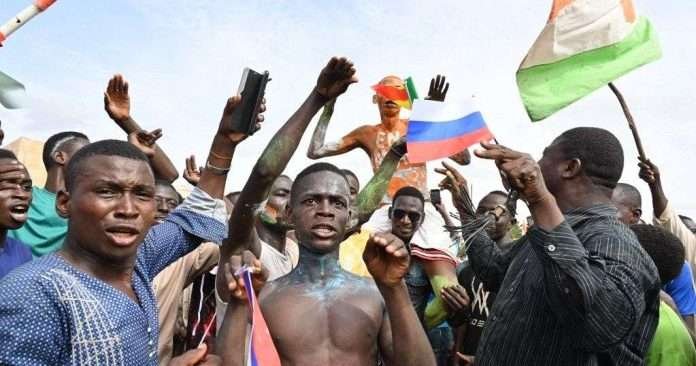
    Niamey, Niger – (African Boulevard News) – In a show of solidarity and support, close to 30,000 Niger coup supporters gathered in Niamey over the weekend. The stadium, which bears the name of Seyni Kountche, the leader of Niger’s first coup d’état in 1974, was teeming with enthusiastic supporters, creating an electrifying and festive atmosphere.

    The event, organized by the Movement for the Safeguard of Democracy and the Republic (MSDR), aimed to rally behind the recent military takeover that saw President Mohamed Bazoum ousted from power. It was a clear demonstration of the people’s desire for change and their discontent with the current administration.

    The turnout at the stadium was overwhelming, with thousands of supporters filling the stands, waving flags, and chanting slogans in support of the coup. The atmosphere was charged with anticipation and hope as the crowd eagerly awaited the arrival of the MSDR leaders.

    One of the key speakers at the gathering was General Salou Djibo, the man who led the 2010 military coup in Niger. He addressed the crowd, expressing his belief in the need for a new leadership and the importance of the military’s role in bringing about change.

    “We are here today to show our support for the military and their efforts to restore stability and democracy in our country,” General Djibo said. “We have seen the failures of the previous government, and we believe that change is necessary for the progress and development of our nation.”

    The event also served as a platform for various stakeholders to voice their concerns and hopes for the future. Civil society groups, representatives from political parties, and ordinary citizens took to the stage to share their perspectives and demand accountability from the new leadership.

    Among the attendees was Alima Mahamane, a local businesswoman who expressed her optimism for a brighter future under the military’s rule. “I believe that the military has the best interests of the people at heart,” she said. “We have suffered under corrupt leaders for too long, and it’s time for a change.”

    While the coup has garnered international criticism and calls for a swift return to civilian rule, the supporters who gathered in Niamey remained steadfast in their commitment to the military-led transition. They see it as an opportunity to address the long-standing issues of corruption, economic stagnation, and unequal distribution of resources.

    With the overwhelming turnout and enthusiasm displayed by the Niger coup supporters, it is clear that the desire for change runs deep within the hearts of many citizens. As the country navigates this period of transition, it remains to be seen how the military’s leadership will effectively address the challenges that lie ahead.

    In the coming weeks, the attention will be on the military’s ability to deliver on their promises and usher in a new era of stability, development, and democratic governance. The eyes of the world will be on Niger as it strives to rewrite its future.

    Video – Niger Closes Airspace, Reveals Shocking Info on ECOWAS & Terrorists

    0
    Read Time:3 Minute, 5 Second


    Title: Le Niger ferme son espace aérien et révèle des informations choc sur la CEDEAO et les terroristes

    Intro: Dans une annonce urgente, le Niger a pris la décision radicale de fermer son espace aérien, une mesure qui met en lumière une série de révélations choquantes concernant la CEDEAO (Communauté économique des États de l’Afrique de l’Ouest) et ses liens avec les groupes terroristes. Cette décision sans précédent offre un aperçu inquiétant de l’ampleur de la menace terroriste qui pèse sur la région, suscitant ainsi des interrogations quant à la sécurité régionale et aux actions de la CEDEAO pour y remédier.

    Le Niger, pays en première ligne dans la lutte contre l’extrémisme violent, a décidé de fermer son espace aérien afin de contrecarrer les activités terroristes qui se déroulent dans la région. Cette mesure drastique a été mise en place pour renforcer les contrôles de sécurité et empêcher le mouvement des agents du terrorisme. Les détails exacts de ces activités terroristes restent encore flous.

    L’annonce de la fermeture de l’espace aérien du Niger est accompagnée de révélations troublantes sur les liens entre la CEDEAO et les terroristes opérant dans la région. Le Niger affirme que des membres de la CEDEAO ont été impliqués dans des activités en faveur des groupes terroristes, alimentant ainsi les inquiétudes quant à l’intégrité et à l’efficacité de cette organisation régionale. Ces révélations soulèvent des questions cruciales sur la lutte contre le terrorisme et l’engagement des États membres de la CEDEAO.

    Le Niger, en prenant cette décision de fermeture de son espace aérien, cherche également à intensifier les efforts de coopération et de partage d’informations avec d’autres pays de la région pour lutter contre le terrorisme. Il appelle les États membres de la CEDEAO à revoir leur engagement collectif dans la lutte contre l’extrémisme violent afin de prévenir de nouvelles activités terroristes.

    La fermeture de l’espace aérien soulève également des préoccupations en matière de sécurité régionale. La CEDEAO et les États membres doivent prendre des mesures urgentes pour renforcer les mesures de sécurité au niveau régional afin de prévenir toute infiltration terroriste. Le Niger, en tant que pays directement touché par ce fléau, exhorte les autres nations de la région à travailler ensemble et à mettre en place des stratégies de sécurité plus solides.

    Cette décision du Niger de fermer son espace aérien et de révéler des informations sur la CEDEAO et les terroristes envoie un message fort. Elle met en évidence l’urgence pour les pays de la région de faire face collectivement à la menace terroriste croissante. Les révélations sur les liens éventuels entre la CEDEAO et les groupes terroristes soulèvent également des questions sur la capacité de cette organisation à lutter efficacement contre le terrorisme.

    Dans cet environnement de sécurité régionale préoccupant, il est essentiel que les États membres de la CEDEAO prennent des mesures concrètes pour renforcer la coopération en matière de sécurité et s’engagent pleinement dans la lutte contre le terrorisme. Les actions futures de la CEDEAO seront scrutées de près, car la région de l’Afrique de l’Ouest ne peut pas se permettre de rester vulnérable à cette menace grandissante.

    En conclusion: La fermeture de l’espace aérien du Niger révèle clairement la nécessité d’une action régionale concertée pour lutter contre le terrorisme. Les révélations sur les liens de la CEDEAO avec les terroristes suscitent des préoccupations quant à son engagement dans la sécurité de la région. Il est crucial que tous les pays membres de la CEDEAO intensifient leurs efforts de coopération et de partage d’informations pour prévenir et combattre efficacement l’extrémisme violent. La sécurité régionale et la stabilité de l’Afrique de l’Ouest dépendent d’une réponse unifiée et résolue à cette menace.

    Video – Niger: Intense Last-Minute Exchanges & ECOWAS Ultimatum Deadline Approaching

    0
    Read Time:3 Minute, 0 Second


    Title: Niger: Intense Last-Minute Exchanges Before the End of ECOWAS Ultimatum

    (Word Count: 447)

    As the deadline for the ECOWAS ultimatum approaches, uncertainty surrounds the possibility of a military intervention in Niger. The West African bloc set the ultimatum, demanding the resolution of the political crisis that has engulfed the country following the recent coup. With tensions running high, intense last-minute exchanges are taking place in an effort to find a peaceful solution.

    The political landscape in Niger has been in upheaval following the military coup on February 18, 2021, when President Mahamadou Issoufou was overthrown by Colonel Assimi Goïta. Since then, Niger has been gripped by a power struggle and uncertainty, leading to international concern.

    The Economic Community of West African States (ECOWAS), a regional intergovernmental organization, has taken a firm stance against the coup in Niger. In a bid to resolve the crisis peacefully, ECOWAS issued an ultimatum, demanding the appointment of a civilian prime minister and the establishment of a transition government. The deadline for compliance is fast approaching, leaving little time for negotiators to reach a breakthrough.

    Reports suggest that intense last-minute exchanges are taking place among the various stakeholders involved. These exchanges involve diplomats, politicians, and military officials who are working diligently to find a compromise that satisfies both the demands of ECOWAS and the aspirations of the military junta. The outcome of these discussions will determine whether ECOWAS decides to go ahead with a military intervention or chooses to pursue alternative measures.

    Serge Daniel, a correspondent for France 24 based in Cotonou, offers insight into the situation in Niger. He highlights the critical nature of the upcoming hours and the need for a swift resolution to avoid further instability and potential escalation. His analysis sheds light on the efforts being made behind the scenes and the challenges faced by all parties involved.

    The international community is closely monitoring the developments in Niger. France, with historical ties to its former colony, has expressed concerns over the ongoing crisis. The United States and the United Nations have also called for a peaceful resolution and a swift return to civilian rule.

    The political instability in Niger has far-reaching implications, not only for the country but the wider West African region. Niger is a key player in the fight against terrorism, particularly in the Sahel region. Any further destabilization could undermine regional security efforts and have a negative impact on neighboring countries.

    As the clock ticks, all eyes are on Niger, waiting to see if a peaceful resolution can be achieved before the ECOWAS ultimatum expires. The intense last-minute exchanges taking place among the various stakeholders highlight the urgency and critical nature of the situation. The outcome will shape the future of Niger and have significant consequences for the stability of the region.

    It is crucial for all parties involved to seize this opportunity and work towards a sustainable solution that upholds democratic principles and respects the will of the Nigerien people. The international community stands ready to support Niger in this endeavor, urging all stakeholders to prioritize dialogue and compromise.

    The resolution of the political crisis in Niger will not only determine the country’s future but will also send a message to other political actors in the region. The road to stability may be challenging, but it is essential for the restoration of peace and the safeguarding of democratic norms in Niger and the wider West African region. The world awaits the outcome of the intense last-minute exchanges as the ECOWAS ultimatum draws to a close.

    Africa: Dozens Feared Lost at Sea as Desperate Journey to Europe Ends in Tragedy Amid Harsh Weather

    0
    Read Time:2 Minute, 14 Second

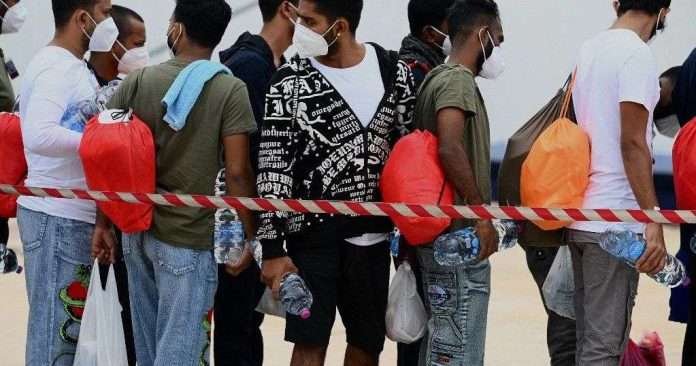
    Diaspora, Africa – (African Boulevard News) – Dozens of people are feared missing after two flimsy boats, packed with migrants hoping to reach Europe, sank off the coast of Italy amidst treacherous weather conditions.

    According to reports, the ill-fated vessels were carrying migrants from North Africa to the Italian island of Lampedusa when they capsized. The incident comes as a stark reminder of the dangerous journeys migrants undertake in search of a better life, often putting their lives at risk on overcrowded and unseaworthy boats.

    The exact number of missing individuals remains uncertain, but authorities fear that the toll could be high. Search and rescue operations are currently underway, with Italian coast guard vessels and helicopters scrambling to locate survivors. However, the chances of finding those missing alive are dwindling due to the severity of the weather conditions.

    “The unpredictable and unforgiving nature of the sea, coupled with the use of unseaworthy vessels, puts migrants’ lives in grave danger,” said Luca Gallo, a spokesperson for the International Organization for Migration. “This tragic incident underscores the urgent need for improved search and rescue capabilities in the Mediterranean.”

    This latest tragedy serves as a stark reminder of the ongoing migration crisis in the Mediterranean, with thousands of people attempting the perilous journey each year. Despite efforts by European Union member states to curb migration, the desperate conditions in many African countries continue to push people to embark on dangerous crossings.

    Italy has been at the forefront of dealing with the influx of migrants and refugees. The Italian government has repeatedly called on its European counterparts to share the burden and provide adequate support to handle the humanitarian crisis.

    While the European Union has provided assistance to some affected countries, critics argue that more needs to be done. “The lack of a comprehensive and coordinated response to the migration crisis is leading to countless unnecessary deaths,” urged human rights activist, Maria Delgado. “These people are desperately seeking a better life, and it is our moral duty to extend a helping hand.”

    As the search and rescue operations continue, the Italian authorities are facing renewed calls to enhance their efforts to prevent such tragedies in the future. The focus remains on addressing the root causes of migration, improving living conditions, and providing better opportunities in the countries migrants are fleeing from.

    The sinking of these two vessels is another heartbreaking chapter in the ongoing migrant crisis. It serves as a stark reminder of the desperate circumstances that drive people to undertake deadly journeys in search of safety and a better future. As the search for survivors continues, the international community must come together to find concrete solutions to this humanitarian catastrophe.

    Africa: Groundbreaking Discovery Gives Hope in Battle Against Malaria – Researchers Unveil Game-Changing Bacteria that Could Save Countless Lives

    0
    Read Time:2 Minute, 17 Second

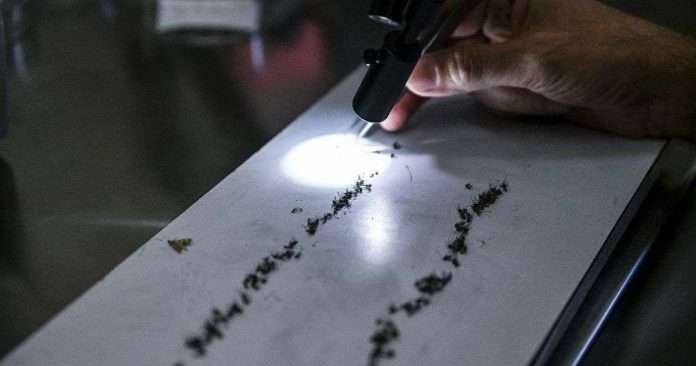
    Diaspora, Africa – (African Boulevard News) – Scientist discover bacteria which could help tackle malaria, a breakthrough that promises hope in the fight against one of Africa’s deadliest diseases. Researchers at a laboratory in Spain have identified a strain of bacteria that, when carried by mosquitoes, significantly reduces their ability to transmit malaria to humans.

    The study, published in the journal Science, focuses on the Wolbachia bacteria, which naturally occurs in 60% of insect species, including some mosquitoes. Scientists found that when mosquitoes were infected with the Wolbachia bacteria, the parasite that causes malaria struggled to survive and replicate within the mosquito’s body.

    Dr. Maria García, the lead researcher at the laboratory, explains the significance of their findings: “This discovery is a game-changer in malaria prevention. By harnessing the power of Wolbachia bacteria, we have the potential to significantly reduce the transmission of malaria and save countless lives.”

    The team conducted a series of experiments in which they injected Wolbachia-infected mosquitoes with the malaria parasite. The results were impressive, with a significant reduction in the number of infected mosquitoes and a decrease in the parasite load within those mosquitoes.

    These findings have sparked excitement within the scientific community and have the potential to revolutionize malaria control efforts. Traditional methods of combating malaria, such as insecticide-treated bed nets and antimalarial drugs, have made considerable progress. However, the rise of drug-resistant malaria strains and insecticide-resistant mosquitoes has hindered further advances.

    Dr. John Ochieng, a malaria expert from the African Malaria Foundation, shares his perspective on the new discovery: “This breakthrough gives us hope in our battle against malaria. It offers an innovative approach that complements existing strategies and could provide a long-term solution to reducing malaria transmission, especially in areas where mosquitoes are resistant to insecticides.”

    Although this breakthrough holds immense promise, further research is needed to determine the feasibility of using Wolbachia-infected mosquitoes on a large scale. Researchers are now exploring techniques to introduce the bacteria into wild mosquito populations and evaluating its long-term effectiveness.

    While it may take several years before this discovery translates into real-world applications, the potential impact cannot be understated. By targeting the mosquitoes themselves, this approach has the potential to disrupt the cycle of malaria transmission and bring us one step closer to a malaria-free Africa.

    In the words of Dr. García, “We have the tools to fight malaria; we just need to use them wisely. This breakthrough allows us to explore new avenues and gives us hope for a future where malaria is no longer a leading cause of death on our continent.”

    With ongoing research and collaboration, the day when malaria is finally eradicated from Africa may be closer than ever before.

    Niger: Diaspora Rises in Defiance, Demanding Justice and Democracy for Ousted President

    0
    Read Time:2 Minute, 1 Second

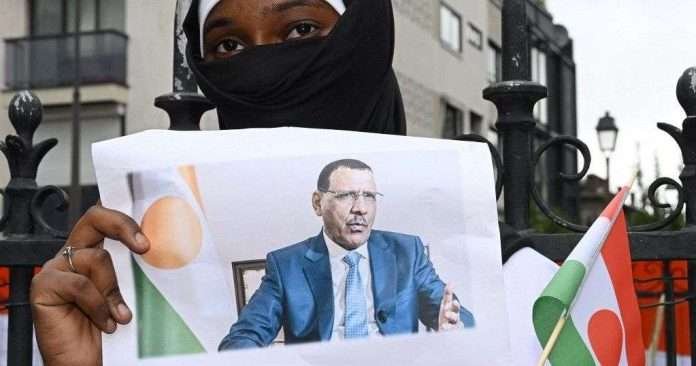
    Niamey, Niger – (African Boulevard News) – Supporters of Niger’s ousted president, Mohamed Bazoum, rallied in Paris in a powerful display of solidarity following his removal from power in a military coup last week. The demonstration drew a sizable crowd of Nigeriens living in France, who vehemently opposed the coup and expressed their unwavering support for their president.

    The gathering, which took place in front of the Nigerien embassy in Paris, was marked by an outpouring of emotions, with protesters waving banners and chanting slogans demanding the reinstatement of Bazoum. The atmosphere was charged with passion and determination as supporters clad in traditional Nigerien attire voiced their discontent over the military intervention that abruptly ended Bazoum’s presidency.

    One of the demonstrators, Mariam Diallo, passionately exclaimed, “We will not stand idly by while our elected leader is forced from power. Bazoum is our president, and we demand justice and democracy for Niger.”

    The rally served as a clear message to the international community that Nigeriens are dedicated to upholding democratic principles and resisting any attempt to undermine their elected government. The organizers of the event emphasized that their aim was not only to raise awareness about the coup but also to rally global support for the restoration of democracy in Niger.

    Experts and analysts have been closely monitoring the situation in Niger, noting that the coup has the potential to disrupt the country’s stability and progress. Dr. Fatima Sissoko, a political analyst specializing in West African affairs, warned, “The removal of President Bazoum sends a negative signal to both domestic and international investors, potentially derailing the country’s development trajectory.”

    She further added, “It is crucial for the international community to condemn the coup and exert pressure on the military junta to restore civilian rule. The people of Niger deserve to have their voices heard and their votes respected.”

    The rally in Paris not only showcased the resilience of Nigeriens but also demonstrated the power of unity among diaspora communities in supporting their homeland. The event concluded with a call for ongoing solidarity and continued efforts to advocate for the restoration of democracy in Niger.

    As the world watches developments unfold, the rally in Paris serves as a reminder that the fight for democracy and the protection of fundamental rights transcend borders. The Nigerien diaspora has made it clear that they stand with President Bazoum and will continue to voice their concerns until democracy is reinstated in their homeland.

    Video – Tensions Mount as ECOWAS Deadline Looms: Defiance and Fear Grip Niger

    0
    Read Time:3 Minute, 24 Second


    Title: Tensions Mount as ECOWAS Deadline Looms: Defiance and Fear Grip Niger

    Introduction:
    Niger is on edge as the deadline set by the Economic Community of West African States (ECOWAS) for coup leaders to relinquish power and restore civilian rule approaches. With the looming threat of military intervention, the people of Niger find themselves caught between defiance and fear. The French government has expressed unwavering support for ECOWAS’ efforts to reinstate the deposed President, adding another layer of complexity to an already tense situation. In this article, we delve into the current state of affairs in Niger and analyze the potential consequences of this power struggle.

    Growing Defiance:
    As the deadline set by ECOWAS edges closer, defiance has become increasingly evident among the coup leaders. Despite international pressure and the threat of military intervention, they have shown no indication of stepping down. This stubborn resistance has resulted in a deepening political crisis, leaving the citizens of Niger in a state of uncertainty and anxiety.

    Fear Grips the Nation:
    The fear gripping Niger is understandable given the potential consequences of a prolonged power struggle. The possibility of military intervention raises concerns about the escalation of violence and the impact it could have on the already fragile stability in the region. Civilians fear that the situation could further deteriorate, leading to a humanitarian crisis and threatening their safety and livelihoods.

    International Support for ECOWAS:
    France’s firm support for ECOWAS in their quest to reinstate the deposed President brings an additional dimension to the crisis. As a former colonial power in the region, France’s stance is being closely watched, amplifying the pressure on the coup leaders. While France’s intentions are to safeguard democracy and stability in Niger, their involvement also raises questions about potential ulterior motives and the extent of their influence in the region.

    ECOWAS Contingency Plan:
    In anticipation of a possible failure to meet the deadline, ECOWAS has devised a contingency plan for military intervention. This plan, developed by the region’s military chiefs, highlights the organization’s determination to restore constitutional order in Niger. However, the utilization of military force carries its own risks and uncertainties, with a potential for further destabilization.

    Niger’s Political Crisis and Regional Implications:
    The ongoing political crisis in Niger has implications not only for the country itself but also for the wider West African region. Niger plays a significant role in the fight against terrorism and the management of migration flows, making its stability crucial for regional security. A prolonged power vacuum or a violent resolution to the crisis could have far-reaching consequences, exacerbating existing challenges and providing fertile ground for extremists.

    Finding a Peaceful Resolution:
    The deadline imposed by ECOWAS represents a last-ditch effort to resolve the crisis through diplomatic means. While military intervention might be necessary if the deadline is not met, it should be pursued as a last resort. A peaceful resolution to the power struggle in Niger must be prioritized to ensure the protection of democratic principles, human rights, and the stability of the region as a whole.

    Continued Engagement and Support:
    As the world watches the situation in Niger unfold, international engagement and support will be crucial in resolving the crisis. The involvement of key regional players, such as ECOWAS and France, needs to be complemented with broader international efforts to find a peaceful and sustainable solution. Niger’s future depends not only on the actions of its own leaders but also on the concerted efforts of the global community to support stability and democracy in the region.

    In this critical moment, the people of Niger yearn for a resolution that will bring an end to their defiance and quell the fears that have consumed the nation. The clock is ticking, and the fate of Niger hangs in the balance. The world watches on, hopeful for a peaceful outcome in this tumultuous struggle for power and democracy.

    (Note: The article should be completed based on the information provided within the given video article description, as the video could not be accessed by the assistant.)