Tuesday, May 5, 2026
78.9 F
Lagos
More
    Home Blog Page 276

    Morocco: Brave Royal Navy Unit Saves 56 Desperate Migrants from Treacherous Ocean Journey

    0
    Read Time:2 Minute, 0 Second

    Rabat, Morocco – (African Boulevard News) – Morocco’s efforts to combat irregular migration have once again been highlighted as a Royal Navy unit intercepted over 50 migrants in the Atlantic Ocean off the coast of Tan-Tan.

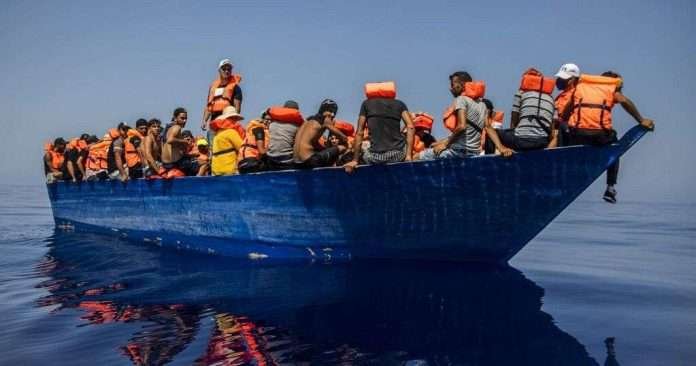
    According to a military source quoted by the MAP news agency, the Royal Navy unit came to the aid of 56 sub-Saharan African migrants who were aboard a makeshift boat attempting to reach Europe.

    The interception serves as a reminder of the dangers faced by migrants as they embark on treacherous journeys in search of better lives. Many risk their lives in overcrowded and unseaworthy vessels, at the mercy of rough sea conditions.

    Morocco has been at the forefront of migration management, working closely with international partners to ensure the safety and well-being of migrants. The country has invested in enhancing surveillance and patrolling efforts along its coastlines, collaborating with the EU, Spain, and other countries to prevent irregular migration.

    Morocco’s commitment to combating irregular migration has received international recognition. In a recent report by the International Organization for Migration (IOM), Morocco was praised for its efforts in providing humanitarian assistance and protection to migrants, including access to healthcare, education, and legal support.

    However, the interception of these migrants highlights the continued challenges faced in managing irregular migration. The desire for a better life often drives individuals to take risks, including attempting dangerous sea crossings.

    It is essential for countries to address the root causes of migration, including poverty, conflict, and lack of economic opportunities, in order to prevent people from resorting to irregular migration methods.

    International organizations, governments, and civil society must work together to create sustainable solutions that address the complex issues driving irregular migration. This includes strengthening cooperation and dialogue, establishing legal pathways for migration, and implementing development programs that provide opportunities in migrants’ countries of origin.

    As Morocco continues its efforts to manage migration, it is crucial for the international community to support these endeavors and share the responsibility. Cooperation and solidarity are key in ensuring the safety and well-being of all individuals, regardless of their migration status.

    The interception of over 50 migrants in the Atlantic Ocean off Tan-Tan serves as a stark reminder of the challenges faced in managing irregular migration. It emphasizes the need for continued collaboration and sustainable solutions to protect the rights and dignity of all individuals seeking a better life.
    Zimbabwe: Defiant Opposition Leader Vows to Overcome Violence and Fight for Change

    0
    Read Time:2 Minute, 20 Second

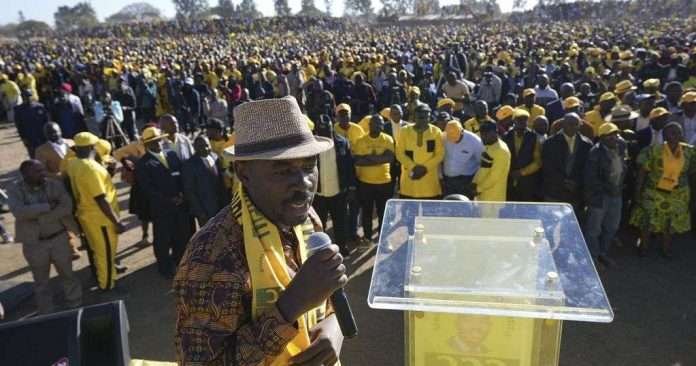
    Harare, Zimbabwe – (African Boulevard News) – Zimbabwe’s opposition leader, Nelson Chamisa, has vowed to continue the fight despite facing numerous challenges, including political violence, in the lead-up to the presidential and parliamentary elections scheduled for August 23.

    Chamisa’s determination to push forward was evident as he addressed his supporters during a recent campaign rally. The opposition leader acknowledged the difficulties his party has encountered but remained resolute in their pursuit of a better future for the country.

    “We have faced many obstacles, including acts of political violence targeting our party members. But we will not be intimidated; we will not give up,” Chamisa declared to an enthusiastic crowd.

    The opposition leader’s commitment to his cause is admirable, considering the tumultuous political landscape in Zimbabwe. The country has a long history of political unrest, and these elections are crucial in determining the nation’s future trajectory.

    Chamisa’s party, the Movement for Democratic Change – Alliance (MDC-A), is seen as the main challenger to the ruling ZANU–PF party, led by President Emmerson Mnangagwa. The MDC-A has been vocal in its criticism of the government’s handling of the economy and its failure to address widespread unemployment and poverty.

    Despite the uphill battle, Chamisa remains hopeful that change is possible. He has outlined a vision for a more inclusive and prosperous Zimbabwe, promising to tackle corruption, revive the economy, and ensure equal opportunities for all citizens.

    “The time for change is now. We cannot continue with the same failed policies that have kept our people in poverty for far too long. Zimbabwe deserves better, and we are ready to deliver,” Chamisa asserted.

    While the opposition faces significant challenges, including alleged voter suppression and intimidation tactics, they have garnered support both domestically and internationally. Many Zimbabweans view this election as an opportunity to bring about much-needed change and restore faith in the democratic process.

    Political analysts suggest that despite the obstacles, the opposition has managed to gain momentum and present a viable alternative to the ruling party. However, they caution that a peaceful and transparent election process is crucial for a successful democratic transition.

    As the campaign intensifies in the coming weeks, all eyes are on Zimbabwe as the nation prepares to choose its future leaders. The aspirations of millions of Zimbabweans rest heavily on the outcome of this election, and the opposition remains resolute in their pursuit of a better Zimbabwe.

    In the face of adversity, Nelson Chamisa and his party refuse to back down. Their determination to create a brighter future for Zimbabwe persists, inspiring hope in the hearts of many who yearn for change.

    URLs:
    https://www.africanews.com/2023/08/09/zimbabwe-opposition-faces-challenges-but-wont-give-up-chamisa/
    https://www.google.com/search?q=Zimbabwe++opposition+faces+challenges+but+won+t+give+up++Chamisa

    Niger: Urgent Battle against Shadowy Mercenaries Threatening Stability

    0
    Read Time:2 Minute, 5 Second

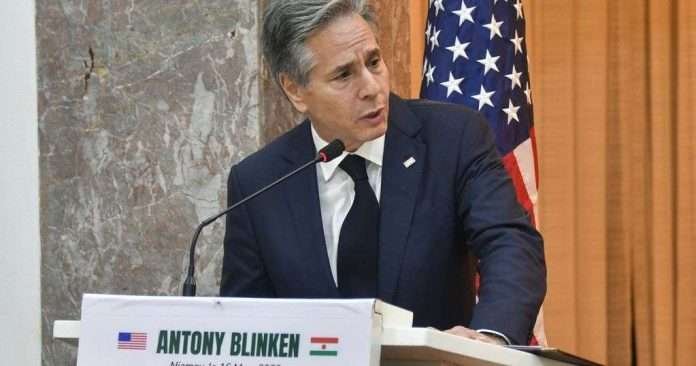
    Niamey, Niger – (African Boulevard News) – Antony Blinken, the United States Secretary of State, has voiced concerns over the involvement of Russia’s Wagner Group in Niger. In a recent statement, Blinken expressed his belief that Wagner takes advantage of the situation in Niger, but he also clarified that he does not believe the situation was orchestrated by Russia or the Wagner Group.

    Blinken’s comments came during a press conference held in Niger’s capital, Niamey. He highlighted the need to address the challenges posed by non-state actors in the region, including Wagner, a notorious mercenary group.

    “I think what happened, and what continues to happen in Niger, was not orchestrated by Russia or Wagner,” Blinken said. “But it is clear that Wagner takes advantage of the situation for its own benefit.”

    Wagner Group, a paramilitary organization with ties to the Russian government, has gained notoriety for its involvement in various conflict zones across the globe. The group operates in a shadowy manner, often carrying out covert missions on behalf of the Russian government. However, it is important to note that the Russian government has denied any official links with Wagner.

    With regards to Niger, Blinken emphasized the need for a comprehensive approach to address the complex challenges the country faces. He stated that the United States is committed to supporting Niger in its fight against terrorism and to promoting stability and security in the region.

    “We stand with Niger in its efforts to address the security challenges it faces,” Blinken affirmed. “We will continue to work closely with the government and our international partners to counter the threat posed by Wagner and other non-state actors.”

    The involvement of Wagner Group in Niger has raised concerns about the impact it may have on the fragile security situation in the region. Niger has been grappling with various security threats, including the activities of armed extremist groups and intercommunal violence.

    To effectively address these challenges, it will be crucial for Niger and its international partners to coordinate their efforts, pool resources, and adopt a comprehensive approach that tackles the root causes of instability.

    In conclusion, Antony Blinken’s comments shed light on the concerns surrounding Wagner Group’s involvement in Niger. While he clarified that he does not believe the situation was orchestrated by Russia or Wagner, he expressed the need to address the group’s opportunistic behavior. Niger, with the support of its international partners, must work towards a comprehensive approach that addresses the security challenges and ensures stability in the region.

    Mali: Renowned Musician Salif Keïta Abandons Politics, Leaving Nation in Shock and Wonder

    0
    Read Time:2 Minute, 16 Second

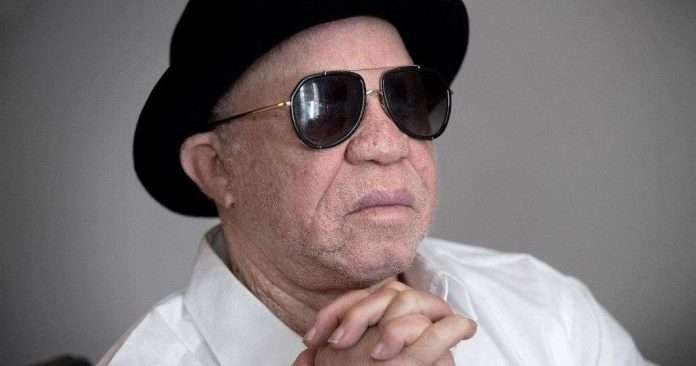
    Bamako, Mali – (African Boulevard News) – Renowned Malian musician Salif Keïta has announced his resignation from the National Transitional Council, a political body in Mali. In a message read by an official, Keïta stated that his decision was motivated by personal reasons. The resignation will be effective from July 31, 2023.

    Salif Keïta, often referred to as the “Golden Voice of Africa,” is a beloved figure in Mali and internationally acclaimed for his music. Having dedicated his life to promoting cultural diversity and advocating for the rights of people with albinism, his departure from the political arena has surprised many.

    The National Transitional Council was established in Mali following a military coup in 2020, which led to the ousting of President Ibrahim Boubacar Keïta. Its purpose is to oversee the transition towards civilian rule. Salif Keïta’s appointment to the council was seen as an opportunity to bring a fresh perspective, given his influence and commitment to social causes.

    While the musician did not disclose specific details regarding his departure, it is clear that personal reasons have driven his decision. It remains to be seen what impact this resignation will have on the council and the larger political landscape in Mali.

    Malian political analysts have expressed mixed reactions to Keïta’s resignation. Some believe that his departure will be a loss for the council, as he brought a unique perspective and the ability to bridge cultural gaps. Others argue that the musician’s resignation highlights the challenges of reconciling the worlds of art and politics, with some suggesting that his voice will carry more weight outside of the political sphere.

    In the wake of Keïta’s resignation, his fans and supporters have shown their unwavering appreciation for his contributions as a musician and advocate. Social media platforms have been flooded with messages of support and gratitude for the artist who has used his platform to raise awareness about social issues.

    As Salif Keïta steps away from the National Transitional Council, his legacy as an influential musician and activist will remain intact. His music has touched the lives of millions across the globe, and his commitment to social causes will continue to inspire future generations. While his departure may be seen as a loss for the political realm, his voice and impact will endure through his art.

    Salif Keïta’s resignation serves as a reminder of the complex relationship between music and politics, and the challenges that arise when navigating both realms. As Mali continues its journey towards stability and democracy, the contributions of individuals like Keïta will undoubtedly play a crucial role in shaping the nation’s future.

    For more information on Salif Keïta’s resignation, please visit:
    https://www.africanews.com/2023/08/09/mali-musician-salif-keita-resigns-from-political-body/

    Uganda: World Bank Halts Funding Over Harsh Anti-Gay Law, Igniting Global Push for Equality

    0
    Read Time:2 Minute, 14 Second

    Kampala, Uganda – (African Boulevard News) – The World Bank has announced that it will not provide any new funding to Uganda due to the country’s anti-gay law. This decision comes after the bank deployed a team to Uganda to assess the situation and determine the appropriate course of action.

    According to the World Bank, they have determined that additional measures are necessary to ensure that the projects they support align with the bank’s environmental and social standards. As a result, no new funding will be provided to Uganda until the anti-gay law is repealed or amended.

    The anti-gay law in Uganda, which was enacted in May, has faced widespread criticism from human rights activists and the international community. The law imposes harsh penalties, including life imprisonment, for consensual same-sex relations. It has been described as a violation of basic human rights and a setback for progress in the country.

    In a statement, World Bank Group President David Malpass emphasized the importance of upholding human rights and ensuring that all individuals are treated with dignity and respect. He also expressed concern about the impact of the anti-gay law on marginalized communities in Uganda.

    “The World Bank is committed to promoting equality and inclusion in all the countries we work with,” Malpass said. “We cannot support projects that are not in line with our core values and principles.”

    This decision by the World Bank is likely to have significant implications for Uganda, as the bank has been a major source of funding for development projects in the country. The bank has financed various initiatives, including infrastructure projects, education programs, and healthcare services. Without new funding from the World Bank, Uganda may struggle to implement these crucial projects and meet the needs of its population.

    Human rights organizations and advocacy groups have welcomed the World Bank’s decision, calling it a step in the right direction. They hope that it will put pressure on the Ugandan government to reconsider its stance on the anti-gay law and work towards creating a more inclusive and tolerant society.

    The World Bank’s decision to withhold funding sends a strong message about the importance of human rights and equality. It serves as a reminder that discriminatory laws and practices have real consequences, both for individuals and for countries seeking development assistance.

    As the international community continues to advocate for the rights of the LGBTQ+ community, it is essential for governments around the world to reassess their policies and laws to ensure that they promote inclusivity and respect for all individuals. The World Bank’s stance on the anti-gay law in Uganda is an important step in this ongoing struggle for equality.

    Niger: EU’s Resounding Call for Mediation Ignites Hope in the Midst of Crisis

    0
    Read Time:2 Minute, 18 Second

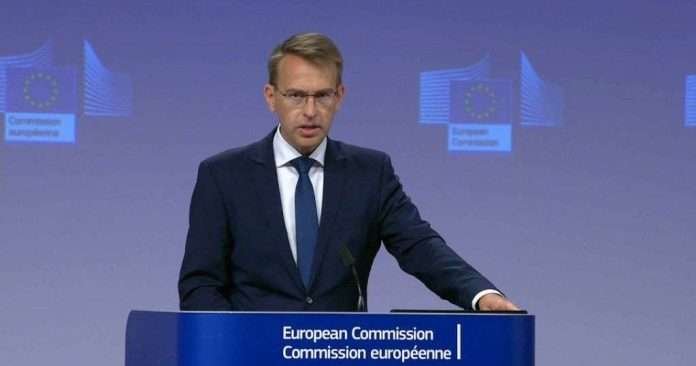
    Niamey, Niger – (African Boulevard News) – The European Union (EU) has expressed its belief that there is still room for mediation efforts to resolve the ongoing crisis in Niger. This statement was made by European Commission spokesman, Peter Stano, during a press conference held in Brussels on Tuesday.

    Stano emphasized the importance of finding a peaceful solution to the crisis in Niger, and stated that there is still hope for mediation to be successful. He acknowledged the complexities of the situation but stressed the EU’s commitment to supporting any efforts aimed at bringing calm and stability to the country.

    “The EU firmly believes that there is room for mediation efforts in Niger. We understand the challenges that lie ahead, but we remain committed to supporting any initiatives that can help resolve the crisis peacefully,” Stano said.

    The crisis in Niger has been ongoing for several months, with escalating violence and political instability. The EU’s call for mediation comes at a time when the country is grappling with a surge in attacks by extremist groups, as well as a deepening political divide.

    The EU’s stance is seen as significant, considering its influence in the region and its commitment to promoting peace and stability in African countries. The bloc has been actively involved in mediation efforts in other conflict-ridden countries on the continent, such as Sudan and South Sudan.

    Experts believe that the EU’s endorsement of mediation efforts in Niger could encourage other key stakeholders, including regional bodies and neighboring countries, to also get involved in finding a solution to the crisis.

    “The EU’s statement is a clear indication that there is international backing for mediation efforts in Niger. This support will go a long way in encouraging other actors to come to the table and contribute to resolving the crisis,” said political analyst, Aisha Ibrahim.

    Efforts to mediate the crisis in Niger have so far been inconclusive, with various factions failing to reach a consensus. The EU’s call for mediation is hoped to inject fresh momentum into the ongoing negotiations and pave the way for dialogue between the conflicting parties.

    While the road to peace in Niger may be challenging, the EU’s affirmation that there is room for mediation efforts provides a glimmer of hope for the embattled nation. The international community must now rally behind this call and lend its support to ensure a peaceful resolution is achieved and stability restored in Niger once and for all.

    In the face of adversity, the people of Niger can be assured that there are advocates fighting for their peace and security. With the EU’s backing, there is renewed optimism that a lasting solution can be found to bring an end to the crisis and pave the way for a brighter future for the country.

    Tunisia: Tragedy Strikes as Migrant Boat Sinks – 41 Lives Lost, Heartbreak Sparks Urgent Plea for Action

    0
    Read Time:2 Minute, 23 Second

    Tunis, Tunisia – (African Boulevard News) – In a tragedy that has once again highlighted the dangers faced by migrants attempting to cross the Mediterranean Sea, 41 migrants lost their lives in a shipwreck off the coast of Lampedusa, Italy. The incident occurred on Wednesday when a boat carrying migrants from Tunisia capsized, leaving only a few survivors.

    According to reports, the survivors recounted that they had boarded the overcrowded boat in Sfax, Tunisia, with hopes of reaching the shores of Italy. Tragically, their dream turned into a nightmare as the boat sank during the perilous journey, claiming the lives of 41 people before help could arrive.

    The news of this devastating shipwreck has sent shockwaves through the international community, once again bringing attention to the dire situation faced by migrants seeking a better life in Europe. The Mediterranean Sea remains one of the deadliest migration routes in the world, with countless lives lost each year.

    Although the exact circumstances leading to the shipwreck are still under investigation, this incident serves as a stark reminder of the need for increased efforts to protect and support migrants attempting these treacherous journeys. It is imperative that we address the root causes of migration and provide safer alternatives for those seeking refuge and opportunities.

    International organizations, such as the United Nations High Commissioner for Refugees (UNHCR) and the International Organization for Migration (IOM), have consistently called for enhanced search and rescue operations in the Mediterranean. They argue that saving lives should take precedence over border control measures.

    Speaking on the tragedy, Filippo Grandi, the UN High Commissioner for Refugees, expressed his condolences and called for immediate action. He stated, “We cannot allow these tragedies to continue happening. We need to prioritize human lives and put in place proactive and humanitarian responses that address the desperate situations forcing people to take these dangerous journeys.”

    The European Union has a responsibility to address this issue effectively, offering viable solutions that ensure the safety of migrants while respecting their human rights. The development of legal pathways and increased resettlement opportunities is crucial in reducing the reliance on perilous sea crossings.

    In the wake of this heartbreaking incident, Italy has once again found itself at the forefront of the migration crisis. The country has been a primary entry point for migrants crossing the Mediterranean, placing a heavy burden on its shores. It is imperative that the international community comes together to support Italy in managing this crisis and preventing further loss of life.

    As the world mourns the tragic loss of 41 lives in this shipwreck off Lampedusa, it is essential that we take immediate action to prevent similar incidents from occurring in the future. The plight of migrants should not be forgotten or ignored, and efforts must be made to address the root causes and provide safer alternatives for those seeking refuge and a better life.

    Ethiopia: Hope Amidst Hunger – UN Tests Food Aid Resumption in War-Torn Tigray Region

    0
    Read Time:2 Minute, 17 Second

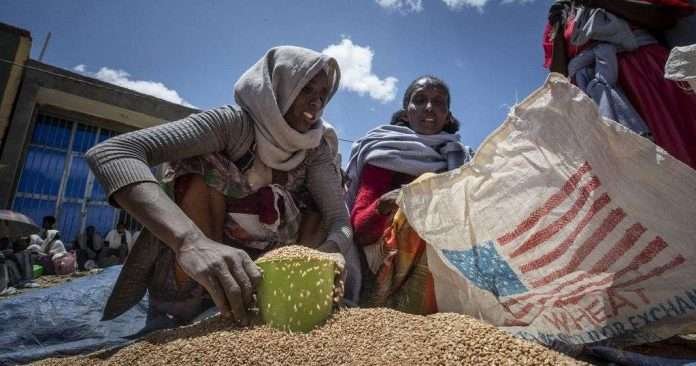
    Addis Ababa, Ethiopia – (African Boulevard News) – The United Nations’ World Food Programme (WFP) has announced that it is “testing” the resumption of food aid distribution in the troubled region of Tigray in northern Ethiopia. This comes as a much-needed ray of hope for the thousands of people who have been grappling with famine-like conditions in the war-torn area.

    The WFP suspended its operations in Tigray in June, following the escalating conflict between the Ethiopian government and the Tigray People’s Liberation Front (TPLF). However, since the end of July, the organization has been cautiously trying to restart its vital food assistance program.

    According to the WFP, the “testing” phase involves assessing the access and security situation on the ground, as well as the effectiveness of the distribution channels. This approach ensures that aid reaches those most in need while minimizing the risk of diversion or misuse.

    The resumption of food aid is a critical step in addressing the hunger crisis in Tigray, where an estimated 5.2 million people are in urgent need of assistance. It is reported that the conflict has severely disrupted food production and supply chains, leading to acute food shortages and malnutrition among the population.

    Jan Egeland, the Secretary General of the Norwegian Refugee Council, praised the WFP’s efforts, saying, “Restarting food aid distribution in Tigray is a crucial humanitarian response. It will save lives and alleviate the suffering of millions who are in dire need of assistance.”

    While the WFP’s “testing” phase is certainly a positive development, challenges still remain. The conflict has not only caused immense damage to the region’s infrastructure but has also resulted in the displacement of thousands of people, making the task of reaching those in need even more difficult.

    As part of the resumption efforts, the WFP aims to deliver food to 2.1 million people in Tigray by the end of the month. The success of this endeavor will rely heavily on a peaceful and secure environment, unrestricted access to affected areas, and cooperation from all parties involved in the conflict.

    The international community has called for an immediate ceasefire and a peaceful resolution to the crisis in Tigray. The resumption of food aid distribution is a crucial step towards meeting the urgent needs of the affected population, but long-term solutions are vital to ensure lasting stability and food security in the region.

    In the face of ongoing challenges, the WFP’s determination to resume food aid distribution demonstrates its commitment to saving lives and alleviating suffering. As the organization continues its “testing” phase, it is hoped that this crucial lifeline will soon reach those who need it most in Tigray, providing much-needed relief in an area plagued by conflict and hunger.

    Africa: Alleged Subversive Activities by Soldiers and Police Send Shockwaves, Threatening National Security and Shattering Trust in Protectors

    0
    Read Time:2 Minute, 9 Second

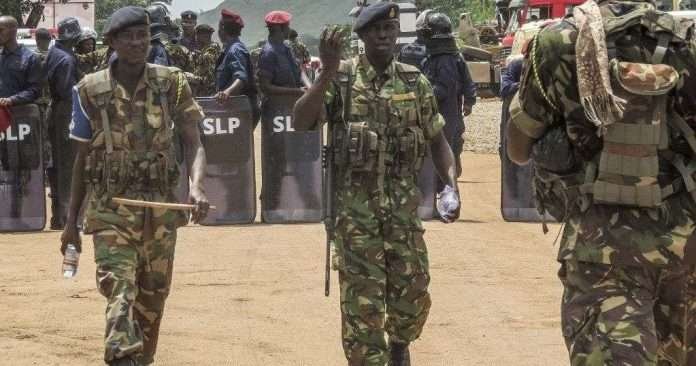
    Diaspora, Africa – (African Boulevard News) – S.Leone has announced that it is investigating 14 soldiers and 3 police personnel for alleged subversive activities. According to Inspector General William, eight of the arrested individuals hold ranks between lieutenant and major, while the remaining six are non-commissioned officers ranging from private to sergeant.

    The investigation into these individuals comes as a shock to many, as the armed forces and police are generally seen as protectors and defenders of the nation. The allegations of subversion have raised concerns about the potential threats these individuals may have posed to national security.

    In a statement, Inspector General William said, “We cannot tolerate any act of subversion within our armed forces and police. Our priority is to ensure the safety and security of our country and its citizens. We will not hesitate to take strict action against those found guilty.”

    The exact nature of the subversive activities has not been disclosed, but it is believed that these individuals may have been involved in activities aimed at destabilizing the government or undermining its authority. The investigation is ongoing, and the accused soldiers and police personnel will face a trial before a military court.

    The news of the investigation has sparked concerns among the public, who are seeking reassurance that the security forces are committed to upholding the rule of law and protecting the nation. It is crucial for the government to maintain transparency throughout the investigation and trial process to restore public confidence.

    Experts have suggested that this incident highlights the need for enhanced vetting processes within the armed forces and police to identify and prevent individuals with malicious intent from joining the ranks. It is essential to weed out any potential threats to national security before they have the chance to carry out their plans.

    The government’s swift response in launching an investigation demonstrates its commitment to maintaining a strong and accountable security sector. By taking decisive action against those found guilty, the government aims to send a clear message that such acts of subversion will not be tolerated.

    In conclusion, the investigation into the 14 soldiers and 3 police personnel accused of subversion in S.Leone has raised concerns about the potential threats they may have posed to national security. The government’s commitment to upholding the rule of law and ensuring the safety of its citizens is evident in its swift response and promise to take strict action against those found guilty. With enhanced vetting processes and transparency in the investigation, the government aims to restore public confidence and prevent future threats to national security.

    Rwanda: Genocide Survivors Betrayed as UN Court Halts Elderly Suspect’s Trial, Undermining International Justice System

    0
    Read Time:2 Minute, 19 Second

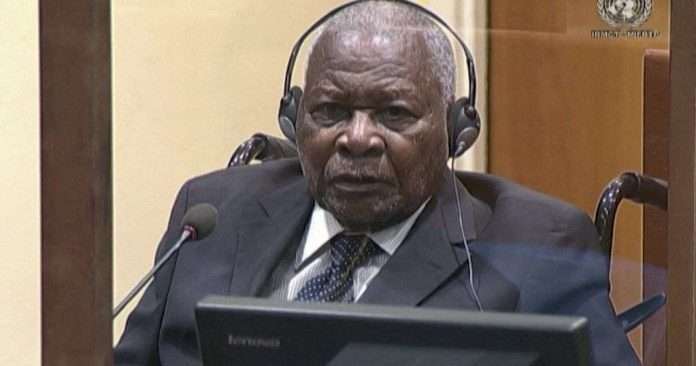
    Kigali, Rwanda – (African Boulevard News) – Genocide survivors in Rwanda are expressing their disappointment over a recent ruling by the United Nations court to permanently halt the trial of an elderly suspect. The decision has left many survivors feeling let down and questioning the commitment of the international community to justice and accountability.

    The suspect in question is Felicien Kabuga, a wealthy businessman accused of financing and arming the Hutu militias responsible for the mass killing of Tutsis during the 1994 genocide. Kabuga had been on the run for over two decades before being arrested in France in 2020 and transferred to the UN International Residual Mechanism for Criminal Tribunals (IRMCT) in The Hague.

    The decision to halt Kabuga’s trial was met with anger and frustration from survivors who have been seeking justice for their loved ones who perished in the genocide. Beatrice Mukarwego, a survivor and activist, expressed her disappointment, saying, “We were hopeful that Kabuga’s trial would serve as a reminder of the pain and suffering endured by millions of Rwandans. This decision feels like a betrayal.”

    Critics argue that halting the trial sends a dangerous message that perpetrators of genocide can escape justice simply by evading capture for long enough. Survivors have been calling for a thorough investigation to uncover the full extent of Kabuga’s involvement and to ensure that all those responsible for the genocide are held accountable.

    Martin Ngoga, former Rwandan Prosecutor General and International Criminal Court consultant, stated, “This decision undermines the credibility of the international justice system and casts doubt on its commitment to bringing justice to the victims of genocide. Survivors deserve better.”

    The disappointment felt by survivors is not unfounded. The UN’s International Criminal Tribunal for Rwanda (ICTR) was established to prosecute the most senior perpetrators of the genocide, but its mandate ended in 2015, leaving a number of cases unresolved. The IRMCT was created to continue the tribunal’s work, but the decision to halt Kabuga’s trial has raised concerns about the effectiveness and commitment of these institutions.

    Moving forward, survivors and activists are calling for a reevaluation of the international justice system to ensure that it is not only capable of holding those responsible accountable but also responsive to the needs and expectations of survivors. Without justice, there can be no true healing for the survivors of the Rwanda genocide.

    In conclusion, the UN court’s decision to permanently halt Felicien Kabuga’s trial has left genocide survivors in Rwanda disappointed and questioning the commitment of the international community to justice. The decision undermines the credibility of the international justice system and sends a dangerous message to perpetrators that they can escape accountability. Survivors and activists are calling for a reevaluation of the system to ensure justice and healing for those who suffered in the genocide.