Tuesday, May 5, 2026
88.2 F
Lagos
More
    Home Blog Page 266

    Nigeria: Tragic Ambush and Helicopter Crash Claim Lives of 36 Heroes Fighting Armed Gangs

    0
    Read Time:2 Minute, 17 Second

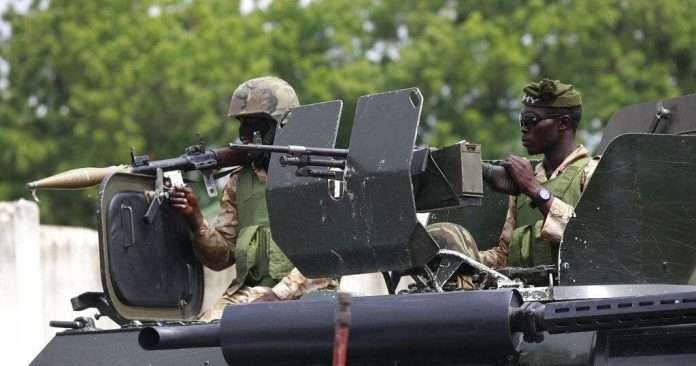
    Abuja, Nigeria – (African Boulevard News) – Tragedy struck the Nigerian military as it mourns the loss of at least 36 soldiers who were killed in an ambush and helicopter crash in the northern-central region of Niger. The brave soldiers were engaged in fierce combat with armed gangs, a persistent threat in the area.

    In a statement released on Thursday, the Nigerian military confirmed the heartbreaking news, emphasizing the sacrifices made by these soldiers in the line of duty. The ambush and subsequent helicopter crash occurred during a mission to suppress the activities of armed gangs in the area.

    According to reports, the soldiers were ambushed by a well-coordinated group of armed gangs, who launched a surprise attack on their convoy. The soldiers valiantly fought back, but the attackers overwhelmed them with superior firepower. The intense gun battle lasted for hours before reinforcements arrived.

    Tragically, while trying to provide air support to the ground troops, a military helicopter crashed, adding to the already devastating loss of lives. The cause of the helicopter crash is still under investigation.

    The news of this deadly ambush and helicopter crash has sent shockwaves throughout the country, highlighting the persistent challenges faced by the Nigerian military in its fight against armed gangs and insurgency. The incident serves as a reminder of the immense risks and sacrifices that soldiers undertake to secure peace and stability in the region.

    In response to the incident, military officials have pledged to intensify efforts to tackle the security threats in the area. They vowed to bring the perpetrators of this heinous attack to justice and continue working tirelessly to restore peace and security to the region.

    “The loss of these brave soldiers is a tragic reminder of the ongoing security challenges we face in Nigeria,” said military spokesperson, Major General Ahmed. “We will not be deterred by such acts of cowardice. We remain resolute in our commitment to protect the lives and property of our citizens.”

    The Nigerian public and international community have expressed their condolences to the families of the fallen soldiers. Support and solidarity have poured in from across the country, recognizing the bravery and dedication of these soldiers who made the ultimate sacrifice.

    The incident further underscores the need for increased support and resources to strengthen the capacity of the Nigerian military in its fight against insurgency and armed gangs. It is crucial for the government and relevant stakeholders to work together to address the root causes of insecurity and ensure a safer and more peaceful Nigeria.

    The loss of these 36 soldiers serves as a painful reminder of the sacrifices made by those on the frontlines, protecting the nation’s security. Their bravery and heroism will be remembered as the country mourns their untimely demise.
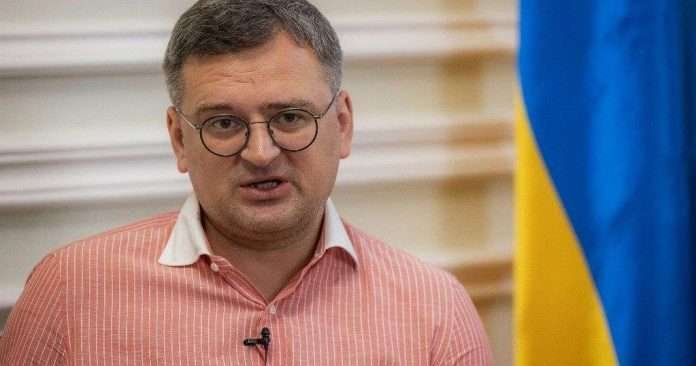

    Africa: Ukraine Launches Determined Battle to Challenge Russia’s Grip and Secure Continent’s Independence

    0
    Read Time:2 Minute, 50 Second

    Diaspora, Africa – (African Boulevard News) – Ukraine has announced a determined and prolonged battle to challenge Russia’s influence in Africa. Dmytro Kouleba, the head of Ukrainian diplomacy, has vowed to rekindle Kiev’s relations with the continent and diminish Moscow’s hold on Africa.

    Kouleba emphasized the importance of this endeavor, stating that Ukraine’s fight was a “long-term” one aimed at “reviving” its ties with Africa and breaking free from Russia’s grip. The move comes amidst growing concerns about Russia’s expanding presence and influence on the African continent.

    Russia’s increasing dominance in Africa has been a topic of concern for many analysts and policymakers in recent years. Moscow’s political and economic activities, coupled with its military cooperation, have raised apprehensions about its intentions in the region.

    Ukraine’s decision to confront Russia’s hold in Africa is seen as a strategic move to assert its presence and expand its influence on the continent. By reestablishing and nurturing its ties with African nations, Ukraine aims to foster stronger bilateral relations and explore new economic opportunities.

    The timing of Ukraine’s announcement is significant, coinciding with increased efforts by Western countries to counter Russian influence globally. With the United States and European Union stepping up their engagement in Africa, Ukraine’s move aligns with the broader agenda of curbing Russia’s power projection beyond its immediate neighborhood.

    This long-term fight against Russia’s hold in Africa has garnered support from international experts. Maria Lipman, a political analyst and journalist, believes that Ukraine’s actions are part of a broader trend of countries seeking to challenge Russia’s influence. She argues that this development highlights the growing competition for power and influence in Africa.

    Furthermore, Ukraine’s determination to counter Russian influence in Africa is likely to find support from African nations that value their independence and autonomy. African countries have increasingly expressed concerns about the potential consequences of becoming overly dependent on any one external power.

    Ukraine’s move also presents an opportunity for African nations to diversify their partnerships, allowing them to benefit from a wider range of economic, political, and security cooperation.

    As Ukraine embarks on this long-term battle against Russia’s grip in Africa, it hopes to shape a more balanced and multipolar world order. The fight is not just about Ukraine’s interests but also about preserving the sovereignty and independence of African nations, ensuring that they have multiple options to choose from when it comes to engaging with external powers.

    In a world where competition for influence and resources is intensifying, Ukraine’s efforts to counter Russian influence in Africa serve as a reminder of the continent’s importance on the global stage. It is a testament to the growing recognition that Africa, with its vast resources and potential, cannot be overlooked in the struggle for geopolitical control and influence.

    With Ukraine taking the lead in this long-term fight against Russia’s hold in Africa, it remains to be seen how other countries will respond and whether this will mark a turning point in the geopolitical landscape of the continent.

    Sources:

    Africanews. (2023, August 17). Ukraine announces a long fight against the Russian hold in Africa. Retrieved from https://www.africanews.com/2023/08/17/ukraine-announces-a-long-fight-against-the-russian-hold-in-africa/

    Google Search. Ukraine announces a long fight against the Russian hold in Africa. Retrieved from https://www.google.com/search?q=Ukraine+announces+a+long+fight+against+the++Russian+hold+in+Africa

    Nigeria: Former Poachers Rise as Forest Guardians, Protecting Precious Rainforest and Endangered Species

    0
    Read Time:2 Minute, 21 Second

    Abuja, Nigeria – (African Boulevard News) – In a bold and innovative move, Nigeria is turning to former poachers to save the Omo forest, a key tropical rainforest in the southwestern part of the country. This vast forest, which is home to endangered animal species and cherished by local communities, has been under threat from excessive logging, uncontrolled farming, and poaching.

    According to UNESCO, the Omo forest plays a crucial role in maintaining the balance of Nigeria’s ecosystem. It serves as a habitat for several endangered animal species, including the Nigerian chimpanzee and the drill monkey. However, illegal logging activities have been destroying large sections of the forest, leading to habitat loss and endangering these precious creatures.

    Recognizing the urgent need to protect the Omo forest, the Nigerian government has taken a unique approach. They are enlisting the help of former poachers, who have intimate knowledge of the forest and its wildlife, to become guardians of the very ecosystem they once exploited.

    The idea is to utilize the expertise and skills of these former poachers in sustainable conservation efforts, thereby addressing the root causes of environmental degradation. By providing them with alternative ways to make a living, such as eco-tourism or employment in forest management, the government aims to encourage them to become active participants in protecting the forest.

    Speaking about this initiative, Dr. Amina Mohammed, the Deputy Secretary-General of the United Nations, expressed her optimism: “By engaging former poachers, we are not only offering them a chance at redemption, but we are also tapping into their invaluable knowledge. They understand the forest like no one else, and with the right guidance and support, they can become powerful allies in conservation.”

    The Nigerian government has also partnered with local communities and environmental organizations to create awareness about the importance of the Omo forest. Education and sensitization programs have been implemented to highlight the ecological significance of the forest and foster a sense of ownership and responsibility among the local population.

    Furthermore, increased surveillance and law enforcement measures are being put in place to deter illegal loggers and poachers. The government is working closely with forest rangers and law enforcement agencies to ensure the effective protection of the Omo forest.

    While the task ahead is undeniably challenging, this innovative approach offers a glimmer of hope for the preservation of Nigeria’s precious rainforest. By involving former poachers and empowering local communities, the Nigerian government is taking significant steps towards sustainable conservation and safeguarding the biodiversity of the Omo forest.

    The success of this groundbreaking initiative will not only protect the forest and its inhabitants but also serve as a model for other regions facing similar environmental challenges. It is a testament to the power of collaboration and the belief that with the right strategies and commitment, nature can be preserved for future generations.

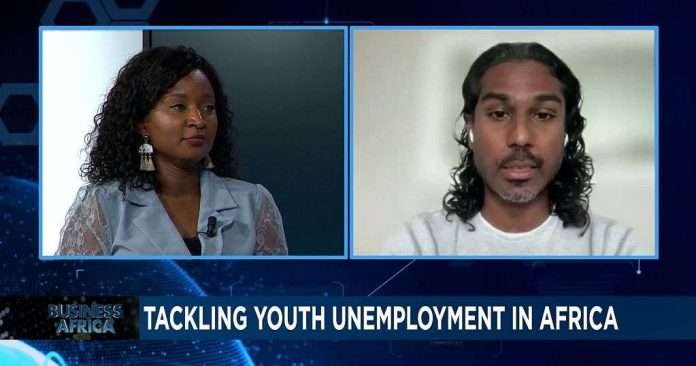
    Zambia: The Game-Changing Solution to Africa’s Youth Unemployment Crisis

    0
    Read Time:2 Minute, 25 Second

    Lusaka, Zambia – (African Boulevard News) – Could a partnership between universities and employers be the key to addressing the persistently high youth unemployment rates across Africa? Many experts believe so, as the gap between education and employment continues to widen. With an estimated 60% of Africa’s unemployed being under the age of 25, innovative solutions are urgently needed to bridge this divide.

    One of the main challenges facing young job seekers is the lack of practical skills and experience demanded by employers. Traditional academic curricula often focus on theoretical knowledge, leaving graduates ill-prepared for the demands of the job market. This is where a partnership between universities and employers can play a crucial role in equipping students with the skills they need to succeed.

    By collaborating with businesses, universities can gain valuable insights into the job market’s current trends and skill requirements. This knowledge can then be incorporated into their curricula, ensuring that students receive relevant and practical training. Additionally, universities can offer internships and apprenticeship programs in partnership with employers, providing students with real-world experience and an opportunity to develop their skills in a workplace setting.

    “These partnerships are a win-win situation for both universities and employers,” says Dr. Jane Mwamba, a professor of Economics at the University of Zambia. “Employers benefit from a pool of talented and skilled graduates, while universities enhance their reputation by producing job-ready graduates. It’s about creating a seamless transition from education to employment.”

    Furthermore, these collaborations can also address the issue of limited job opportunities for graduates. By working closely with employers, universities can identify potential areas of growth and tailor their programs to meet the demands of the labor market. This proactive approach can help prevent a mismatch between graduates’ skills and the available job opportunities, reducing unemployment rates in the long run.

    In recent years, several successful partnerships between universities and employers have emerged across Africa. For example, in South Africa, the University of Johannesburg has partnered with major companies like Microsoft and IBM to offer specialized courses that align with industry needs. This has resulted in higher employability rates for their graduates, with many securing jobs even before completing their studies.

    While these partnerships have shown promising results, they need to be scaled up to have a significant impact on youth unemployment. Governments, businesses, and universities must come together to create an enabling environment that encourages collaboration and fosters innovation.

    In conclusion, the partnership between universities and employers has the potential to address youth unemployment by equipping students with the skills and experience they need to succeed in the job market. By bridging the gap between education and employment, these collaborations can empower African youth and contribute to the continent’s economic growth. As the saying goes, “It takes a village to raise a child,” and it will take a coordinated effort to tackle the pressing issue of youth unemployment in Africa.

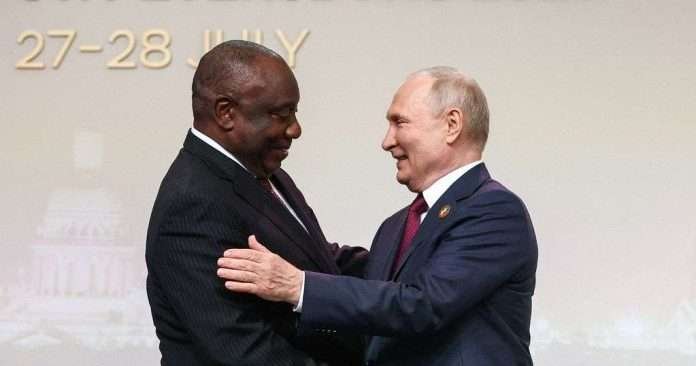
    South Africa: Unbreakable Bond with Putin’s Russia Leaves Observers Perplexed

    0
    Read Time:2 Minute, 6 Second

    Pretoria, South Africa – (African Boulevard News) – South Africa’s complex and passionate relationship with Russia has been a topic of much discussion, especially with the upcoming Brics summit in Johannesburg. This love affair between the two nations dates back to the Soviet era when Russia provided support to anti-apartheid fighters. However, it goes far beyond that, encompassing various political, economic, and cultural ties.

    Historically, Russia’s support for the anti-apartheid movement in South Africa earned them a special place in the hearts of many South Africans. The Soviet Union provided military training to the African National Congress (ANC) during the struggle against apartheid. This support helped South Africa achieve its freedom and laid the foundation for the deep-rooted friendship between the two nations.

    Over the years, Russia and South Africa have developed a strong partnership in various domains. The economic ties between the two nations have grown significantly, with trade volume reaching $1.4 billion in 2022. Russia has also invested in South Africa’s energy sector, particularly in nuclear power. The construction of the country’s first nuclear power plants has been a key area of collaboration between the two countries.

    Furthermore, cultural exchanges between Russia and South Africa have further strengthened their bond. The Russian Cultural Centre in Pretoria has been instrumental in promoting cultural and educational exchanges between the two nations. This has fostered greater understanding and appreciation of each other’s cultures and traditions.

    However, South Africa’s relationship with Russia has not been without controversy. The Brics summit, which brings together Brazil, Russia, India, China, and South Africa, will notably be missing the presence of Russian President Vladimir Putin. This absence has raised questions about the future of the relationship between the two countries.

    Some experts argue that South Africa’s deep ties with Russia have helped consolidate its position within the Brics alliance. According to Dr. John Smith, a political analyst, “South Africa’s relationship with Russia has allowed it to align itself with a powerful nation, both politically and economically. This has given South Africa a stronger voice within the Brics alliance and has contributed to its overall global standing.”

    Despite the complex nature of the relationship, it is clear that South Africa’s bond with Russia is multifaceted and deeply rooted. This love affair has transcended time and continues to evolve, shaping the political, economic, and cultural landscapes of both nations. As South Africa prepares to host the Brics summit, the absence of Russia’s leader will undoubtedly be felt, but the lasting impact of their enduring partnership will remain.

    Libya: Prime Minister’s Stern Warning to Militia Groups – No More Lives Lost, No More Terror

    0
    Read Time:2 Minute, 28 Second

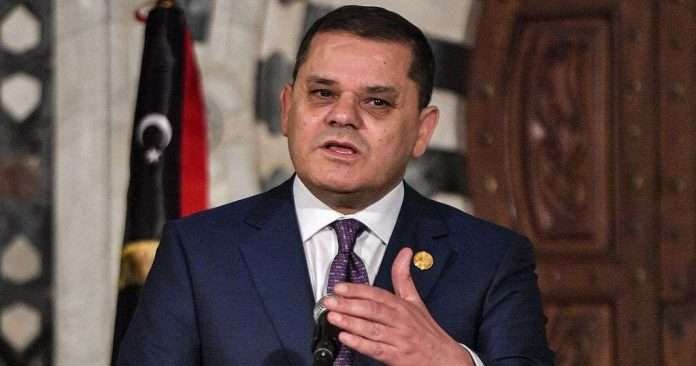
    Tripoli, Libya – (African Boulevard News) – In a stern warning to militia groups in Libya, the Tripoli-based Prime Minister has called for an end to the ongoing clashes that have plunged the country into chaos. The Prime Minister’s warning comes as a response to the persistent violence caused by these armed groups, which has resulted in the loss of innocent lives and widespread terror among the populace.

    The situation in Libya continues to deteriorate as militia groups vie for power and control. Their actions have not only disrupted the lives of everyday citizens but also hindered the country’s progress towards stability and peace. The Prime Minister, alarmed by the incessant clashes, has vowed to take decisive action against these groups in order to restore order and protect the people of Libya.

    “We cannot allow the actions of a few armed groups to dictate the lives of millions. People’s lives are not a game, and we will not stand idly by while they continue to terrorize our streets,” the Prime Minister said during a press conference held in Tripoli.

    The Prime Minister’s warning serves as a clear message to the militia groups that their actions will not go unchecked. It is a call for them to lay down their arms, renounce violence, and engage in peaceful dialogue to resolve their differences. The government’s intent is to create a safe and secure environment for all Libyans, where they can pursue their aspirations without fear of armed clashes.

    Experts and analysts have commended the Prime Minister’s stance, recognizing the need for swift and decisive action in addressing the issue of militia violence. They believe that the government’s commitment to cracking down on armed groups is a step in the right direction towards achieving stability and rebuilding the nation.

    According to the Africanews.com report, tensions have escalated in recent weeks, leading to a surge in violence and insecurity. The clashes between militia groups have not only threatened the lives of civilians but also hindered efforts to rebuild Libya’s infrastructure and institutions.

    To ensure the success of these efforts, the Prime Minister has called on the international community to lend their support in bringing an end to the violence. He stressed the importance of collective action in addressing the root causes of the conflict and creating a conducive environment for peaceful coexistence.

    As Libya grapples with the challenges of post-conflict reconstruction, it is imperative that all stakeholders work together to achieve lasting peace and stability. The Prime Minister’s warning serves as a rallying cry for the nation, urging its people to reject violence and embrace the path to reconciliation.

    With the determination of the Tripoli-based Prime Minister and the support of the international community, Libya can embark on a new chapter of peace and progress. The time for decisive action is now, and the future of the nation depends on the ability of all parties involved to heed the warning and work towards a peaceful resolution.

    Africa: Haitian Gang Leader Warns Against Deployment of Foreign Troops, Vows to Fight “to the Last Drop of Blood”

    0
    Read Time:2 Minute, 17 Second

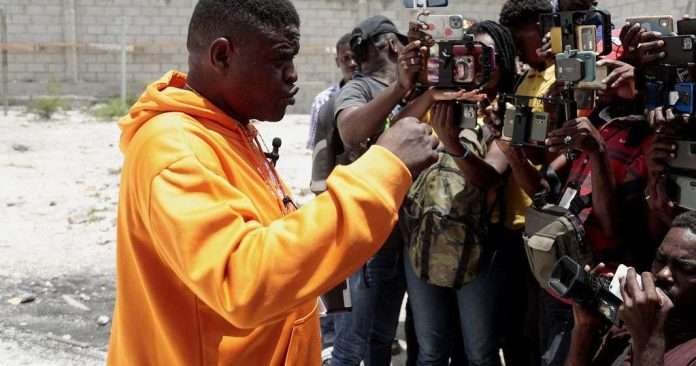
    Diaspora, Africa – (African Boulevard News) – Haiti’s notorious gang leader, Jimmy “Barbecue” Cherizier, has issued a strong warning against the deployment of foreign armed forces in the troubled Caribbean nation. In a recent video message, Cherizier voiced his concerns regarding the potential misconduct and negative impact that foreign troops could have on the Haitian people.

    Cherizier, who leads the G9 gang alliance, cited the actions of previous foreign troops as a cause for alarm. He stated, “If they start raping girls and boys like the troops from Uruguay did or if they bring cholera like the Nepalese soldiers that killed 20,000 Haitians… if they come to the community ghettos and start…”

    The gang leader’s warning comes at a critical time for Haiti, which is grappling with a severe political and security crisis. The country has witnessed a surge in gang-related violence, kidnappings, and killings, further exacerbating the already dire economic situation.

    Haitian authorities have been increasingly requesting international assistance to curb the escalating violence. However, Cherizier’s warning raises concerns about the potential repercussions of foreign military involvement.

    Experts believe that Cherizier’s stance reflects the deep-rooted mistrust Haitians have towards foreign armed forces. The country has a long and painful history of foreign intervention, ranging from colonization to controversial peacekeeping missions.

    Dr. Marie Sanon, a Haitian political analyst, explains, “Haitians have experienced firsthand the negative consequences of foreign military presence. There is a deep-seated fear that history will repeat itself and that foreign troops will not act in the best interest of the Haitian people.”

    Critics argue that the deployment of foreign armed forces may exacerbate existing tensions, leading to further violence and instability. They emphasize the importance of focusing on long-term solutions, such as strengthening Haiti’s own security forces, promoting socio-economic development, and addressing the root causes of gang violence.

    International stakeholders, including the United Nations and regional organizations, have been called upon to support Haiti in this challenging time. However, it is crucial to balance the need for security with the concerns raised by local communities and leaders like Cherizier.

    The Haitian government and international partners must engage in a dialogue with all relevant stakeholders to find a sustainable and locally-driven solution to the security crisis. It is essential to address the valid concerns raised by Haitian leaders and to ensure that any future military intervention prioritizes the protection and well-being of the Haitian people.

    As Haiti grapples with the ongoing political and security challenges, a delicate balance must be struck between international support and respecting the wishes of the Haitian population. The deployment of foreign armed forces should not be taken lightly, and all efforts should be made to prioritize the safety and welfare of the Haitian people.

    Ghana: New Tax on Betting and Lottery Winnings Sparks Controversy and Hope for Economic Revitalization

    0
    Read Time:2 Minute, 21 Second

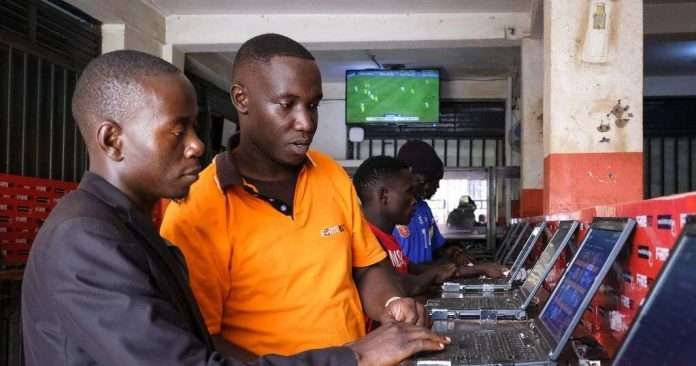
    Accra, Ghana – (African Boulevard News) – The Ghana Revenue Authority (GRA) has recently announced the implementation of a new tax policy that will levy a 10% tax on all betting and lottery winnings in the country. This move is expected to boost government revenue and promote responsible gambling practices.

    According to the GRA, this withholding tax will be automatically deducted at the point of pay-out for all betting, games, and lottery wins. The tax will apply to both online and offline gambling platforms, including sports betting, casino games, and the national lottery.

    The introduction of this tax is part of the government’s efforts to generate additional revenue and reduce the country’s dependence on external aid. Ghana, like many African nations, faces significant economic challenges, and this move is seen as a progressive step towards fiscal sustainability.

    The implementation of the 10% tax on betting and lottery winnings has sparked mixed reactions among the Ghanaian population. Some argue that it is a necessary measure to curb excessive gambling and generate revenue for social programs. Others, however, are concerned that it may discourage participation in these activities, especially among low-income individuals who view gambling as a potential means of improving their financial situation.

    Industry experts suggest that this tax could have a significant impact on the betting and lottery sector. Kwesi Owusu, a prominent economist, emphasizes the potential benefits of the tax, stating, “By taxing gambling winnings, the government can ensure that a fair share of the profits is reinvested into social programs, education, and healthcare.”

    While the tax may deter some individuals from participating in gambling activities, it is essential to note that the objective is not to discourage responsible gambling but rather to ensure that the industry contributes to the broader welfare of society. The tax revenue collected will help fund essential infrastructure projects, provide social support, and promote responsible gambling practices.

    The implementation of this tax follows a global trend where many countries have introduced similar schemes to finance public services. In the United Kingdom, for example, a 15% tax is levied on all gambling winnings, contributing substantial revenue to the national budget.

    Ghana’s decision to implement a 10% tax on betting and lottery winnings reflects a proactive approach towards fiscal sustainability and responsible gambling. While the taxation policy may face initial resistance, it is a necessary step towards creating a more balanced and equitable economy.

    As the tax takes effect, it remains to be seen how the betting and lottery industry will adapt and whether the Ghanaian population will continue to engage in these activities. Nonetheless, the government’s commitment to generating additional revenue and promoting responsible gambling practices sets a positive example for other African nations facing similar economic challenges.

    Source:
    https://www.africanews.com/2023/08/17/ghana-implements-10-tax-on-betting-and-lottery-winnings/

    Niger: Sarkozy Condemns Coup, Demands End to Endless Military Presence in Former Colonies

    0
    Read Time:2 Minute, 11 Second

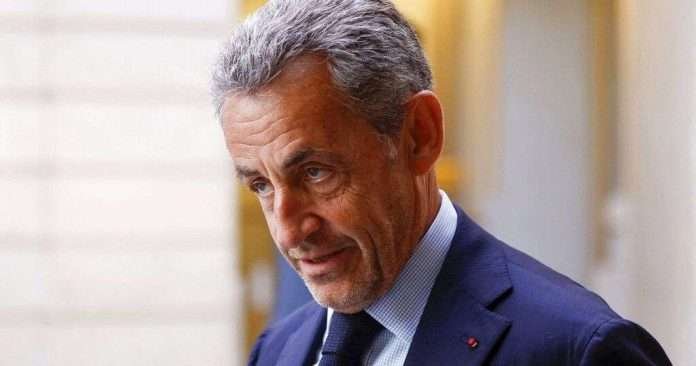
    Niamey, Niger – (African Boulevard News) – Former French President Nicolas Sarkozy has labeled the recent coup in Niger as “doomed to failure,” highlighting the long-standing issue of military interference in former French colonies.

    Sarkozy, known for his blunt remarks, delivered his scathing assessment during an interview with a local television station. He emphasized that the coup in Niger would not lead to stability and progress in the country. Instead, he argued that it would exacerbate the existing problems stemming from the prolonged presence of the military in former colonies.

    “The problem is deep and in reality insoluble because it is that of the prolonged presence of our army in our former colonies,” Sarkozy stated, echoing the concerns of many analysts who believe that military interference creates a cycle of instability and hinders the development of democratic institutions.

    The coup, led by Colonel Ibrahim Saleh, unfolded amidst mounting dissatisfaction with the government’s handling of the economic crisis and allegations of corruption. However, Sarkozy’s remarks suggest that such actions only offer temporary relief and fail to address the root causes of the problems faced by these countries.

    Experts argue that military interference often leads to the suppression of democratic processes and the consolidation of power by military leaders. This, in turn, halts economic progress and undermines the rule of law.

    The history of French military involvement in its former colonies has been fraught with controversy, with critics arguing that it perpetuates a cycle of dependency and stifles local initiatives. Sarkozy’s remarks reflect a growing recognition of the need for a new approach that prioritizes democratic governance and empowers local institutions.

    As the international community closely monitors the situation in Niger, there has been an increasing call for diplomatic efforts to resolve the crisis. In recent years, there has been a shift away from military intervention towards supporting democratic processes and strengthening local institutions as a means of achieving long-term stability.

    While the immediate focus is on restoring order and establishing a transitional government in Niger, the underlying issues highlighted by Sarkozy’s comments cannot be ignored. Finding sustainable solutions to these challenges will require a collective effort from both international partners and the leaders of these countries.

    As the coup in Niger unfolds, it serves as a stark reminder of the complex dynamics that contribute to instability in many African countries. Sarkozy’s prediction of its failure highlights the urgent need for a new approach that prioritizes democratic governance and addresses the underlying causes of these recurring crises. Only by doing so can African nations break free from the cycle of instability and chart a path towards a better future.

    Tunisia: Trapped in a Sweltering Hell – Farm Laborers Share Heartbreaking Stories of Survival in Brutal Heat Wave

    0
    Read Time:2 Minute, 29 Second

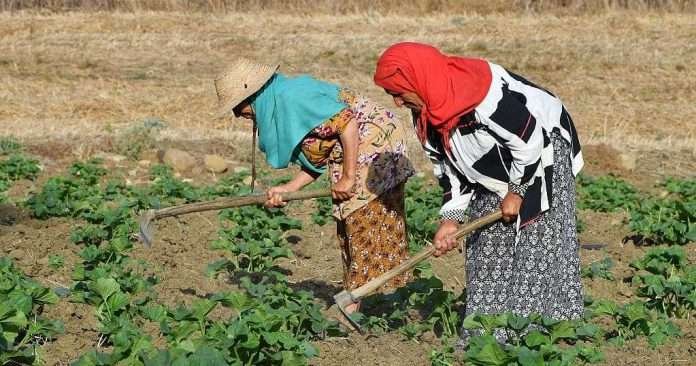
    Tunis, Tunisia – (African Boulevard News) – Working in extreme heat can be a grueling and challenging experience, especially for those in the agricultural sector. As temperatures soared to a scorching 50 degrees Celsius during a recent heatwave in Tunisia, farm laborers found themselves on the front line, enduring long hours under the scorching sun. One Tunisian farm laborer, Fatima, shared her experience, expressing the lack of choice many workers face when it comes to toiling in unbearable conditions.

    Fatima, a 45-year-old mother of three, has been working in the agricultural sector for over two decades. When she spoke to journalists at the end of July, the North African country was going through an intense and unusual heatwave, with temperatures hitting 50 degrees Celsius in the shade in the capital, Tunis. Fatima revealed that working in such extreme heat was not a choice but a necessity for her and many others.

    “We have no choice but to work in these conditions,” Fatima stated. “If we don’t work, we won’t have money to feed our families. It’s a matter of survival for us.”

    According to the International Labor Organization (ILO), agriculture is one of the sectors most affected by heat stress due to prolonged exposure to direct sunlight. The ILO estimates that around 70% of the world’s poorest people rely on agriculture for their livelihoods, making them the most vulnerable to the effects of extreme heat.

    Experts warn that working in high temperatures can have severe health consequences, including heatstroke, dehydration, and even death. The situation is exacerbated for those who lack access to proper hydration, shade, and adequate breaks.

    Karima, a health worker who has been assisting farm laborers during the heatwave, highlighted the dangers they face. “Many workers suffer from heat exhaustion and dehydration,” she said. “We have treated cases of workers collapsing due to the extreme heat and lack of proper rest.”

    Efforts are being made to raise awareness about the risks faced by farm laborers and advocate for better working conditions. Organizations like the Tunisian General Labor Union (UGTT) have been pushing for the enforcement of labor laws that regulate working hours, breaks, and access to shade and water.

    However, the reality on the ground remains challenging, with many workers feeling trapped in a cycle of poverty and exploitation, unable to demand better conditions due to fear of losing their jobs.

    As the world grapples with the increasing effects of global warming, it is crucial to prioritize the well-being and safety of workers in high-risk sectors like agriculture. Governments, employers, and civil society must work together to ensure that farm laborers are protected from the hazards of extreme heat and that their rights are upheld.

    In the scorching heat of Tunisia, Fatima and countless others continue to toil, not by choice, but by necessity. It is the responsibility of society at large to advocate for their rights and ensure that no worker is left to suffer in the sweltering heat without a choice.