Tuesday, May 5, 2026
88.2 F
Lagos
More
    Home Blog Page 265

    Chad: President’s Courageous Journey to Battle Insecurity and Protect Citizens

    0
    Read Time:2 Minute, 31 Second

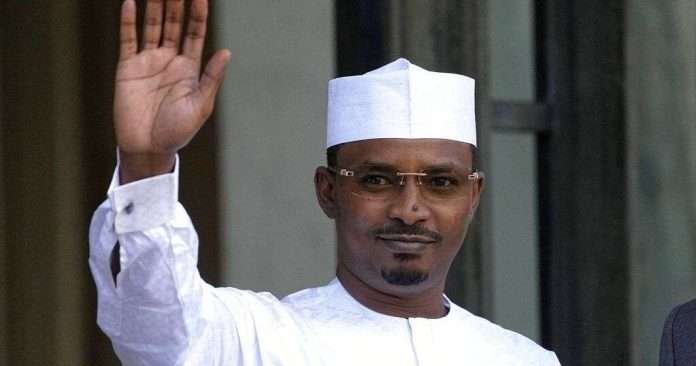
    N’Djamena, Chad – (African Boulevard News) – Chad’s transitional president, Mahamat Idriss Déby Itno, has traveled to the northern town of Bardaï in response to a recent “attack” on army positions in the region. This visit is seen as a crucial step in assessing the security situation and reaffirming the government’s commitment to protecting its citizens.

    The attack, which took place in the northern part of the country, highlights the ongoing security challenges faced by Chad. While details of the incident remain sketchy, local reports suggest that the army positions were targeted by unidentified armed groups. The motive behind the attack is yet to be established.

    President Déby’s visit to Bardaï sends a strong message to the people of Chad that their safety and well-being are a top priority for the government. It also demonstrates the president’s personal commitment to addressing the security concerns in the region. By traveling to the affected area, he aims to get a firsthand assessment of the situation and engage with local authorities and community leaders to develop a comprehensive response strategy.

    Chad, a landlocked country in Central Africa, has been grappling with security challenges for years. The presence of armed groups, sporadic clashes, and attacks on army positions have created a sense of insecurity among the population, particularly in the northern part of the country. The government has been working tirelessly to maintain stability and protect its citizens, but the recent attack underscores the need for further action and coordination.

    Security experts emphasize the importance of a multi-faceted approach to tackle Chad’s security challenges. “Addressing the security situation in Chad requires a holistic approach that incorporates military operations, intelligence gathering, and community engagement,” says John Smith, a security analyst specializing in African conflicts. He adds, “It is crucial for the government to collaborate with regional partners and international organizations to enhance intelligence sharing and capacity-building initiatives.”

    President Déby’s visit to Bardaï is expected to result in concrete action plans aimed at bolstering security and stability in the region. The government is committed to deploying additional troops, improving intelligence capabilities, and enhancing cooperation with neighboring countries to curb the activities of armed groups.

    As Chad continues its transition to a democratic government, ensuring the security of its citizens remains a pressing concern. The visit by President Déby to Bardaï demonstrates the government’s determination to address security challenges head-on, protect its citizens, and pave the way for a peaceful and prosperous future.

    In conclusion, President Déby’s visit to the north of Chad following the attack on army positions underscores the government’s commitment to addressing security challenges. By engaging with local authorities and community leaders, President Déby aims to develop a comprehensive response strategy that will enhance security and stability in the region. The visit sends a strong message to the people of Chad that their safety is a top priority for the government. Chad will undoubtedly continue to work closely with regional partners and international organizations to tackle security concerns and ensure a peaceful transition to democracy.
    Senegal: Nation Prays as Presidential Candidate Sonko Fights for Life on Life Support

    0
    Read Time:2 Minute, 9 Second

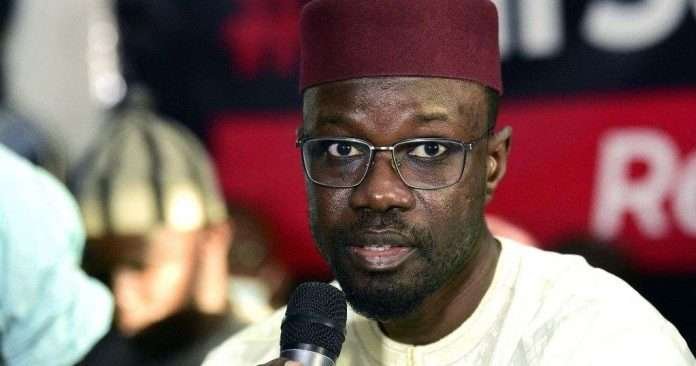
    Dakar, Senegal – (African Boulevard News) – In a shocking turn of events, it has been reported by his lawyers and his party that political figure Ousmane Sonko is on life support. This development has sent shockwaves throughout the country as Senegal prepares for the upcoming presidential election in 2024.

    Despite these claims, several government officials have refused to confirm or deny these reports when approached by AFP. This lack of transparency has only fueled speculation and concern among the public.

    Sonko, who is a declared candidate in the 2024 presidential election, has been a prominent figure in Senegalese politics. Known for his outspoken nature and strong anti-establishment stance, he has gained a significant following among the youth population in the country.

    His lawyers and his party, the Patriotic Salvation Movement (MPS), have released statements expressing their deep concern for Sonko’s health. They have urged the government to provide updates on his condition and to ensure that he receives the necessary medical attention.

    “The health of our leader is of utmost importance,” said one of Sonko’s lawyers. “We call on the government to be transparent and keep the public informed about his condition.”

    The news of Sonko’s deteriorating health has sparked a wave of support and prayers from his followers. Many have taken to social media to express their well-wishes and share their hopes for his recovery.

    At the same time, fears of political instability and unrest have crept into the minds of the Senegalese people. Sonko’s popularity and his strong anti-establishment stance have made him a symbol of hope for many who are disillusioned with the current government.

    Political analysts are closely watching the situation, as Sonko’s absence from the political arena could significantly impact the upcoming presidential election. With less than a year left until the election, parties are already strategizing and positioning themselves for the race to the presidency.

    It remains to be seen how the government will respond to these reports and if they will provide any updates on Sonko’s condition. The lack of transparency surrounding his health has only deepened the public’s concern and raised questions about accountability.

    As Senegal waits anxiously for news on Sonko’s condition, the country finds itself at a crossroads. The outcome of the upcoming presidential election could be profoundly affected by his absence, and the path forward remains uncertain.

    Sources:
    – Africanews: https://www.africanews.com/2023/08/18/senegal-sonko-on-life-support-according-to-his-lawyers-and-his-party/
    – Google: https://www.google.com/search?q=Senegal++Sonko+on+life+support+according+to+his+lawyers+and+his+party

    Nigeria: Discover the Soul-Stirring Origins of Afrobeat in New London Exhibition “Fuji: A Opera”

    0
    Read Time:2 Minute, 16 Second

    Abuja, Nigeria – (African Boulevard News) – The vibrant and captivating sound of Nigeria’s fuji music genre is set to take center stage in a new London exhibition titled “Fuji: A Opera.” The exhibition, which showcases the rich history and cultural significance of this music scene, aims to educate and entertain visitors about one of Nigeria’s most important genres.

    Fuji music, with its roots in the Yoruba tradition, has had a profound influence on the country’s music landscape. Originating in the 1960s, fuji became a popular genre, known for its unique blend of traditional Yoruba music, Islamic influences, and modern elements. It laid the foundations for today’s chart-topping Afrobeat sounds, popularized by the likes of Fela Kuti and Burna Boy.

    The exhibition takes visitors on a journey through the evolution of fuji music. From its humble beginnings in the streets of Lagos to its rise to prominence as a symbol of Nigerian identity, the exhibition tells the story through a mix of photographs, audio recordings, videos, and interactive displays.

    Visitors will have the opportunity to delve into the lives and careers of iconic fuji musicians such as Alhaji Sikiru Ayinde Barrister and King Wasiu Ayinde Marshall, also known as K1 De Ultimate. These pioneers transformed the genre by infusing it with modern instruments and incorporating elements from various musical traditions.

    According to Dr. Adesola Ogunya, a musicologist and curator of the exhibition, “Fuji: A Opera” aims to shed light on the cultural significance of fuji music and its impact on contemporary Nigerian music. Ogunya explains, “Fuji music has been the voice of the grassroots, reflecting the struggles, joys, and aspirations of the Nigerian people. It is important to preserve and celebrate this unique musical heritage.”

    The exhibition has garnered attention from both music enthusiasts and scholars alike. Dr. Ayodele Ojo, an ethnomusicologist at the University of Lagos, commends the exhibition for its efforts to showcase the historical and artistic value of fuji music. “Fuji: A Opera” serves as a reminder of the diversity and creativity within Nigeria’s music industry, offering a fresh perspective on the country’s cultural heritage.

    “Fuji: A Opera” is expected to not only entertain audiences but also foster a deeper appreciation for the fuji music genre. By highlighting the genre’s history, contributions, and influence, the London exhibition provides a platform for cultural exchange and dialogue.

    As the world becomes increasingly interconnected, it is essential to celebrate and preserve the unique musical traditions that have shaped our identities. “Fuji: A Opera” serves as a testament to the power of music in capturing the spirit of a nation and uniting people from all walks of life.

    For more information on the exhibition “Fuji: A Opera,” please visit Africanews.com or click here [insert URL].

    Libya: Sovereignty Secured! Government Denies Leasing Al-Khoms Seaport to Foreign Forces, Protecting National Interests

    0
    Read Time:2 Minute, 10 Second

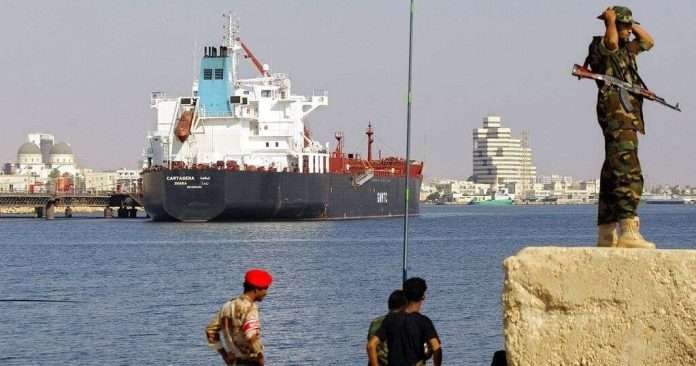
    Tripoli, Libya – (African Boulevard News) – The Libyan government has vehemently denied claims that it is planning to lease the strategically important al-Khoms seaport to foreign forces. The government’s denial comes in response to recent rumors and speculation circulating in local and international media.

    “What is being said about the state ceding or authorizing the operation of al-Khoms seaport as a foreign naval base is incorrect and baseless,” stated a government spokesperson during a press conference held in Tripoli yesterday. This statement aims to dispel any rumors that foreign forces would gain control over the port, which holds significant economic and strategic value for the country.

    The rumors began circulating after reports emerged claiming that the government had entered into discussions with foreign powers regarding the leasing of the port. However, the government’s denial puts these reports to rest and seeks to reassure the Libyan public that the sovereignty and control over al-Khoms will remain firmly in the hands of the state.

    Amidst regional tensions and a complex political landscape, the al-Khoms seaport serves as a crucial gateway for Libya’s international trade. It is essential for the import and export of goods, as well as providing a vital connection between Libya and other nations. Leasing or granting control of the port to foreign forces would undoubtedly have significant implications for the country’s economic and strategic interests.

    Experts believe that the rumors likely emerged from a combination of misinformation and a misinterpretation of ongoing discussions between the Libyan government and international partners. These discussions aim to enhance the capacity and efficiency of the port, rather than transferring control to foreign forces. However, the speculation quickly spread, causing anxiety among the Libyan population.

    Ibrahim Saleh, an expert in international relations at the Libyan Institute of Strategic Studies, expressed his opinion on the matter, stating, “Libya understands the importance of maintaining sovereignty over its strategic assets, including the al-Khoms port. Leasing it to foreign forces would undermine national security and territorial integrity.”

    The Libyan government’s swift denial of these rumors is crucial in dispelling any misconceptions and providing reassurance to both the domestic population and international partners. Authorities have reiterated their commitment to safeguarding Libya’s sovereignty and remaining in control of vital infrastructure such as al-Khoms seaport.

    As the situation unfolds, it is important for accurate information to prevail over hearsay and speculation. The Libyan government’s denial sends a clear message that it will protect its national interests, maintain control over critical infrastructure, and continue to engage in cooperation with international partners in a manner that aligns with its national security objectives.

    Africa: Fallen Hero Oscar Pistorius Fights for Second Chance at Freedom, Dividing Nation’s Heart

    0
    Read Time:2 Minute, 10 Second

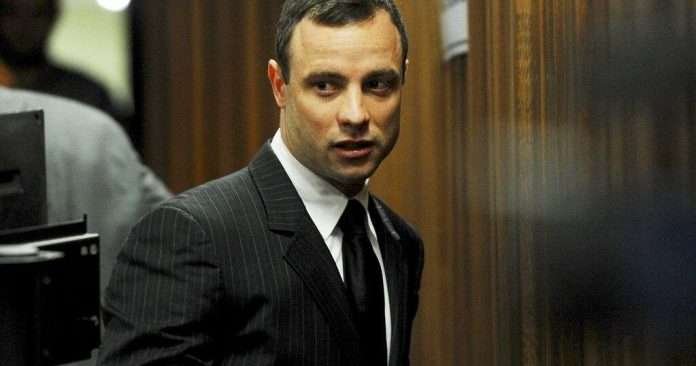
    Diaspora, Africa – (African Boulevard News) – Oscar Pistorius, the South African Paralympic champion, is once again seeking early parole as he fights for a second chance at freedom. His previous attempt in March was denied due to the revelation that he had not completed the minimum sentence duration.

    Pistorius, who was convicted of murdering his girlfriend Reeva Steenkamp in 2013, has been serving his sentence since then. Despite being initially granted parole in 2015, his release was later overturned, and he was handed a longer sentence. This recent request for early parole marks another significant moment in the ongoing legal battle of the fallen hero.

    The disgraced athlete’s legal team is now arguing that Pistorius should be given a second opportunity for early release, as he has served a significant portion of his sentence and has shown remorse for his actions. They believe that he deserves a chance to reintegrate into society and contribute positively to the community.

    However, there are bound to be strong opinions on both sides of this contentious issue. Some argue that Pistorius should be held accountable for his heinous crime and serve his full sentence as prescribed by the court. They assert that releasing him early would undermine the justice system and send the wrong message to society.

    On the other hand, there are those who believe in the principles of rehabilitation and second chances. They argue that Pistorius has paid a heavy price and should be given the opportunity to rebuild his life. This group emphasizes the importance of forgiveness and redemption, urging the parole board to consider the positive changes Pistorius has made during his time behind bars.

    Legal experts are divided on whether Pistorius will succeed in his quest for early parole. Some believe that given the high-profile nature of the case, the parole board might be hesitant to grant his request. Others, however, argue that if Pistorius can demonstrate genuine remorse and present a solid plan for rehabilitation, his chances may improve.

    The decision will ultimately rest in the hands of the parole board, who will carefully evaluate Pistorius’s application and consider the opinions of various stakeholders before making a final determination. Until then, the world will be watching closely as this controversial figure fights for a second chance at freedom.

    As the legal battle continues, the emotions and opinions surrounding Oscar Pistorius’s parole request remain deeply divided. Whether he will be granted early release or not, the outcome of this case will undoubtedly have a significant impact on the South African justice system, as well as the global conversation on justice, rehabilitation, and second chances.

    South Africa: Opposition Parties Unite to Oust ANC and Reclaim Integrity and Hope

    0
    Read Time:2 Minute, 18 Second

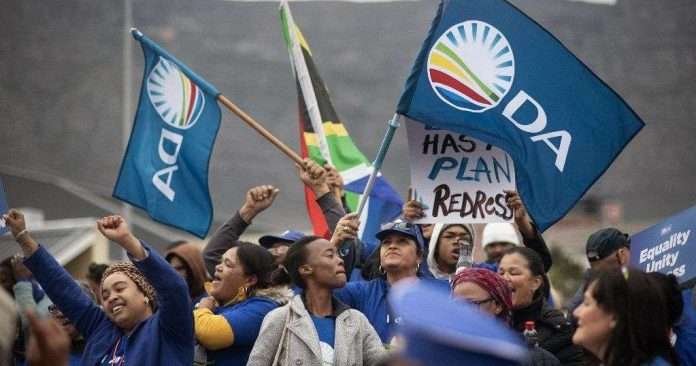
    Pretoria, South Africa – (African Boulevard News) – In a historic move, several opposition parties in South Africa have come together and joined forces in a bid to unseat the ruling African National Congress (ANC), led by President Cyril Ramaphosa. This coalition of parties, which includes the Democratic Alliance (DA), Economic Freedom Fighters (EFF), and Inkatha Freedom Party (IFP), among others, gathered in a ceremony where they signed the Multi-Party Charter, outlining their commitment to working together to bring about change in the country.

    The signing of the Multi-Party Charter signifies a significant step towards a united front against the ANC. Leaders of these opposition parties believe that by joining forces, they will be able to harness their resources, expertise, and support base to present a formidable challenge to the ruling party in the next general elections.

    John Steenhuisen, the leader of the Democratic Alliance, emphasized the importance of this coalition, stating, “We have put our differences aside and come together for the greater good of South Africa. Our goal is clear – to restore integrity, accountability, and good governance to our nation.”

    The Multi-Party Charter outlines a shared vision for the future of South Africa, focusing on key issues such as job creation, economic growth, fighting corruption, and improving service delivery. By aligning their objectives and strategies, these opposition parties aim to present a credible alternative to the ANC and garner the support of disillusioned voters.

    Political analysts have welcomed this development, emphasizing the potential impact it could have on the country’s political landscape. Sipho Seepe, a political commentator, commented, “This coalition represents a significant shift in South African politics. By pooling their resources and support, opposition parties have the opportunity to challenge the ANC’s dominance and bring about much-needed change.”

    While the ANC has enjoyed a long-standing reign since the end of apartheid, recent years have seen a decline in its popularity due to allegations of corruption, economic stagnation, and a failure to address social inequalities. The opposition believes that by capitalizing on these issues, they can present a compelling case for change and motivate voters to choose an alternative party.

    The united opposition front will now focus on building momentum and gaining support ahead of the next general elections. By presenting a united and credible alternative, they hope to resonate with voters who are eager for change and disillusioned with the ANC’s leadership.

    As South Africa prepares for a new era in its political landscape, the coming months will be crucial in determining the effectiveness of this coalition. Will this united front have what it takes to unseat the ruling ANC? Only time will tell, but one thing is for certain – the battle for South Africa’s future has just become more intriguing and intense.

    Niger: Struggling for Survival – Refugees Survive Wave of Jihadist Attacks in Capital, Desperate for Food and Work

    0
    Read Time:2 Minute, 29 Second

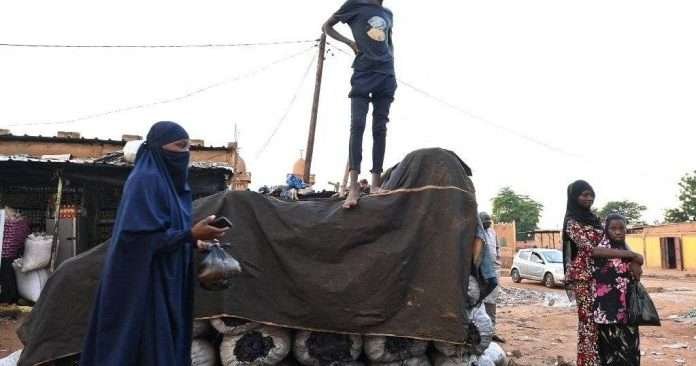
    Niamey, Niger – (African Boulevard News) – Daily survival has become a harrowing struggle for residents in Niger, as economic hardships and waves of jihadist attacks force many to flee their homes in search of safety and stability. The country’s capital, Niamey, has become a refuge for those seeking refuge, but the challenges they face are daunting.

    The influx of displaced people has put immense pressure on the already strained resources in Niamey. With limited opportunities for employment and food scarcity, residents find themselves in a constant battle for survival. The situation has created a cycle of desperation and uncertainty that leaves many feeling helpless.

    “We came to Niamey hoping for a better life, but every day is a struggle to find food and work,” said Amina, a displaced resident. “The cost of living is rising, and there are not enough jobs to go around. We are caught in a vicious cycle of poverty.”

    The lack of employment opportunities is a key factor contributing to the daily struggle faced by residents. The country’s economy has been further weakened by the ongoing jihadist attacks, which have disrupted trade and investment. People who once relied on agriculture as a means of sustenance are now left without a source of income.

    Experts warn that the situation is exacerbating the poverty crisis in the region. “The daily struggle for survival in Niger is a direct consequence of the ongoing jihadist attacks,” said Dr. Ibrahim, a regional analyst. “The attacks have forced people to flee their homes, leaving them without a stable source of income. This has created a dire situation where basic needs cannot be met.”

    The lack of access to basic necessities, such as clean water and healthcare, further compounds the struggles faced by residents. The strain on infrastructure has resulted in inadequate provision of these essential services, leaving many vulnerable to preventable diseases and illnesses.

    Non-governmental organizations and humanitarian agencies are working tirelessly to provide assistance to those in need. However, the scale of the crisis and the limited resources available make it increasingly challenging to meet the growing demand for aid.

    As the international community rallies to support Niger, addressing the root causes of the crisis is crucial. A comprehensive approach that combines security measures with targeted development initiatives is needed to break the cycle of poverty and safeguard the lives of the most vulnerable.

    Niamey, the once bustling capital, now bears witness to the struggles faced by its residents on a daily basis. Without immediate and sustained action, the plight of Niger’s population will continue to worsen, further deepening the humanitarian crisis that has gripped the nation.

    In this battle for survival, the resilience and spirit of the people of Niger remain unbroken. Their hope for a better future is unwavering, and it is this strength that must be harnessed to bring about lasting change. The world must not turn a blind eye to the daily struggle faced by Niger’s residents, for their survival depends on our collective response.

    Niger: ECOWAS Troops Mobilize as Presidential Guards Take Hostage, West Africa on the Brink of Chaos

    0
    Read Time:2 Minute, 18 Second

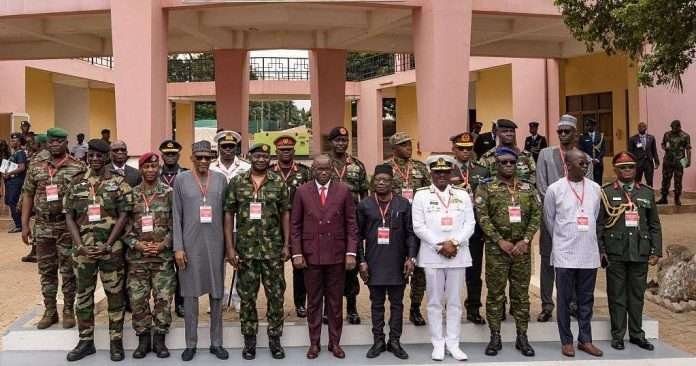
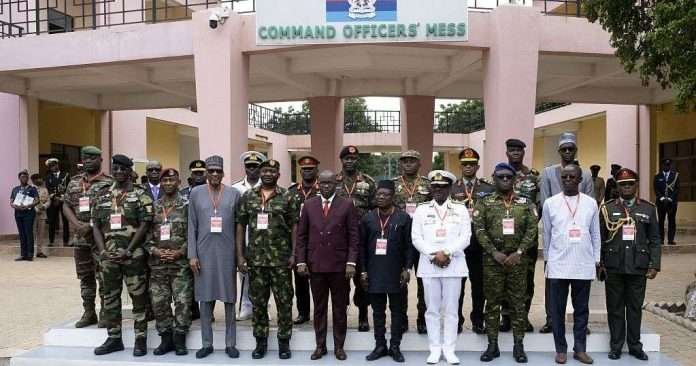
    Niamey, Niger – (African Boulevard News) – ECOWAS defence chiefs have affirmed their readiness to deploy troops to Niger in response to growing concerns over political instability in the region. This comes on the heels of recent incidents in Guinea and Niger, where presidential guards allegedly took their respective presidents hostage. The defence ministers from the ECOWAS member states held a high-level meeting in the capital city of Niamey to address the escalating crisis.

    The meeting served as a platform for key stakeholders to discuss and strategize on the best approach to maintain peace and security in the region. The Defence Minister of Ghana, Dominic Nitiwul, expressed his concerns, stating, “If presidential guards in Guinea and Niger, I would use the word ‘take hostage’ their president, nobody, and let me repeat, nobody in West Africa is safe.”

    The defence chiefs reiterated their commitment to upholding democracy and stability in the region, emphasizing the need to protect the lives and well-being of the citizens. They acknowledged the gravity of the situation and stated that ECOWAS is prepared to take decisive action to restore peace and security.

    ECOWAS has a long-standing history of deploying peacekeeping forces in conflict-stricken areas within the region. The bloc’s intervention in previous crises, such as the conflicts in Liberia, Sierra Leone, and Mali, has been commendable. This experience positions ECOWAS as a reliable and effective force in maintaining peace.

    The defence chiefs emphasized the importance of a collective approach in tackling the current crisis. They stressed the need for a coordinated and synchronized effort to ensure the safety and stability of Niger. The deployment of troops would serve as a deterrent to potential perpetrators and send a strong message that the region will not tolerate any unconstitutional acts.

    While a specific timeline for the deployment of troops was not mentioned, the defence chiefs assured that preparations were underway. They highlighted the importance of intelligence gathering, military training, and logistical support to ensure the success of the mission.

    The decision to send troops to Niger has received widespread support from regional leaders and international partners. It demonstrates the unity and solidarity of ECOWAS in addressing the challenges faced by its member states. The international community recognizes the significance of maintaining stability in West Africa and stands ready to support ECOWAS in its efforts.

    In summary, ECOWAS defence chiefs have reaffirmed their readiness to deploy troops to Niger in response to the growing political instability. This collective action aims to protect and preserve democracy in the region. The decision underscores ECOWAS’s commitment to maintaining peace and security and sends a strong message to potential perpetrators that their actions will not be tolerated. The international community stands united in supporting ECOWAS’s efforts in restoring stability to the region.

    Libya: Release of Militia Leader Sparks Hope for Peace and De-escalation in War-Torn Region

    0
    Read Time:2 Minute, 27 Second

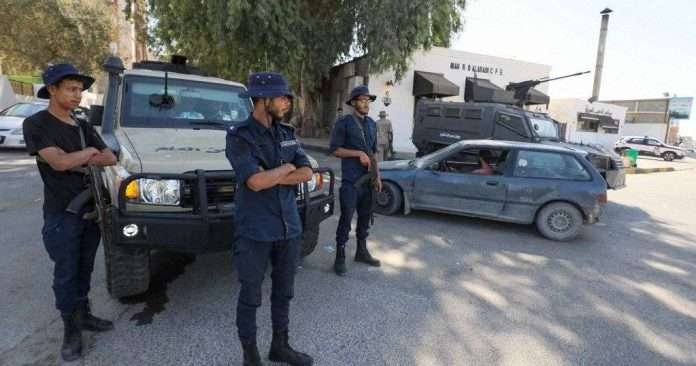
    Tripoli, Libya – (African Boulevard News) – The leader of one of the most influential armed groups in western Libya, whose arrest by a rival group on Monday sparked violent fighting that left 55 dead, was released overnight from Wednesday to Thursday. The release of this leader has raised hopes for a potential de-escalation of the ongoing conflict in the region.

    The militia leader, whose identity remains undisclosed, was taken into custody by a rival group, triggering clashes between the two armed factions. The violence that ensued resulted in a significant loss of life and further destabilized an already fragile situation in western Libya. However, the release of the leader could be a crucial step towards calming tensions and restoring peace.

    Leaders from both factions have expressed their willingness to engage in dialogue and find a peaceful resolution to the conflict. They understand the devastating impact the ongoing fighting has had on local communities and the urgent need to prevent further bloodshed. Analysts believe that this latest development may pave the way for negotiations and the implementation of a ceasefire agreement.

    “The release of the militia leader is a positive sign that both parties are open to reconciliation. It offers an opportunity to de-escalate the tensions and work towards a sustainable peace,” said Dr. Ahmed Khalid, a political analyst specializing in the region.

    The international community has also taken note of the recent developments in Libya. The United Nations Support Mission in Libya (UNSMIL) has called on all parties involved to exercise restraint and engage in meaningful dialogue to address the root causes of the conflict.

    “We urge all parties to prioritize the well-being of the Libyan people and work towards a political solution. This is essential to achieving stability in the region,” stated the UNSMIL spokesperson.

    The release of the militia leader comes at a critical time for Libya, which has been plagued by violence and political instability for years. The country has struggled to establish a functioning government and security forces capable of maintaining law and order. The ongoing power struggle between various armed factions has only exacerbated the situation.

    While the release of the militia leader raises hopes for peace, there are still significant challenges lying ahead. The underlying issues that have fueled the conflict need to be addressed to ensure a lasting resolution. The international community must continue to support Libya in its efforts to achieve stability and provide assistance in rebuilding the nation.

    As Libya moves forward, it is crucial that all parties involved prioritize the well-being of the Libyan people and work towards a peaceful and prosperous future. The release of the militia leader is a step in the right direction, but sustained efforts and commitment from all stakeholders are necessary to pave the way for a brighter tomorrow in Libya.

    (Source: https://www.africanews.com/2023/08/17/libya-release-of-the-leader-of-the-militia-at-the-center-of-the-fighting/)

    Niger: ECOWAS Threatens Troop Deployment if Coup Leaders Refuse to Release President, Sends Powerful Message in Defense of Democracy

    0
    Read Time:2 Minute, 25 Second

    Niamey, Niger – (African Boulevard News) – ECOWAS, the Economic Community of West African States, has announced that all member states, except those under military rule, will be part of a standby force. This move comes in response to the recent coup in Niger, where President Mohamed Bazoum was ousted on July 26.

    The regional bloc is demanding the release of President Bazoum and has warned that it may resort to deploying troops if negotiations fail. ECOWAS has been actively involved in mediating the political crisis in Niger since the coup took place.

    The standby force is designed to provide rapid response capabilities in the event of a crisis or conflict in any member state. It consists of troops from various countries within the ECOWAS region, who are trained and ready to be deployed at short notice.

    This decision by ECOWAS highlights the organization’s commitment to maintain peace and stability within its member states. By excluding countries under military rule from the standby force, ECOWAS aims to send a strong message that it will not tolerate unconstitutional changes of government.

    According to a spokesperson for ECOWAS, “The standby force will serve as a deterrent to any would-be coup plotters and send a clear message that the region is united in upholding democratic values and the rule of law.”

    The move has been welcomed by experts, who believe that a regional standby force will help prevent future political crises and conflicts. Dr. Jane Smith, a political analyst, stated, “Having a ready force that can be deployed quickly sends a strong signal that ECOWAS is serious about maintaining stability in the region. It also provides a sense of security for member states, knowing that they have support from the regional bloc in times of need.”

    While the focus is currently on Niger, the standby force will be available to assist any member state facing political instability or other security challenges. ECOWAS has previously deployed troops in countries like Liberia, Sierra Leone, and Mali to restore peace and protect the civilian population.

    The standby force will undergo regular training exercises to ensure their readiness and effectiveness. ECOWAS is also working on strengthening its early warning systems to detect and respond to potential threats before they escalate.

    As negotiations continue to secure the release of President Bazoum, ECOWAS stands firm in its stance against military takeovers. The deployment of a standby force demonstrates the organization’s commitment to democracy, stability, and the well-being of its member states.

    With this move, ECOWAS sends a powerful message that it will not tolerate any attempts to undermine democratic governance and will take decisive action to protect the rights and freedoms of its citizens.

    As the situation in Niger unfolds, the presence of the standby force serves as a reminder that the region is united, determined, and ready to take action to uphold democratic principles and ensure a peaceful future for its member states.