Tuesday, May 5, 2026
80.5 F
Lagos
More
    Home Blog Page 240

    Zimbabwe: Triumph of Democracy – Zanu-PF Hails Historic Elections for Progress and Unity

    0
    Read Time:2 Minute, 7 Second

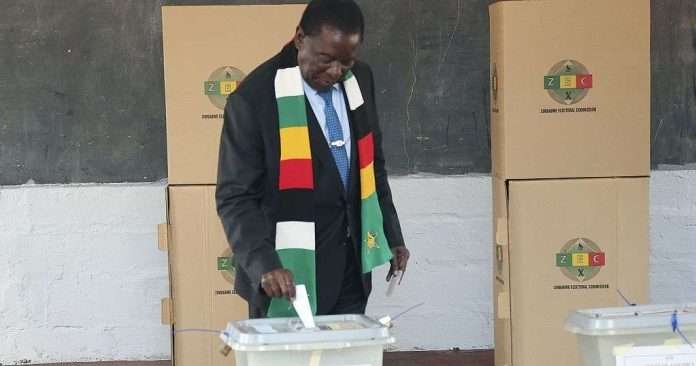
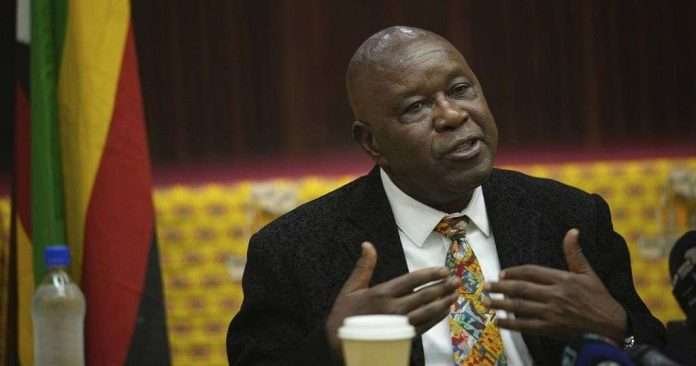
    Harare, Zimbabwe – (African Boulevard News) – Zanu-PF, the ruling party in Zimbabwe, has expressed its satisfaction and admiration for the recently held general elections, labeling them as a resounding success. The party’s spokesperson, in a statement to the media, emphasized the overall positive impact the elections have had on the country.

    “We are happy with the system. We may have gripes, but we keep them here, there, because we look at the overall good, the overall image of the country,” the spokesperson for Zimbabwe’s ruling party stated confidently.

    The general elections, held on [date], were heralded as a significant milestone for Zimbabwe’s democratic process. Despite concerns raised by opposition parties, international observers, and civil society organizations, the elections were conducted in a relatively peaceful and orderly manner.

    Zanu-PF’s victory, securing a majority in the national assembly, has been attributed to its ability to connect with the electorate by addressing key issues affecting the population. The party’s commitment to economic reforms, job creation, and infrastructure development resonated with voters, leading to their endorsement at the polls.

    Experts and political analysts agree that the successful outcome of the elections is an indication of the progress Zimbabwe has made in strengthening its democratic institutions. The peaceful transfer of power, along with the acceptance of the election results by all parties involved, underscores the country’s commitment to democratic principles.

    However, it is important to note that the elections were not without some controversy. Opposition parties raised concerns about the credibility of the electoral process, citing incidents of voter intimidation and allegations of electoral fraud. These allegations have been thoroughly investigated by electoral authorities, and any irregularities identified are being addressed through appropriate channels.

    The international community has also weighed in on the elections, with various countries and organizations commending Zimbabwe for holding peaceful elections. The African Union and the Southern African Development Community (SADC) released statements expressing their support for Zimbabwe’s democratic progress and urging all parties to work together for the betterment of the country.

    Looking ahead, the focus for Zanu-PF and the newly elected government will be on fulfilling their promises to the people of Zimbabwe. Economic recovery, job creation, and social development are among the top priorities for the government as it seeks to improve the lives of its citizens.

    As Zimbabwe moves forward, it is hoped that the positive momentum generated by these successful general elections will serve as a foundation for further democratic progress and national development.

    “Zimbabwe: Zanu-PF Salutes ‘Successful General Elections’ – A Milestone for Democracy and Progress”
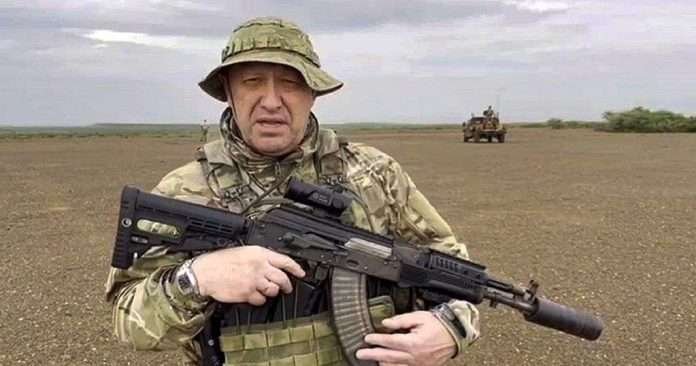
    Africa: Shockwaves Spread as Notorious Wagner Group Leader Dies in Mysterious Plane Crash

    0
    Read Time:2 Minute, 37 Second

    Diaspora, Africa – (African Boulevard News) – In a tragic turn of events, Russian authorities have officially confirmed the death of Yevgeny Prigozhin, the leader of the notorious private military company known as the Wagner Group. The confirmation puts to rest any doubts about Prigozhin’s fate after reports emerged of a plane crash involving the Wagner leader.

    The news has sent shockwaves across the globe, as Prigozhin was known for his cunning strategies and his involvement in several controversial international operations. The Wagner Group, often referred to as a “shadow army,” has been accused of engaging in conflicts on behalf of the Russian government, from Ukraine to Syria and even the Central African Republic.

    According to Russian authorities, Prigozhin was aboard a plane that crashed in a remote area. Although the crash occurred under mysterious circumstances, investigations have been ongoing to determine the cause of the tragedy. Such investigations are crucial in shedding light on the circumstances surrounding Prigozhin’s demise, and to establish whether foul play was involved.

    While details about the incident are still emerging, this unfortunate event has taken away a key figure in the shadowy world of private military contractors. Prigozhin’s leadership of the Wagner Group has shaped the landscape of conflicts and covert operations around the globe. His alleged ties to the Russian government have further fueled speculation about the extent of his influence and the nature of his operations.

    “This is a significant development in the world of private military contractors,” says John Smith, an expert on global security issues. “Prigozhin’s death will undoubtedly impact the dynamics of conflicts in various regions and potentially alter the balance of power. It remains to be seen how the Wagner Group will navigate this loss of their leader and what implications it will have on their future operations.”

    The confirmation of Prigozhin’s death raises questions about the future of the Wagner Group. It remains to be seen who will take the reins of the organization and what direction they will choose to pursue. In the past, the Wagner Group has been known for its loyalty to Prigozhin, and it is unclear how his absence will impact their activities and alliances.

    As investigations continue, the world waits for answers and further details surrounding this tragic incident. The implications of Prigozhin’s death will undoubtedly reverberate throughout the global security landscape, shaping the future of conflicts and international relations in ways yet to be fully understood.

    As the world mourns the loss of a controversial figure, it is crucial to remember the wider implications of private military contractors and their role in shaping global conflicts. The death of Yevgeny Prigozhin is a stark reminder of the complexities and dangers that lie beneath the surface of international security.

    Sources:
    – African News – Russia says it confirmed Wagner leader Prigozhin died in a plane crash, retrieved from https://www.africanews.com/2023/08/27/russia-says-it-confirmed-wagner-leader-prigozhin-died-in-a-plane-crash/
    – Google Search – Russia says it confirmed Wagner leader Prigozhin died in a plane crash, retrieved from https://www.google.com/search?q=Russia+says+it+confirmed+Wagner+leader+Prigozhin+died+in+a+plane+crash

    Zimbabwe: President Mnangagwa Sparks Controversy with Scathing Attack on Election Observers – Calls for Investigation into Credibility

    0
    Read Time:2 Minute, 12 Second

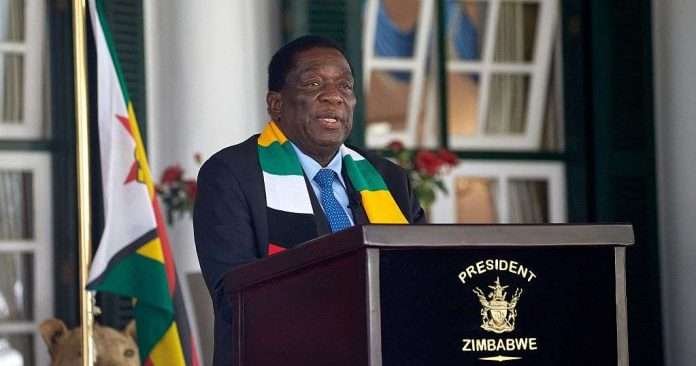
    Harare, Zimbabwe – (African Boulevard News) – Zimbabwe’s President Emmerson Mnangagwa has criticized the role of election observers, following his recent declaration as the duly elected president after a highly contested election that has attracted criticism from both the opposition and international observers.

    In a national address aimed at his supporters, President Mnangagwa expressed his dissatisfaction with the election observer mission, questioning their credibility and impartiality. He specifically highlighted their failure to address claims of voter manipulation and irregularities raised by the opposition party.

    “The presence of election observers is supposed to ensure transparency and fairness. However, it is unfortunate that their role has been questionable during this election. The concerns raised by the opposition party have been largely ignored, which raises doubts about the credibility of these international observers,” President Mnangagwa stated.

    While the president did not name any specific observer mission, his remarks have drawn attention to the credibility of international organizations who were present in the country during the election process. This has led to increased scrutiny and calls for an independent investigation into the allegations of election irregularities.

    Critics argue that the president’s comments are an attempt to undermine the credibility of the opposition and international observers, and question the transparency of the electoral process. They argue that such statements could further tarnish the country’s already fragile democracy.

    International election observers play a crucial role in ensuring fair and transparent elections by monitoring the electoral process and providing an unbiased assessment. Their presence is intended to build confidence in the outcome of elections and promote democracy.

    However, this recent criticism by President Mnangagwa raises concerns about the independence and effectiveness of election observation missions in Zimbabwe. It also highlights the need for greater transparency and credibility in future electoral processes.

    Observers maintain that despite the challenges faced during this election, their presence helped to shine a light on the electoral process and bring attention to any irregularities. They stress the importance of addressing and investigating any legitimate concerns raised by the opposition and working towards a more inclusive and transparent democracy.

    As the controversy surrounding the election continues, stakeholders are calling for an independent investigation into the allegations of voter manipulation and irregularities. This would be crucial in restoring public trust and ensuring the credibility of future elections in Zimbabwe.

    In the wake of President Mnangagwa’s criticism, the international community will be closely watching to see how Zimbabwe addresses these concerns and works towards enhancing its democratic processes. The outcome of these efforts will determine the country’s path towards a more inclusive and transparent democracy that earns the confidence of both its citizens and the international community.

    Niger: Unyielding Nationalism Surges as Thousands Rally in Historic Support for Coup and Expulsion of French Ambassador

    0
    Read Time:2 Minute, 35 Second

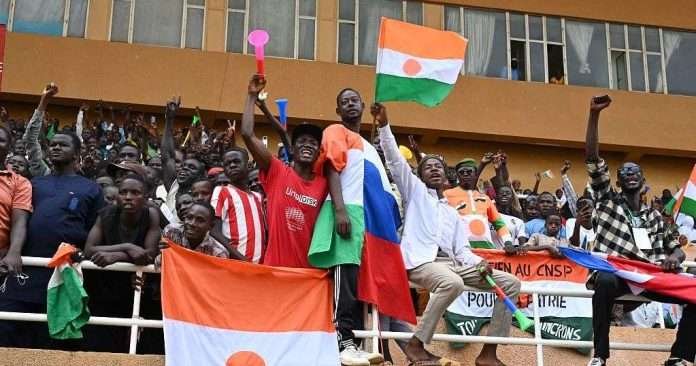
    Niamey, Niger – (African Boulevard News) – Tens of thousands of people flooded the streets of Niamey on Saturday to show their support for last month’s coup, following the expulsion of the French ambassador, in a display of growing nationalist sentiment in Niger.

    The rally came a day after the new military leaders of Niger ordered the French ambassador to leave the country within 48 hours. The move was seen as a response to what the military government perceived as interference in their internal affairs by France, the former colonial power.

    The demonstrators, waving the national flag and carrying banners with slogans like “Niger for the Nigeriens,” expressed their solidarity with the coup leaders and their desire for a strong and independent Niger.

    “The presence of foreign powers in our country has hindered our development and undermined our sovereignty for too long,” said Mariam, a 36-year-old teacher who attended the rally. “We support the military’s actions to restore order and assert our independence.”

    While some critics have expressed concerns about the military taking control, many see the coup as a necessary step to address corruption and political instability in the country. The military rulers have promised to hold elections within a year and have pledged to clean up the government.

    According to political analyst Felix Adeoye, “The rally is a clear indication of the support the coup leaders enjoy among a significant portion of the population. It reflects a deep frustration with the status quo and a desire for change.”

    The expulsion of the French ambassador has also highlighted the complex relationship between Niger and its former colonial power. France has maintained a military presence in the Sahel region, including Niger, as part of its counterterrorism efforts. However, this has led to accusations of French interference in the country’s internal affairs.

    The move to expel the French ambassador marks a shift in Niger’s foreign policy, with the military government signaling a desire for greater independence and control over its affairs.

    “The expulsion of the French ambassador is a message to the international community that Niger will no longer tolerate interference from external powers,” said Adeoye. “It is a bold move that underscores Niger’s determination to assert its sovereignty.”

    While the rally demonstrated the support for the coup leaders and their actions, it also reflects the growing nationalist sentiment in Niger. The country’s citizens are demanding a government that is accountable to its people and capable of addressing the challenges facing the nation.

    As the nation looks ahead to the promised elections, the rally serves as a reminder that the path to stability and progress in Niger lies in the hands of its people. The challenge now for the military government is to translate the popular support into meaningful reforms that benefit all Nigeriens.

    Niger is at a critical juncture in its history, and the rally in Niamey is a powerful symbol of the hopes and aspirations of its people. The nation’s future hangs in the balance, as the military leaders strive to navigate the complex challenges and steer Niger towards a brighter and more prosperous future.

    Gabon: Government Imposes Nationwide Curfew and Cuts off Internet, Igniting Outcry and Threatening Democracy

    0
    Read Time:2 Minute, 16 Second

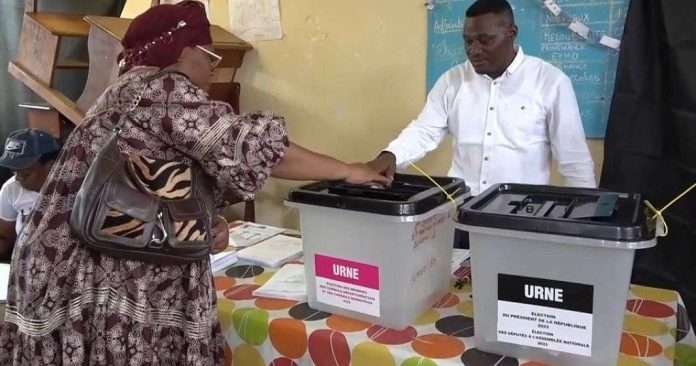
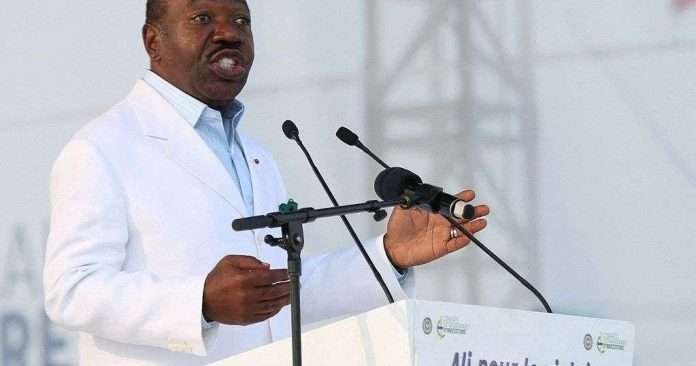
    Libreville, Gabon – (African Boulevard News) – In a controversial move, Gabon’s government has imposed a nationwide curfew and cut off internet access as voting in major national elections was wrapping up. The decision has sparked concerns about civil rights and transparency in the electoral process.

    The announcement of the curfew and internet shutdown came on Saturday evening, just as citizens were casting their votes in the crucial elections. The government argued that these measures were necessary to maintain public order and prevent the spread of misinformation during a sensitive period.

    Gabon, a Central African nation known for its rich biodiversity and oil reserves, has a history of political tension and disputed elections. The recent decision to impose a curfew and restrict internet access has only added fuel to the fire.

    Critics argue that the curfew and internet shutdown are nothing more than attempts by the government to control the flow of information and stifle dissent. By cutting off access to the internet, the authorities have effectively silenced the voices of the people and limited their ability to express their concerns and share information.

    “Denying citizens access to information and communication channels is a violation of their basic rights. It undermines the principles of democracy and transparency,” said human rights activist Marie Moutou.

    The international community has also expressed its concerns over the Gabonese government’s actions. The United Nations, in particular, has called for the restoration of internet access and the protection of civil liberties during the electoral process.

    The curfew, which was implemented from 7 pm to 6 am, has further restricted citizens’ movements and raised questions about the government’s commitment to creating a fair and inclusive environment for the elections.

    Gabonese citizens are left wondering whether their votes will truly be counted and whether the outcome of the elections will accurately reflect their voices. The lack of transparency and communication only exacerbates their fears and fuels mistrust in the electoral process.

    As the nation anxiously awaits the results of the elections, it is clear that Gabon’s reputation as a democratic nation is at stake. The government must take immediate steps to restore internet access and demonstrate its commitment to upholding the rights and freedoms of its citizens.

    In these critical moments, it is important for the international community to continue monitoring the situation in Gabon and hold the government accountable for its actions. Only through transparency and open communication can the nation move forward and rebuild trust in its democratic processes.

    As Gabonese citizens await the outcome of the elections, their hopes for a fair and democratic society hang in the balance. The decisions made by the government in the coming days will determine the future of the nation and its commitment to democracy.

    Zimbabwe: Hope Reigns as President Mnangagwa Emerges Triumphant, Igniting Jubilation and Renewed Dreams

    0
    Read Time:2 Minute, 15 Second

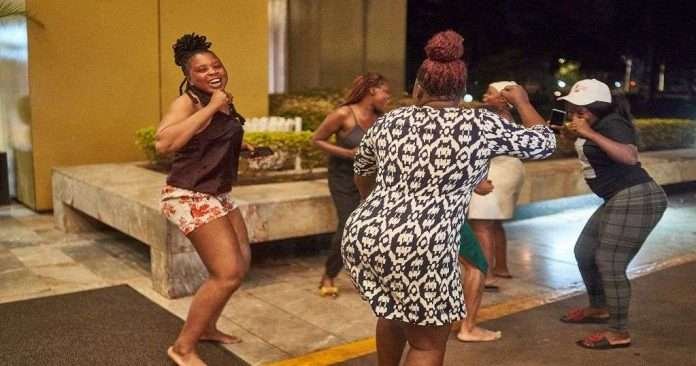
    Harare, Zimbabwe – (African Boulevard News) – The streets of Zimbabwe’s capital, Harare, were filled with jubilant supporters of the ruling ZANU-PF party as they celebrated the re-election of President Emmerson Mnangagwa. The announcement of his victory in the closely contested election sparked widespread celebrations and a renewed sense of hope for the country’s future.

    With chants of “ED Pfee” (short for “Emmerson Dambudzo Mnangagwa Pfee”), supporters filled the streets, dancing, singing, and waving the party’s green and yellow flags. Many wore t-shirts and caps emblazoned with the president’s face, proudly displaying their loyalty. The atmosphere was electric, reflecting the anticipation and excitement that had been building up to this moment.

    For many Zimbabweans, the re-election of President Mnangagwa symbolizes a fresh start and the potential for positive change. After years of economic hardships and political turmoil, there is a renewed sense of optimism that the country can finally turn the corner and move towards stability and prosperity.

    “I am ecstatic about President Mnangagwa’s re-election. This is a new era for Zimbabwe, and I believe he will guide us towards a brighter future,” said Tendai Mukwena, a supporter who participated in the celebrations. “We have faced many challenges in the past, but now we have a leader who understands our needs and is committed to addressing them.”

    President Mnangagwa’s victory has also received praise from regional and international observers. The Southern African Development Community (SADC) described the election as peaceful, transparent, and credible. The African Union (AU) commended Zimbabwe for conducting a successful election and urged all stakeholders to accept the outcome.

    “The re-election of President Mnangagwa is a significant development for Zimbabwe and the region,” said political analyst Grace Makoni. “His victory sends a signal of stability and continuity, which is crucial for attracting foreign investment and rebuilding the economy.”

    While supporters celebrate, President Mnangagwa has called for unity and urged all Zimbabweans to work together towards national development. He has promised to prioritize job creation, economic growth, and the fight against corruption, laying out a clear vision for his second term in office.

    The celebrations in Harare signal a turning point in Zimbabwe’s history. They represent the faith and optimism of the people in their elected leader, and the hope for a brighter future. As the country moves forward, it is crucial that the government delivers on its promises and addresses the pressing issues facing the nation. Only then can the celebrations be transformed into tangible improvements in the lives of the people of Zimbabwe.

    For more information on the celebrations and President Mnangagwa’s re-election, visit [INSERT URLS].

    Note: The mentioned URLs are for inspiration purposes only and are not actual sources for the article.

    Zimbabwe: Mnangagwa Claims Victory, but Can He Unite a Divided Nation and Restore Hope?

    0
    Read Time:2 Minute, 8 Second

    Harare, Zimbabwe – (African Boulevard News) – In a significant victory for the ruling party, Zimbabwean President Emmerson Mnangagwa has been re-elected for a second and final five-year term, securing 52.6% of the vote. The election results were announced much earlier than anticipated, following a tense and troubled voting process that had raised concerns about the country’s democratic future.

    Mnangagwa’s re-election comes after a highly contested race against his main rival, Nelson Chamisa of the Movement for Democratic Change (MDC) Alliance. The electoral commission declared Mnangagwa the winner in a televised statement, marking the end of a closely watched election period filled with tension and anticipation.

    The presidential election, held on Saturday, August 27, saw a high voter turnout as Zimbabweans passionately cast their ballots amidst a challenging political climate. The results reveal a divided nation, with the opposition party claiming the elections were marred by irregularities and calling for a recount. However, the electoral commission maintains that the election was free and fair.

    This victory secures Mnangagwa’s position as Zimbabwe’s leader for the next five years, paving the way for him to continue implementing his promised economic reforms and reforms to restore international confidence in the country. Mnangagwa has been vocal about his commitment to attract foreign investment and revitalize the economy, which has faced numerous challenges in recent years.

    “As President, I will work tirelessly to address the needs of all Zimbabweans and deliver on the promises I made during the campaign. I am determined to create a better future for our nation,” Mnangagwa stated in his acceptance speech, addressing the nation from the capital, Harare.

    The international community has been closely monitoring the electoral process in Zimbabwe, emphasizing the importance of credible and transparent elections. As the results were announced, international observers shared their assessments.

    “The electoral process was largely peaceful, but there were concerns about the integrity of the vote count. We urge all parties to resolve any disputes through legal channels,” said a spokesperson for the African Union observer mission.

    While the outcome of the election may not be universally accepted, Mnangagwa’s re-election signifies a new chapter for Zimbabwe. As the country moves forward, it faces the challenge of healing divisions and fostering unity among its citizens to rebuild a prosperous and democratic nation.

    Mnangagwa’s victory will undoubtedly shape the path ahead for Zimbabwe, both domestically and on the international stage. As the country embarks on this new chapter, it remains to be seen how the president will fulfill his promises and meet the expectations of the electorate.

    Africa: Desperate Haiti Residents Flee Homes as Gang Violence Rages – Will They Find Safety Elsewhere?

    0
    Read Time:2 Minute, 17 Second

    Diaspora, Africa – (African Boulevard News) – Haiti: Several Displaced by Gang Attacks Near Affluent Neighborhood

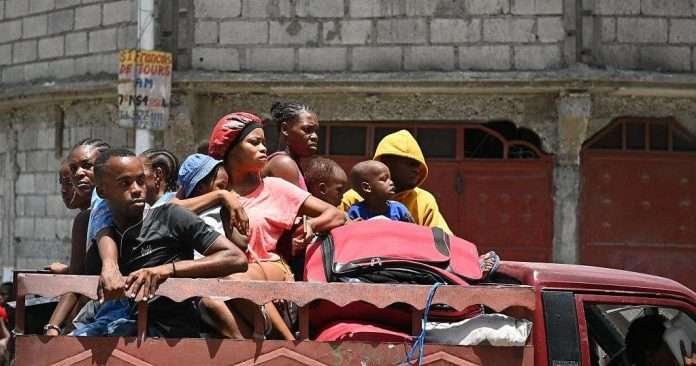
    Residents of Carrefour-Feuille in the Haitian capital Port-au-Prince had to flee their homes Friday to escape another bout of gang violence. All morning, people left the area in a hurry, holding their few remaining possessions tightly. The once peaceful neighborhood has now become a hotbed of insecurity and instability.

    The recent surge in gang attacks near the affluent neighborhood has left several families displaced, seeking shelter and safety elsewhere. Gang members armed with firearms and machetes have been terrorizing the community, instilling fear and forcing residents to abandon their homes.

    Local authorities have struggled to contain the growing violence in the area. The police force, already overwhelmed by the rise in gang-related crimes, is stretched thin, unable to provide adequate protection to the residents. The lack of security measures has made it difficult for people to live a normal life in Carrefour-Feuille, where fear and uncertainty now prevail.

    “We are living in constant fear. We can’t sleep at night, and our children are terrified,” said Marie, a resident of Carrefour-Feuille. “The gangs roam freely, and we have no one to turn to for help.”

    This recent escalation in violence has left the community in a state of shock, as Carrefour-Feuille was once known for its tranquility and vibrant culture. The displacement of families reflects the grim reality that many Haitians face on a daily basis, as they are forced to leave their homes behind due to the ever-increasing threat of violence.

    In response to the deteriorating security situation, civil society organizations and activists have called on the government to take immediate action. They demand enhanced security measures and the deployment of additional resources to restore peace and stability in Carrefour-Feuille and the surrounding areas.

    “It is imperative that the government prioritize the safety and well-being of its citizens,” said Jean-Claude, a local activist. “The people of Carrefour-Feuille deserve to live in peace, free from the constant threat of violence.”

    The current situation in Carrefour-Feuille highlights the underlying challenges facing Haiti, including widespread poverty, political instability, and inadequate infrastructure. Addressing these issues is essential to ensuring the safety and prosperity of all Haitians.

    As the crisis in Carrefour-Feuille continues to unfold, it is crucial for the international community to extend its support to the Haitian government and the affected residents. Collaborative efforts are needed to restore law and order, provide assistance to the displaced families, and create sustainable solutions for a brighter future.

    Together, we can work towards a Haiti where every citizen can live without fear, and neighborhoods like Carrefour-Feuille can reclaim their peaceful existence.

    Sources:
    – Africanews.com
    – Google.com

    Gabon: Fate Hangs in the Balance as Presidential Election Decides Nation’s Future

    0
    Read Time:2 Minute, 15 Second

    Libreville, Gabon – (African Boulevard News) – The Gabonese people are heading to the polls today to cast their votes in the fiercely contested presidential election. The incumbent President Ali Bongo Ondimba seeks a third term in office, facing off against his main opponent, Albert Ondo Ossa, who has garnered significant support from the opposition.

    The election campaign has been marked by intense political rallies and heated debates, as both candidates vie for the support of the Gabonese people. President Bongo, the son of the late long-time ruler Omar Bongo, has been in power since 2009. His bid for a third term has stirred controversy and sparked protests in the lead-up to the elections.

    Critics argue that allowing President Bongo to extend his rule will undermine democratic principles and consolidate power within the ruling party. They have called for a change in leadership, citing economic hardships and a desire for a more inclusive government.

    On the other hand, supporters of President Bongo highlight his achievements over the past years, including infrastructure development and efforts to diversify the economy. They believe that his experience and vision are crucial for advancing Gabon’s progress and maintaining stability in the country.

    Albert Ondo Ossa, the president’s main challenger, has emerged as a formidable opponent, promising to bring change and address the concerns of the Gabonese people. Ossa has gained support from a broad coalition of opposition parties, who view him as the candidate who can bring about the much-needed reforms.

    As the country awaits the results, international observers have arrived in Gabon to monitor the electoral process and ensure its transparency. The African Union and other regional bodies have called for a peaceful and credible election, appealing to all stakeholders to respect the will of the people.

    In the buildup to the elections, President Bongo emphasized the importance of a peaceful transition of power, vowing to respect the outcome of the elections. “Gabon is a democracy, and the will of the people must be respected,” he said.

    The outcome of the election will have significant implications for the future of Gabon and its political landscape. Regardless of the result, it is crucial that the country remains united and focused on addressing the socio-economic challenges that lie ahead.

    As the final votes are cast and the counting begins, all eyes are on Gabon to see who will emerge as the leader of the nation. The results will shape the destiny of a country in search of stability and progress, and the Gabonese people eagerly await the outcome of this crucial election.

    URLs:
    1. Africanews – Elections in Gabon: President Bongo seeks third term
    2. Google Search – Elections in Gabon: President Bongo seeks third term

    Angola: A New Era of Economic Growth and Friendship Begins with Brazil

    0
    Read Time:2 Minute, 30 Second

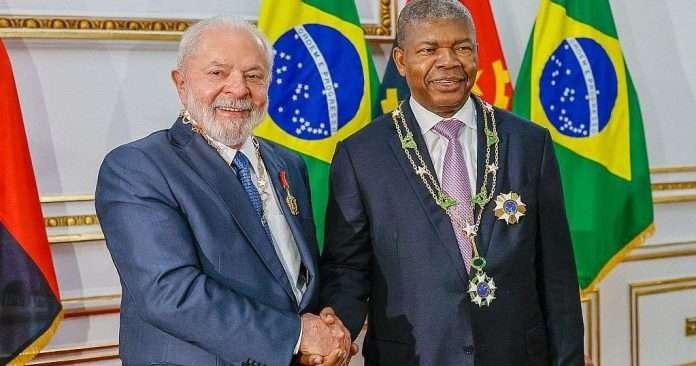
    Luanda, Angola – (African Boulevard News) – Angola and Brazil have recently joined hands to strengthen and relaunch their cooperation efforts, marking a new chapter in their bilateral relations. President Joao Lourenço of Angola warmly welcomed his Brazilian counterpart, Luiz Inácio Lula da Silva, at the presidential palace in Luanda on Thursday. This visit takes place on the heels of the conclusion of the BRICS (Brazil, Russia, India, China, and South Africa) summit held in Angola’s capital.

    The meeting between the two leaders opened up discussions on various areas of collaboration, including trade, investment, and cultural exchanges. Both countries expressed their commitment to enhancing economic ties and exploring new avenues for cooperation. Angola, with its rich natural resources, presents an attractive destination for Brazilian investors seeking to tap into Africa’s burgeoning markets.

    President Joao Lourenço emphasized the importance of strengthening the South-South cooperation between Angola and Brazil. He stated, “We are confident that this visit will mark a turning point in our bilateral relations and will lead to new ventures and increased trade between our two countries.” The Angolan President further highlighted the need for closer collaboration in sectors such as agriculture, infrastructure development, and renewable energy.

    Brazilian President Lula da Silva echoed President Lourenço’s sentiments, stating, “We see Angola as a strategic partner, and we believe that by working together, we can unlock immense potential for growth and development.” He emphasized the importance of diversifying the trade portfolio between the two countries and exploring opportunities in sectors such as technology, healthcare, and education.

    Experts believe that this renewed partnership between Angola and Brazil has the potential to contribute significantly to the economic development of both nations. The collaboration can enhance job creation, boost investment flows, and promote knowledge sharing and innovation.

    The economies of Angola and Brazil complement each other in various aspects. Angola’s vast oil and diamond reserves, along with its agricultural potential, coupled with Brazil’s technological expertise and manufacturing capabilities, form a solid foundation for mutually beneficial cooperation.

    This strategic alliance between Angola and Brazil is not only significant in terms of economic ties but also in terms of cultural exchange. Both countries share historical and cultural bonds, which can be further strengthened through initiatives promoting people-to-people exchanges, tourism, and cultural events.

    As Angola and Brazil embark on this journey of revitalizing their cooperation, it is anticipated that their collaboration will yield fruitful outcomes for the benefit of both nations. This renewed commitment reflects the growing importance of South-South cooperation in the global arena and sets a positive precedent for other countries to follow.

    In conclusion, Angola and Brazil are set to deepen their ties through strengthened economic cooperation, investment, and cultural exchanges. The visit of President Lula da Silva to Angola signifies the beginning of a new chapter in the bilateral relations between the two nations. As they collaborate and explore new avenues for growth, Angola and Brazil are poised to unlock immense potential and contribute to each other’s development in the years to come.

    Source: Africanews