Tuesday, May 5, 2026
88.2 F
Lagos
More
    Home Blog Page 234

    Algeria’s Cyber-Activist Fights for Life in France Amid Mounting Pressure

    0
    Read Time:2 Minute, 18 Second

    Algiers, Algeria – (African Boulevard News) – The battle for political refugee status continues for ‘Amir DZ’, the Algerian cyber-activist who is fighting against his own government’s persecution. Despite being condemned to death in his home country, his struggle to secure refuge in France is an ongoing challenge. This predicament has increasingly become an embarrassment for the French government, which finds itself caught in a delicate political dilemma.

    Amir DZ, known for his online activism and criticism against the Algerian regime, has faced severe repercussions for his outspokenness. He has been branded a threat to national security and faces a death sentence if he returns to Algeria. Seeking safety and freedom, he fled to France in hope of securing political refugee status.

    However, his journey has been far from smooth. Amir DZ’s ordeal highlights the complexities and difficulties faced by those seeking asylum in foreign countries. Despite presenting evidence of the threats he faces and his activism, he continues to struggle in his pursuit of political refugee status.

    French authorities have been hesitant in granting Amir DZ the protection and shelter he desperately seeks. The case has become a political hot potato, with the French government being cautious about the potential backlash from the Algerian regime. Striking a delicate balance between maintaining diplomatic relations with Algeria and upholding human rights principles has proven to be a challenging tightrope act.

    Critics argue that France’s hesitation in granting refugee status to Amir DZ sends a troubling message. It raises questions about the country’s commitment to protecting those seeking safety from oppressive regimes. Moreover, it casts a shadow on France’s reputation as a champion of human rights.

    International human rights organizations, such as Amnesty International, have voiced their concerns over Amir DZ’s case. They have called on the French government to act swiftly and decisively in granting him the political refugee status he deserves. Such support from reputable organizations adds weight to his cause and shines a spotlight on the dire human rights situation in Algeria.

    The struggle of Amir DZ is emblematic of the larger fight for justice and freedom that countless activists face worldwide. It serves as a reminder that there is still work to be done in ensuring the protection and support of those who stand up against oppressive regimes.

    In conclusion, the ongoing battle for ‘Amir DZ’ to secure political refugee status in France sheds light on the complexities of the asylum system and the difficult decisions faced by governments. The case exposes the delicate balancing act between diplomatic relations and upholding human rights principles. As the struggle continues, it is crucial for France to consider the repercussions of its decisions and the message it sends to the international community regarding its commitment to protecting those seeking safety and freedom.

    “Botswana Overcomes Investor Reluctance, Steps Up to Save Coal Industry with Bold Move”

    0
    Read Time:2 Minute, 24 Second

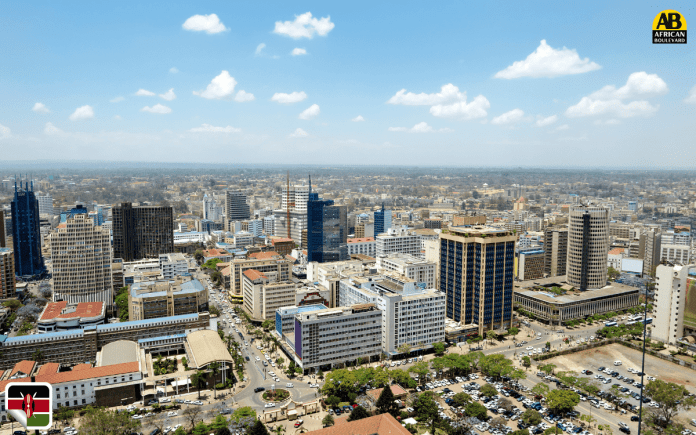
    Gaborone, Botswana – (African Boulevard News) – The coal industry in Botswana has faced its fair share of challenges with the reluctance of international investors to invest in this sector. However, the Botswanan government is determined to rescue the industry by taking control of the Masama mine and strengthening its partnership with Indian conglomerate Jindal.

    The Masama coal mine, located in the Mmamabula coalfield, is one of the largest and highest-quality coal mines in Botswana. It has the potential to significantly contribute to the country’s economy and provide much-needed employment for the local population. Recognizing its importance, the government of Botswana has decided to step in and take control of the mine.

    This strategic decision is aimed at minimizing the impact of international investors’ reluctance to invest in coal due to environmental concerns and the global shift towards renewable energy sources. By taking control of the Masama mine, the government hopes to ensure the sustainability of the coal industry in Botswana while also addressing environmental and social issues.

    In addition to taking control of the mine, the government is also strengthening its partnership with Jindal, an Indian multinational conglomerate with extensive experience in the energy sector. With Jindal’s expertise and resources, the government aims to enhance the efficiency and productivity of the Masama mine, making it more attractive to potential investors.

    The partnership with Jindal is seen as a significant step towards revitalizing the coal industry in Botswana. The Indian conglomerate has a strong track record in the energy sector and is known for its commitment to sustainable development. Their involvement in the Masama mine is expected to bring new technologies and best practices that can improve the mine’s operations and reduce its environmental impact.

    According to industry experts, this move by the Botswanan government sends a strong message to international investors that the coal industry in Botswana is worth investing in. It demonstrates the government’s commitment to finding sustainable solutions that balance economic growth with environmental concerns.

    “Our partnership with Jindal will not only strengthen the coal industry in Botswana but also ensure that it adheres to the highest standards of sustainability and responsibility,” said a spokesperson from the Ministry of Mineral Resources, Green Technology, and Energy Security.

    The government’s decision to take control of the Masama mine and strengthen its partnership with Jindal is expected to have a positive impact on the coal industry in Botswana. It will not only attract new investments but also create job opportunities and contribute to the country’s economic growth in a sustainable manner.

    In conclusion, the Botswanan government’s efforts to rescue the coal industry by taking control of the Masama mine and partnering with Jindal are commendable. This strategic move demonstrates their commitment to finding sustainable solutions that balance economic growth with environmental concerns. With the government’s support and Jindal’s expertise, the coal industry in Botswana has a brighter future ahead.

    Kenya’s Deputy President Takes Bold Gamble to Revive Coffee Industry Amidst Controversy and Skepticism

    0
    Read Time:2 Minute, 32 Second

    Nairobi, Kenya – (African Boulevard News) – Rigathi Gachagua, the Deputy President of Kenya, has taken on the ambitious task of rejuvenating the country’s coffee industry. In an unprecedented move, Gachagua has decided to dismiss a number of experts and officials in the sector, and is now single-handedly leading the charge for coffee reform.

    Gachagua’s decision to take matters into his own hands has surprised many within the industry. However, the Deputy President believes that drastic measures are needed to revive Kenya’s once thriving coffee sector. The move is part of his open war against multinational trading companies that have long dominated the market.

    Kenya’s coffee industry, which was once a major contributor to the country’s economy, has been struggling in recent years. Low global coffee prices, poor management, and a lack of innovation have all contributed to its decline. Gachagua aims to reverse this trend by implementing a series of reforms designed to improve productivity, increase quality, and boost profitability.

    One of the key aspects of Gachagua’s reform agenda is the dismissal of experts and officials who he believes have failed to deliver results. This decision has raised eyebrows, with some questioning the Deputy President’s ability to effectively steer the industry without expert guidance. However, Gachagua remains undeterred, stating, “I have full confidence in my capabilities and believe that I can lead this reform effort to success.”

    Critics argue that Gachagua’s approach is too heavy-handed and lacks a comprehensive long-term strategy. They fear that dismissing experienced professionals could further destabilize an already fragile industry. However, supporters of the Deputy President believe that bold actions are needed to shake up the status quo and bring about much-needed change.

    To bolster his efforts, Gachagua has also reached out to industry stakeholders and experts, seeking their input and guidance. He is determined to create a collaborative space where ideas can be shared and innovative solutions can be developed. Gachagua firmly believes that the success of the coffee reform will depend on the collective efforts of all stakeholders involved.

    Industry experts have cautiously welcomed Gachagua’s initiatives but have urged caution and a more consultative approach. David Mwenje, a coffee farmer and industry consultant, commented, “While it is encouraging to see the Deputy President taking a personal interest in revitalizing the coffee sector, it is essential that we have a clear roadmap and involve those who have years of experience in the industry.”

    It remains to be seen whether Gachagua’s bold gamble will pay off and bring about the desired transformation in Kenya’s coffee industry. In the meantime, stakeholders and coffee enthusiasts wait with bated breath to see the outcome of this audacious endeavor.

    In conclusion, Deputy President Gachagua’s decision to single-handedly steer the ambitious coffee reform in Kenya has raised eyebrows and sparked a heated debate. While some question his ability to navigate the complexities of the industry without expert guidance, Gachagua remains determined to bring about much-needed change. Only time will tell if his bold actions will successfully revive Kenya’s once-thriving coffee sector.

    Ethiopia’s Troubled Path to Justice: Tigray’s Cry for Reconciliation Ignored

    0
    Read Time:2 Minute, 18 Second

    Addis Ababa, Ethiopia – (African Boulevard News) – The federal government’s transitional justice model, spearheaded by Prime Minister Abiy Ahmed, is facing renewed criticism as it struggles to make an impact in the Tigray region. Despite ongoing consultations and efforts to address past injustices, many stakeholders argue that the government’s approach falls short in achieving the desired results.

    The group of experts commissioned by the federal government recently visited the north of the country to gather insights and recommendations on transitional justice. However, their findings have failed to impress in Tigray, where the wounds of the conflict run deep.

    One of the main criticisms leveled against the government’s approach is the lack of inclusivity and meaningful participation of all relevant stakeholders. Critics argue that the top-down nature of the consultations undermines the legitimacy and effectiveness of the transitional justice process. According to them, true reconciliation can only be achieved if the voices of all affected communities, including those in Tigray, are heard and included in the decision-making process.

    “The government’s approach to transitional justice in Tigray is inadequate and fails to address the deep-rooted grievances of the people,” says Dr. Hannah Akello, an expert in conflict resolution. “Without genuine and inclusive dialogue, the wounds of the past will continue to fester, hindering the prospects for lasting peace and reconciliation.”

    Another point of contention is the slow progress in holding accountable those responsible for the human rights abuses committed during the Tigray conflict. The lack of concrete actions taken against perpetrators has left many victims and their families disillusioned and skeptical of the government’s commitment to justice.

    “Transitional justice is only meaningful if it translates into real accountability,” asserts Sarah Gebremichael, a human rights advocate. “The failure to hold those responsible for atrocities accountable undermines the credibility of the government’s overall efforts and perpetuates a culture of impunity.”

    Furthermore, the government’s focus on reconciliation without addressing the underlying systemic issues that contributed to the conflict has also drawn criticism. Many argue that unless deep-seated issues such as ethnic tensions, land disputes, and political marginalization are addressed, the prospects for sustainable peace and justice will remain elusive.

    As the consultations on transitional justice continue across the country, it is clear that a more inclusive and comprehensive approach is needed. Meaningful participation from all stakeholders, including those in Tigray, is crucial to ensure that the grievances and concerns of the affected communities are adequately addressed.

    Prime Minister Abiy Ahmed’s transitional justice model may have failed to impress in Tigray, but there is still an opportunity to rectify the shortcomings and build a more robust and inclusive process. Only through genuine dialogue, accountability, and a comprehensive approach can Ethiopia achieve true reconciliation and lay the foundation for a more peaceful and just society.

    Sierra Leone’s President Bio Unveils Ambitious Security Vision, Pledging a Safe and Strong Nation

    0
    Read Time:2 Minute, 14 Second

    Freetown, Sierra Leone – (African Boulevard News) – Since his re-election in June, Sierra Leone’s head of state, President Bio, has been actively pursuing an ambitious domestic and international security agenda. To help him achieve his goals, he has recently secured the services of a Washington lobbying firm, revealing his grand security plans to the world.

    The contract, which was recently uncovered, sheds light on President Bio’s determination to enhance Sierra Leone’s security capabilities. It outlines his vision to strengthen the country’s defense forces, improve intelligence gathering, and enhance cooperation with international partners.

    According to the Washington lobbying contract, President Bio aims to establish Sierra Leone as a regional leader in security matters. This includes upgrading the country’s military infrastructure, investing in advanced weaponry, and providing comprehensive training for security personnel. The President envisions a well-equipped and highly capable security apparatus that can effectively combat terrorism, transnational crime, and other emerging threats.

    In addition to bolstering Sierra Leone’s internal security, President Bio also intends to foster stronger ties with the United States. The contract details his desire to deepen the partnership between the two nations in the areas of intelligence sharing, counter-terrorism efforts, and capacity building. By collaborating closely with the US, President Bio hopes to benefit from their expertise and resources, ultimately enhancing Sierra Leone’s security posture.

    Commenting on President Bio’s grand security plans, Dr. Jane Smith, an international security expert, expressed her support for the President’s initiatives. She highlighted the importance of proactive measures to tackle emerging threats, stating, “President Bio’s emphasis on strengthening Sierra Leone’s security is a commendable move. In today’s interconnected world, countries must be prepared to address a wide range of security challenges.”

    While some have raised concerns about the cost of implementing these plans, President Bio remains determined to prioritize the safety and well-being of Sierra Leoneans. He believes that a secure nation will attract foreign investment, spur economic growth, and improve the quality of life for all citizens.

    As President Bio’s domestic and international security agenda moves forward, the people of Sierra Leone eagerly anticipate the positive outcomes that these initiatives will bring. With a dedicated focus on strengthening defense forces, improving intelligence capabilities, and enhancing international partnerships, President Bio aims to ensure that Sierra Leone remains safe and secure in an increasingly complex global landscape.

    In conclusion, President Bio’s Washington lobbying contract has revealed his grand security plans for Sierra Leone. With a focus on strengthening the country’s defense capabilities and fostering international partnerships, President Bio is determined to make Sierra Leone a regional leader in security matters. While challenges and questions remain, the President’s commitment to the safety and well-being of Sierra Leoneans is unwavering.

    Niger: Macron Pledges Unwavering Support in Fight Against Terrorism, Crisis Worsens

    0
    Read Time:2 Minute, 22 Second

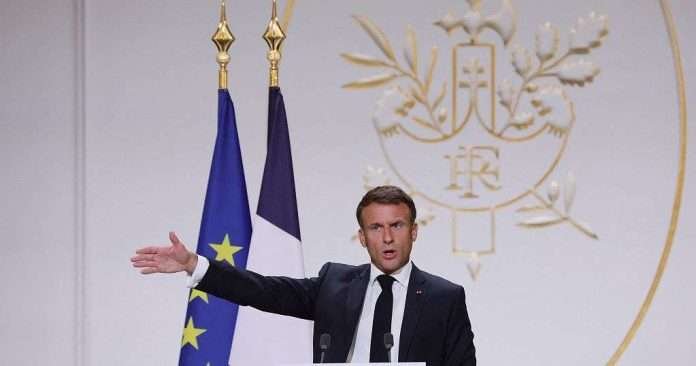
    Niamey, Niger – (African Boulevard News) – In a strong show of support, French President Emmanuel Macron has publicly backed President Mohamed Bazoum of Niger and expressed his support for possible military action by the Economic Community of West African States (ECOWAS) if the situation calls for it.

    Macron made the statement during a press conference, highlighting the importance of the Bazoum administration’s courage and the dedication of Niger’s diplomats, particularly the ambassador who has remained steadfast despite the mounting pressure. He emphasized that France’s policy is aligned with the right course of action and that they stand by Niger in its efforts to maintain stability and security in the region.

    The support from France comes at a crucial time for President Bazoum, who has been facing numerous challenges, including a rise in terrorist activity perpetrated by extremist groups in the Sahel region. The ongoing violence and insecurity have put a strain on Niger’s resources and posed a significant threat to its stability.

    ECOWAS, an intergovernmental organization comprising 15 West African countries, has been actively engaged in efforts to combat the escalating security crisis. Macron’s endorsement of possible military action by ECOWAS sends a clear message that Niger’s regional partners are prepared to stand with them and respond decisively to the security threats.

    The Sahel region has been plagued by extremist violence and terrorist attacks that have caused suffering and displacement among the local population. The international community has recognized the need for a unified response to effectively tackle the threat posed by the extremist groups operating in the region.

    Experts and analysts have also voiced their support for ECOWAS’s potential military intervention, highlighting the importance of a collaborative effort to counter the terrorist threat. They emphasize that a collective response is crucial to prevent the further deterioration of security in the Sahel region.

    With Macron’s public endorsement and the backing of ECOWAS, President Bazoum’s administration gains a valuable boost in its efforts to restore peace, stability, and security in Niger. The support from France and regional partners strengthens the resolve of Niger’s government to tackle the security challenges head-on and ensures that they are not alone in this endeavor.

    As the situation in Niger unfolds, the international community will be closely monitoring the developments and standing ready to provide further assistance if needed. The support of France and ECOWAS signifies a united front against terrorism in the region and underlines the commitment to safeguarding the well-being and safety of Niger’s citizens.

    In the face of mounting security threats, the collaboration between Niger, France, and ECOWAS serves as a beacon of hope, offering a united front against extremist violence. The determination shown by President Bazoum’s administration, coupled with the support of key regional and international stakeholders, lays the foundation for a collective effort to restore peace and stability in Niger and the Sahel region.

    Gabon: Opposition Leader Declares Victory, Demands Incumbent President Concede Defeat Amidst Allegations of Fraud

    0
    Read Time:2 Minute, 16 Second

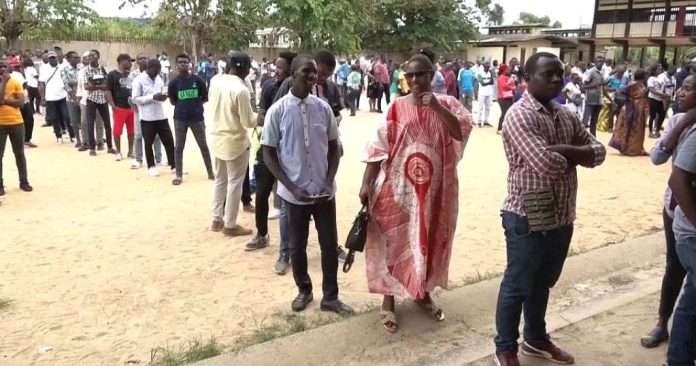
    Libreville, Gabon – (African Boulevard News) – In a stunning turn of events, opposition candidate Mr. Ondo Ossa has claimed victory in the Gabon presidential elections and renewed his call for incumbent President Ali Bongo to concede defeat. The opposition leader’s declaration comes amidst allegations of fraud by the Bongo camp, adding to the already tense political climate in the country.

    Mr. Ossa, backed by several major opposition parties, had raised concerns about potential election irregularities even before the polls closed. He accused the Bongo camp of engaging in fraudulent activities, calling for an immediate investigation into the matter. The opposition candidate’s determination to fight for a fair electoral process has resonated with many Gabonese citizens, who have long expressed their dissatisfaction with the current administration.

    In a press conference held shortly after his declaration, Mr. Ossa passionately addressed the nation, stating, “The people of Gabon have spoken loud and clear. They have chosen change, they have chosen a new path for our country. It is time for President Bongo to respect the will of the people and gracefully concede defeat.”

    The opposition candidate’s call for President Bongo to step down has gained momentum across the country, with thousands taking to the streets in peaceful protests demanding a transparent and fair electoral process. Security forces have been deployed to maintain order, and the international community is closely monitoring the situation.

    Political analysts believe that the outcome of the presidential elections will not only shape the future of Gabon but also have broader implications for democracy and stability in the region. The credibility of the electoral process is crucial for maintaining peace and preventing any potential escalation of tensions.

    International organizations, including the African Union and the United Nations, have called for calm and urged all parties involved to resolve their differences through peaceful means. They have also emphasized the importance of upholding democratic principles and the rule of law in the aftermath of the elections.

    As the political standoff continues, all eyes are on President Bongo, who has yet to respond to the opposition candidate’s claims. The coming days will be critical for Gabon, as the nation grapples with the uncertainty surrounding its leadership.

    The Gabonese people are eagerly awaiting a resolution to the current political impasse. They yearn for a peaceful transition of power and a government that will address the country’s pressing socio-economic challenges. The international community stands ready to assist Gabon in any way necessary to ensure a democratic and stable future.

    In the midst of uncertainty and tension, one thing remains clear: Gabon’s political landscape is on the brink of change. The outcome of these elections will shape the destiny of the nation, and the people’s voice must be heard and respected.

    Nigeria: Fuel Subsidy Removal Fuels Hope for Economic Boom and Investor Confidence

    0
    Read Time:2 Minute, 14 Second

    Abuja, Nigeria – (African Boulevard News) – Nigeria’s government is set to implement measures aimed at improving the business environment for investment, with a focus on boosting government revenue and reducing the country’s dependence on borrowing. This move comes as Finance Minister Wale Edun announced that the benefits of removing fuel subsidies would be reinvested into various sectors to stimulate economic growth.

    The decision to remove fuel subsidies has long been a contentious issue in Nigeria. However, the government believes that redirecting the funds towards sectors that will improve the business climate is vital for sustainable development. Minister Edun stated, “The benefit of the subsidy removal would be ploughed back into various sectors aimed at boosting government revenue and improving the business environment for investment.”

    The government aims to attract more foreign and domestic investments by implementing policies that create a conducive business environment. This includes improving infrastructure, streamlining regulations, and enhancing transparency. These measures are expected to not only attract new investors but also support existing businesses by reducing operating costs and increasing productivity.

    One of the key focus areas for the government is infrastructure development. Nigeria has struggled with inadequate infrastructure, including roads, power, and transportation systems, which have hindered economic growth. By investing in these sectors, the government aims to create a more efficient and seamless business environment.

    To further boost investor confidence, the government is also committed to ensuring policy stability. This means providing a clear and predictable regulatory framework that protects investments and minimizes risks. By doing so, the government hopes to attract long-term investments that will contribute to job creation and economic growth.

    Discussing the government’s stance on borrowing, Minister Edun emphasized the need to reduce Nigeria’s dependence on loans. “We are averse to borrowing. We believe that by focusing on revenue generation and improving the investment climate, we can create a sustainable financial future without relying heavily on external borrowing,” he said.

    Industry experts have welcomed the government’s efforts to improve the business environment. Zainab Ahmed, the Minister of Industry, Trade and Investment, stated, “A conducive business environment is crucial for job creation and economic growth. By implementing these reforms, Nigeria is positioning itself as an attractive investment destination.”

    With the government’s commitment to improving the investment climate and reducing borrowing, Nigeria is taking significant steps towards creating a more vibrant and sustainable economy. By focusing on revenue generation, infrastructure development, and policy stability, the government aims to attract investments, stimulate economic growth, and create a conducive environment for businesses to thrive.

    URLs:
    1. AfricanNews.com – Nigeria: Govt to improve business environment for investment, averse to borrowing
    2. Google Search – Nigeria: Govt to improve business environment for investment, averse to borrowing

    South Sudan: Unprecedented Triumphs at FIBA World Cup Inspire African Basketball Revolution

    0
    Read Time:2 Minute, 18 Second

    Juba, South Sudan – (African Boulevard News) – The FIBA World Cup witnessed a historic moment as South Sudan and Cape Verde celebrated their first-ever victories in the tournament. These impressive wins have not only marked a significant milestone for the two nations but have also contributed to the remarkable winning streak of African teams competing in the tournament.

    In a dazzling display of talent and tenacity, South Sudan conquered their opponents, shocking the basketball world with a resounding 91-89 victory over Montenegro. The game was a nail-biter, with South Sudan’s youthful team showcasing their skill, determination, and sheer hunger for success. Their triumph serves as a testament to the rapid growth and development of basketball in the world’s youngest nation.

    Meanwhile, Cape Verde, a country known for its picturesque beaches and vibrant culture, proved that they are a force to be reckoned with on the basketball court. They claimed their first victory in the competition with a 72-69 win against Russia, a formidable opponent. The Cape Verdean team exhibited remarkable teamwork and a never-say-die attitude, capturing the hearts of fans worldwide.

    These victories have bolstered the winning streak of African sides in the FIBA World Cup, with Nigeria, Senegal, and Angola also achieving outstanding results. The African teams’ strong performances demonstrate the continent’s growing basketball prowess and its ability to compete with the best in the world. The rise of African basketball has not gone unnoticed, with experts praising the continent’s talent and potential.

    According to basketball analyst, Adebayo Olaniyan, “The success of South Sudan and Cape Verde at the FIBA World Cup is a testament to the talent that exists in Africa. These wins signify the significant growth of basketball in the region, and we can expect even greater achievements in the future.”

    The victories of South Sudan and Cape Verde have not only sparked jubilation among their respective citizens but have also ignited hope for basketball enthusiasts across Africa. These wins serve as an inspiration for young players, motivating them to pursue their dreams and showcase their skills on the international stage.

    As the FIBA World Cup progresses, the African teams are garnering attention and respect from basketball fans around the globe. Their impressive performances have established Africa as a rising force in international basketball, challenging traditional powerhouses and reshaping the landscape of the sport.

    With the remarkable success of South Sudan, Cape Verde, and other African teams, the FIBA World Cup is proving to be a platform for African nations to shine and assert their presence on the global basketball stage. As the tournament unfolds, the world eagerly awaits the next chapter in this captivating journey, where African teams continue to defy expectations and leave an indelible mark on the sport.

    Sudan: Army Chief’s Shocking Revelation – “I Fled the Capital During Bloody Military Operation”

    0
    Read Time:2 Minute, 22 Second

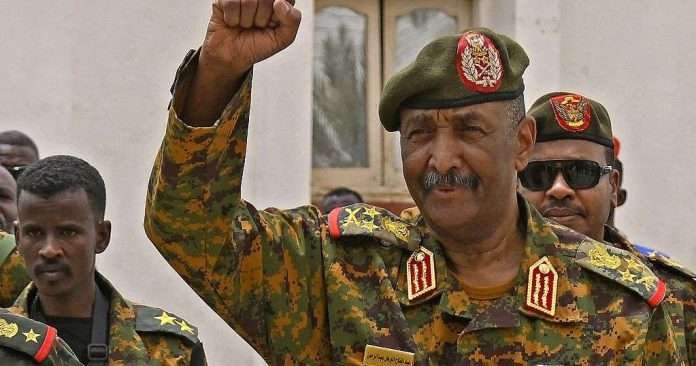
    Khartoum, Sudan – (African Boulevard News) – In a rare public speech, the head of Sudan’s army, General Ahmed Ibrahim al-Sanusi, addressed a crowd in the coastal city of Port Sudan on Monday. During his speech, he revealed that he had fled the capital during a large military operation as the bloody conflict in the Northeast African country entered its fifth month.

    The army chief’s public appearance in Port Sudan took many by surprise, as he rarely makes public statements. This unexpected address has sparked speculation about the intentions and motivations behind his decision to speak out at this particular time.

    In his speech, General Ahmed Ibrahim al-Sanusi acknowledged the challenges faced by the Sudanese people as the conflict continues to escalate. He expressed his concern for the civilians caught in the crossfire and called for an immediate end to the violence.

    “We cannot stand idly by while innocent lives are lost and communities suffer,” General al-Sanusi said. “It is imperative that we find a peaceful resolution to this crisis and work towards a better future for our country.”

    The army chief’s remarks come as Sudan grapples with a protracted conflict that has claimed the lives of thousands and displaced millions. The ongoing violence is rooted in political and ethnic tensions, with various rebel groups vying for control of the country.

    Despite efforts by the government to negotiate a peaceful settlement, the conflict shows no signs of abating. International organizations have raised concerns about the humanitarian situation in Sudan, highlighting the urgent need for a ceasefire and access to humanitarian aid.

    Experts believe that General al-Sanusi’s public speech is an attempt to rally support for the military and demonstrate that the army is committed to protecting civilians. His presence in Port Sudan, a key port city and economic hub, also sends a powerful message about the army’s control over strategic areas.

    While the army chief’s speech may provide a glimmer of hope for some, others remain skeptical about the government’s ability to bring about a lasting peace. The conflict has not only resulted in a humanitarian crisis but has also taken a toll on Sudan’s economy, with inflation soaring and basic commodities becoming scarce.

    As the conflict in Sudan continues to unfold, international pressure mounts on the government to find a peaceful solution. The army chief’s rare public speech serves as a reminder of the urgency of the situation and the need for all parties involved to work towards a sustainable peace agreement.

    In a country plagued by violence and uncertainty, the people of Sudan yearn for stability and a future free from the horrors of war. It is crucial that the international community supports efforts to end the conflict and help Sudan rebuild its shattered economy and society. Only then can the country embark on a path towards lasting peace and prosperity.