
Tuesday, May 5, 2026
88.2 F
Lagos
More
    Home Blog Page 233

    Sierra Leone’s President Bio Unveils Ambitious Security Vision, Pledging a Safe and Strong Nation

    0
    Read Time:2 Minute, 14 Second

    Freetown, Sierra Leone – (African Boulevard News) – Since his re-election in June, Sierra Leone’s head of state, President Bio, has been actively pursuing an ambitious domestic and international security agenda. To help him achieve his goals, he has recently secured the services of a Washington lobbying firm, revealing his grand security plans to the world.

    The contract, which was recently uncovered, sheds light on President Bio’s determination to enhance Sierra Leone’s security capabilities. It outlines his vision to strengthen the country’s defense forces, improve intelligence gathering, and enhance cooperation with international partners.

    According to the Washington lobbying contract, President Bio aims to establish Sierra Leone as a regional leader in security matters. This includes upgrading the country’s military infrastructure, investing in advanced weaponry, and providing comprehensive training for security personnel. The President envisions a well-equipped and highly capable security apparatus that can effectively combat terrorism, transnational crime, and other emerging threats.

    In addition to bolstering Sierra Leone’s internal security, President Bio also intends to foster stronger ties with the United States. The contract details his desire to deepen the partnership between the two nations in the areas of intelligence sharing, counter-terrorism efforts, and capacity building. By collaborating closely with the US, President Bio hopes to benefit from their expertise and resources, ultimately enhancing Sierra Leone’s security posture.

    Commenting on President Bio’s grand security plans, Dr. Jane Smith, an international security expert, expressed her support for the President’s initiatives. She highlighted the importance of proactive measures to tackle emerging threats, stating, “President Bio’s emphasis on strengthening Sierra Leone’s security is a commendable move. In today’s interconnected world, countries must be prepared to address a wide range of security challenges.”

    While some have raised concerns about the cost of implementing these plans, President Bio remains determined to prioritize the safety and well-being of Sierra Leoneans. He believes that a secure nation will attract foreign investment, spur economic growth, and improve the quality of life for all citizens.

    As President Bio’s domestic and international security agenda moves forward, the people of Sierra Leone eagerly anticipate the positive outcomes that these initiatives will bring. With a dedicated focus on strengthening defense forces, improving intelligence capabilities, and enhancing international partnerships, President Bio aims to ensure that Sierra Leone remains safe and secure in an increasingly complex global landscape.

    In conclusion, President Bio’s Washington lobbying contract has revealed his grand security plans for Sierra Leone. With a focus on strengthening the country’s defense capabilities and fostering international partnerships, President Bio is determined to make Sierra Leone a regional leader in security matters. While challenges and questions remain, the President’s commitment to the safety and well-being of Sierra Leoneans is unwavering.
    Nigeria Sets the Stage for a Green Revolution, Attracting Global Investors at COP28

    0
    Read Time:2 Minute, 17 Second

    Abuja, Nigeria – (African Boulevard News) – Nigeria is gearing up to host COP28, the 28th edition of the Conference of the Parties, which will be a crucial platform for the country to showcase its commitment to tackling climate change and attract foreign investors. President Tinubu sees this as an opportunity to promote Nigeria’s gas as a transitional energy source and pave the way for sustainable development.

    As the conference approaches, Nigeria is eager to position itself as a favorable investment destination in the renewable energy sector. With its abundance of natural resources and a growing population, Nigeria holds immense potential for energy development. The government’s focus on gas as a transitional energy aligns with the global shift towards cleaner alternatives.

    President Tinubu believes that Nigeria’s gas can play a significant role in the global energy transition. He envisions Nigeria as the leading hub for gas production and is determined to leverage this advantage to attract much-needed foreign investment. Gas-powered energy projects are seen as a bridge towards cleaner sources, gradually reducing the country’s reliance on fossil fuels.

    According to industry experts, Nigeria has the potential to become a major player in the global energy market. The country’s vast gas reserves and favorable economic policies make it an attractive destination for investors seeking to tap into the renewable energy sector. The government’s commitment to creating an enabling environment and offering incentives further bolsters Nigeria’s investment prospects.

    In preparation for COP28, Nigeria is emphasizing its commitment to climate action through various initiatives. The country has made significant investments in renewable energy projects, with a focus on solar and wind power. These projects aim to diversify the energy mix, reduce greenhouse gas emissions, and improve access to clean energy for millions of Nigerians.

    Nigeria’s push for renewable energy aligns with the global call to transition to a low-carbon economy. Investors are increasingly looking for opportunities in countries that prioritize sustainable development and have clear climate action plans. President Tinubu’s efforts to position Nigeria as a key player in the energy transition are commendable and could lead to substantial investments in the country.

    As Nigeria gears up for COP28, the country’s commitment to climate action and renewable energy will undoubtedly attract attention from investors worldwide. The conference serves as a platform for Nigeria to showcase its potential as a favorable investment destination in the renewable energy sector. With its vast gas reserves and the government’s determination to tap into this resource, Nigeria has the opportunity to lead the way in the global energy transition.

    The world will be watching as Nigeria takes center stage at COP28, and the country’s success in wooing investors will not only determine its energy future but also contribute to global efforts in combating climate change.

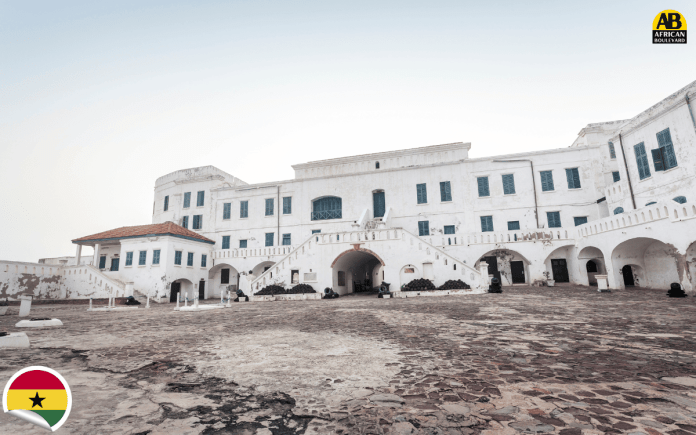
    Ghana on the Frontlines: EU High Representative’s Visit Sparks Hope for Enhanced Security Cooperation

    0
    Read Time:2 Minute, 3 Second

    Accra, Ghana – (African Boulevard News) – The European Union’s High Representative for Foreign Affairs, Josep Borrell, has announced his upcoming trip to Ghana in October to discuss security cooperation. The visit aims to strengthen ties between the EU and Ghana and explore opportunities for collaboration on security issues.

    Ghana, known for its stable democracy and strategic location in West Africa, has become an important partner for the EU in promoting peace and stability in the region. The EU considers Ghana a key player in addressing security challenges, such as terrorism, organized crime, and the proliferation of small arms and light weapons.

    During his visit, Borrell will meet with high-ranking Ghanaian officials, including President Nana Akufo-Addo and Foreign Minister Shirley Ayorkor Botchwey. The discussions will focus on areas of common interest, such as counterterrorism efforts, border security, and maritime security. Borrell will also explore ways to enhance cooperation on intelligence sharing, capacity building, and joint training exercises.

    Ghana has made significant progress in tackling security threats, such as piracy in the Gulf of Guinea. The country has taken steps to strengthen its maritime security capabilities and has actively participated in regional initiatives to combat piracy and other maritime crimes. The EU has been supporting Ghana’s efforts through various programs and initiatives, and Borrell’s visit will further reinforce this partnership.

    Speaking about the upcoming visit, Borrell emphasized the importance of Ghana as a regional leader in security cooperation. He stated, “Ghana has been a reliable and committed partner in promoting peace and stability in West Africa. We value their expertise and experience in addressing security challenges, and we look forward to exploring new avenues for cooperation during my visit.”

    Experts in the field of security and regional affairs have welcomed the announcement of Borrell’s visit. Dr. Kwesi Aning, a renowned security analyst, believes that the visit will strengthen the EU-Ghana partnership and lead to tangible outcomes in enhancing security in the region. He stated, “The EU’s recognition of Ghana as a key player in regional security is a testament to the country’s efforts in promoting stability. This visit provides an opportunity to deepen collaboration and exchange best practices.”

    As Ghana and the EU continue to work together to address security challenges, Borrell’s visit to Accra is expected to be a significant milestone in further strengthening ties and fostering greater cooperation. The discussions held during this visit will pave the way for practical initiatives that will contribute to regional peace and security.

    “Botswana Overcomes Investor Reluctance, Steps Up to Save Coal Industry with Bold Move”

    0
    Read Time:2 Minute, 24 Second

    Gaborone, Botswana – (African Boulevard News) – The coal industry in Botswana has faced its fair share of challenges with the reluctance of international investors to invest in this sector. However, the Botswanan government is determined to rescue the industry by taking control of the Masama mine and strengthening its partnership with Indian conglomerate Jindal.

    The Masama coal mine, located in the Mmamabula coalfield, is one of the largest and highest-quality coal mines in Botswana. It has the potential to significantly contribute to the country’s economy and provide much-needed employment for the local population. Recognizing its importance, the government of Botswana has decided to step in and take control of the mine.

    This strategic decision is aimed at minimizing the impact of international investors’ reluctance to invest in coal due to environmental concerns and the global shift towards renewable energy sources. By taking control of the Masama mine, the government hopes to ensure the sustainability of the coal industry in Botswana while also addressing environmental and social issues.

    In addition to taking control of the mine, the government is also strengthening its partnership with Jindal, an Indian multinational conglomerate with extensive experience in the energy sector. With Jindal’s expertise and resources, the government aims to enhance the efficiency and productivity of the Masama mine, making it more attractive to potential investors.

    The partnership with Jindal is seen as a significant step towards revitalizing the coal industry in Botswana. The Indian conglomerate has a strong track record in the energy sector and is known for its commitment to sustainable development. Their involvement in the Masama mine is expected to bring new technologies and best practices that can improve the mine’s operations and reduce its environmental impact.

    According to industry experts, this move by the Botswanan government sends a strong message to international investors that the coal industry in Botswana is worth investing in. It demonstrates the government’s commitment to finding sustainable solutions that balance economic growth with environmental concerns.

    “Our partnership with Jindal will not only strengthen the coal industry in Botswana but also ensure that it adheres to the highest standards of sustainability and responsibility,” said a spokesperson from the Ministry of Mineral Resources, Green Technology, and Energy Security.

    The government’s decision to take control of the Masama mine and strengthen its partnership with Jindal is expected to have a positive impact on the coal industry in Botswana. It will not only attract new investments but also create job opportunities and contribute to the country’s economic growth in a sustainable manner.

    In conclusion, the Botswanan government’s efforts to rescue the coal industry by taking control of the Masama mine and partnering with Jindal are commendable. This strategic move demonstrates their commitment to finding sustainable solutions that balance economic growth with environmental concerns. With the government’s support and Jindal’s expertise, the coal industry in Botswana has a brighter future ahead.

    Ethiopia’s Troubled Path to Justice: Tigray’s Cry for Reconciliation Ignored

    0
    Read Time:2 Minute, 18 Second

    Addis Ababa, Ethiopia – (African Boulevard News) – The federal government’s transitional justice model, spearheaded by Prime Minister Abiy Ahmed, is facing renewed criticism as it struggles to make an impact in the Tigray region. Despite ongoing consultations and efforts to address past injustices, many stakeholders argue that the government’s approach falls short in achieving the desired results.

    The group of experts commissioned by the federal government recently visited the north of the country to gather insights and recommendations on transitional justice. However, their findings have failed to impress in Tigray, where the wounds of the conflict run deep.

    One of the main criticisms leveled against the government’s approach is the lack of inclusivity and meaningful participation of all relevant stakeholders. Critics argue that the top-down nature of the consultations undermines the legitimacy and effectiveness of the transitional justice process. According to them, true reconciliation can only be achieved if the voices of all affected communities, including those in Tigray, are heard and included in the decision-making process.

    “The government’s approach to transitional justice in Tigray is inadequate and fails to address the deep-rooted grievances of the people,” says Dr. Hannah Akello, an expert in conflict resolution. “Without genuine and inclusive dialogue, the wounds of the past will continue to fester, hindering the prospects for lasting peace and reconciliation.”

    Another point of contention is the slow progress in holding accountable those responsible for the human rights abuses committed during the Tigray conflict. The lack of concrete actions taken against perpetrators has left many victims and their families disillusioned and skeptical of the government’s commitment to justice.

    “Transitional justice is only meaningful if it translates into real accountability,” asserts Sarah Gebremichael, a human rights advocate. “The failure to hold those responsible for atrocities accountable undermines the credibility of the government’s overall efforts and perpetuates a culture of impunity.”

    Furthermore, the government’s focus on reconciliation without addressing the underlying systemic issues that contributed to the conflict has also drawn criticism. Many argue that unless deep-seated issues such as ethnic tensions, land disputes, and political marginalization are addressed, the prospects for sustainable peace and justice will remain elusive.

    As the consultations on transitional justice continue across the country, it is clear that a more inclusive and comprehensive approach is needed. Meaningful participation from all stakeholders, including those in Tigray, is crucial to ensure that the grievances and concerns of the affected communities are adequately addressed.

    Prime Minister Abiy Ahmed’s transitional justice model may have failed to impress in Tigray, but there is still an opportunity to rectify the shortcomings and build a more robust and inclusive process. Only through genuine dialogue, accountability, and a comprehensive approach can Ethiopia achieve true reconciliation and lay the foundation for a more peaceful and just society.

    Sierra Leone’s President Bio Unveils Ambitious Security Vision, Pledging a Safe and Strong Nation

    0
    Read Time:2 Minute, 14 Second

    Freetown, Sierra Leone – (African Boulevard News) – Since his re-election in June, Sierra Leone’s head of state, President Bio, has been actively pursuing an ambitious domestic and international security agenda. To help him achieve his goals, he has recently secured the services of a Washington lobbying firm, revealing his grand security plans to the world.

    The contract, which was recently uncovered, sheds light on President Bio’s determination to enhance Sierra Leone’s security capabilities. It outlines his vision to strengthen the country’s defense forces, improve intelligence gathering, and enhance cooperation with international partners.

    According to the Washington lobbying contract, President Bio aims to establish Sierra Leone as a regional leader in security matters. This includes upgrading the country’s military infrastructure, investing in advanced weaponry, and providing comprehensive training for security personnel. The President envisions a well-equipped and highly capable security apparatus that can effectively combat terrorism, transnational crime, and other emerging threats.

    In addition to bolstering Sierra Leone’s internal security, President Bio also intends to foster stronger ties with the United States. The contract details his desire to deepen the partnership between the two nations in the areas of intelligence sharing, counter-terrorism efforts, and capacity building. By collaborating closely with the US, President Bio hopes to benefit from their expertise and resources, ultimately enhancing Sierra Leone’s security posture.

    Commenting on President Bio’s grand security plans, Dr. Jane Smith, an international security expert, expressed her support for the President’s initiatives. She highlighted the importance of proactive measures to tackle emerging threats, stating, “President Bio’s emphasis on strengthening Sierra Leone’s security is a commendable move. In today’s interconnected world, countries must be prepared to address a wide range of security challenges.”

    While some have raised concerns about the cost of implementing these plans, President Bio remains determined to prioritize the safety and well-being of Sierra Leoneans. He believes that a secure nation will attract foreign investment, spur economic growth, and improve the quality of life for all citizens.

    As President Bio’s domestic and international security agenda moves forward, the people of Sierra Leone eagerly anticipate the positive outcomes that these initiatives will bring. With a dedicated focus on strengthening defense forces, improving intelligence capabilities, and enhancing international partnerships, President Bio aims to ensure that Sierra Leone remains safe and secure in an increasingly complex global landscape.

    In conclusion, President Bio’s Washington lobbying contract has revealed his grand security plans for Sierra Leone. With a focus on strengthening the country’s defense capabilities and fostering international partnerships, President Bio is determined to make Sierra Leone a regional leader in security matters. While challenges and questions remain, the President’s commitment to the safety and well-being of Sierra Leoneans is unwavering.

    Nigeria Sets the Stage for a Green Revolution, Attracting Global Investors at COP28

    0
    Read Time:2 Minute, 17 Second

    Abuja, Nigeria – (African Boulevard News) – Nigeria is gearing up to host COP28, the 28th edition of the Conference of the Parties, which will be a crucial platform for the country to showcase its commitment to tackling climate change and attract foreign investors. President Tinubu sees this as an opportunity to promote Nigeria’s gas as a transitional energy source and pave the way for sustainable development.

    As the conference approaches, Nigeria is eager to position itself as a favorable investment destination in the renewable energy sector. With its abundance of natural resources and a growing population, Nigeria holds immense potential for energy development. The government’s focus on gas as a transitional energy aligns with the global shift towards cleaner alternatives.

    President Tinubu believes that Nigeria’s gas can play a significant role in the global energy transition. He envisions Nigeria as the leading hub for gas production and is determined to leverage this advantage to attract much-needed foreign investment. Gas-powered energy projects are seen as a bridge towards cleaner sources, gradually reducing the country’s reliance on fossil fuels.

    According to industry experts, Nigeria has the potential to become a major player in the global energy market. The country’s vast gas reserves and favorable economic policies make it an attractive destination for investors seeking to tap into the renewable energy sector. The government’s commitment to creating an enabling environment and offering incentives further bolsters Nigeria’s investment prospects.

    In preparation for COP28, Nigeria is emphasizing its commitment to climate action through various initiatives. The country has made significant investments in renewable energy projects, with a focus on solar and wind power. These projects aim to diversify the energy mix, reduce greenhouse gas emissions, and improve access to clean energy for millions of Nigerians.

    Nigeria’s push for renewable energy aligns with the global call to transition to a low-carbon economy. Investors are increasingly looking for opportunities in countries that prioritize sustainable development and have clear climate action plans. President Tinubu’s efforts to position Nigeria as a key player in the energy transition are commendable and could lead to substantial investments in the country.

    As Nigeria gears up for COP28, the country’s commitment to climate action and renewable energy will undoubtedly attract attention from investors worldwide. The conference serves as a platform for Nigeria to showcase its potential as a favorable investment destination in the renewable energy sector. With its vast gas reserves and the government’s determination to tap into this resource, Nigeria has the opportunity to lead the way in the global energy transition.

    The world will be watching as Nigeria takes center stage at COP28, and the country’s success in wooing investors will not only determine its energy future but also contribute to global efforts in combating climate change.

    Africa’s Prominent Leaders: Driving Change, Controversy, and Hope

    0
    Read Time:2 Minute, 26 Second

    Diaspora, Africa – (African Boulevard News) – Intrigues big and small: every Tuesday, Africa Intelligence takes a peek into the corridors of power in Africa and beyond. Today, we focus on four prominent leaders shaping the political landscape in Africa: Félix Tshisekedi, Andry Rajoelina, Abdelmadjid Tebboune, and Paul Biya.

    Félix Tshisekedi, the President of the Democratic Republic of Congo, has been making waves with his progressive policies. One of his key achievements is the promotion of peace and stability in the region. Tshisekedi’s commitment to resolving conflicts and fostering cooperation has been recognized internationally. With his leadership, the Democratic Republic of Congo has been able to embark on a path of development and economic growth.

    Andry Rajoelina, the President of Madagascar, is another influential figure on the African political stage. Rajoelina has been championing environmental conservation and sustainable development. Under his leadership, Madagascar has seen a significant reduction in deforestation and an increase in renewable energy sources. Rajoelina’s efforts to protect the country’s unique biodiversity have earned him praise from environmentalists worldwide.

    Abdelmadjid Tebboune, the President of Algeria, has been leading the country through a period of political and economic reform. Tebboune’s focus on transparency and accountability has been instrumental in restoring public trust in the government. His policies have also attracted foreign investors, leading to increased economic growth and job creation. Despite facing challenges, Tebboune remains committed to steering Algeria towards a brighter future.

    Paul Biya, the President of Cameroon, is one of Africa’s longest-serving leaders. Biya’s tenure has been marked by both progress and controversy. While Cameroon has seen economic growth under his leadership, there have also been concerns regarding human rights issues and political stability. Biya’s commitment to maintaining peace and unity within the country remains crucial as Cameroon faces various internal and external challenges.

    Industry experts and analysts have weighed in on the impact of these leaders on the African continent. Dr. Akin Oyebode, a political analyst, believes that “Félix Tshisekedi and Andry Rajoelina have shown exceptional leadership qualities, bringing positive changes to their respective countries. Their commitment to sustainable development and good governance is commendable.”

    Regarding Abdelmadjid Tebboune, Dr. Aisha Abdullahi, an economist, states, “Algeria’s economic growth under President Tebboune’s leadership is impressive. His focus on diversifying the economy and attracting foreign investment has yielded positive results.”

    However, not all experts hold the same view. Dr. Nkem Okeke, a human rights advocate, argues that “while Paul Biya has contributed to Cameroon’s economic growth, there are concerns regarding human rights violations and political freedoms. More needs to be done to ensure a just and inclusive society.”

    In conclusion, Félix Tshisekedi, Andry Rajoelina, Abdelmadjid Tebboune, and Paul Biya are influential leaders shaping the future of Africa. Their policies and actions have a lasting impact on their respective countries and the continent as a whole. While there are commendable achievements, it is essential to address areas that require improvement to ensure a better future for all Africans.

    Africa’s Fuel Crisis: Sonahydroc’s Struggle Leaves Citizens in Desperation

    0
    Read Time:1 Minute, 59 Second

    Diaspora, Africa – (African Boulevard News) – Sonahydroc, a leading petroleum company in the Democratic Republic of Congo (DRC), is facing significant challenges in selling stock it purchased from Trafigura, one of the world’s largest independent commodity trading companies. The company’s inability to distribute the hydrocarbons it acquired is causing concerns in the industry and impacting the availability of fuel in the country.

    Under a contract with Trafigura, Sonahydroc received a shipment of 20,000 tonnes of hydrocarbons. However, despite the significant quantity, the company has only managed to deliver 6,000 tonnes to service stations over the past two months. This delay has not only affected Sonahydroc’s revenue but also disrupted the supply chain, leading to fuel shortages across the DRC.

    Experts in the industry attribute Sonahydroc’s troubles to a combination of factors, including logistical challenges, inadequate infrastructure, and a lack of efficient distribution systems. The DRC’s vast and often treacherous road network, coupled with limited storage facilities and a cumbersome licensing process, contribute to the difficulties in transporting and distributing fuel effectively.

    Jean-Paul Nzengue, a petroleum analyst, commented on the situation, saying, “Sonahydroc’s struggle to sell the stock bought from Trafigura reflects the larger infrastructure and logistical challenges facing the petroleum industry in the DRC. These hurdles must be overcome to ensure a reliable and efficient fuel supply for the country.”

    The fuel shortage caused by Sonahydroc’s stockpile issue is taking a toll on Congolese citizens, who rely heavily on private transportation to carry out their daily activities. Long queues at service stations have become a common sight, with many individuals having to wait for hours to fill their tanks. This situation has also resulted in increased fuel prices on the black market, further burdening the population.

    Addressing the issue, Sonahydroc has vowed to take necessary measures to expedite the distribution process and stabilize the fuel supply chain. The company acknowledges the importance of resolving the stockpile issue swiftly to alleviate the adverse effects on consumers and the economy at large.

    In conclusion, Sonahydroc’s struggle to sell the hydrocarbons acquired from Trafigura is causing significant disruptions in the DRC’s fuel supply chain. Logistical challenges and inadequate infrastructure are hindering the distribution process, leading to fuel shortages and increased prices. It is crucial for Sonahydroc, in collaboration with relevant stakeholders, to address these issues promptly for the benefit of the Congolese population and the country’s overall development.

    Ghana on the Frontlines: EU High Representative’s Visit Sparks Hope for Enhanced Security Cooperation

    0
    Read Time:2 Minute, 3 Second

    Accra, Ghana – (African Boulevard News) – The European Union’s High Representative for Foreign Affairs, Josep Borrell, has announced his upcoming trip to Ghana in October to discuss security cooperation. The visit aims to strengthen ties between the EU and Ghana and explore opportunities for collaboration on security issues.

    Ghana, known for its stable democracy and strategic location in West Africa, has become an important partner for the EU in promoting peace and stability in the region. The EU considers Ghana a key player in addressing security challenges, such as terrorism, organized crime, and the proliferation of small arms and light weapons.

    During his visit, Borrell will meet with high-ranking Ghanaian officials, including President Nana Akufo-Addo and Foreign Minister Shirley Ayorkor Botchwey. The discussions will focus on areas of common interest, such as counterterrorism efforts, border security, and maritime security. Borrell will also explore ways to enhance cooperation on intelligence sharing, capacity building, and joint training exercises.

    Ghana has made significant progress in tackling security threats, such as piracy in the Gulf of Guinea. The country has taken steps to strengthen its maritime security capabilities and has actively participated in regional initiatives to combat piracy and other maritime crimes. The EU has been supporting Ghana’s efforts through various programs and initiatives, and Borrell’s visit will further reinforce this partnership.

    Speaking about the upcoming visit, Borrell emphasized the importance of Ghana as a regional leader in security cooperation. He stated, “Ghana has been a reliable and committed partner in promoting peace and stability in West Africa. We value their expertise and experience in addressing security challenges, and we look forward to exploring new avenues for cooperation during my visit.”

    Experts in the field of security and regional affairs have welcomed the announcement of Borrell’s visit. Dr. Kwesi Aning, a renowned security analyst, believes that the visit will strengthen the EU-Ghana partnership and lead to tangible outcomes in enhancing security in the region. He stated, “The EU’s recognition of Ghana as a key player in regional security is a testament to the country’s efforts in promoting stability. This visit provides an opportunity to deepen collaboration and exchange best practices.”

    As Ghana and the EU continue to work together to address security challenges, Borrell’s visit to Accra is expected to be a significant milestone in further strengthening ties and fostering greater cooperation. The discussions held during this visit will pave the way for practical initiatives that will contribute to regional peace and security.