Tuesday, May 5, 2026
78.9 F
Lagos
More
    Home Blog Page 221

    Africa: Harnessing the Power of an Expanded BRICS – Seizing Opportunities for Economic Growth and Empowerment

    0
    Read Time:2 Minute, 20 Second

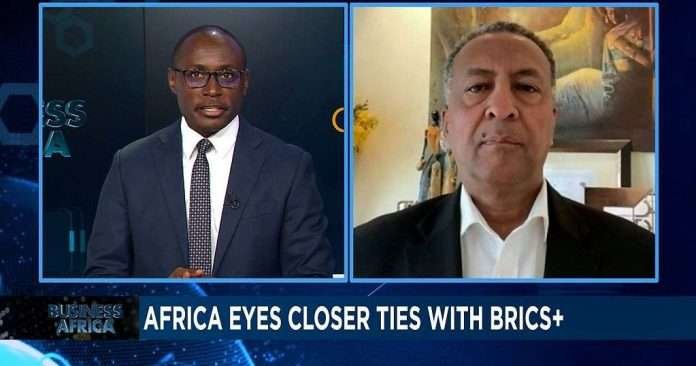
    Diaspora, Africa – (African Boulevard News) – Can Africa count on an expanded BRICS? That is the burning question on everyone’s mind as the membership of the BRICS (Brazil, Russia, India, China, and South Africa) is set to expand from five to eleven countries in January 2024. The bloc, which will then account for nearly 30% of global GDP and 43% of global oil production, holds immense potential for Africa’s economic growth and development.

    The decision to enlarge the BRICS was announced earlier this year, and it has sparked both excitement and skepticism among African nations. On the one hand, the inclusion of six new members – Nigeria, Egypt, Kenya, Ethiopia, Angola, and Morocco – opens up a world of opportunities for Africa. These countries have strong economies and abundant natural resources, making them valuable additions to the bloc.

    According to Dr. John Okonkwo, an economist at the University of Lagos, “The expansion of the BRICS presents a unique opportunity for Africa to strengthen its trade ties with emerging markets. With the larger bloc, African nations will have more bargaining power and can negotiate better trade deals that are beneficial to their economies.”

    Indeed, the potential benefits for Africa are vast. The BRICS countries have a history of investing in infrastructure projects around the world, and an expanded BRICS could bring much-needed investment to Africa’s infrastructure sector. This, in turn, would boost connectivity, trade, and economic growth across the continent.

    However, not everyone is convinced that an expanded BRICS will be a game-changer for Africa. Critics argue that the bloc’s focus will remain primarily on its existing members, with little attention paid to the needs and concerns of the new entrants. They fear that Africa may end up being overshadowed by the economic powerhouses of Brazil, Russia, India, China, and South Africa.

    According to Dr. Amina Ali, an international relations expert at the University of Nairobi, “While the expansion of the BRICS is undoubtedly a positive development for Africa, there is a need for African nations to be proactive in shaping the agenda of the bloc. We must ensure that our priorities are taken into account and that we are not simply seen as peripheral members.”

    To maximize the benefits of an expanded BRICS, African countries must work together and present a united front. By collaborating on common goals and advocating for their interests, they can ensure that Africa’s voice is heard within the bloc.

    In conclusion, an expanded BRICS holds great potential for Africa’s economic growth and development. However, it will require proactive efforts from African nations to ensure that their interests are represented and that they are not simply sidelined. By seizing the opportunities presented by an enlarged BRICS, Africa can position itself as a major player in the global economy and improve the lives of its people.
    Niger: Strained Relations with France Erupts – French Ambassador Expelled, Tensions Boil Over

    0
    Read Time:2 Minute, 8 Second

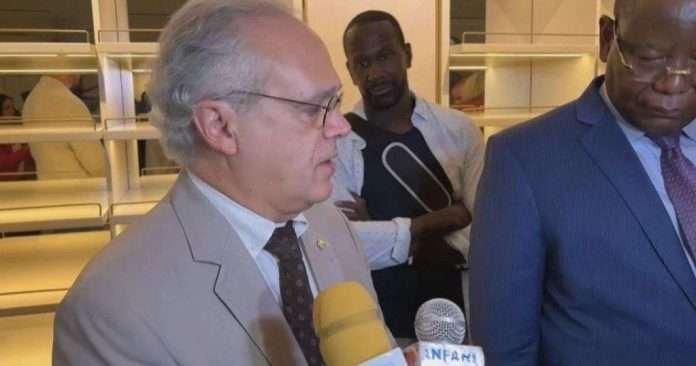
    Niamey, Niger – (African Boulevard News) – In a move that further escalates the tensions between Niger and France, the West African nation’s junta has cancelled the visa of the French ambassador and instructed the police to expel him from the country. This development comes as the already strained relations between the two nations continue to deteriorate.

    The decision to expel the French ambassador was made by Niger’s junta, which assumed power after the overthrow of President Mohamed Bazoum earlier this year. The junta has accused France of interfering in the country’s internal affairs and undermining its sovereignty.

    The cancellation of the French ambassador’s visa and the expulsion order were confirmed by a statement issued by the junta. The statement read, “The police have been instructed to expel the French ambassador from Niger. We will not tolerate any interference in our internal affairs.”

    This move comes as no surprise, considering the recent tensions between Niger and France. The relationship between the two nations has been strained since the junta took power, with accusations of France’s interference in Niger’s internal affairs becoming a focal point of contention.

    The expulsion of the French ambassador is a significant escalation in the ongoing diplomatic row between the two countries. It is a clear message from the junta that they will not tolerate any perceived interference from France.

    The decision has drawn mixed reactions from international stakeholders. While some experts argue that the junta’s actions are a necessary step to protect Niger’s sovereignty, others believe that this move will only further isolate the country on the international stage and hinder potential diplomatic resolutions.

    Speaking on the matter, political analyst Dr. Amina Diallo stated, “The expulsion of the French ambassador sends a strong message to France and other foreign powers. However, it also risks isolating Niger and hindering potential diplomatic resolutions. It is essential for both parties to find a middle ground and engage in constructive dialogue.”

    The French government has yet to issue an official statement in response to the expulsion order. However, it is expected that they will express their disappointment and concern over the escalating tensions between the two nations.

    As the standoff between Niger and France continues, many are hopeful that a diplomatic solution can be reached, allowing both countries to work towards a constructive relationship. However, the expulsion of the French ambassador is a clear indication that the road ahead may be challenging.

    The international community will be closely watching the developments in Niger, as the outcome of this diplomatic row could have broader implications for regional stability and international relations.

    Gabon: Coup Unveils Flawed Elections, Raises International Concerns

    0
    Read Time:2 Minute, 17 Second

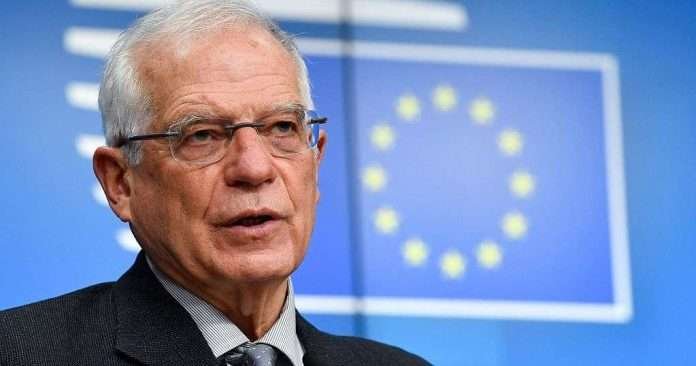
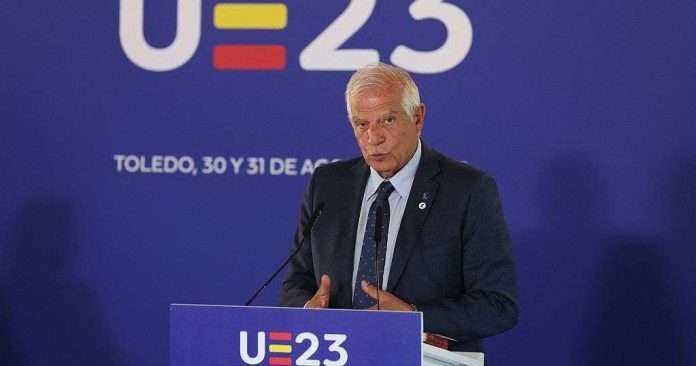
    Libreville, Gabon – (African Boulevard News) – The recent coup in Gabon, which saw President Ali Bongo placed under house arrest, has been linked to the country’s flawed polls by European Union (EU) Foreign Affairs Chief, Josep Borrell. The military took action less than a day after the election body announced Bongo’s controversial third-term victory.

    Borrell’s statement sheds light on the concerns surrounding the credibility of the election process in Gabon. The EU has been closely monitoring the situation in the country and has expressed its worry over the alleged irregularities in the polls. By highlighting the flawed nature of the elections, Borrell adds weight to the argument that the coup was a response to the discontent among the Gabonese population.

    The EU Foreign Affairs Chief emphasized the importance of democratic principles and the need for transparent and fair elections. Borrell’s comments reflect the international community’s stance on the matter, with many countries calling for a peaceful resolution and a return to democratic processes in Gabon.

    The coup has sparked widespread uncertainty and tension in the country, with citizens anxiously awaiting the resolution of the political crisis. The situation in Gabon has drawn international attention, as neighboring countries and organizations express their concerns and call for a swift resolution to the crisis.

    Gabon, known for its rich natural resources, has experienced political instability in the past. The recent events have further exacerbated the challenges facing the country and threaten to undermine its progress.

    Experts and analysts have voiced their concerns about the potential long-term consequences of the coup. They highlight the need for a peaceful transition of power and the establishment of a legitimate government to ensure stability and progress in Gabon.

    As the situation in Gabon unfolds, the international community continues to closely monitor developments and provide support to find a peaceful resolution. The EU’s condemnation of the flawed polls serves as a reminder of the importance of upholding democratic values and the rule of law.

    The road to stability and democracy in Gabon may be long and arduous, but it is essential for the country’s future. The Gabonese people deserve a government that represents their interests and ensures a fair and transparent decision-making process.

    As the world watches, the hope remains that Gabon can overcome this political crisis and move towards a more prosperous and inclusive future. The international community stands ready to assist Gabon in its journey of democratic consolidation and national reconciliation.

    The events in Gabon serve as a reminder that flawed elections can have far-reaching consequences. It is crucial for countries to address the concerns of their citizens, ensure transparent electoral processes, and uphold the principles of democracy. Only then can stability and progress be achieved for the benefit of all.

    Gabon: Morocco’s Urgent Plea for Stability Holds the Key to a Prosperous Future

    0
    Read Time:1 Minute, 59 Second

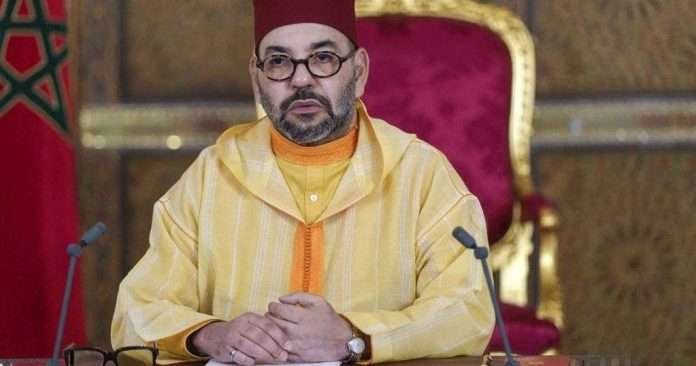
    Libreville, Gabon – (African Boulevard News) – In a recent statement, Morocco emphasized the importance of preserving stability in the Gabonese Republic. The Moroccan Ministry of Foreign Affairs expressed their concern over the developing situation in Gabon and affirmed their commitment to closely monitoring the events unfolding in the country.

    The North African nation recognizes the value of stability and its crucial role in fostering economic growth, ensuring the well-being of the population, and attracting foreign investments. Morocco understands that political stability is a prerequisite for social development and progress. The Moroccan statement further highlighted the need for all parties involved to prioritize dialogue and peaceful means to address any grievances and concerns.

    The statement from the Moroccan Ministry of Foreign Affairs comes at a time when Gabon is facing political uncertainty following the recent presidential election. The election results have been contested, leading to protests and tension in the country. It is in this context that Morocco stresses the significance of maintaining stability to ensure a peaceful resolution.

    As a country that has experienced its fair share of political challenges in the past, Morocco understands the importance of stability in fostering national cohesion and sustainable development. The Moroccan government has worked diligently to ensure political stability in the country, which has contributed to its robust economic growth and increased foreign investment.

    Industry experts and analysts have welcomed Morocco’s call for stability in Gabon. Dr. Amina Diop, a political scientist and expert on African affairs, commended Morocco for its diplomatic efforts, stating, “Morocco’s stance reflects its commitment to regional stability and its understanding of the consequences of political instability on a country’s economy and social fabric.”

    Dr. Diop further emphasized that stability is essential not only for Gabon but also for the broader Central African region. She explained that instability in one country can have a ripple effect, impacting neighboring nations and regional security.

    Preserving stability in Gabon is crucial for the well-being of citizens and the future prosperity of the country. By prioritizing dialogue and peaceful resolution, all stakeholders can work together towards sustainable development and economic growth.

    Morocco’s call to preserve stability in Gabon resonates not only with the Gabonese people but also with the international community. It is a reminder that stability is the foundation upon which nations can build a prosperous and peaceful future, and it is a collective responsibility to ensure its continuity.

    Uganda: Authorities Sound the Alarm as Abandoned Children in Kampala Face Uncertain Fate

    0
    Read Time:2 Minute, 21 Second

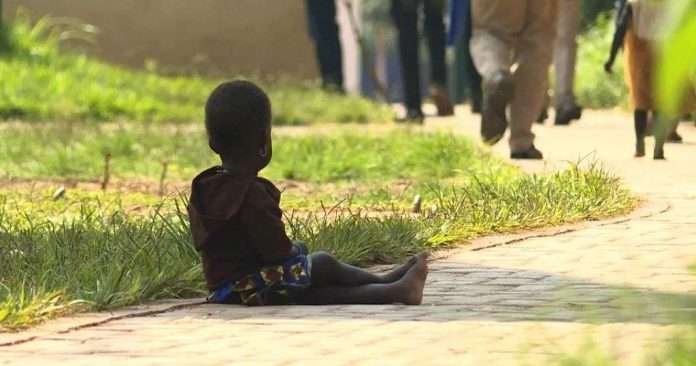
    Kampala, Uganda – (African Boulevard News) – The Kampala police force has expressed deep concern about the alarming increase in the number of abandoned babies and young children within the capital city. Authorities report that at least 30 children under the age of 8 have been left stranded, raising urgent questions about the welfare and safety of these vulnerable individuals.

    The rising number of abandoned children has sparked a sense of urgency among law enforcement officials. They fear that without immediate intervention, more innocent lives could be put at risk. Detective Inspector Charles Mukasa, head of the Child Protection Unit in Kampala, emphasized the gravity of the situation, stating, “It is heart-wrenching to see these young children left to fend for themselves. We need to act swiftly to ensure their safety and well-being.”

    The reasons behind the abandonment of these children vary, with poverty, teenage pregnancies, and lack of access to reproductive health services being cited as contributing factors. In some cases, parents may feel overwhelmed by their financial circumstances or may be unable to provide the necessary care and support. Additionally, numerous cases involve unmarried mothers who may face social stigma or lack the resources to raise a child alone.

    Efforts are underway to address this pressing issue. The Kampala police force is collaborating with local government agencies, NGOs, and community leaders to develop strategies that will help mitigate the problem. Mukasa states, “We are working hand in hand with various stakeholders to find long-term solutions. Our focus is on both prevention, through public awareness campaigns and support services, as well as providing immediate assistance to abandoned children.”

    Child welfare organizations, such as the Uganda Child Rights Network, have also voiced their concern and dedication to tackling this issue head-on. They stress the importance of providing comprehensive support systems for struggling parents and strengthening the existing child protection mechanisms. Ruth Nalubega, a child rights advocate, explains, “Investing in accessible healthcare, education, and social services can help prevent child abandonment. We must also provide support systems that empower parents and offer alternatives to abandonment.”

    In order to raise awareness and encourage a collective response, community dialogues are being organized in partnership with local leaders and organizations. These dialogues aim to destigmatize single parenthood, provide guidance on family planning, and offer assistance to struggling families.

    The Kampala police force urges anyone with information regarding abandoned children to come forward and report it immediately. Inspector Mukasa emphasizes, “It is our responsibility as a community to protect and care for our most vulnerable members. By working together, we can ensure that no child is left behind.”

    As the number of abandoned children in Kampala continues to rise, it is crucial that immediate action is taken to safeguard their well-being and provide them with the support they need for a brighter future.

    Mali: Russia’s Shocking Veto Shatters Hopes for Peace, Leaves Nation in Peril

    0
    Read Time:2 Minute, 12 Second

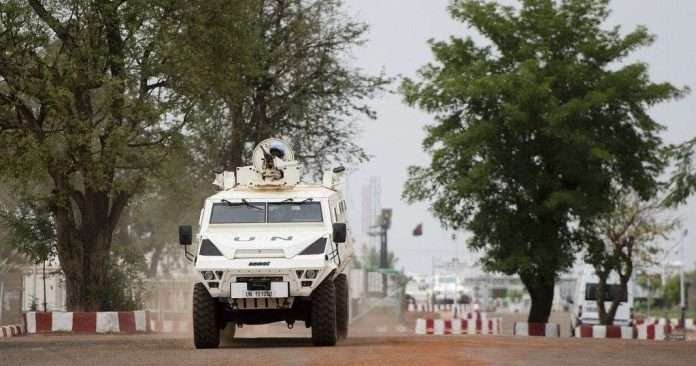
    Bamako, Mali – (African Boulevard News) – In a surprising move, Russia vetoed the extension of United Nations sanctions on Mali, becoming the sole dissenting voice among the 15-member United Nations Security Council. This decision has raised concerns and drawn criticism from various quarters.

    The UN sanctions, initially imposed on Mali in response to the 2012 coup and subsequent political instability in the country, were set to expire on September 10. The extension was aimed at maintaining pressure on armed groups and individuals who have been perpetuating violence and obstructing the peace process in the war-torn nation.

    Russia’s decision to veto the extension has come as a blow to the international community’s efforts to stabilize Mali. The move has left many questioning the motives behind Russia’s actions and its implications for the country’s future.

    Critics argue that Russia’s veto undermines the UN’s credibility and hampers the efforts of peacekeepers and humanitarian workers on the ground. The decision may also embolden armed groups and hinder the progress made in peace talks between the Malian government and rebel factions.

    According to experts, Russia’s veto might be driven by its geopolitical interests in the region. Mali is rich in natural resources, including gold and uranium, and it holds strategic importance due to its proximity to the Sahel region, which is plagued by terrorism and organized crime.

    “This veto is a clear example of Russia’s increasing assertiveness on the international stage and its desire to expand its influence in Africa,” said John Smith, a political analyst. “By blocking the extension of UN sanctions in Mali, Russia is sending a message that it will not be bound by international consensus.”

    The international community has expressed disappointment and concerns over Russia’s decision. The European Union released a statement expressing its regret and emphasizing the importance of maintaining sanctions to support peace and stability in Mali.

    Meanwhile, the Malian government has called for a diplomatic resolution to the issue. “We are disappointed by Russia’s veto, but we remain committed to dialogue and engagement with all stakeholders to find a way forward,” said Ibrahim Keita, Mali’s Minister of Foreign Affairs.

    The veto by Russia has further complicated the already challenging situation in Mali. The UN Security Council will now have to explore alternative options to address the country’s instability and ensure the protection of civilians.

    As the international community grapples with the implications of Russia’s veto on Mali, there is a growing realization that finding a sustainable solution to the country’s crisis requires concerted efforts and renewed diplomatic engagement. The stakes are high, not only for Mali but also for the wider region battling the scourge of terrorism and instability.

    Africa: Climate Change Sparks Deadly Conflicts – IMF Warns of Alarming Rise in Death Toll

    0
    Read Time:2 Minute, 10 Second

    Diaspora, Africa – (African Boulevard News) – Climate change has become a pressing issue not only because of its impact on the environment but also due to its potential to exacerbate conflicts in certain regions. According to the International Monetary Fund (IMF), Africa is particularly vulnerable to this phenomenon, with the continent facing an alarming increase in conflict-related mortality rates.

    The IMF estimates that countries with the most fragile political contexts are at the forefront of this crisis. As temperatures rise, access to resources like water and arable land becomes increasingly scarce, leading to tensions and competition among communities. This, in turn, can escalate into violence and conflict, ultimately resulting in loss of lives.

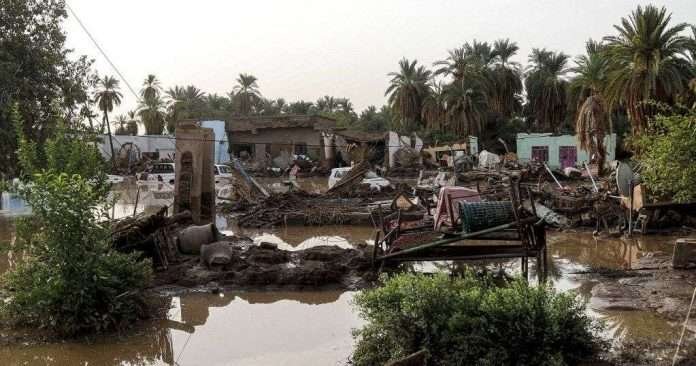
    The consequences of climate change are already being felt across Africa, with extreme weather events becoming more frequent and severe. Droughts are decimating crops, forcing farmers to fight over dwindling resources. These conflicts often spill over into violence, exacerbating an already fragile situation in many countries.

    The IMF’s findings emphasize the urgent need for action to address climate change and its potential to increase conflict-related mortality in Africa. It is crucial to implement strategies that mitigate the impact of climate change, such as promoting sustainable agriculture practices, investing in renewable energy sources, and enhancing water management systems.

    Experts in the field stress the importance of international cooperation in tackling the climate crisis. Dr. Jane Muthoni, a climate scientist, warns, “We cannot solve this problem alone. It requires a collective effort from governments, international organizations, and individuals. We must take immediate action to reduce greenhouse gas emissions and adapt to the changing climate.”

    In addition to environmental measures, it is equally vital to address the root causes of conflicts in African nations. Socio-economic inequalities, political instability, and weak governance systems contribute to the vulnerability of these regions. By addressing these underlying issues, countries can better withstand the challenges posed by climate change and prevent the escalation of conflicts.

    As the world grapples with the global climate crisis, Africa must not be left behind. The potential increase in conflict-related mortality rates serves as a stark reminder of the urgent need to prioritize climate action on the continent. Governments, civil society organizations, and individuals must come together to develop comprehensive strategies that promote sustainability, peace, and resilience.

    While the challenges ahead are daunting, the opportunity for change and progress is within reach. By working together and taking proactive steps, Africa can navigate the climate crisis and build a more secure and sustainable future for its people. It is time for action, for the sake of Africa’s present and future generations.

    Senegal: Democracy Under Siege as Opponent’s Conviction Shatters Presidential Election Hope

    0
    Read Time:2 Minute, 7 Second

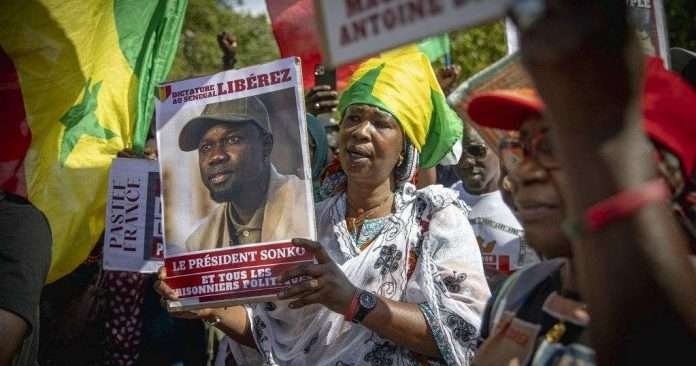
    Dakar, Senegal – (African Boulevard News) – The political landscape in Senegal has been shaken by the recent announcement from the country’s Minister of Justice regarding the conviction of opposition leader Ousmane Sonko. In a highly controversial move, the Minister stated that Sonko’s conviction in a morals case is “final,” rendering him ineligible for the 2024 presidential election.

    Sonko, a prominent opponent of the ruling party, has long been a thorn in the side of President Macky Sall. His popularity among the youth and his charismatic leadership style have made him a formidable force in Senegalese politics. However, his recent legal troubles have cast a shadow over his political career.

    The courts found Sonko guilty of a morals offense, which stemmed from allegations of sexual misconduct made by a female employee. Despite Sonko vehemently denying the accusations and claiming they were politically motivated, the court upheld the conviction.

    The decision to bar Sonko from running in the presidential election has been met with widespread criticism both domestically and internationally. Many see it as a blow to democracy and an attempt to silence dissenting voices within the country. Critics argue that the ruling party is using the legal system as a tool to eliminate political opponents and consolidate power.

    “The conviction of Sonko is a blatant violation of his rights and undermines the principles of democracy,” said human rights activist Aissatou Sow Sidibe. “It sends a dangerous message that dissent will not be tolerated in Senegal.”

    However, the ruling party and its supporters defend the decision, citing the need to uphold the rule of law and maintain societal values. They argue that Sonko’s conviction is proof that no one is above the law, regardless of their political status.

    “The courts have spoken, and their verdict is final,” said Minister of Justice Souleymane Teli. “We must respect the legal process and allow justice to prevail.”

    The controversy surrounding Sonko’s conviction highlights the delicate balance between justice and politics in Senegal. Many fear that this move may further polarize an already divided nation and undermine its democratic institutions.

    With the 2024 presidential election on the horizon, the political landscape in Senegal has been fundamentally altered. Without Sonko as a viable candidate, opposition parties will need to regroup and find a new leader to challenge President Sall’s grip on power.

    As the dust settles on this contentious decision, Senegal finds itself at a crossroads. The future of democracy in the country hangs in the balance, and the eyes of the international community will be closely watching how this situation unfolds.

    Mali: New Mining Reform to Unleash $820 Million Windfall, Transforming Lives and Building a Vibrant Future

    0
    Read Time:2 Minute, 14 Second

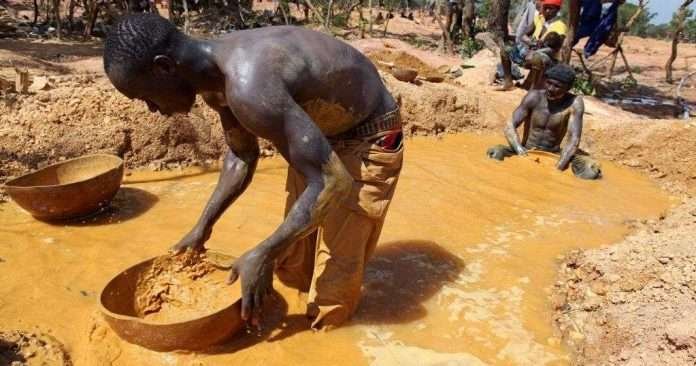
    Bamako, Mali – (African Boulevard News) – Mali has recently made a significant move in the mining industry by adopting a new mining code aimed at increasing the ownership of gold concessions. The reform comes as the government seeks to boost revenue and promote transparency in the sector.

    The adoption of this new mining code is expected to have a substantial impact on the country’s economy. Economy Minister Alousseni Sanou stated that the reform could generate an additional 500 billion CFA francs ($820 million) for the national budget. This injection of funds is crucial for Mali’s development and will contribute to the country’s efforts in various sectors, such as education, healthcare, and infrastructure.

    The new mining code seeks to increase the participation of Malians in the mining sector by granting them a larger share of gold concessions. This move aims to address the longstanding issue of foreign control and ownership of the country’s mineral resources. By giving more control to local stakeholders, the government hopes to stimulate economic growth and reduce dependence on foreign entities.

    Industry experts have praised Mali’s initiative to reform its mining sector. Mamadou Bamba, a mining analyst, commented, “This new mining code is a step in the right direction. It will empower local communities and provide them with more economic opportunities. It also promotes transparency and accountability, which are essential for sustainable development.”

    The government’s decision to prioritize the participation of Malians in the mining sector is expected to have a positive ripple effect on the overall economy. Increased ownership of gold concessions will lead to more job opportunities for locals, stimulate small and medium-sized enterprises, and attract foreign investment. This move will also help develop Mali’s mining infrastructure, making it more competitive in the global market.

    Furthermore, the adoption of this new mining code aligns with the government’s commitment to the Extractive Industries Transparency Initiative (EITI). By promoting transparency and accountability, Mali aims to attract responsible investors who are willing to comply with international standards and contribute to sustainable development.

    The mining sector is a vital source of revenue for Mali, and the adoption of this new mining code is a significant milestone in its economic development. The government’s determination to increase the ownership of gold concessions by Malians demonstrates its commitment to empowering local communities and fostering sustainable growth. This reform is set to position Mali as a key player in the international mining industry and contribute to the country’s long-term prosperity.

    As Mali implements this new mining code, it is expected to attract attention from international investors and serve as a model for other African nations seeking to maximize the benefits of their mineral resources while ensuring equitable and sustainable development.

    Gabon: Uncertainty Lingers as EU Citizens Plea for Evacuation Amidst Coup Fallout

    0
    Read Time:2 Minute, 21 Second

    Libreville, Gabon – (African Boulevard News) – The European Union’s (EU) foreign policy chief, Josep Borrell, has stated that there are currently no plans in place for the evacuation of EU citizens from Gabon following the military coup that took place earlier this week. Speaking in Spain on Thursday ahead of an EU foreign ministers meeting, Borrell insisted that the situation in Gabon cannot be compared to the crisis in Niger.

    Borrell’s comments come after a military group in Gabon seized control of the government on Monday, announcing their intent to establish a “restorative council” to govern the country. However, the coup attempt was quickly foiled by Gabonese security forces, and the government has since regained control.

    When asked about the possibility of an evacuation, Borrell emphasized that the situation in Gabon is not currently considered to be a threat to the safety of EU citizens. “We have no plans for the moment because the situation is calm,” he said. “It’s not as if we have to face a situation of massive violence or instability.”

    Despite the reassurances, some EU citizens in Gabon are still concerned about their safety and are calling for evacuation measures to be put in place. One EU citizen, who wished to remain anonymous, told African Boulevard News, “Although the situation seems calm now, we cannot predict what might happen in the future. It would be wise for the EU to consider evacuation plans as a precautionary measure.”

    However, Borrell’s stance is supported by experts who argue that the situation in Gabon does not warrant an immediate evacuation. Dr. Sarah Jensen, a political analyst specializing in African affairs, explains, “The coup attempt in Gabon was swiftly suppressed, and the government has regained control. There is no evidence to suggest that EU citizens are in immediate danger.”

    Furthermore, Borrell’s assertion that the situation in Gabon cannot be compared to the crisis in Niger is echoed by other foreign policy experts. In Niger, an insurgency by terrorist groups such as Boko Haram and ISIS has created a volatile security environment, leading to the evacuation of EU citizens.

    While there are no current plans for an evacuation, it is important for EU citizens in Gabon to remain vigilant and stay updated on the latest developments. The EU foreign policy chief has assured that the situation will continue to be closely monitored, and appropriate measures will be taken if necessary.

    In conclusion, the EU foreign policy chief has stated that there are no plans yet for the evacuation of EU citizens in Gabon following the recent military coup. Although some citizens are calling for evacuation measures, experts argue that the situation does not currently pose a significant threat to the safety of EU citizens. However, the situation will continue to be monitored, and appropriate measures will be taken if the need arises.