Tuesday, May 5, 2026
78.9 F
Lagos
More
    Home Blog Page 220

    Kenyan President Ruto Defies Expectations, Fights for Economic Sovereignty Against Global Financial Giants

    0
    Read Time:2 Minute, 17 Second

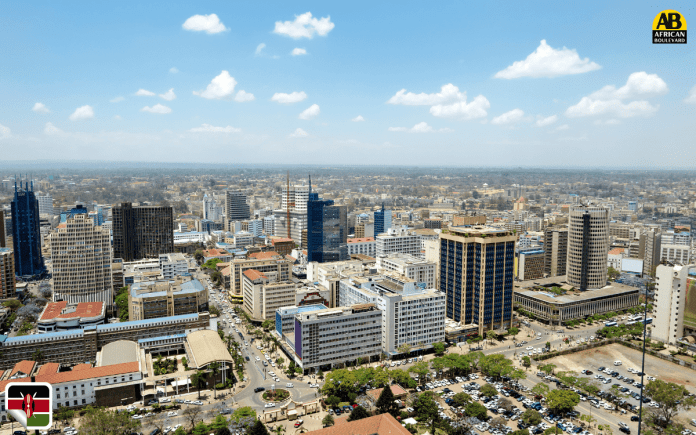
    Nairobi, Kenya – (African Boulevard News) – Kenya’s Deputy President, William Ruto, has expressed his desire to reopen discussions with the World Bank and the International Monetary Fund (IMF) regarding the country’s reform timetable. Ruto seeks to review some of the privatisation commitments made by Kenya without compromising the nation’s strong relationship with the Washington DC-based international lending institutions.

    The move comes as Kenya aims to balance its development goals with the financial obligations set by these institutions. Ruto believes that it is crucial to reevaluate the reform agenda to ensure that it aligns with the country’s current needs and priorities. This renegotiation would allow Kenya to tailor its economic reforms to a rapidly changing global landscape while maintaining a strong partnership with the World Bank and the IMF.

    Experts in the industry see Ruto’s proposal as a strategic move to secure more flexibility for Kenya in meeting its reform targets. They believe that this approach will enable the country to address pressing issues and adapt to new economic challenges effectively. Moreover, Ruto’s willingness to engage in constructive negotiations showcases Kenya’s commitment to maintain a mutually beneficial relationship with these international institutions.

    In an interview with African Boulevard News, financial analyst James Njoroge stated, “Ruto’s proposition to renegotiate the reform timetable demonstrates Kenya’s dedication to ensuring sustainable economic growth while maintaining a strong alliance with the World Bank and the IMF. It is a prudent move that allows the country to adapt its policies to the changing global landscape.”

    The Deputy President’s push to reopen discussions with the World Bank and the IMF also serves as a reminder of the importance of adaptability in a volatile economic climate. As Kenya faces new challenges, it is essential to modify and refine existing reform strategies continually. Ruto’s proposal reflects the government’s commitment to being responsive to the changing needs of its citizens.

    However, negotiations with the World Bank and the IMF may not be straightforward, as these institutions have their own interests and obligations. Balancing Kenya’s specific needs with the expectations of these lending entities will require careful deliberation. The government will need to present its case convincingly and provide a clear rationale for the changes it seeks.

    Nevertheless, Ruto’s determination to renegotiate the reform timetable showcases Kenya’s proactive approach to economic governance. By engaging in meaningful dialogue with the World Bank and the IMF, the country aims to ensure that its economic reforms genuinely contribute to sustainable development and improved livelihoods for its citizens.

    As Kenya moves forward with these negotiations, it can set an example for other nations facing similar challenges. The ability to reassess and revise reform strategies in collaboration with international lenders will provide a roadmap for navigating the complexities of a rapidly changing global economy.
    Algeria’s Missed Opportunity: A Costly Setback for National Pride and Global Influence

    0
    Read Time:2 Minute, 16 Second

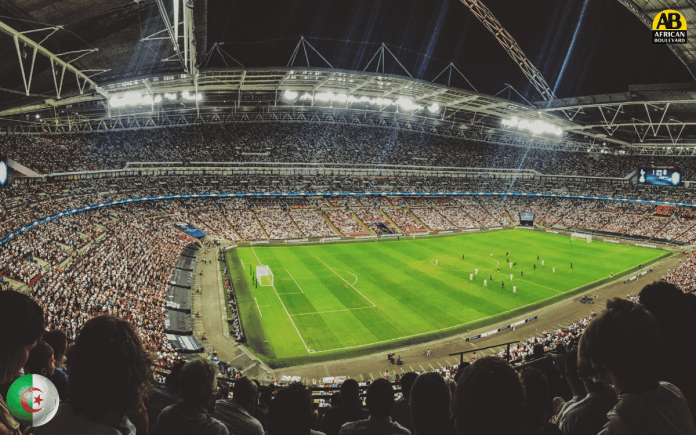
    Algiers, Algeria – (African Boulevard News) – President Abdelmadjid Tebboune’s grand plan to elevate Algeria’s global standing hit a roadblock when his team fumbled their bid to join the prestigious BRICS alliance. With their sights set on becoming the seventh member of this influential group, Algeria’s state machinery struggled to gather momentum and ultimately fell short of achieving its goal.

    The BRICS alliance, formed by Brazil, Russia, India, China, and South Africa, has become a powerful force in the global arena. Membership in this exclusive club has significant implications for a country’s economy and geopolitical influence. Unfortunately for Algeria, their attempt to secure a seat at the BRICS table was marred by a series of missteps and miscalculations.

    One of the key factors behind the failure of Tebboune’s team was their inability to galvanize the state machinery. While other countries managed to streamline their efforts and present a united front, Algeria’s internal bureaucracy proved to be a major stumbling block. The lack of coordination and synergy between various government departments created a disjointed approach, ultimately dooming their bid.

    According to industry experts, Algeria’s lackluster campaign failed to effectively highlight the country’s potential contributions to the BRICS alliance. As one analyst points out, “Algeria boasts a strong economy, abundant natural resources, and a strategic geographic location. However, these assets were not properly showcased during the bid process, causing us to miss a golden opportunity.”

    Furthermore, Algeria’s diplomatic engagement with the existing BRICS members was lackadaisical at best. While countries like Brazil and Russia actively courted Algeria and sought to build strong bilateral relationships, Algeria failed to reciprocate the enthusiasm. This lack of proactive engagement hampered their chances of garnering support from within the BRICS alliance.

    The fallout from this failed bid has left many Algerians disappointed and questioning their government’s ability to execute on its global ambitions. The missed opportunity to join the BRICS alliance has raised concerns about Algeria’s future economic prospects and ability to compete on the international stage.

    Looking ahead, it is crucial for President Tebboune and his team to learn from their mistakes and implement a more cohesive and proactive strategy. Algerian officials must prioritize effective coordination, diplomatic outreach, and showcasing the nation’s strengths to align with the BRICS alliance’s objectives. Failure to do so could have far-reaching consequences for Algeria’s economic growth and international influence.

    In conclusion, Algeria’s bid to join the BRICS alliance under President Tebboune’s leadership was marred by a lack of coordination, ineffective messaging, and a failure to actively engage with existing members. While the dreams of joining this influential group have been temporarily dashed, it is not too late for Algeria to regroup, learn from its mistakes, and pursue a more fruitful path towards enhancing its global standing.

    Sudan: A Nation on the Brink of Disintegration – Will Peace Prevail or Chaos Reign?

    0
    Read Time:2 Minute, 39 Second

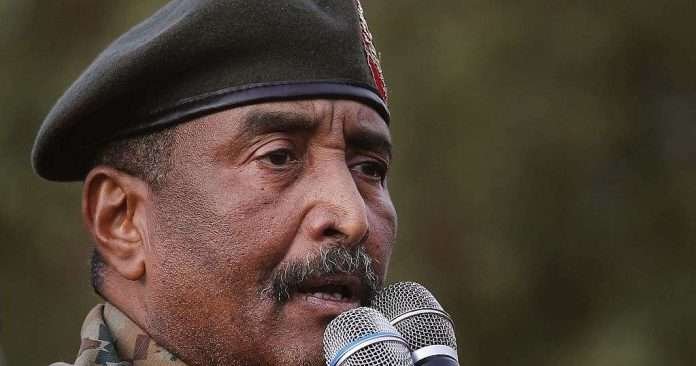
    Khartoum, Sudan – (African Boulevard News) – The head of Sudan’s army, General Abdel Fattah al-Burhan, issued a dire warning on Thursday (Aug. 31), stating that the country is on the brink of disintegration if the ongoing conflict between the military and a rival paramilitary force is not resolved. The conflict, which has stretched on for nearly five months, threatens to tear Sudan apart and plunge the nation into chaos.

    Speaking at a press conference in the capital city of Khartoum, General al-Burhan expressed his deep concern over the escalating violence and the potential consequences if a peaceful resolution is not found soon. He stated, “Sudan is at a critical juncture. If we do not find a way to end this war, the very fabric of our nation will be torn apart.”

    The conflict between the military and the paramilitary force, which has its roots in a power struggle for control over the country, has resulted in widespread violence and displacement. It has intensified in recent weeks, with both sides engaging in deadly clashes that have claimed the lives of many innocent civilians.

    The situation in Sudan has reached a tipping point, with the potential for even greater turmoil and bloodshed looming over the nation. If the war continues unchecked, it could lead to state disintegration, further exacerbating an already dire humanitarian crisis.

    Experts and analysts agree that a peaceful resolution to the conflict is the only way to prevent Sudan from descending into chaos. Political analyst, Dr. Sarah Ahmed, warns, “The consequences of a fragmented Sudan are far-reaching. It will not only lead to a humanitarian disaster but could also have regional and international implications.”

    International bodies, including the United Nations and the African Union, have called for an immediate ceasefire and the resumption of talks between the warring factions. However, progress has been slow, primarily due to deep-rooted trust issues and a lack of political will from both sides.

    The international community must step up its efforts to mediate and broker a peaceful solution to the conflict. The future stability and unity of Sudan are at stake, and failure to act swiftly and decisively could have catastrophic consequences.

    Time is of the essence, and Sudan’s leaders must prioritize the well-being and safety of their citizens above all else. It is only through genuine dialogue and a commitment to finding common ground that the nation can hope to emerge from this dark period and rebuild a peaceful and prosperous future.

    As the conflict in Sudan continues to intensify, the international community must rally behind the nation, offering support and assistance in their efforts to find a lasting resolution. Failure to do so could lead to a devastating outcome, not only for Sudan but for the entire region.

    The time for action is now. Sudan cannot afford to wait any longer. The stakes are too high, and the consequences of inaction are too severe. The international community must unite and work together to ensure that Sudan is not torn apart by this senseless conflict. Only through collective effort and a commitment to peace can Sudan hope to overcome this crisis and build a brighter future for its people.

    Gabon: Traders Resilient Amidst Political Turmoil, Defying Odds to Keep Market Alive

    0
    Read Time:2 Minute, 17 Second

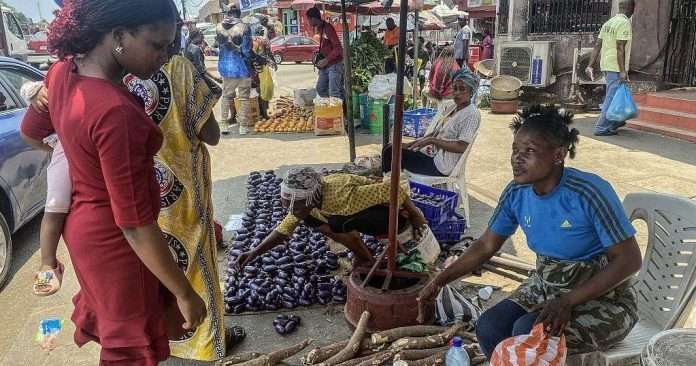
    Libreville, Gabon – (African Boulevard News) – Life is gradually returning to normal in Gabon’s capital city, Libreville, following Wednesday’s coup. While certain areas of the city are still experiencing a sense of tension, traders at the Mont-Bouet market have resumed their daily activities.

    The Mont-Bouet market is a bustling hub of economic activity, where locals and tourists come to buy fresh produce, clothing, and household goods. Despite the recent political unrest, the market has managed to stay open, providing a sense of continuity and stability for the community.

    “The market is our lifeline. It is where we make our living and support our families. Closing down was not an option for us,” said Marie, a fruit vendor at Mont-Bouet market. “We are relieved that things are starting to calm down and we can go back to our normal routines.”

    Traders like Marie are determined to move forward, despite the uncertainty that still lingers in the air. They understand the importance of their role in keeping the local economy afloat and are hopeful that the situation will continue to improve.

    Local authorities have increased security measures in public areas to ensure the safety of citizens. Soldiers and police officers are stationed at strategic points throughout the city, reassuring residents and restoring a sense of order.

    “We are working closely with security forces to ensure the safety and well-being of everyone in the city,” said Pascal, a government spokesperson. “We understand the concerns of the population, and we are doing everything in our power to restore peace and stability.”

    While life slowly resumes in Libreville, the international community closely watches the unfolding events in Gabon. The African Union and other regional organizations have called for a peaceful resolution to the political crisis and the restoration of constitutional order.

    “The situation in Gabon is cause for concern,” said James, an international relations expert. “It is crucial for all parties involved to prioritize dialogue and compromise. This is the only way to ensure a peaceful transition and prevent further instability in the country.”

    As the days pass, the people of Gabon remain resilient, hopeful that the worst is behind them. Their determination to rebuild their lives and restore normalcy is a testament to their strength as a community.

    While uncertainties still loom, the reopening of the Mont-Bouet market signifies a small step towards stability. It serves as a reminder that life goes on, even in the face of adversity.

    In the coming weeks and months, Gabon’s leadership will face the formidable task of uniting the nation and rebuilding trust among its citizens. The road to recovery may be long and challenging, but with the resilience and determination of the Gabonese people, a brighter future lies ahead.

    Gabon: Opposition Demands Military to Unveil Ballot Results, Promising a Triumph Against All Odds

    0
    Read Time:2 Minute, 10 Second

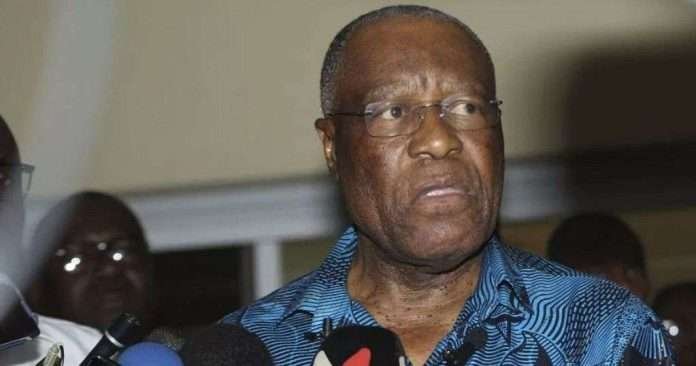
    Libreville, Gabon – (African Boulevard News) – Gabon’s opposition is urging the military to finalize the counting of ballots from the recent elections, as they firmly believe that doing so will reveal their victory. The opposition grouping is calling on the country’s new military leaders to ensure transparency and accuracy in the electoral process.

    The call comes following last weekend’s elections, which were hotly contested between the ruling party and opposition candidates. As the country eagerly awaits the final results, there have been growing concerns about the credibility of the counting process.

    Opposition leaders argue that completing the ballot count is crucial to upholding democratic principles and ensuring the will of the people is accurately represented. They assert that the military, in its new role as caretakers of the nation, must prioritize transparency and fairness to maintain public trust.

    Gabon’s political landscape has been tense in recent years, with accusations of electoral fraud and a lack of faith in the government’s ability to conduct free and fair elections. The opposition’s demand for the military’s involvement in the counting process aims to address these concerns and promote confidence in the electoral system.

    “The completion of the ballot count is essential for the democratic future of our nation,” said Jean Pierre, a prominent opposition figure. “We are calling on the military to fulfill their duty and ensure that every vote is accurately counted. This is a critical step towards a more inclusive and transparent political system.”

    Experts and political analysts have also weighed in on the issue, emphasizing the significance of the opposition’s demand. They believe that a thorough and impartial vote count will not only determine the election outcome but also shape the country’s future political landscape.

    “Transparency in the electoral process is key to building trust among the citizens,” stated Dr. Marianne Ngoma, a political analyst. “The military’s involvement in the counting process can help restore confidence in the democratic institutions and pave the way for a peaceful transition of power, regardless of the election outcome.”

    As the country awaits the completion of the ballot count, the opposition remains hopeful that the military will prioritize the will of the people and ensure an accurate representation of the election results. Only through a fair and transparent process can Gabon move towards a more stable and inclusive future.

    Gabon’s political landscape is on the verge of a significant turning point, where the military’s role in the electoral process will shape the nation’s future. The opposition’s call for the completion of the ballot count is not just a demand for victory but a plea for a transparent and accountable democracy.

    Gabon: African Union Delivers Devastating Blow – Nation Suspended Amidst Military Coup Chaos

    0
    Read Time:2 Minute, 26 Second

    Libreville, Gabon – (African Boulevard News) – The African Union’s Peace and Security Council has taken a strong stance against the military coup that unfolded in Gabon this week. In a statement released on Thursday, the council announced its decision to “immediately suspend” Gabon from the African Union, marking a significant step as the international community expresses its disapproval of the political turmoil in the country.

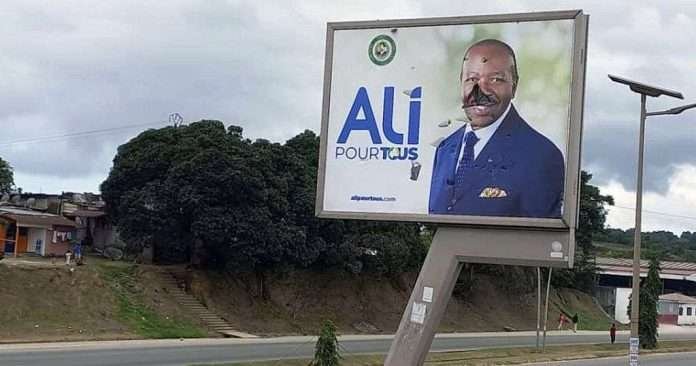
    The suspension comes after a group of military officers seized power on Monday, ousting President Ali Bongo from office. The move has sparked widespread unrest and uncertainty in Gabon, as citizens fear for the stability and future of their nation. The African Union’s decision to suspend Gabon underscores the seriousness of the situation and sends a clear message that the international community stands united against any attempt to undermine democracy.

    The military coup has raised concerns about the fragile political environment in Gabon and the potential for further unrest. The African Union’s suspension serves as a wake-up call to the coup leaders, urging them to respect the rule of law and the democratic process. By isolating Gabon at this critical time, the African Union hopes to exert pressure on the military leaders to restore constitutional order and allow for a peaceful transfer of power.

    The decision to suspend Gabon from the African Union was not taken lightly. It follows an emergency meeting of the Peace and Security Council, where members discussed the situation in Gabon and its implications for regional stability. The council’s aim is to promote peace and security in Africa, and the suspension reflects its commitment to upholding democratic principles and the rule of law.

    Speaking about the decision, African Union Chairperson Moussa Faki Mahamat emphasized the importance of adhering to constitutional processes and respecting the will of the people. He stated, “The African Union stands firm in its support for democracy and good governance. Gabon’s suspension serves as a reminder that unconstitutional changes of government will not be tolerated on the African continent.”

    The suspension of Gabon from the African Union is a significant diplomatic move that carries both political and economic consequences. It highlights the seriousness with which the international community views the military coup in Gabon and serves as a warning to other countries that may consider similar actions. As Gabon grapples with the aftermath of the coup, it will need to work towards restoring democratic norms and seeking a peaceful resolution to its internal conflicts in order to regain its standing within the African Union.

    Gabon’s suspension from the African Union sends a powerful message that the international community will not stand idly by while democratic processes are undermined. It serves as a reminder that Africa is committed to upholding the principles of democracy, peace, and security. The hope is that Gabon will take this opportunity to correct its course and pave the way for a brighter future for its people and the continent as a whole.

    Africa: Survivors Speak Out – Terrifying Chaos and Desperate Escape: Abandoned Building Fire Exposes Dire Living Conditions and Calls for Urgent Action

    0
    Read Time:2 Minute, 21 Second

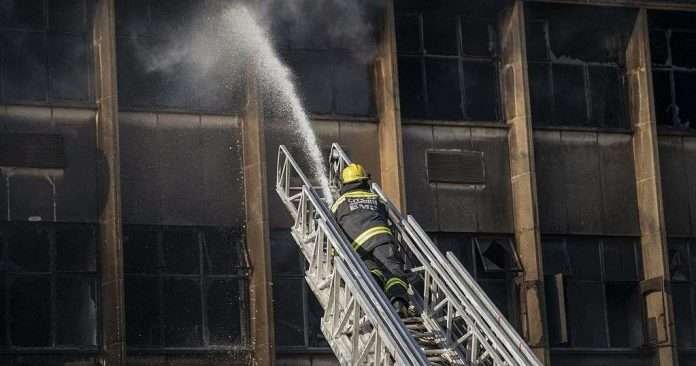
    Diaspora, Africa – (African Boulevard News) – Survivors of a devastating fire that engulfed an abandoned five-storey building in Johannesburg are speaking out about the harrowing experience they faced when trying to escape the blaze. The incident, which occurred recently, left an estimated 200 people trapped inside the building, highlighting the dire living conditions many face in the city.

    Escape from the burning building proved to be an immense challenge for the survivors. Thick smoke filled the corridors, making it difficult to breathe and see. The lack of functional fire exits and overcrowded conditions further compounded the situation, leaving many feeling helpless and trapped.

    One survivor, who preferred to remain anonymous, recounted the terrifying ordeal. “The smoke was suffocating, and the flames were spreading rapidly. The building was in chaos, with people screaming and running in all directions,” they said. “It was incredibly difficult to find a way out amidst the chaos, and I thought I might not make it.”

    Experts have raised concerns about the number of people living in such unsafe and abandoned buildings. Johannesburg, like many other African cities, has a significant housing shortage, forcing many to resort to living in precarious conditions. This fire serves as a grim reminder of the need for proper housing solutions and stricter regulations to ensure the safety of residents.

    Nomvula Mokonyane, the Housing Minister, expressed her condolences to the victims and vowed to take action. “This tragedy has shed light on the dire living conditions many people are forced to endure. It is our duty to address this crisis and provide safe housing for all South Africans,” she stated.

    The Johannesburg Fire and Rescue Service managed to contain the fire and rescue the survivors. Emergency services worked tirelessly to evacuate those trapped, providing medical assistance and support to those affected. Several people sustained injuries during the incident, but thankfully, there were no reported fatalities.

    The survivors are now in urgent need of assistance and support to rebuild their lives. Non-governmental organizations, community groups, and government agencies have mobilized to provide immediate relief, including food, shelter, and medical aid to those affected by the fire.

    The recent fire in Johannesburg highlights the urgent need for improved housing conditions and stricter safety regulations. It serves as a wakeup call for authorities to prioritize the well-being and safety of citizens. The survivors’ accounts of the difficulty they faced while escaping the burning building emphasize the urgent need for action to prevent similar tragedies in the future.

    As the city grapples with the aftermath of this fire, it is crucial for stakeholders to come together and find sustainable housing solutions that prioritize the safety and well-being of all residents. This incident should serve as a catalyst for change, sparking a collective effort to ensure that no one is left vulnerable to such perilous conditions.

    Gabon: A New Dawn Begins as Strongman General Brice Oligui Nguema Sworn in as “Transitional President”

    0
    Read Time:2 Minute, 27 Second

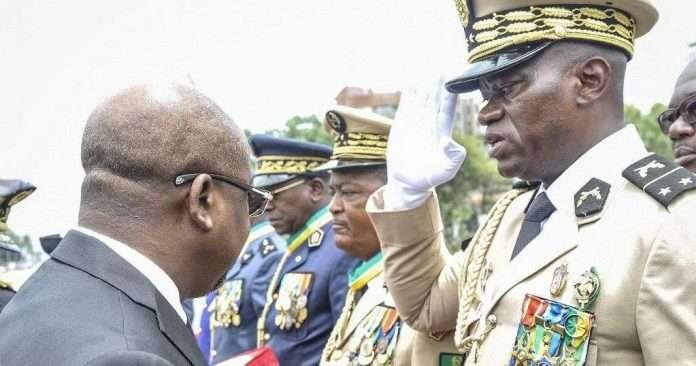
    Libreville, Gabon – (African Boulevard News) – The political landscape in Gabon is set to undergo a significant transformation as General Brice Oligui Nguema prepares to be sworn in as the “transitional president” of the country. This follows his successful overthrow of Ali Bongo Ondimba, who had been in power for over a decade. The momentous occasion is scheduled to take place on Monday, September 4, before the Constitutional Court.

    General Oligui’s ascent to power marks a turning point in Gabon’s political history. Known for his strong leadership qualities and military experience, he has emerged as a key figure in the country’s quest for democratic stability. The general’s objective is to steer Gabon towards a smooth transition of power, ensuring the well-being and safety of its citizens during this critical phase.

    Gabon has been plagued by political unrest in recent years, with widespread dissatisfaction over the state of the economy and allegations of corruption within the ruling elite. The civil society, including youth and opposition groups, has been calling for change and greater accountability from the government. General Oligui’s swift and decisive action has resonated with many Gabonese who yearn for a fresh start.

    In an interview with African Boulevard News, political analyst Marie Ovono emphasized the significance of General Oligui’s appointment as the transitional president. She stated, “General Oligui’s appointment marks a crucial step towards restoring stability in Gabon. His commitment to the rule of law and his emphasis on inclusivity are positive signs for the future of the country.”

    As Gabon looks forward to a new era, General Oligui has wasted no time in assembling a team of experts to help him navigate the complex challenges ahead. The transitional president has vowed to prioritize the economy, invest in infrastructure development, and address the grievances of marginalized communities. It is anticipated that he will introduce reforms aimed at promoting transparency, accountability, and good governance.

    International observers, including the United Nations and the African Union, have expressed their support for Gabon’s transitional government. They have commended General Oligui’s efforts to engage with all stakeholders and his commitment to democratic principles. The success of his administration will be closely watched by the global community, as Gabon seeks to rebuild its reputation and regain investor confidence.

    As the swearing-in ceremony approaches, Gabonese citizens remain cautiously optimistic about the future. The nation stands on the cusp of a new chapter, one that promises hope, progress, and the restoration of democratic values. General Oligui’s journey as the “transitional president” is set to begin, and all eyes are on him as he takes on the immense responsibility of leading Gabon through this crucial period of change.

    In this ever-evolving political landscape, Gabon is poised to make significant strides towards a better future under General Oligui’s leadership. The road ahead may be challenging, but with determination, unity, and a clear vision, Gabon has the potential to emerge stronger and more prosperous than ever before.

    Gabon: The Coup That Exposed a Nation’s Desperation for Change

    0
    Read Time:2 Minute, 14 Second

    Libreville, Gabon – (African Boulevard News) – Gabon has been rocked by a recent coup attempt, but one analyst suggests that an external force is unlikely to be behind the upheaval. The country, known for its stable political landscape, has been thrown into turmoil as rebels attempted to seize power. However, according to experts, this coup is more likely a result of internal factors rather than external interference.

    Gabon has long been ruled by the Bongo family, with President Ali Bongo taking over from his father, Omar Bongo, in 2009. The Bongo dynasty has maintained a tight grip on power, with their influence extending throughout the country’s administrative apparatus. This entrenched control has made it difficult for any opposition to gain traction and challenge the status quo.

    “Very few people could imagine that we would end up with a coup d’état. And this is due just to the stronghold of the Bongo family and the Bongo system and the administrative machine in Gabon,” said an analyst familiar with the country’s politics.

    The Bongo family’s dominance has created frustrations among certain segments of the population who feel marginalized and excluded from the political process. This discontent has simmered below the surface for years, but the recent coup attempt signals a boiling point.

    While some have speculated that external forces may have played a role in the coup, analysts argue that the internal dynamics in Gabon are more significant. The Bongo family’s hold on power and the resulting dissatisfaction among the people have laid the groundwork for unrest.

    “It is important not to jump to conclusions and assume that an external force is behind the coup attempt. The factors leading to this incident are deeply rooted within Gabon’s political landscape,” the analyst added.

    The recent events in Gabon serve as a wake-up call for the government to address the concerns of its citizens and take steps towards inclusive governance. The restoration of trust and the inclusion of all stakeholders is paramount in preventing future upheavals.

    In the aftermath of the coup attempt, the Gabonese government has vowed to investigate the incident and bring those responsible to justice. This response will be closely watched by both the domestic and international communities.

    As Gabon navigates this challenging period, the need for political, economic, and social reforms becomes even more pressing. The country must address the grievances of its citizens and ensure that all voices are heard.

    While the immediate crisis has been contained, the underlying issues that led to the coup attempt must be addressed promptly to prevent further instability. The path forward for Gabon lies in creating a more inclusive political system that reflects the aspirations of all its citizens.

    South Africa: Urgent Investigation Launched into Horrific Fire Tragedy – Justice and Accountability Demanded for Victims

    0
    Read Time:2 Minute, 15 Second

    Pretoria, South Africa – (African Boulevard News) – South African authorities have vowed to conduct a thorough investigation into a deadly fire incident that occurred in the early hours of Wednesday morning, with the aim of bringing the culprits to book. The fire, which broke out in a densely populated informal settlement in Johannesburg, claimed the lives of at least 15 people and left several others injured.

    The cause of the fire is yet to be determined, but preliminary reports suggest that it may have been caused by an electrical fault. The authorities are working tirelessly to establish the exact cause and will leave no stone unturned in their investigation.

    Lebogang Maile, the Minister of Human Settlements and Cooperative Governance in Gauteng, expressed his deep concern over the incident. He stated, “If there is an official of the city who would be found to have contravened or neglected their responsibilities, heads will roll.”

    The devastating fire has once again brought to light the dire living conditions experienced by many residents in informal settlements across the country. These settlements often lack basic services such as electricity, proper sanitation, and access to clean water, making them highly susceptible to fire incidents.

    Experts warn that urgent action needs to be taken to address the underlying issues that contribute to these tragedies. A comprehensive plan to improve living conditions and provide affordable housing is crucial in preventing future disasters.

    In response to the incident, the South African government has committed to prioritizing the upgrading of informal settlements and providing adequate infrastructure to ensure the safety and well-being of residents. Efforts are also being made to expedite the process of identifying alternative housing options for those affected by the fire.

    The local community has rallied together to support the affected families, offering donations of food, clothing, and other essentials. Non-governmental organizations and humanitarian agencies are also providing assistance on the ground.

    As the investigation unfolds, it is crucial that justice prevails and those responsible for the fire are held accountable. The South African authorities are determined to ensure that all necessary measures are taken to prevent similar incidents in the future.

    The tragic fire serves as a reminder of the urgent need to address the housing crisis in South Africa and improve the living conditions of vulnerable communities. It is a call to action for the government and stakeholders to prioritize the welfare of all citizens and provide them with safe and dignified housing.

    The investigation into the deadly fire continues, and the South African public eagerly awaits updates on the progress made. Only through a comprehensive and transparent investigation can the culprits be identified and justice be served for the victims of this tragic incident.