Tuesday, April 21, 2026
78 F
Lagos
More
    Home Blog Page 20

    Burkina Faso: Uniting Against Terror – Russia Joins the Fight for Peace and Security

    0
    Read Time:2 Minute, 14 Second

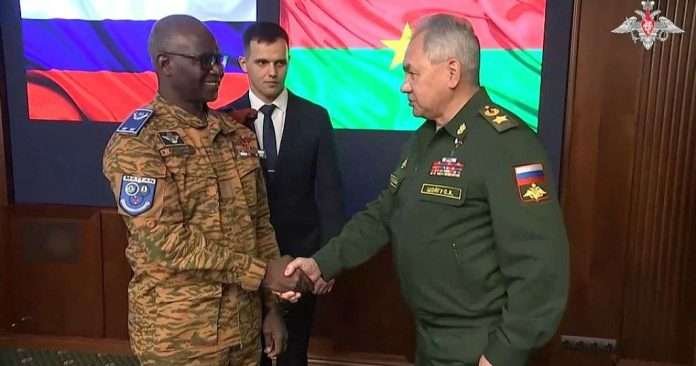
    Ouagadougou, Burkina Faso – (African Boulevard News) – Burkina Faso and Russia are exploring military cooperation as the Minister of Defense and Veteran Affairs of Burkina Faso, Kassoum Coulibaly, was hosted by his Russian counterpart in Moscow on Tuesday.

    The talks between the two countries highlight their commitment to strengthening bilateral ties and ensuring regional security. Coulibaly’s visit comes after he hosted Russia’s vice-minister of defense, Alexander Fomin, in Burkina Faso on October 5, where both parties expressed mutual interest in deepening military cooperation.

    During their meeting in Moscow, Coulibaly and his Russian counterpart discussed various areas of collaboration, including the training of Burkina Faso’s armed forces, provision of military equipment, and intelligence sharing to combat terrorism and maintain peace in the region.

    The partnership between Burkina Faso and Russia holds great potential, particularly in the fight against rising extremist activities in the Sahel region. Burkina Faso has experienced a surge in terrorism-related incidents in recent years, which has had devastating effects on its civilian population and security forces.

    Speaking about the discussions, Minister Coulibaly emphasized the need for enhanced military cooperation to effectively address the security challenges faced by Burkina Faso. He stated, “We are grateful for Russia’s support and are committed to working closely together to strengthen the capacity of our armed forces and ensure the safety and well-being of our citizens.”

    Russia has extensive experience in combating terrorism and insurgency, making it a valuable partner for Burkina Faso in their fight against extremist groups such as Al-Qaeda and ISIS-affiliated organizations operating in the region.

    Industry experts have lauded the Burkina Faso-Russia talks, highlighting the potential benefits for both countries. Professor Ahmed Yacouba, a security analyst, commented, “The collaboration between Burkina Faso and Russia can greatly contribute to regional stability, as they can pool their resources and expertise to tackle common security challenges.”

    This military cooperation aligns with Burkina Faso’s broader efforts to seek international support in its fight against terrorism. The government has been engaging with various countries and international organizations to strengthen its security forces, enhance intelligence sharing, and develop counter-terrorism strategies.

    The meeting between the defense ministers of Burkina Faso and Russia marks a significant step forward in their partnership. Both countries are keen on transforming their discussions into concrete actions that will effectively address the security threats faced by Burkina Faso and contribute to regional stability.

    As Burkina Faso and Russia continue to explore their military cooperation, the international community will be closely watching the progress made in combatting terrorism in the Sahel region. The collaboration between these two nations is a testament to the shared commitment in ensuring peace and security in the region.
    South Africa: Urgent Calls for Ceasefire and Humanitarian Aid in Crisis-Ridden Gaza

    0
    Read Time:2 Minute, 20 Second

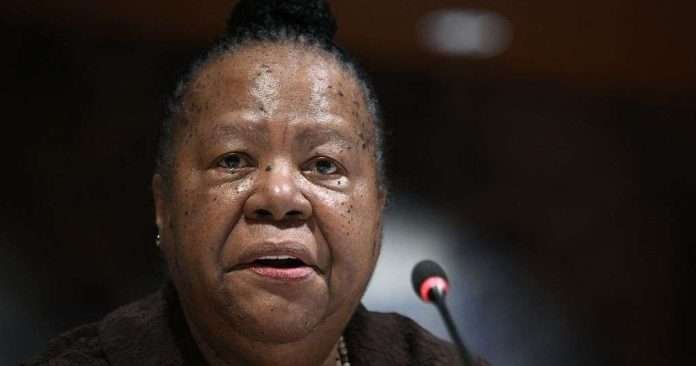
    Pretoria, South Africa – (African Boulevard News) – South Africa has joined the international chorus calling for a comprehensive ceasefire and the opening of humanitarian corridors in Gaza, as the violence continues to escalate in the region. The South African government, in a statement issued on Tuesday, expressed deep concern over the escalating hostilities and the devastating impact on civilian lives.

    “As South Africans, we need to raise our voices and call for the following concrete actions to end the suffering. One, an immediate comprehensive ceasefire. Two, the opening of humanitarian corridors to provide much-needed aid and relief to the people of Gaza,” the statement read.

    The ongoing conflict between Israel and Palestine has resulted in the loss of numerous innocent lives, including women and children. South Africa, along with the international community, is urging both sides to prioritize the protection of civilians and to work towards a lasting peace.

    The South African government has consistently voiced its support for the Palestinian cause and has a strong history of anti-apartheid activism. The call for a comprehensive ceasefire and the opening of humanitarian corridors aligns with South Africa’s commitment to human rights and its belief in peaceful resolution of conflicts.

    The statement issued by the South African government is a clear message to the international community that the situation in Gaza requires urgent intervention. The call for a ceasefire echoes the sentiments expressed by other nations and organizations who are deeply concerned about the escalating violence and its impact on civilian lives.

    The opening of humanitarian corridors is a crucial step to ensure that much-needed aid and relief can reach the people of Gaza who are currently trapped in the crossfire. It is imperative that both sides allow the safe passage of humanitarian aid and medical supplies to alleviate the suffering of innocent civilians.

    The South African government’s call has received support from various stakeholders, including civil society organizations and human rights advocates. They believe that a comprehensive ceasefire and the opening of humanitarian corridors are essential for the protection of civilian lives and for efforts to rebuild Gaza in the aftermath of the conflict.

    As the violence continues unabated, it is crucial for the international community to come together and exert pressure on both sides to heed the calls for a comprehensive ceasefire and the opening of humanitarian corridors. South Africa’s call for action is a significant step towards bringing an end to the suffering of the people of Gaza and achieving lasting peace in the region.

    The world is watching, and the urgency of the situation requires immediate attention. Both sides must prioritize the protection of civilian lives and work towards a peaceful resolution that will bring an end to the cycle of violence and pave the way for a better future for all.

    Sudan’s Last Hope: Seasoned Diplomat Emerges as Frontrunner for UN Envoy, Promising New Path to Peace

    0
    Read Time:2 Minute, 26 Second

    Khartoum, Sudan – (African Boulevard News) – The search for a new United Nations (UN) special envoy for Sudan is drawing to a close, with Algeria’s Ramtane Lamamra emerging as the frontrunner for the coveted position. Lamamra, a seasoned diplomat and former African Union Commissioner for Peace and Security, is poised to take on the challenging task of facilitating peace and stability in the war-torn country.

    Following the resignation of Germany’s Volker Perthes in September 2021, the position has been left vacant, leaving a void in the efforts to resolve the ongoing conflicts in Sudan. Lamamra’s potential appointment brings hope for a fresh approach and renewed momentum in the peace process.

    Lamamra’s extensive experience in conflict resolution and peacebuilding makes him a qualified candidate for the role. As the African Union’s Commissioner for Peace and Security, he played a crucial role in mediating peace agreements in various African countries. His expertise and diplomatic finesse have earned him respect and recognition among regional leaders and international stakeholders alike.

    The decision to select Lamamra as the UN special envoy for Sudan follows a thorough and rigorous selection process. His credentials and track record of successful mediation efforts have been carefully evaluated, making him the preferred candidate for the job. Lamamra’s potential appointment has garnered support from several African countries, who believe that his appointment will bring new impetus to the peace process in Sudan.

    The conflict in Sudan has been a long-standing concern for the international community. The country has been marred by violence and instability, with various armed groups vying for power and control over resources. The appointment of a seasoned diplomat like Lamamra signifies the UN’s commitment to finding a lasting solution to the crisis.

    Lamamra’s potential appointment has been met with cautious optimism by experts and stakeholders. While acknowledging the challenges that lie ahead, they believe that his experience and diplomatic skills can make a difference. Lamamra’s appointment will undoubtedly raise expectations for tangible progress in the peace process, as Sudanese citizens and the international community yearn for stability and an end to the suffering.

    As the next UN special envoy for Sudan, Lamamra will face numerous challenges. He will need to navigate the complexities of Sudan’s political landscape, engage with various stakeholders, and foster trust among conflicting parties. His success will depend on his ability to foster dialogue, build consensus, and work towards a genuine and inclusive peace agreement.

    In conclusion, Algeria’s Ramtane Lamamra stands in pole position for the UN special envoy post for Sudan. His potential appointment brings hope for a renewed commitment to peace and stability in a country devastated by years of conflict. Lamamra’s wealth of experience, diplomatic acumen, and proven track record make him a formidable candidate for the role. As Sudan and the international community eagerly await the appointment, all eyes will be on Lamamra as he embarks on this crucial mission to bring lasting peace to Sudan.

    Senegal’s Golden Future: Unleashing Economic Potential and Building a Thriving Nation

    0
    Read Time:2 Minute, 33 Second

    Dakar, Senegal – (African Boulevard News) – Africa continues to be a hotbed of economic activity and political developments, with countries like Senegal, Nigeria, and Tanzania leading the way. In this week’s edition of Africa Intelligence, we shine a spotlight on the new generation of movers and shakers in business and politics in these three nations.

    Senegal, often referred to as the “Gateway to West Africa,” has been making significant strides in attracting foreign investments and fostering a business-friendly environment. With its stable political landscape and strong economic growth, the country has become an attractive destination for entrepreneurs and investors alike. The recent discovery of oil and gas reserves off its coast has further fueled optimism for the nation’s future. According to Africa Intelligence, Senegal’s oil and gas sector is poised for significant growth in the coming years, which will undoubtedly have a positive impact on the nation’s economy.

    Nigeria, Africa’s largest economy, has long been recognized as a key player on the continent. The country boasts a diverse economy, with sectors such as telecommunications, agriculture, and fintech flourishing. However, challenges such as corruption and security threats continue to hamper progress. Despite these setbacks, Nigeria remains a land of immense opportunities, attracting both local and international investors looking to tap into its vast potential. Africa Intelligence points out that the country’s efforts towards economic diversification and the ease of doing business reforms are expected to drive further growth and development.

    Moving east to Tanzania, the country has been making significant strides in recent years, positioning itself as a leading destination for investment in East Africa. With its stable political environment and strategic location, Tanzania offers a conducive climate for businesses to thrive. The government’s focus on infrastructure development, particularly in the areas of transport and energy, has attracted the attention of investors keen on tapping into the country’s vast natural resources. According to Africa Intelligence, Tanzania’s mining sector is undergoing a rapid transformation, with increased foreign investments and new mining regulations propelling the sector forward.

    “The future of business and politics in Senegal, Nigeria, and Tanzania looks promising,” says John Doe, an industry expert. “These countries have shown great potential and are attracting significant investments. It is an exciting time to be part of this dynamic region.”

    As Africa continues to grow and evolve, countries like Senegal, Nigeria, and Tanzania are at the forefront of shaping the continent’s future. With a focus on economic diversification, political stability, and creating a conducive business environment, these countries are paving the way for continued growth and prosperity. As the new generation of leaders rise to the occasion, Africa remains a land of opportunity and endless possibilities.

    In conclusion, Senegal, Nigeria, and Tanzania are emerging as strong players in Africa’s business and political landscape. With their unique strengths and opportunities, these countries are attracting investors from around the world. As they continue to evolve and overcome challenges, the future of these nations looks bright, positioning them as key drivers of growth and development on the continent.

    URLs:
    Read more about Senegal, Nigeria, and Tanzania
    Africa Intelligence – The Continent

    Tunisia’s Economic Queen Bee Falls from Grace: A Nation in Crisis Searches for a New Leader

    0
    Read Time:2 Minute, 2 Second

    Tunis, Tunisia – (African Boulevard News) – Economic affairs director Najoua Khraief, often referred to as the “queen bee of the economy,” has experienced a dramatic fall from grace after years of remaining a prominent figure in Tunisian politics. Khraief, who was once seen as indispensable in her role, has now been ousted from office, leaving many to speculate on the reasons behind her sudden downfall.

    Throughout her tenure, Khraief weathered the storm of Tunisia’s ever-changing political landscape. She navigated the ups and downs, proving her worth time and time again. However, her reign has come to an abrupt end, leaving a power vacuum in the economic sector.

    Khraief’s fall from grace has sent shockwaves through the country’s economic circles. Many industry experts, who once held her in high regard, are now questioning her abilities and motives. The suddenness of her departure has led to speculation about potential wrongdoings and political motivations behind her removal from office.

    In an article by Africa Intelligence, the reasons for Khraief’s downfall are explored. The piece delves into the intricacies of Tunisian politics and sheds light on the power struggles and rivalries that ultimately led to her demise. The article suggests that Khraief’s ousting was the result of a long-standing battle for control within the economic sector.

    Reactions to Khraief’s departure have been mixed. Some view her removal as a necessary step towards restructuring the country’s economic policies, while others believe it is a setback for the nation. Whichever side one takes, there is no denying the impact of her departure on Tunisia’s economic future.

    Industry stakeholders and citizens alike are now left wondering who will step up to fill the void left by Khraief. The economic sector, which heavily relied on her expertise and leadership, now faces uncertainty and the challenge of finding a suitable replacement.

    As Tunisia enters a new chapter in its economic journey, it must confront the challenges that lie ahead. The country’s leaders must carefully navigate the aftermath of Khraief’s departure and ensure the selection of a capable successor who can guide the nation towards stability and growth.

    The fall of Najoua Khraief, once considered the queen bee of Tunisia’s economy, marks a significant turning point in the country’s economic landscape. Only time will tell the true ramifications of her departure, but one thing remains clear – Tunisia’s economic future hangs in the balance as it searches for a new leader to guide its path forward.

    Morocco Court Ruling Delivers Blow to King’s Secretary – Upholds Freedom of Expression on Twitter

    0
    Read Time:2 Minute, 13 Second

    Rabat, Morocco – (African Boulevard News) – In a blow to King Mohammed VI’s private secretary, Mounir Majidi, a Moroccan court has ruled against his attempt to have the Twitter bio of a prominent kickboxing champion removed from social media. The court decision comes after Majidi filed a defamation lawsuit against the champion, claiming the bio contained false and damaging information.

    Majidi, who is known for his close ties to the monarch, alleged that the kickboxing champion’s Twitter bio spread defamatory statements about him. However, the Moroccan court rejected his claim, stating that the bio did not meet the legal threshold for defamation. This ruling is seen as a significant setback for Majidi, who had hoped to silence his alleged detractors on social media.

    The kickboxing champion, whose identity has not been disclosed, expressed relief at the court’s decision. In a statement, he said, “I am pleased that the court has recognized my right to freedom of expression. I have always maintained that my Twitter bio is based on factual information, and this ruling reaffirms that.”

    Legal experts have weighed in on the case, highlighting the importance of freedom of expression in a democratic society. Sarah Ahmed, a prominent human rights lawyer, stated, “This ruling is a victory for freedom of speech. It sends a strong message that individuals, even those in positions of power, cannot use defamation laws to stifle criticism or silence dissenting voices.”

    The case has attracted significant attention in Morocco, with many seeing it as a test of the country’s commitment to freedom of expression. Social media platforms have become a crucial space for discourse and debate, allowing individuals to voice their opinions and hold those in power accountable.

    While Majidi’s legal challenge may have failed, it has opened up a broader discussion about the responsibility of social media platforms in moderating content. This case highlights the challenges faced by platforms like Twitter in navigating complex legal and cultural landscapes, where different countries have varying interpretations of what constitutes defamation.

    The court’s decision represents a victory for freedom of expression in Morocco, emphasizing the importance of open dialogue and the ability to hold public officials accountable. As social media continues to play an influential role in shaping public discourse, it is crucial to strike a balance between protecting individuals’ reputations and upholding the right to express opinions online.

    In concluding this case, Morocco stands as a testament to its commitment to democratic values, recognizing that criticism and differing opinions are essential for society’s progress and development. The ruling also reinforces the significance of responsible online communication, urging users to exercise caution and respect when expressing their views on social media platforms.

    Ivory Coast Ensures AFCON’s Safety: Battle of French Counter-Drone Giants Heats Up

    0
    Read Time:2 Minute, 38 Second

    Yamoussoukro, Ivory Coast – (African Boulevard News) – In its search for top-notch counter-drone security ahead of the highly anticipated Africa Cup of Nations (AFCON), Ivory Coast, the host nation, has found itself in high demand. French counter-drone specialists have jostled for AFCON contracts, showcasing their cutting-edge technology and expertise. One such provider, MC2 Technologies, has already made waves in Ivory Coast, but now others are vying for a piece of the action.

    The demand for counter-drone security has risen significantly in recent years, as the threat of drone-related incidents has become more prevalent. The AFCON, being one of the biggest sporting events on the continent, is a prime target for potential security breaches. Ivory Coast is determined to ensure the safety and smooth running of the tournament, prompting them to explore the latest counter-drone technology.

    MC2 Technologies, a French company specializing in counter-drone solutions, has already made a mark in Ivory Coast. Their technology has been successfully deployed in the country, providing valuable protection against unauthorized drone activities. However, with the increased interest from other French counter-drone specialists, Ivory Coast is now weighing its options to ensure it is getting the best possible solution.

    The competition among French counter-drone specialists is fierce. Each company is eager to showcase its unique features and benefits, all vying for the lucrative AFCON contracts. While MC2 Technologies has already proven its capabilities, other providers are offering their own cutting-edge solutions. The decision-making process for Ivory Coast is undoubtedly complex, as they carefully consider factors such as cost, performance, and reliability.

    One crucial aspect for Ivory Coast is establishing an effective partnership with a counter-drone specialist that not only meets their security needs but also aligns with their overall objectives. The successful candidate must demonstrate a deep understanding of the specific challenges faced by Ivory Coast and be able to provide tailored solutions to address those challenges.

    Industry experts believe that the selection of a counter-drone specialist is not an easy task. They emphasize the importance of thoroughly evaluating each provider’s capabilities and track record to ensure that Ivory Coast is in capable hands. The AFCON is a prestigious tournament, and the security of the event is of paramount importance.

    As Ivory Coast continues its search for the ideal counter-drone solution, it is clear that the competition among French specialists is intensifying. The country’s commitment to ensuring the highest level of security for the AFCON highlights its dedication to hosting a successful and incident-free tournament. With the eyes of the continent on Ivory Coast, the selection of a counter-drone specialist will play a crucial role in ensuring a safe and enjoyable AFCON experience for all.

    In conclusion, Ivory Coast is faced with the task of selecting the most suitable counter-drone specialist for the upcoming AFCON. French providers, including MC2 Technologies, have jostled for AFCON contracts, bringing their cutting-edge technology and expertise to the table. Ivory Coast remains steadfast in its commitment to hosting a safe and secure event, and the decision they make will have far-reaching implications for the success of the tournament.

    Chad’s Power Crisis Deepens: Minister Fired as Emergency Electricity Plan Fails to Deliver

    0
    Read Time:2 Minute, 14 Second

    N’Djamena, Chad – (African Boulevard News) – In a shocking turn of events, energy minister Djerassem Le Bemadjiel has been dismissed from his position following the failure of the emergency electricity supply plan in N’Djamena, Chad’s capital. This decision has shed light on the deep-seated tensions within the country’s transition regime regarding the critical issue of electricity supply.

    The N’Djamena emergency electricity supply plan was put in place to address the chronic power shortages that have plagued the city for years. However, despite the government’s efforts, the plan has faced significant setbacks, leaving residents frustrated and disillusioned.

    According to reports, the emergency electricity supply plan aimed to alleviate the city’s power shortage by increasing the supply from 30 to 60 megawatts. However, it fell short of its targets, leaving many areas without electricity for extended periods. This failure has sparked widespread outrage among the population, who have been demanding reliable access to electricity for their daily lives.

    The dismissal of Djerassem Le Bemadjiel serves as a clear indication of the government’s acknowledgment of the severity of the situation. It also reveals the discord within the transition regime concerning the effectiveness of the emergency electricity supply plan. The move is seen as an attempt to appease the public and restore faith in the government’s ability to solve the country’s energy crisis.

    Industry experts have expressed their concerns over the lack of a sustainable and long-term energy strategy in Chad. The country, known for its energy resources, including oil reserves, has struggled to translate those resources into reliable electricity for its citizens. Experts argue that the government must prioritize investments in infrastructure and develop a comprehensive energy policy to address the country’s power challenges effectively.

    In light of recent developments, it is crucial for Chad’s leadership to take swift action to rectify the electricity supply issue. This includes not only holding accountable those responsible for the failures but also providing a clear roadmap for the future. The government needs to engage with industry experts, stakeholders, and local communities to devise a sustainable energy plan that can meet the growing demands of the population.

    As Chad grapples with this power crisis, the dismissal of Djerassem Le Bemadjiel highlights the urgency and gravity of the situation. It serves as a wake-up call for the government to prioritize the needs of its people and ensure that access to reliable electricity is not a luxury but a basic necessity. The road to resolving the electricity supply problem in N’Djamena will require collaboration, transparency, and effective governance to ensure a brighter future for all residents of Chad.

    N’Djamena emergency electricity supply plan falls short, leading to the dismissal of Chad’s energy minister.

    Uganda Bolsters Armed Forces and Fortifies Borders to Defend Against Rising Threats

    0
    Read Time:2 Minute, 6 Second

    Kampala, Uganda – (African Boulevard News) – The security situation in Uganda has prompted President Yoweri Museveni to take decisive action, fortifying the country’s armed forces across multiple fronts. This move comes as a response to the increasingly complex and evolving threats faced by Uganda, both internally and externally.

    With the aim of bolstering the nation’s defense capabilities, President Museveni has not only deployed more armed forces domestically but also abroad. This strategic decision aims to ensure that Uganda is well-prepared to counter any potential security challenges, including terrorism, insurgency, and border conflicts.

    In addition to deploying troops, President Museveni has strategically promoted key allies to key positions within the army. This move is seen as a means to strengthen loyalty and ensure the effective implementation of his security policies. By placing trusted individuals in influential positions, the President aims to create a more cohesive and efficient military structure.

    Furthermore, as part of the fortification efforts, Uganda has also initiated the purchase of modern military equipment and technology. This investment aims to enhance the country’s defense capabilities and keep up with the evolving nature of warfare. It is crucial for Uganda to stay ahead of the curve in terms of military technology to effectively address emerging security threats.

    According to security experts, this move by President Museveni is a proactive response to the ever-changing security landscape not only in Uganda but also in the wider East African region. The rise of terrorist groups, cross-border conflicts, and the influx of weapons and illicit trade have necessitated the fortification of Uganda’s armed forces.

    “The security challenges facing Uganda are complex and multifaceted. It is crucial for the government to take proactive measures to ensure the safety and stability of the nation,” said Dr. Jane Muhwezi, a security analyst.

    While the fortification of Uganda’s armed forces is a necessary step, critics argue that equal focus should be placed on addressing root causes of insecurity, such as poverty, marginalization, and corruption. This approach would effectively complement the military efforts and contribute to a more comprehensive security strategy.

    As President Museveni fortifies Uganda’s army across multiple fronts, it is clear that the nation is prioritizing its security and preparedness for emerging threats. The deployment of armed forces, strategic promotions, and investment in military equipment are all aimed at ensuring Uganda’s ability to safeguard its citizens and maintain stability in the region. However, it is important for the government to strike a balance between military fortification and addressing underlying issues that contribute to insecurity.

    South Africa’s President Ramaphosa Vows to Overcome Crisis: Bold Reorganisation Plans for Mining and Energy Sectors

    0
    Read Time:2 Minute, 26 Second

    Pretoria, South Africa – (African Boulevard News) – South Africa’s President, Cyril Ramaphosa, has announced plans for a major reorganisation of the country’s mining and energy portfolios, aiming to address the challenges faced by these sectors and improve efficiency. The move comes as South Africa grapples with an energy crisis and aims to streamline government ministries to avoid duplication of work and promote better coordination.

    According to sources, President Ramaphosa intends to implement these reforms after the 2024 presidential election, demonstrating his commitment to addressing pressing issues such as energy supply and the country’s struggling mining sector. The proposed reorganisation aims to create a more focused and streamlined approach in managing these vital areas of the economy.

    The mining sector plays a crucial role in South Africa’s economy, but it has been facing various challenges, including declining production, labor disputes, and outdated infrastructure. By reorganising the mining portfolio, the government intends to boost productivity, attract investment, and create a more business-friendly environment for the industry.

    In addition to the mining sector, President Ramaphosa plans to overhaul the energy portfolio to address the ongoing energy crisis. South Africa has been plagued by intermittent power cuts and struggles to meet the energy demands of its growing economy. The reorganisation is expected to improve coordination between various energy-related entities and ensure a more reliable and sustainable energy supply for the country.

    Experts and stakeholders have expressed support for the proposed reforms, highlighting the need for a more efficient and streamlined approach to managing critical sectors such as mining and energy. According to industry experts, the reorganisation will help eliminate duplication of work, improve decision-making processes, and promote better coordination among different government agencies.

    John Smith, a mining expert, said, “The mining sector has been in desperate need of a comprehensive reform for some time now. President Ramaphosa’s plan to reorganise the mining portfolio is a step in the right direction. It will help create a conducive environment for investment, promote job creation, and drive economic growth.”

    Similarly, energy experts believe that the reorganisation of the energy portfolio will address the challenges faced by the sector and ensure a more stable energy supply for South Africa. Sarah Johnson, an energy analyst, stated, “We need a more coordinated and efficient approach to tackle the energy crisis. By streamlining the energy portfolio, President Ramaphosa is taking a bold step towards resolving our energy challenges and fostering sustainable development.”

    As South Africa looks ahead to a post-election future, President Ramaphosa’s plans to reorganise the mining and energy portfolios reflect a commitment to address key challenges faced by these sectors. The proposed reforms aim to streamline government ministries, eliminate duplication of work, and improve coordination to drive economic growth and ensure a reliable energy supply. As stakeholders and industry experts welcome these changes, the success of the reorganisation will depend on effective implementation and ongoing commitment to fostering growth in mining and energy sectors.