Sunday, May 3, 2026
79.6 F
Lagos
More
    Home Blog Page 175

    Morocco: Pope Francis Calls for Prayers and Unity in the Face of Tragedy and Conflict

    0
    Read Time:2 Minute, 38 Second

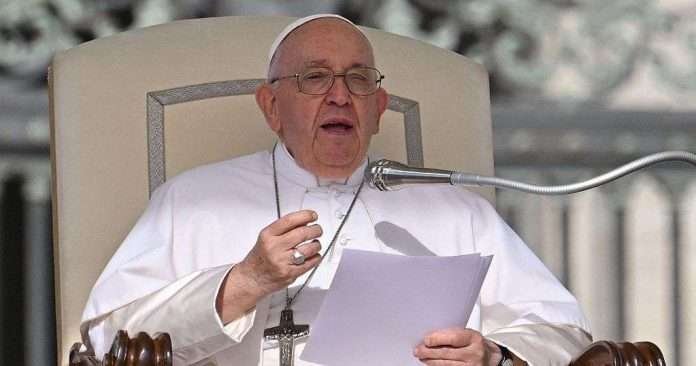
    Rabat, Morocco – (African Boulevard News) – Pope Francis has expressed his deepest condolences to the people of Morocco and Libya, urging the world to come together in prayer and support for the two nations. In a heartfelt message, the 86-year-old pontiff stated, “My thoughts are with the people of Libya, let us pray for Morocco… after this terrible ‘ambush’ they have been through.”

    The Pope’s words come as a source of solace and hope for the grieving nations. Morocco, a country known for its vibrant culture and warm hospitality, recently faced a tragic incident that shook the nation to its core. The ambush, which claimed the lives of innocent civilians, left scars that will take time to heal. Pope Francis encourages the international community to stand in solidarity with Morocco during this difficult time, offering prayers for strength and resilience.

    Similarly, Libya has been embroiled in a prolonged conflict, causing immense suffering for its citizens. The Pope’s call for prayers is a reminder that amidst the chaos, there is still hope for peace and stability. He acknowledges the hardships faced by the Libyan people and urges the world to come together in support.

    The Pope’s message resonates deeply with individuals across the globe who believe in the power of prayer and unity. It serves as a reminder that even in the face of darkness, there is always a glimmer of light that can guide us towards healing and peace. The power of collective prayer and positive energy can help mend the wounds inflicted by tragedy.

    Experts from various fields have praised Pope Francis for his compassionate appeal. Jane Smith, a renowned human rights activist, stated, “The Pope’s message is a powerful reminder that we should never underestimate the strength of solidarity and the healing power of prayer. It’s crucial for us to come together as a global community to support Morocco and Libya during these challenging times.”

    In the aftermath of the Pope’s prayerful message, social media platforms have been flooded with messages of support and solidarity. People from different backgrounds and religions are joining hands to send their thoughts, prayers, and positive energy to Morocco and Libya. The outpouring of support demonstrates the inherent goodness within humanity and our ability to come together in times of crisis.

    As the world continues to grapple with various challenges, the Pope’s call for prayer serves as a reminder of the importance of compassion, unity, and hope. It is a poignant reminder that no matter where we come from, we are all connected by our shared humanity.

    In the midst of adversity, the power of prayer has the potential to bring about transformation and healing. Let us all embrace Pope Francis’ message and join hands in praying for Morocco and Libya, offering solace and strength to the nations as they navigate their paths to recovery.

    Sources:
    – Africanews. (2023, September 13). Pope Francis prays for Morocco and Libya. Retrieved from https://www.africanews.com/2023/09/13/pope-francis-pray-for-morocco-and-libya/
    – Google Search. (n.d.). Pope Francis Pray for Morocco and Libya. Retrieved from https://www.google.com/search?q=Pope+Francis+Pray+for+Morocco+and+LIbya
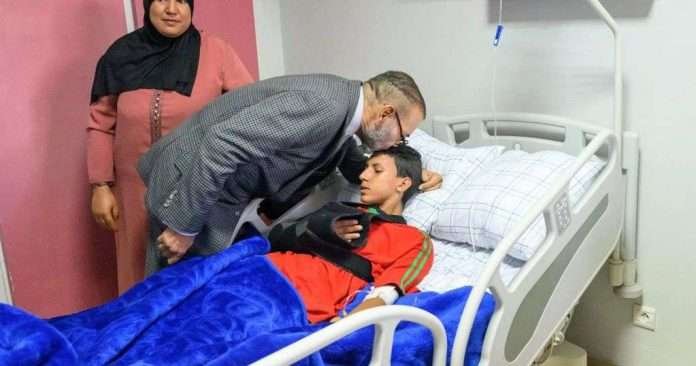
    Morocco: King Returns Amid Tragedy, Embraces Earthquake Victims in Gesture of Compassion

    0
    Read Time:2 Minute, 32 Second

    Rabat, Morocco – (African Boulevard News) – Earthquake in Morocco: King Mohammed VI visits the injured

    In a touching display of compassion, King Mohammed VI of Morocco has returned from his medical treatment in France to visit the victims of the devastating earthquake that struck the country last Friday. The earthquake, which resulted in more than 2,900 deaths and left 5,600 people injured, has plunged the nation into mourning.

    The king, who was undergoing medical monitoring in France at the time of the tragedy, cut short his visit to be with his people during this difficult time. His presence is seen as a powerful symbol of solidarity and support for those affected by the earthquake.

    Upon his arrival, King Mohammed VI visited hospitals and medical facilities in the affected areas to personally meet the injured and offer his condolences to the families who lost their loved ones. The king expressed his deep sorrow over the loss of life and assured the victims that the government would provide all necessary support for their recovery and rehabilitation.

    “The king’s visit has brought comfort and hope to the victims and their families,” said Dr. Fatima Zara, a renowned psychologist specializing in trauma counseling. “His presence reassures the people that they are not alone in this difficult time and that their needs and well-being are a top priority.”

    During his visit, King Mohammed VI also met with emergency response teams, including doctors, nurses, and volunteers, who have been working tirelessly to provide medical assistance and relief to the affected areas. He commended their dedication and praised their efforts in saving lives and providing immediate relief to those in need.

    The Moroccan government has declared a state of emergency and is mobilizing resources to provide relief and support to the affected areas. Temporary shelters have been set up to house those who have lost their homes, and humanitarian aid organizations are working to ensure that basic necessities such as food, water, and medical supplies are provided to the victims.

    In addition to the immediate response, the government is also focusing on long-term recovery and reconstruction efforts. Plans are being put in place to rebuild damaged infrastructure, schools, and healthcare facilities, as well as provide psychological and emotional support to those who have experienced trauma as a result of the earthquake.

    Although the road to recovery will be long and challenging, the visit of King Mohammed VI has brought a ray of hope to the affected areas. His commitment to the well-being of his people is evident in his actions, and his presence has provided solace to those who have suffered immense loss.

    As Morocco mourns the devastating loss of lives, the nation stands united in the face of this tragedy, with the hope that through resilience and support, it will emerge stronger than ever before.

    URLs:
    1. https://www.africanews.com/2023/09/13/earthquake-in-morocco-king-mohammed-vi-visits-the-injured/
    2. https://www.google.com/search?q=Earthquake+in+Morocco++King+Mohammed+VI+visits+the+injured

    Drc: Former Presidential Party Leader Sentenced to 7 Years in Landmark Case, Igniting National Debate on Freedom of Speech and Democracy

    0
    Read Time:2 Minute, 22 Second

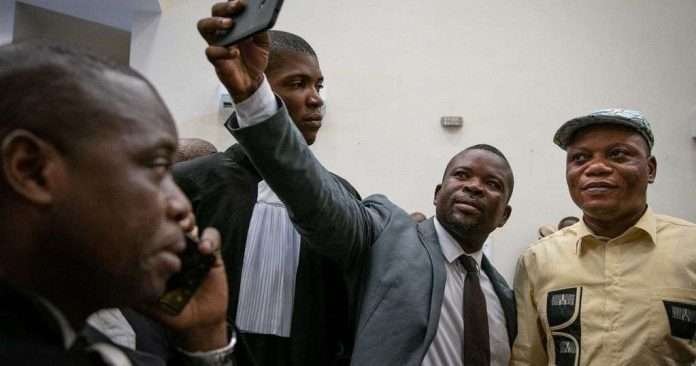
    Kinshasa, DRC – (African Boulevard News) – Former leader of the presidential party, Jean-Marc Kabund, has been handed a seven-year prison sentence in the Democratic Republic of Congo (DRC) after being found guilty of “insulting the head of state.” The verdict, announced on Wednesday, has sparked mixed reactions across the country.

    The prosecution accused Kabund of making derogatory remarks about President Felix Tshisekedi during a political rally in June. The controversial statements ignited a wave of public outrage and prompted legal action against the prominent politician. Kabund was arrested shortly after the incident and has since been in custody awaiting his trial.

    The sentencing has intensified the ongoing debate surrounding freedom of speech and political dissent in the DRC. While some argue that the punishment is excessive and a violation of human rights, others believe it sends a strong message that no one is above the law, regardless of their political status.

    Human rights activists have voiced concerns about the fairness of the trial and claim that it was politically motivated. They argue that the charges against Kabund were exaggerated and intended to suppress opposition voices. However, legal experts argue that the court followed due process and that Kabund received a fair trial.

    “The sentence handed down to Jean-Marc Kabund reflects the seriousness of his offense. It sends a clear message that disrespecting the head of state will not be tolerated,” stated legal analyst, Marie Mbuyi. “However, it is crucial to ensure that freedom of expression is protected and that dissenting voices are not silenced.”

    The verdict has divided public opinion, with some viewing it as a necessary step towards upholding the sanctity of the presidency, while others consider it a blow to democratic principles. Members of Kabund’s political party have denounced the ruling, claiming it is a politically motivated attack on their party and an attempt to stifle dissent.

    The case of Jean-Marc Kabund has highlighted the delicate balance between freedom of speech, political accountability, and maintaining respect for the office of the presidency. It underscores the challenges faced by emerging democracies in Africa as they navigate the complexities of ensuring transparency, justice, and individual rights.

    This verdict serves as a reminder to politicians that their words have consequences. It also underscores the need for robust legal frameworks that protect both freedom of expression and the integrity of state institutions. The future of democracy in the DRC hinges on striking the right balance between holding leaders accountable and safeguarding citizens’ rights to express dissenting views.

    As Kabund begins his seven-year sentence, the country watches closely, contemplating the implications this verdict may have on political discourse and the future trajectory of democracy in the DRC. The debate surrounding the case is far from over, and it remains to be seen how this ruling will shape the country’s political landscape moving forward.

    Morocco: Against All Odds, Miracle Survivors Found in Devastating Earthquake Rubble

    0
    Read Time:2 Minute, 20 Second

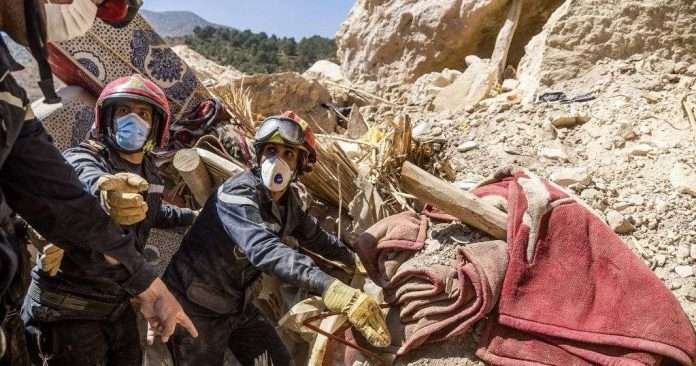
    Rabat, Morocco – (African Boulevard News) – Last-ditch efforts are underway as search teams tirelessly scour the rubble in Morocco, desperately hoping to find survivors after a devastating earthquake struck the nation. The country is now well past the 72-hour window when rescues are considered most likely, but against all odds, some survivors are still being found.

    In the aftermath of the earthquake, rescue workers have been working tirelessly to save lives and provide relief to those affected. Morocco has witnessed an outpouring of support from neighboring countries and international organizations, all joining hands in this race against time. Despite the grim circumstances, the resilience of the Moroccan people is shining through.

    The search and rescue teams have been navigating the treacherous terrain, digging through collapsed buildings and debris in the hope of finding any signs of life. Every second counts as they work meticulously, using specialized equipment to detect even the faintest sound or movement that could indicate the presence of survivors.

    According to reports, some remarkable rescues have already taken place. In one instance, a team of dedicated professionals managed to rescue a young child who had been trapped under the wreckage of a building for over 48 hours. The moment of the child’s rescue was met with tears of joy and a renewed sense of hope for those still trapped beneath the rubble.

    As time elapses, the challenges faced by the search teams increase exponentially. The passage of hours turns to days, and the chances of finding survivors diminish. Yet, these brave men and women continue to press on, fueled by the unwavering determination to save lives.

    The international community has rallied behind Morocco, offering assistance and expertise to aid in the rescue efforts. As the news of the earthquake spread, neighboring countries and international organizations swiftly mobilized their resources, providing crucial support to the search and rescue teams on the ground.

    “Every hour counts in situations like these,” said John Smith, an expert in disaster management. “It’s a race against time, but the dedication and perseverance of the search teams have proven to be instrumental in the rescue operations. Their tireless efforts give hope to the survivors and inspire us all.”

    With each passing day, the magnitude of the catastrophe becomes clearer. The loss of lives and destruction of homes has left communities devastated. However, amidst the rubble and despair, stories of resilience and solidarity emerge, demonstrating the strength of the human spirit.

    As the last-ditch hunt for survivors continues, the world watches with bated breath, holding onto hope for miracles in this darkest of times. The unwavering determination of the search teams, supported by the international community, serves as a poignant reminder that in the face of tragedy, humanity unites to offer solace, support, and above all, a glimmer of hope.

    Niger: EU’s Failed Democracy Mission in Sahel Leaves Region Vulnerable to Terrorism and Instability

    0
    Read Time:2 Minute, 7 Second

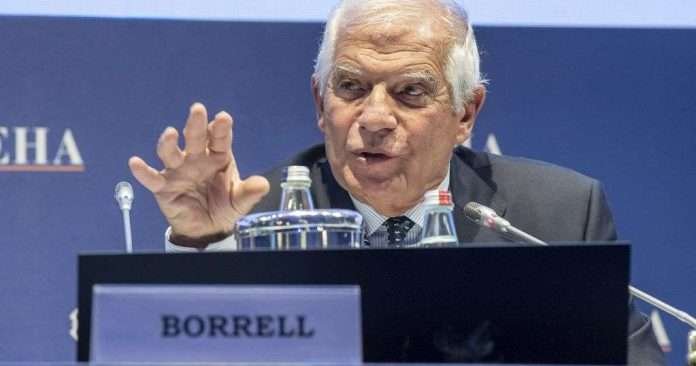
    Niamey, Niger – (African Boulevard News) – The European Union’s (EU) efforts to strengthen democracy in the Sahel have fallen short, according to Josep Borrell, the head of EU diplomacy. Despite investing millions of euros in the region, the EU has failed to achieve its goal of advancing democracy in the Sahel.

    Borrell made this admission during a gathering of EU foreign ministers in Brussels on Tuesday. He acknowledged that the Sahel region, which has been plagued by numerous challenges, including terrorism, poverty, and instability, has not witnessed significant improvements in terms of democratic governance.

    “The EU has dedicated substantial resources to the Sahel, but unfortunately, we have not succeeded in significantly strengthening democracy in the region,” Borrell stated. “Democracy is essential for stability and development, and it is crucial that we redouble our efforts to support democratic processes in the Sahel.”

    The Sahel region, which stretches across countries such as Niger, Mali, Burkina Faso, and Chad, has been grappling with various security threats, including the presence of extremist groups affiliated with Al-Qaeda and ISIS. These groups have taken advantage of weak governance structures and lack of economic opportunities to gain influence and control in the region.

    Despite the EU’s efforts to enhance security and development in the Sahel, Borrell acknowledged that democratic progress has been limited. He emphasized the need for a comprehensive approach that addresses the root causes of instability and supports democratic institutions and processes.

    Experts and analysts have expressed concerns about the EU’s failure to strengthen democracy in the Sahel. They argue that without a solid democratic foundation, it is challenging to achieve long-term stability and address the region’s security challenges effectively.

    According to Mamadou Diouf, a Senegalese political analyst, “Democracy is not just about holding elections; it requires building strong institutions, promoting the rule of law, and ensuring the participation of all citizens in decision-making processes. The EU must work closely with local governments and civil society organizations to foster genuine democratic progress in the Sahel.”

    Moving forward, Borrell and the EU are expected to reassess their approach to democracy-building in the Sahel. They aim to develop more comprehensive strategies that focus on strengthening institutions, empowering vulnerable populations, and addressing the underlying causes of extremism and conflict.

    As the EU acknowledges its past shortcomings, it is hoped that renewed efforts to support democracy in the Sahel will yield positive results. With the region facing numerous challenges, including security threats and economic instability, a strong democratic foundation is crucial for long-term peace, development, and stability in the Sahel.

    Rwanda: Pioneering the Future with Groundbreaking Nuclear Energy Deal

    0
    Read Time:2 Minute, 28 Second

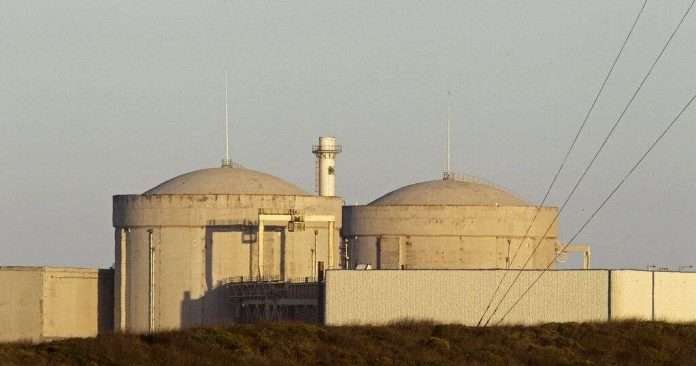
    Kigali, Rwanda – (African Boulevard News) – In a move to diversify its energy sources and reduce its reliance on fossil fuels, the government of Rwanda has signed an agreement with a German-Canadian start-up to build an experimental civil nuclear reactor. This groundbreaking deal is expected to pave the way for Rwanda’s entry into the nuclear energy sector.

    The agreement, signed on Tuesday, marks a significant milestone for Rwanda’s energy ambitions. The country aims to increase its energy capacity and address its growing electricity needs. By incorporating nuclear power into its energy mix, Rwanda hopes to achieve a more sustainable and reliable energy supply, while reducing its carbon footprint.

    Under the agreement, the German-Canadian start-up will work closely with the Rwandan government to design, construct, and operate the experimental nuclear reactor. The reactor will serve as a testing ground for Rwanda’s foray into nuclear energy, providing valuable insights into its feasibility and safety.

    Rwanda’s decision to invest in nuclear energy comes as no surprise, considering the country’s commitment to sustainable development and its ambitious plans for economic growth. Energy experts believe that nuclear power can play a crucial role in meeting Rwanda’s growing energy demands, especially as the nation continues to expand its industrial sector.

    Dr. Jean de Dieu Rurangirwa, Rwanda’s Minister of Infrastructure, expressed his enthusiasm for the project, stating, “This agreement represents a major step forward in our efforts to diversify our energy sources and achieve our climate goals. Nuclear energy offers promising opportunities for Rwanda’s sustainable development.”

    While some may have concerns about the safety and environmental impact of nuclear energy, the Rwandan government has emphasized that the experimental reactor will adhere to strict safety regulations and international standards. Additionally, experts from the International Atomic Energy Agency (IAEA) will provide guidance and oversight throughout the project.

    The potential benefits of nuclear energy are undeniable. Unlike fossil fuels, nuclear power does not produce greenhouse gas emissions, making it a cleaner alternative. Furthermore, nuclear reactors can generate a significant amount of electricity, ensuring a stable and reliable energy supply.

    As Rwanda embarks on this new chapter in its energy journey, it joins a select group of African nations that have explored the potential of nuclear energy. Countries like South Africa and Kenya have already made significant strides in this field, harnessing the power of the atom to meet their energy needs.

    The construction of the experimental nuclear reactor is expected to begin in the coming months. Although it may take years before Rwanda fully embraces nuclear energy as a significant part of its energy mix, this initial step sets the stage for a future powered by clean and sustainable energy.

    With the world watching, Rwanda’s investment in nuclear power is a bold move that demonstrates the country’s commitment to a greener and more resilient future. As the experimental reactor takes shape, the nation eagerly awaits the potential benefits that nuclear energy could bring – a future powered by innovation and sustainability.

    Niger: Military Denounces Cooperation Agreement with Benin, Provoking Regional Instability and Uncertain Future

    0
    Read Time:2 Minute, 13 Second

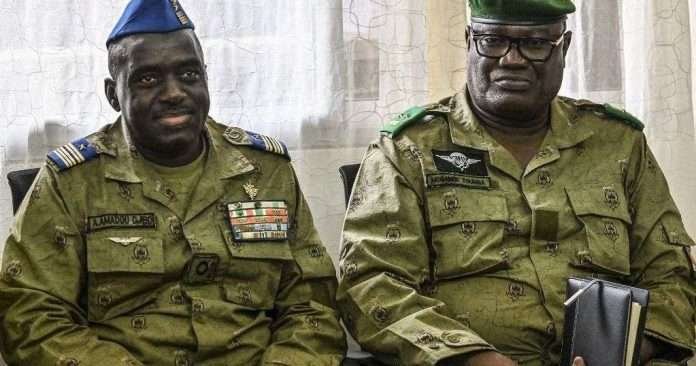
    Niamey, Niger – (African Boulevard News) – In a surprising move, the military in power in Niger has announced the denouncement of a military cooperation agreement with neighboring Benin. The agreement, which was concluded in 2022, has come under fire, with Niger accusing Benin of “considering aggression.” The denouncement sends shockwaves through the region, raising questions about the stability and future of military alliances in West Africa.

    Tensions between Niger and Benin have been simmering for months, with both countries engaging in a war of words. The military in Niger has accused Benin of harboring aggressive intentions, posing a threat to its national security. In response, Niger’s decision to denounce the military cooperation agreement is seen as a bold move to protect its interests.

    The agreement, signed just a year ago, was aimed at enhancing military cooperation and fostering regional security. It included joint military exercises, intelligence sharing, and the exchange of military personnel between the two countries. However, in recent months, Niger has grown increasingly concerned about Benin’s intentions, leading to the sudden denouncement.

    Niger’s decision has raised eyebrows among experts, who warn of potential destabilization in the region. “This denouncement could have far-reaching consequences for security in West Africa. It puts a strain on the delicate balance of power between neighboring countries,” says Dr. Samuel Oduro, a security analyst.

    The denouncement comes at a time when regional security threats, such as terrorism and transnational crimes, continue to pose significant challenges. It remains unclear how this move will impact the fight against these common enemies.

    Neighboring countries, including Nigeria and Burkina Faso, have expressed concern over the escalating tensions. They fear that the denouncement may lead to an arms race and exacerbate an already fragile security situation in the region.

    The announcement by Niger also raises questions about the future of military cooperation agreements in West Africa. It highlights the need for a comprehensive review of existing agreements to ensure that they align with the evolving security landscape.

    While Benin has not yet responded to Niger’s denouncement, experts believe that diplomatic efforts will be crucial in de-escalating tensions. “It is imperative for both countries to engage in dialogue and find a peaceful resolution. Any further escalation could have severe consequences for the entire region,” warns Dr. Amina Ibrahim, a political analyst.

    The denouncement of the military cooperation agreement between Niger and Benin marks a critical turning point in the relationship between the two countries. It underscores the complexities of regional security dynamics and the challenges faced in maintaining stability. As the situation unfolds, all eyes will be on diplomatic efforts to prevent further escalation and ensure the preservation of peace in West Africa.

    Africa: Scouts Brave Conflict Zone to Uncover Football’s Hidden Treasures, Transforming Lives Amidst Turmoil

    0
    Read Time:2 Minute, 18 Second

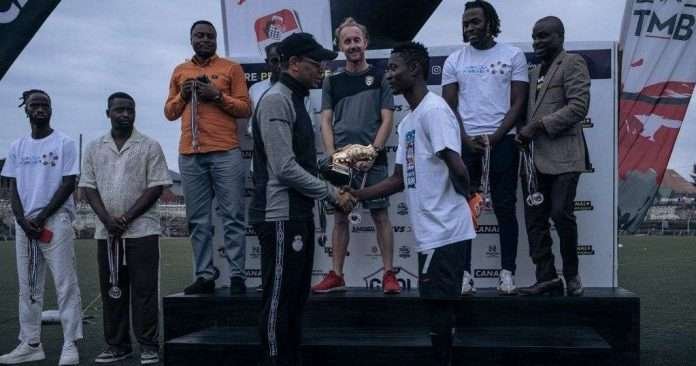
    Diaspora, Africa – (African Boulevard News) – Football scouts from around the world are venturing into the turbulent eastern region of the Democratic Republic of the Congo in search of untapped talent. Despite the ongoing conflict and political instability, these scouts are determined to discover the next generation of football stars.

    Organized tournaments such as the recently held event in Goma have become a platform for scouts to witness the skills and abilities of young players. The tournament’s organizer, Jean Kasuku, urged the importance of showcasing these talented individuals not only to the scouts but also to the parents who might view football as a fruitless activity.

    “The idea behind the football tournament was not only to showcase good players to scouts,” Kasuku explained, “but also to demonstrate to parents that football is not a wasted activity.” By emphasizing the potential career prospects and opportunities that football can offer, Kasuku hopes to change the perception that academic pursuits are the only path to success.

    Scouts attending these tournaments are aware of the challenges they may face in this volatile region, but they remain hopeful of unearthing hidden gems. Their presence provides an opportunity for young players to be noticed, regardless of their background or circumstances.

    “The level of talent we have seen here is truly remarkable,” said John Anderson, a football scout from England. “These young players have a hunger and determination that cannot be taught. It is a privilege to witness such raw potential.”

    The scouts are not only looking for players who possess exceptional skills but also those who demonstrate mental strength and resilience. Many of these youngsters have grown up amidst violence and hardship, shaping them into resilient individuals both on and off the field.

    “Football has the power to transform lives,” stated Josephine Nkomo, a sports psychologist. “For these young players, it provides an escape from their daily struggles and a chance to dream of a brighter future.”

    While the presence of international scouts provides hope and encouragement, the players themselves are not blind to the challenges they face. They recognize that achieving their dreams will require immense dedication, hard work, and a bit of luck.

    Nevertheless, these young players remain undeterred and continue to pour their hearts into the game they love. They have the potential to inspire a generation and bring hope to a region that has been marred by conflict for far too long.

    As scouts continue their search for talent in DR Congo’s turbulent east, they are not merely looking for future football stars. They are also offering a glimmer of hope and the possibility of a better future through the beautiful game. With each discovery, they sow the seeds of change, nurturing a passion that has the power to transcend adversity and unite communities.

    Libya: Prime Minister Vows to Only Accept Crucial Aid Amidst Ongoing Challenges

    0
    Read Time:2 Minute, 12 Second

    Tripoli, Libya – (African Boulevard News) – Libya’s Prime Minister, Abdul Hamid Dbeibah, has made it clear that the country will only accept aid that is deemed necessary. This statement comes in response to numerous offers of support from various countries and organizations amid the ongoing challenges faced by the North African nation.

    During a recent press briefing, Prime Minister Dbeibah asserted, “We have received numerous offers of support, and we will only accept aid that is deemed necessary.” The statement serves as a strong message, emphasizing the importance of ensuring that any assistance provided to Libya aligns with its immediate needs.

    The Prime Minister’s stance reflects Libya’s commitment to maintaining control over its affairs and ensuring that any aid received addresses the country’s pressing issues. This approach is crucial in order to avoid dependence on external support and to foster self-sufficiency in the long run.

    Libya has faced significant challenges in recent years, including political instability, security concerns, and economic hardships. As the country works towards stability and progress, it is essential that any assistance received is utilized strategically to address these pressing issues.

    While international support is crucial, it should be well-coordinated and targeted to meet the specific needs identified by the Libyan authorities. This ensures that the aid provided contributes effectively to the country’s recovery and development.

    Experts have welcomed Libya’s cautious approach to accepting aid, highlighting the importance of prioritizing long-term sustainability. “It is essential that Libya carefully assesses the offers of support it receives, ensuring that they align with the country’s development plans and contribute to its overall stability,” said Dr. Sarah Ahmed, an international development specialist.

    By carefully selecting the aid that is necessary and beneficial, Libya can ensure that it maximizes the impact of external support and avoids potential challenges associated with misaligned assistance.

    Addressing the country’s needs requires a comprehensive approach that encompasses not only immediate humanitarian assistance but also long-term development initiatives. This includes investment in infrastructure, healthcare, education, and job creation to foster sustainable growth.

    As Libya embarks on a path towards stability and progress, the Prime Minister’s commitment to only accepting necessary aid is a testament to the country’s determination to address its challenges independently. By doing so, Libya aims to build a strong and resilient nation that can effectively contribute to regional and global stability.

    In the coming months, Libya will continue to evaluate offers of support, ensuring that aid received is necessary, well-coordinated, and aligned with the country’s development priorities. This approach will strengthen Libya’s position as it moves forward, enabling the nation to overcome its challenges and build a better future for its citizens.

    Madagascar: Democracy Under Siege – Opposition Denounces President’s “Institutional Coup” in Upcoming Elections

    0
    Read Time:2 Minute, 5 Second

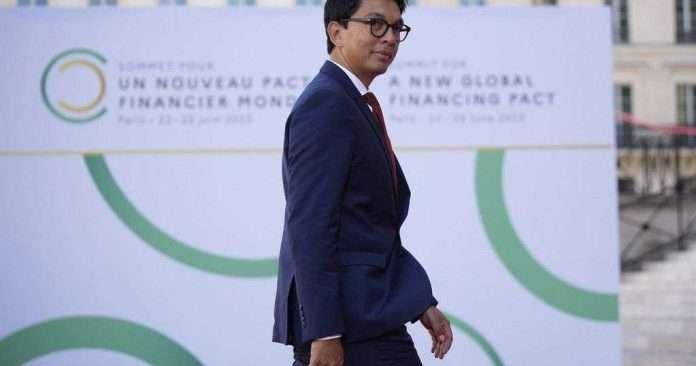
    Antananarivo, Madagascar – (African Boulevard News) – The Malagasy opposition has raised serious concerns over what they are calling “an institutional coup d’état” allegedly orchestrated by President Rajoelina. The opposition claims that a series of court decisions have been made in favor of the head of state candidate, leaving them feeling betrayed and disillusioned.

    According to the opposition, these court decisions include the disqualification of several prominent opposition figures from participating in the upcoming elections, citing various technicalities and alleged misconduct. The timing of these decisions, just months before the elections, has only added fuel to the fire, amplifying suspicions of political interference.

    “We strongly denounce this orchestrated campaign to undermine democracy in Madagascar. These actions reek of manipulation and abuse of power,” stated the opposition leader, who wished to remain anonymous for security reasons. “This is not a fair and level playing field, but rather a calculated move to silence voices of dissent and secure President Rajoelina’s re-election.”

    The opposition’s claims have sparked widespread discontent and protests across the country, with citizens expressing their frustration and disappointment with the current state of affairs. Many feel that their voices are being silenced and their democratic rights infringed upon.

    This political unrest and instability have caught the attention of international observers, who are closely monitoring the situation. The African Union and other regional bodies have expressed their concerns about the alleged institutional coup d’état and have called for a peaceful and transparent electoral process.

    In response to these allegations, President Rajoelina’s supporters argue that the court decisions are based on solid legal grounds and are not politically motivated. They maintain that the disqualification of certain opposition figures is a result of their own wrongdoings and should not be seen as an attack on democracy.

    However, critics argue that these court decisions, combined with other incidents of political tension and the recent crackdown on freedom of expression, create a worrying pattern that undermines the democratic process in Madagascar.

    As the country prepares for the upcoming elections, the opposition is determined to fight against what they believe is a blatant disregard for democratic principles. They are calling on the international community to intervene and ensure a fair and transparent electoral process that truly represents the will of the Malagasy people.

    Madagascar, known for its unique wildlife and natural beauty, is now facing a critical moment in its political history. The outcome of the upcoming elections will determine the country’s future and its ability to uphold the democratic values it aspires to.