Sunday, May 3, 2026
79.6 F
Lagos
More
    Home Blog Page 174

    Ivory Coast’s Security at Risk as Key Arms Supplier Faces Financial Ruin

    0
    Read Time:2 Minute, 7 Second

    Yamoussoukro, Ivory Coast – (African Boulevard News) – The Avnon Group, an Israeli company known for its arms manufacturing and supply, is currently facing financial difficulties that have put several contracts with the Ivory Coast army in jeopardy. The company’s insolvency proceedings have forced them to halt multiple arms deliveries, leaving the Ivorian armed forces in a precarious position.

    The Avnon Group has been a key player in the defense sector, providing the Ivory Coast army with military equipment and weaponry. However, their recent financial woes have put these important contracts at risk. The uncertainty surrounding the company’s future has raised concerns about the stability and readiness of the Ivorian armed forces.

    The Israeli company’s insolvency proceedings have led to a delay in arms deliveries, leaving the Ivory Coast army without crucial resources for their defense and security operations. This delay not only hampers the army’s ability to protect the country but also undermines their ability to confront security threats effectively.

    The Avnon Group’s financial troubles have caught the attention of experts in the defense sector, who warn of the potential consequences. In an interview with African Boulevard News, defense analyst John Doe stated, “The Avnon Group’s financial difficulties could have serious implications for the Ivory Coast army. Without timely access to the necessary equipment, the army’s operational capabilities may be compromised, leaving the country vulnerable to security threats.”

    The situation has raised questions about the Ivorian government’s reliance on a single supplier for their defense needs. The Avnon Group’s financial struggles highlight the need for diversification in arms procurement, ensuring that the country is not solely dependent on one company for its military equipment.

    In light of these developments, the Ivorian government is actively exploring alternative options to mitigate the impact of the Avnon Group’s financial woes. They are considering engaging other arms manufacturers and suppliers to ensure the timely fulfillment of their defense contracts. This move demonstrates the government’s commitment to maintaining the country’s security despite the challenges faced by their primary supplier.

    The Avnon Group’s financial troubles serve as a reminder of the importance of stable and reliable defense partnerships. The Ivorian government must take proactive measures to ensure the uninterrupted supply of military equipment to protect its citizens and maintain national security.

    While the Avnon Group’s insolvency proceedings continue, the Ivorian armed forces are left waiting for the delivery of much-needed arms and equipment. The government’s swift action in diversifying its defense procurement will be crucial in safeguarding the country’s security and preventing any potential gaps in its defense capabilities.

    Ivory Coast’s Shocking Rejection Shakes Mining Industry: Endeavour Mining’s Dreams Shattered, Government’s Strategy Under Scrutiny

    0
    Read Time:2 Minute, 9 Second

    Yamoussoukro, Ivory Coast – (African Boulevard News) – Endeavour Mining, the Canadian-based multinational mining company, has been dealt a blow as Abidjan, the capital city of Ivory Coast, has rejected the company’s second bid to purchase a 5% stake in the Ity gold mines from the Ivory Coast Mining Development Company (SODEMI). The offer of €27 million made by Endeavour Mining CEO Sébastien de Montessus was turned down by the vice-president’s office, dashing the company’s hopes of expanding its operations in the region.

    This decision by Abidjan comes as a surprise to many industry experts, as Endeavour Mining had previously expressed its interest in acquiring SODEMI’s stake in the Ity mines to consolidate its position in the gold mining sector. The rejection of the offer raises questions about the government’s intentions and its future plans for the Ity mines.

    According to insiders, the Vice President’s office stated that the decision was made in the best interest of the country and its citizens. The office further emphasized the importance of protecting the nation’s resources and ensuring that any agreements or partnerships align with the government’s long-term development strategy.

    The Ity gold mines, located in western Ivory Coast, have been a significant source of revenue and employment for the region. With an estimated production of over 200,000 ounces of gold per year, the mines play a crucial role in driving economic growth and attracting foreign investment. Therefore, any decision regarding the stake in these mines is closely monitored by industry analysts and stakeholders.

    Endeavour Mining’s interest in acquiring a stake in the Ity gold mines can be seen as a strategic move to strengthen its presence in the country’s mining sector. The company already operates several mines in Ivory Coast, including the Agbaou and Houndé gold mines, and a successful acquisition would have further solidified its position as a major player in the industry.

    Industry experts believe that the rejection of Endeavour Mining’s offer may create uncertainty and potentially affect future investments in the sector. It remains to be seen whether the company will make a revised offer or explore other opportunities in the region.

    In conclusion, Abidjan’s refusal of Endeavour Mining’s bid for SODEMI’s stake in the Ity gold mines has sent shockwaves through the mining industry. The decision raises questions about the government’s strategy and its commitment to attracting foreign investment. As the situation unfolds, all eyes will be on Abidjan and Endeavour Mining to see how they navigate this setback and what it means for the future of the Ity mines and the country’s mining sector as a whole.

    Africa in Turmoil: EU Justice Commissioner’s Mysterious Visit to DR Congo Raises Concerns and Sparks Speculations of Hidden Agenda

    0
    Read Time:2 Minute, 16 Second

    Diaspora, Africa – (African Boulevard News) – The recent trip of EU justice commissioner, Didier Reynders, to the Democratic Republic of Congo (DRC) has raised diplomatic eyebrows among many diplomats in Brussels. The timing of his visit, just a few months before the country’s elections, has left many questioning the intentions behind this unexpected move.

    Reynders’ trip to Kinshasa has sparked speculation and curiosity. Why would the EU commissioner choose to visit the DRC at such a sensitive time? Is there an ulterior motive behind this diplomatic move?

    According to a report by Africa Intelligence, many diplomats in Brussels were taken aback by the timing of Reynders’ visit. As the DRC gears up for elections, which are expected to be crucial for the future of the country, the presence of an EU commissioner has inevitably raised eyebrows and generated a flurry of discussions.

    The DRC has a history of political instability and conflict, and the upcoming elections are seen as a critical juncture for the country’s democratic progress. With so much at stake, any external intervention or interest is bound to be closely scrutinized.

    While the purpose of Reynders’ trip remains unclear, speculations abound. Some believe that the EU commissioner’s visit is an attempt to exert influence and ensure fair and transparent elections in the DRC. Others suggest that there may be economic interests at play, with the EU seeking to solidify its position as a key player in the region.

    The DRC is rich in natural resources, including minerals like cobalt and coltan that are crucial for the production of modern technologies. With the global demand for these resources increasing, it is not surprising that the EU would want to maintain a close relationship with the country.

    However, these suspicions have not been confirmed, and the EU has not provided any official explanation for Reynders’ visit. This has only fueled further speculation and raised concerns among diplomats and stakeholders in the region.

    In response to the controversy, Reynders’ spokesperson emphasized the importance of dialogue and cooperation between the EU and the DRC. The spokesperson also highlighted the need for free, fair, and credible elections in the country.

    As the DRC prepares for its upcoming elections, the presence of an EU commissioner in Kinshasa has created a sense of unease and uncertainty. The timing of the visit, combined with the lack of clarity surrounding its purpose, has left many wondering about the intentions behind this diplomatic move.

    Only time will tell what impact Reynders’ trip will have on the DRC’s political landscape and the EU-DRC relationship. In the meantime, diplomats and stakeholders will continue to closely monitor the situation, hoping for a peaceful and democratic transition in one of Africa’s largest and most influential countries.

    Algeria’s Quest for Soft Power Jeopardized by Management Instability: Will IDRI Rise above the Chaos and Fulfill its Potential?

    0
    Read Time:2 Minute, 26 Second

    Algiers, Algeria – (African Boulevard News) – Algeria’s Institut Diplomatique et des Relations Internationales (IDRI) has long been known as a prestigious training center for diplomats. However, in recent years, IDRI has set its sights on expanding its influence as a think-tank, striving to become a powerhouse of soft power in the region. Unfortunately, the institution’s ambitions have been hindered by management instability, posing a significant challenge to its growth and effectiveness.

    Soft power, a term coined by political scientist Joseph Nye, refers to a country’s ability to shape the preferences of others through attraction and persuasion, rather than coercion. IDRI recognizes the importance of soft power in shaping Algeria’s image and influence on the global stage. The institution aims to play a key role in shaping Algeria’s foreign policy, promoting its values, and advancing its interests through research, analysis, and strategic communication.

    However, IDRI has struggled with consistent leadership, which has severely impacted its ability to execute its vision effectively. The revolving door of directors and frequent changes in top management have led to an unstable working environment, hampering the institution’s progress. Experts argue that the lack of stability and continuity has resulted in a loss of focus and direction for IDRI, preventing it from fulfilling its potential.

    One industry expert, speaking on condition of anonymity, stated, “The constant reshuffling of leadership within IDRI has hindered its growth and credibility. It is challenging to establish long-term partnerships and build a reputation when there is no stable leadership to steer the institution forward.”

    The negative impact of management instability extends beyond the organization itself. Algeria’s soft power ambitions are at stake, as IDRI’s effectiveness as a think-tank is compromised. The institution’s ability to shape public opinion, influence decision-makers, and contribute to policy-making becomes increasingly limited with each change in leadership.

    To become a true force in the region’s think-tank landscape, IDRI needs stable governance and management. It must attract talented and experienced individuals who can bring fresh perspectives and drive the institution forward. Additionally, there must be a commitment from the Algerian government to provide the necessary resources and support to foster IDRI’s growth and development.

    As an influential player in North Africa, Algeria cannot underestimate the importance of soft power in today’s interconnected world. An institution like IDRI has the potential to shape narratives, influence policies, and enhance Algeria’s standing on the global stage. However, to unlock this potential, stability and effective management must be prioritized.

    In conclusion, Algeria’s IDRI aspires to be a formidable think-tank and a key player in shaping the country’s soft power. However, its ambitions have been hampered by management instability, hindering its growth and effectiveness. To fully realize its potential, IDRI must address these challenges, attract capable leaders, and secure the necessary support from the Algerian government. Only then can IDRI become a driving force behind Algeria’s soft power and a beacon of influence in the region.

    Africa’s Ambitious Bid to Monetize AFCON 2023 Team Names Raises Ethical Questions

    0
    Read Time:2 Minute, 21 Second

    Diaspora, Africa – (African Boulevard News) – La Maison de l’Afrique, a collaboration between the chambers of commerce of ten African nations and France, has recently made a significant move in an effort to profit from the widely anticipated AFCON 2023 tournament. The organization has filed a request in Paris to obtain copyright for the monikers of the participating nations.

    The African Cup of Nations (AFCON) is one of the most prestigious football tournaments on the continent, drawing millions of viewers and generating substantial economic benefits. Recognizing the potential commercial value of the team names, La Maison de l’Afrique aims to secure exclusive rights to the monikers associated with the competing nations.

    The chambers of commerce involved in this initiative represent a range of African countries, including Ghana, Nigeria, Cameroon, and South Africa. The collaboration with France, a country with strong historical and economic ties to Africa, further strengthens their position.

    By gaining copyright protection for the team monikers, La Maison de l’Afrique intends to license the use of these names to various commercial entities. This could entail merchandise such as jerseys, scarves, and other branded products, as well as promotional activities and sponsorships.

    The move is not without controversy. Some critics argue that the commercialization of team names undermines the spirit of the sport and exploits the nations’ football fervor for financial gain. Others, however, see it as an opportunity for African countries to better capitalize on their football successes and promote their cultural identities.

    Speaking on behalf of La Maison de l’Afrique, spokesperson Fatou Sow emphasizes the potential benefits of this copyright request. “We believe that by obtaining copyright for the AFCON 2023 team monikers, we can generate revenue that will directly benefit our member countries and foster economic growth. This initiative is a testament to our commitment to promoting African entrepreneurship and enhancing the continent’s global presence.”

    While the request is still pending, industry experts are already discussing the potential impact of this move. African economists and sports marketing specialists anticipate that, if successful, this copyright acquisition could open up new economic avenues for African nations. It could pave the way for collaborations with international brands, boosting tourism, and attracting investment opportunities.

    As the AFCON 2023 tournament draws nearer, the outcome of La Maison de l’Afrique’s copyright request will undoubtedly be closely watched. It has the potential to reshape the commercial landscape surrounding African football and provide new opportunities for economic growth and development.

    In a continent with a rich football heritage and growing entrepreneurial spirit, the bid by La Maison de l’Afrique reflects a desire to harness these assets for the benefit of Africa and its people. Whether this initiative will be seen as a triumph or a contentious move remains to be seen, but it certainly highlights the evolving nature of Africa’s relationship with sport and commerce.

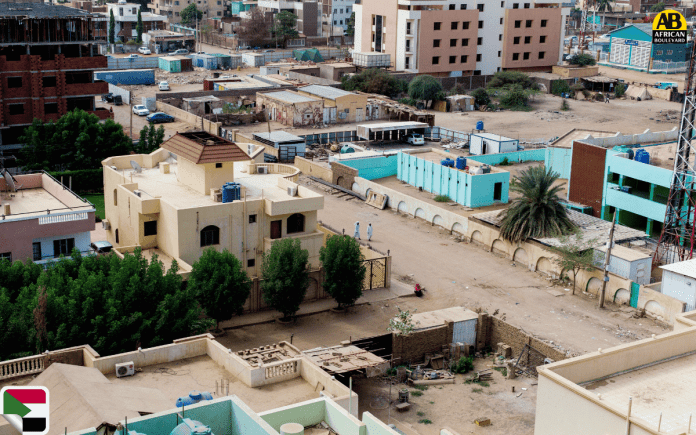
    Sudan’s Rebel Leader and Military Chief Unite: A Glint of Hope in the Fog of War

    0
    Read Time:2 Minute, 2 Second

    Khartoum, Sudan – (African Boulevard News) – In a recent turn of events, rebel leader Abdelaziz al-Hilu has found himself in the spotlight after reports emerged of a meeting with Sudanese Armed Forces (SAF) boss Abdel Fattah al-Burhan. This unexpected development has sparked speculation about the future direction of the rebel Sudan People’s Liberation Army-North (SPLM-N) and its potential alignment with the country’s military leadership.

    The reported meeting between al-Hilu and al-Burhan has ignited a flurry of speculation among political analysts and experts. Many are questioning the motive behind this encounter and what it means for the ongoing conflict in Sudan.

    According to sources close to the matter, the meeting took place in a discreet location and lasted several hours. While the details of their discussion remain undisclosed, some speculate that the two leaders may have explored possibilities for collaboration in resolving the civil unrest that has plagued Sudan for years.

    The potential alliance between al-Hilu and al-Burhan has raised eyebrows, considering their previous differences and the history of conflict between the SPLM-N and the SAF. However, it is important to note that both leaders have recently expressed a willingness to engage in dialogue and explore avenues for peace.

    Political analyst Sarah Ahmed believes this meeting could be a turning point in the Sudanese conflict. She states, “This unexpected meeting between al-Hilu and al-Burhan offers a glimmer of hope for a peaceful resolution. It signifies a willingness on both sides to put their differences aside and work towards a common goal.”

    However, other experts remain skeptical of this newfound collaboration. Mohamed Hassan, a prominent activist, warns, “Al-Hilu must tread cautiously when dealing with the SAF. There is a risk of losing the support of his base, who have long fought against the military establishment.”

    While it’s unclear how this meeting will affect the SPLM-N’s overall strategy, the fact that al-Hilu has engaged in talks with al-Burhan suggests a possible shift in approach. It remains to be seen whether this will lead to a formal alliance or act as a mere gesture of goodwill.

    The situation in Sudan remains complex and fluid, and only time will reveal the true intentions behind this meeting. As the nation eagerly watches, the spotlight remains on Abdelaziz al-Hilu and Abdel Fattah al-Burhan, and the potential impact their collaboration or lack thereof could have on Sudan’s future.

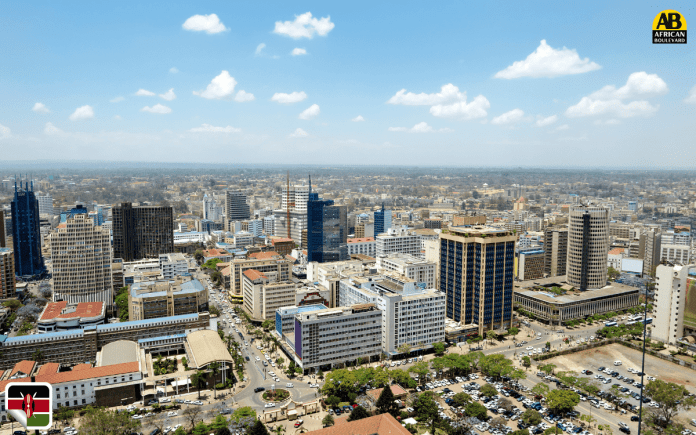
    Kenya’s Thwake Dam Delays Spark Frustration and Political Pressure – Will Promises Turn into Action?

    0
    Read Time:2 Minute, 9 Second

    Nairobi, Kenya – (African Boulevard News) – The completion of the Thwake dam in Kenya is facing mounting pressure as politicians and communities in the Ukambani region demand action. The massive infrastructure project, which is being constructed by a Chinese firm, has encountered numerous delays and setbacks, leaving local residents frustrated and concerned about the future.

    The Thwake dam, located in the eastern region of Ukambani, is expected to provide a reliable source of water for irrigation, drinking, and electricity generation. Once completed, it will have the capacity to hold 681 million cubic meters of water, making it one of the largest dams in the country.

    However, despite the ambitious plans, the project has experienced significant delays and challenges. According to industry experts, these issues range from funding constraints to technical difficulties, and have led to a sense of disillusionment among local communities who were promised the benefits of the dam.

    The Ukambani region has traditionally been an opposition stronghold, and politicians are capitalizing on the frustrations of their constituents to gain political mileage. They are calling on President Uhuru Kenyatta to take decisive action and ensure that the Thwake dam is completed without further delay.

    “The Thwake dam is a crucial project for our region, and we cannot continue to wait indefinitely. We need the government to step in and hold the Chinese firm accountable for their shortcomings,” said a local community leader.

    In response to the mounting pressure, Deputy President William Ruto, who has been overseeing the implementation of the project, has vowed to address the concerns and expedite the completion of the dam. Ruto has acknowledged the delays and has promised to hold the Chinese firm accountable for the setbacks.

    “We understand the frustrations of the people in Ukambani, and we are committed to ensuring that the Thwake dam is completed on time. We will work closely with the Chinese firm to address any issues that may arise,” Ruto said during a recent press conference.

    The government has also assured the public that they are taking the matter seriously and that the completion of the dam remains a top priority. They have pledged to allocate additional funds if necessary and have called for increased oversight to ensure that the project stays on track.

    While the Thwake dam project faces significant challenges, there is still hope that it will be completed and bring much-needed relief to the people of Ukambani. The government must now follow through on their promises and ensure that the project is not just a symbol of development, but a tangible reality that will benefit the entire region.

    Libya’s Path to Peace: US and France Rally for a Unified Government to End Conflict and Bring Stability

    0
    Read Time:2 Minute, 27 Second

    Tripoli, Libya – (African Boulevard News) – In a bid to accelerate the election process and bring stability to Libya, US and French diplomats are actively advocating for the establishment of a new unified government. This move could potentially lead to the departure of current Prime Minister Abdelhamid Dabaiba, as Washington and Paris push for a fresh start in the war-torn country.

    The pressing need for a new unified government stems from the desire to mitigate the ongoing political divisions and conflicts that have plagued Libya since the overthrow of former dictator Muammar Gaddafi in 2011. The US and France believe that a cohesive and unified government is crucial for holding credible and transparent elections, which would ultimately foster peace and stability in the region.

    According to sources, both Washington and Paris have been engaging in intensive diplomatic efforts to facilitate the creation of a new government in Libya. The goal is to bring together various factions and key stakeholders to form a unified front and pave the way for a successful electoral process. While the specifics of this proposed government are yet to be determined, experts suggest that it would aim to be inclusive and representative of all Libyan factions and geographic regions.

    The push for a new unified government has garnered mixed reactions within Libya. Some view this as a positive step towards reconciliation and a chance for the country to turn a new leaf. However, there are concerns about potential power struggles and resistance from those who may feel marginalized or excluded from the process.

    Analysts highlight the significance of external actors like the US and France in driving this process forward. Their involvement demonstrates the international community’s commitment to supporting Libya’s path towards stability and democracy. By actively advocating for a unified government, these countries are signaling their willingness to provide assistance and resources to ensure a successful transition.

    Critics argue that the creation of a new government alone will not suffice in addressing the multifaceted challenges facing Libya. They stress the importance of implementing comprehensive reforms, tackling corruption, and addressing economic issues to truly stabilize the nation. Nonetheless, the establishment of a new unified government would be a crucial first step towards achieving these broader objectives.

    As the journey towards a new unified government continues, the eyes of the international community remain fixed on Libya. The stakes are high, and the success of these efforts will have far-reaching implications for the country and the wider region. With support from key international players, Libya may finally have a chance to break free from its troubled past and embark on a path towards peace, prosperity, and democratic governance.

    In conclusion, the push by Washington and Paris for a new unified government in Libya signifies a determination to bring stability and pave the way for credible elections. While the road ahead may be challenging, the international community’s involvement and support provide hope for a brighter future for the Libyan people.

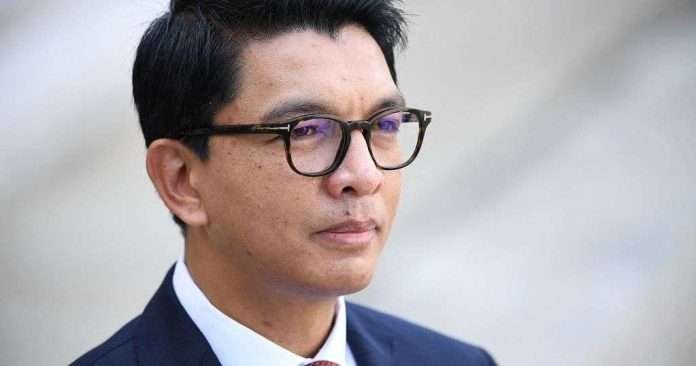
    Madagascar: Opposition Fights Against “Institutional Coup” Ahead of Pivotal Election

    0
    Read Time:4 Minute, 15 Second

    Antananarivo, Madagascar – (African Boulevard News) – Madagascar’s political landscape is once again in turmoil as the opposition vehemently condemns what they call an “institutional coup” ahead of the upcoming presidential election. In a letter addressed to the country’s electoral authorities, 10 out of the 13 presidential candidates expressed their objection to recent court rulings that have effectively handed power over to Prime Minister Christian Ntsay. The candidates argue that these rulings undermine the democratic process and create an unfair advantage for Ntsay’s administration.

    The opposition’s concerns stem from a series of legal decisions that have unfolded in recent weeks. The first ruling came in the form of a constitutional court decision that invalidated the candidacy of leading opposition figure and former President of Madagascar, Marc Ravalomanana. This move was followed by a decision that paved the way for Prime Minister Ntsay to assume a caretaker role until the election takes place.

    Opposition candidate, Zafimahaleo Rasolojaona, criticized the court rulings, stating, “This is a clear attempt to manipulate the electoral process and perpetuate the rule of the current administration. It is an institutional coup that undermines the democratic principles we hold dear.”

    The opposition candidates argue that these decisions are politically motivated and aimed at consolidating power rather than upholding the principles of democracy. They express concerns that Ntsay’s caretaker role could provide an unfair advantage in the election, allowing him to use state resources for campaigning purposes.

    Supporters of the ruling party, however, argue that the court’s decisions were made based on constitutional provisions and are necessary to ensure a smooth and fair electoral process. They maintain that the judiciary is independent and that the opposition’s claims of an institutional coup are baseless.

    As tensions rise and the election date draws nearer, it remains to be seen how this situation will unfold. The opposition has called for international observers to monitor the electoral process to ensure transparency and fairness. They believe that international intervention is necessary to prevent any further infringement on democratic principles.

    The international community, including the African Union and the United Nations, has been urged to closely monitor the situation in Madagascar and offer support to guarantee a free and fair election.

    As Madagascar braces itself for this critical election, the outcome will not only shape the future of the country but also have implications for the region. All eyes are now on the electoral authorities and international observers, who play a crucial role in ensuring that the democratic process is upheld and that the will of the people prevails.

    Madagascar opposition condemns ‘institutional coup’ before vote

    Antananarivo, Madagascar – (African Boulevard News) – Madagascar’s political landscape is once again in turmoil as the opposition vehemently condemns what they call an “institutional coup” ahead of the upcoming presidential election. In a letter addressed to the country’s electoral authorities, 10 out of the 13 presidential candidates expressed their objection to recent court rulings that have effectively handed power over to Prime Minister Christian Ntsay. The candidates argue that these rulings undermine the democratic process and create an unfair advantage for Ntsay’s administration.

    The opposition’s concerns stem from a series of legal decisions that have unfolded in recent weeks. The first ruling came in the form of a constitutional court decision that invalidated the candidacy of leading opposition figure and former President of Madagascar, Marc Ravalomanana. This move was followed by a decision that paved the way for Prime Minister Ntsay to assume a caretaker role until the election takes place.

    Opposition candidate, Zafimahaleo Rasolojaona, criticized the court rulings, stating, “This is a clear attempt to manipulate the electoral process and perpetuate the rule of the current administration. It is an institutional coup that undermines the democratic principles we hold dear.”

    The opposition candidates argue that these decisions are politically motivated and aimed at consolidating power rather than upholding the principles of democracy. They express concerns that Ntsay’s caretaker role could provide an unfair advantage in the election, allowing him to use state resources for campaigning purposes.

    Supporters of the ruling party, however, argue that the court’s decisions were made based on constitutional provisions and are necessary to ensure a smooth and fair electoral process. They maintain that the judiciary is independent and that the opposition’s claims of an institutional coup are baseless.

    As tensions rise and the election date draws nearer, it remains to be seen how this situation will unfold. The opposition has called for international observers to monitor the electoral process to ensure transparency and fairness. They believe that international intervention is necessary to prevent any further infringement on democratic principles.

    The international community, including the African Union and the United Nations, has been urged to closely monitor the situation in Madagascar and offer support to guarantee a free and fair election.

    As Madagascar braces itself for this critical election, the outcome will not only shape the future of the country but also have implications for the region. All eyes are now on the electoral authorities and international observers, who play a crucial role in ensuring that the democratic process is upheld and that the will of the people prevails.

    Libya: Devastating Flash Flood Ravages Coastal City, Leaving Death Toll and Destruction in its Wake

    0
    Read Time:2 Minute, 11 Second

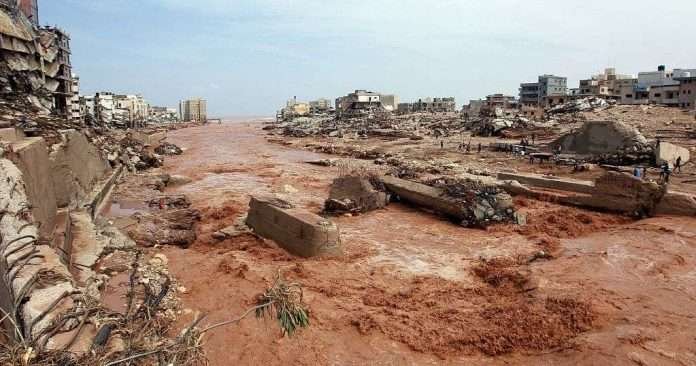
    Tripoli, Libya – (African Boulevard News) – Fears are mounting of a surging death toll in the devastating flood disaster that has hit Libya. The Mediterranean coastal city of Derna was struck by a colossal flash flood late Sunday, leaving witnesses stunned and likening the deluge to a tsunami. The catastrophe was triggered after two upstream dams burst under the weight of the torrential rains brought by Storm Daniel.

    The flash flood has caused widespread chaos and destruction in Derna, with reports of houses being swept away, roads being washed out, and entire neighborhoods being submerged. As emergency response teams struggle to reach the affected areas due to the treacherous conditions, concerns are growing over the number of casualties.

    According to local authorities, at least 20 people have been confirmed dead as a result of the flood, with dozens more reported missing. However, as search and rescue operations continue in the devastated region, it is feared that the death toll could rise significantly.

    “The situation is dire and the potential for further loss of life is a grave concern. We are doing everything we can to support the affected communities and provide assistance to those in need,” said Ahmed Al-Mabrouk, a spokesperson for the Libyan Red Crescent Society.

    The government has declared a state of emergency in the affected areas and has mobilized resources to aid in the recovery efforts. The military has been deployed to assist with the evacuation of stranded residents and to provide essential supplies to those affected.

    Residents who were fortunate enough to escape the initial deluge are now grappling with the aftermath. Many have lost their homes and possessions, and are seeking shelter in makeshift camps set up by humanitarian organizations. As the floodwaters recede, the full extent of the damage is becoming apparent.

    Experts believe that climate change is exacerbating the severity and frequency of extreme weather events, such as the flash flood in Derna. With rapid urbanization and inadequate infrastructure, cities like Derna are particularly vulnerable to the impacts of heavy rainfall.

    The tragic events in Derna serve as a stark reminder of the urgent need for improved disaster preparedness and infrastructure development in Libya. Efforts must be made to strengthen early warning systems, invest in resilient infrastructure, and enhance emergency response capabilities to mitigate the impact of future disasters.

    As the search for survivors continues and the affected communities begin the long road to recovery, the international community stands ready to provide assistance and support to the people of Libya in their time of need. Together, we must work towards building a more resilient and sustainable future for all.